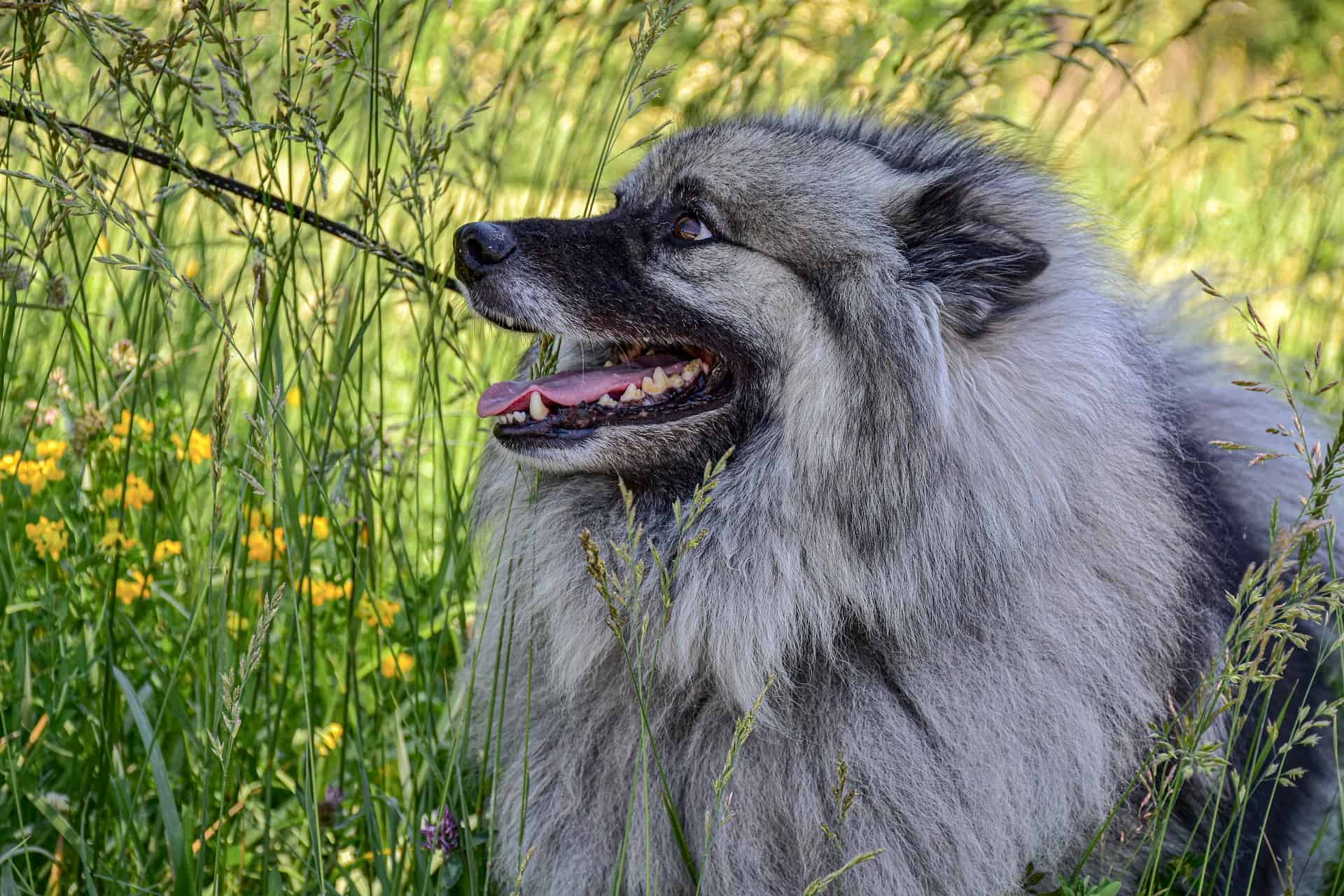
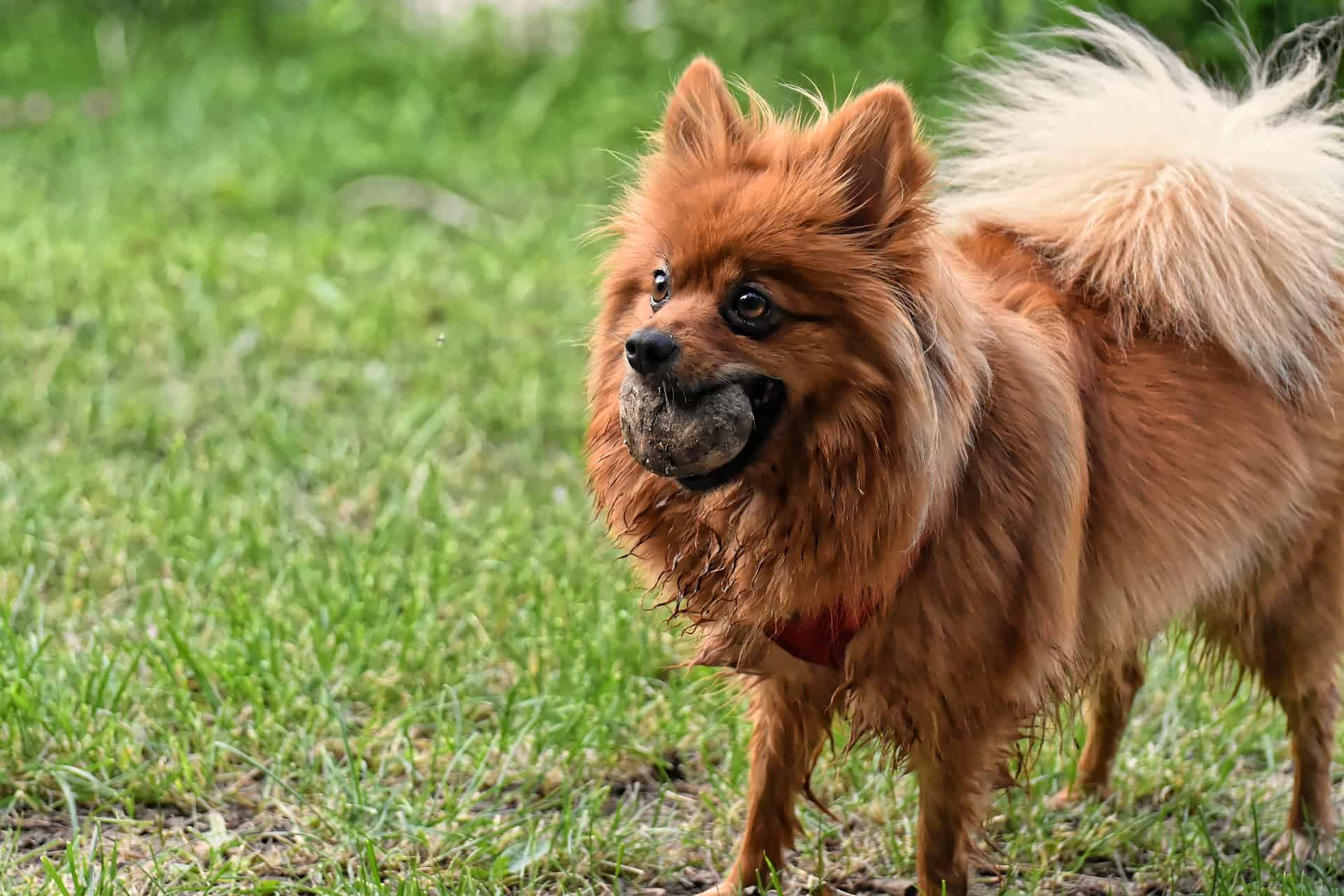
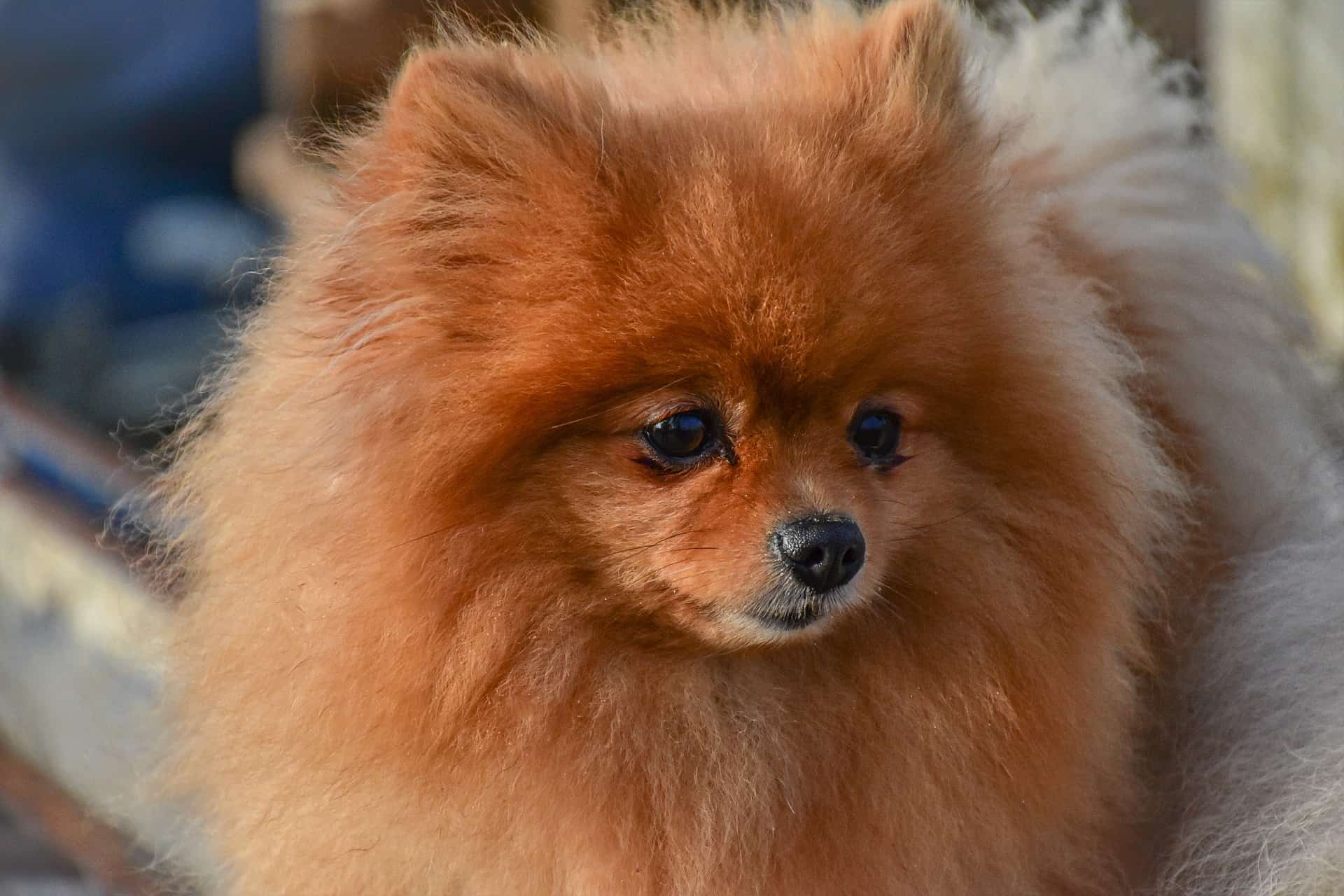
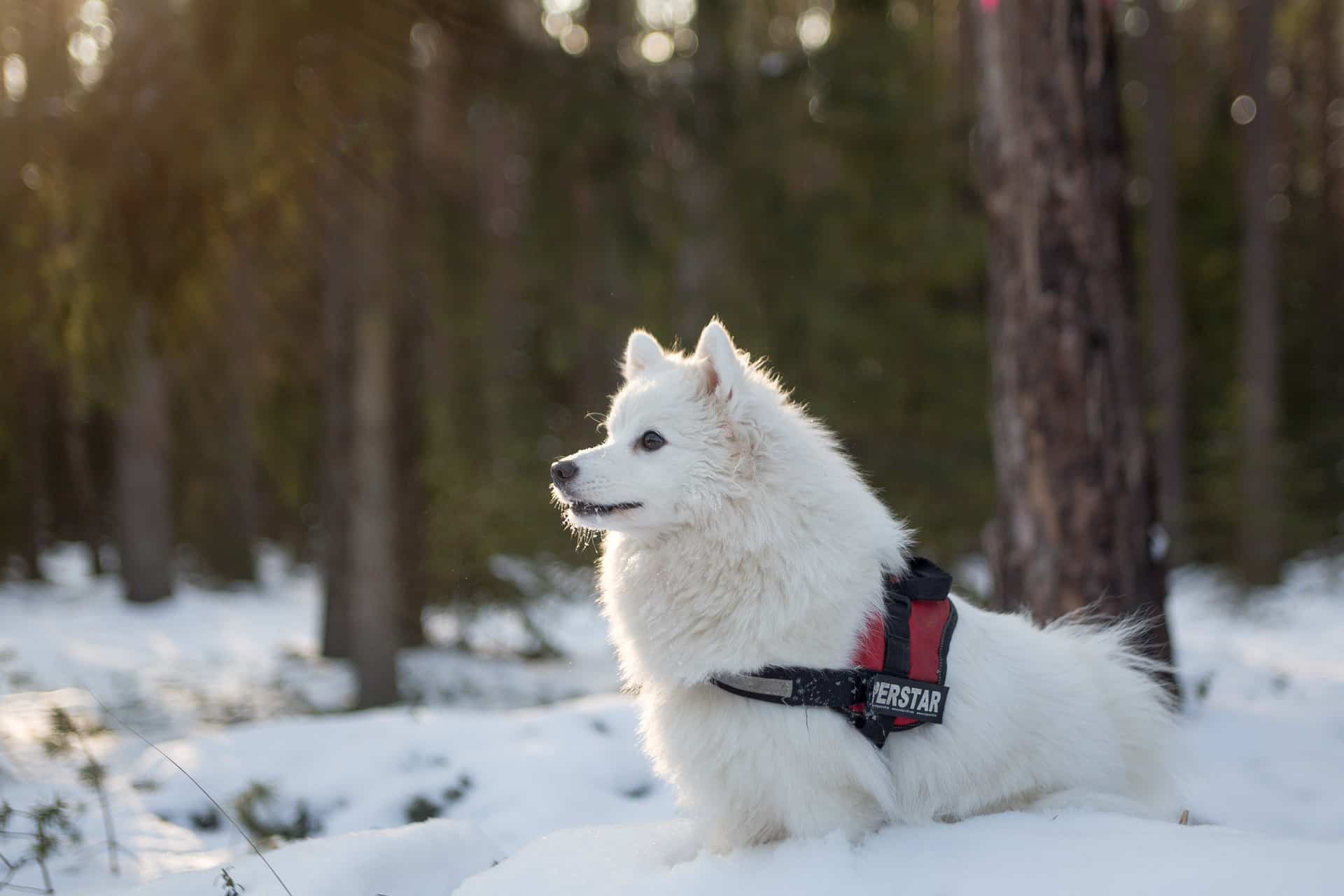
German Spitz (Mittelspitz)
Also known as Mittelspitz
From Germany
German Spitzes require thorough training since they have an independent nature that, if not reined in, can lead to wilfulness. When settled in the family, these joyful and loving dogs make ideal companions for people of all kinds. To keep the enormously thick coat from becoming matted, comprehensive and frequent grooming is necessary.
Purpose & Origin
The German Spitz is one of the oldest breeds in Europe, with written references from the mid-15th century describing it as a guardian of homes and fields. Its ancestors were large northern spitz-type dogs brought south through trade routes, and the breed developed across centuries of German farm life as a watchdog and alarm dog rather than a hunter or herder. The Mittelspitz, meaning "medium spitz," sits in the middle of a five-size family running from the Wolfsspitz (Keeshond) down to the Pomeranian.
In Britain the variety gained its current identity in the 1970s-80s, when breeders imported German Spitz dogs to reverse the extreme miniaturisation of the Pomeranian, and the Kennel Club registered the results as German Spitz (Mittel) from 1985.
Temperament & Behaviour
The Mittelspitz bonds closely to its family and needs to be part of household life. It is vocal, using its voice readily as an early-warning system, and makes a capable watchdog despite having no protection instinct. Strangers get initial caution rather than aggression, and the breed generally tolerates other dogs and pets without difficulty. An independent streak means it will test boundaries if given the chance, so consistent handling from puppyhood matters.
Activity & Training
Exercise needs are moderate. A couple of decent daily walks satisfy the Mittelspitz. Cold tolerance is good given its double-coated northern heritage; heat tolerance is lower, so hot midday exercise should be avoided.
Trainability is middle-range. The breed is quick to learn but willing to decide compliance is optional if the handler is inconsistent. Early socialisation is important: natural wariness of strangers can tip into excessive alarm-barking without broad exposure to people and environments in the first months. Positive reinforcement works well; harsh handling produces stubbornness.
Grooming
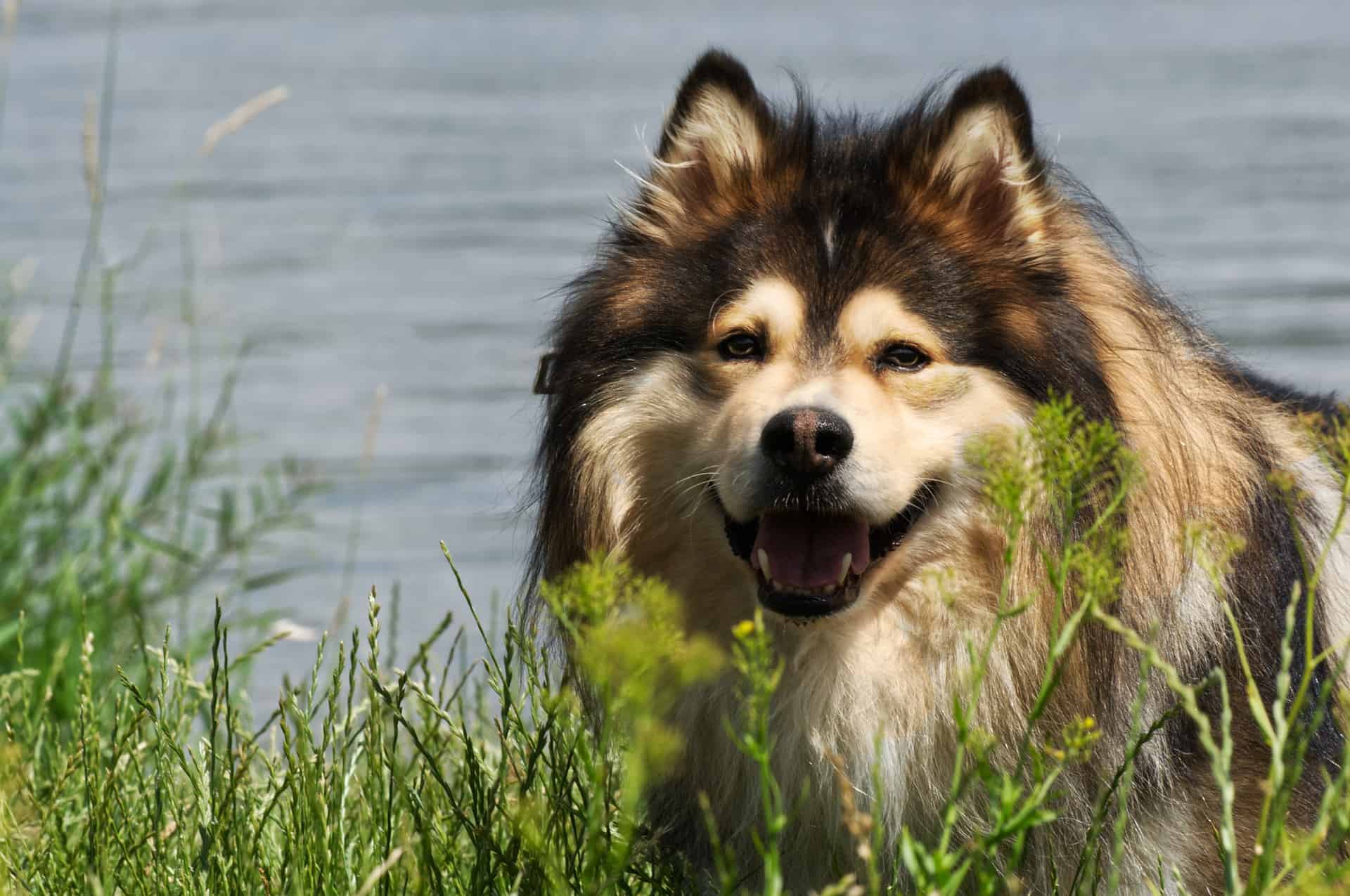
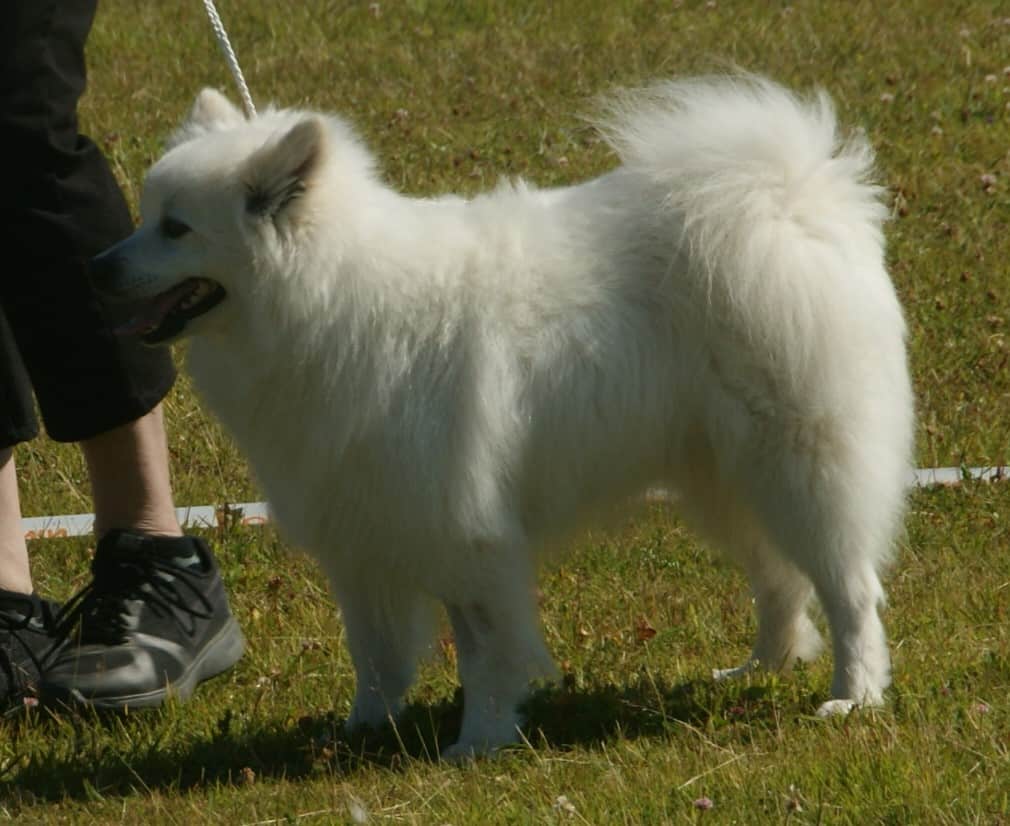
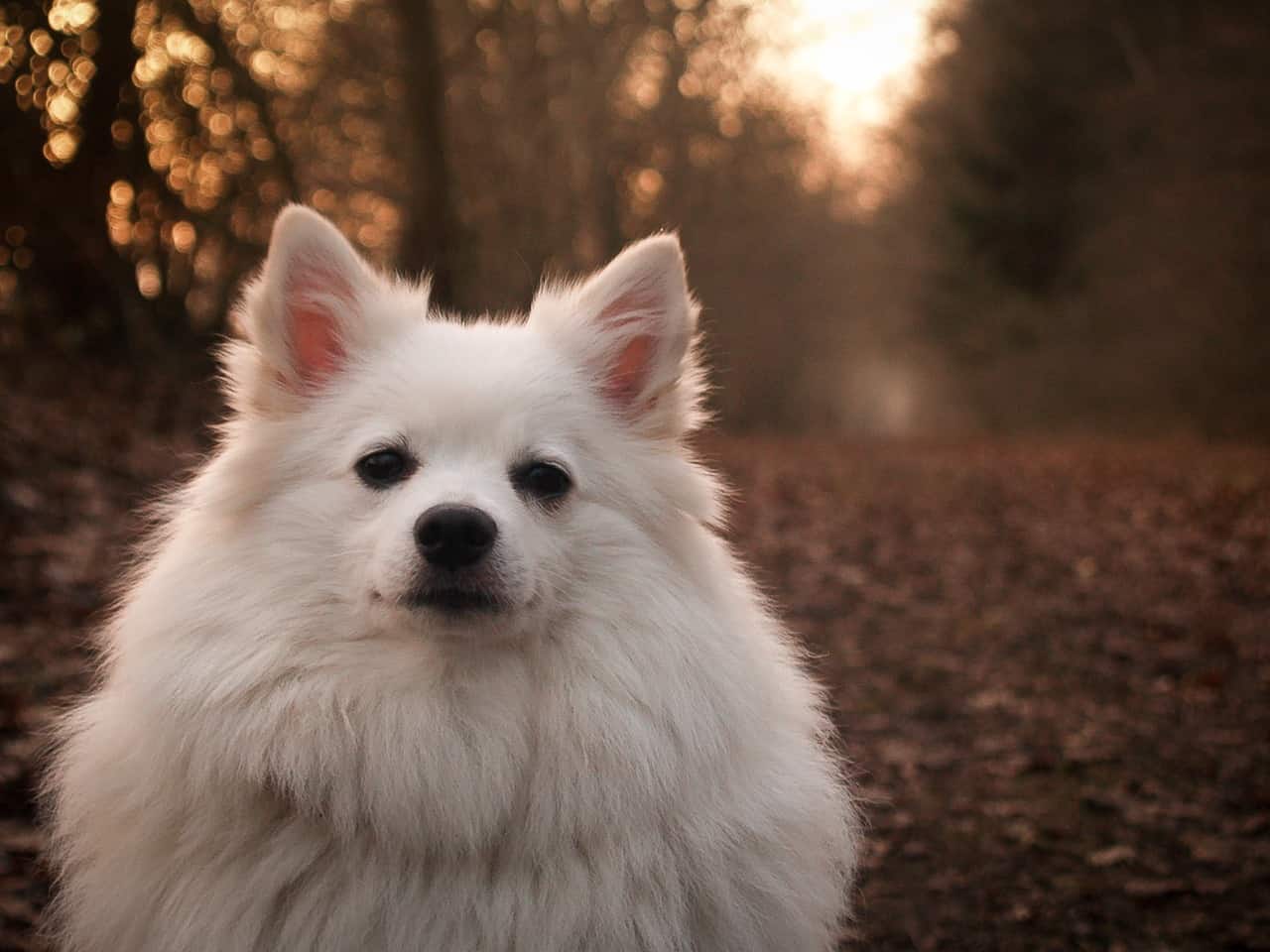
The Mittelspitz carries a thick double coat with a long harsh outer layer over a dense woolly undercoat. Brushing every other day is the baseline to prevent matting. During the two annual heavy sheds, daily brushing is necessary. The coat should not be trimmed or shaved, as the double layer provides both insulation in cold and temperature regulation in warmth. Bathing a few times a year is sufficient under normal conditions.
Health
The German Spitz family is generally healthy with a lifespan of 13 to 15 years. The main documented concerns for the Mittelspitz are patellar luxation, epilepsy, and hereditary eye conditions including progressive retinal atrophy and retinal dysplasia. Ask breeders for current eye-test results on both parents. The breed has historically been used to improve the genetic robustness of other spitz varieties, reflecting its solid baseline constitution.
Why these breeds are similar
**Keeshond (Wolfsspitz)** is the largest member of the same German Spitz family, sharing the double coat, alert temperament, and northern origins, scaled up and fixed in grey-and-black colouring.
**Kleinspitz** is the next size down in the same five-tier system, essentially the same dog in a smaller package with identical temperament and coat.
**Pomeranian** is the smallest German Spitz breed, bred down from the same stock over centuries, sharing the double coat and vocal alert personality in an extremely compact form.
**Japanese Spitz** mirrors the Mittelspitz closely in coat texture, spitz proportions, and watchdog behaviour, having developed in Japan likely from white German Spitz imports in the early 20th century.
**Finnish Lapphund** shares the dense cold-weather double coat and a strongly people-oriented temperament, representing the broader Nordic spitz group with comparable grooming demands.
**Volpino Italiano** is an ancient Italian spitz with the same compact double-coated type, lively temperament, and alert watchdog function, the parallel southern European development of the small spitz form.
Trait ratings
- Energy level
- 3/5
- Exercise requirements
- 3/5
- Playfulness
- 3/5
- Affection level
- 5/5
- Friendliness toward dogs
- 3/5
- Friendliness toward other pets
- 4/5
- Friendliness toward strangers
- 4/5
- Ease of training
- 3/5
- Watchdog ability
- 5/5
- Protection ability
- 1/5
- Grooming requirements
- 3/5
- Cold tolerance
- 4/5
- Heat tolerance
- 2/5