Japanese Spitz
From Japan
Purpose & Origin
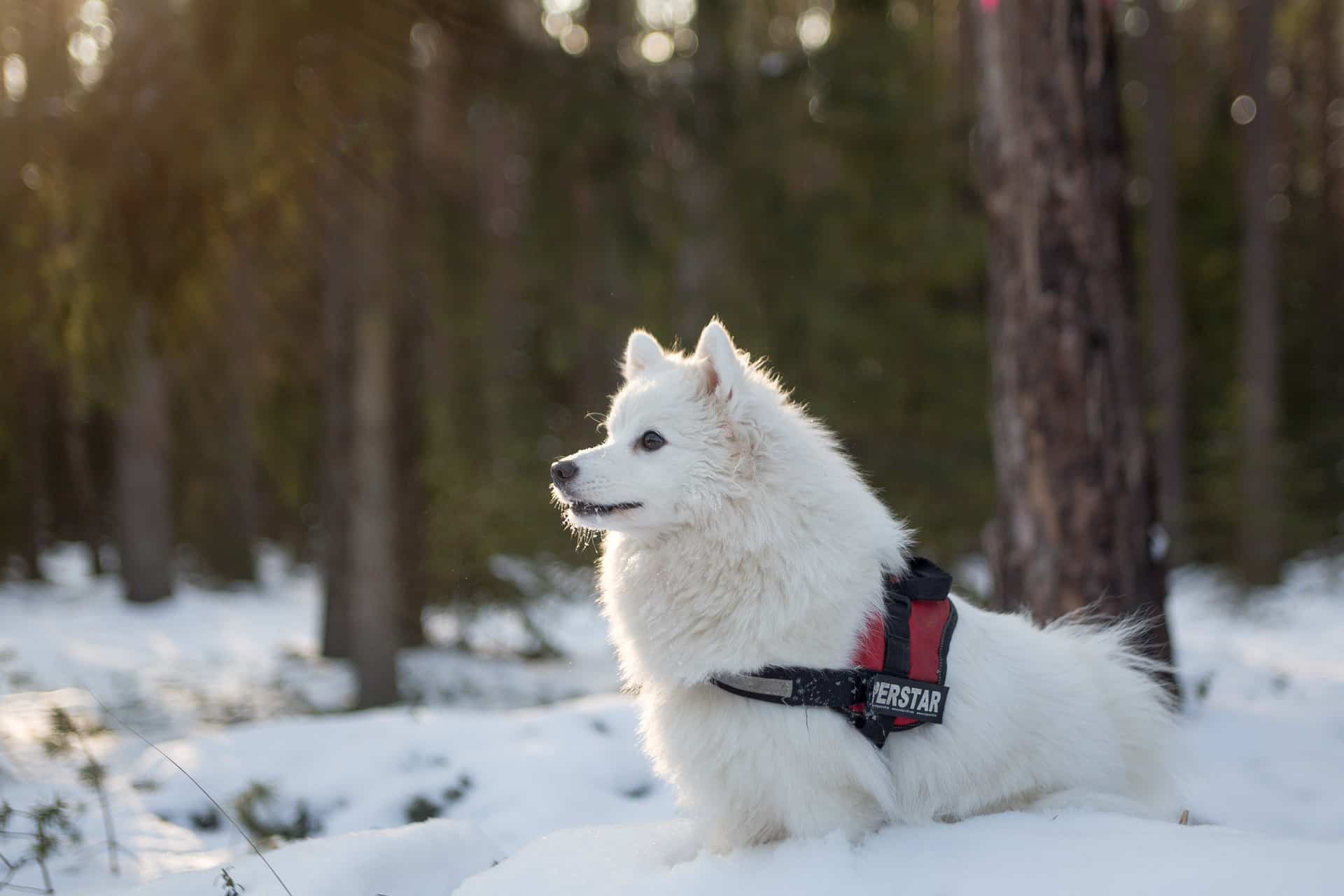
The Japanese Spitz is a small companion breed developed in Japan during the early twentieth century. Its origins are genuinely mixed: around 1900, small Samoyed-type dogs arrived via Mongolia, followed by white German Spitz dogs imported around 1920 (exhibited in Tokyo in 1921). Further imports came in 1923 and through the 1930s from Canada, the United States, Australia, and China, with Russian Spitz dogs from Manchuria added to the mix.
Selective breeding gradually unified this pool into a stable type, and in 1948 the Japan Kennel Club formalised a permanent breed standard. The Kennel Club in London recognised the breed in 1977, after offspring of Swedish exports made a strong impression in England. The result of this blending is essentially a miniature spitz: upright ears, a foxy face, a tightly curled tail over the back, and a pure white double coat with a pronounced ruff.
Temperament & Behaviour
Bold, lively, and intelligent are the three words Morris uses, and they hold up. The Japanese Spitz is confident for its size, not shy or nervous. It bonds closely with its family and can develop separation anxiety if left alone for long stretches. It will bark to alert or when excited, a tendency worth addressing in puppyhood. Around children, other dogs, and cats, a well-socialised specimen is generally reliable. It enjoys performing tricks and responds well to attention, but this enthusiasm for company is also its main weakness: a dog left alone all day will make itself heard.
Activity & Training
Moderate daily exercise is enough, short walks and indoor play sessions cover the physical requirement. Training is straightforward because the breed is attentive and keen to engage with its owner. Early socialisation and basic obedience training should start young, mostly to manage the barking and reinforce calm behaviour around strangers. This is not a dog that needs a job or hours of outdoor activity; it was bred as a household companion and suits apartment or suburban living as long as it gets consistent time with its people.
Grooming
The coat looks more demanding than it is. Dirt and mud tend not to stick to the texture, and the white colour stays cleaner than it appears it should. Routine maintenance is one brush per week. Twice a year, in spring and autumn, the Japanese Spitz blows its undercoat over two to three weeks; during those periods daily brushing is necessary to manage the shed. Bathing is infrequent. The teeth need regular attention from puppyhood, as the breed is predisposed to dental calculus and gingivitis earlier than many breeds.
Health
The Japanese Spitz is a healthy breed with a life expectancy of around 12 to 14 years (a 2024 UK study put the median at 13 years). The main orthopaedic concern is patellar luxation, a dislocating kneecap seen across many small breeds. Runny eyes are common and are usually caused by narrow tear ducts or mild environmental allergies rather than serious disease. Dental disease is worth preventing actively rather than waiting for symptoms. There are no widespread hereditary conditions specific to the breed, and with normal veterinary care most live into their early to mid-teens.
Why these breeds are similar
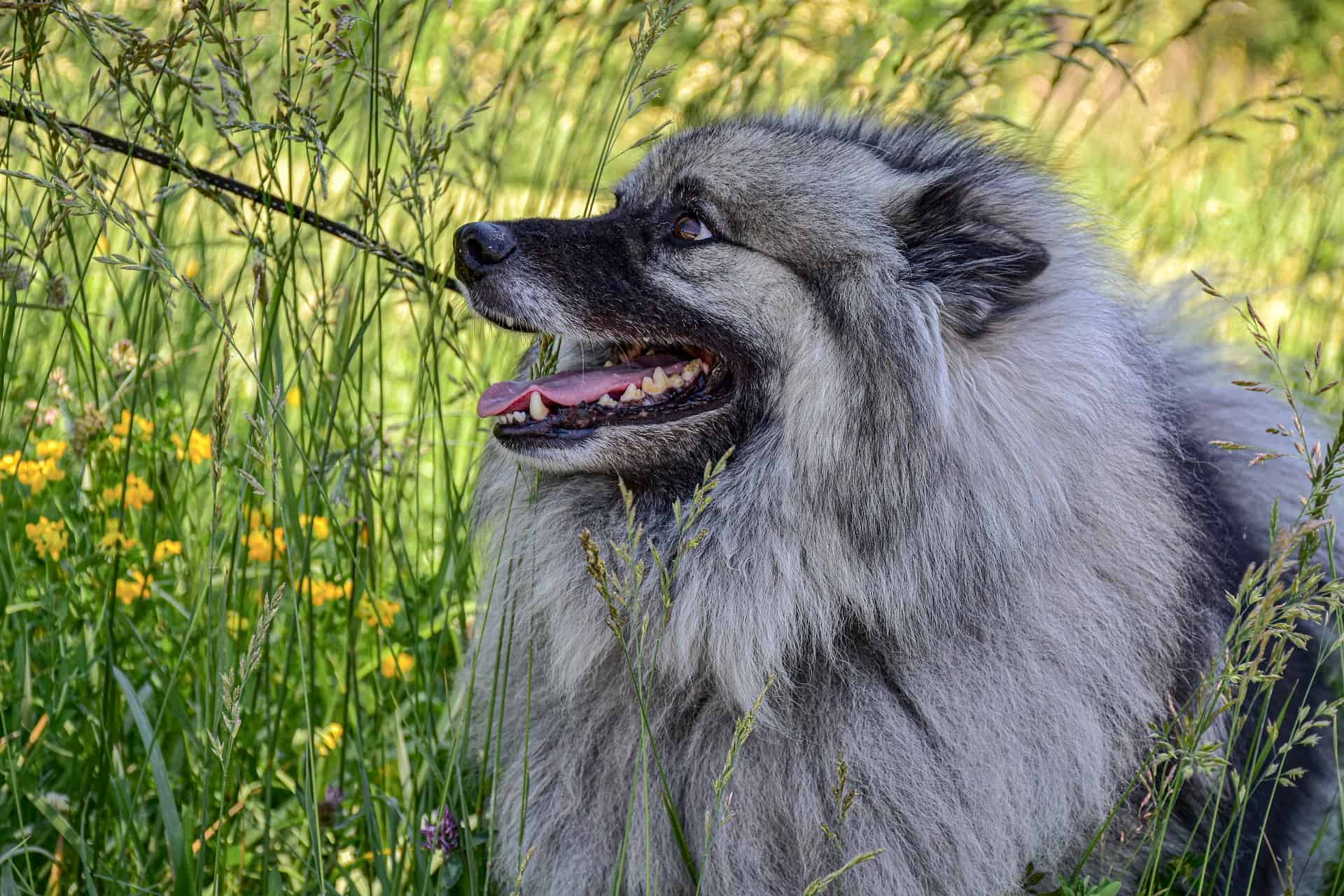
**Keeshond (Wolfsspitz)** shares the same spitz blueprint: dense double coat, upright ears, curled tail, and an alert, people-oriented temperament. The Keeshond is larger and carries a distinctive grey-and-black colouring with characteristic spectacle markings, but the structural type and companion role are directly comparable.
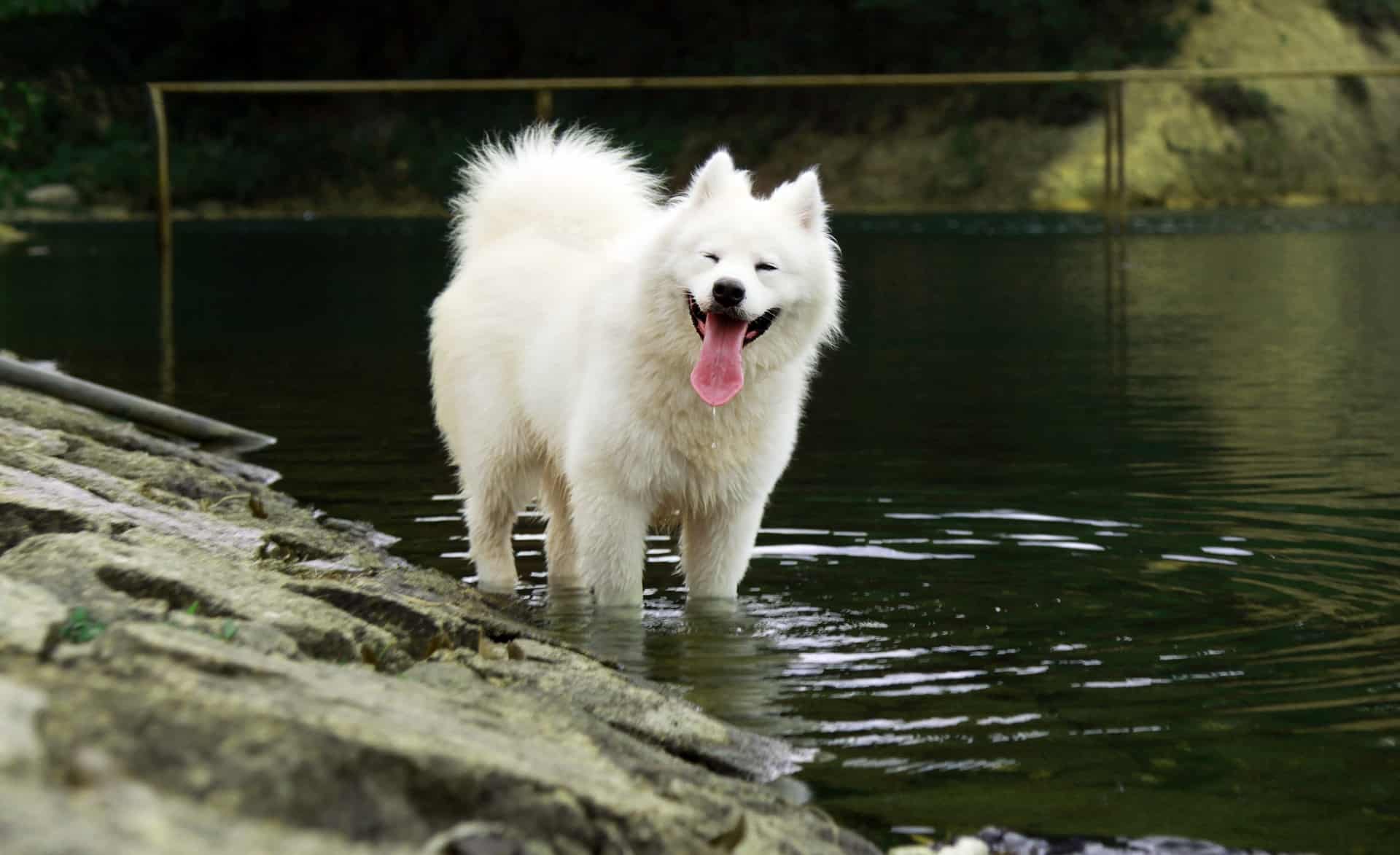
**Samoyed** is almost certainly one of the Japanese Spitz's founding influences and the visual resemblance is obvious: both are white, heavily coated northern spitz dogs built for company rather than work. The Samoyed is substantially larger, built for cold-climate endurance, and needs considerably more exercise, but the coat type, expression, and sociable character put them in the same category.
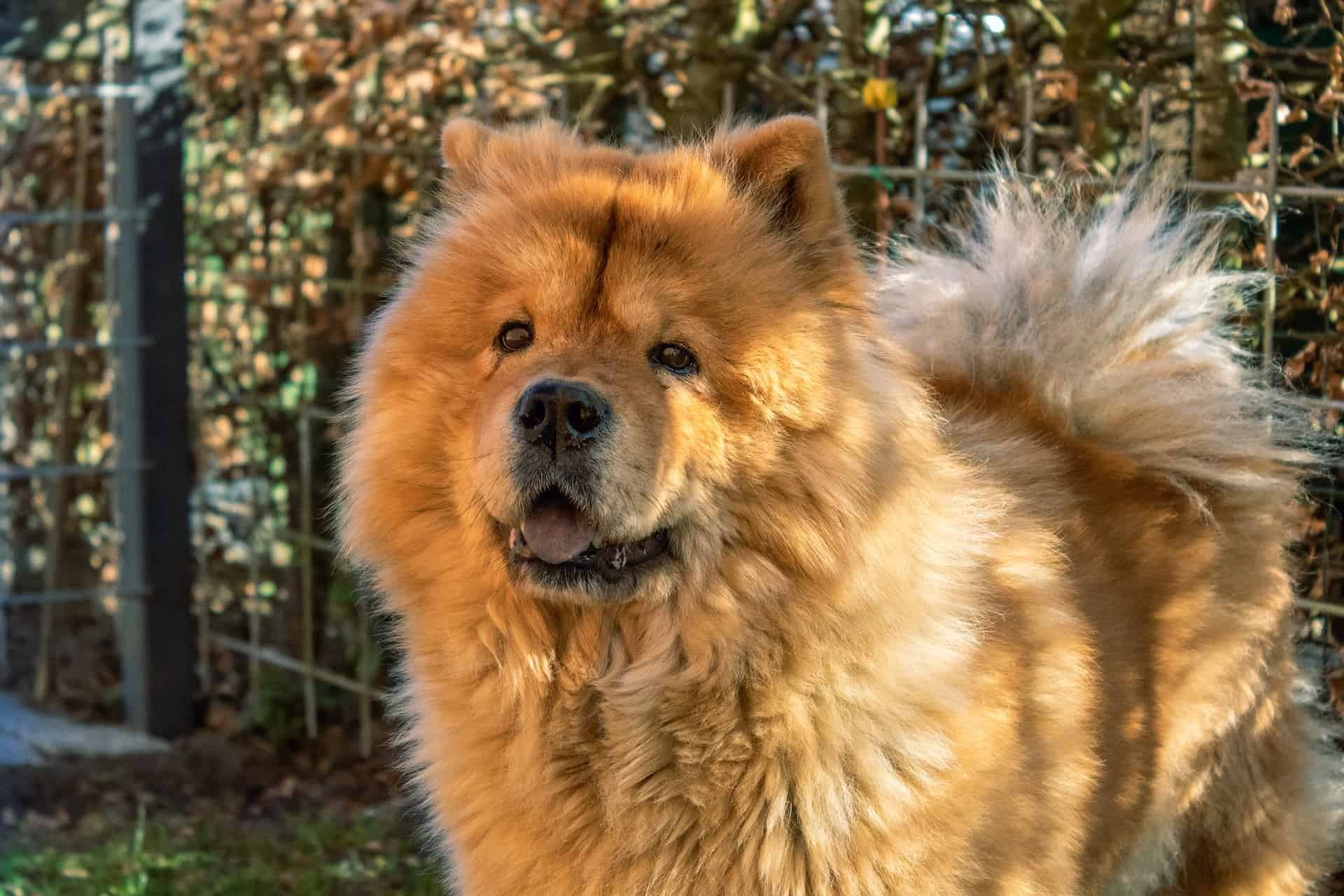
**Chow Chow** is the most distant comparison here. It shares the dense double coat and the spitz-family ancestry, and both breeds can be aloof with strangers while remaining devoted to their own household. The Chow Chow is heavier, more independent, and requires more experienced handling. The similarity is in the coat volume and the reserved-but-loyal temperament rather than in size or energy level.