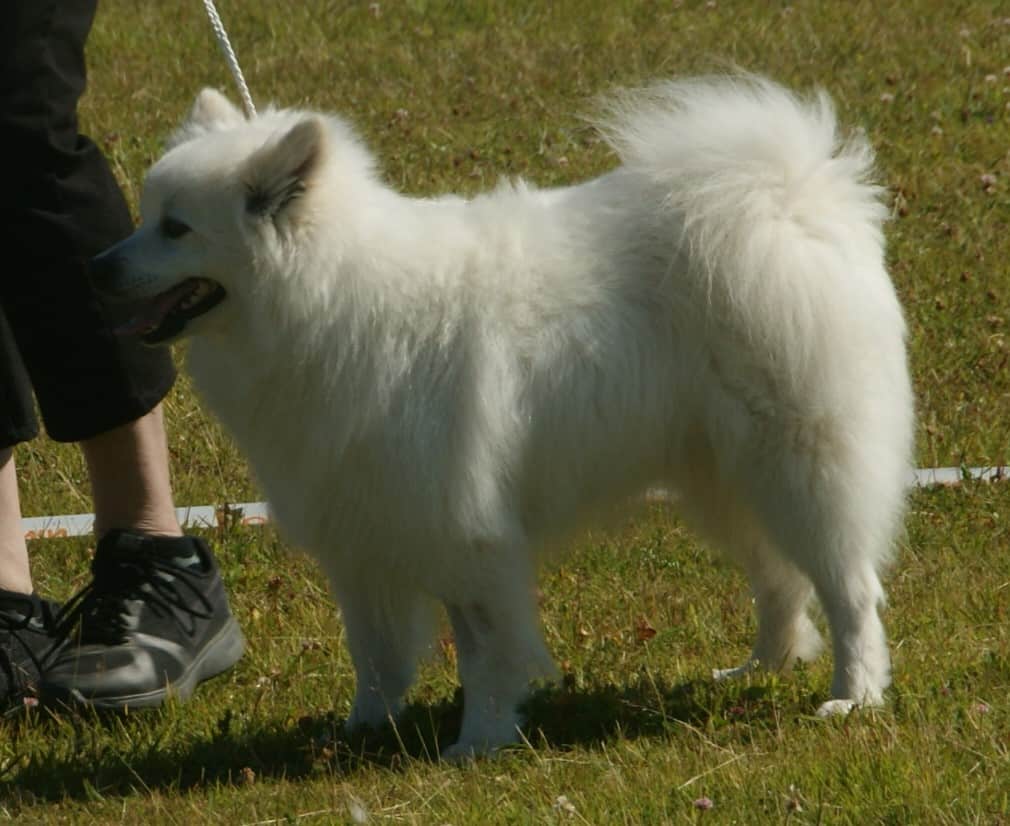
Kleinspitz
From Germany
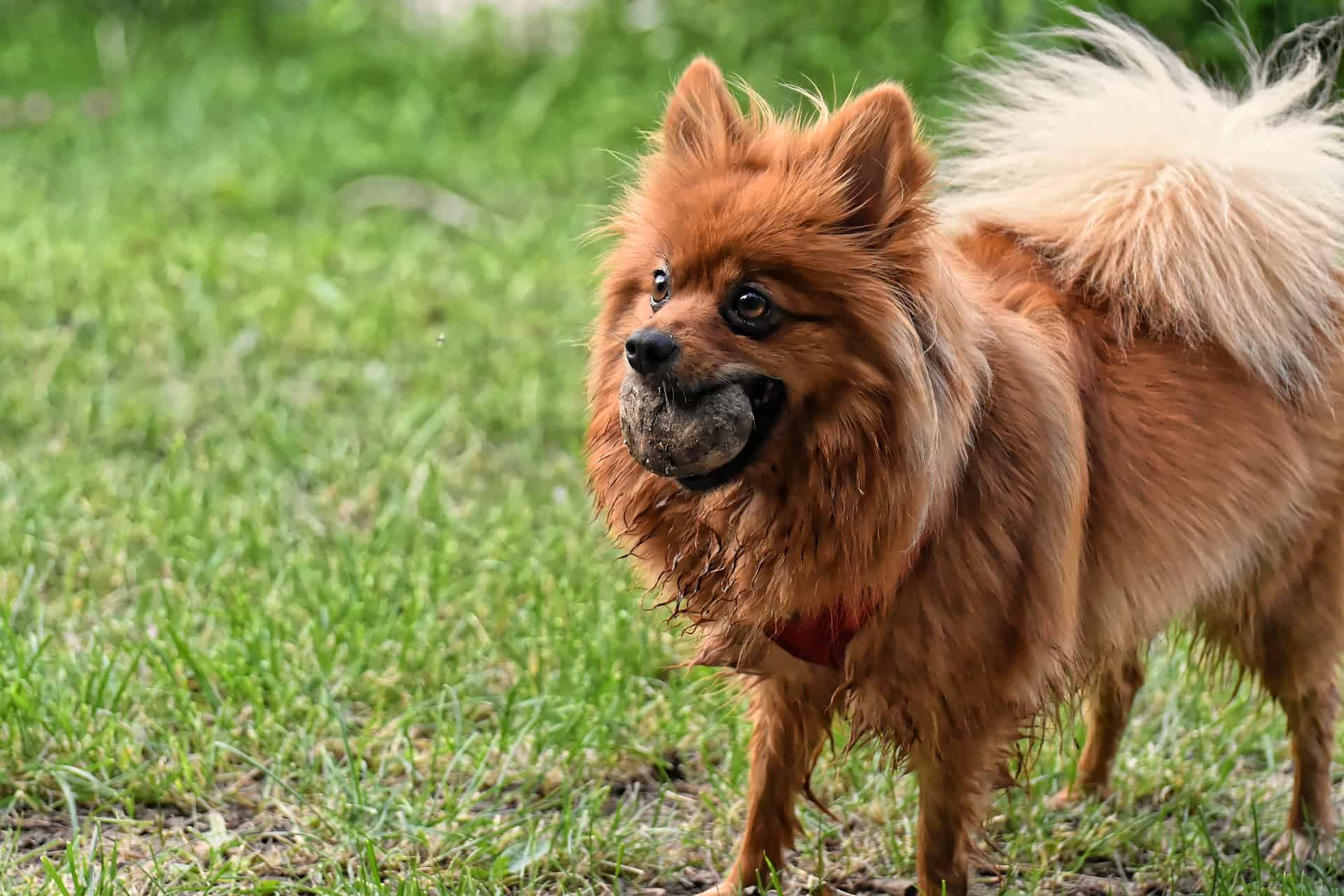
Purpose & Origin
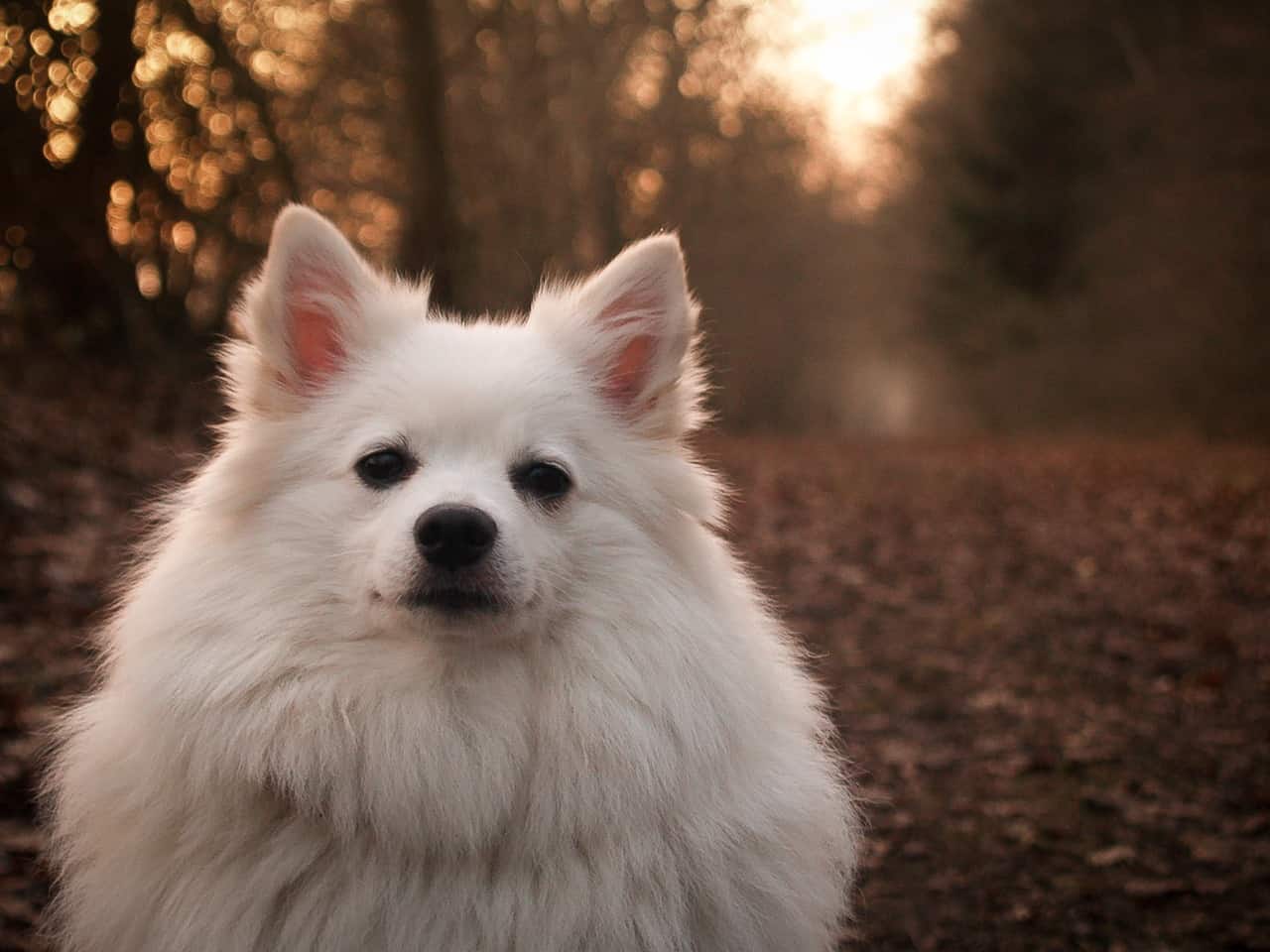
The Kleinspitz, also known as the German Miniature Spitz or German Spitz (Klein), is the middle-small member of the five-size German Spitz family. Its ancestors were northern spitz-type dogs documented in German literature as far back as the mid-15th century. The Kleinspitz occupies the slot between the medium Mittelspitz and the tiny Zwergspitz, standing roughly 23-28 cm at the shoulder. It was bred purely as a companion, never assigned a working or hunting role. In the 1970s British breeders imported Miniature Spitz dogs to counter the extreme dwarfism that had developed in British Pomeranians, and the Kennel Club formally recognised the German Spitz (Klein) as a separate breed in 1985.
Temperament & Behaviour
This is a highly affectionate dog with a strong attachment to its household. It is also assertive: it considers itself larger than it is, vocalises freely, and will test ownership limits if not given consistent expectations from the start. Its watchdog instinct is strong. It notices everything and is naturally cautious around strangers, though it is not aggressive. Early socialisation matters, preventing wariness from hardening into a fixed pattern. It is reasonable with other dogs and household pets, though its confident streak means introductions should be managed.
Activity & Training
Exercise needs are moderate. Brisk daily walks and indoor play are sufficient; this is not a breed that demands long runs or field work, and it adapts well to apartment life. Leaving it alone for extended periods is a different matter: its attachment to people can tip into separation anxiety if under-stimulated.
Trainability is mid-range. It learns quickly but is self-directed and dislikes repetitive drills. Short, varied positive-reinforcement sessions work well; formal obedience competition is a harder sell. Basic manners and solid recall are achievable for any committed owner.
Grooming
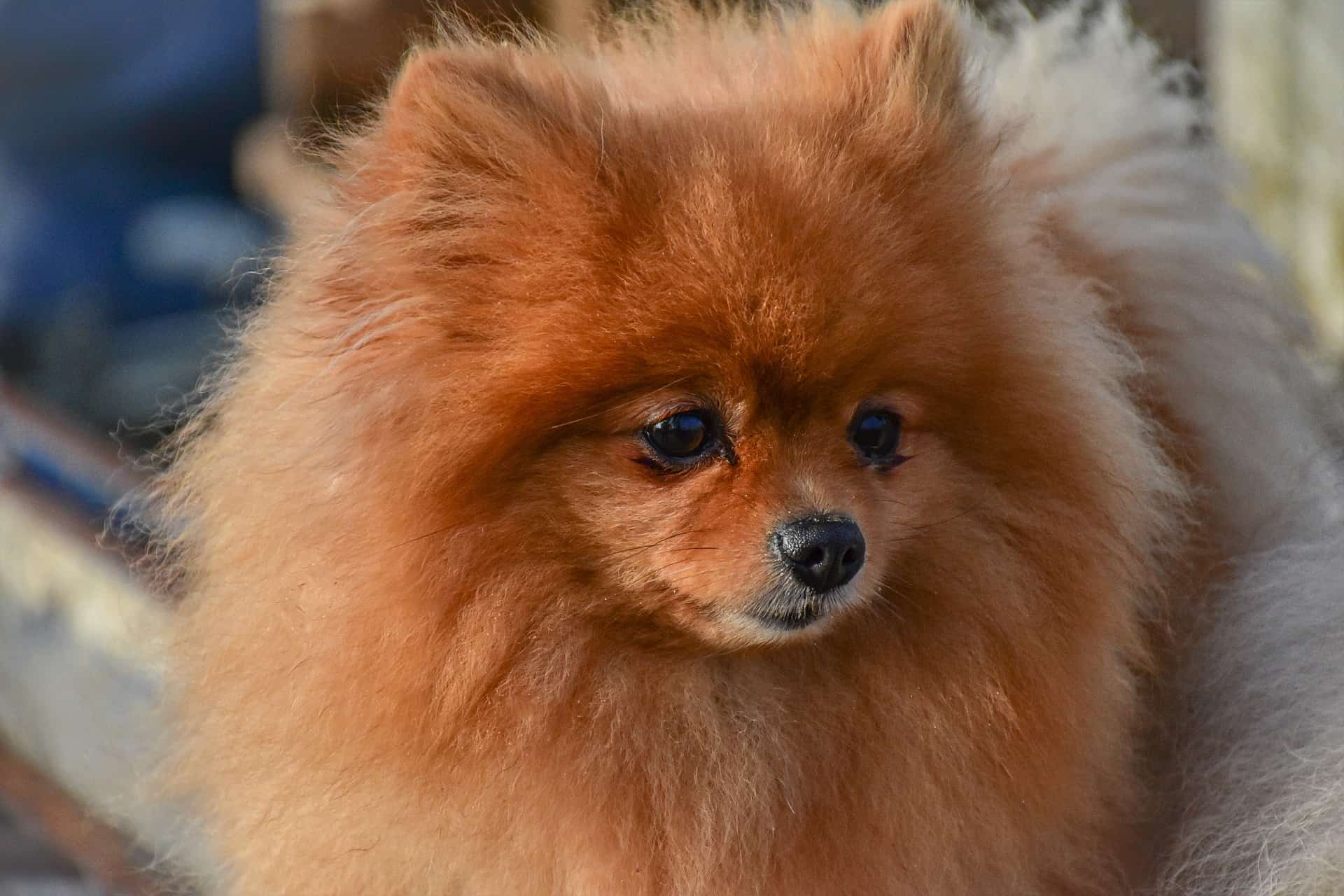
The Kleinspitz carries a long, harsh outer coat over a soft woolly undercoat. Grooming requirements are moderate overall, but the biannual heavy shed demands daily brushing for two to three weeks. Between moults, brushing every two to three days prevents matting around the ears, chest, and hindquarters. The coat needs no trimming or stripping. Cold tolerance is high; heat tolerance is low, so exercise in warm weather should be kept brief.
Health
The Kleinspitz is robust with a lifespan of 13-15 years and a low rate of serious hereditary disease. Weight management is the main practical concern: the compact build and moderate activity level make overfeeding easy, and obesity creates downstream joint and cardiovascular risk. Patellar luxation is reported in the broader spitz family. Dental hygiene, routine in small dogs, is worth maintaining from early on.
Why these breeds are similar
**German Spitz (Mittelspitz)** is the immediate size sibling above the Kleinspitz, sharing identical ancestry, coat type, and temperament. The only real difference is scale.
**Pomeranian** descends from the same German Spitz stock, refined in Britain to a smaller and more extreme form over two centuries. The two breeds overlap heavily in personality, coat texture, and watchdog tendency.
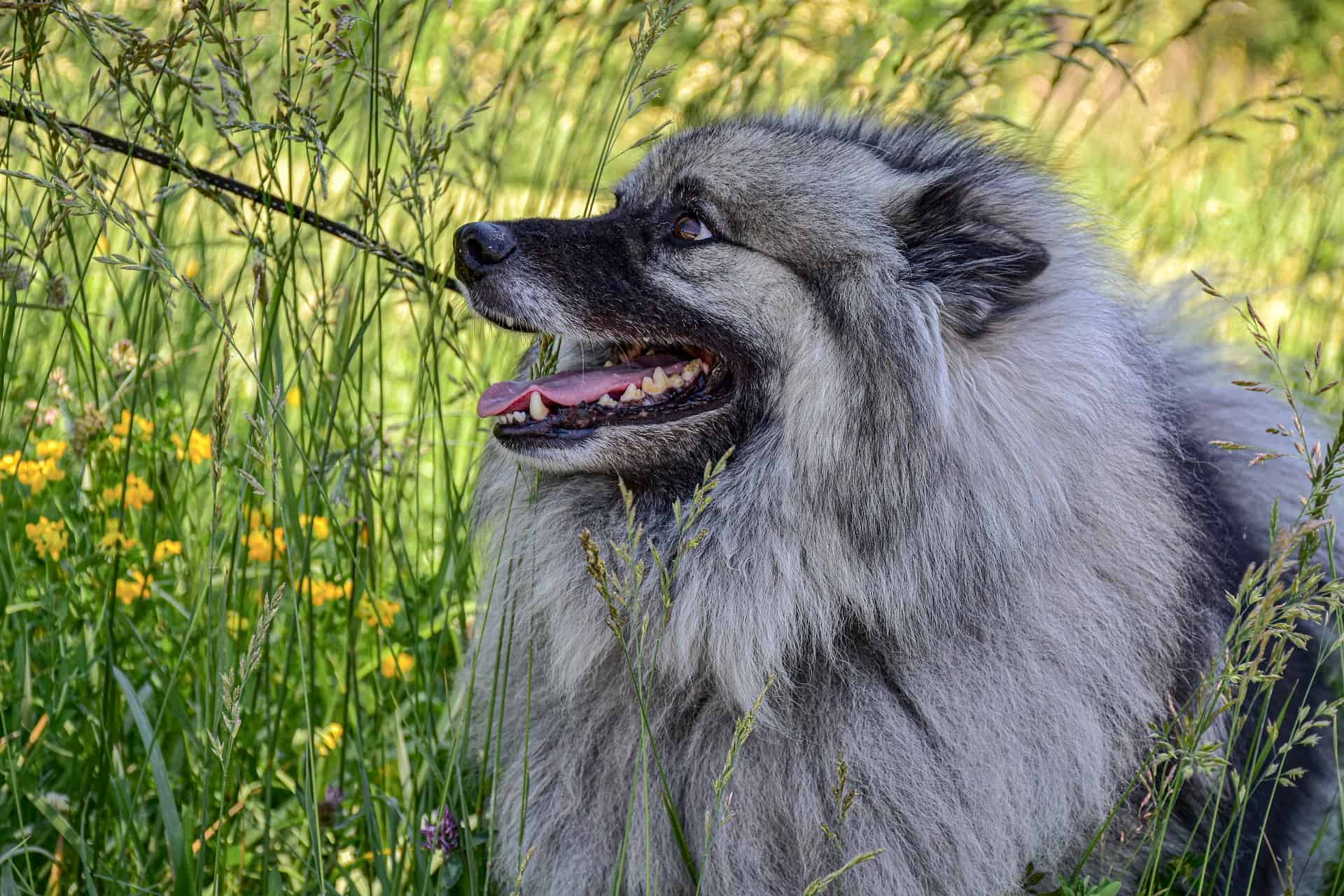
**Keeshond (Wolfsspitz)** is the largest member of the German Spitz family, sharing the same double coat, spitz silhouette, and vocal alertness, but at a substantially larger scale and with a history as a working barge dog.
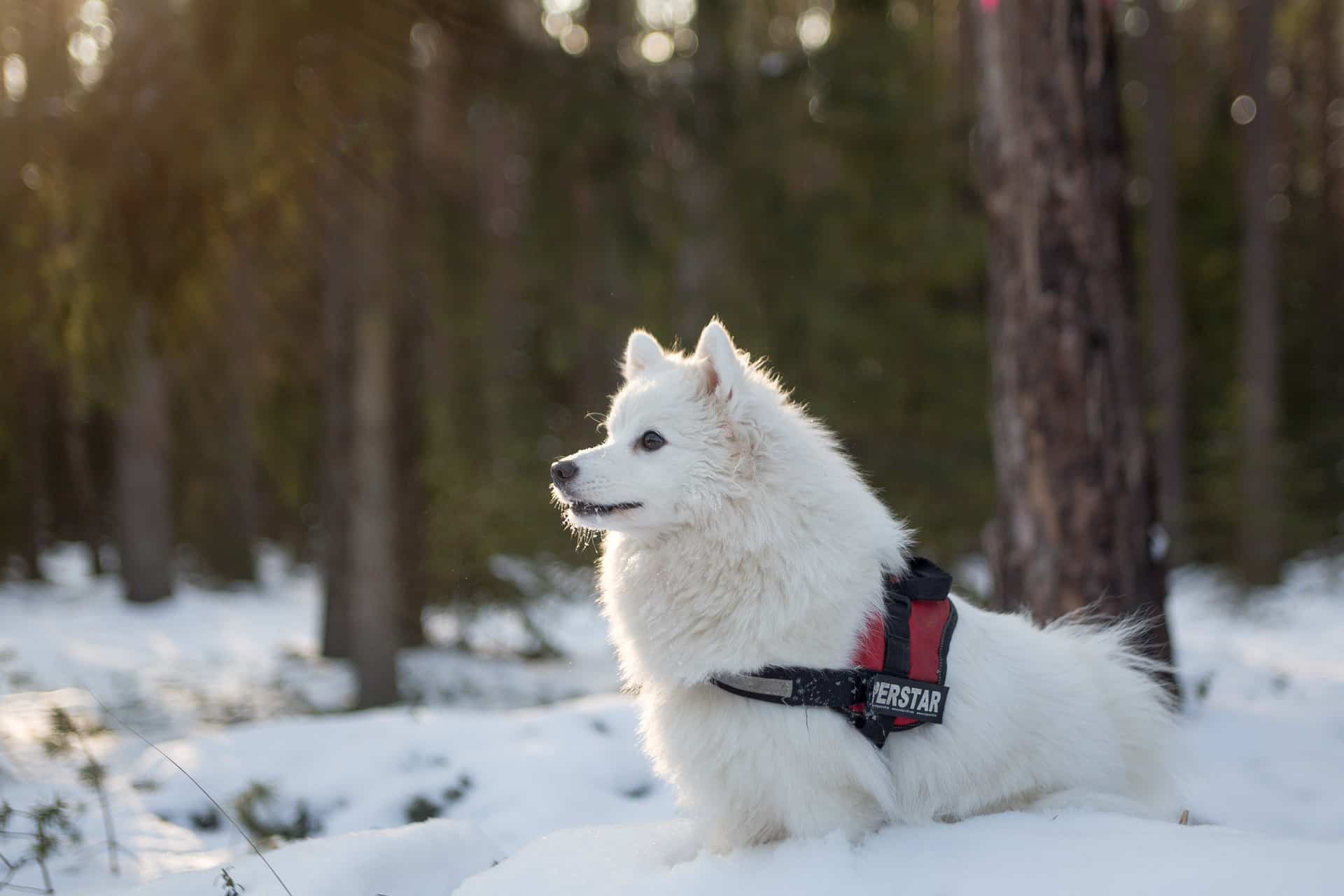
**Japanese Spitz** is an independently developed companion that arrived at a very similar result through separate lines: white double coat, foxy face, alert temperament, and moderate exercise needs.
**Volpino Italiano** is an Italian spitz closely related to early German Spitz types. It shares the compact body, thick coat, lively personality, and strong family loyalty, and is similarly little-known outside its home country.
Trait ratings
- Energy level
- 3/5
- Exercise requirements
- 3/5
- Playfulness
- 3/5
- Affection level
- 5/5
- Friendliness toward dogs
- 3/5
- Friendliness toward other pets
- 4/5
- Friendliness toward strangers
- 4/5
- Ease of training
- 3/5
- Watchdog ability
- 5/5
- Protection ability
- 1/5
- Grooming requirements
- 3/5
- Cold tolerance
- 4/5
- Heat tolerance
- 2/5