Purpose & Origin
The Volpino Italiano is one of Europe's oldest spitz-type breeds, documented in Italy at least as far back as the Renaissance. Its 18th-century name, Volpino di Firenze, reflects Tuscan roots; by the 19th century it was fashionable in Rome, kept at the Quirinal Palace and called the Cane de Quirinale. The name volpino means "little fox," a reference to its sharp muzzle and alert expression.
The breed served two social worlds. Italian noblewomen of the Renaissance adorned their Volpinos with ivory collars, while carters and shepherds in Tuscany and Lazio kept them as watchdogs. Michelangelo is among the figures said to have owned them. The Volpino pre-dates the Pomeranian and may be an ancestor of the northern European spitz miniatures, though the evidence is circumstantial.
Despite this history, the Volpino nearly disappeared in the 20th century and was revived from a small remnant population. It remains rare even in Italy. The FCI recognises it in Group 5 (Spitz and primitive types); the AKC lists it in Foundation Stock Service.
Temperament & Behaviour
The Volpino is lively, vocal, and deeply attached to its people. It bonds quickly with its household and tends to be wary of strangers, making it an effective alarm dog. The vocalization instinct is genuine: without consistent management the barking becomes habitual. It is affectionate and playful at home and adapts well to apartment life, but does not thrive when left alone for long periods.
Activity & Training
Exercise needs are moderate. Daily walks plus indoor play cover the physical requirement without difficulty. Mentally the Volpino is sharp and responsive, but it has an independent streak common to spitz breeds. Training works best with short, positive sessions rather than repetitive drills. Early socialisation is important given the tendency toward wariness and noise around unfamiliar people and animals.
Grooming
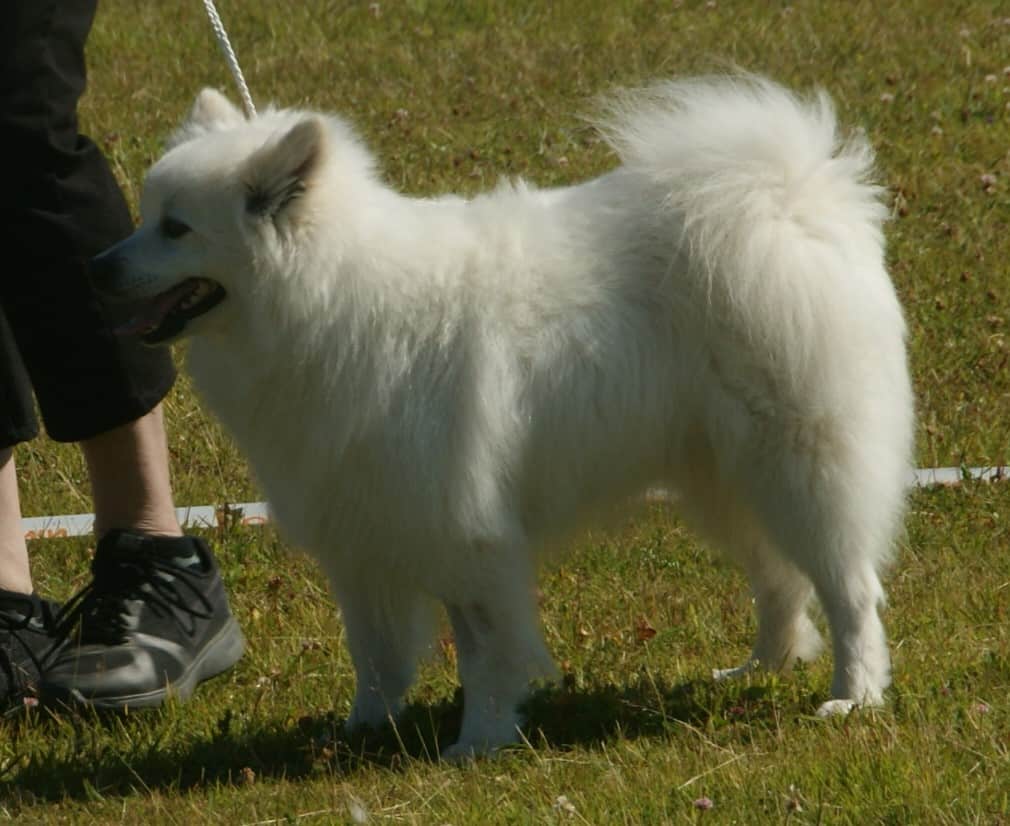
The coat is long, dense, and stands away from the body; pure white is the standard today, with earlier fawn, sable, and black variants having effectively disappeared. Despite the volume, maintenance is manageable: weekly brushing, with more frequent sessions during moults, is enough. The outer coat repels water naturally and provides insulation in both heat and cold, so do not clip it. Height is 27-30 cm, weight 4-5 kg.
Health
The Volpino is considered a healthy and long-lived breed. Lifespan is typically 14-16 years. Primary lens luxation (PLL) is the main hereditary concern and reputable breeders test for it. Patellar luxation and dental crowding are worth monitoring, as with most small breeds. The small gene pool from the 20th-century near-extinction is a background consideration when choosing a puppy.
Why these breeds are similar
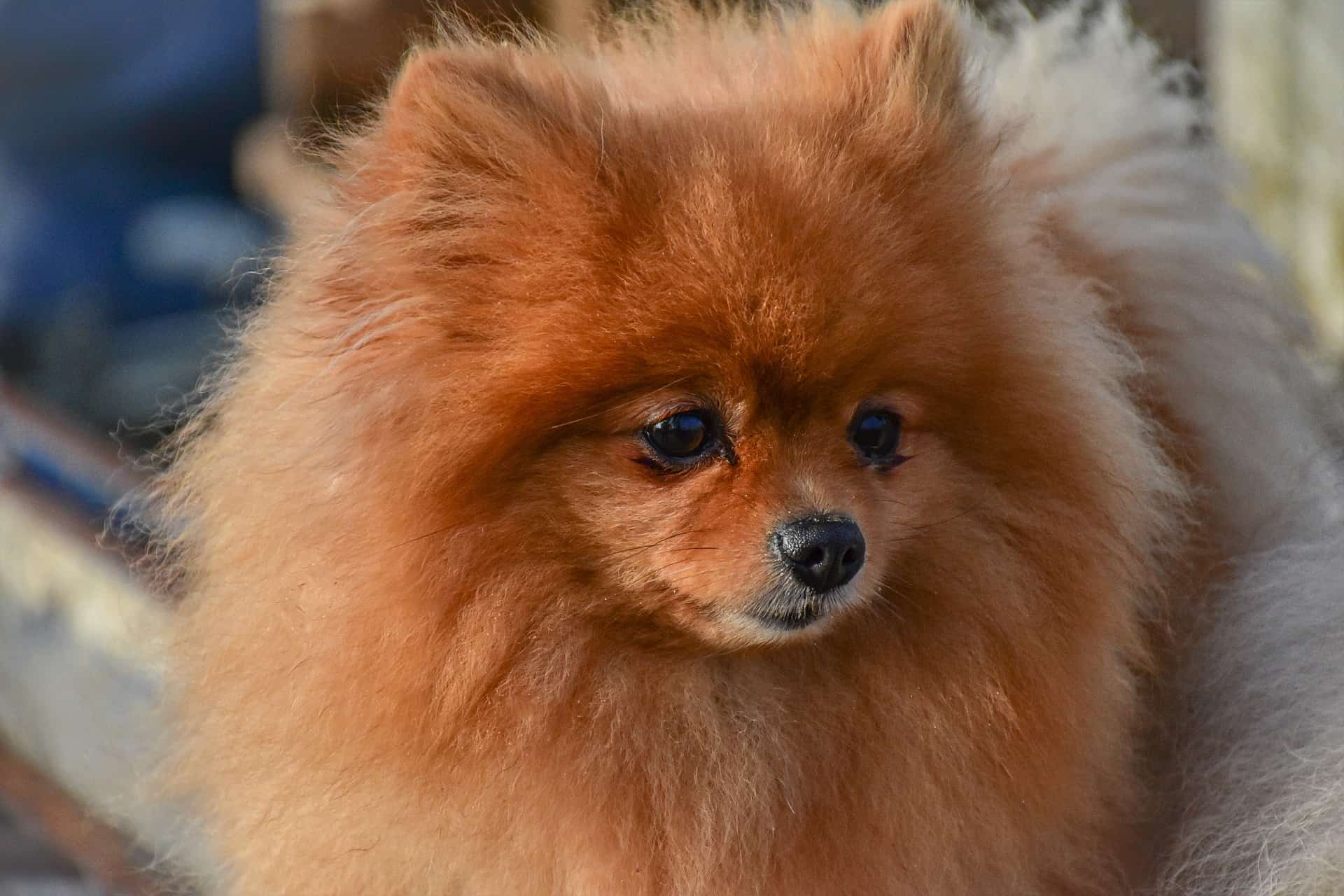
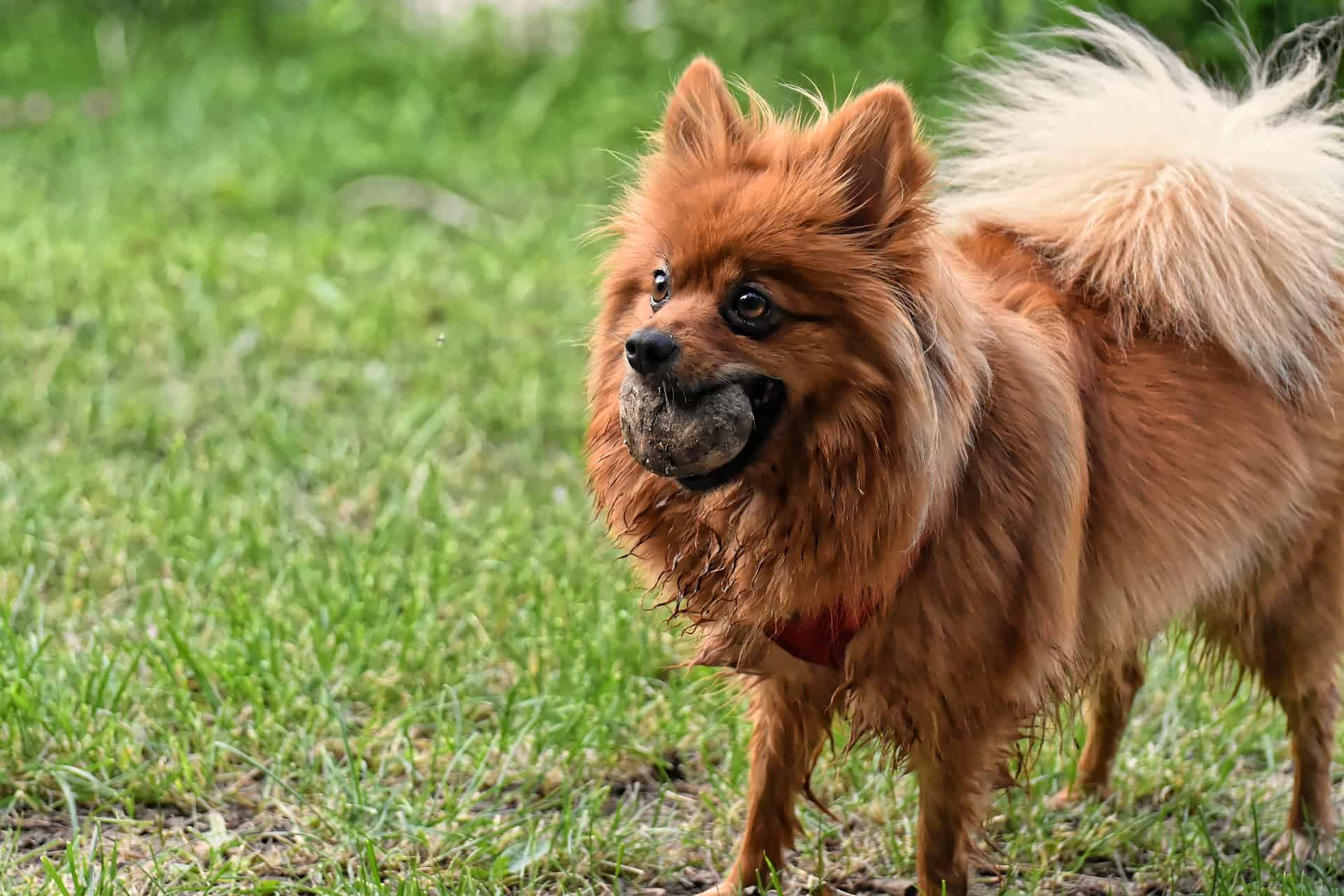
**Pomeranian** is the closest parallel: same spitz silhouette, same fox face, comparable size, and a direct historical relationship with the Volpino. The Pomeranian has a denser ruff and a wider range of accepted colours, but the two breeds share temperament, coat type, and watchdog alertness.
**German Spitz (Mittelspitz)** sits one size class above the Volpino but shares the same European spitz ancestry, stand-off double coat, and alert, vocal character. The Mittelspitz gives a slightly more substantial dog without changing the essential type.
**Kleinspitz** is the small German Spitz, closer in size to the Volpino. It mirrors the Mittelspitz in coat and temperament at a scale that matches the Italian breed almost exactly, making it the most physically interchangeable of the German options.
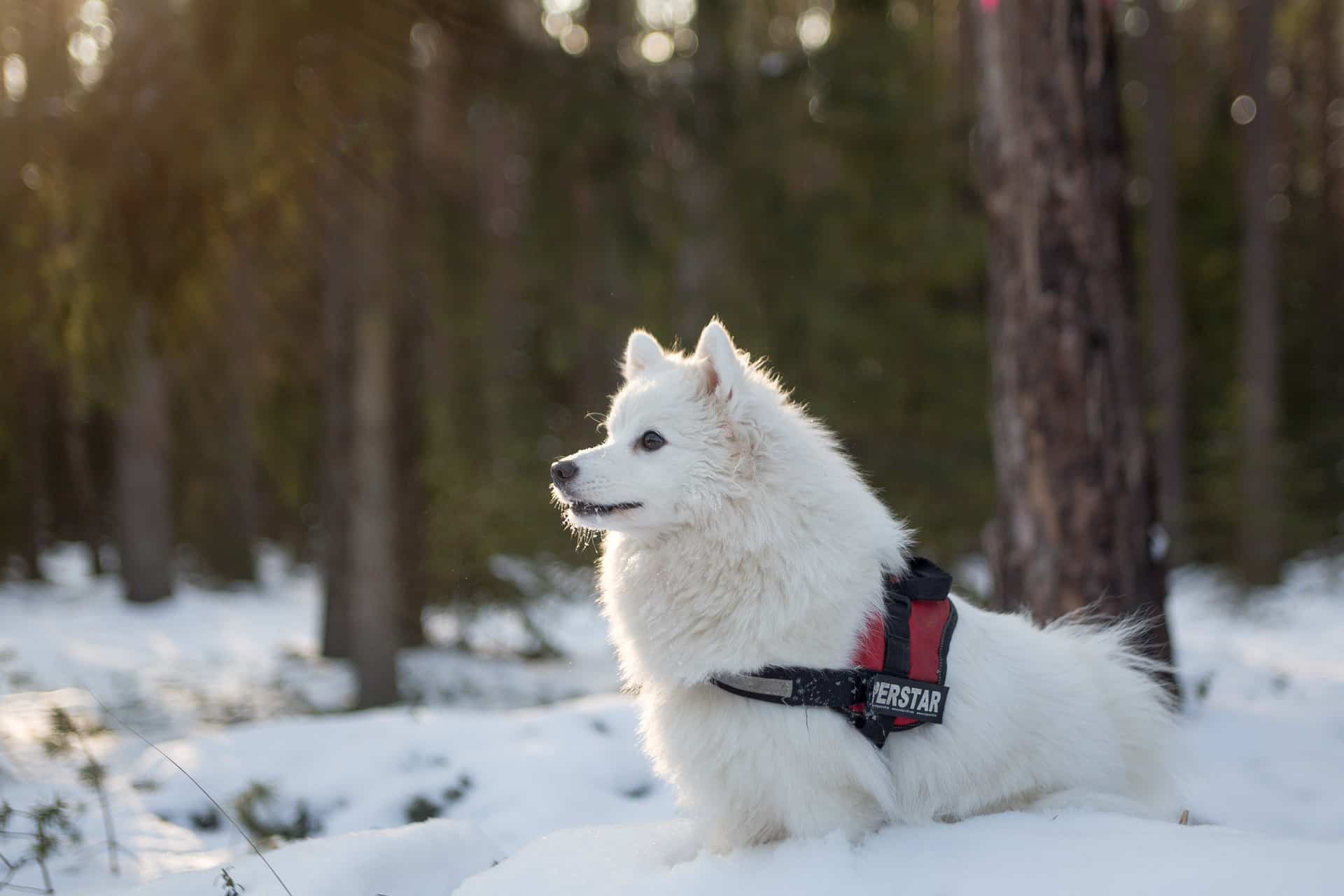
**Japanese Spitz** shares the white double coat, fox-like face, and companion-dog role. It is slightly larger than the Volpino but has a comparable temperament: lively, loyal, and vocal. The main difference is origin and the slight variation in head type.