Border Terrier
From Great Britain
Purpose & Origin
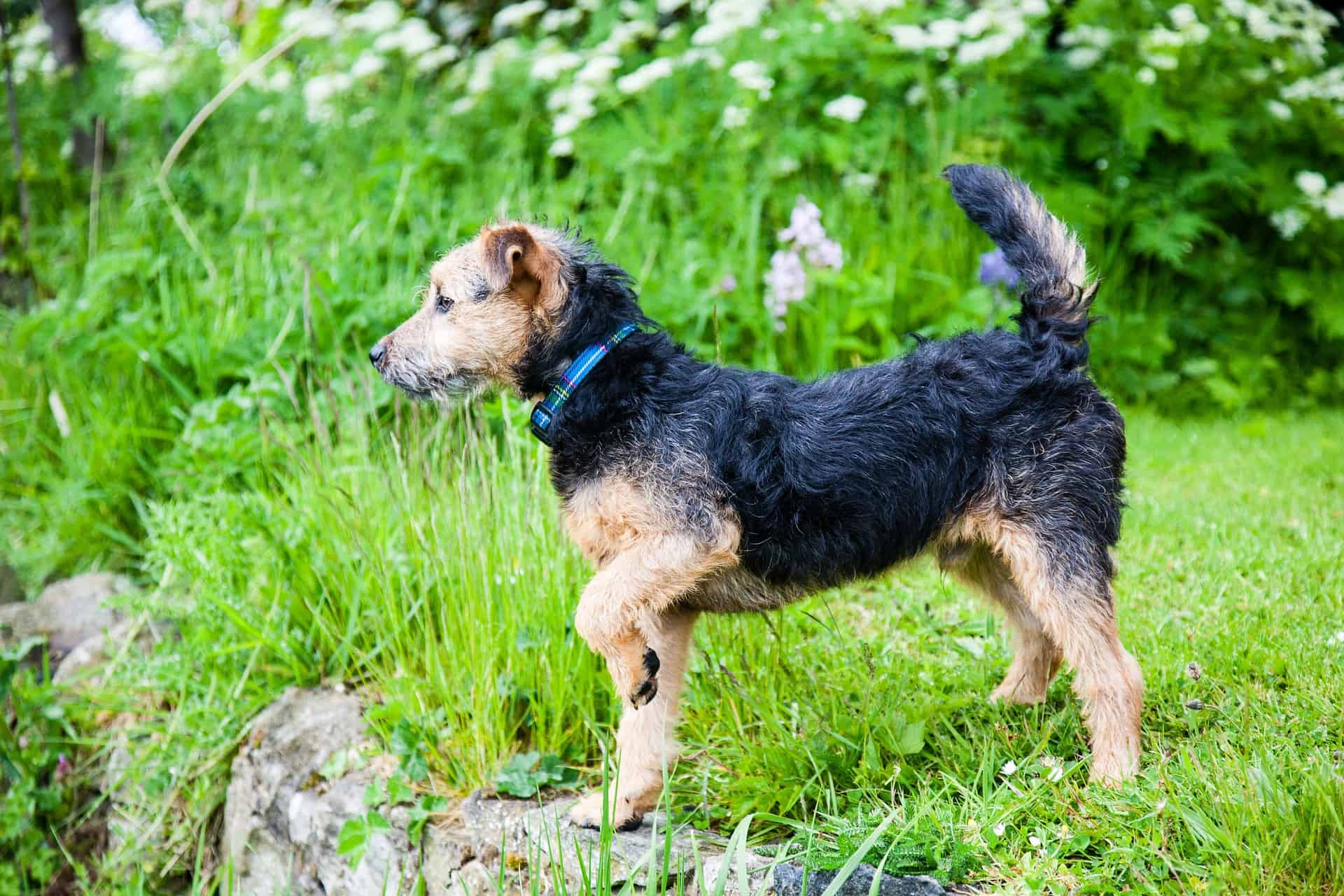
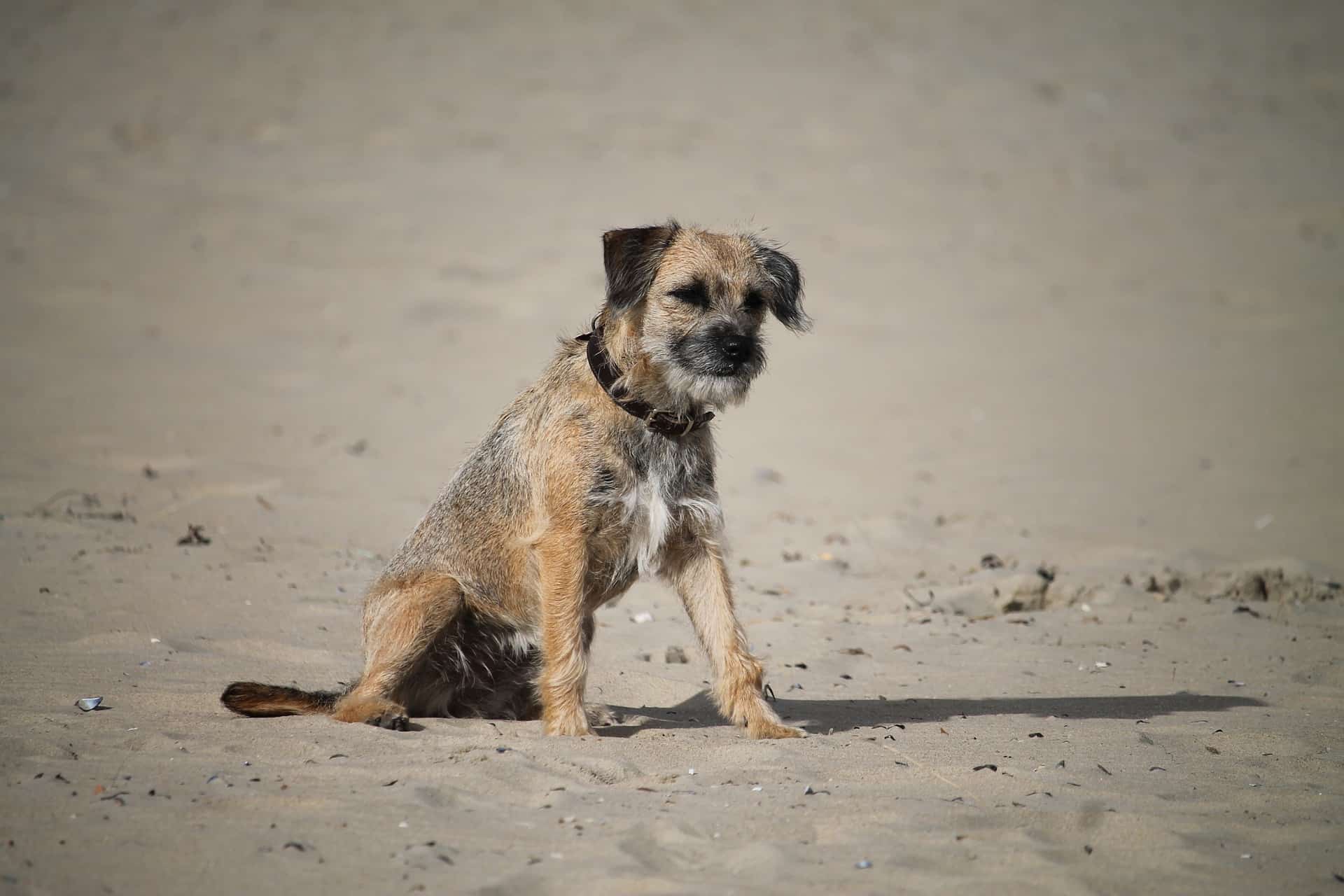
The Border Terrier is almost certainly the oldest of Britain's working terriers, bred in the Cheviot Hills along the Scotland-England border from at least the 1700s. Its job was precise: keep pace with horses during a fox hunt, then go to ground once the fox had bolted underground and either flush it out or stay down and bark until the hunters arrived. That dual demand shaped everything about the breed. It had to be long-legged enough to cover ground at a gallop, yet narrow enough in the chest to squeeze through rocky earth after quarry.
The dog was known by regional names, the Coquetdale Terrier and the Redesdale Terrier, before 1870 brought the name Border Terrier, taken from the Border Hunt. The AKC recognised the breed in 1930. Unlike many terriers that were reshaped by the show ring, the Border has remained almost identical to what it was in the hunting field.
Temperament & Behaviour
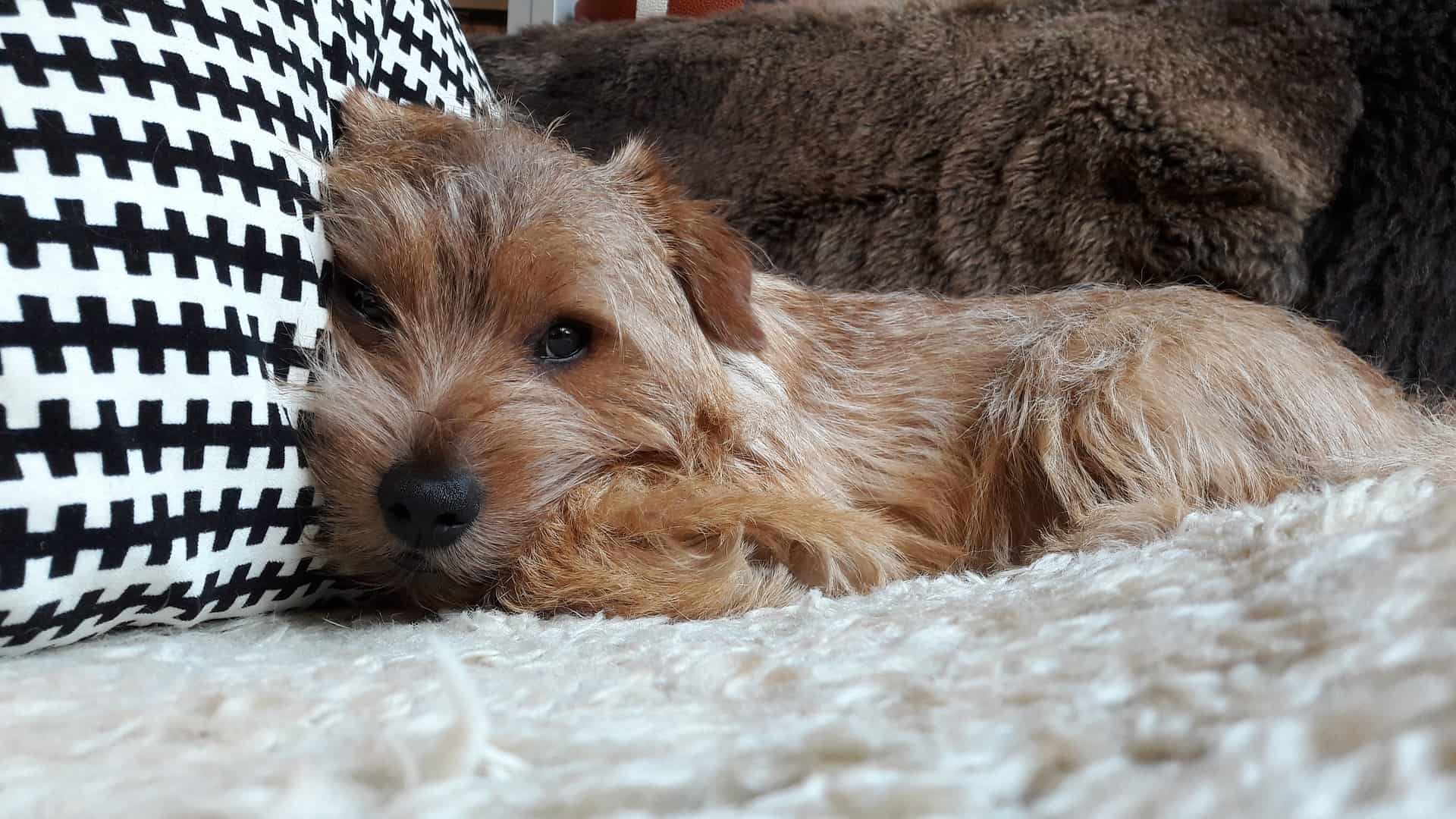
The Border was bred to work within a pack of Foxhounds rather than solo, and that background produced a temperament quite unlike the combative, self-reliant character typical of terriers. It is genuinely amiable: friendly with people of all ages, good with other dogs, tolerant with cats, and among the more tractable terriers to live with.
The instinct to hunt is still present, though. Small rodents are not safe with this dog, and left to its own devices it will dig, may bark persistently, and will roam if the garden is not securely fenced. It is alert enough to serve as a watchdog, though it has no guarding instinct to speak of.
Activity & Training
Moderate exercise is sufficient but must be consistent. A brisk daily walk, a vigorous off-lead run in a secure area, or an energetic play session will keep the dog content. "Secure" is not optional: the Border's hunting drive and inclination to explore make it an escape risk. Training is more straightforward than with most terriers. The breed's cooperative pack background translates into a dog that follows direction reasonably well, though independence and curiosity mean it will not be entirely predictable off-lead in open country near wildlife.
Grooming
The coat is harsh and wiry, designed to shed dirt and weather rather than to look sleek. Weekly brushing keeps it tidy, and the dead outer coat needs to be hand-stripped four times a year to preserve the correct texture and silhouette. Clipping ruins the coat's weather-resistant quality. Overall maintenance is moderate rather than demanding.
Health
The Border Terrier is a robust breed with a life expectancy around 14 years. Patellar luxation is the most consistently noted concern. Hip dysplasia and heart defects appear occasionally, so cardiac and orthopaedic screening is standard in responsible breeding programmes. No single major inherited condition dominates the breed's health profile.
Why these breeds are similar
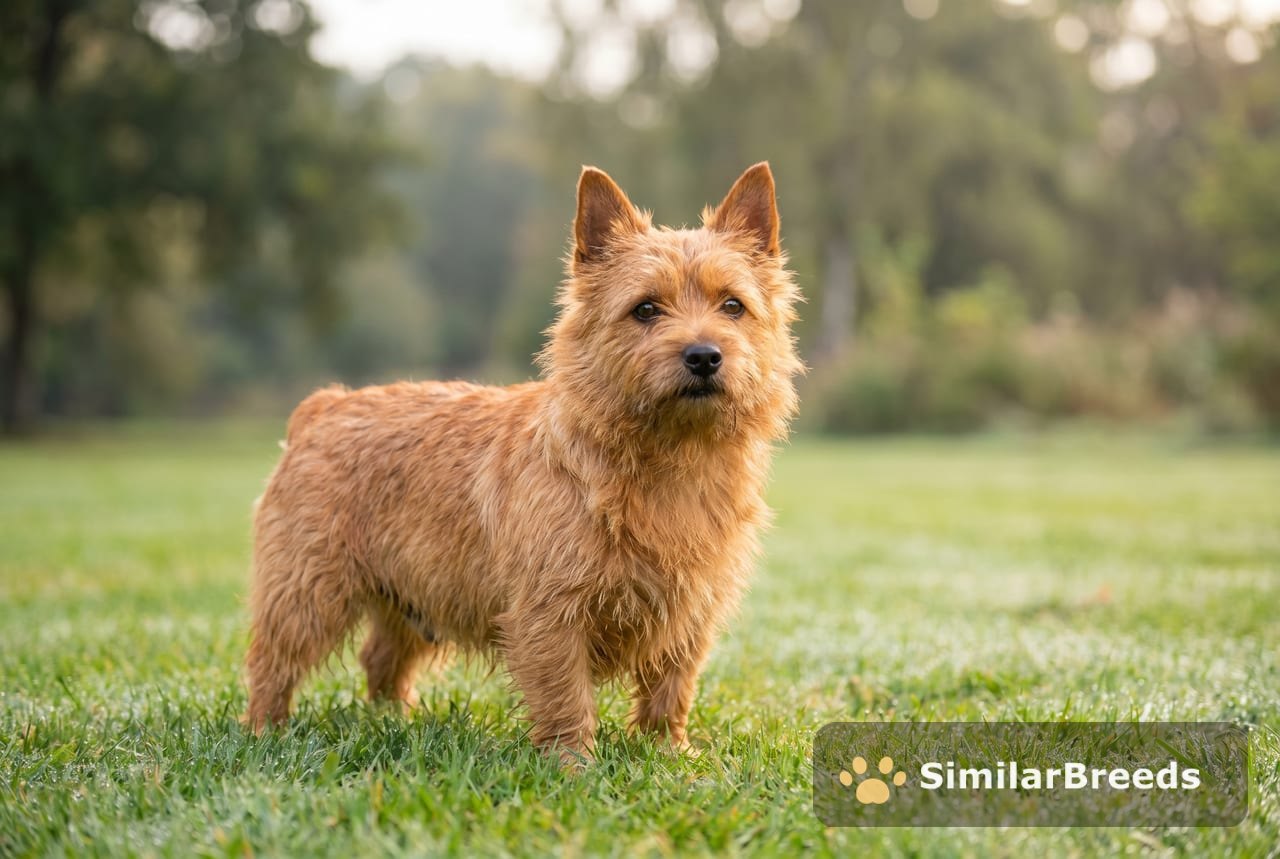
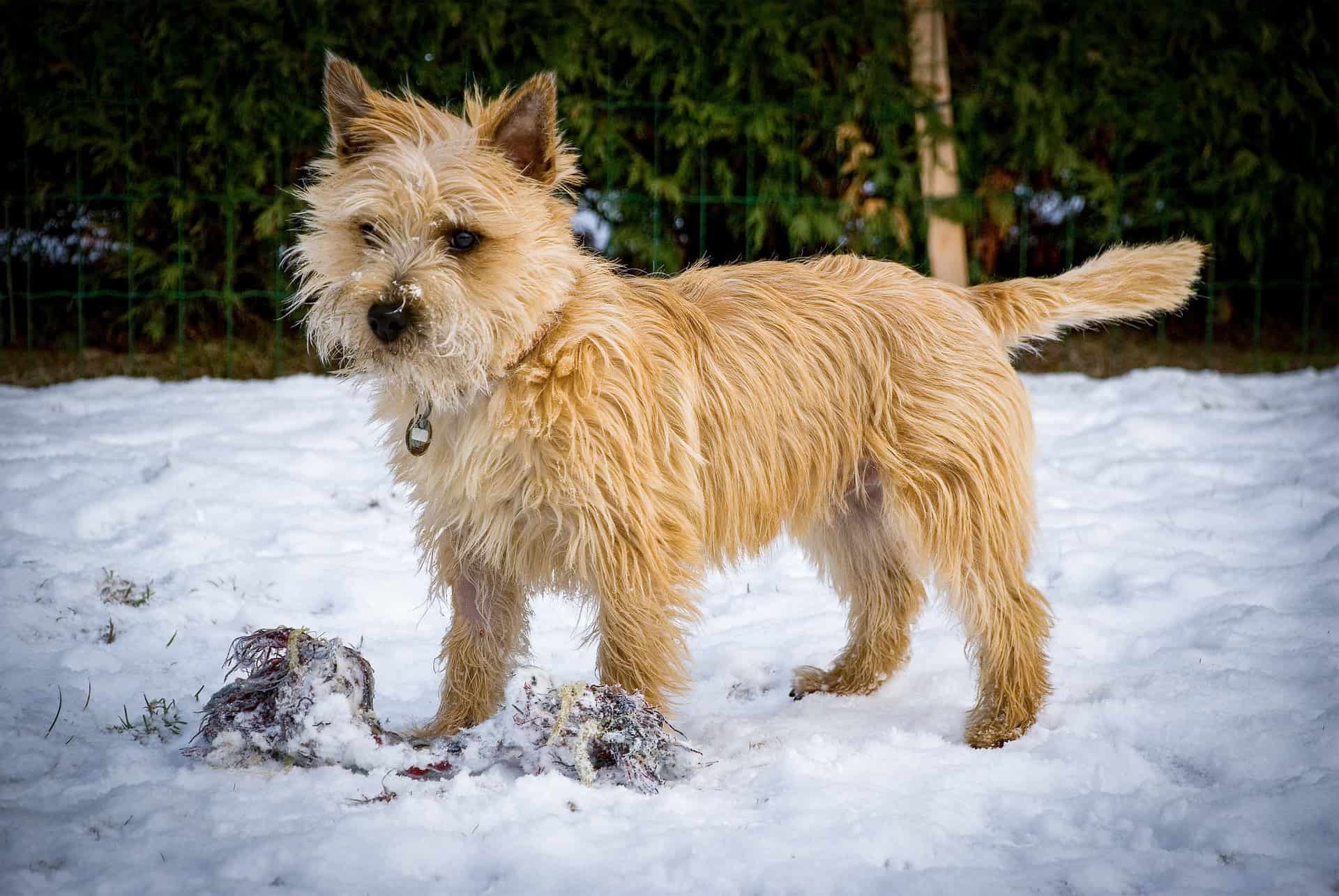
The **Lakeland Terrier**, **Norfolk Terrier**, **Norwich Terrier**, and **Cairn Terrier** are the Border's closest relations in purpose and build: all are small, wiry British earth-dogs developed to bolt or dispatch foxes and other vermin in rough hill country. They share the harsh weatherproof coat, compact body, and alert terrier temperament.
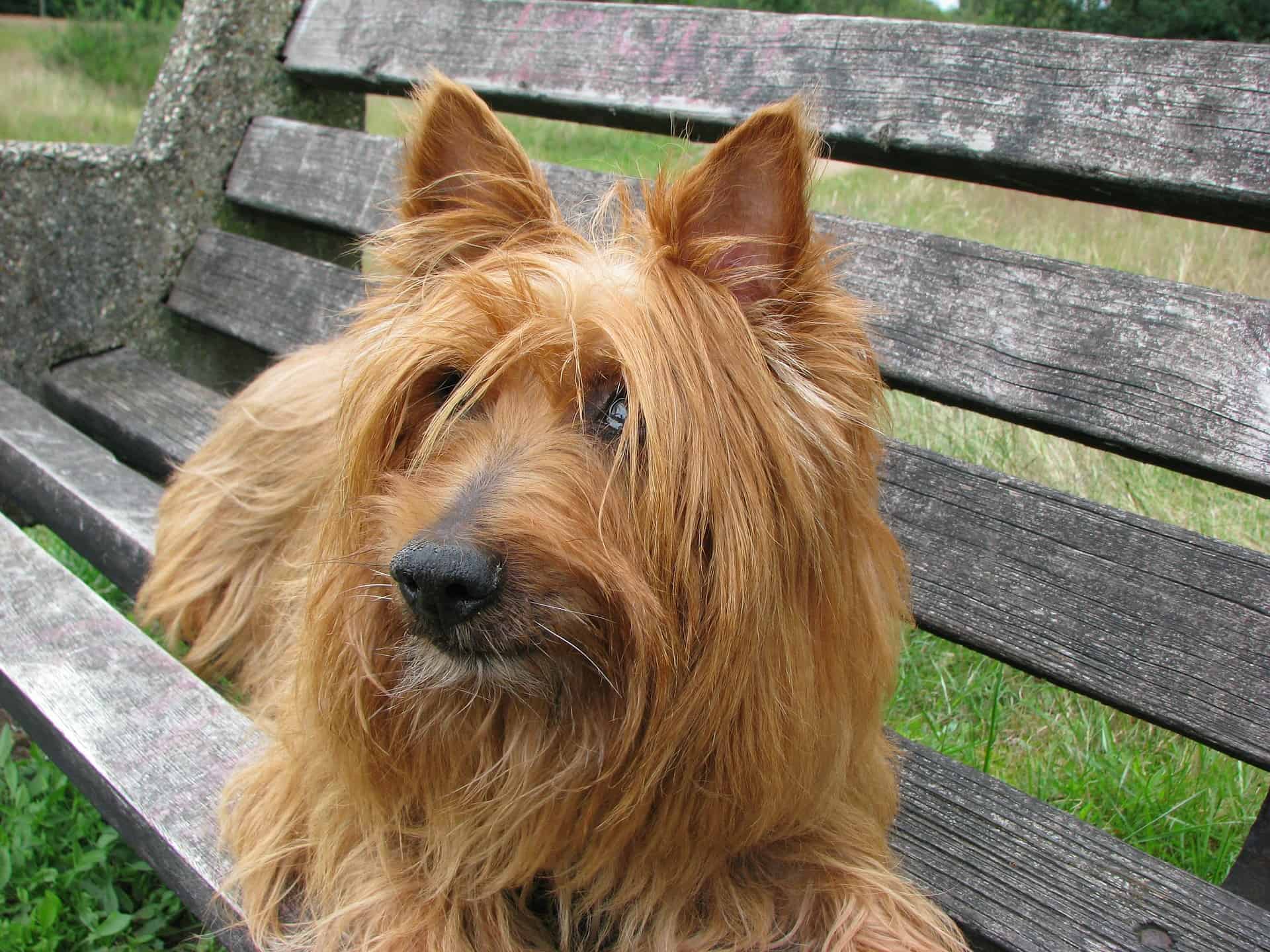
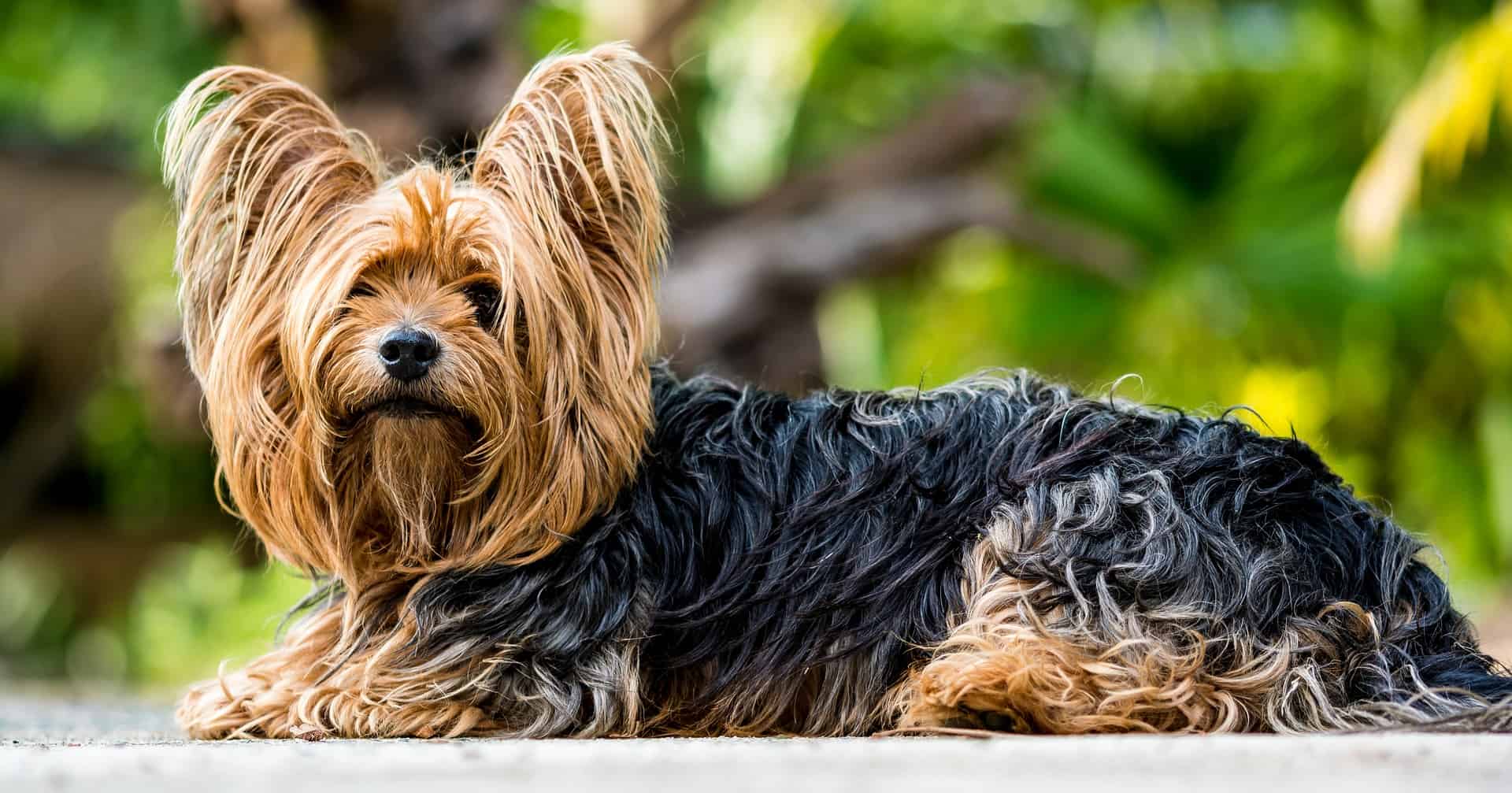
The **Australian Terrier** descends partly from British working terriers brought to Australia, including ancestors common to the Border, giving it a similar rough coat and working disposition in a small frame. The **Yorkshire Terrier** shares the wiry-coated, small British terrier ancestry, though it was developed more as a ratter in textile mills than a hill hunter, and the show line has softened the coat considerably.
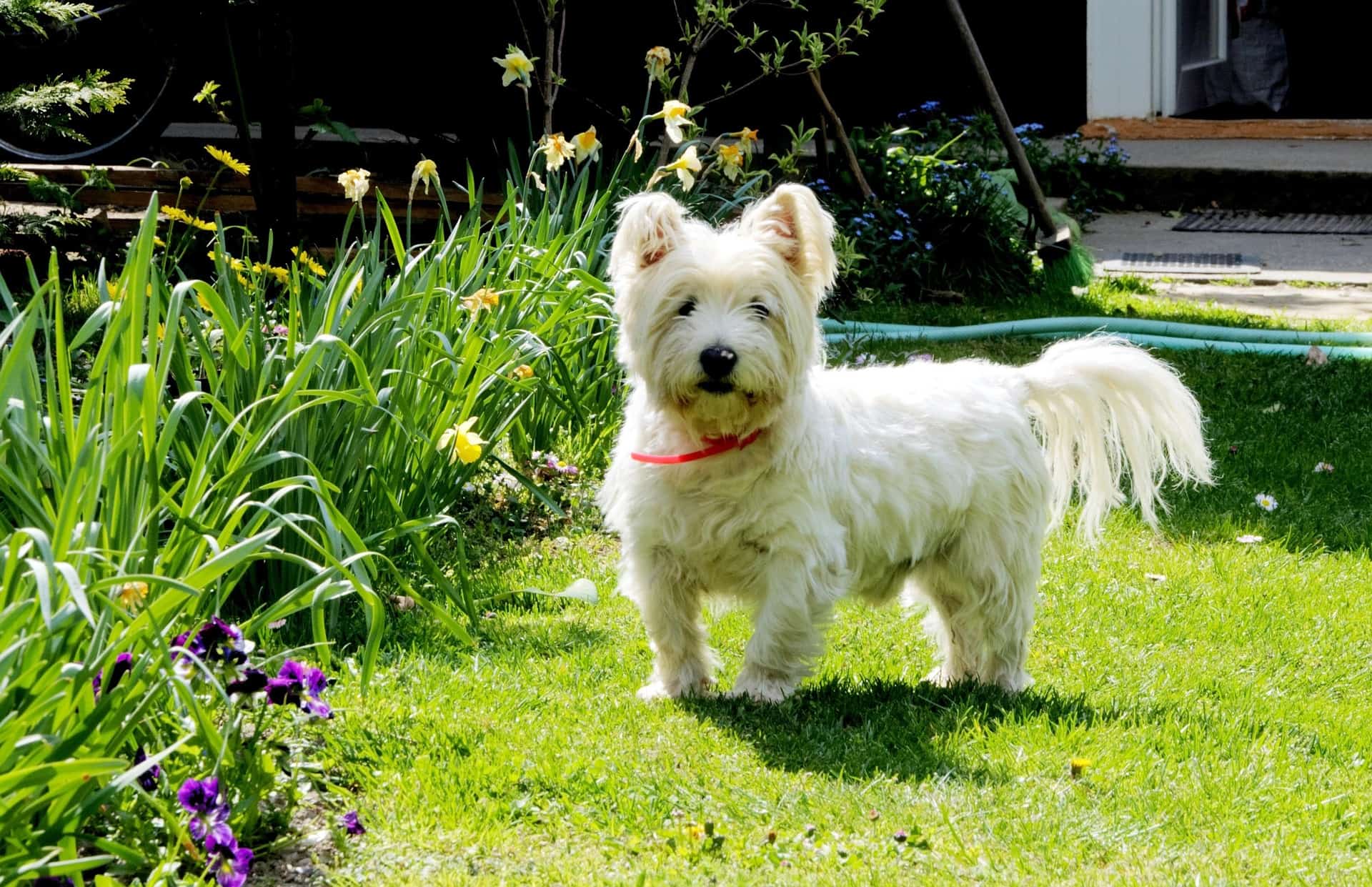
The **West Highland White Terrier** is another Highland earth-dog in the same general tradition, bred to go to ground on fox and vermin; it is heavier in bone than the Border and carries a much denser double coat, but the working purpose and the lively, independent character link them clearly.
Trait ratings
- Energy level
- 3/5
- Exercise requirements
- 3/5
- Playfulness
- 3/5
- Affection level
- 3/5
- Friendliness toward dogs
- 3/5
- Friendliness toward other pets
- 2/5
- Friendliness toward strangers
- 3/5
- Ease of training
- 4/5
- Watchdog ability
- 4/5
- Protection ability
- 1/5
- Grooming requirements
- 3/5
- Cold tolerance
- 3/5
- Heat tolerance
- 3/5