Norfolk Terrier
From Great Britain
Purpose & Origin
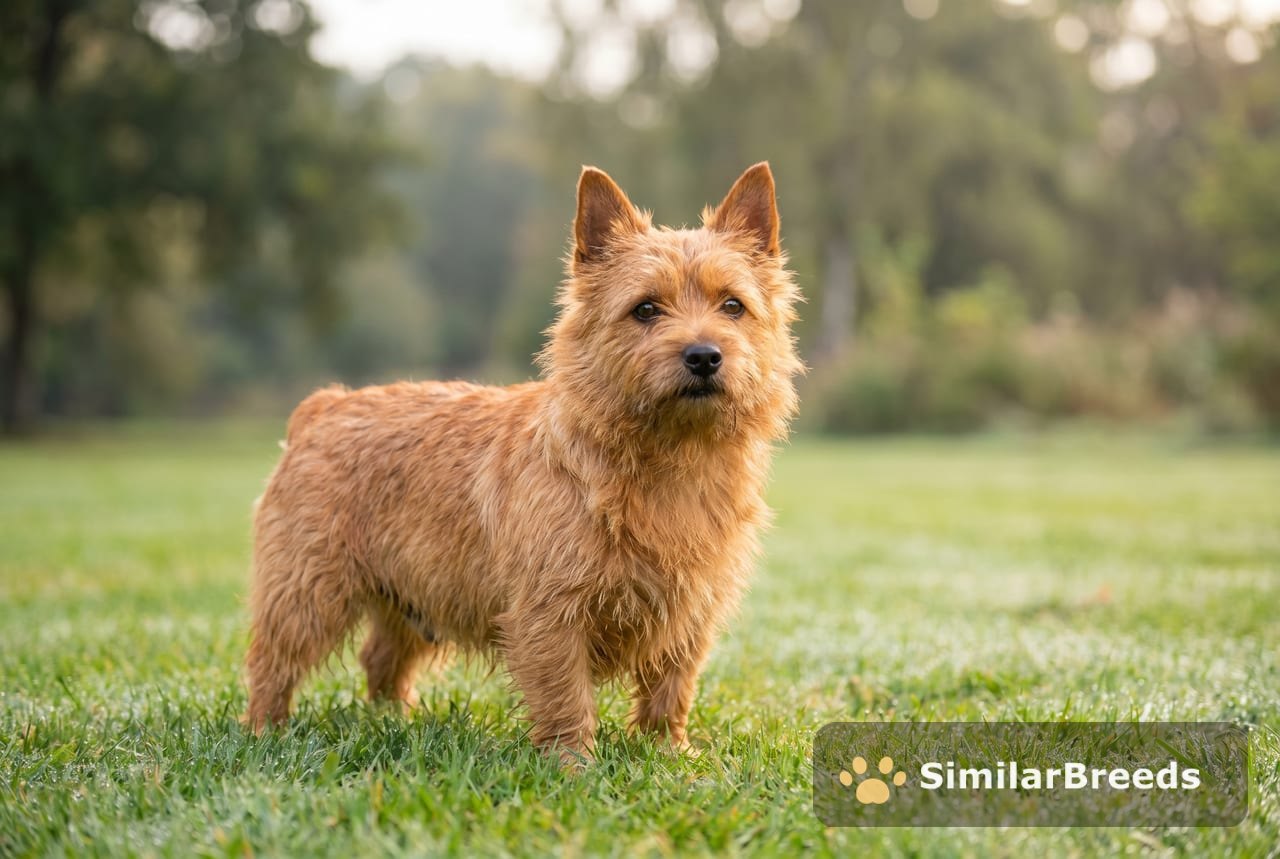
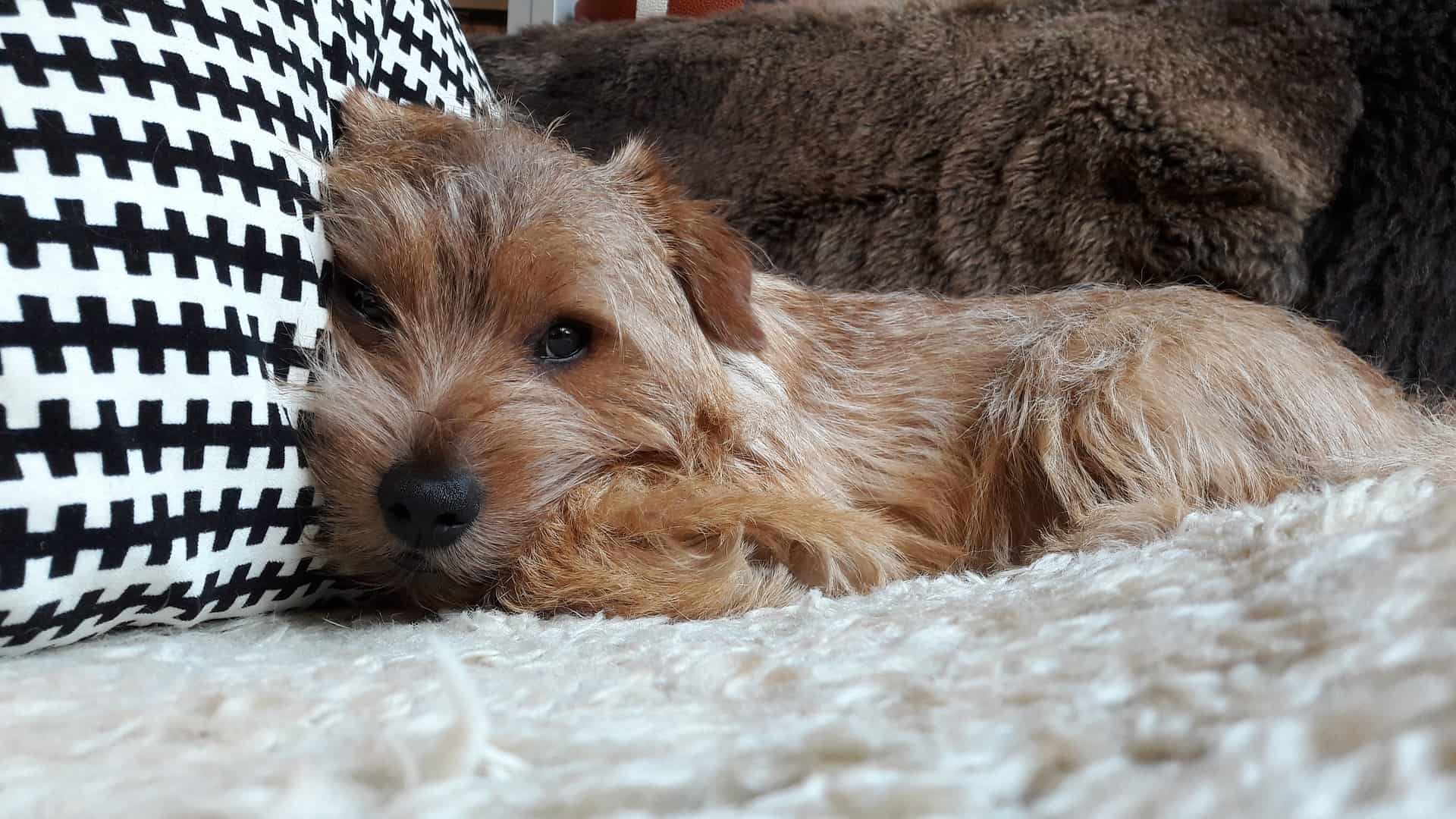
The Norfolk Terrier is a small British earth dog bred in England during the 1800s for ratting and fox bolting. At 9 to 10 inches tall and 11 to 12 pounds, it is one of the smallest working terriers, built to follow quarry underground and flush it out.
Its early history is inseparable from the Norwich Terrier: the two were the same breed, differing only in ear carriage, prick-eared versus drop-eared. After World War II the drop-eared type nearly vanished, surviving largely through the determined work of one breeder, Miss Macfie of the Colansays. Recognition as a fully separate breed came in 1964 in England and 1979 in the United States.
Temperament & Behaviour
This is a terrier in the full sense: feisty, bold, scrappy, and stubborn. The Norfolk has been called a demon in the field, and that instinct to hunt and dig runs deep even in a well-settled companion dog. It is clever and often amiable with people, but its watchdog instincts are strong and its affection more independent than demonstrative. It is not a dog that will follow you around seeking reassurance. It gets along reasonably well with other dogs and household pets, though its prey drive means introductions to small animals require care.
Activity & Training
A daily outing is necessary, either a short to moderate walk or a vigorous play session. Given the chance to hunt and investigate a secure yard, the Norfolk is in its element. That word "secure" matters: this breed will follow a scent under a fence without a second thought. Training requires patience. With an ease-of-training score of 2 out of 5, the Norfolk is not wilfully thick, but it is wilful, and it decides whether your instruction suits it at that moment. Consistent, reward-based methods work better than repetition and correction.
Grooming
The Norfolk's wire coat needs combing once or twice a week to prevent tangles and matting. Three to four times a year the dead coat should be stripped out by hand rather than clipped, which keeps the correct harsh texture. Clipping softens the coat over time and dulls the colour. Overall grooming demand is moderate, but stripping is a skill worth learning or budgeting for with a professional groomer.
Health
The Norfolk Terrier has a life span of 13 to 15 years. The primary concern flagged for the breed is canine hip dysplasia, with minor issues including allergies and occasional patellar luxation. Prospective owners should ask breeders about hip, knee, and cardiac screening.
Why these breeds are similar
The Norwich Terrier is the Norfolk's closest relative, literally the same breed until a split decision separated them by ear carriage. Both are small English ratters with identical build, energy, and working temperament; the fold of the ear is the clearest visible difference.
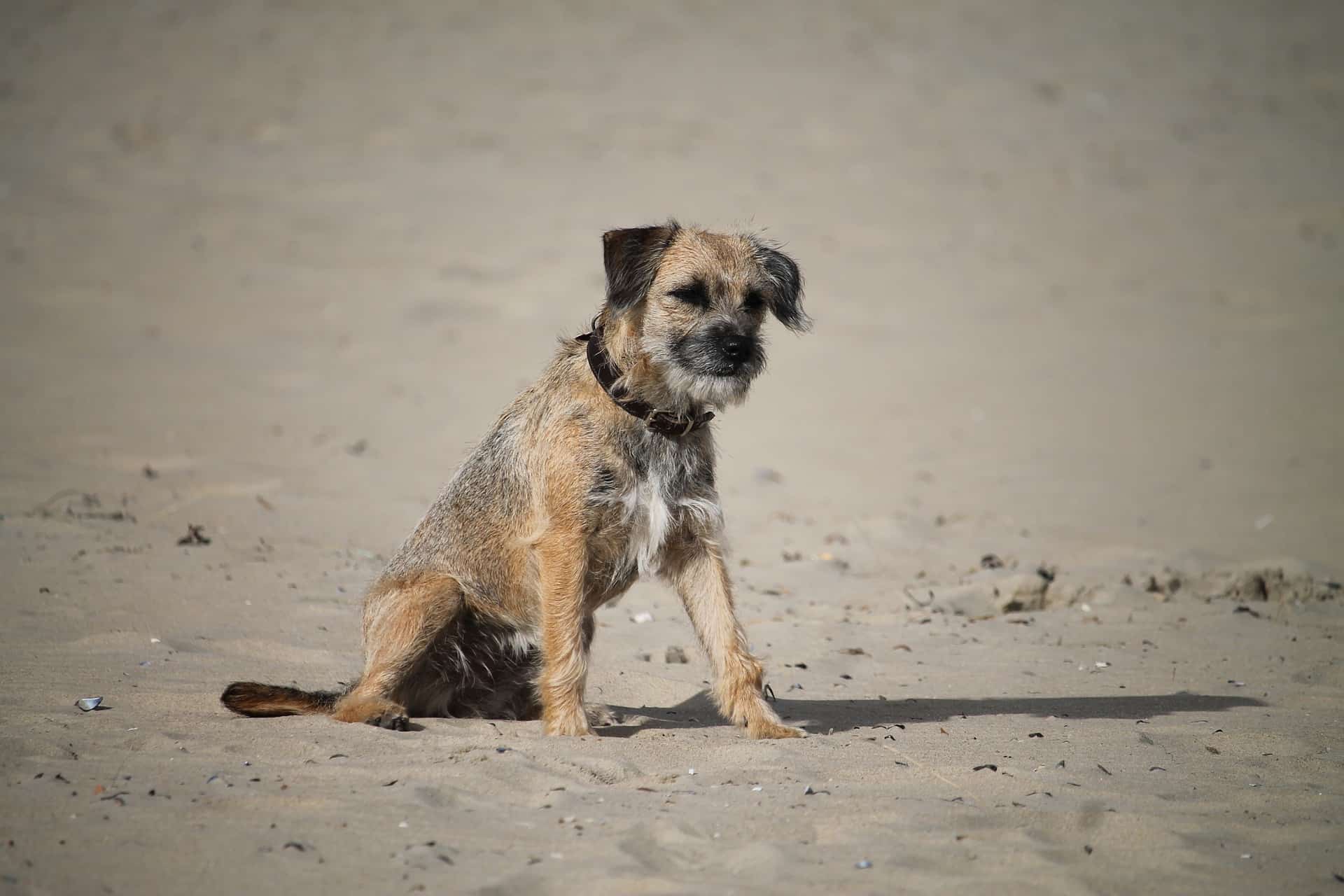
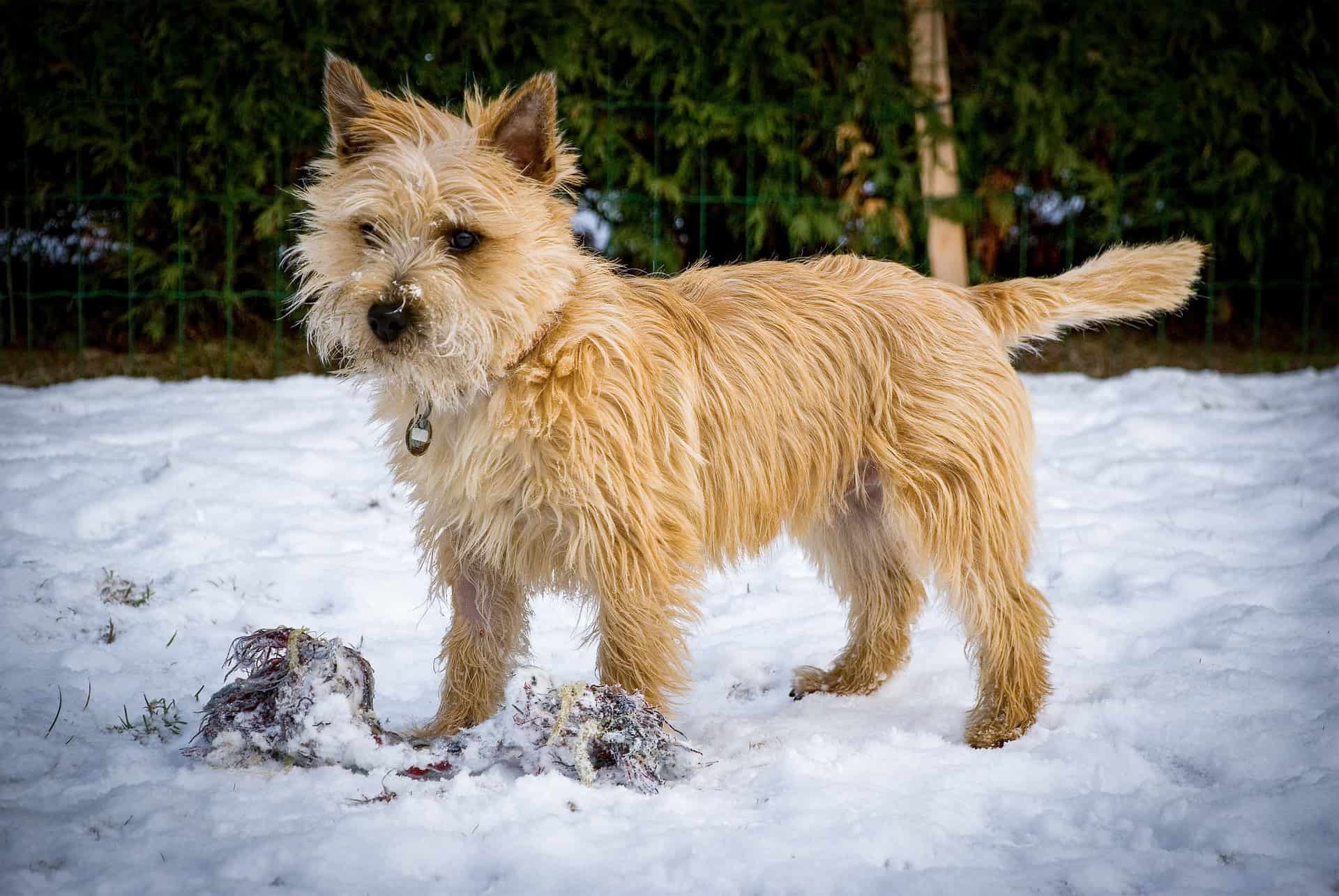
The Border Terrier is another small British working terrier from the same era, bred to run with hounds and bolt fox from rocky ground. It shares the Norfolk's wiry coat, moderate size, and self-reliant character, though it is generally a touch softer in temperament. The Cairn Terrier comes from the Scottish Highlands and was bred for the same purpose in rougher terrain: a compact, hard-coated dog that will investigate anything and back down from nothing.
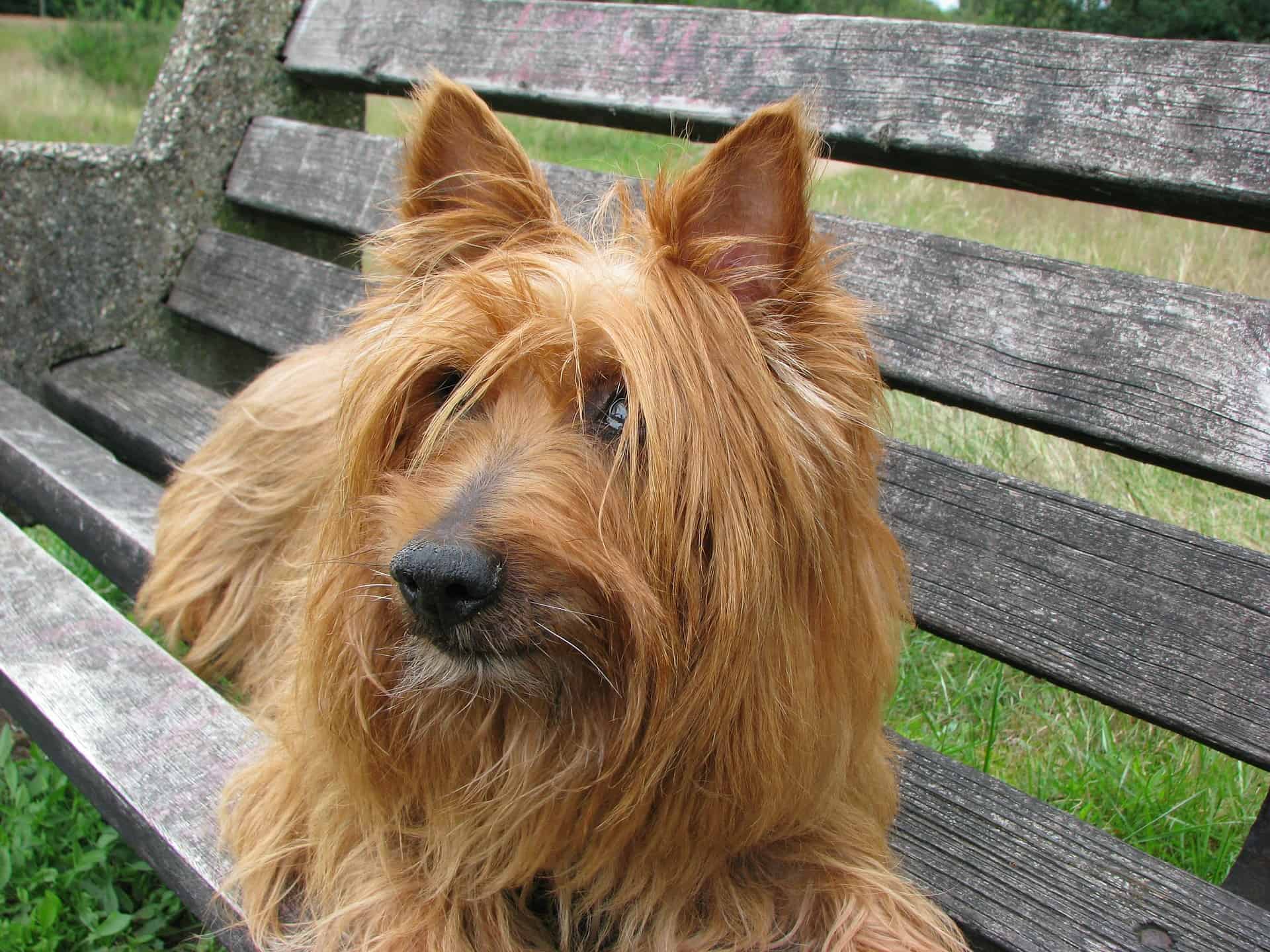
The Australian Terrier is the connection that crosses continents: descended from a mix of British terrier types including the ancestors of both Norfolk and Norwich, it carries the same small-dog boldness, wire coat, and ratting instinct in a slightly longer-bodied frame.
Trait ratings
- Energy level
- 4/5
- Exercise requirements
- 3/5
- Playfulness
- 3/5
- Affection level
- 1/5
- Friendliness toward dogs
- 3/5
- Friendliness toward other pets
- 3/5
- Friendliness toward strangers
- 3/5
- Ease of training
- 2/5
- Watchdog ability
- 5/5
- Protection ability
- 1/5
- Grooming requirements
- 3/5
- Cold tolerance
- 3/5
- Heat tolerance
- 3/5