Yorkshire Terrier
From Great Britain
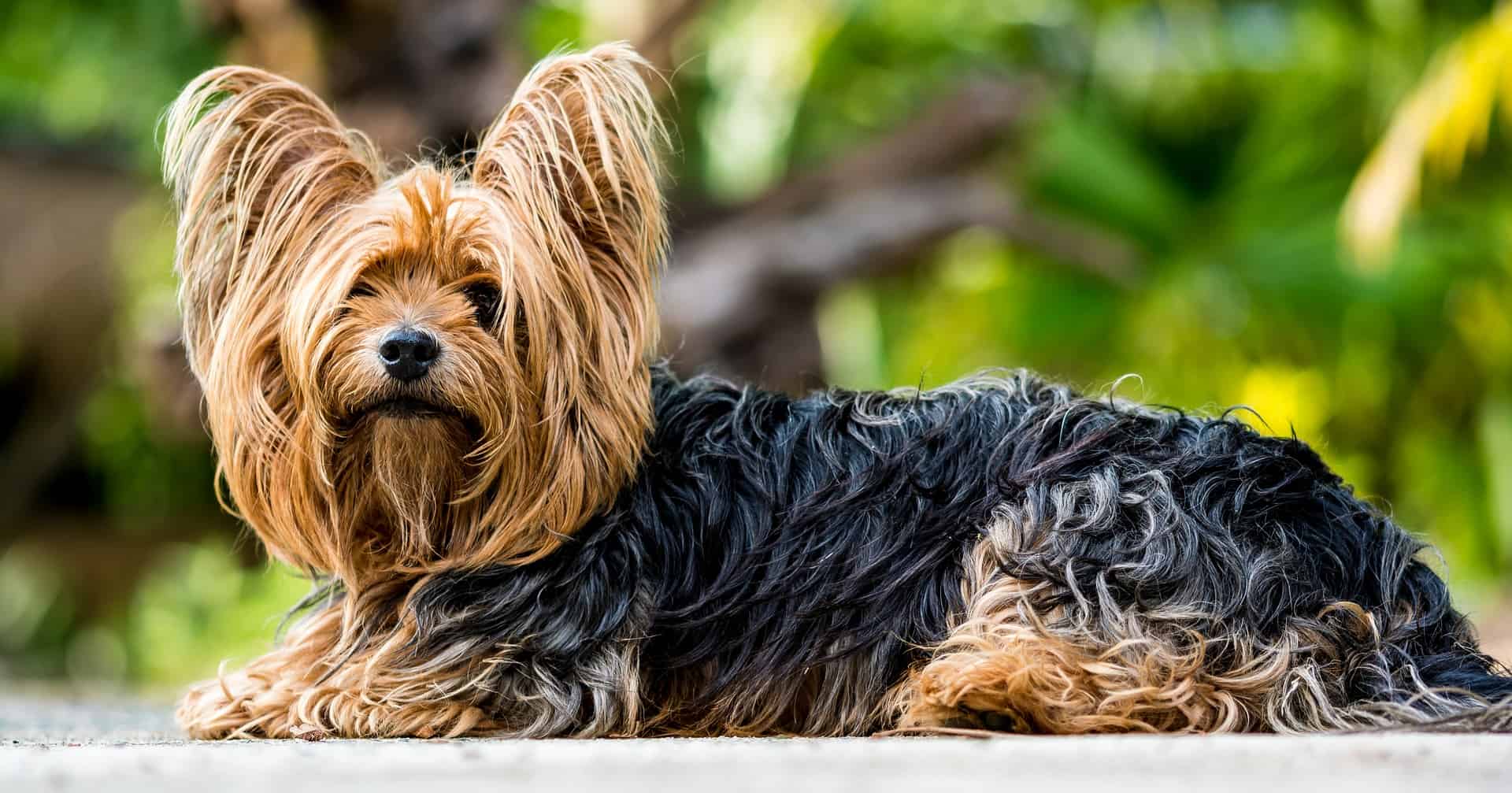
Purpose & Origin
The Yorkshire Terrier is a product of the industrial north of England, bred not by aristocrats but by weavers and mill workers in the 1800s. Its ancestors were working ratters, most notably the Waterside Terrier, a small blue-gray Scottish dog brought south by migrants, crossed with several other terrier types including the Clydesdale, Paisley, and rough-coated Black and Tan. Despite those humble origins, the Yorkie's silky coat and compact frame caught the attention of the show fancy almost immediately.
By the time the breed reached America in 1880, the transformation was well underway: early imports weighed up to 14 pounds, but breeders on both sides of the Atlantic deliberately pushed the size down and the coat length up, arriving at the toy-sized dog seen today. It sits in the AKC Toy group now, but the terrier heritage is very much intact.
Temperament & Behaviour
A Yorkie has no awareness of its own size, and this is both its charm and its liability. It is busy, bold, and inquisitive, ready to investigate anything and pick a quarrel with dogs several times its weight. Strangers get a measured reception rather than a warm one, and other household pets often receive the same wariness. The watchdog instinct scores at the top of the scale: Yorkies notice everything and announce it.
Some individuals bark persistently, though the habit can be curbed with consistent training. Affection toward family is genuine but not cloying, and the stubbornness typical of terriers means the dog will work you for an advantage if you give it one.
Activity & Training
Exercise requirements are modest. Yorkies largely keep themselves active indoors and do well in apartments, provided they get regular interaction and short leashed walks outside. Mentally, they need engagement through play and exploration, not long runs. Training is workable but requires patience: ease of training scores low, reflecting the breed's independent streak. Positive reinforcement works far better than any compulsion, and sessions should be short and varied. A Yorkie that is bored or unchallenged will find its own entertainment, which rarely aligns with the owner's preferences.
Grooming
The long, silky coat that defines the breed at its show peak demands real commitment. Daily or every-other-day brushing is necessary to prevent tangles, and the floor-length show coat seen in photographs requires a maintenance routine most pet owners never attempt. Most owners keep the coat trimmed short, which is entirely practical and significantly reduces upkeep. Either way, the coat is fine-textured and does not shed heavily onto furniture, which is a genuine practical advantage.
Health
The Yorkie is a long-lived breed, typically reaching 14 to 16 years. No major concerns are flagged in the source data. Minor issues include patellar luxation, and conditions seen occasionally include portacaval shunt, progressive retinal atrophy, tracheal collapse, and Legg-Perthes disease. Cold tolerance is very low, so the breed needs protection in winter. Recommended health screens cover the knees and eyes, with hip and thyroid checks suggested as secondary measures.
Why these breeds are similar
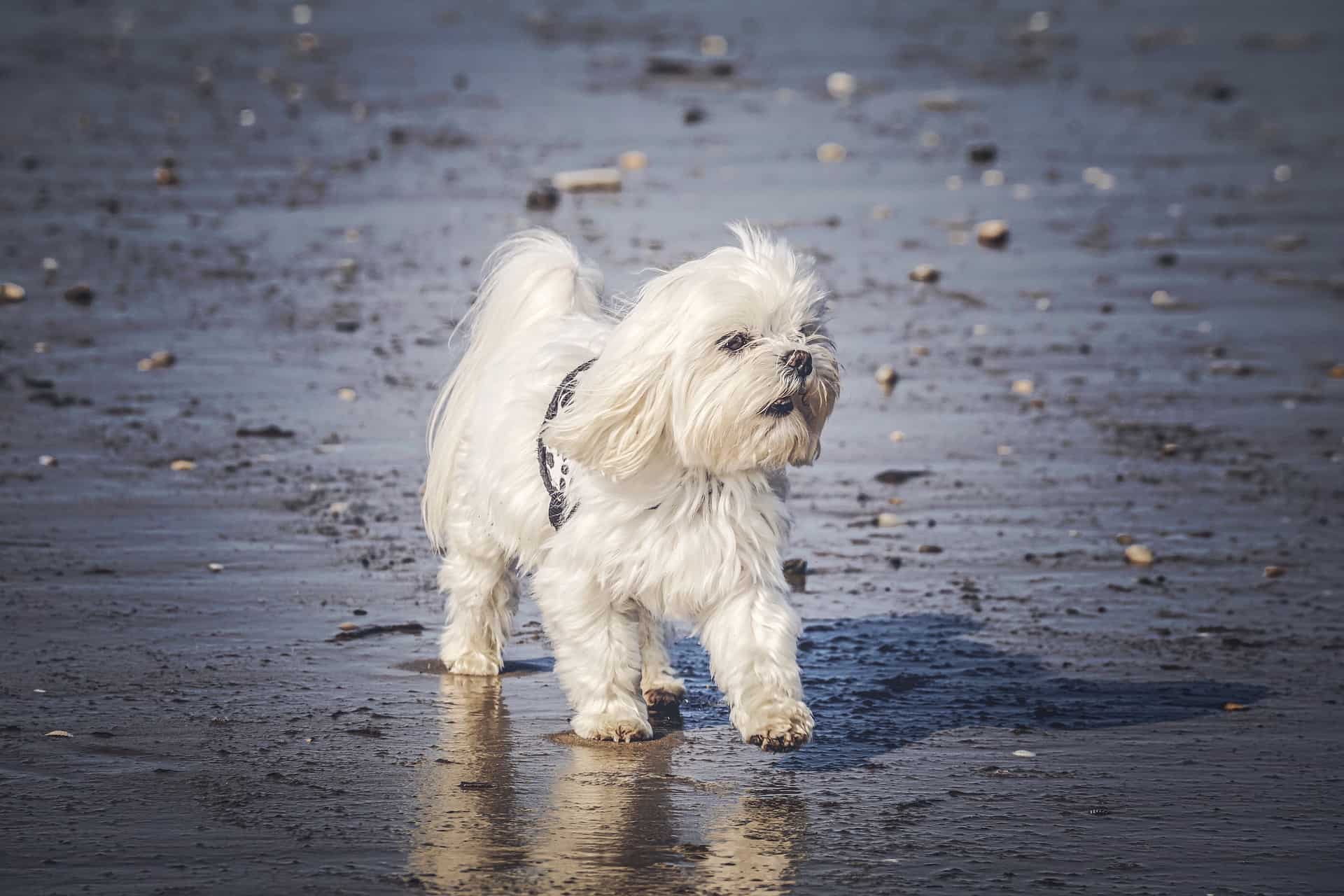
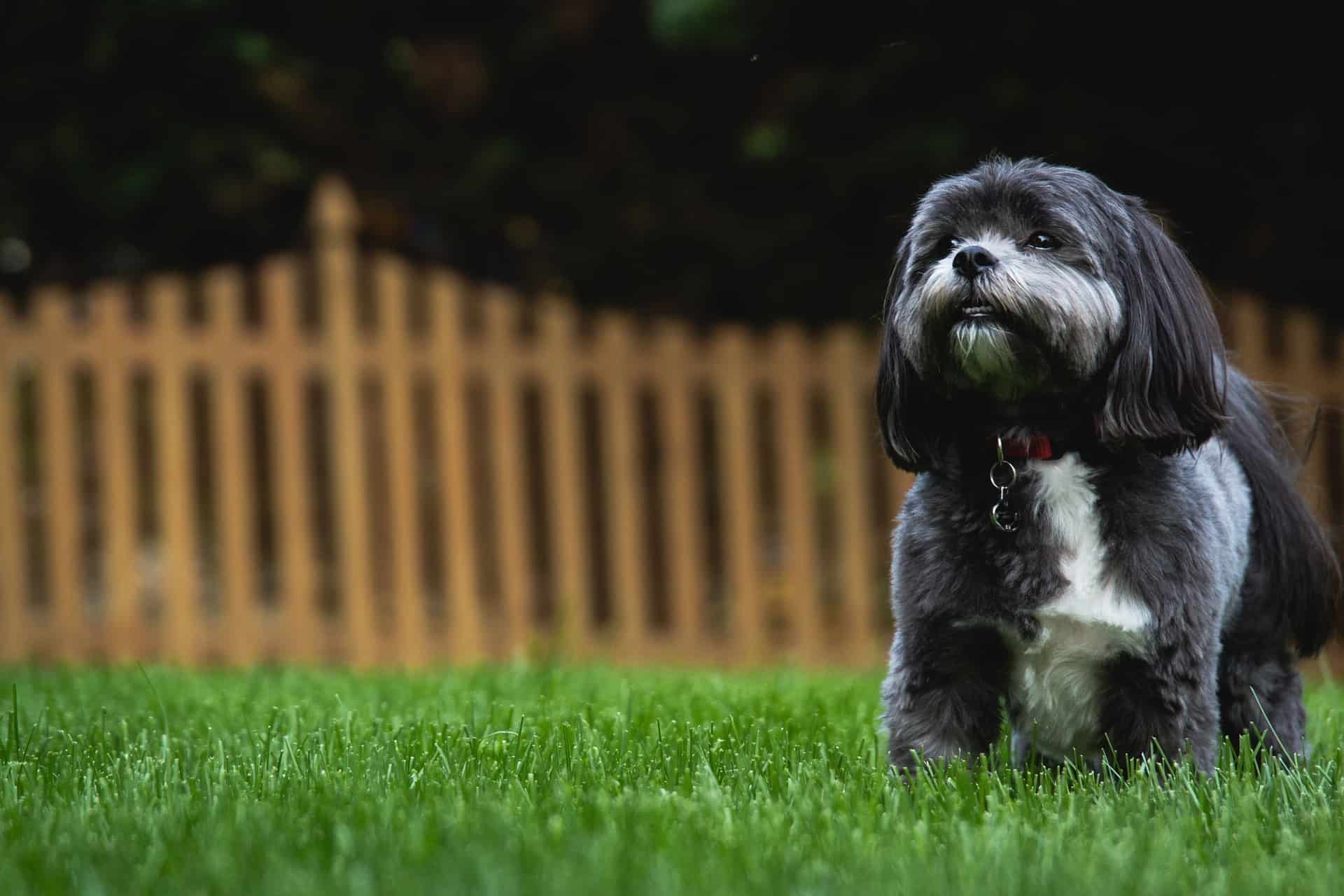
The **Maltese** is the closest parallel: another small, long-coated companion dog with a terrier-adjacent boldness, similarly demanding on the grooming front and equally confident despite its size. The **Shih Tzu** shares the compact frame, the flowing coat, and the apartment-friendly exercise profile, though it is generally softer in temperament and less combative.
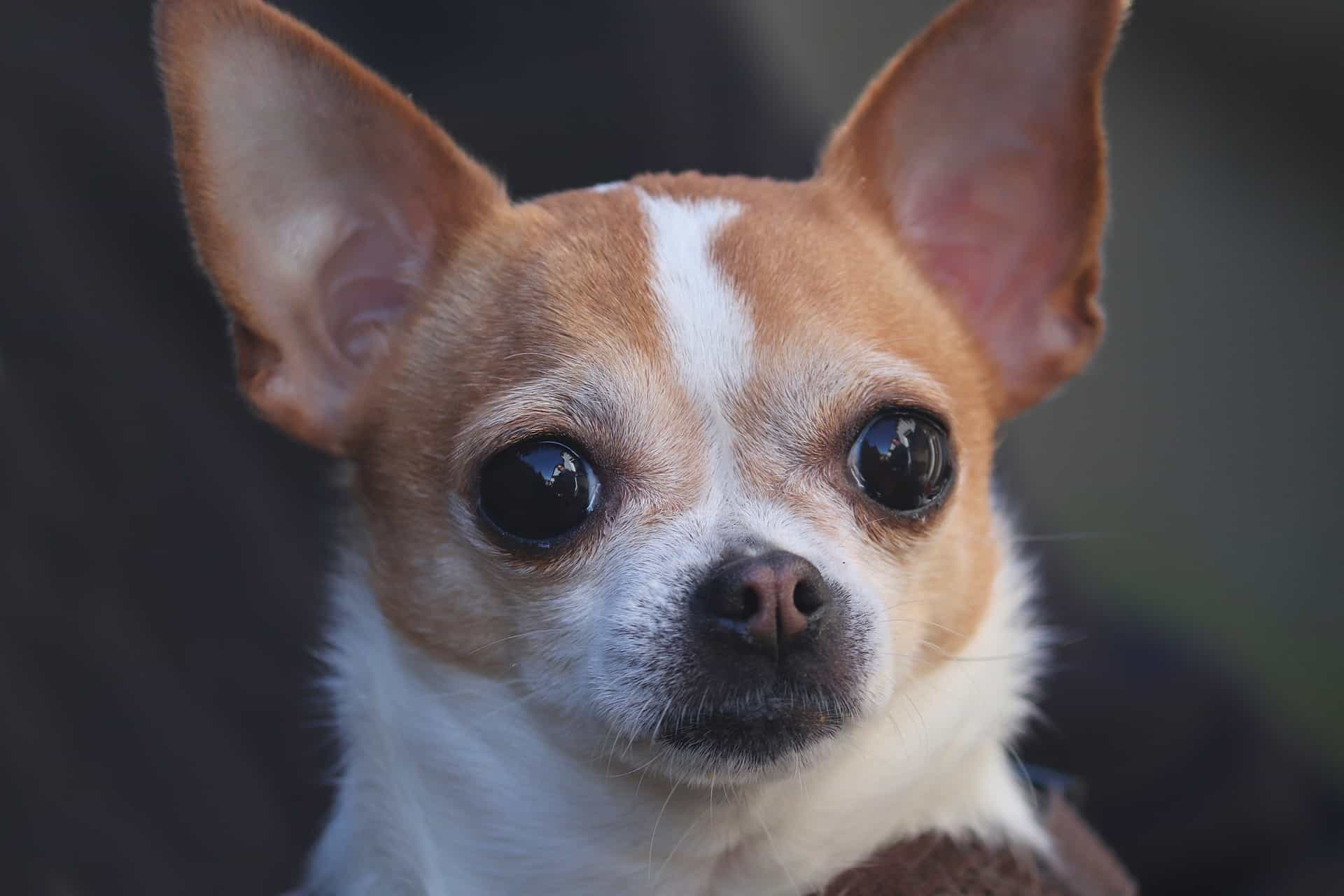
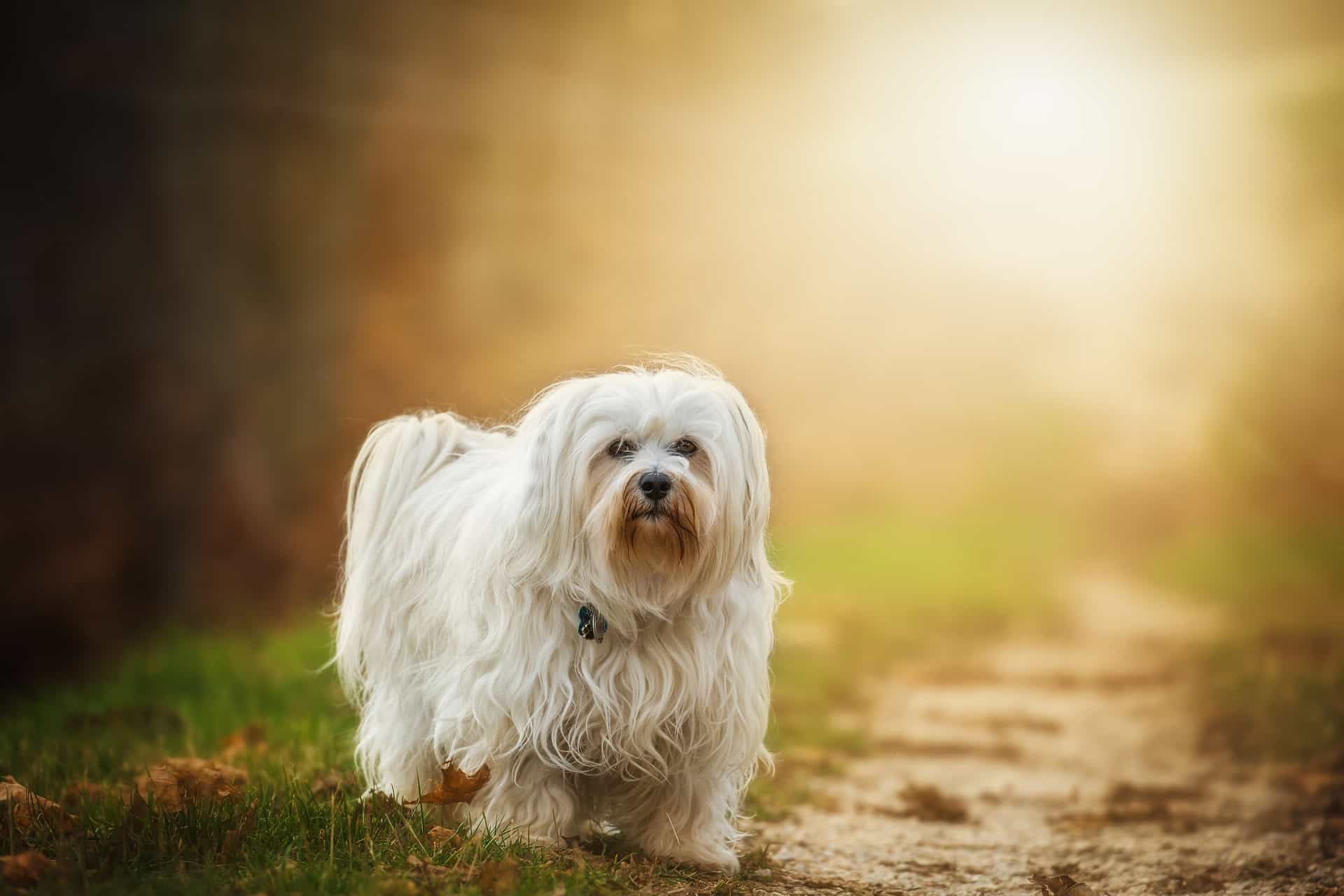
The **Havanese** overlaps on energy and playfulness, is similarly small, and carries the same lap-dog reputation alongside a real willingness to be active. The **Chihuahua** is linked by size and by that same overconfident personality: both breeds are tiny dogs with large-dog attitudes, strong watchdog instincts, and low tolerance for cold, grouped together in the Toy category despite origins on opposite sides of the world.
Trait ratings
- Energy level
- 4/5
- Exercise requirements
- 1/5
- Playfulness
- 4/5
- Affection level
- 3/5
- Friendliness toward dogs
- 2/5
- Friendliness toward other pets
- 2/5
- Friendliness toward strangers
- 3/5
- Ease of training
- 2/5
- Watchdog ability
- 5/5
- Protection ability
- 1/5
- Grooming requirements
- 4/5
- Cold tolerance
- 1/5
- Heat tolerance
- 2/5