Lakeland Terrier
From Great Britain
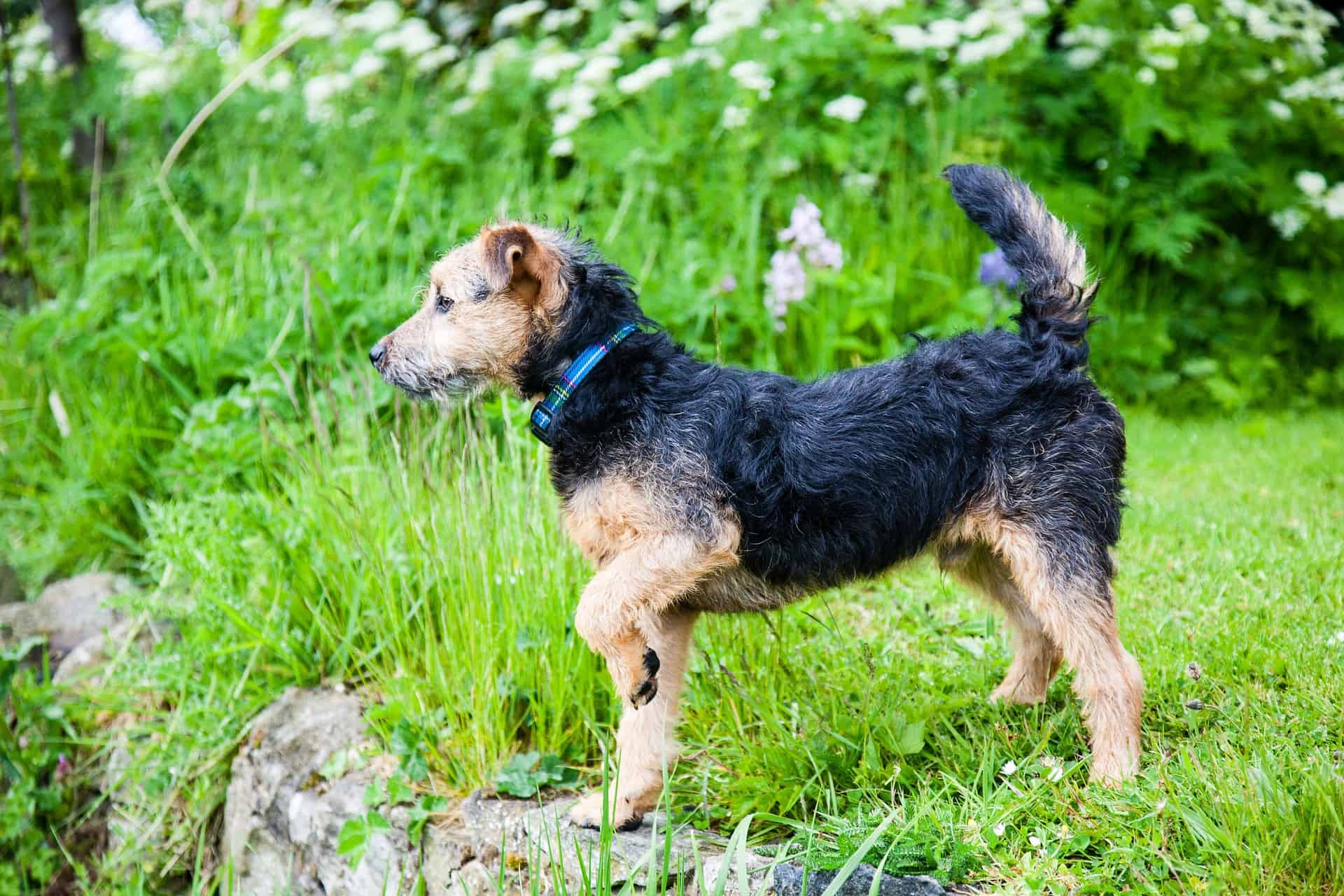
The Lakeland Terrier is a tenacious, swift small terrier that was originally bred to pursue foxes through hills and into their holes. This working history still remains in their DNA, so a Lakeland Terrier living today still has the urge to chase everything that moves - no matter how big they are. They also tend to be aggressive with other dogs. It may be trained to be a bold guard dog as well as an active companion.
Purpose & Origin
The Lakeland Terrier is a working terrier from the English Lake District, bred from at least the 1700s by farmers who needed a dog game enough to go after foxes threatening their sheep. Unlike hunt terriers in softer country, Lakeland farmers ran their dogs alongside small packs of hounds over steep, rocky fells, so the terrier had to be both fast above ground and willing to go to earth. The same dog went after otter and general vermin with equal enthusiasm.
Though its early pedigree was never formally recorded, it shares common roots with the Border Terrier, Bedlington Terrier, and Fox Terrier. The breed was known under several local names, including Patterdale and Fell Terrier, before being unified under the Lakeland name in 1921, with Cumberland recognised as its specific home territory. AKC registration followed in 1934, and the breed has since made a name for itself in the show ring, though it remains a rare choice as a pet.
Temperament & Behaviour
A Lakeland Terrier is rarely still. It investigates, plays, digs, and generally treats the day as something to be used up as thoroughly as possible. Given enough daily exercise in a secure space, it settles well indoors and becomes an affectionate, entertaining companion, but that composure depends entirely on the outlet. With strangers it is reserved rather than welcoming, and its watchdog instinct is sharp: it notices everything and will tell you about it.
Dog aggression is a consistent breed trait, and small pets are at serious risk around a Lakeland that has not been raised alongside them. The breed is clever, but that intelligence comes paired with stubbornness and a mischievous streak. Training works best with patience and a genuine sense of humour, because heavy-handed correction will get you nowhere with this dog.
Activity & Training
Exercise requirements are moderate rather than extreme, but the Lakeland needs something every day or it will generate its own entertainment, usually destructively. A brisk leash walk or an energetic backyard session is enough on most days; off-leash time in a fully enclosed area is a bonus the dog will use well. Recall is unreliable once prey instinct fires, so a secure fence is not optional.
Training this breed is genuinely difficult. The ease-of-training score sits at the bottom of the scale, and that reflects reality. The Lakeland is not slow to learn, it simply applies its own judgment about whether a cue is worth following. Short sessions, varied rewards, and consistency over time produce results; lectures do not.
Grooming
The wiry double coat needs combing once or twice a week to stay tangle-free. Beyond that, the coat requires scissoring and shaping four times a year. Show dogs are hand-stripped to preserve texture and colour intensity; pets are typically clipped instead, which softens the coat and lightens the colour over time. Neither approach is low-maintenance, and owners who have not budgeted for a skilled groomer should learn to do the work themselves.
Health
The Lakeland Terrier is a long-lived breed, with a typical lifespan of 12 to 16 years. The main health concerns on record are lens luxation and distichiasis, both eye conditions worth screening for. Legg-Perthes disease and von Willebrand's disease appear occasionally. Recommended health tests cover eyes and, where indicated, vWD.
Why these breeds are similar
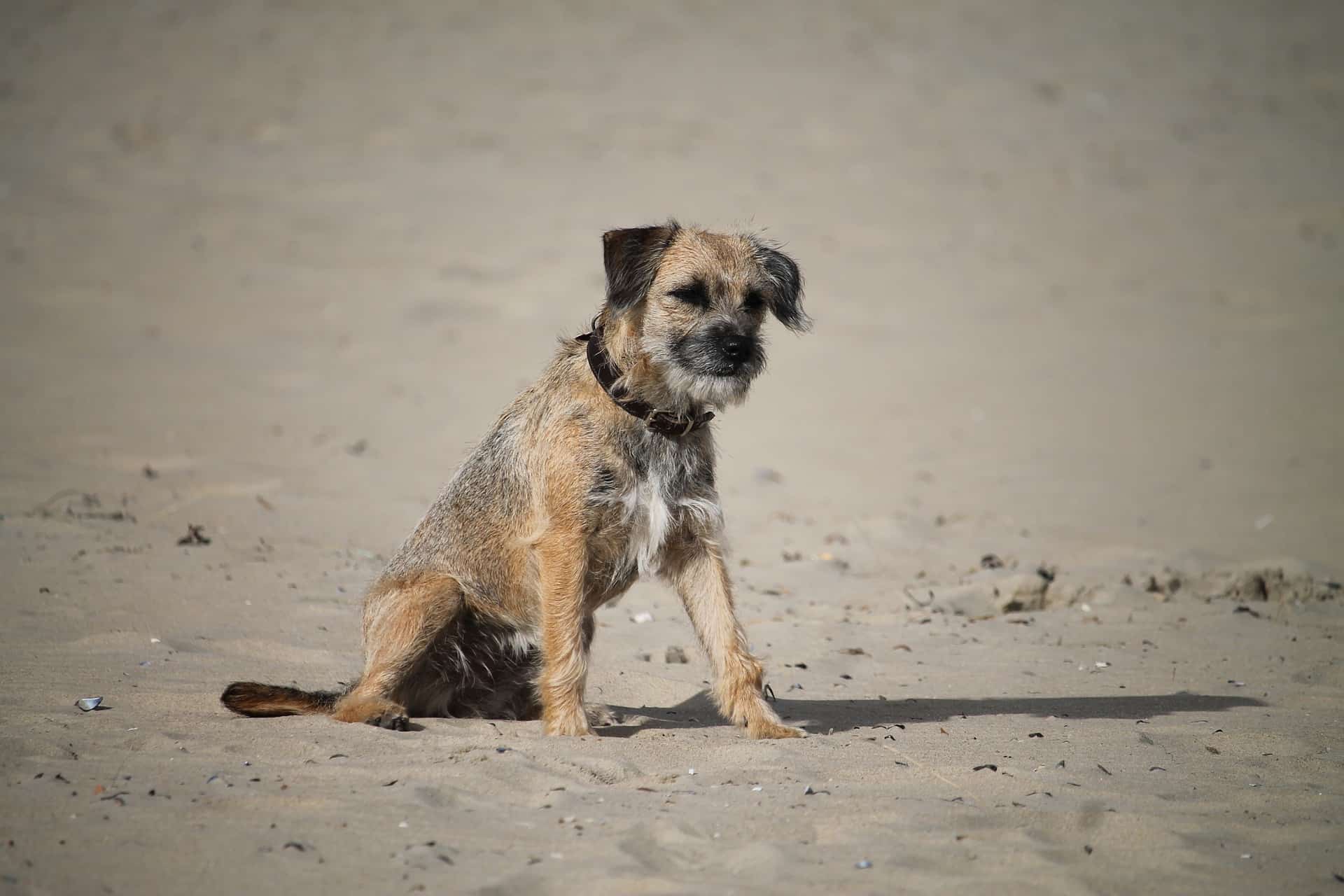
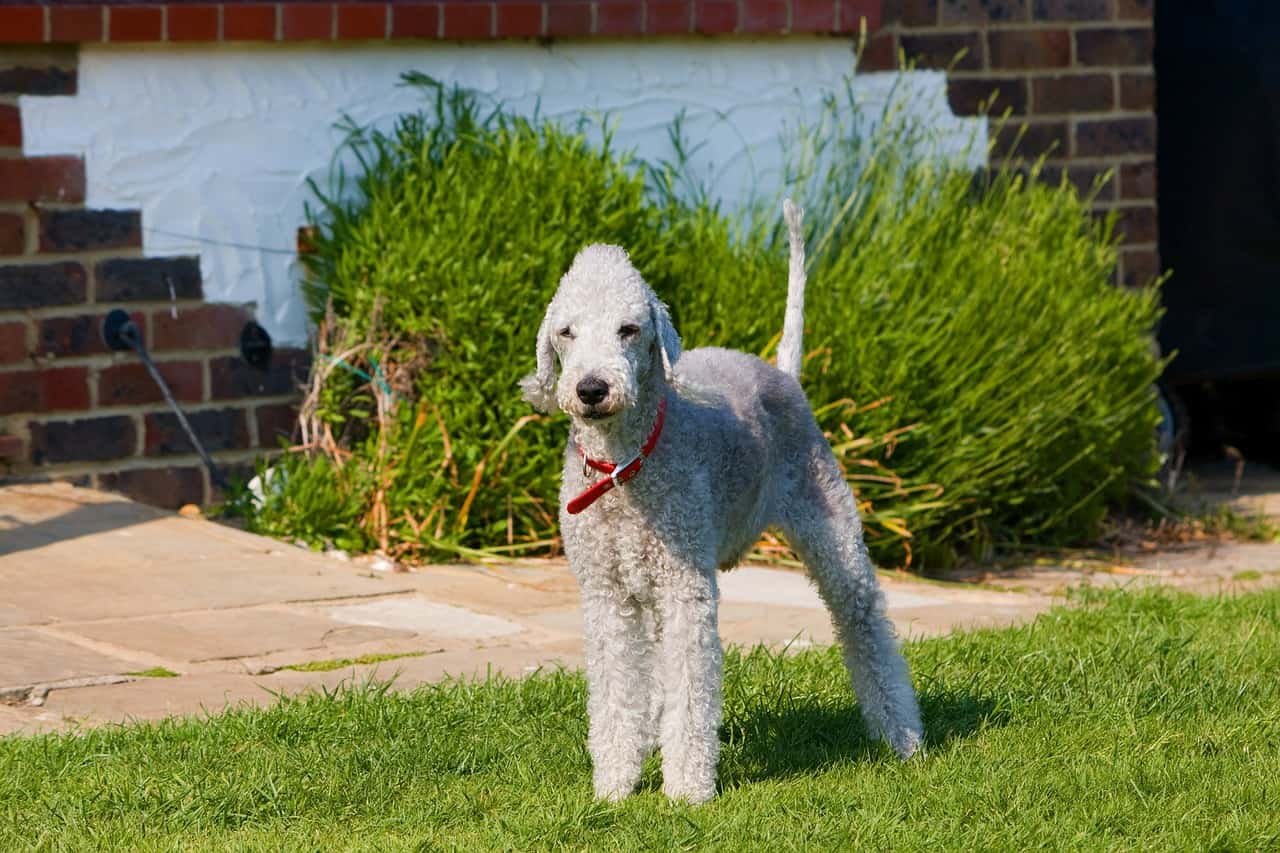
The Border Terrier is the Lakeland's closest working cousin, another small, hard-bitten English fell dog bred for exactly the same job in overlapping territory, sharing common ancestors and the same instinct to hunt vermin over rough ground. The Bedlington Terrier also shares that common ancestry from the northern English terrier pool, combining a similar game temperament with a distinctive soft coat that belies the toughness underneath.
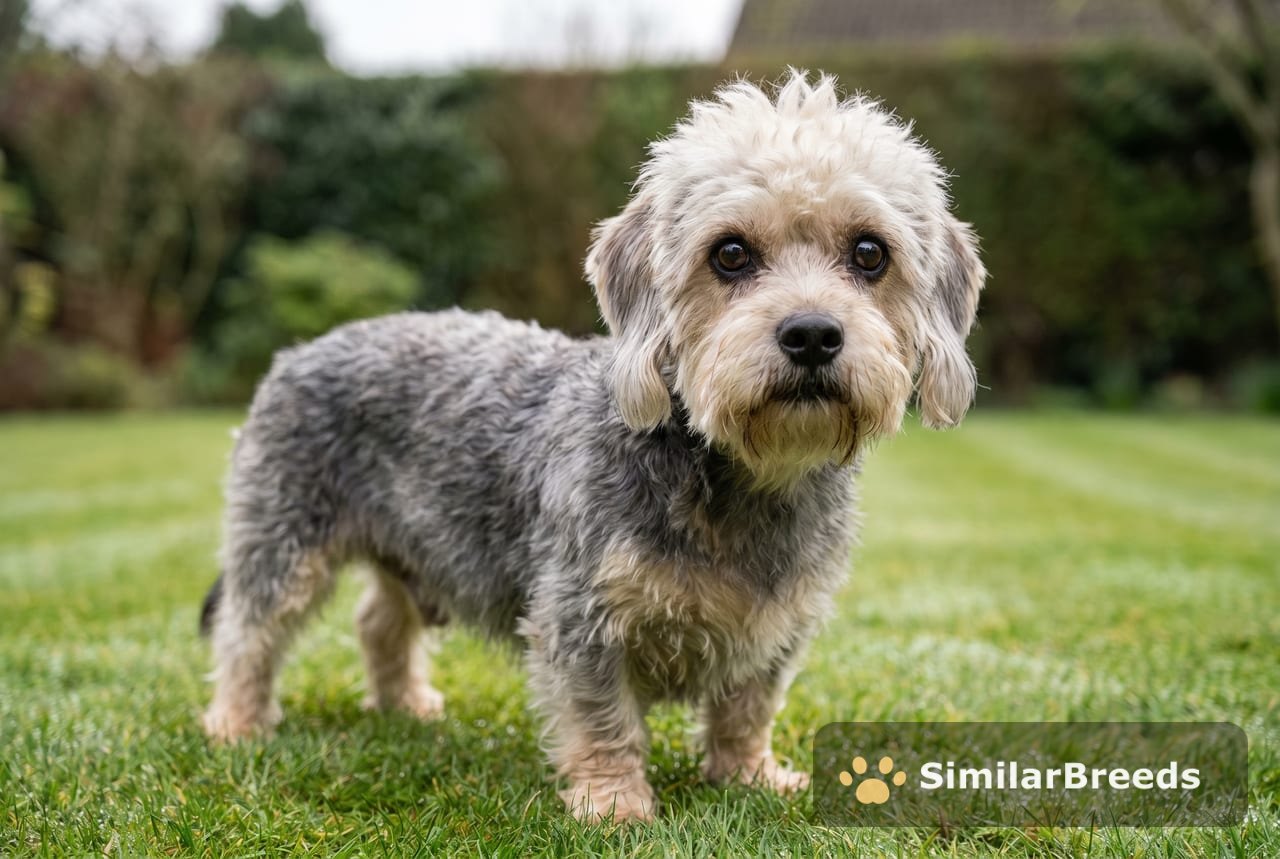
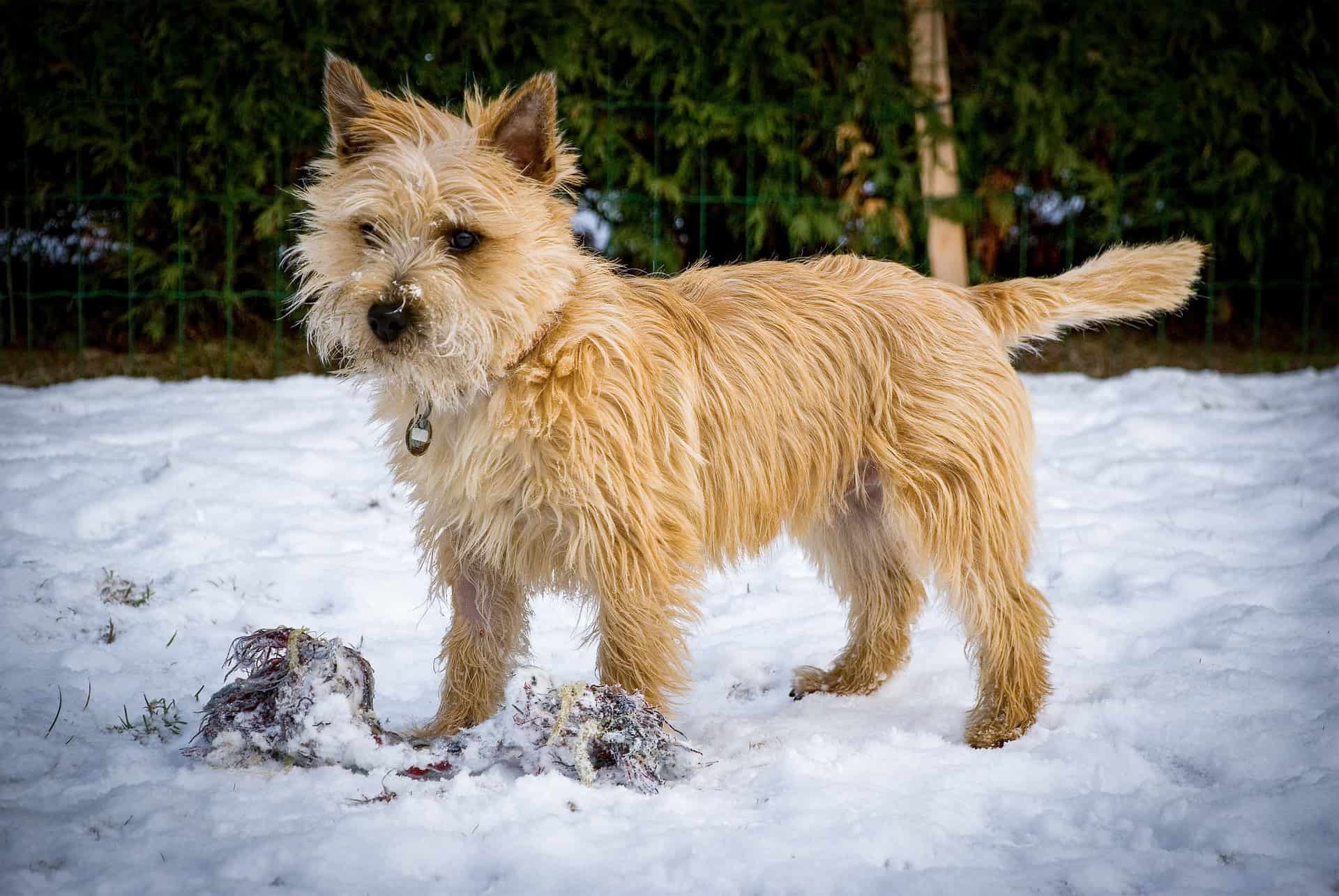
The Dandie Dinmont Terrier is another British earth-dog from the same general era and gene pool, a short-legged, determined hunter with a strong independent character that will feel familiar to anyone who knows the Lakeland. The Cairn Terrier rounds out the group as a small, wiry, Scottish working terrier with the same bold personality, strong prey drive, and stubborn streak that defines the type.
Trait ratings
- Energy level
- 4/5
- Exercise requirements
- 3/5
- Playfulness
- 5/5
- Affection level
- 3/5
- Friendliness toward dogs
- 1/5
- Friendliness toward other pets
- 1/5
- Friendliness toward strangers
- 1/5
- Ease of training
- 1/5
- Watchdog ability
- 5/5
- Protection ability
- 1/5
- Grooming requirements
- 4/5
- Cold tolerance
- 3/5
- Heat tolerance
- 3/5