West Highland White Terrier
From Great Britain
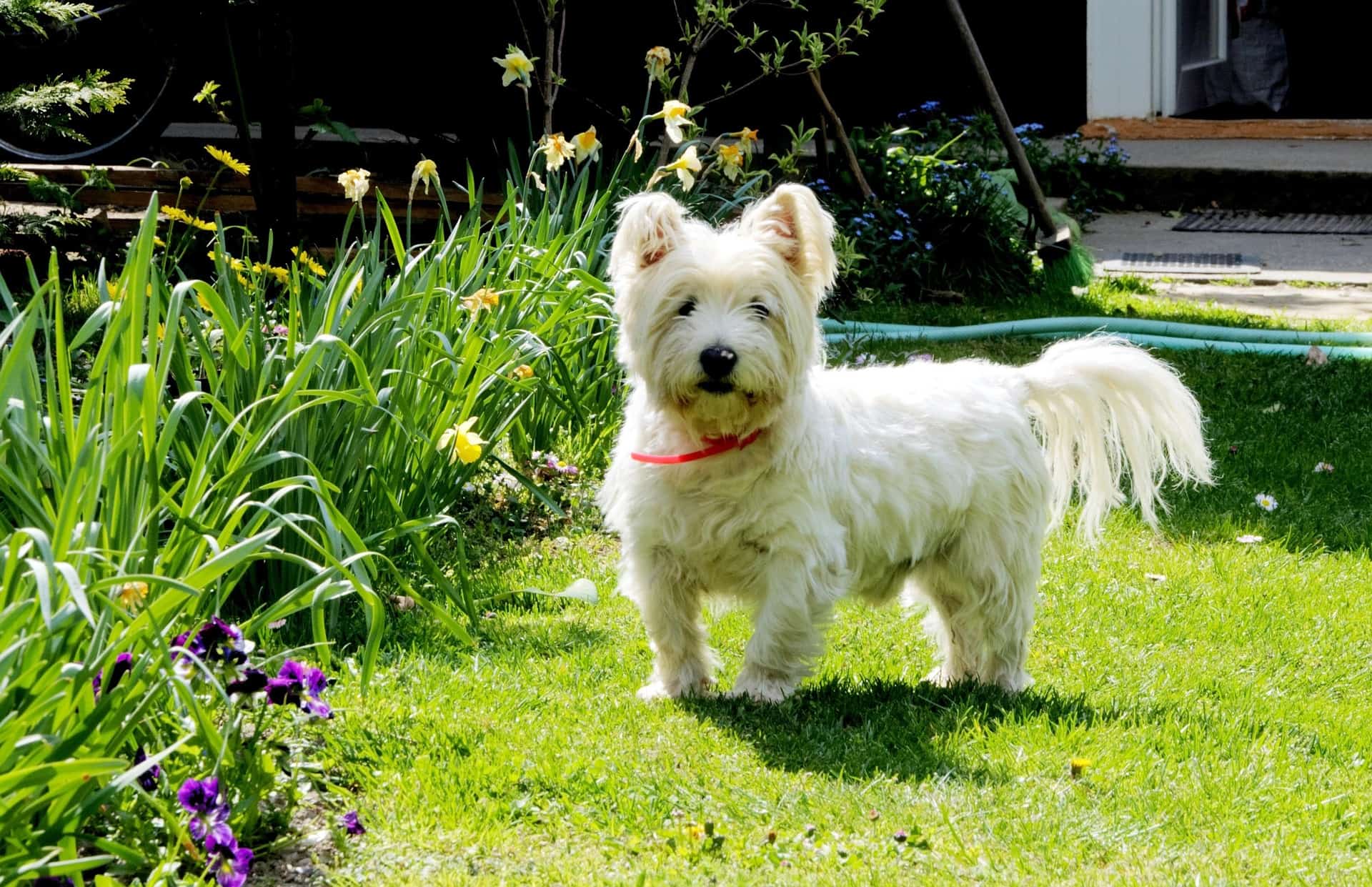
Purpose & Origin
The West Highland White Terrier is a Scottish earth-dog bred to hunt fox, badger, and vermin across the rugged terrain of the Scottish mainland and western islands. Its origins are shared with the Cairn, Skye, and Scottish Terriers, which were once treated as regional varieties of a single type.
Selective breeding for coat color and type over many generations produced distinct strains, and the white variant was systematically developed by Colonel E.D. Malcolm at Poltalloch in the 1800s. The breed first reached public notice in 1907 as the Poltalloch Terrier, passed briefly through AKC registration as the Roseneath Terrier in 1908, and settled into its current name in 1909. It has since become one of the most successful terriers in the show ring and one of the most widely kept at home.
Temperament & Behaviour
The Westie is busy, curious, and insists on being involved in whatever is happening. It is among the friendliest of the terrier group, genuinely affectionate and eager for attention, and it tends to be more open with strangers than many of its relatives. The independence and stubbornness typical of terriers are present here, though not to an extreme degree. It can be vocal and will dig given the opportunity. Small animals are not safe around it; the hunting instinct is intact regardless of how settled the dog looks indoors. Moderate tolerance toward other dogs means careful introductions matter.
Activity & Training
Daily exercise is non-negotiable, but the Westie is not a high-demand athlete. A brisk leash walk or an active game in a secure yard each day is sufficient. A fenced area is important because the breed will pursue anything that moves. Training goes reasonably well given its energy and sociability, but the terrier streak shows up as selective listening when something more interesting is on offer. Short, consistent sessions with clear expectations work better than long drilling.
Grooming
The dense, wiry double coat needs combing two or three times a week to stay tangle-free. Every three months the coat should be shaped, either by clipping for a pet trim or by hand-stripping for dogs shown in the ring. Keeping the white coat clean can be genuinely difficult in wet or muddy conditions, and some climates make it harder than others. The grooming commitment is real and ongoing, not occasional.
Health
The Westie carries several notable health concerns. Serious issues include globoid cell leukodystrophy, Legg-Perthes disease, craniomandibular osteopathy (CMO), and skin disease, which is common enough in the breed to deserve specific attention before purchase. Minor concerns include copper toxicosis, cataracts, patellar luxation, and dry eye (KCS). Deafness is occasionally seen. Hip, knee, and eye testing is recommended for breeding stock. Life expectancy runs 12 to 14 years.
Why these breeds are similar
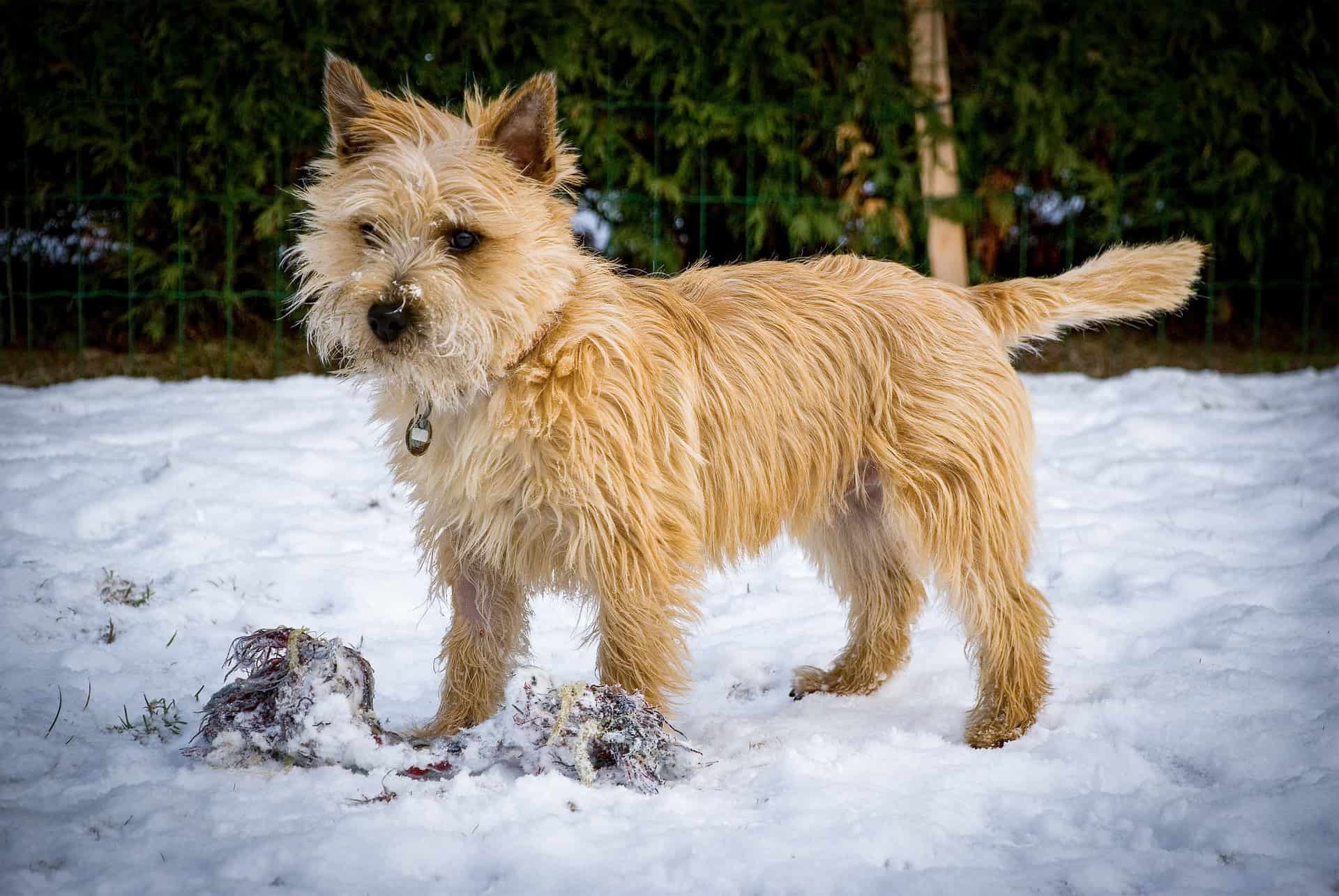
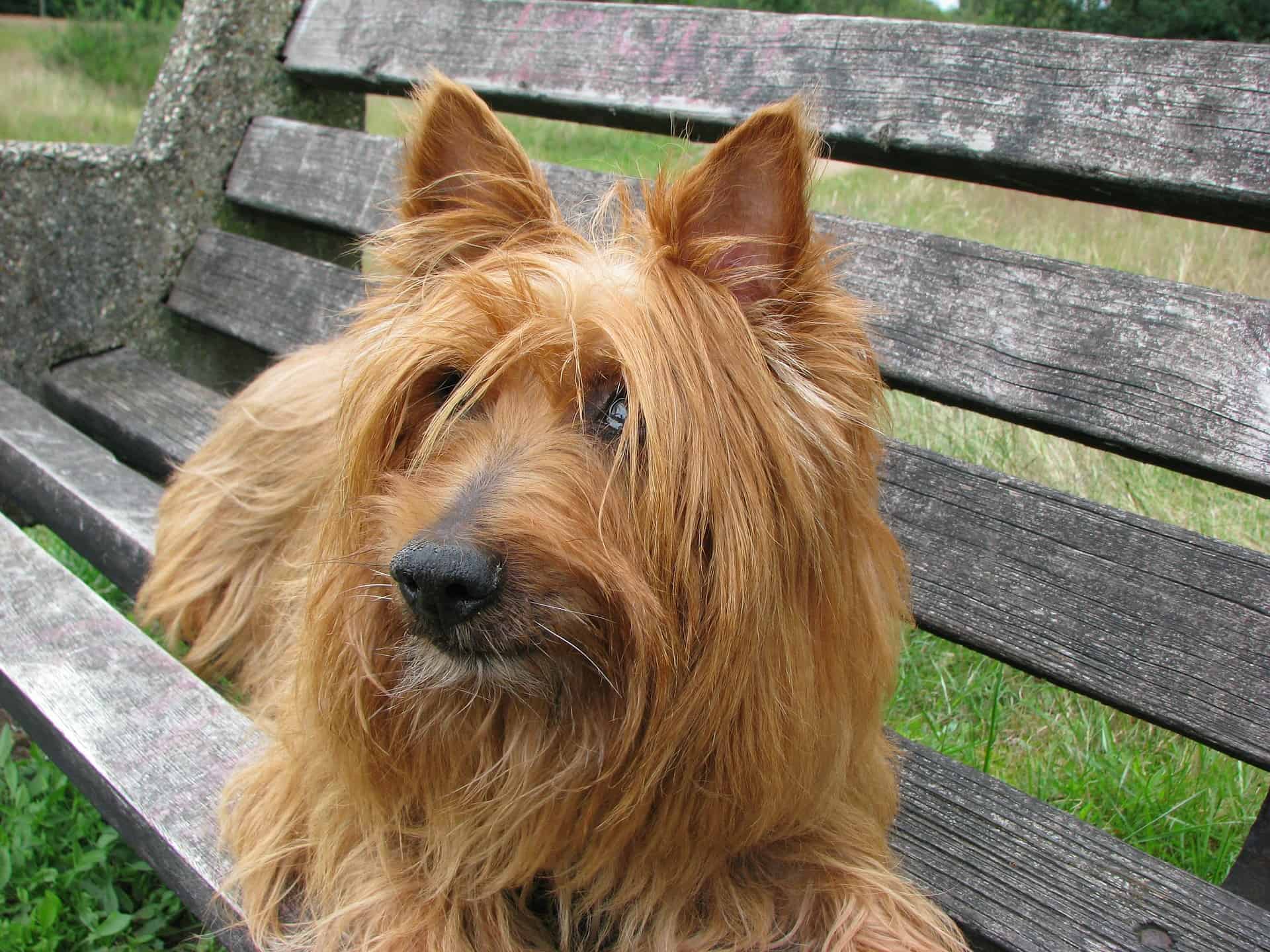
The **Cairn Terrier** is the Westie's closest relative, sharing the same Scottish working roots and at one point considered the same breed. Both are compact, game earth-dogs with wiry coats, independent personalities, and the same daily exercise requirements. The **Australian Terrier** is another small, game working terrier bred for rough-country vermin control, matching the Westie in size, energy, and the characteristic terrier stubbornness.
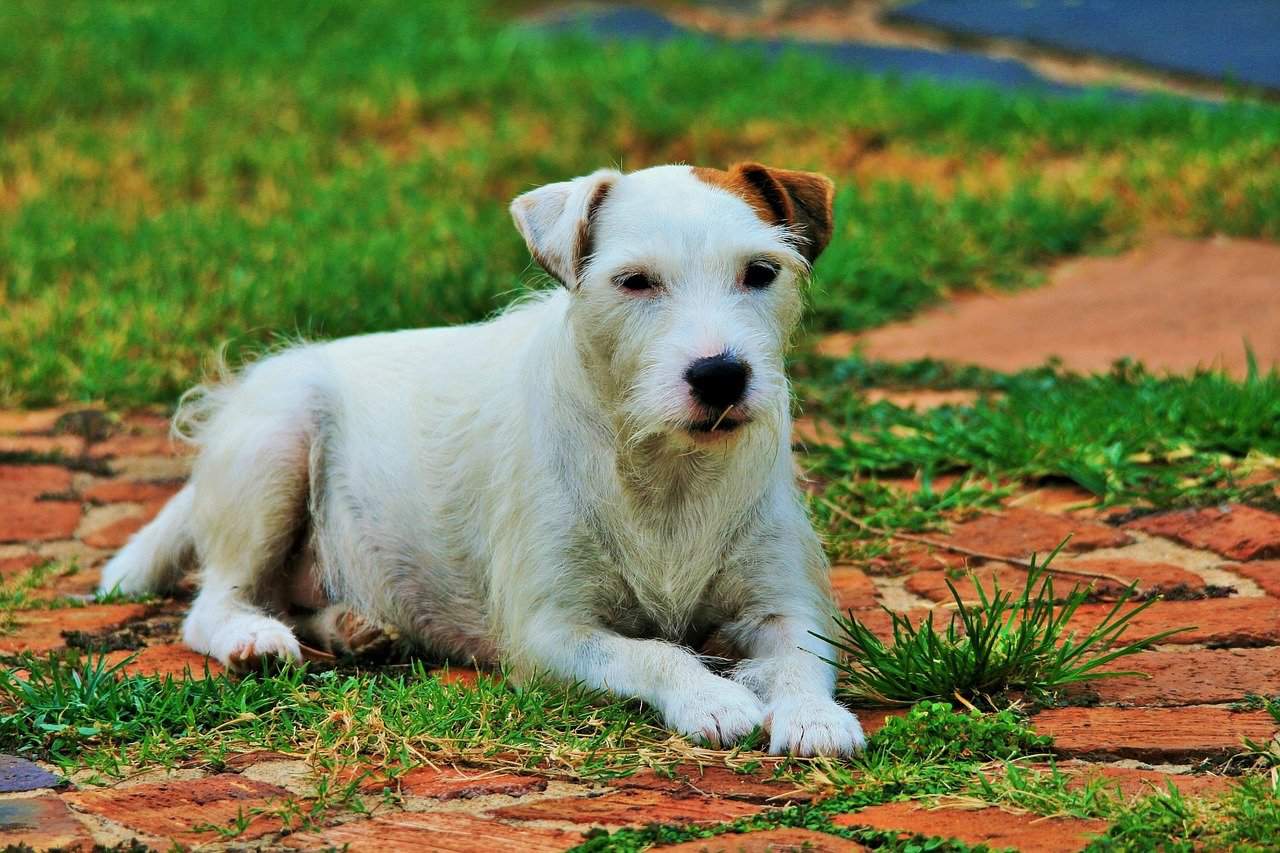
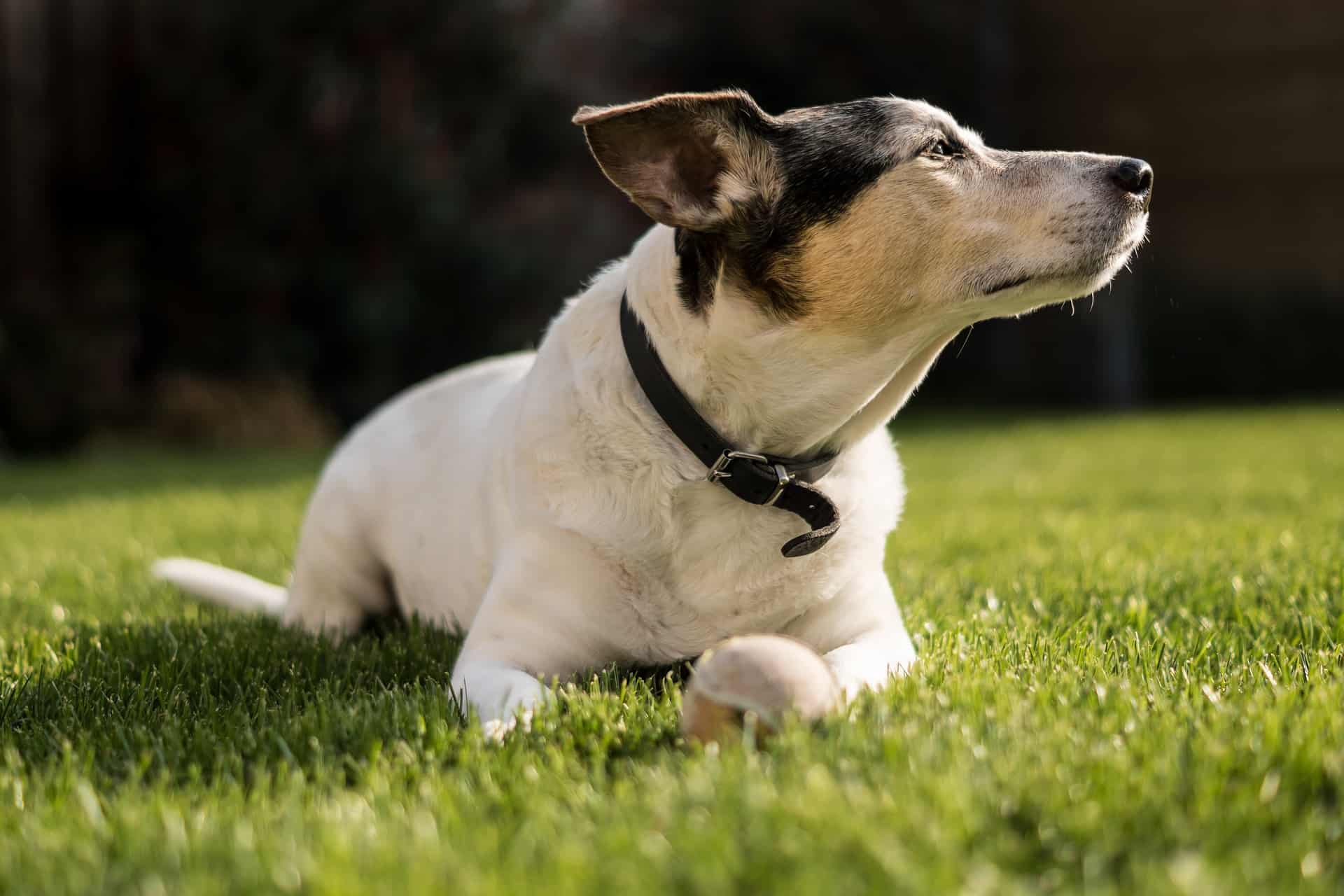
The **Parson Russell Terrier** and **Jack Russell Terrier** are linked by function and build: all three were developed to go to ground on fox and work independently in the field, and they share the quick, determined temperament that comes with that job. The Jack and Parson are leggier and faster than the Westie, but the working mindset and the need for an engaged owner are common ground across all four.
Trait ratings
- Energy level
- 4/5
- Exercise requirements
- 3/5
- Playfulness
- 3/5
- Affection level
- 5/5
- Friendliness toward dogs
- 3/5
- Friendliness toward other pets
- 3/5
- Friendliness toward strangers
- 4/5
- Ease of training
- 4/5
- Watchdog ability
- 4/5
- Protection ability
- 1/5
- Grooming requirements
- 4/5
- Cold tolerance
- 3/5
- Heat tolerance
- 3/5