Norwich Terrier
From Great Britain
Purpose & Origin
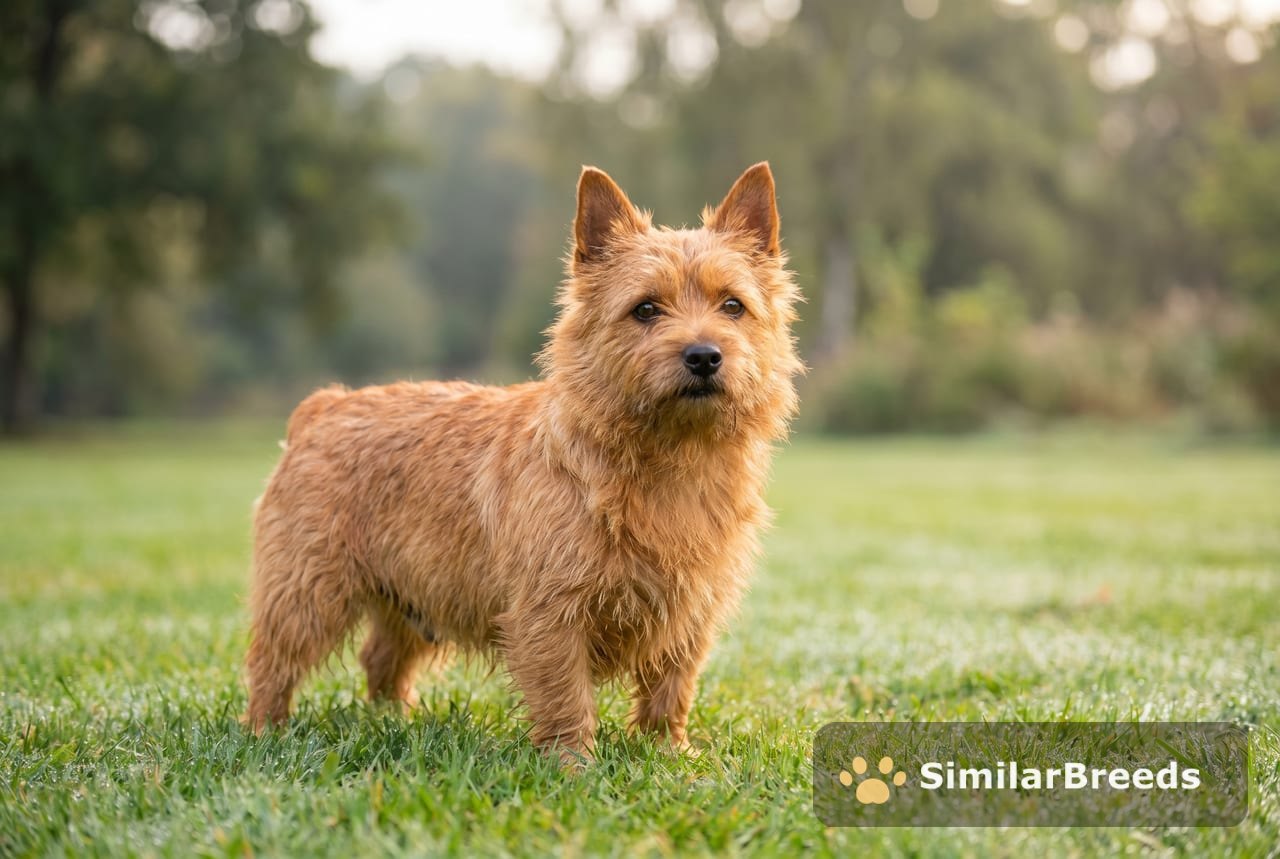
The Norwich Terrier is one of the smallest working terriers, bred in England for ratting and flushing foxes from their earths. Short-legged ratting dogs had been valued in the English countryside for generations, but the modern Norwich only took shape in the 1880s, when these scrappy little dogs became a fashionable novelty among Cambridge University students, who knew them as CanTab or Trumpington Terriers.
The breed's true patriarch was a dog called Rags, a Trumpington Terrier brought to a stable near Norwich around 1900, who proved himself as both a ratter and a sire. One of Rags' sons crossed to America, where his owner's name, Jones, became so associated with the type that many still call it the Jones Terrier.
The AKC recognised the breed in 1936. At the time, both prick-eared and drop-eared dogs were shown together; in 1979 the drop-eared dogs were split off as the Norfolk Terrier. The Norwich kept the upright ears and, despite modest popularity as a pet, has remained a competitive show dog.
Temperament & Behaviour
This is a dog that takes its terrier heritage seriously. The Norwich is alert, curious, and energetic, always ready to investigate a noise, chase a scent, or squeeze into a tight corner. Its watchdog instinct is unusually strong for such a small dog, and it will bark at anything worth barking at.
At the same time, it is genuinely affectionate with its people and adapts well to family life. The independence typical of terriers is present here: the Norwich will have opinions about what it wants to do, and it does not always defer to its owner.
Small animals, including cats in the wrong context, can trigger its prey drive. Best suited to owners who find terrier cheek entertaining rather than exhausting.
Activity & Training
Daily exercise is non-negotiable for a Norwich. A brisk walk or short run satisfies the basic requirement, but this breed is happiest when exercise comes with exploration, sniffing, and the chance to investigate. Any off-leash time must happen in a securely fenced area; the Norwich has no road sense when a scent is involved. Training is manageable but requires consistency. The breed's moderate ease of training reflects a dog that is smart enough to understand what you want and independent enough to sometimes ignore it. Short, reward-based sessions work better than repetition-heavy drills.
Grooming
The Norwich has a wiry, close-lying double coat that is reasonably low-maintenance compared to many other terriers. Weekly combing once or twice keeps it tangle-free. Three to four times a year, dead hairs should be stripped out by hand or with a stripping knife; clipping softens the coat texture over time and is best avoided if a hard, weather-resistant coat matters to you. The coat does not shed heavily.
Health
The Norwich is a long-lived breed, typically reaching 13 to 15 years. Hip dysplasia is the primary health concern to screen for, and prospective owners should ask breeders for hip evaluations. Minor issues noted in the breed include allergies and seizures. Patellar luxation, cataracts, deafness, and cheyletiella mite infestations appear occasionally. Reputable breeders test for hips, knees, and eyes.
Why these breeds are similar
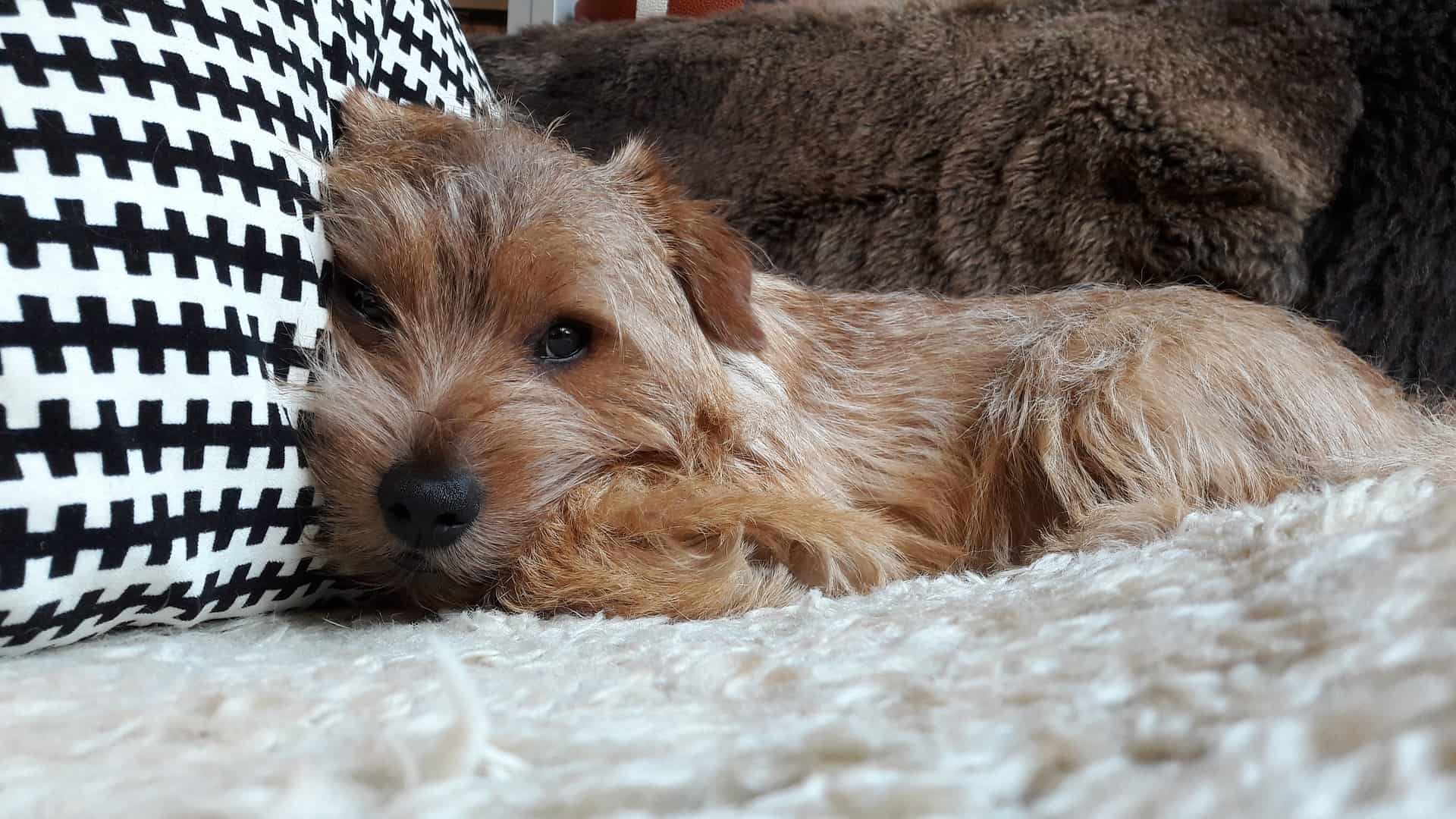
The Norfolk Terrier is the closest match: it is, literally, the same breed with a different ear. Both trace back to the same East Anglian ratting stock, share identical build and function, and behave in much the same way. The ear carriage is the only reliable external distinction.
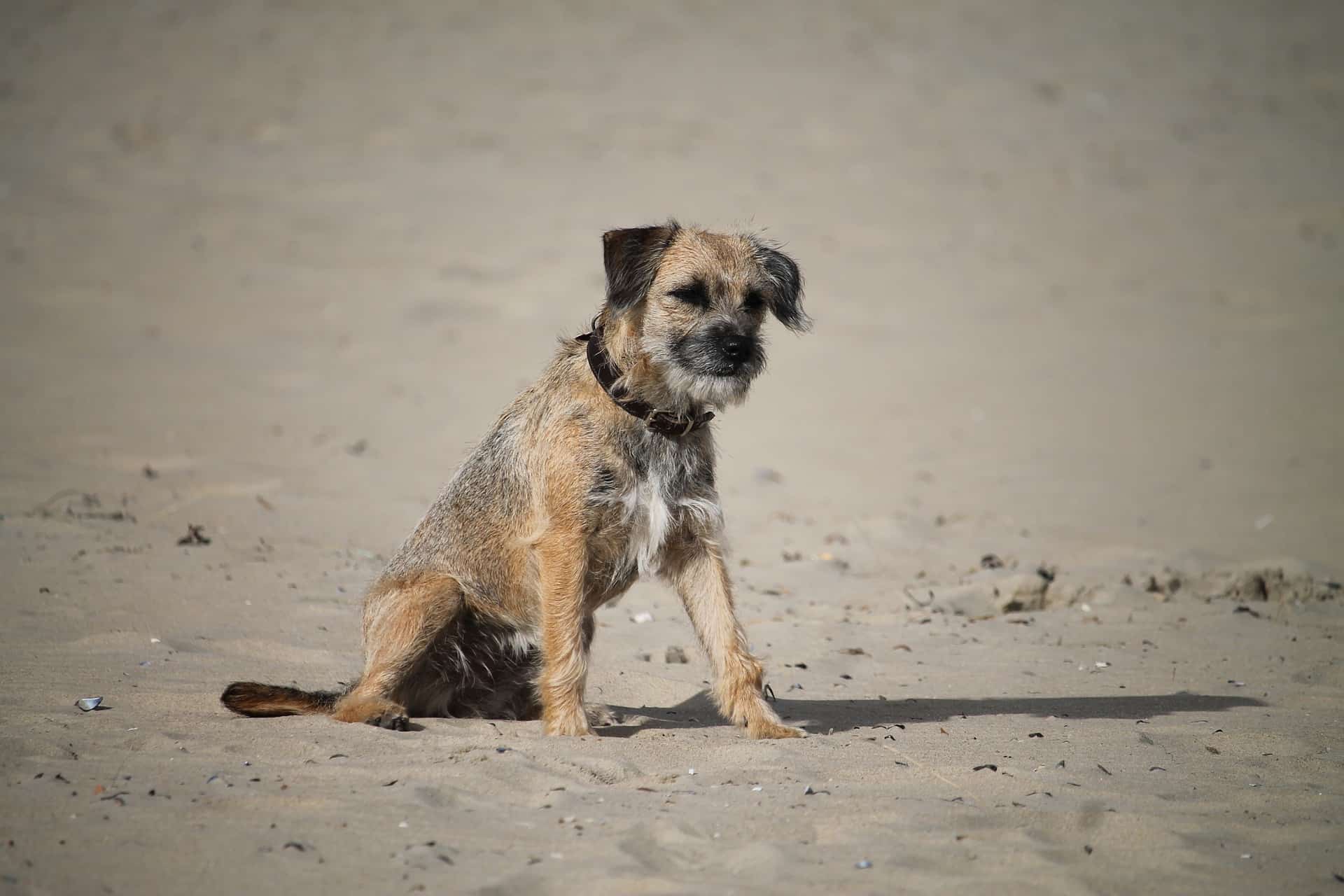
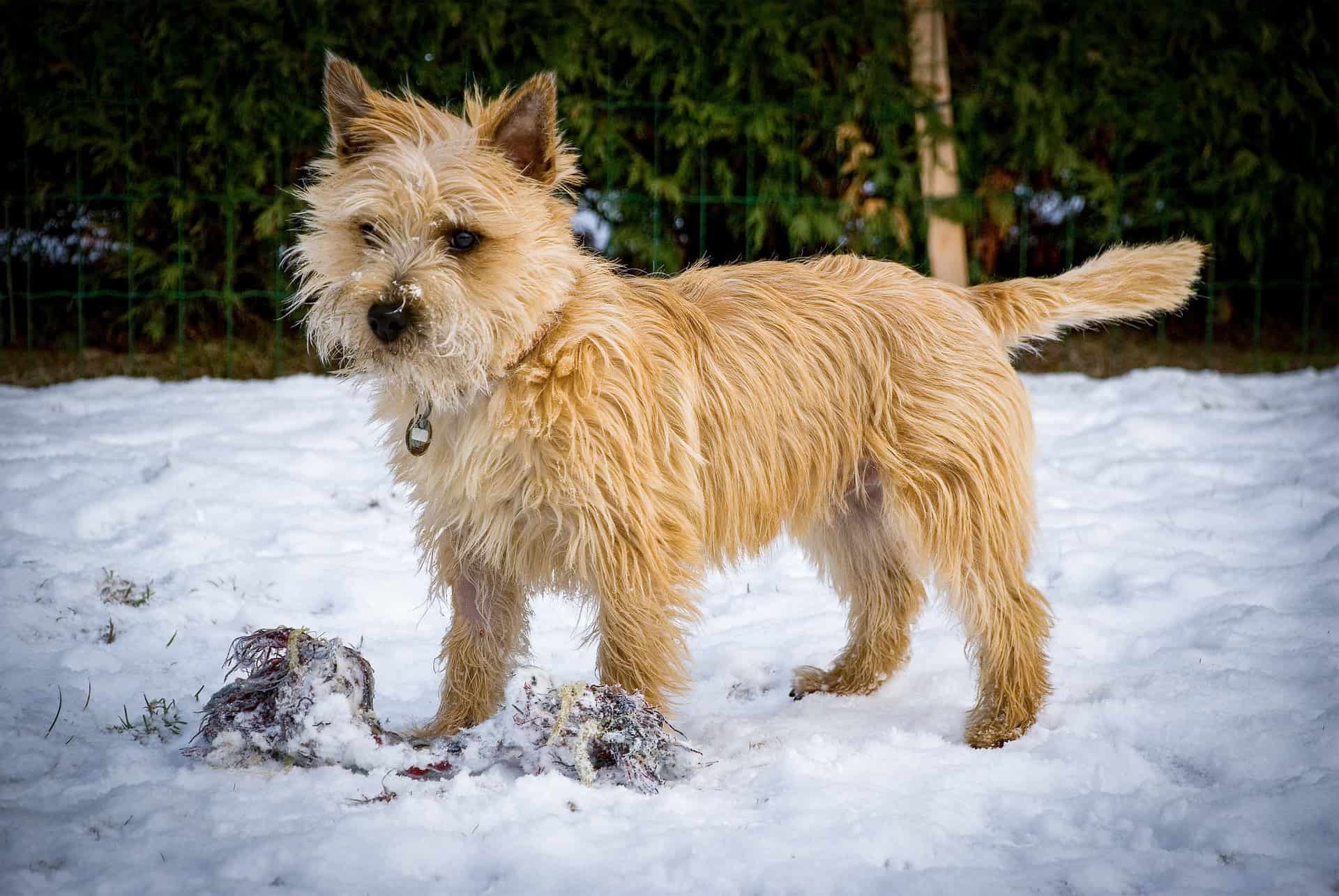
The Border Terrier is a similar small British earth-dog, built for the same fox-bolting and ratting work, with comparable energy and a wiry coat. Its temperament is slightly softer and more biddable, but the working purpose and compact size align directly. The Cairn Terrier shares the Scottish working terrier tradition, similar weight and height, and the same combination of boldness and affection. Like the Norwich, it was bred to go to ground in rocky terrain and retains a lively, independent character.
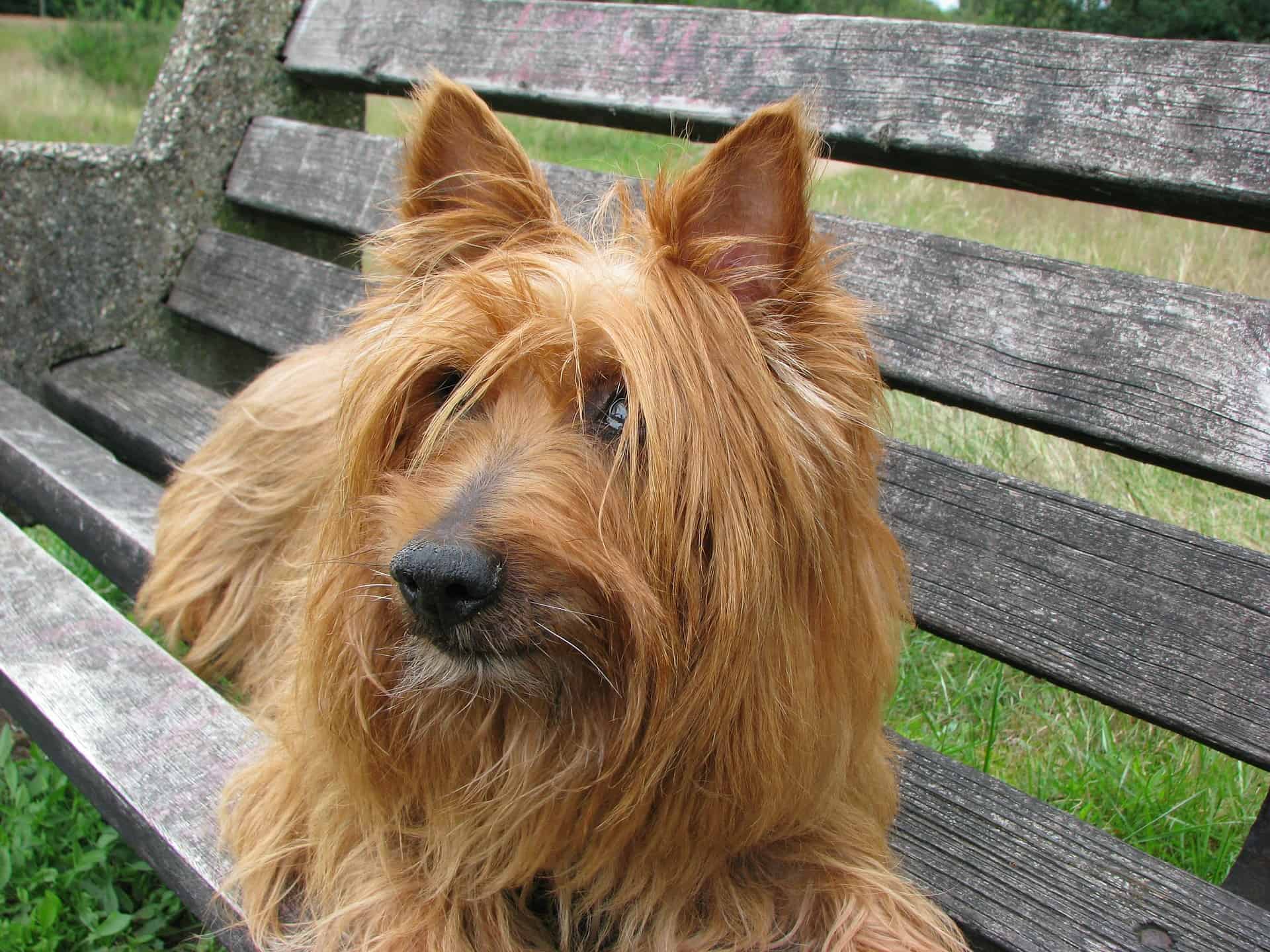
The Australian Terrier is the connection that travels farthest geographically but stays close in type: developed in Australia partly from British terrier stock that includes ancestors common to the Norwich line, it is a similarly small, alert, wiry-coated dog used for vermin control and shares the breed's watchful, energetic personality.
Trait ratings
- Energy level
- 4/5
- Exercise requirements
- 3/5
- Playfulness
- 3/5
- Affection level
- 4/5
- Friendliness toward dogs
- 3/5
- Friendliness toward other pets
- 3/5
- Friendliness toward strangers
- 3/5
- Ease of training
- 3/5
- Watchdog ability
- 5/5
- Protection ability
- 1/5
- Grooming requirements
- 3/5
- Cold tolerance
- 3/5
- Heat tolerance
- 3/5