Shih Tzu
From Tibet
Purpose & Origin
The Shih Tzu is one of the oldest and most deliberately pampered dogs in existence, bred from the beginning to do nothing but charm the people around it. Its name translates roughly as "lion dog," a title drawn from its association with Buddhism, and it carried that reverence first in Tibet and then in China, where it flourished under imperial patronage during the Ming dynasty. The breed as it exists today took shape during the reign of the Dowager Empress Cixi in the latter half of the nineteenth century.
When the British looted the Imperial Palace, the dogs were nearly lost. Recovery was slow, and early Western classification was confused enough that Shih Tzus and Lhasa Apsos were lumped together under a single name until the mid-1930s, when breeders separated them by skull shape and muzzle length. A single Pekingese outcross was permitted in 1952 to address certain breed points; none have been allowed since. The AKC recognised the Shih Tzu in 1969, and it has been among the most popular toy breeds ever since.
Temperament & Behaviour
What makes the Shih Tzu unusual among toy breeds is that it manages to be both genuinely affectionate and genuinely confident. It is not a nervous lap warmer. It likes to play, roams the house with an upbeat energy, and gets along well with children, other dogs, and strangers. The flip side of that confidence is a stubborn streak that surfaces when it decides something is not worth doing. It is not hostile or anxious, just selectively cooperative. It bonds closely with family but handles social situations with an equanimity that many larger breeds lack.
Activity & Training
Low exercise requirements do not mean no exercise. A daily short walk or a session of vigorous indoor play is enough to keep the Shih Tzu content, but skipping it is noticeable. The breed does not tolerate heat or humidity well, so outdoor activity in summer needs to be brief and timed early or late in the day.
Training requires patience rather than intensity. The ease-of-training score is low, and that reflects reality: the Shih Tzu responds to consistent, reward-based work but will not perform reliably under pressure. Early habituation to handling and grooming is time well spent, as the alternative is a dog that fights every brush session for the rest of its life.
Grooming
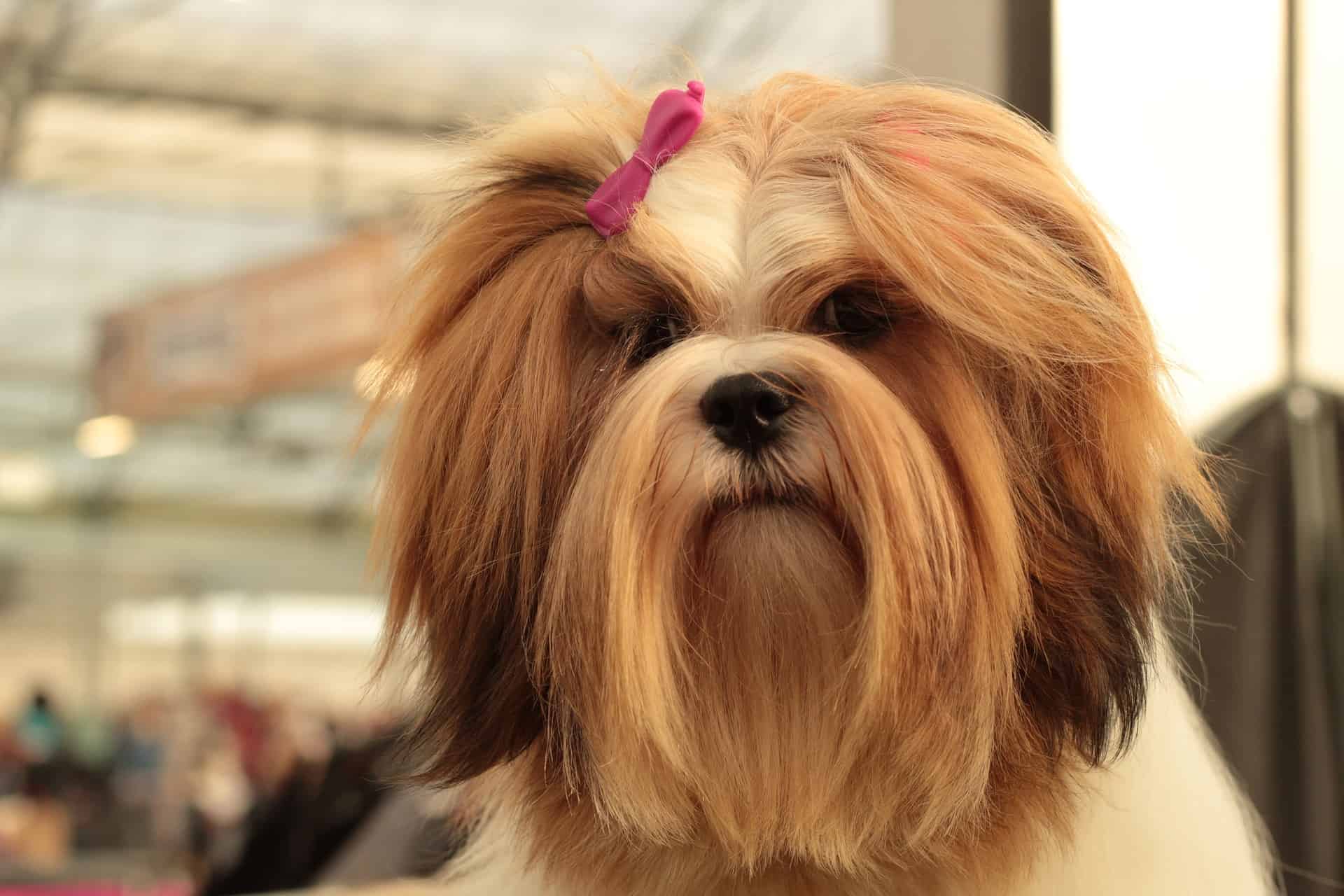
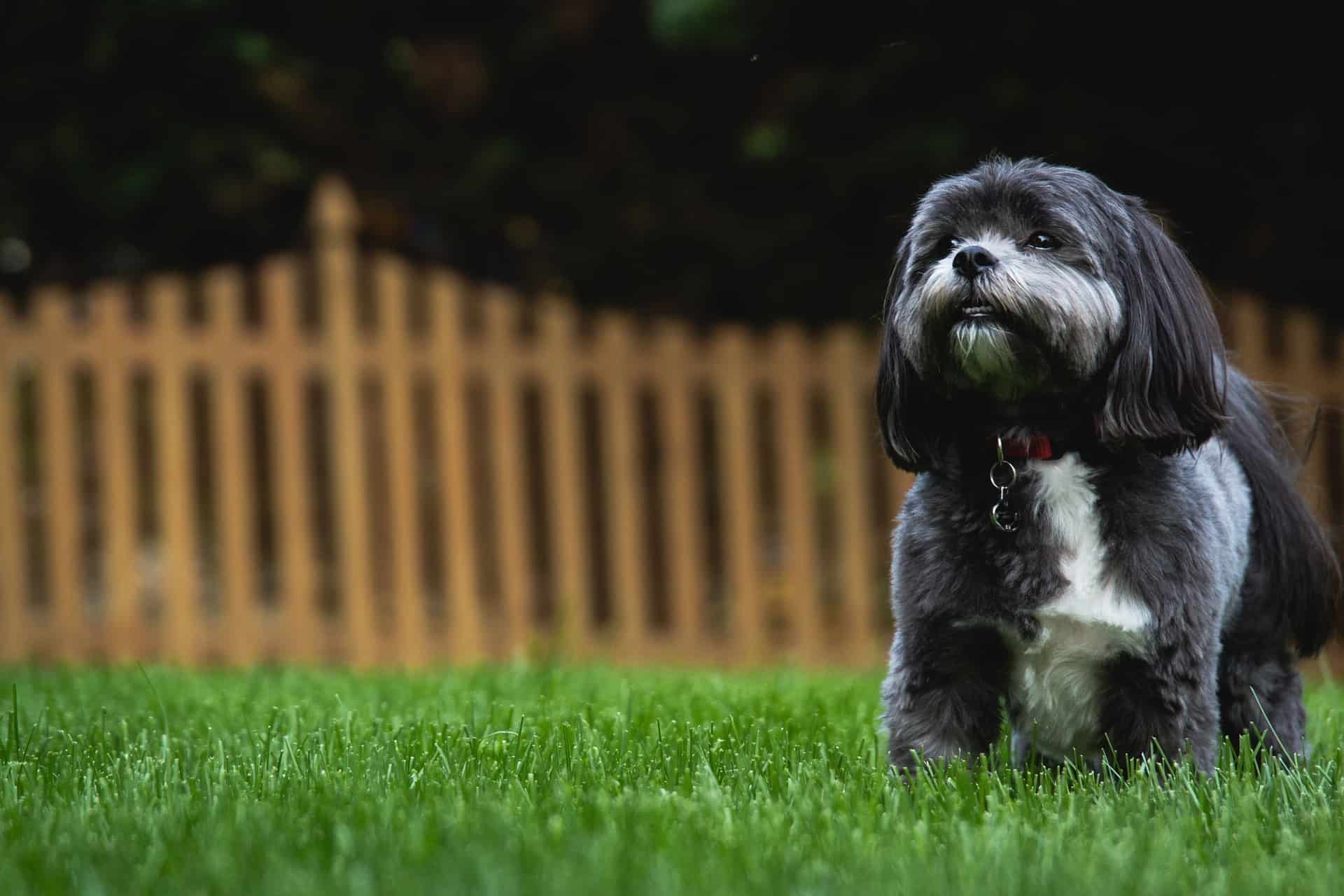
The coat is the most demanding aspect of ownership. It is long, dense, and requires brushing or combing every other day to prevent matting. Most pet owners eventually opt for a short clip, which cuts maintenance to a manageable level without harming the dog. Either way, puppies should be introduced to grooming early, because the coat will only grow more demanding as the dog ages and the habit of tolerating it is far easier to establish young than to fix later.
Health
The Shih Tzu's life span runs 11 to 14 years. Hip dysplasia is the primary structural concern. Eye issues, including entropion and progressive retinal atrophy, appear in the breed, and the eyes should be checked routinely given the amount of facial hair that can contact them. Renal dysplasia is present in some lines and DNA testing is available. The flat face makes heat regulation harder, which is why the breed's heat tolerance is poor.
Why these breeds are similar
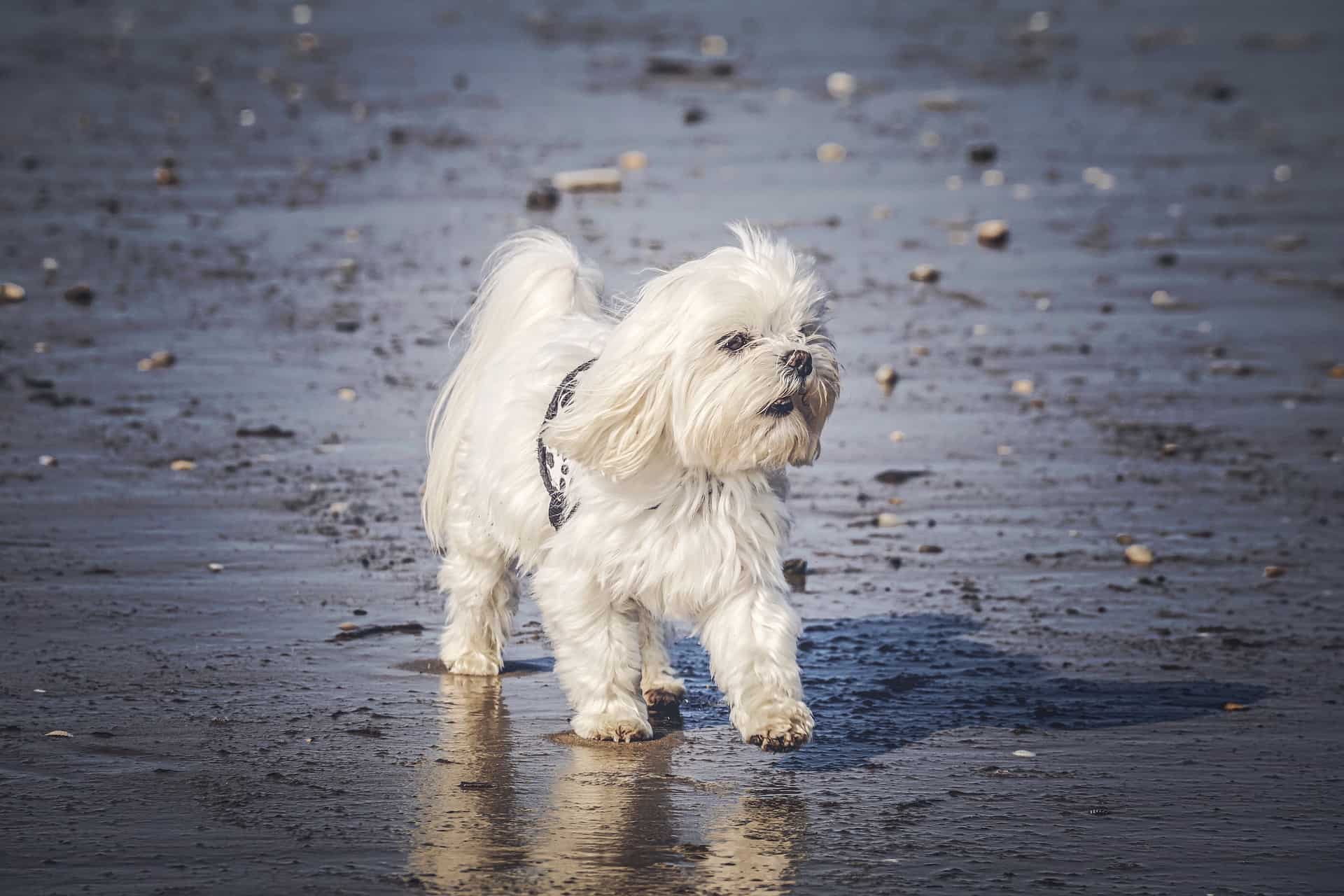
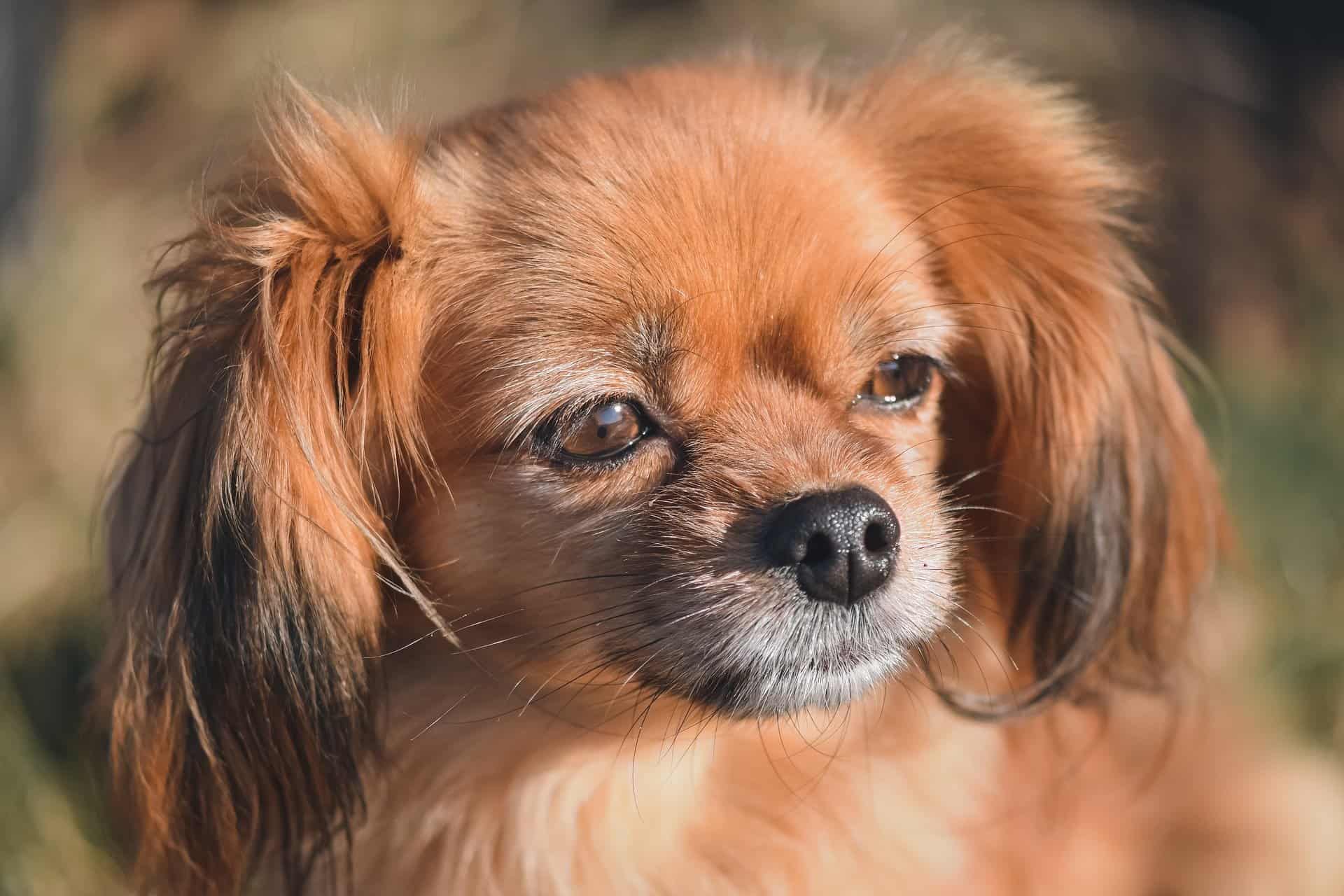
The **Lhasa Apso** is the closest relation, sharing Tibetan origins, a long double coat, and a similarly independent temperament. The two were classified as a single breed in the West until the 1930s. The **Maltese** matches the Shih Tzu on the companion-only purpose, the flowing white coat, and the toy-group frame, though it is more refined and less robust in build.
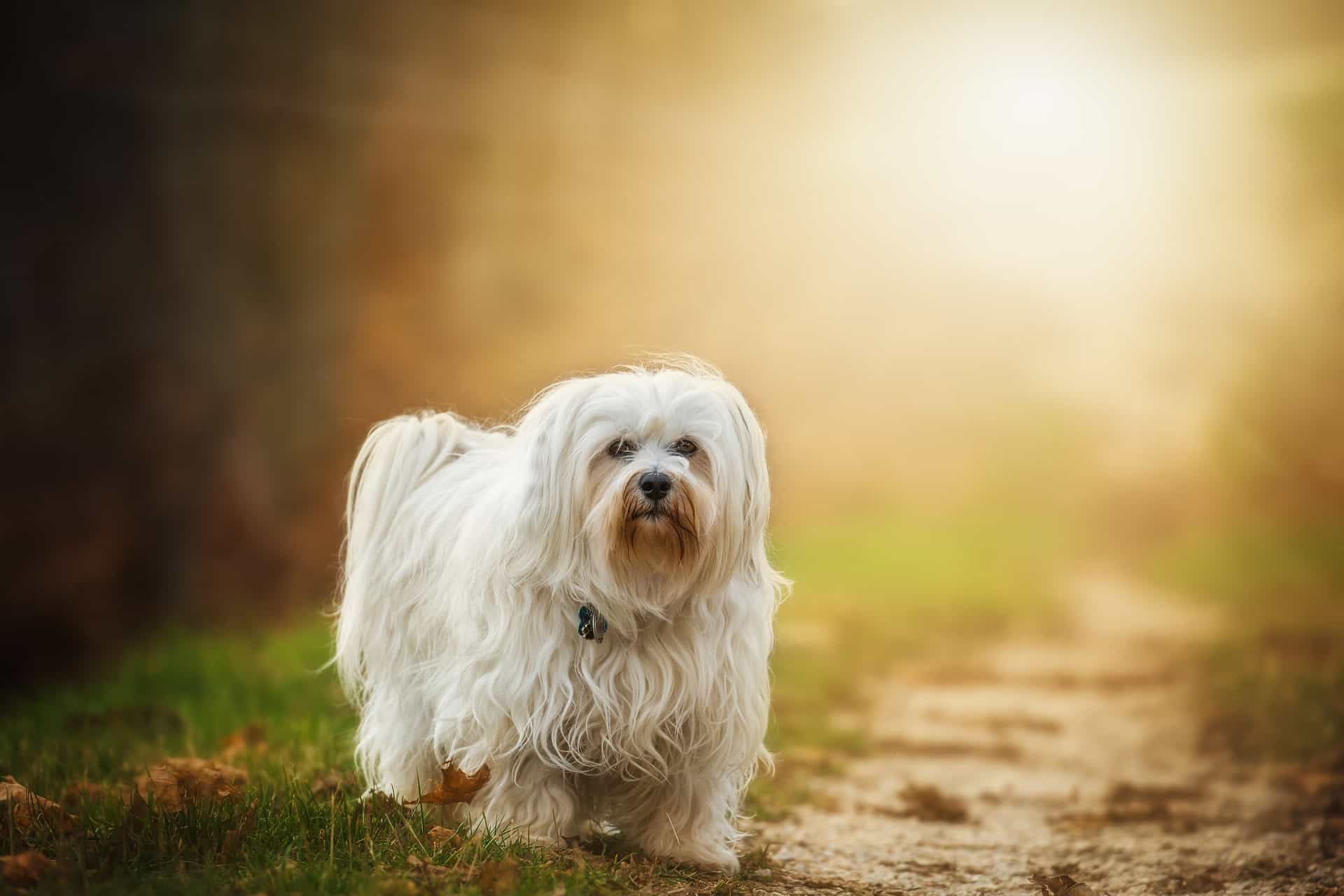
The **Havanese** is another ancient lapdog with a long, silky coat and a cheerful, sociable nature that mirrors the Shih Tzu's own. The **Russian Tsvetnaya Bolonka** is a smaller, less well-known member of the same companion-dog cluster, sharing the affectionate personality and moderate grooming demands. The **Tibetan Spaniel** shares the Tibetan background and the association with Buddhist monasteries, though it is slightly more aloof and athletic.
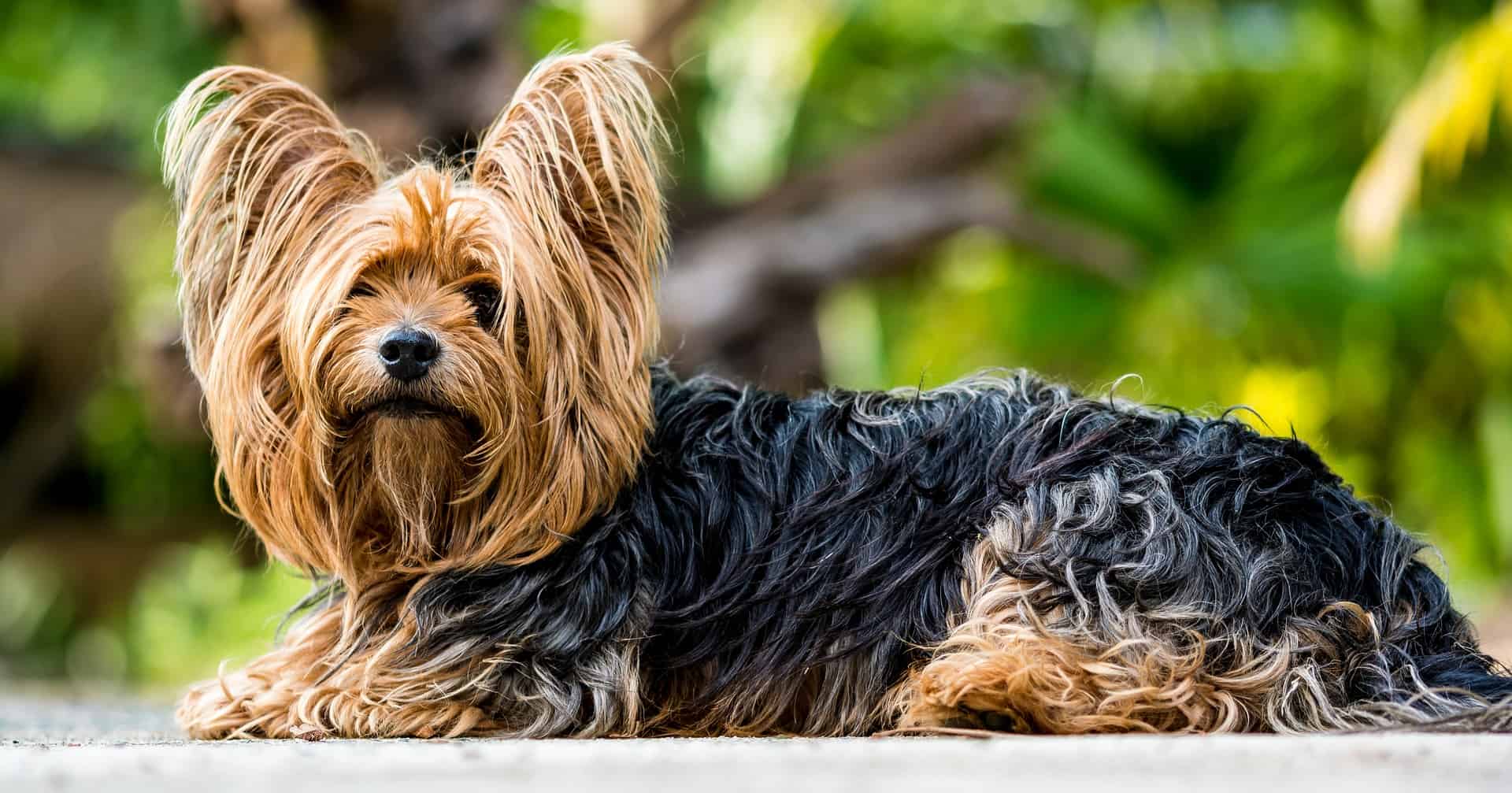
The **Yorkshire Terrier** is the outlier, linked by size and coat care rather than origin or purpose, but owners crossing between them will find comparable grooming demands and a similarly stubborn edge beneath the charm.
Trait ratings
- Energy level
- 3/5
- Exercise requirements
- 1/5
- Playfulness
- 4/5
- Affection level
- 4/5
- Friendliness toward dogs
- 4/5
- Friendliness toward other pets
- 4/5
- Friendliness toward strangers
- 4/5
- Ease of training
- 2/5
- Watchdog ability
- 3/5
- Protection ability
- 1/5
- Grooming requirements
- 4/5
- Cold tolerance
- 2/5
- Heat tolerance
- 1/5