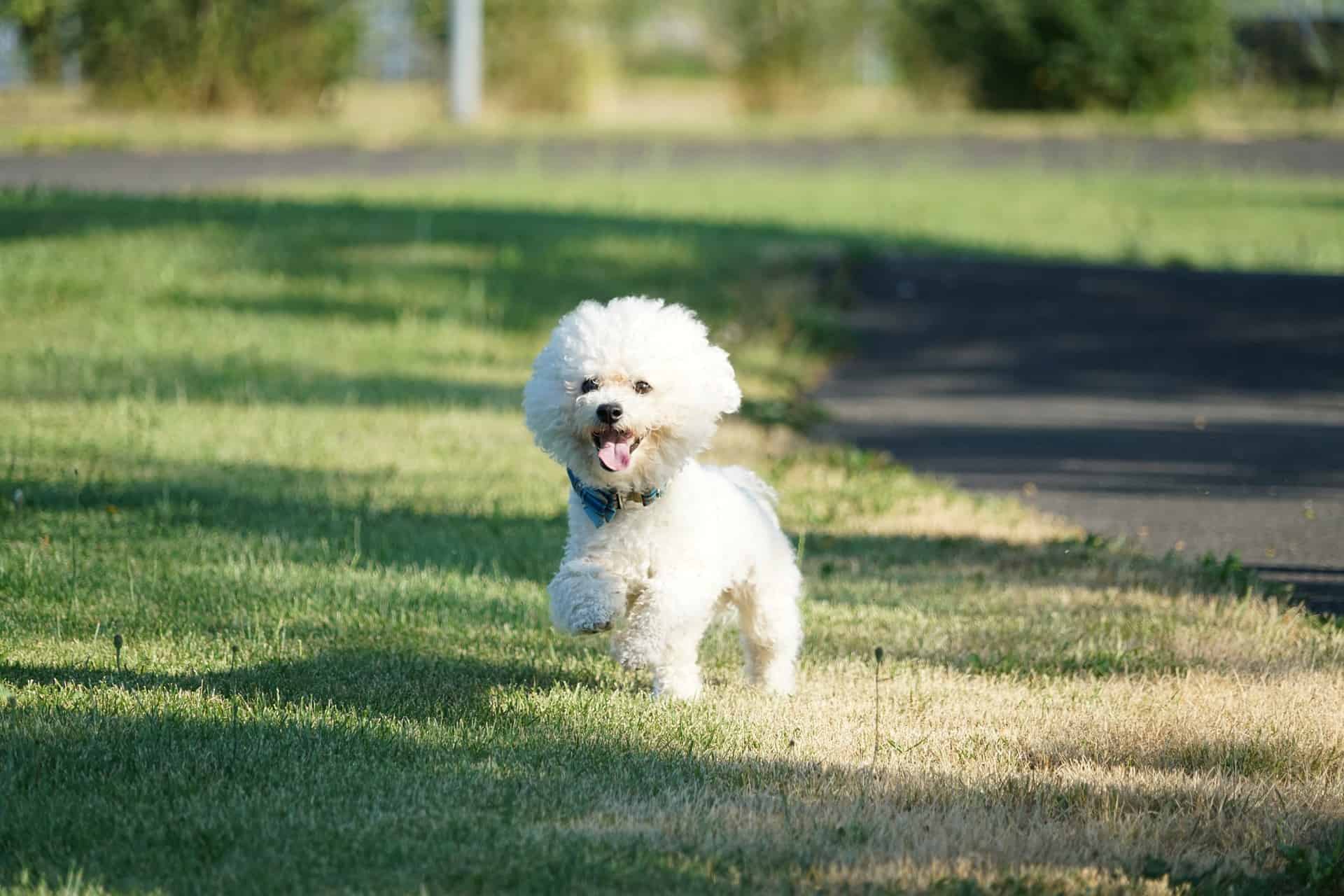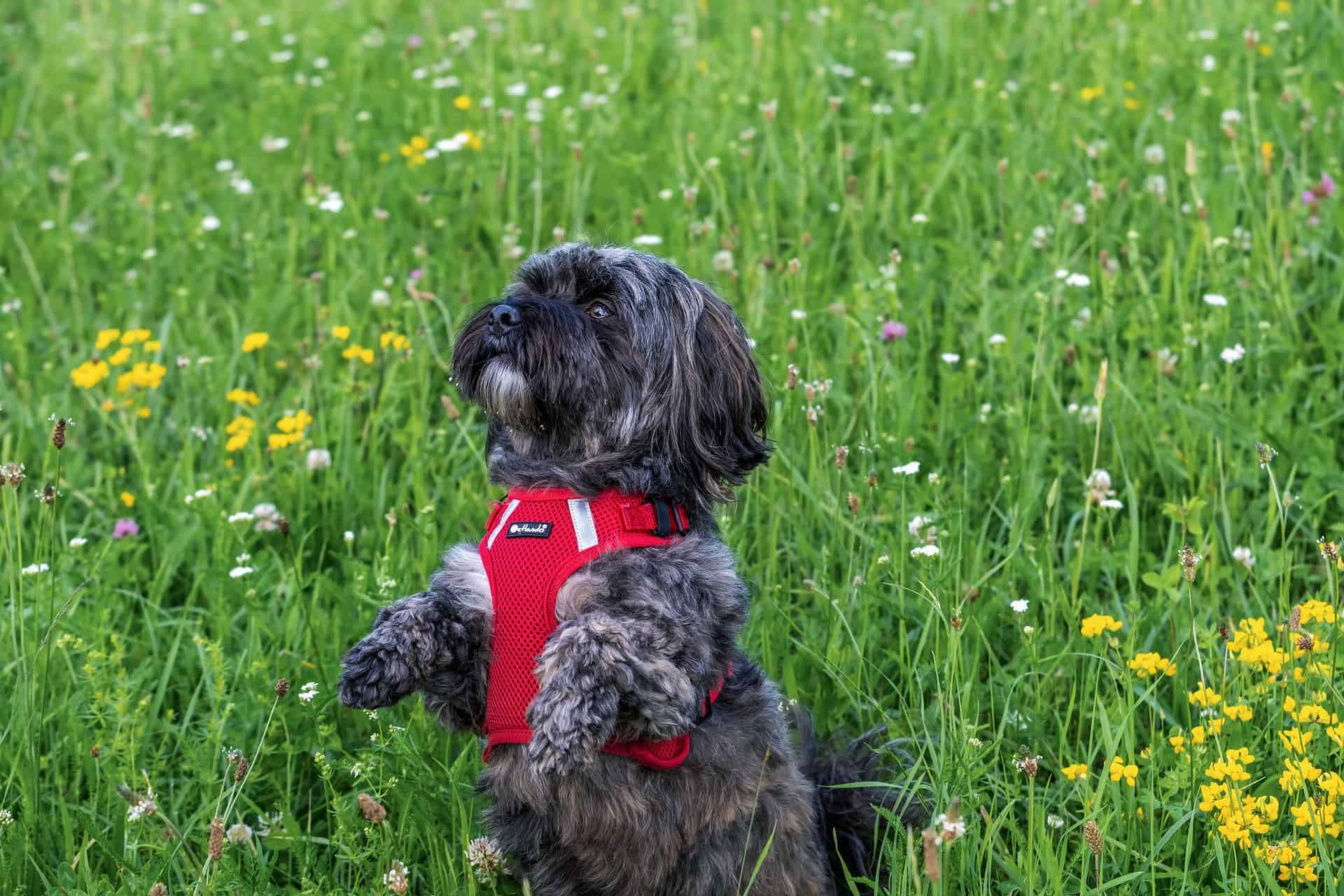
Purpose & Origin
The Russian Tsvetnaya Bolonka, whose name translates roughly as "Russian coloured lapdog," was bred as a companion animal in Soviet-era Russia, particularly in Moscow and Leningrad. Its ancestry traces to small bichon-type dogs brought to Russia from Western Europe, reportedly including gifts of French lapdogs to the Russian court as far back as the eighteenth century. Crosses with local dogs over subsequent generations produced a distinct, coloured toy breed suited to apartment life.
The push toward small companion dogs intensified after the 1960s, when dense urban housing made large breeds impractical for most city dwellers. The breed was standardised in Russia and is now in the AKC's Foundation Stock Service, receiving full recognition in January 2026. The name "bolonka" is the Russian word for lapdog and indicates the entire type; "tsvetnaya" specifies the coloured variety, distinguishing it from the white Franzuskaya Bolonka.
Temperament & Behaviour
The Bolonka is sociable, curious, and emotionally attentive. It bonds closely with its household and tends to be genuinely friendly with strangers rather than reserved or standoffish, though early socialisation solidifies that openness. The breed gets along well with children and other pets. Shyness and aggression are considered faults. These are not independent dogs; they were shaped over generations to be with people, and they show it. Separation anxiety is a real risk if the dog routinely spends long hours alone.
Activity & Training
Exercise needs are modest. Daily walks of twenty to thirty minutes, with some active play, satisfy a healthy adult Bolonka. This is not a dog that demands hiking or extended off-lead running, though it appreciates variety and mental stimulation. Training is generally straightforward. The breed is intelligent and willing, and responds well to reward-based methods. Consistency matters more than intensity. Harsh corrections are counterproductive with this sensitive, people-oriented dog. Basic obedience and early manners training are recommended from puppyhood.
Grooming
Grooming is the most demanding aspect of ownership. The coat is long, wavy to loosely curled, and mats readily if neglected. It requires thorough brushing or combing several times a week at minimum, and daily attention around the face, beard, and moustache where food and moisture accumulate. The facial furnishings need washing regularly to prevent staining and skin irritation. Professional trimming every six to eight weeks keeps the coat manageable. Ears should be checked and cleaned routinely, nails trimmed monthly, and dental hygiene started early given the breed's small jaw and corresponding susceptibility to periodontal disease.
Health
The Russian Tsvetnaya Bolonka is generally a healthy small breed with a reported lifespan of roughly 12 to 15 years. The conditions most commonly screened for are patellar luxation, progressive retinal atrophy and other inherited eye diseases, and congenital heart problems. The breed club also recommends hip evaluation and monitoring for intervertebral disc disease, a concern in small dogs with longer backs. Dental disease is common across toy breeds and warrants proactive care throughout the dog's life. Prospective buyers should ask breeders for current health clearances on eyes, heart, and patellas.
Why these breeds are similar
The **Havanese** shares the same bichon-type foundation and was itself developed as a companion lapdog in a specific regional context, producing a similar soft, wavy coat, a sociable and trainable personality, and comparable grooming demands. The **Bichon Frise** is a direct ancestral influence on the Bolonka's gene pool, and the two breeds overlap substantially in size, coat texture, low-shedding tendencies, and cheerful companion temperament.
The **Tibetan Spaniel** is a less intuitive match on ancestry but lands in a similar niche: a small, alert, apartment-friendly companion with a moderate coat, an affectionate disposition toward its own household, and a watchful but non-aggressive character that suited life close to people in confined spaces.