Lhasa Apso
From Tibet
Purpose & Origin
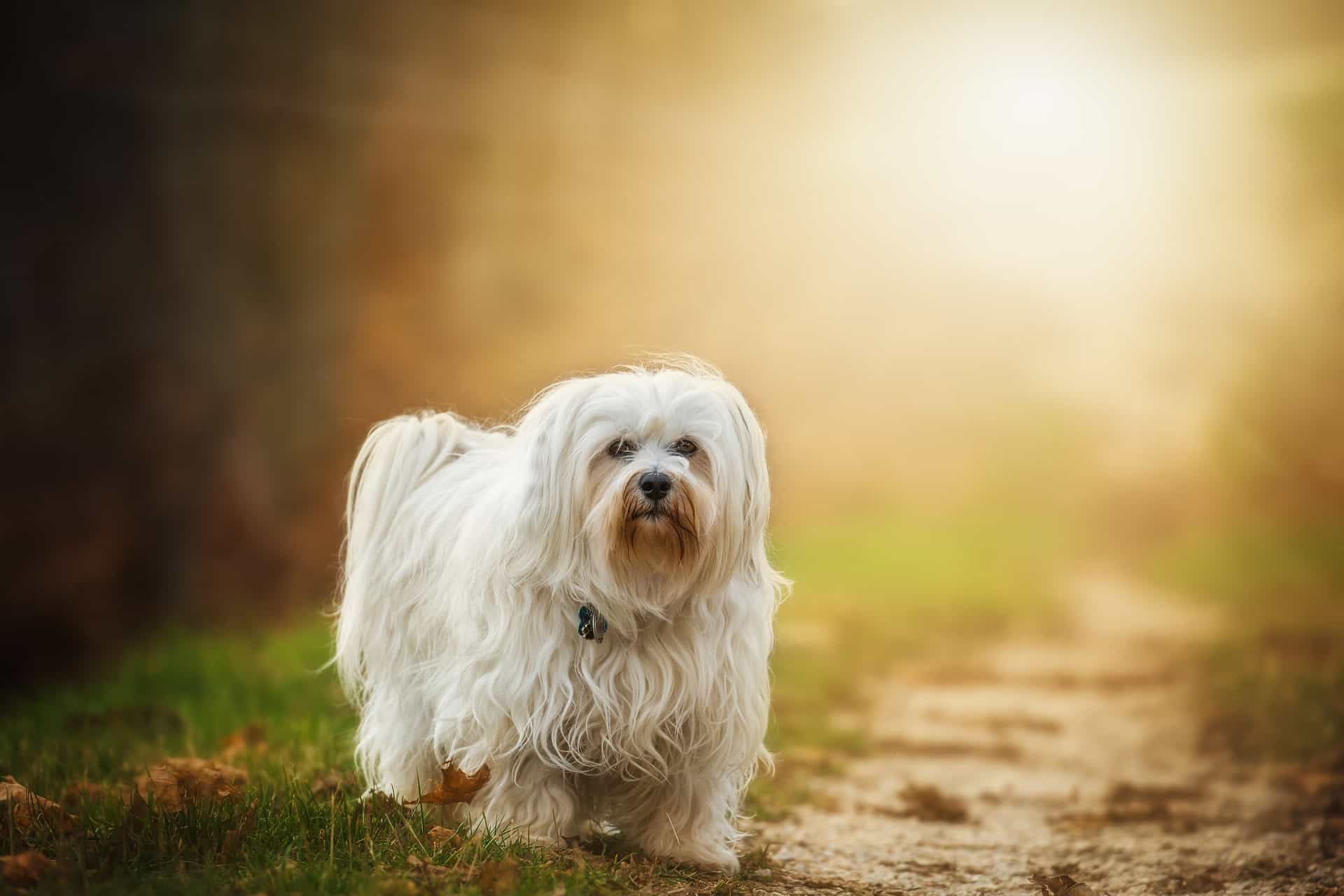
The Lhasa Apso is one of the oldest companion breeds on record, kept for centuries in the villages and monasteries of Tibet. Its native name, Abso Seng Kye, translates roughly as Bark Lion Sentinel Dog, which captures its actual job: an indoor alarm system that announced strangers to the monks and residents it lived with.
Buddhist beliefs about reincarnation gave the breed a sacred status, with the souls of deceased lamas said to pass into these dogs, which only deepened the reverence Tibetans held for them. The breed reached the Western world around 1930, partly through gifts from the thirteenth Dalai Lama, and entered the AKC in 1935, initially misclassified as a terrier before being moved to the Non-Sporting Group in 1959.
Temperament & Behaviour
The Lhasa looks like a lapdog and will happily act the part, but it is not a soft or biddable character underneath. It is independent, bold, and stubborn, traits that served a sentinel well but can frustrate an owner expecting easy compliance. It forms genuine bonds with its family yet remains distinctly reserved with strangers, a trait the breed has carried since its watchdog days. That watchdog instinct is strong: this dog will alert, loudly and reliably. It is not, however, an obsessive barker once the alarm has been raised.
Activity & Training
Exercise needs are modest. A couple of short walks or an energetic play session indoors covers its daily requirement. It adapts well to apartment life and tolerates smaller spaces better than most breeds its size. Training is the real challenge. The Lhasa's independence scores at the low end of trainability, and it will not perform for the sake of performing. Consistent, reward-based training from early puppyhood is essential, and patience is non-negotiable. This is not a breed for first-time owners who expect quick compliance.
Grooming
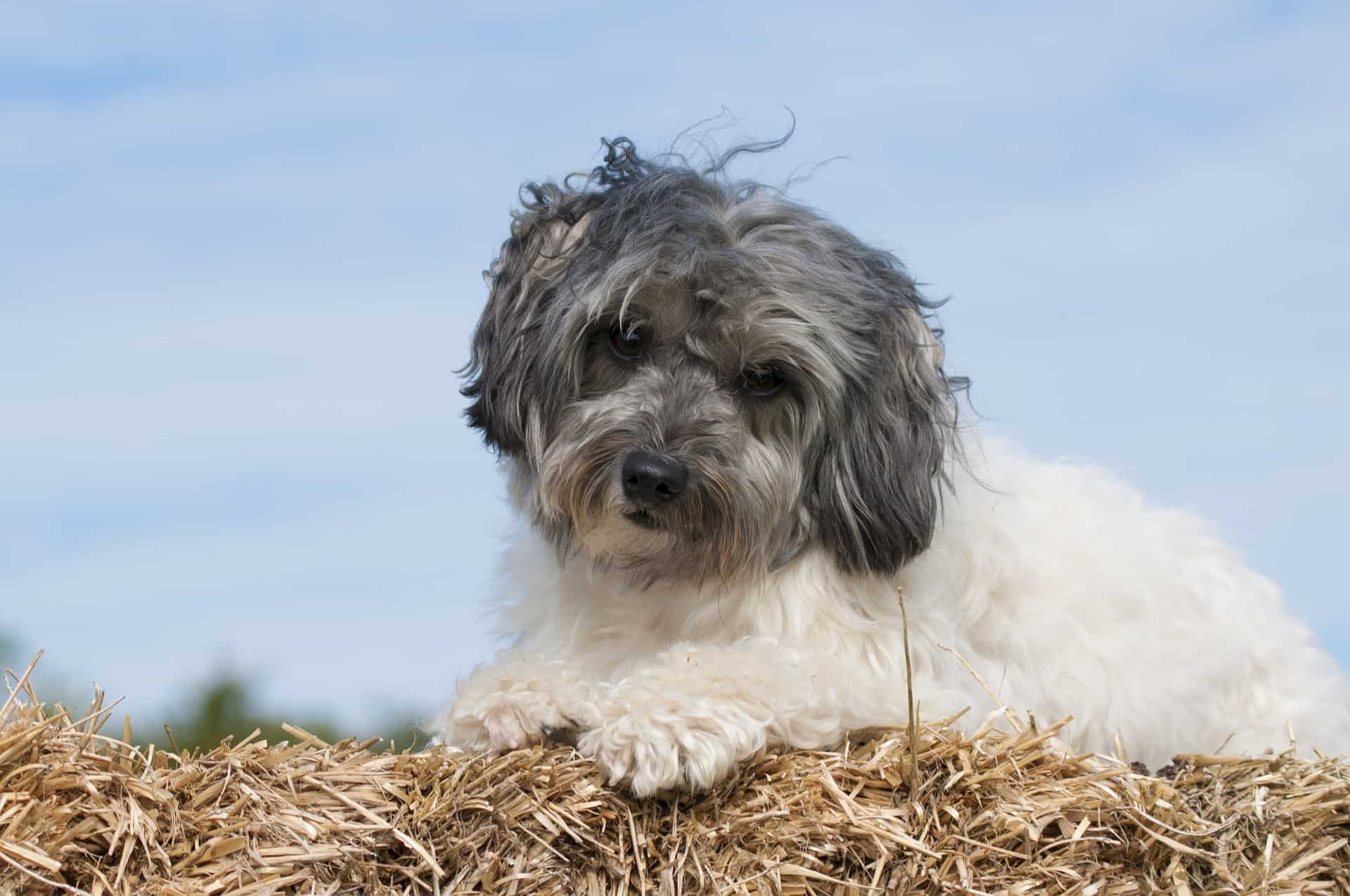
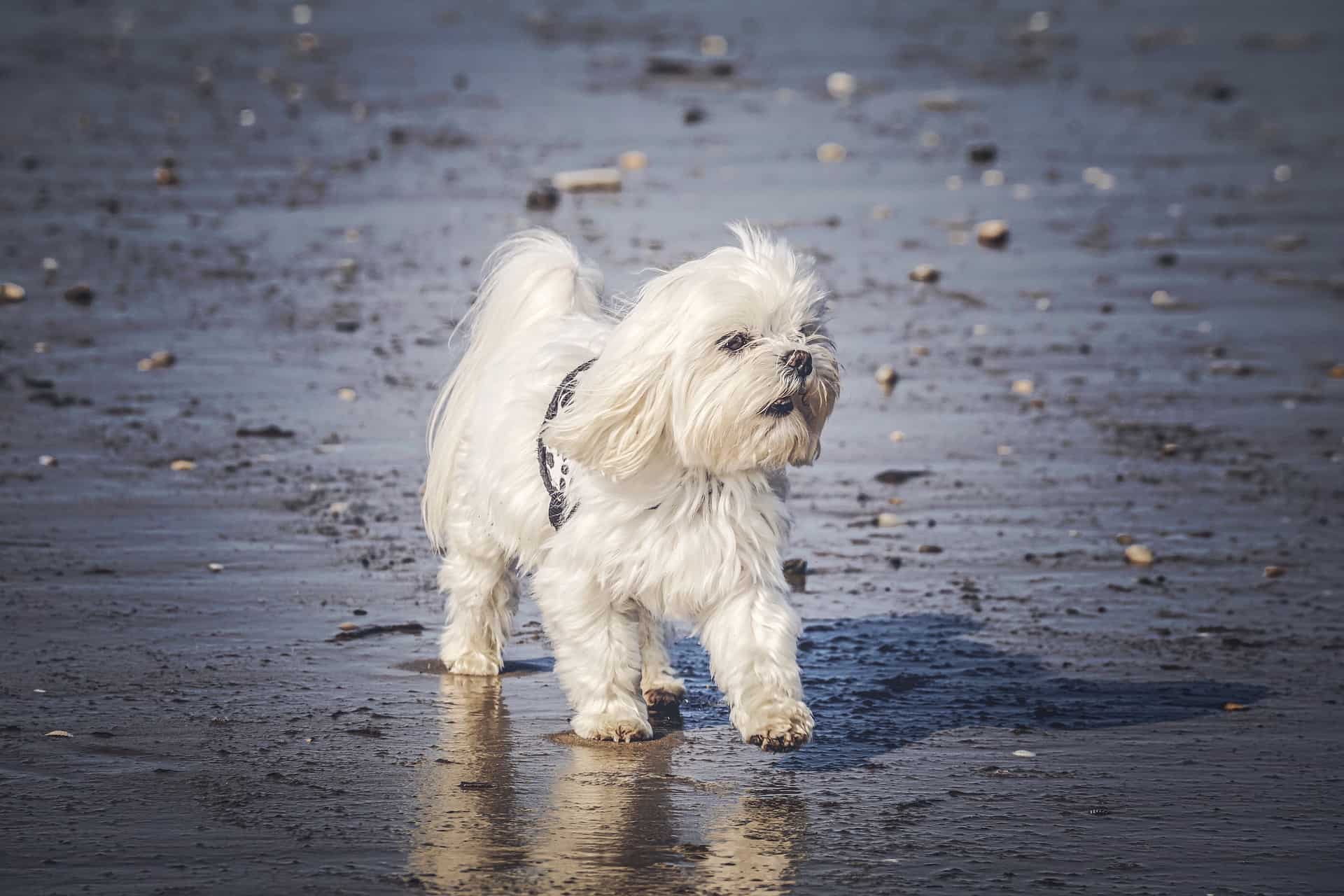
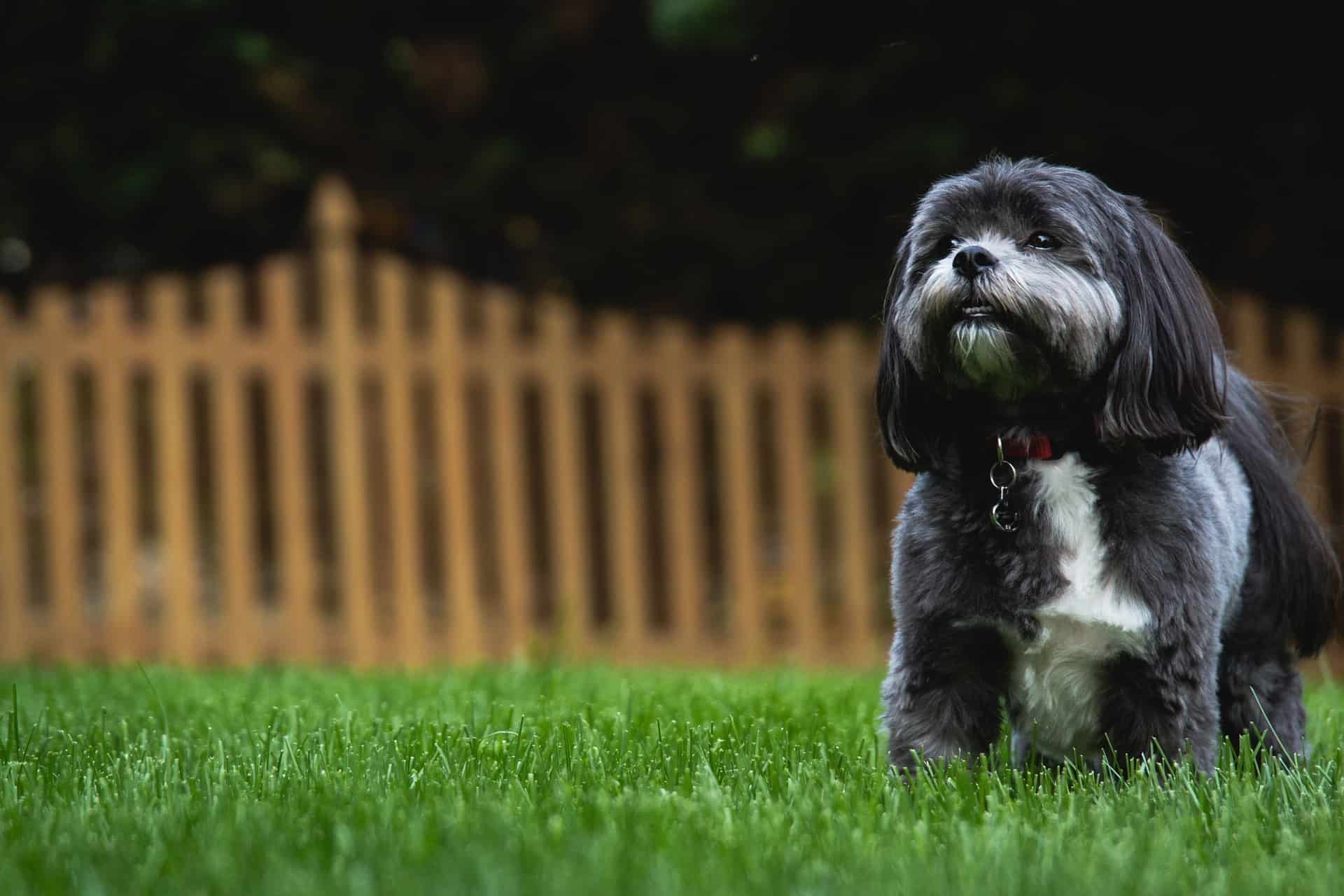
The long, dense coat is the Lhasa's most demanding feature. It requires brushing and combing every other day, and the coat should be lightly misted before brushing to prevent breakage. Bathing every one to two weeks keeps mats from forming. Owners who prefer a lower-maintenance option often keep the coat clipped short, which reduces the workload substantially without affecting the dog's health or temperament.
Health
The Lhasa is a relatively hardy breed with a lifespan of 12 to 14 years. The primary concern is patellar luxation. Minor issues include entropion, distichiasis, progressive retinal atrophy, and renal cortical hypoplasia. Hip dysplasia, urinary stones, and sebaceous adenitis are seen occasionally. Routine knee and eye checks are the standard recommended screenings.
Why these breeds are similar
The **Shih Tzu** and **Tibetan Spaniel** are the Lhasa's closest relatives by geography and function, both coming from the Tibetan plateau with similar companion-and-watchdog roles and the same alert, self-possessed temperament. The **Tibetan Terrier**, despite its name, shares the same monastic Tibetan background and that characteristic combination of independence and loyalty.
The **Maltese** and **Havanese** are linked by build and coat type rather than geography: all three are small, long-coated companion dogs with similarly moderate exercise needs and a watchful edge beneath the decorative exterior. The **Lowchen** rounds out the group as another ancient European companion breed of roughly the same size, kept for centuries as a lapdog and household sentinel, with a similarly adaptable temperament and a coat that demands real grooming attention.
Trait ratings
- Energy level
- 3/5
- Exercise requirements
- 2/5
- Playfulness
- 3/5
- Affection level
- 3/5
- Friendliness toward dogs
- 2/5
- Friendliness toward other pets
- 3/5
- Friendliness toward strangers
- 1/5
- Ease of training
- 1/5
- Watchdog ability
- 5/5
- Protection ability
- 1/5
- Grooming requirements
- 4/5
- Cold tolerance
- 3/5
- Heat tolerance
- 2/5