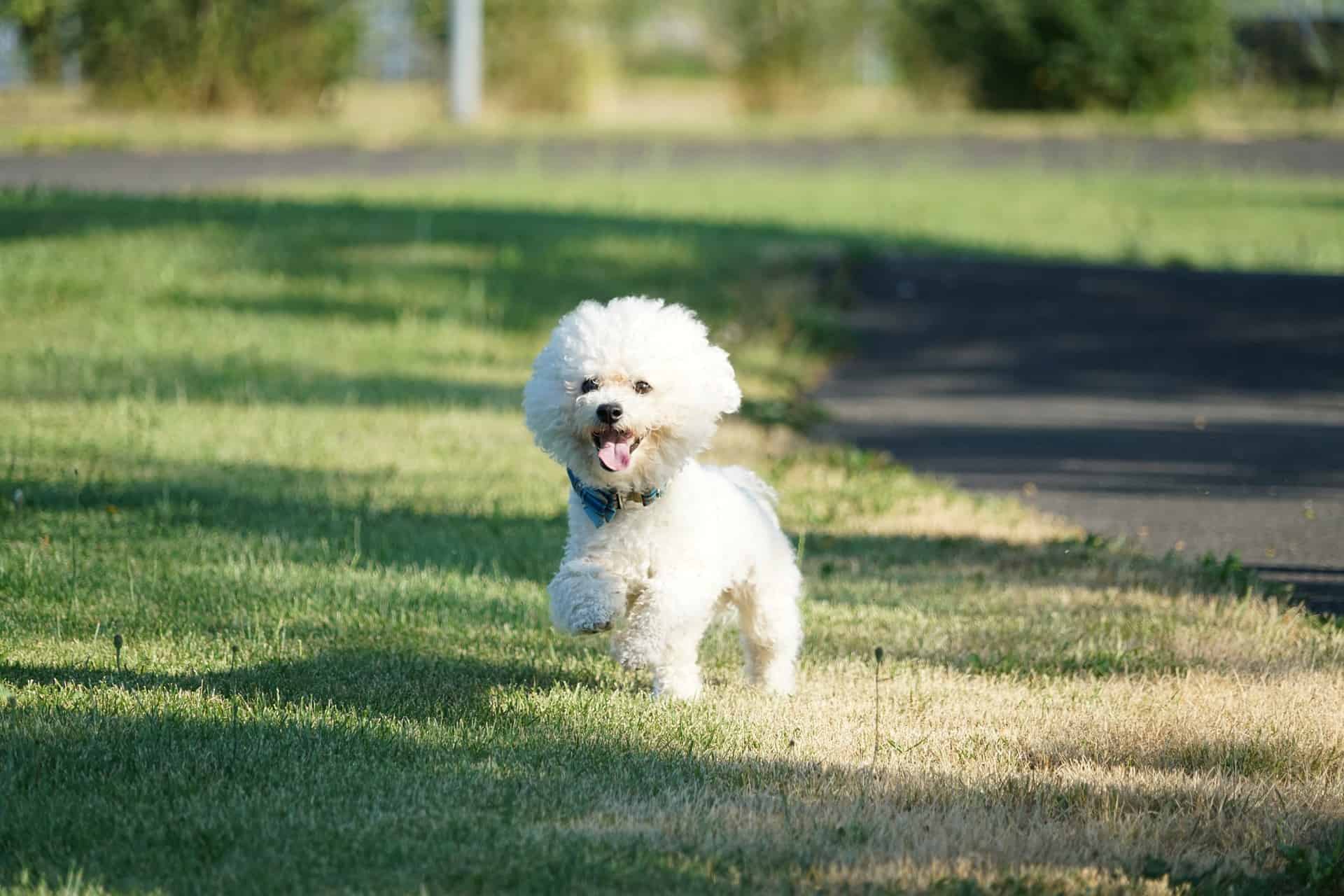
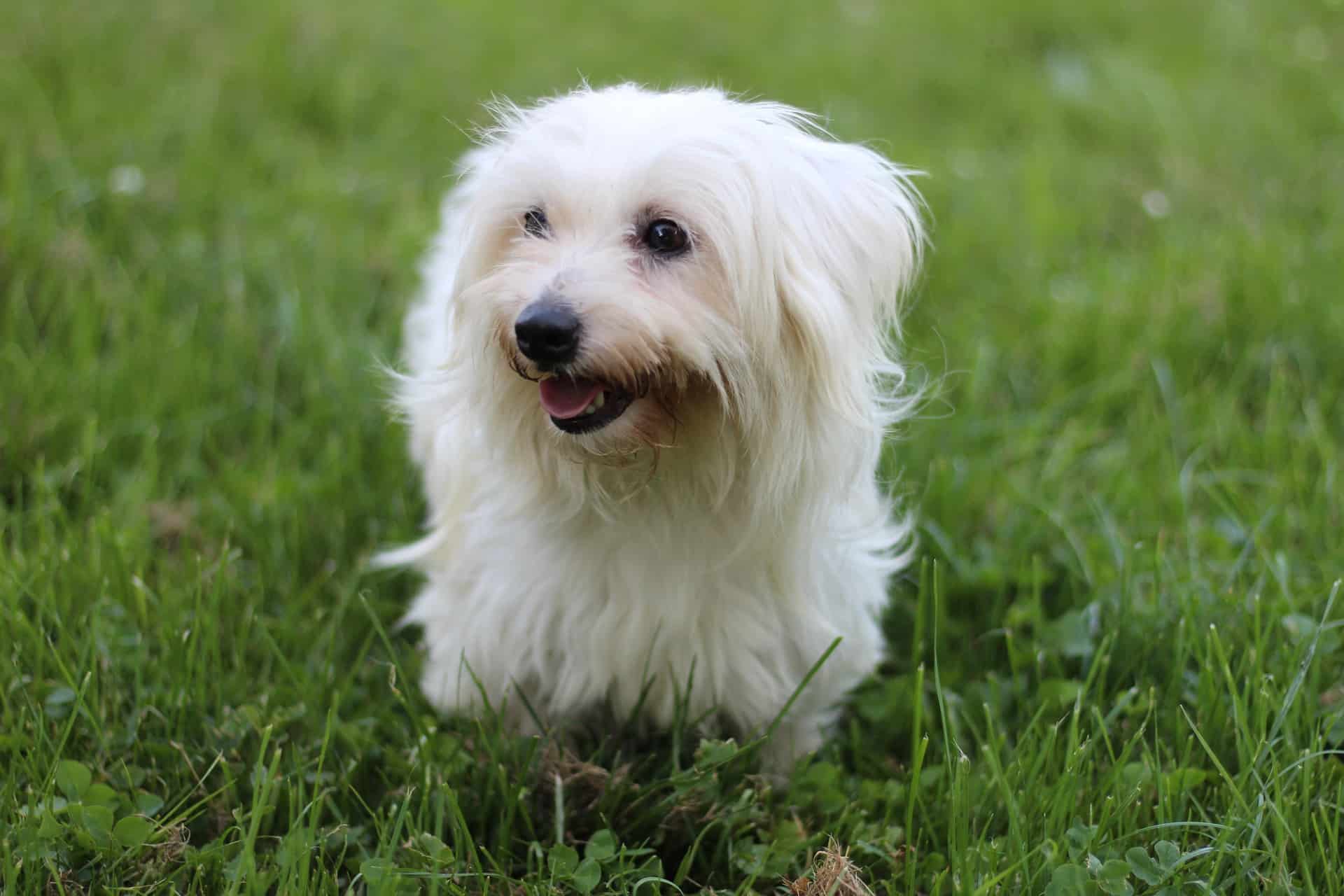
Maltese

Purpose & Origin
The Maltese is the oldest of the European toy breeds and one of the most ancient breeds in existence. Malta served as an early trading hub, visited by Phoenician sailors around 1500 B.C., and Maltese dogs appear in written records as far back as 300 B.C. Greek art depicts dogs of this type from the fifth century, and there is evidence that the Greeks even built tombs for prized individuals. Because the core population on Malta remained isolated from outside dogs for centuries, the breed bred remarkably true, producing a consistent type long before formal breeding programmes existed.
By the early fourteenth century the Maltese had reached England, where it became a favourite of aristocratic ladies. It was shown in America around 1877 under the name Maltese Lion Dog, a reference to the Oriental custom of clipping the coat into a lion shape, and the AKC registered it simply as the Maltese in 1888.
Temperament & Behaviour
Despite its delicate appearance, the Maltese is a bold, lively dog with a decided opinion of itself. It is affectionate with family and genuinely loves to play, but it does not extend that warmth to strangers and can be vocal about their presence. Its watchdog score is as high as it gets for a toy: this is a dog that will announce anything. It will also face down dogs several times its size, which means supervision around larger dogs is wise. Some individuals bark considerably, which is worth knowing before bringing one into an apartment with thin walls.
Activity & Training
Exercise requirements are minimal. Indoor play and short leash walks cover the Maltese's needs entirely, and its energy level is well matched to an active indoor life rather than long outdoor sessions. Training is moderately straightforward, though the breed's feisty confidence means it will test limits. Consistency matters. Like most toys, it can be prone to small-dog syndrome if owners compensate for its size with leniency.
Grooming
The long, silky white coat is the breed's defining feature and its most demanding one. Combing every one to two days is necessary to prevent mats, and the white colour shows dirt readily. Show dogs require wrapping sections of coat for protection. Many pet owners opt for a shorter clip, which is entirely practical, though it removes the characteristic look that defines the breed. Either way, coat maintenance is a real and ongoing commitment.
Health
The Maltese typically lives 12 to 14 years. Minor concerns include patellar luxation, hypoglycemia, dental problems, and hypothyroidism. Hydrocephalus and portacaval shunt, though less common, have been noted in the breed. Suggested health tests cover the knees, eyes, and heart. The small body size means hypoglycemia is worth monitoring in puppies and small adults.
Why these breeds are similar
The **Bichon Frise** is the Maltese's closest cousin by family: both belong to the Barbichon group of Mediterranean companion dogs, sharing a long white coat, compact size, and a purpose built entirely around human company. The **Havanese** and **Coton de Tulear** sit in the same lineage, small white-coated lapdogs with similar gentle origins and comparable coat texture. The **Russian Tsvetnaya Bolonka** is the Maltese's Eastern European counterpart, a small companion dog developed from similar Barbichon stock brought across the continent.
The **Lhasa Apso** and **Shih Tzu** arrive from a different geography, Tibet and China respectively, but converge on the same traits: long flowing coats, small frames, reserved attitudes toward strangers, and a centuries-old role as indoor companions. Their watchfulness and independent streak echo the Maltese's own temperament closely enough that owners drawn to one often consider the others.
Trait ratings
- Energy level
- 4/5
- Exercise requirements
- 1/5
- Playfulness
- 4/5
- Affection level
- 3/5
- Friendliness toward dogs
- 3/5
- Friendliness toward other pets
- 3/5
- Friendliness toward strangers
- 1/5
- Ease of training
- 3/5
- Watchdog ability
- 5/5
- Protection ability
- 1/5
- Grooming requirements
- 3/5
- Cold tolerance
- 3/5
- Heat tolerance
- 2/5