Coton De Tulear
From Madagascar
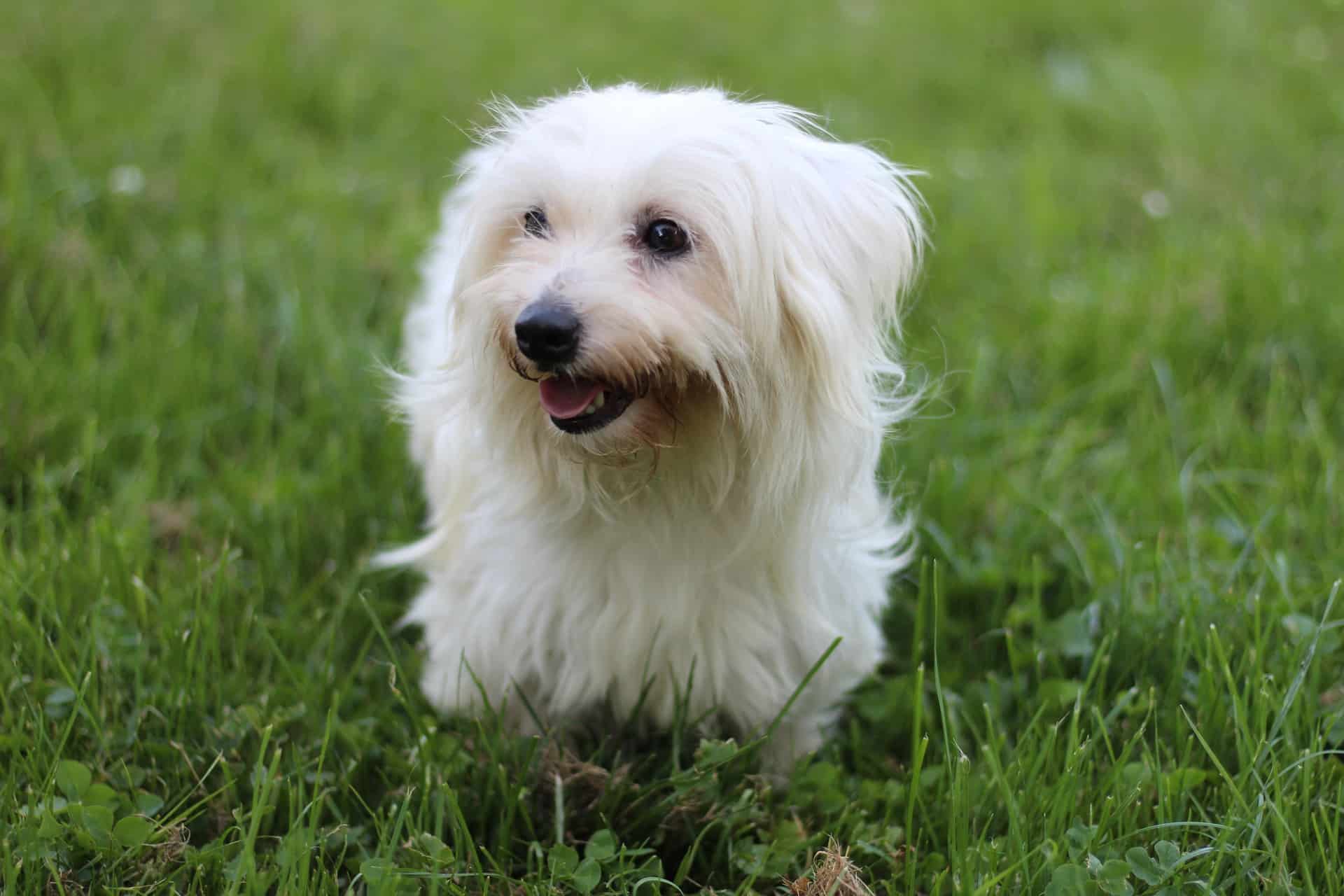
Purpose & Origin
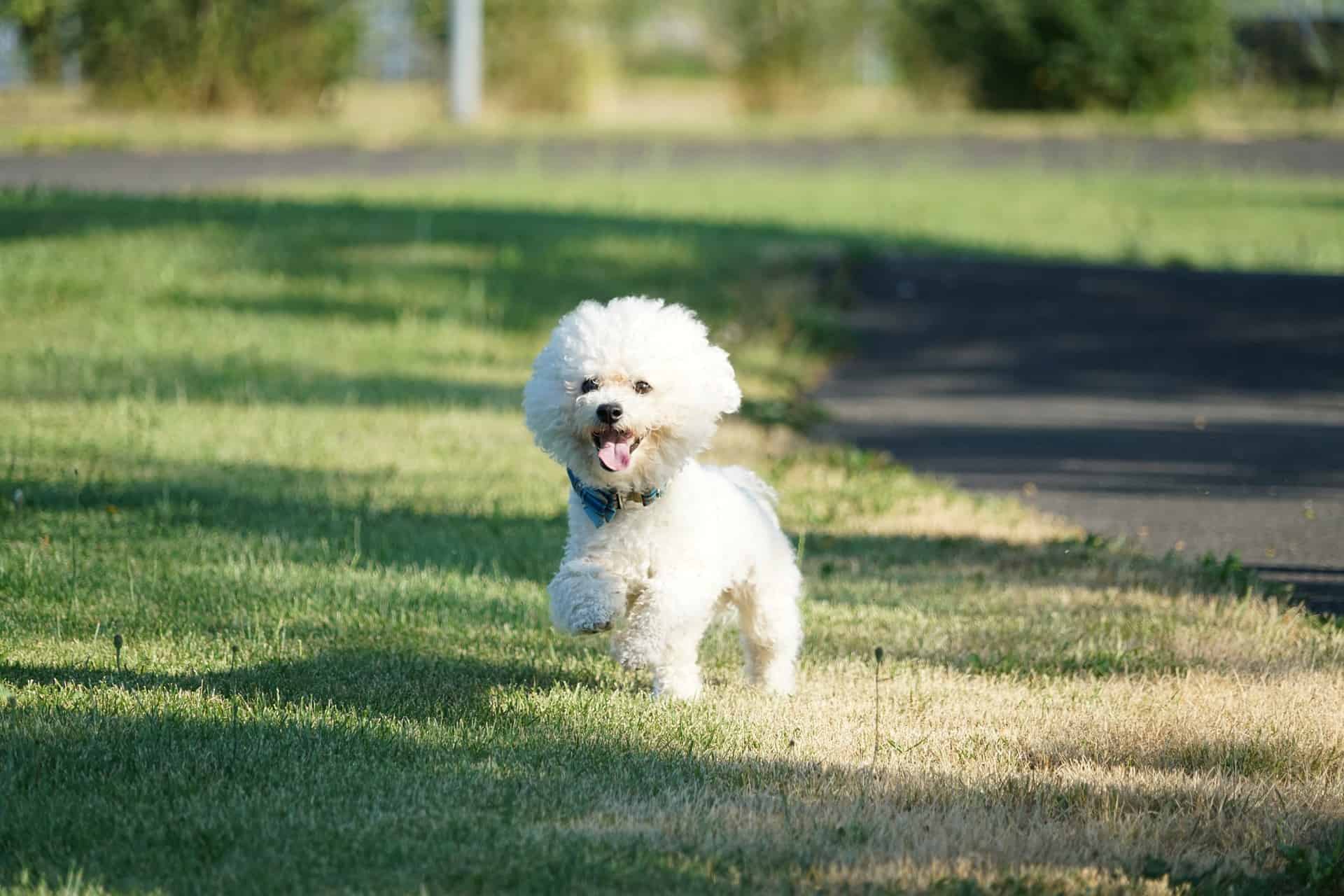
The Coton de Tulear takes its name from two things: its cottony white coat and the port city of Tulear at the southern tip of Madagascar. The breed's origins trace back to the small white companion dogs that travelled the old sea trading routes, the same Barbichon stock that produced the Bichon Frise, Maltese, and Bolognese. According to the account in Coile's encyclopedia, one of those ships went down off Tulear, and the surviving dogs came ashore and eventually mingled with native stock.
By the 17th century the Merina people of Madagascar had taken them in, and the dogs were passed up through the social order until they landed with the Merina nobility. When the French took the island, French nobility adopted the breed and barred commoners from owning it, cementing its reputation as the Royal Dog of Madagascar.
The outside world largely found out about the breed after Madagascan independence in the mid-20th century, when tourists started bringing Cotons home. The first arrived in the United States in 1974, the FCI recognized the breed in 1987, and the AKC followed in 2014, the latter over the objections of a significant portion of the breeding community.
Temperament & Behaviour
This is a dog that was bred for one job: to be agreeable company. The Coton is playful, affectionate, and genuinely social, at ease with strangers, children, other dogs, and household pets. It wants to be near its people and takes obvious pleasure in entertaining them. Inside the house it settles down, but it is not a passive dog. It has a vocal streak, producing a range of sounds that go well beyond a simple bark. Do not expect it to guard anything; protection is not in its nature at all.
Activity & Training
Exercise needs are moderate. The Coton can burn off most of its energy through indoor play and backyard games, though regular walks remain important for mental stimulation. It is responsive to training and picks things up readily, which makes it a cooperative partner for anyone willing to put in consistent, reward-based work. The energy level is high enough that an under-stimulated Coton will find its own entertainment, so daily engagement matters.
Grooming
The coat is the breed's most demanding characteristic. It is long, soft, and cotton-like, and it tangles and mats with very little encouragement. Daily brushing with a pin brush is not optional; it is the price of owning this breed. Any debris picked up outdoors, leaves, twigs, seeds, must come out immediately before it works its way into a knot. Weekly bathing is recommended. Shedding is minimal, but that does not reduce the grooming workload; it simply means the shed hair stays in the coat rather than on the floor.
Health
The Coton is a long-lived breed, typically reaching 13 to 15 years. Patellar luxation is the most commonly noted minor concern, with hip dysplasia seen occasionally. Routine knee and hip evaluations are the standard recommended screenings.
Why these breeds are similar
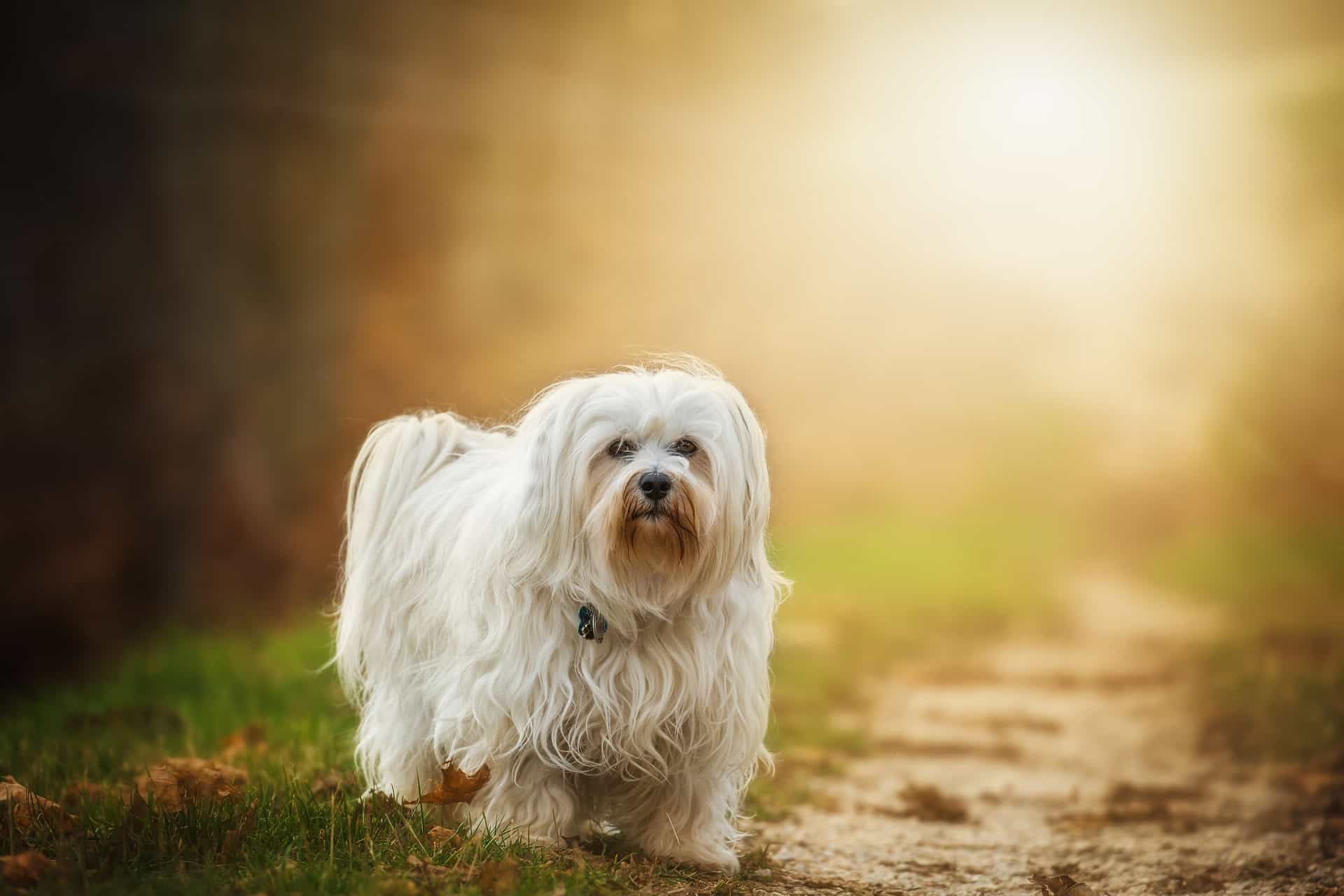
The Bichon Frise shares the Coton's direct ancestry. Both descend from the same Barbichon sea-dog lineage, and both were shaped into small, white, companion-only dogs with minimal shedding coats. The temperamental overlap is tight: sociable, affectionate, and people-focused. The Havanese is another Barbichon descendant, built on the same chassis and carrying the same cheerful, adaptable companion character. Its coat also requires serious maintenance, putting it squarely alongside the Coton in grooming demands.
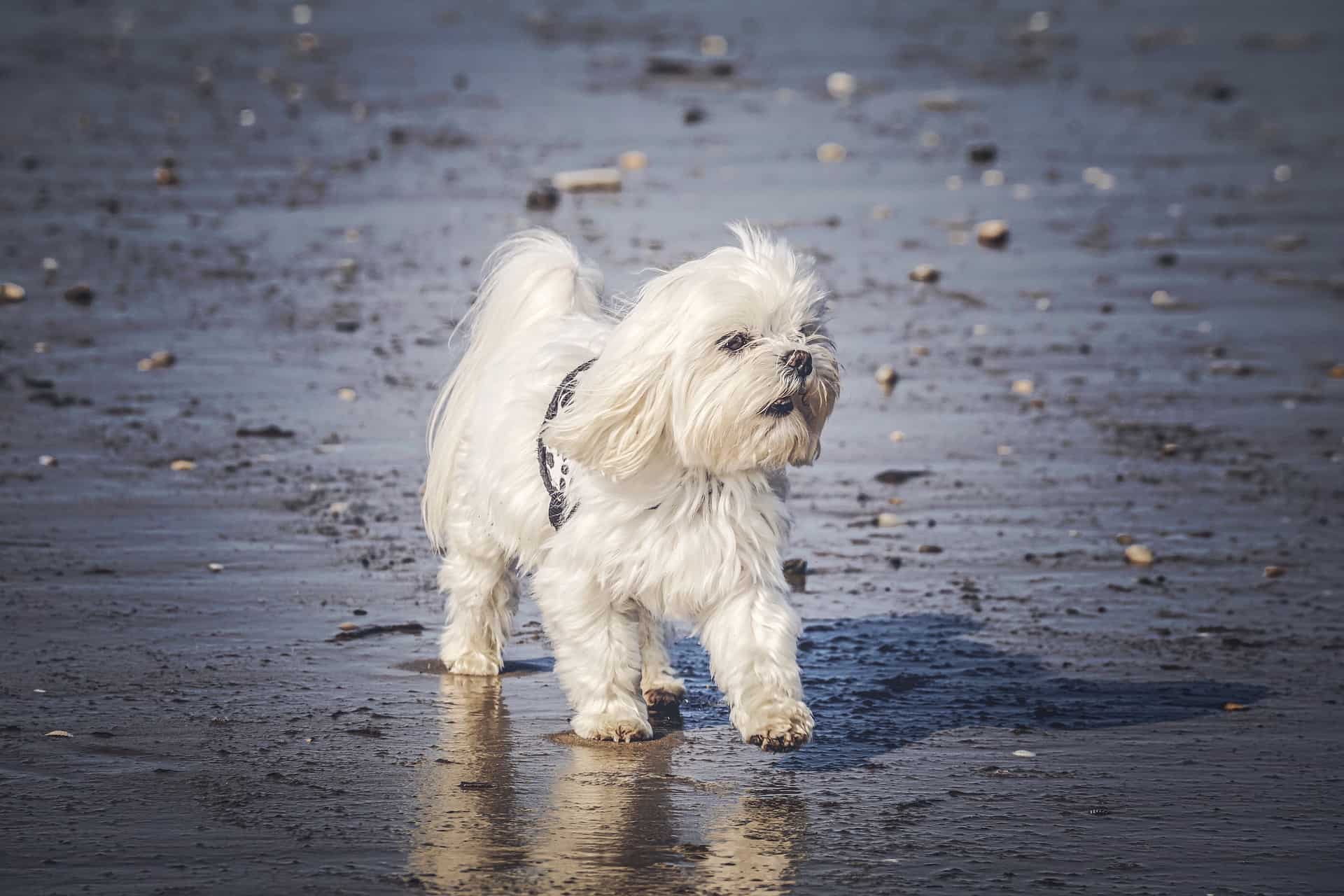
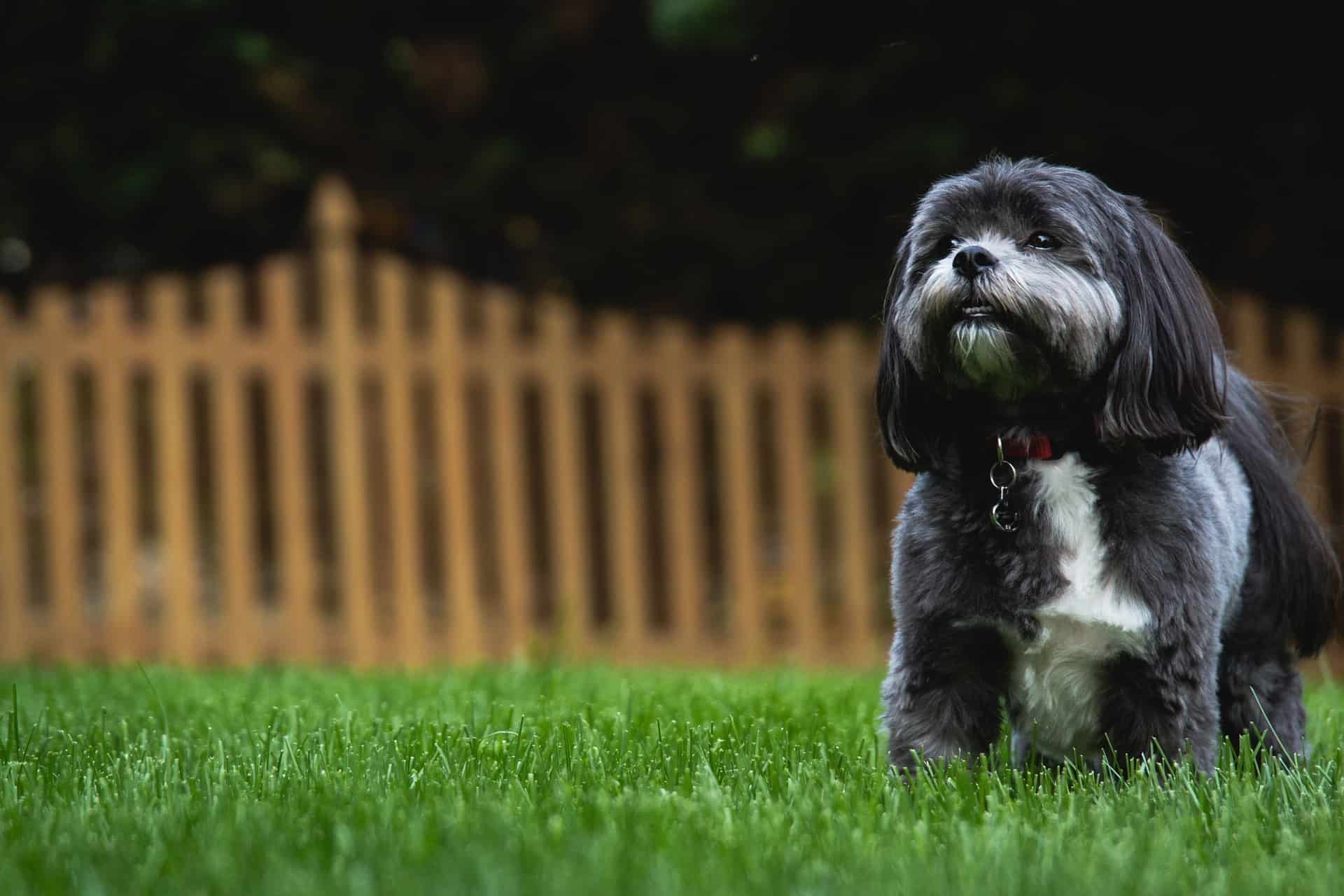
The Maltese is the oldest of the group, a white lapdog with roots that run parallel through the same Mediterranean and island trading routes. It shares the Coton's silky long coat, low-shedding profile, and devoted temperament, though it tends to be more reserved with strangers. The Shih Tzu is the outlier by ancestry, a Tibetan-Chinese court dog rather than a Barbichon, but the overlap in role is direct: a small, floor-length-coated companion bred to live indoors with people. The grooming burden and the affectionate, people-centred temperament are the links.
Trait ratings
- Energy level
- 4/5
- Exercise requirements
- 2/5
- Playfulness
- 4/5
- Affection level
- 5/5
- Friendliness toward dogs
- 5/5
- Friendliness toward other pets
- 5/5
- Friendliness toward strangers
- 5/5
- Ease of training
- 4/5
- Watchdog ability
- 2/5
- Protection ability
- 1/5
- Grooming requirements
- 5/5
- Cold tolerance
- 3/5
- Heat tolerance
- 3/5