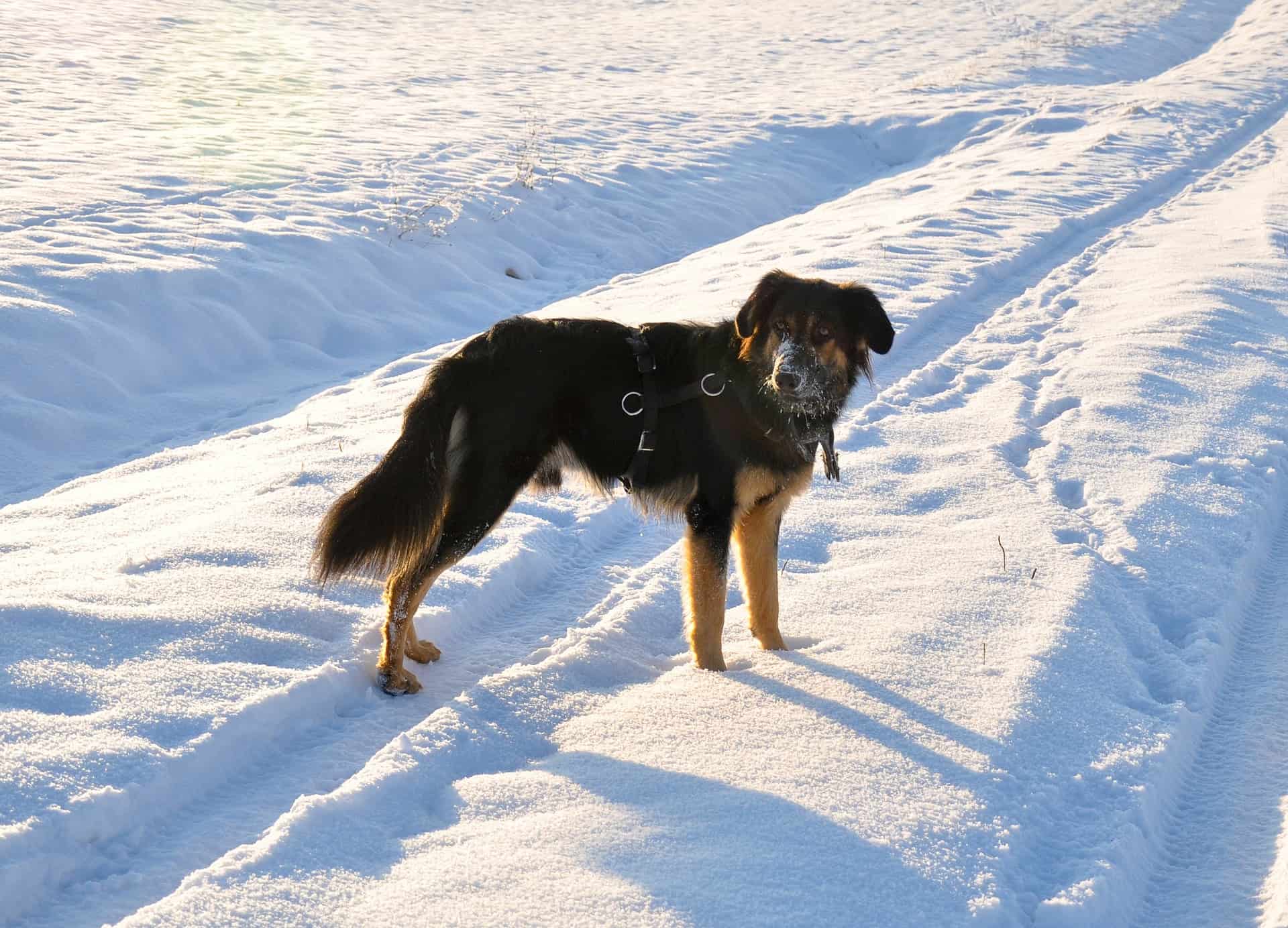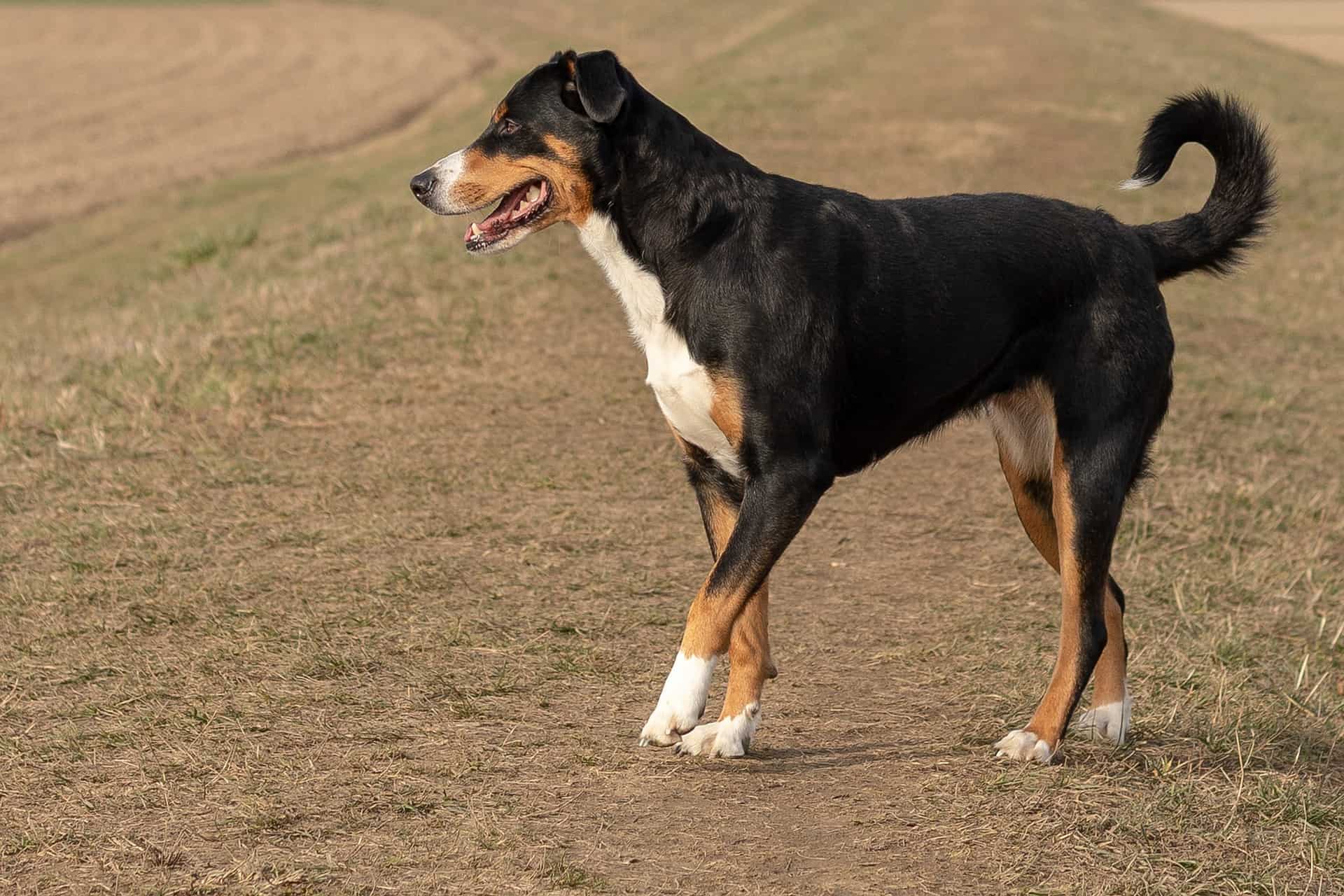
Purpose & Origin
The Entlebucher Mountain Dog is the smallest of Switzerland's four Sennehund breeds, a compact herding dog that spent centuries driving dairy cattle down from alpine pastures. All four Swiss Mountain Dogs trace back to molossus-type dogs that arrived with Roman armies through Helvetia more than two thousand years ago. The Entlebucher and the closely related Appenzeller handled the active work of moving cows, while the larger Bernese and Greater Swiss took on guarding and draft duties.
The breed takes its name from the Entlebuch valley, where it was first formally described in 1889. For a time it was classified together with the Appenzeller as a single type, but by 1913 a handful of the small, naturally bobtailed dogs were exhibited and Swiss breed authority Professor Albert Heim pushed for independent recognition.
The breed nearly vanished during World War I, and after the war not one could be found. Seventeen survivors were eventually located, a standard was written, and a breed club formed in 1926. The Entlebucher entered AKC Herding Group competition in 2009 and remains rare outside Switzerland.
Temperament & Behaviour
The Entlebucher is deeply devoted to its family and tends to stay physically close to the people it bonds with. It is alert, confident, and has genuine protective instincts, backed by a loud bark that functions as its primary deterrent. Watchdog ability and protection drive are both exceptionally high, and the breed is reliably suspicious of strangers. With its own household and familiar dogs it is generally settled, though males can be assertive toward unfamiliar dogs if pushed.
The herding instinct is real and surfaces in daily life: Entlebuchers will attempt to herd other pets and children, which is charming until it becomes a nuisance. It learns quickly but holds onto an independent streak, meaning it will make its own decisions if training leaves gaps or if it senses it can get away with something.
Activity & Training
This is an active breed that needs real daily exercise, not a short walk around the block. A long hike, a vigorous play session, or a structured sport session (agility and tracking both suit it well) should be standard. Indoors the Entlebucher can be calm and quiet, but only if it has been genuinely tired out. Training should start early and stay consistent.
The combination of intelligence and independence means the dog picks up commands fast but will also test boundaries. Ease of training scores in the middle range, which in practice means a confident, experienced owner gets good results while a permissive one ends up with a dog running the household. Cold weather suits it well; heat tolerance is low, so summer exercise should be timed accordingly.
Grooming
The coat is short, dense, and tricolored, requiring a brush once or twice a week under normal conditions and more frequently during shedding periods. Grooming demands are moderate overall. No trimming or professional styling is needed, and the coat dries quickly after wet weather. The usual routine of nail trimming and ear checks applies.
Health
The primary concern in the breed is canine hip dysplasia. Progressive retinal atrophy and ectopic ureter are noted as minor concerns, with cataracts seen occasionally. DNA testing for PRA and hip and eye evaluations are the standard recommended screens. Typical lifespan is 11 to 13 years.
Why these breeds are similar
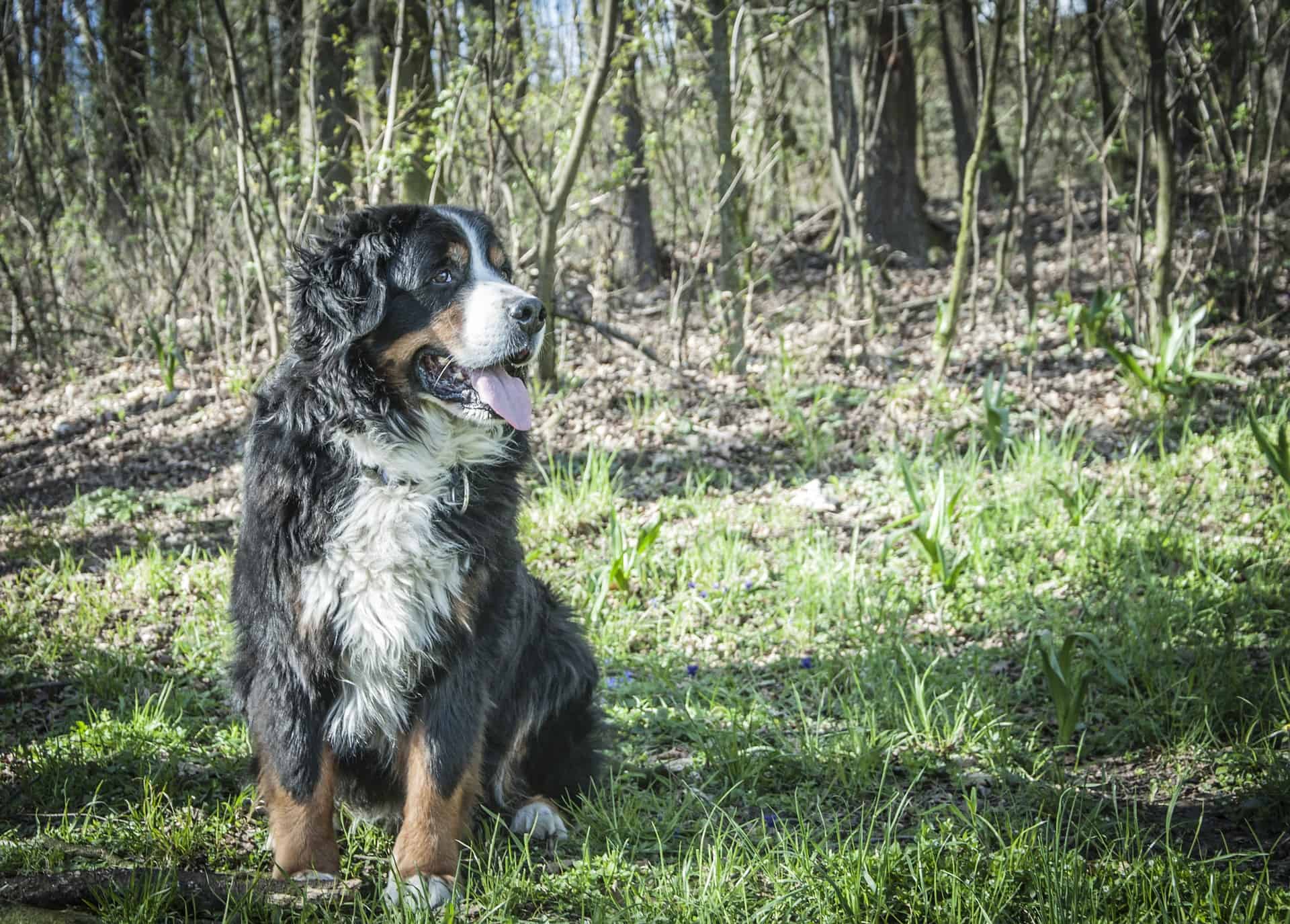
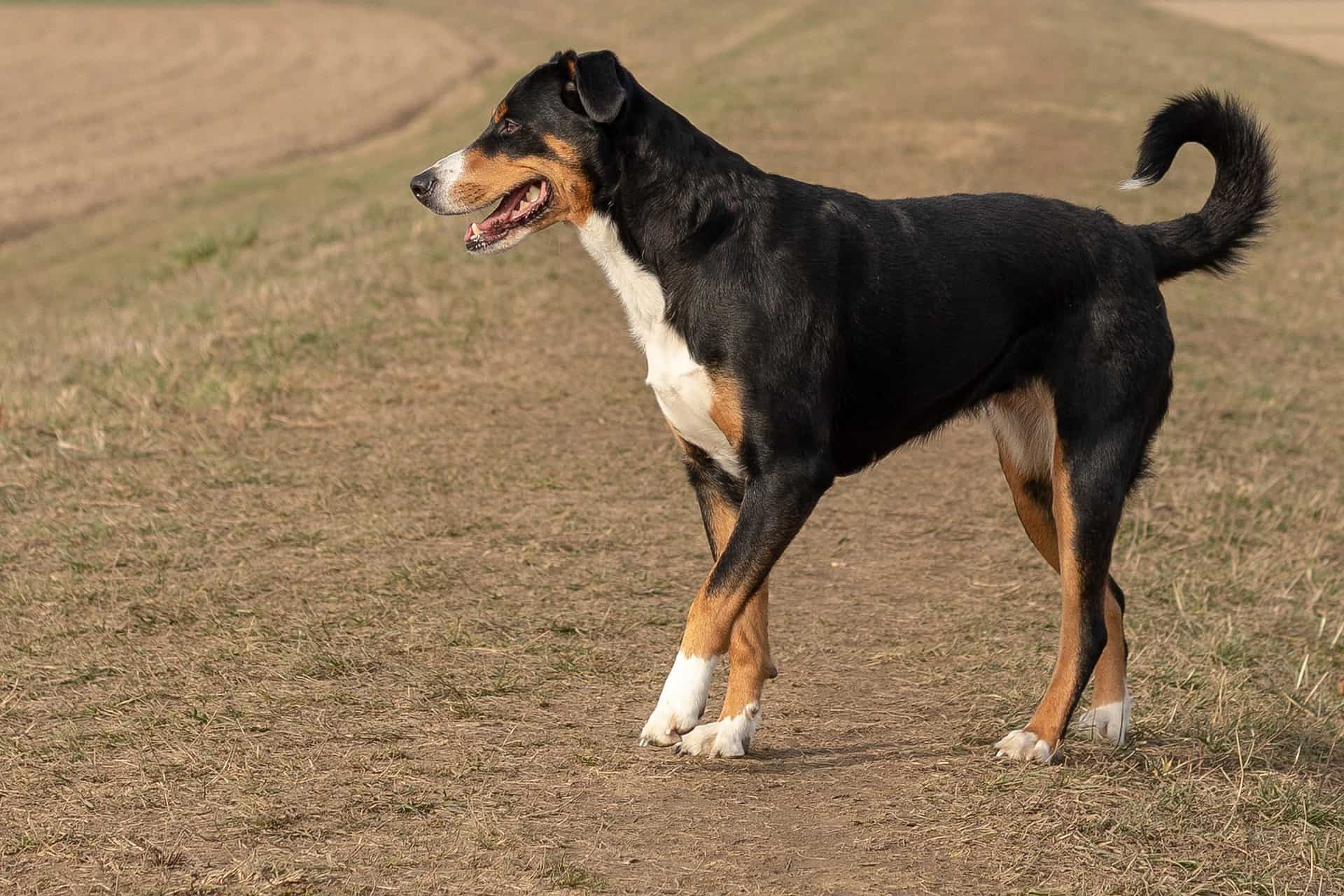
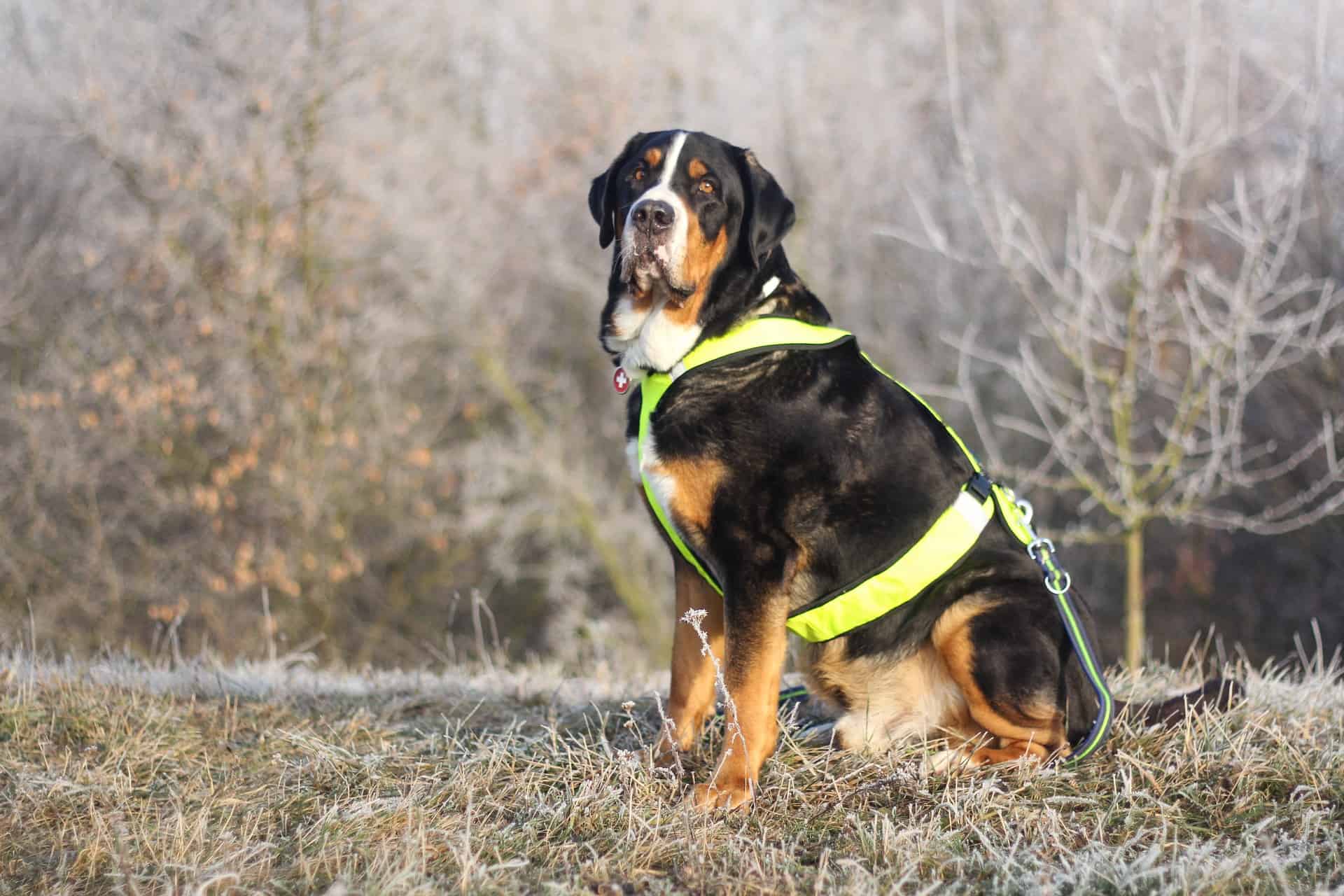
The **Bernese Mountain Dog**, **Appenzeller Sennenhund**, and **Greater Swiss Mountain Dog** are the Entlebucher's direct relatives, all four bred from the same Roman-era molossus stock in Switzerland and sharing the breed family's tricolor coat and loyal, protective character. The Appenzeller is the closest match in size and original function, both having worked as active cattle drovers rather than the heavier draft and guardian roles of the larger two.
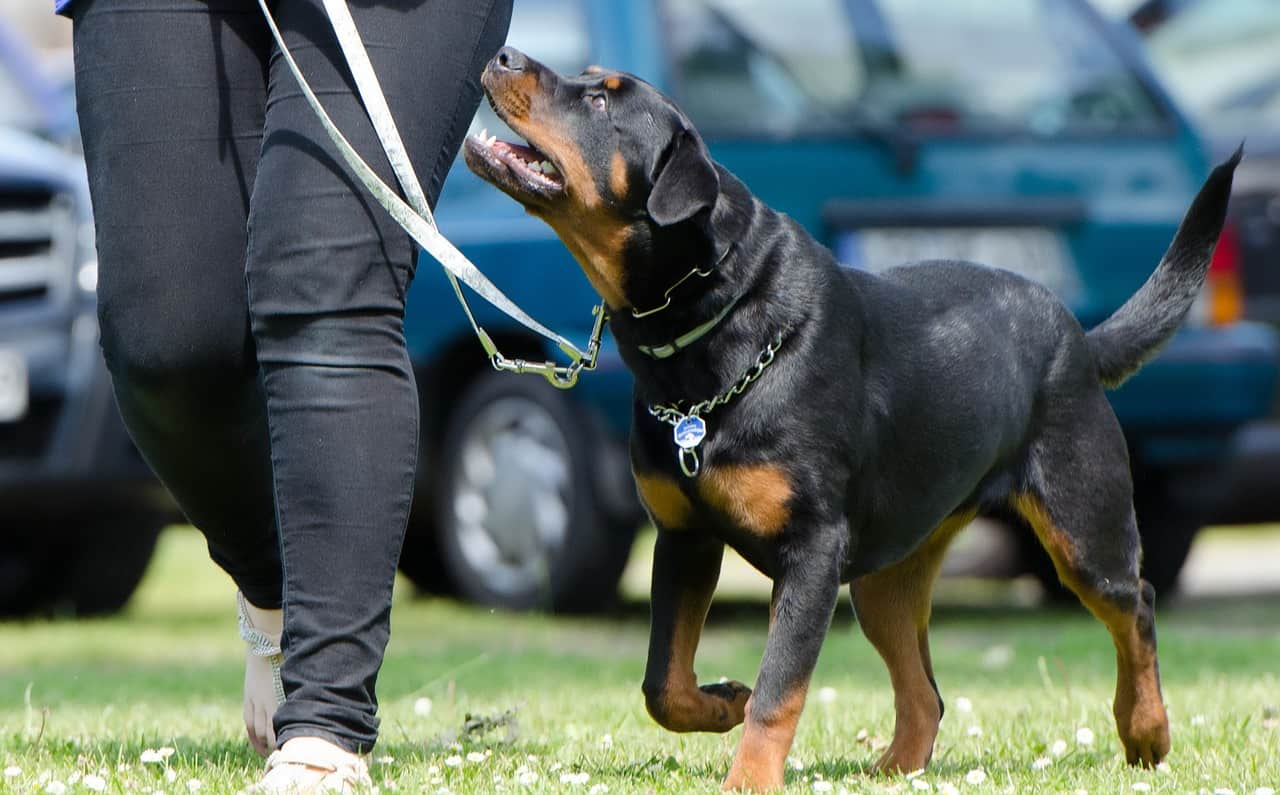
The **Rottweiler** connects through the working drover heritage and the same broad protective instinct and reserved-with-strangers temperament, though it is a substantially bigger dog. The **Hovawart** rounds out the group as another confident, loyal German-speaking working breed with strong guarding instincts and an independent nature that rewards experienced ownership.
Trait ratings
- Energy level
- 4/5
- Exercise requirements
- 4/5
- Playfulness
- 4/5
- Affection level
- 3/5
- Friendliness toward dogs
- 3/5
- Friendliness toward other pets
- 3/5
- Friendliness toward strangers
- 2/5
- Ease of training
- 3/5
- Watchdog ability
- 5/5
- Protection ability
- 5/5
- Grooming requirements
- 3/5
- Cold tolerance
- 5/5
- Heat tolerance
- 2/5