Appenzeller Sennenhund
Also known as Appenzeller, Appenzeller Cattle Dog, Appenzeller Mountain Dog, Bouvier Appenzellois
From Switzerland
Purpose & Origin
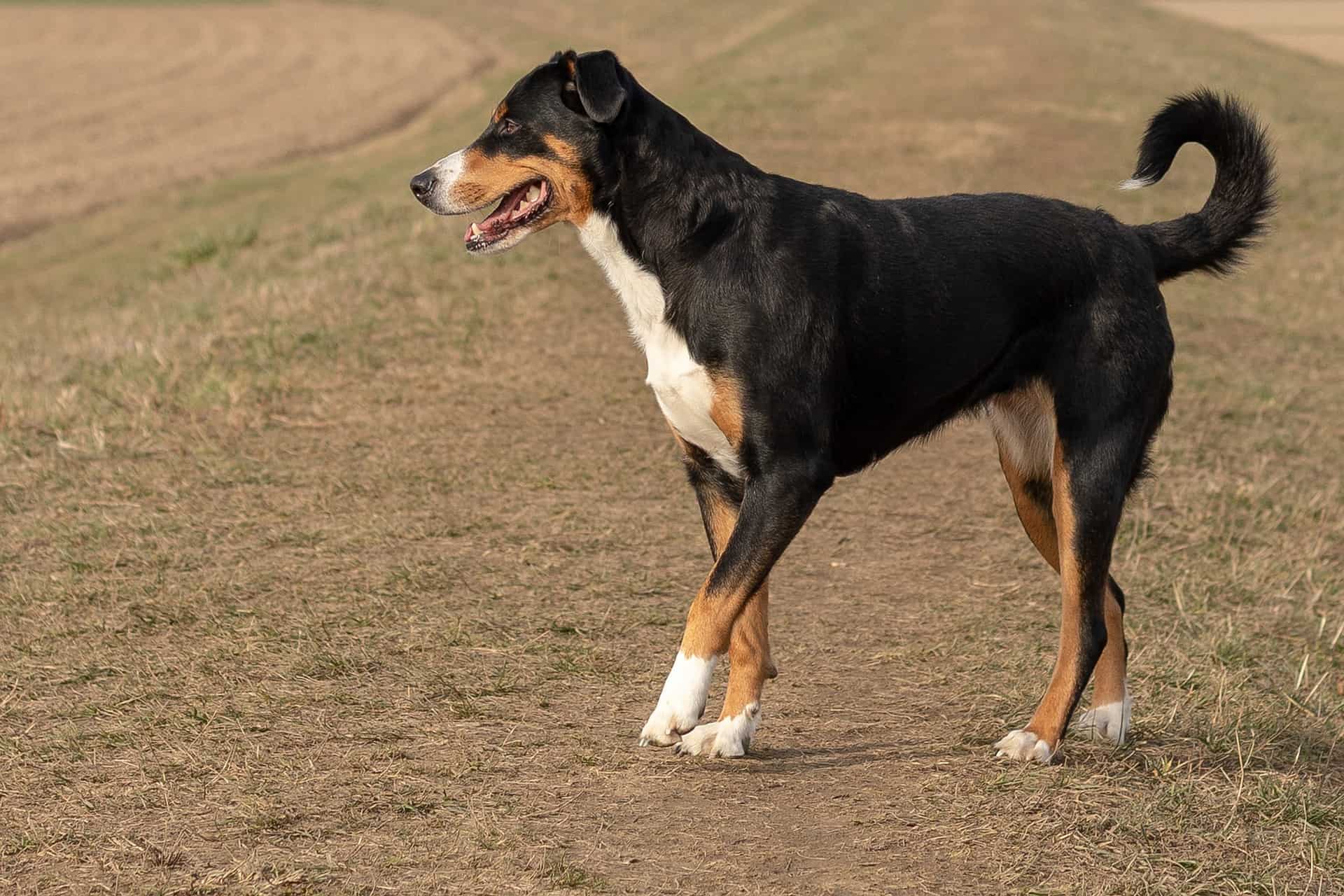
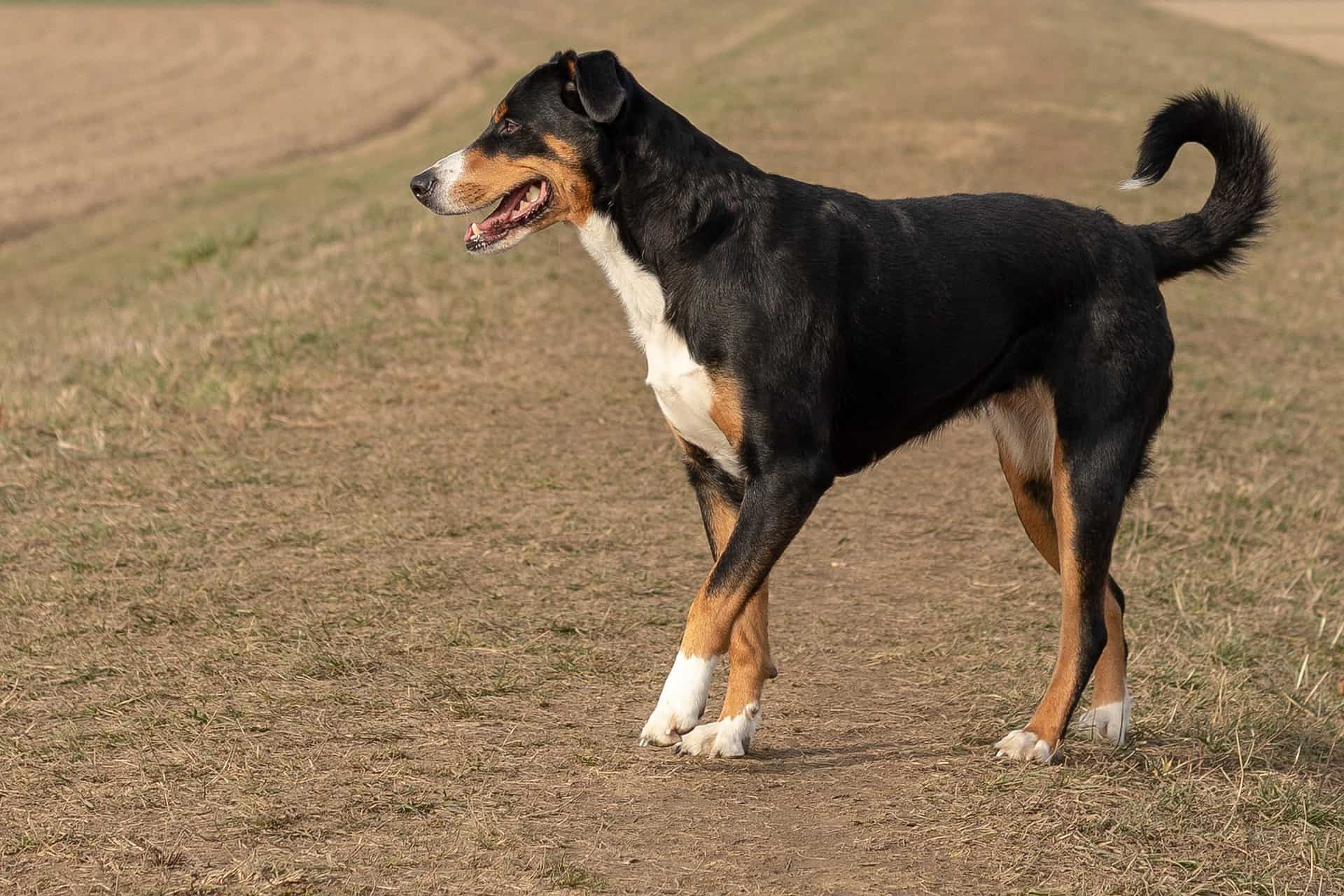
The Appenzeller Sennenhund comes from the Appenzell region of eastern Switzerland, near the Austrian border. It is one of the four Swiss Mountain Dogs, distinguished from the other three by its tightly curled, spitz-type tail. The earliest written reference dates to 1853, when an account of Alpine animal life described a short-haired, medium-sized, multicoloured cattle dog of even spitz type used to guard homesteads and herd cattle. The breed was formalised in 1906 when Professor Albert Heim founded the Appenzeller Sennenhund Club to protect it from disappearing.
On the farm, this was a genuine all-rounder: herding and driving cattle, guarding the herd in the high summer pastures, moving sheep and goats when needed, watching the property, and pulling produce carts to market. When avalanches struck, it was pressed into rescue work. That breadth of function shaped a dog that is physically capable, mentally sharp, and highly adaptable.
Temperament & Behaviour
The Appenzeller is self-assured, fearless, and cheerful, but openly suspicious of strangers. It bonds tightly to its family and takes the guardian role seriously. This is not a passive companion breed. It has an alert, high-spirited quality that can tip into restlessness if it is not given enough to do. Early socialisation matters here, both to moderate the wariness toward outsiders and to prevent the energy from becoming an outlet for nuisance behaviours. With consistent handling and genuine work or structured activity, this dog is reliable and settled at home.
Activity & Training
This breed needs substantial daily exercise, around 90 minutes, and the kind that engages the mind as well as the body. Running, hiking, or cycling alongside an active owner suits it well. It also excels at dog sports: agility, obedience trials, herding trials, and search-and-rescue work all draw on the same instincts that made it a farm workhorse. Training is straightforward with a confident handler. The Appenzeller is eager to learn and responds well to clear, reward-based methods. It does not tolerate being ignored or left idle, and boredom will produce a vocal, destructive dog.
Grooming
The coat is short, dense, and double-layered, tricoloured in black, tan, and white with symmetrical markings. Maintenance is minimal: brushing once or twice a week keeps shedding manageable. Routine nail trimming and dental hygiene are the main ongoing requirements. The coat does not require professional grooming.
Health
The Appenzeller is a relatively healthy breed with a lifespan of 13 to 15 years, long for a working dog of its size. The primary hereditary concern is hip dysplasia, common to many active breeds. Because the Appenzeller has remained numerically small and has not been subject to mass commercial breeding, it has avoided many of the health problems seen in more popular breeds. Reputable breeders screen for hip dysplasia before breeding.
Why these breeds are similar
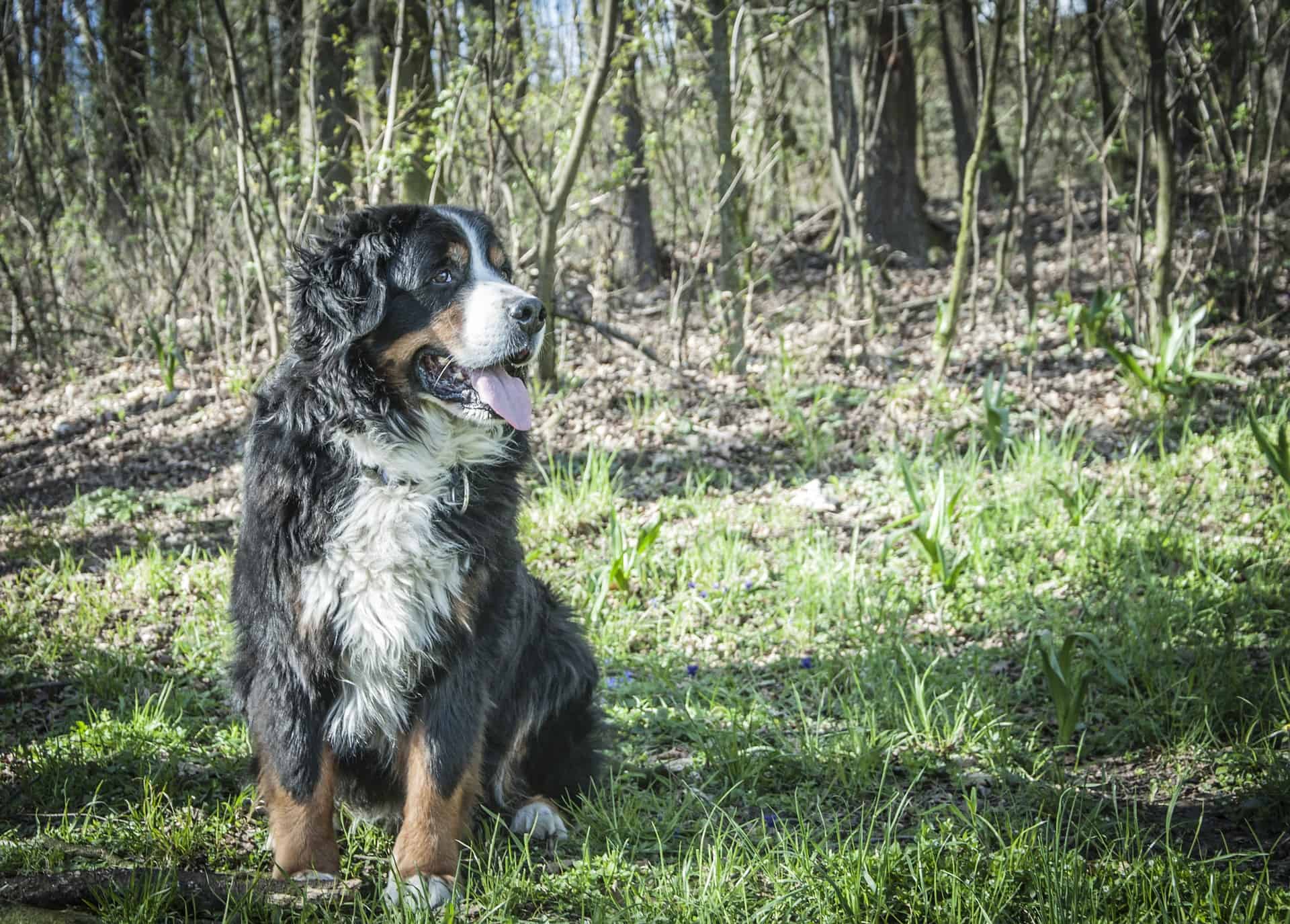
**Bernese Mountain Dog** shares Swiss Mountain Dog ancestry with the Appenzeller, carrying the same tricolour black, tan, and white pattern. Both were all-purpose farm dogs; the Bernese is larger and heavier-coated, with a calmer temperament, but the working heritage and physical type overlap clearly.
**Entlebucher Mountain Dog** is the smallest of the four Swiss Mountain Dogs and the Appenzeller's closest relative in both form and function. Both have the curly-tailed, tricolour build and were used as cattle drovers and farm guards in Swiss alpine valleys.
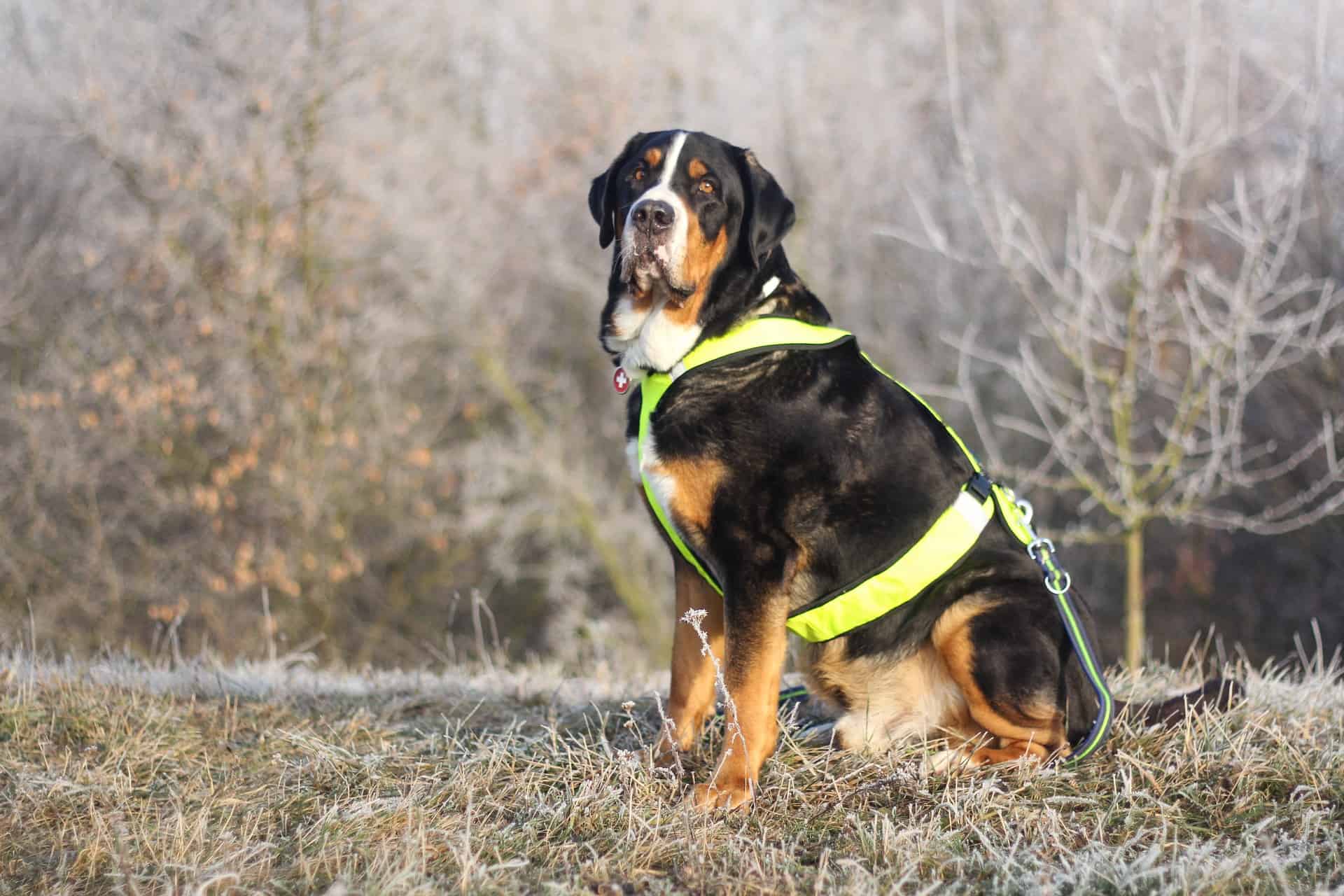
**Greater Swiss Mountain Dog** is the largest of the four and shares the same Swiss herding and drafting background. The physical resemblance, especially the tricolour markings, is immediate, though the Greater Swiss carries more mass and is generally more placid.
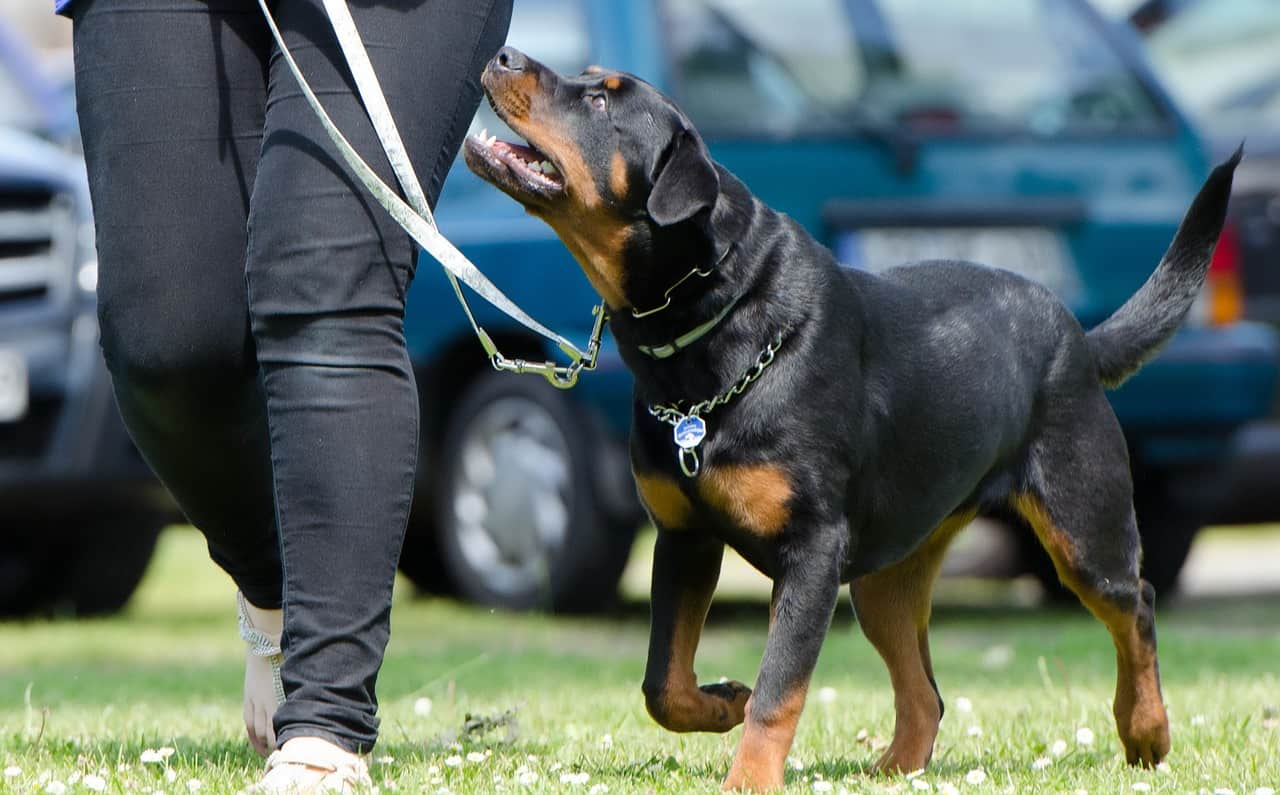
**Rottweiler** was also developed as a cattle-driving and cart-pulling dog in a similar central European working tradition. Both breeds are confident, territorial, and deeply loyal to their families, with the same wariness toward strangers that comes from generations of guarding work.
**Hovawart** is a German farm and estate guardian with a similar all-purpose working history. Both the Hovawart and the Appenzeller are alert, family-loyal, and need an experienced owner who can channel their strong protective instincts into reliable behaviour.