Rottweiler
From Germany
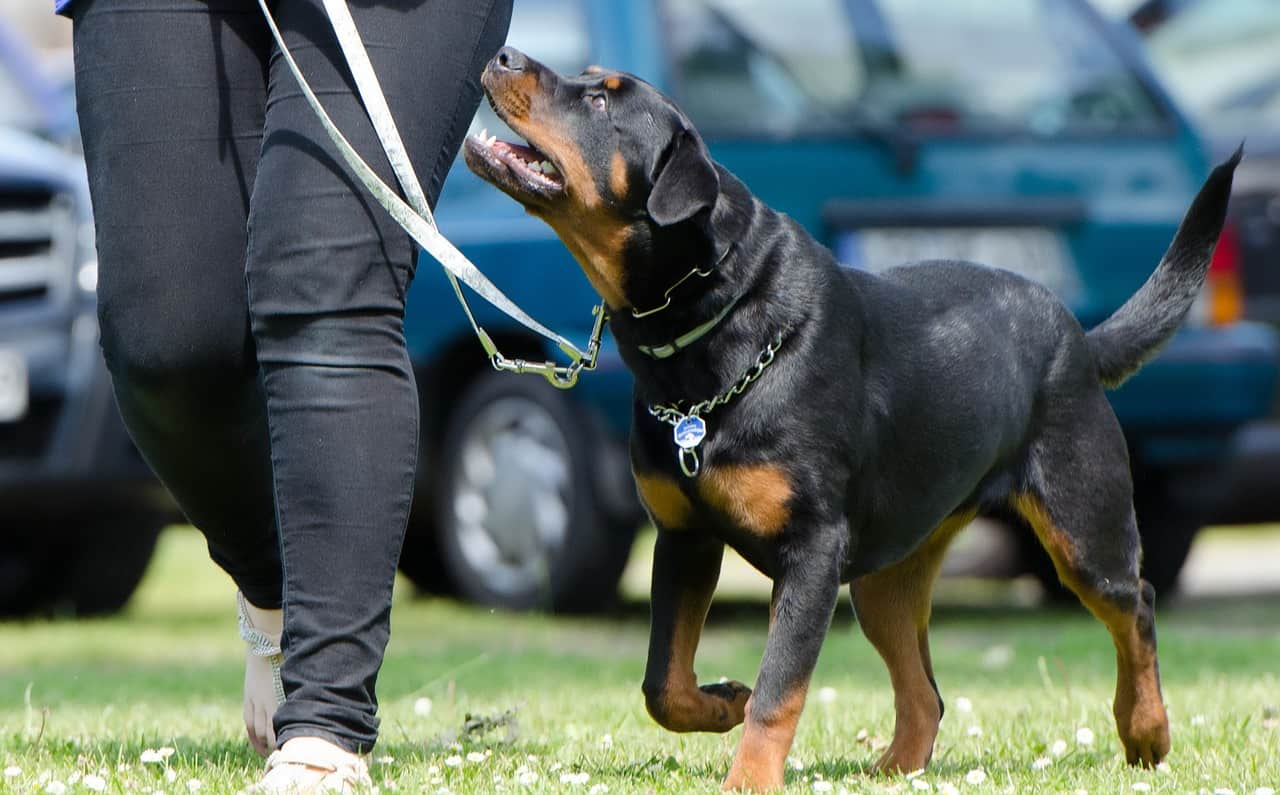
The Rottweiler, which was once used as a cattle dog in southern Germany, has earned a bad reputation as a violent guard dog and a frightening status symbol. Despite its incredible power, remarkable posture, and easily provoked guarding tendencies, the Rottweiler is not an inherently bad-tempered breed. With careful training from a disciplined and educated owner who is mindful of the potential aggression triggers, this dog becomes a peaceful and loyal friend. Rotties are much more agile than their bulk and robust physique would indicate, and they enjoy getting lots of intense activity.
Purpose & Origin
The Rottweiler's roots trace back to Roman drover dogs that accompanied legions through southern Germany, where they were left behind along with the settlers. For centuries the dogs worked around the town of Rottweil, herding and guarding cattle and protecting the money earned at market.
The town's name itself comes from the red-tiled Roman baths unearthed there in the eighth century, and the breed took its name from the same place. When rail travel made cattle driving illegal, the Rottweiler shifted roles to become a butcher's dog and draft animal.
By the mid-nineteenth century the breed had nearly vanished, with reports of only one female remaining in Rottweil in 1905. Breed clubs formed in 1901 and 1907 pulled it back from extinction, promoted it as a police dog, and by 1931 it had reached the United States and earned AKC recognition. It has served as a police, military, and mountain rescue dog ever since.
Temperament & Behaviour
This is a self-assured, bold dog that does not look for trouble but does not walk away from it either. The Rottweiler is reserved around strangers and can move quickly into protective mode if it senses a threat to its family. That guarding instinct is strong and easily triggered, which is precisely why the breed is not well suited to inexperienced owners.
It tends toward stubbornness, and without consistent leadership it makes its own rules. Given proper socialisation and a handler who is calm and firm, it settles into a loyal, steady companion. Its playfulness and affection scores are moderate at best, so this is not a dog that lives for cuddles or rough-and-tumble games.
Activity & Training
Exercise needs are moderate rather than extreme, but the Rottweiler requires daily physical and mental work, long walks or jogs alongside structured obedience sessions. It copes well in cold weather and poorly in heat, which is worth factoring in during summer months. Training demands patience: ease of training scores in the middle range, reflecting the breed's headstrong character. It responds to consistent, reward-based methods, but a handler who is inconsistent or timid will find the dog takes over. Early socialisation, starting in puppyhood, is not optional for a breed of this size and protective instinct.
Grooming
The Rottweiler's short, dense coat is low maintenance. Occasional brushing to clear dead hair is all that is normally needed, with no trimming or professional grooming required. Grooming requirement scores at the low end of the scale, and that holds true in practice.
Health
The breed carries a notable list of concerns. Hip and elbow dysplasia are the major structural issues, and sub-aortic stenosis is a serious cardiac condition to screen for. Osteosarcoma, a bone cancer, is a significant risk in large breeds. Minor concerns include gastric torsion, hypothyroidism, and allergies. Life expectancy runs from eight to eleven years, which is relatively short for a dog of this size.
Why these breeds are similar
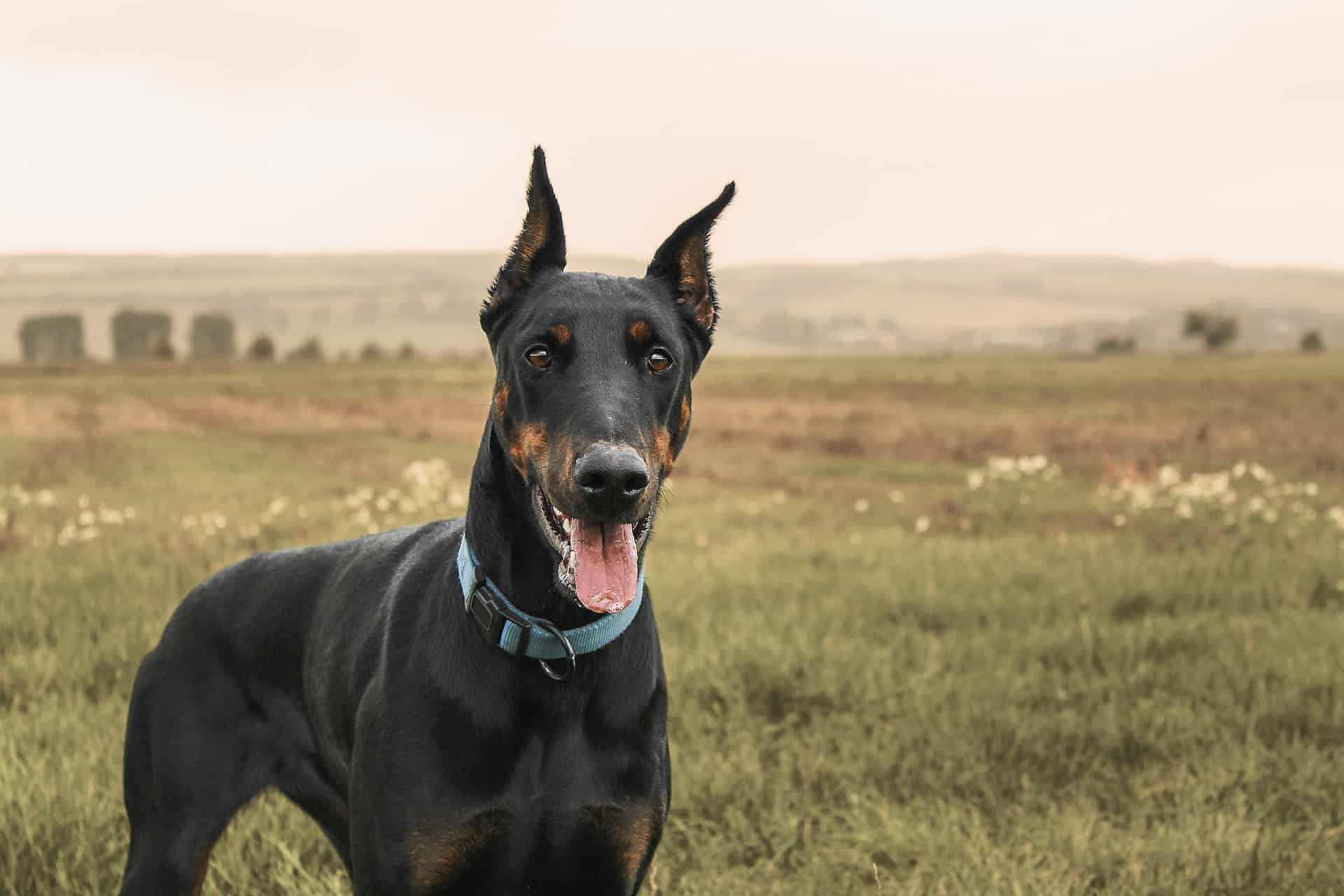
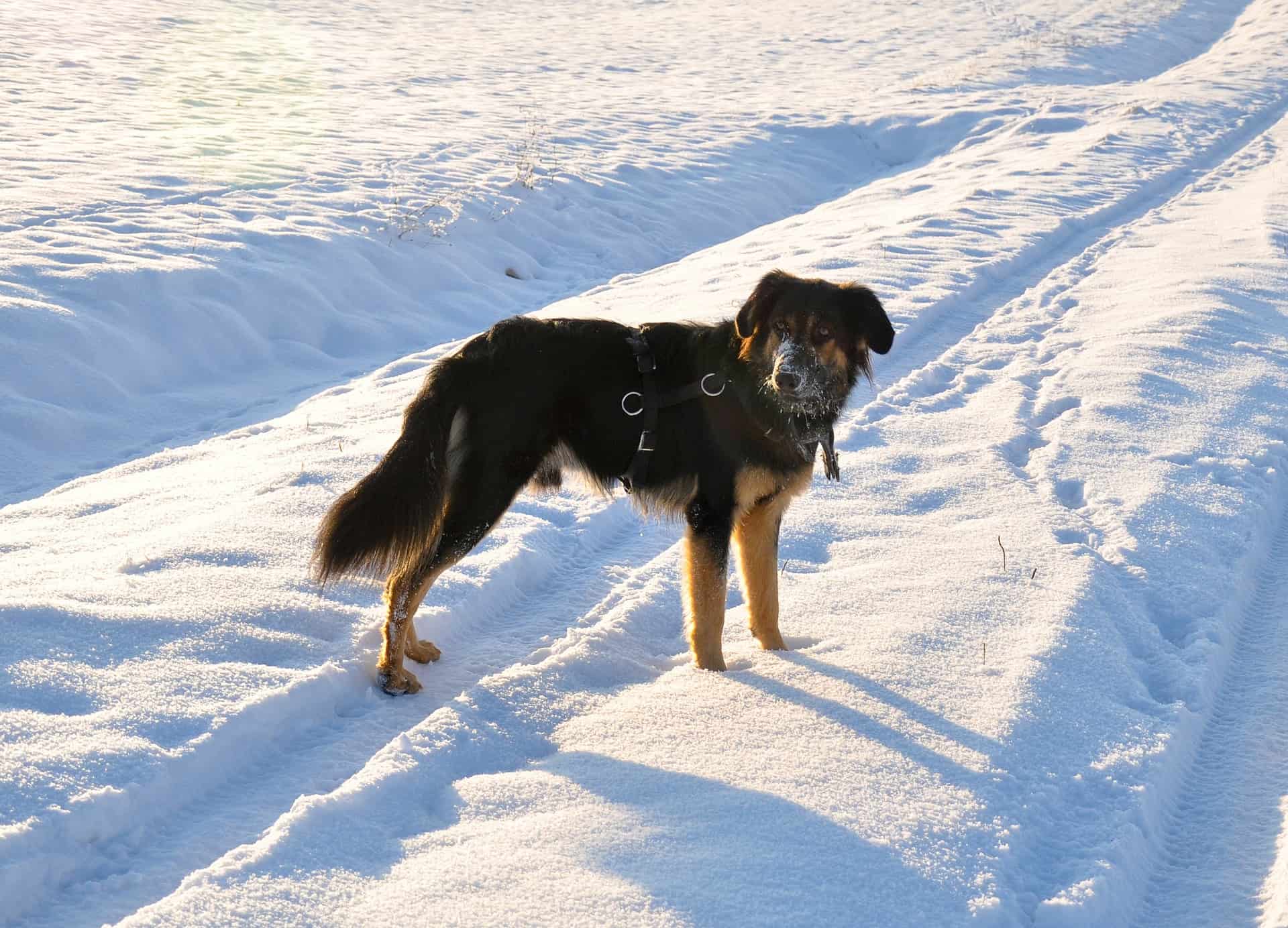
The Doberman Pinscher shares the Rottweiler's German working heritage and its role as a guard and protection dog. Both are powerful, alert, and deeply loyal to their family while remaining aloof with strangers, and both require experienced owners who can channel that protective drive. The Hovawart is another German working breed of similar build and protective temperament, originally used to guard farmsteads, and it matches the Rottweiler in its combination of serious guarding ability and strong loyalty.
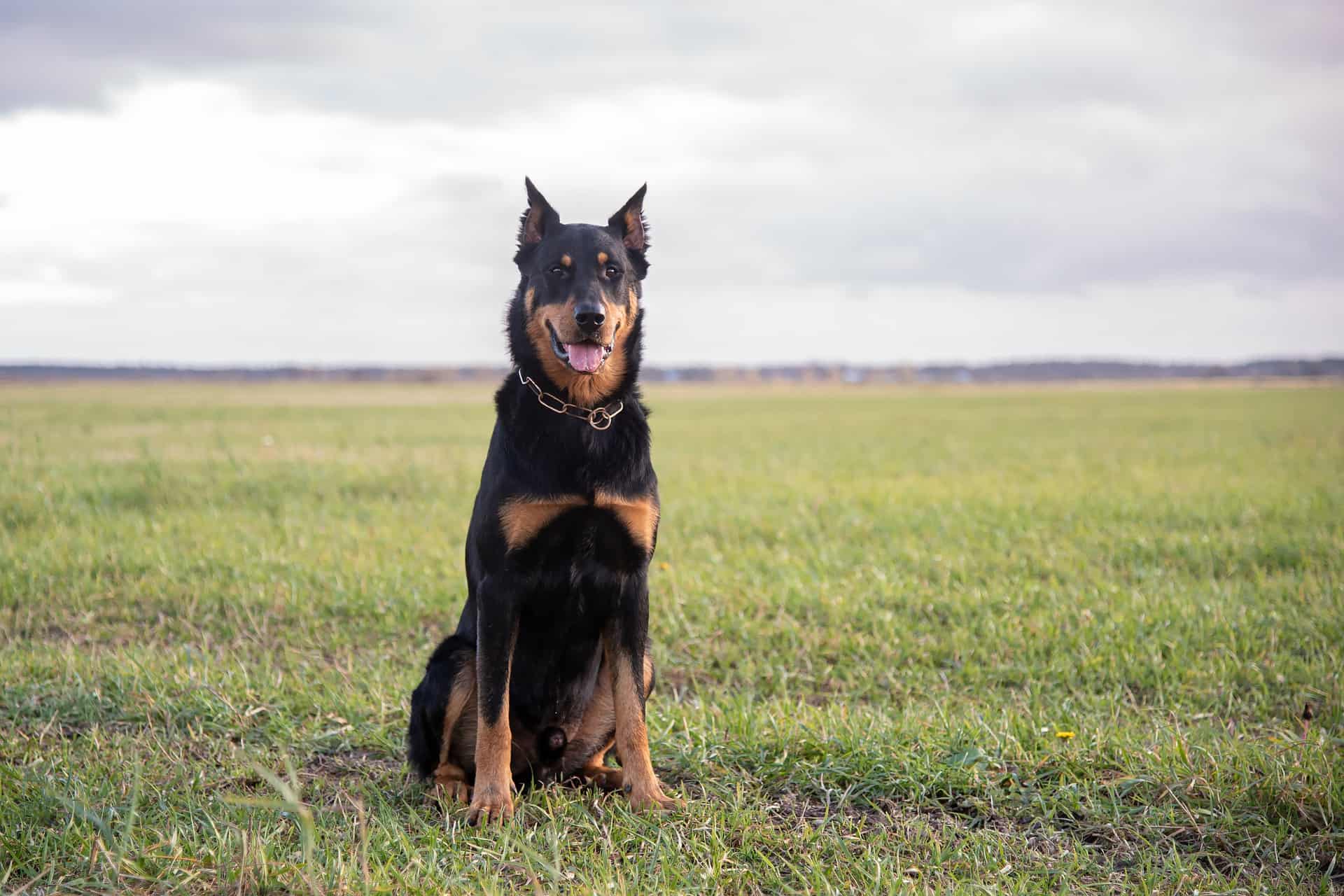
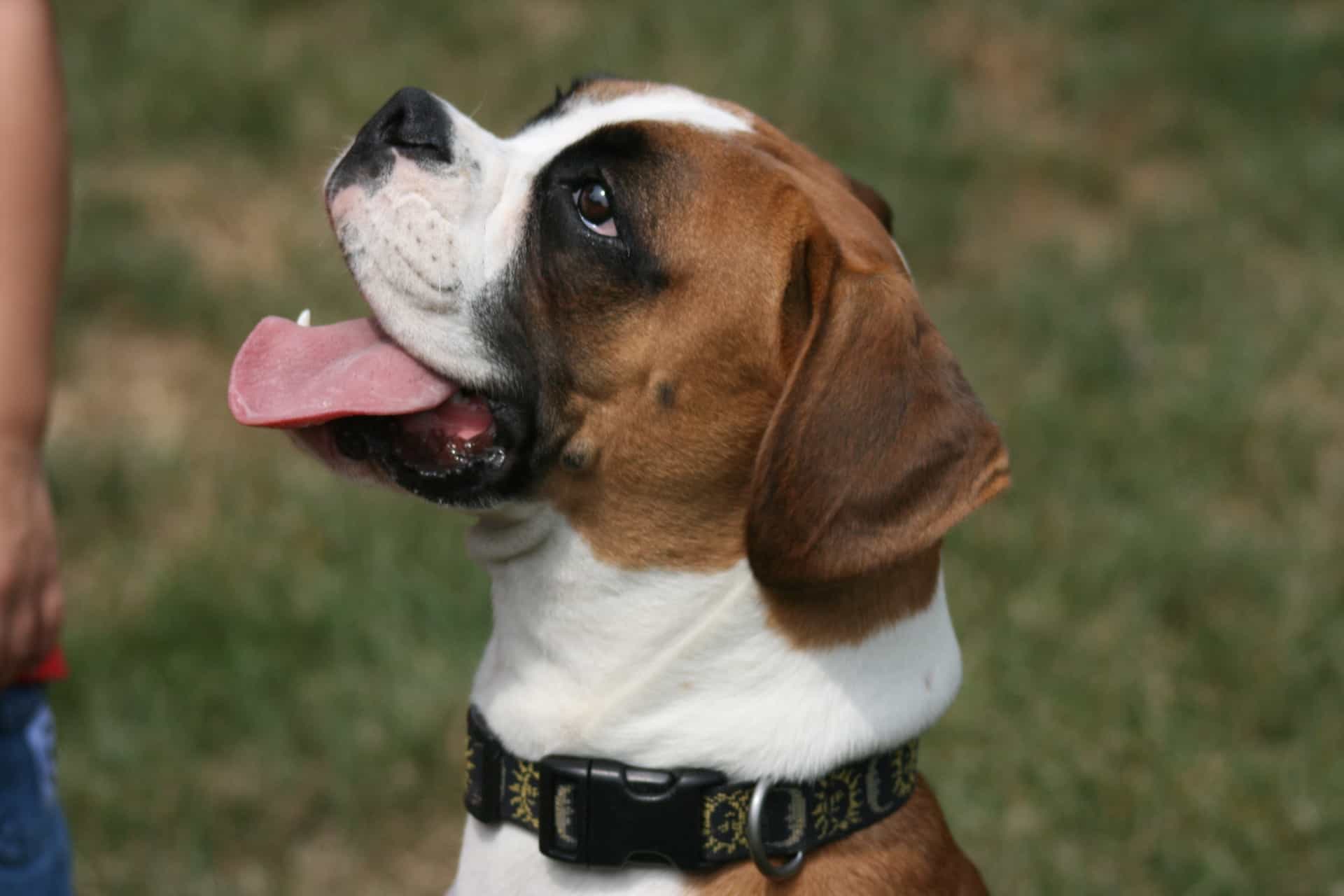
The Beauceron, the large French herding dog, overlaps on both size and function: it was bred to drive and guard livestock, producing a confident, dominant character that sits in the same owner-experience bracket. The Boxer shares the Mastiff lineage and the same central European working background, with comparable protection instinct and physical presence, though it runs notably warmer and more playful in temperament than the Rottweiler.
Trait ratings
- Energy level
- 3/5
- Exercise requirements
- 3/5
- Playfulness
- 2/5
- Affection level
- 2/5
- Friendliness toward dogs
- 1/5
- Friendliness toward other pets
- 2/5
- Friendliness toward strangers
- 1/5
- Ease of training
- 3/5
- Watchdog ability
- 5/5
- Protection ability
- 5/5
- Grooming requirements
- 1/5
- Cold tolerance
- 3/5
- Heat tolerance
- 2/5