Hovawart
From Germany
Purpose & Origin
The name says it plainly: Hovawart comes from the old German "hof" (farm or estate) and "wart" (guardian), meaning guardian of the estate. The breed's earliest written record dates to 1220, and throughout the Middle Ages it was used to protect German farmyards and livestock from predators and thieves. By the 19th century the breed had declined sharply.
In the 1920s German breeder Kurt König led an effort to reconstruct it, drawing on working farm dogs from the Harz Mountains and Black Forest regions. The German Kennel Club recognised the revived breed in 1936. Whether those dogs were genetic descendants of the medieval Hovawart or a careful recreation using Leonbergers, German Shepherd Dogs, Newfoundlands, and Kuvasz, as some argue, is unresolved. Either way, the result is a substantial estate guardian that closely matches historical descriptions.
Temperament & Behaviour
The Hovawart is confident, loyal, and territorial without being aggressive for aggression's sake. It bonds tightly with its family and is genuinely affectionate at home, with an unexpectedly playful streak that persists into adulthood. Around strangers it is reserved and watchful, not immediately welcoming. Its protective instincts are real: this is a dog that will decide something is a threat and act on that assessment without waiting for instruction. That self-reliance is a feature on a farm; in a suburban setting it requires careful socialisation from puppyhood. The breed is notably intelligent but has a stubborn, independent streak, and it does not defer automatically to its handler. Respect is earned.
Activity & Training
Hovawarts need substantial daily exercise, at least an hour, and do best with a job or a consistent activity programme. A bored Hovawart becomes inventive in ways owners rarely enjoy. Training works best with an experienced handler who can be consistent and patient without turning sessions into a battle of wills. Heavy-handed methods backfire. The breed responds to positive reinforcement but will test limits, and a handler who lacks confidence will find the dog filling that vacuum. Early obedience work and structured socialisation are not optional.
Grooming
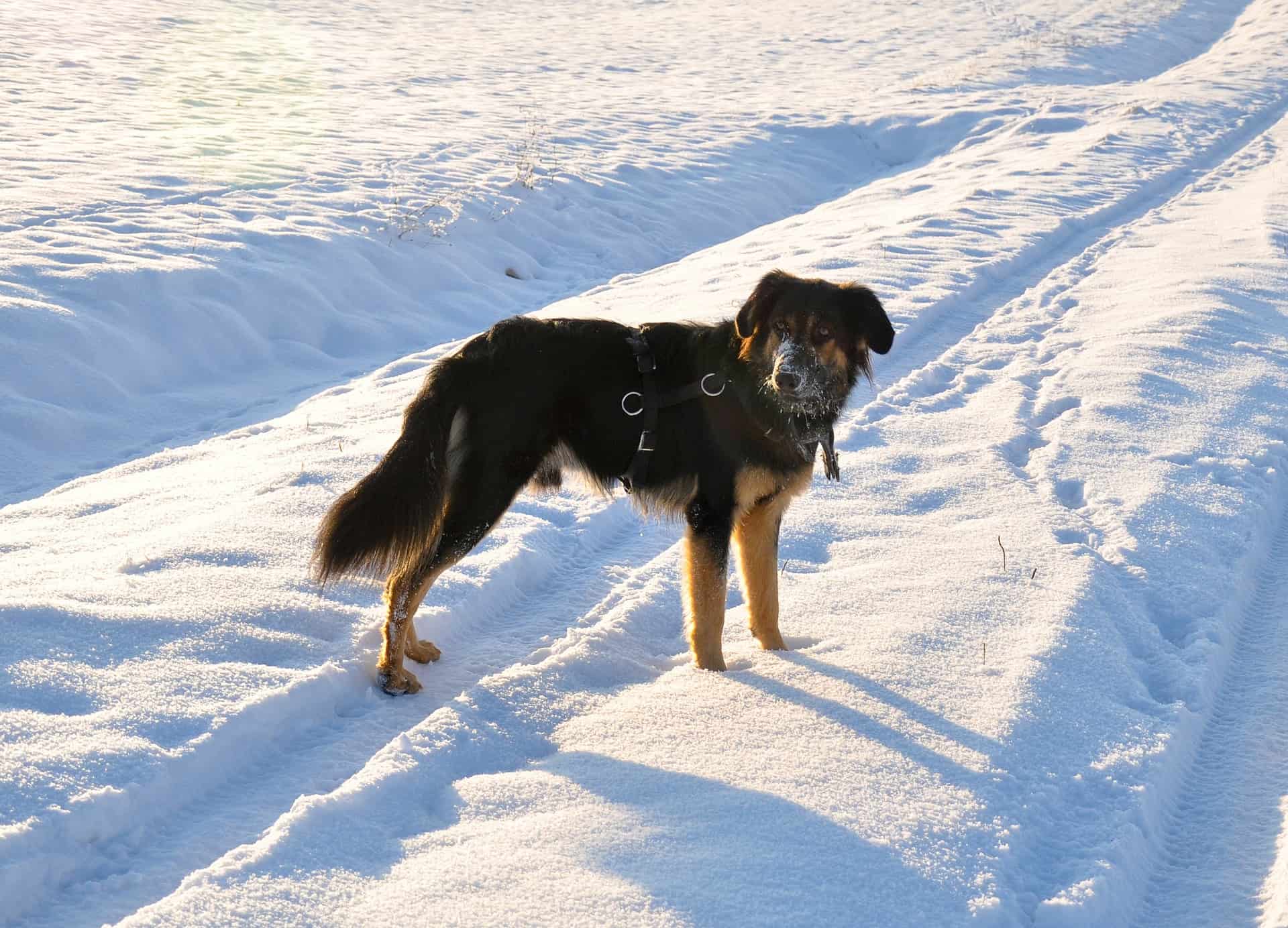
The coat is long, slightly wavy, and dense, appearing in black, gold, or black-and-tan. Despite the length it is not especially high-maintenance: weekly brushing handles most of the year, with more frequent attention during seasonal shedding to prevent tangles, particularly around the ears, hindquarters, and chest. The drop ears trap moisture and debris, so regular ear checks are worthwhile to head off infections before they develop.
Health
The Hovawart is a robust breed with a lifespan of 10 to 14 years. The main concerns are hypothyroidism and hip dysplasia, though documented hip dysplasia rates in the breed are low. Because the reconstruction in the 1920s drew on a relatively small gene pool, responsible breeders test for these conditions before breeding. Buying from health-tested stock matters here more than with breeds that have centuries of continuous recorded breeding.
Why these breeds are similar
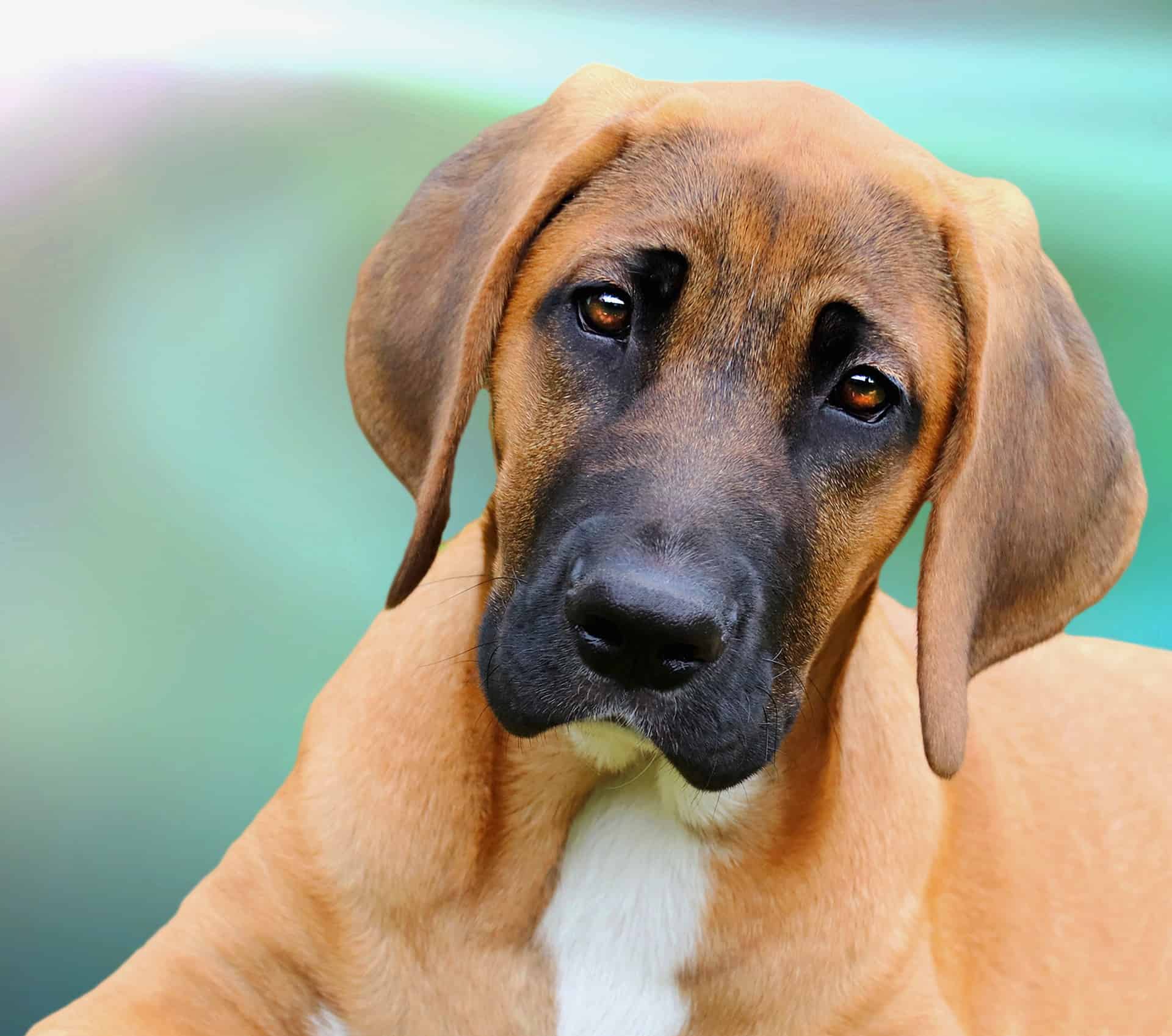
**Broholmer**: a large, mastiff-type estate guardian from Denmark with the same historical role protecting farms and courtyards, similarly confident and calm in temperament.
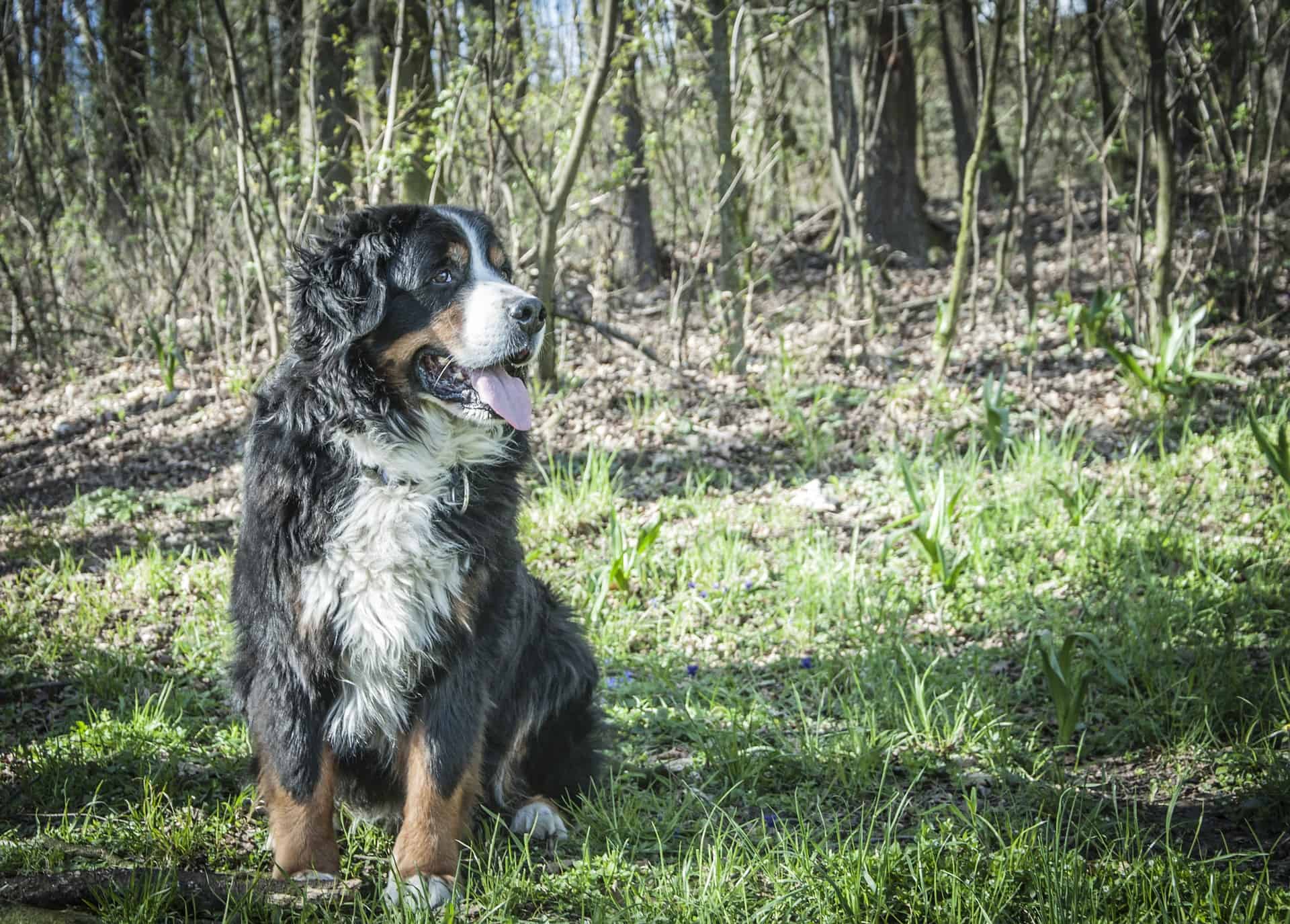
**Bernese Mountain Dog**: another large, long-coated working dog from Central Europe, with the same black-and-tan colouring in one Hovawart variety, comparable loyalty to its family, and similar size.
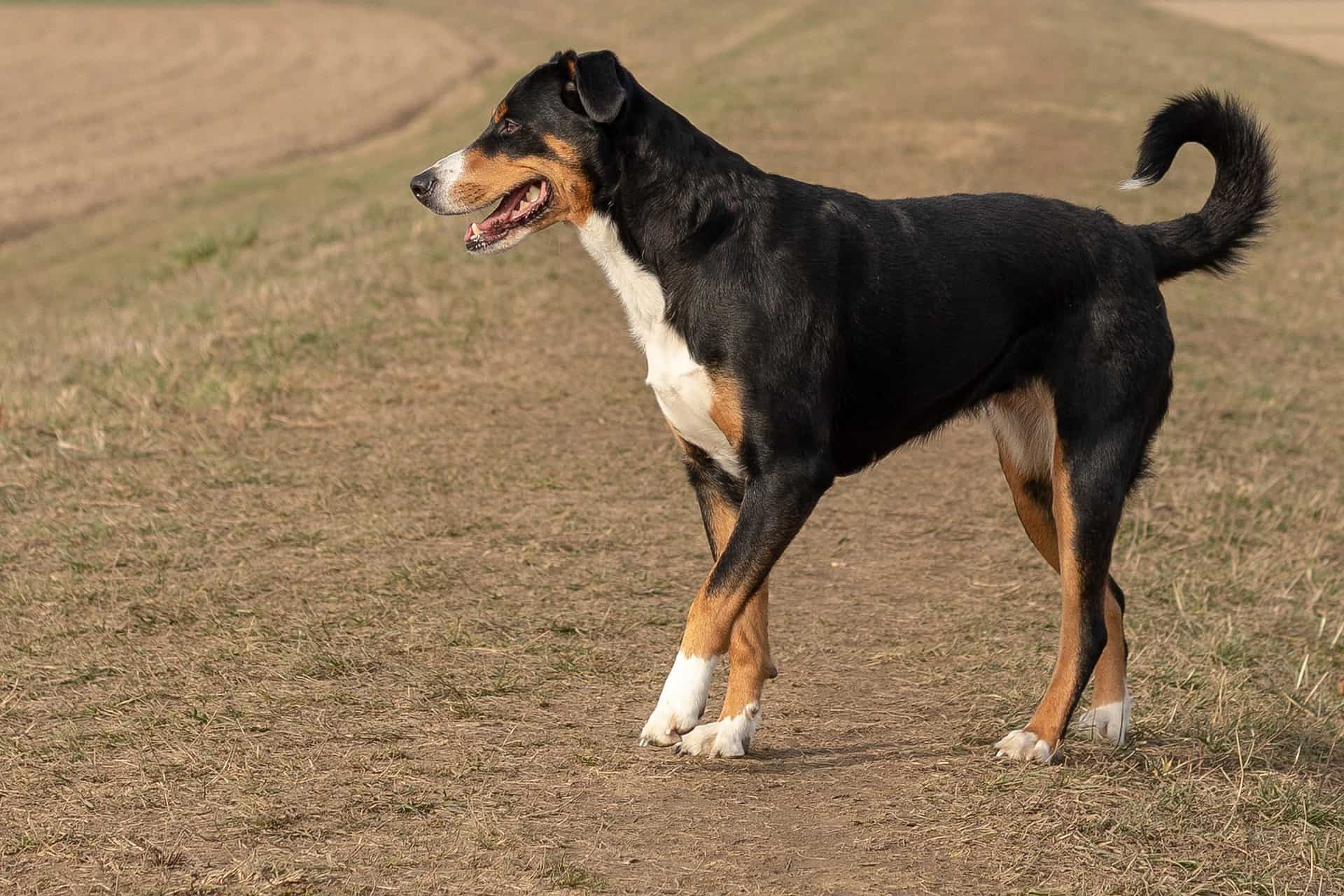
**Appenzeller Sennenhund**: a Swiss farm dog bred for guarding and droving, sharing the herding-and-guarding background and alert, self-assured temperament, though more compact and energetic.
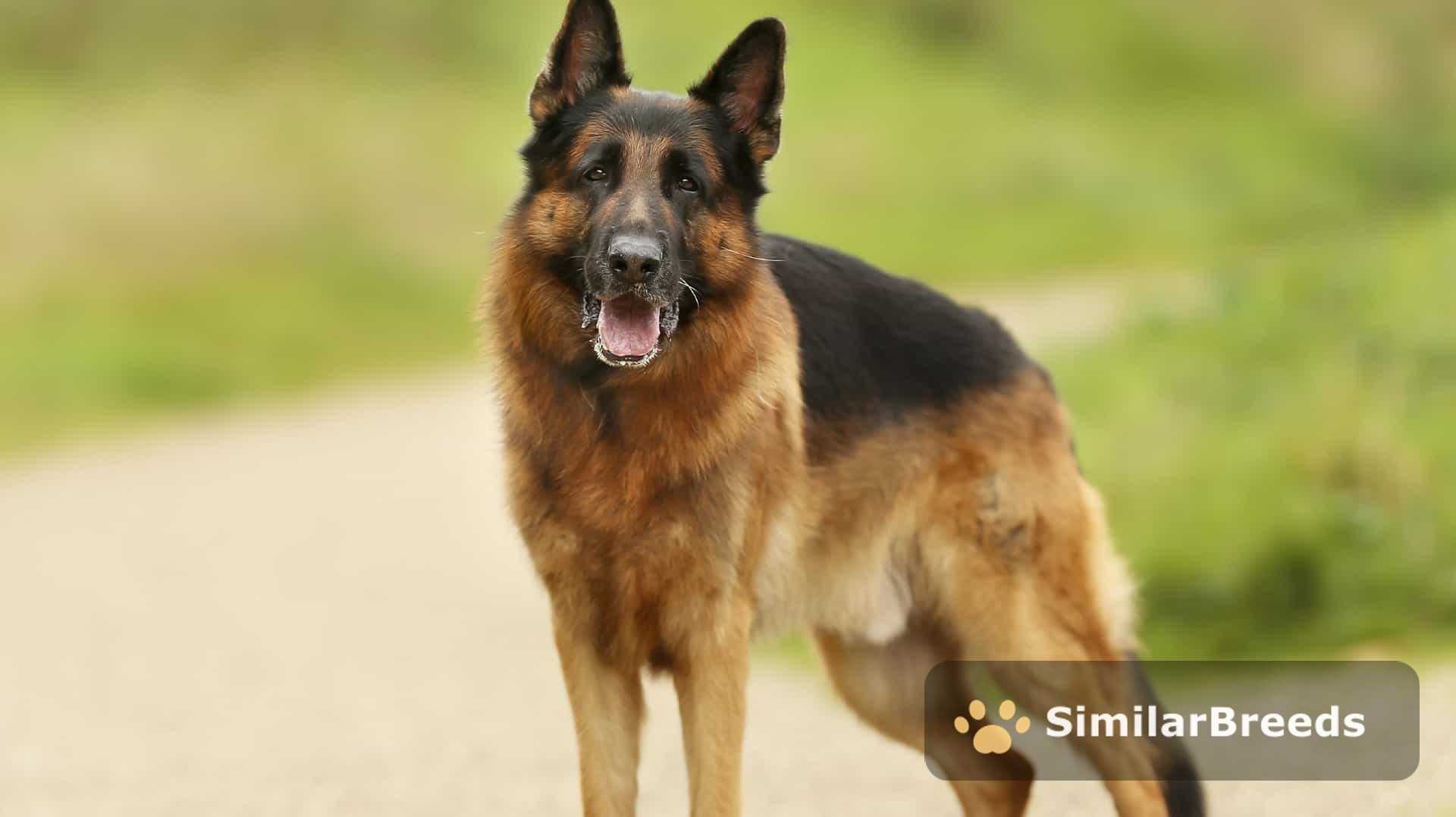
**German Shepherd Dog**: overlaps substantially in intelligence, trainability ceiling, protectiveness, and working heritage; one of the breeds credited with contributing to the Hovawart's reconstruction, which explains the structural and temperamental resemblance.
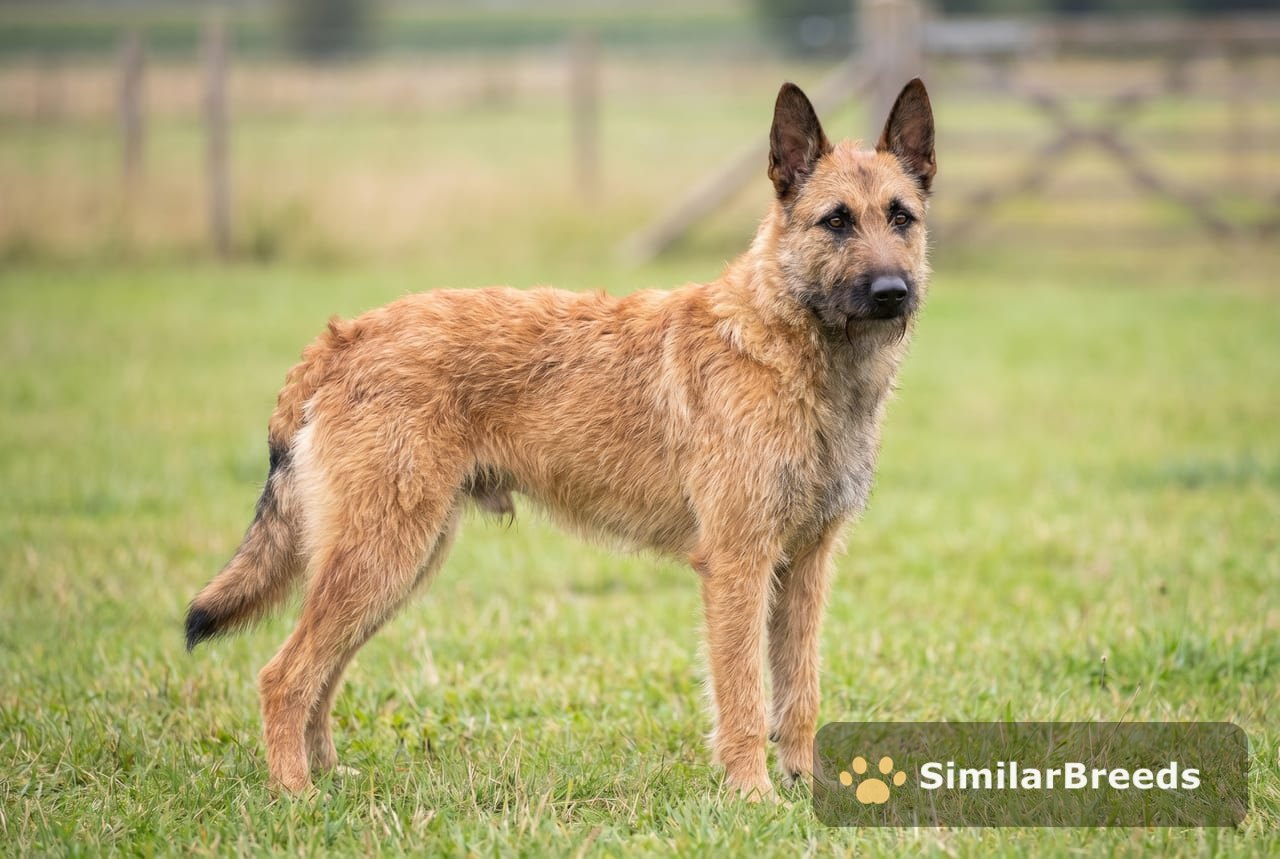
**Belgian Laekenois**: a herding and guard breed with a strong bond to its handler, high exercise needs, and working-dog drive; shares the Hovawart's intelligence and wariness with strangers, though considerably lighter in build.