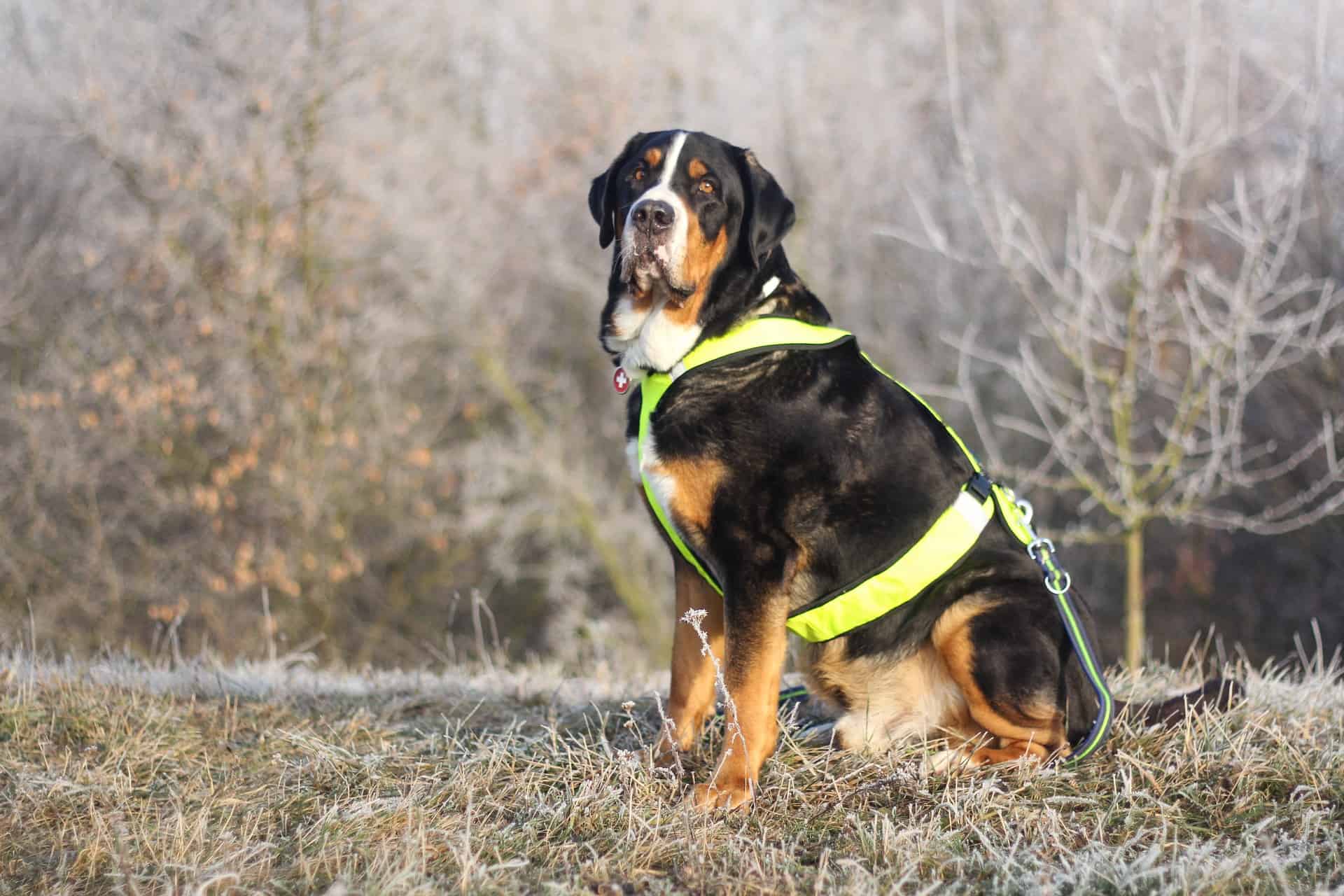
Purpose & Origin
The Greater Swiss Mountain Dog is the oldest and largest of the four Swiss Sennenhunde, a group that also includes the Bernese, Appenzeller, and Entlebucher. Its roots trace back to the Mastiff-type dogs that Roman armies or possibly Phoenician traders introduced to the Alps in antiquity. Isolated mountain communities shaped these dogs over centuries into versatile working animals: livestock guardians, herders, and powerful draft animals known locally as butcher's dogs.
For most of the 1800s all four types were lumped together as a single breed. It took the sharp eye of Professor Albert Heim, at a 1908 dog show, to recognise a short-coated specimen entered as a Bernese Mountain Dog as something distinct, and to name it the Greater Swiss. The breed remained rare, slowed further by two world wars, and did not reach America until 1968. Full AKC recognition followed in 1995.
Temperament & Behaviour
This is a calm, devoted dog that takes its family seriously. It is gentle with children and tolerant of other household pets, but its territorial instincts are real: it is alert, bold, and watchful with strangers, which makes it a capable watchdog without being an excitable one. The Greater Swiss is not a dog that bounces off the walls, but it is not aloof either. Its loyalty runs deep, and it prefers to be close to its people.
Activity & Training
Despite its bulk, the Greater Swiss needs consistent daily exercise, a long walk or an energetic outdoor session being the baseline. Cold weather suits it well; heat does not, so summer exercise should be timed for cooler parts of the day. One activity where this breed genuinely excels is draft work: pulling a cart or sled taps directly into its working heritage and burns energy in a satisfying way. Training is straightforward relative to many large breeds, as the scores reflect solid trainability, though early socialisation matters given its guarding instincts.
Grooming
The short, dense coat is one of this breed's practical advantages. A weekly brush handles routine maintenance, with more frequent sessions needed during seasonal sheds. There is no trimming, no elaborate coat care. For a dog of this size, the grooming commitment is genuinely low.
Health
The Greater Swiss is a large, heavy breed and carries the health risks common to that build. Hip dysplasia is the primary concern, with shoulder OCD, panosteitis in growing dogs, and gastric torsion also on the list. Female urinary incontinence appears with some frequency. Seizures and splenic torsion are recorded as minor concerns. Hip and elbow evaluations are the standard screens before breeding. Life expectancy runs 10 to 12 years.
Why these breeds are similar
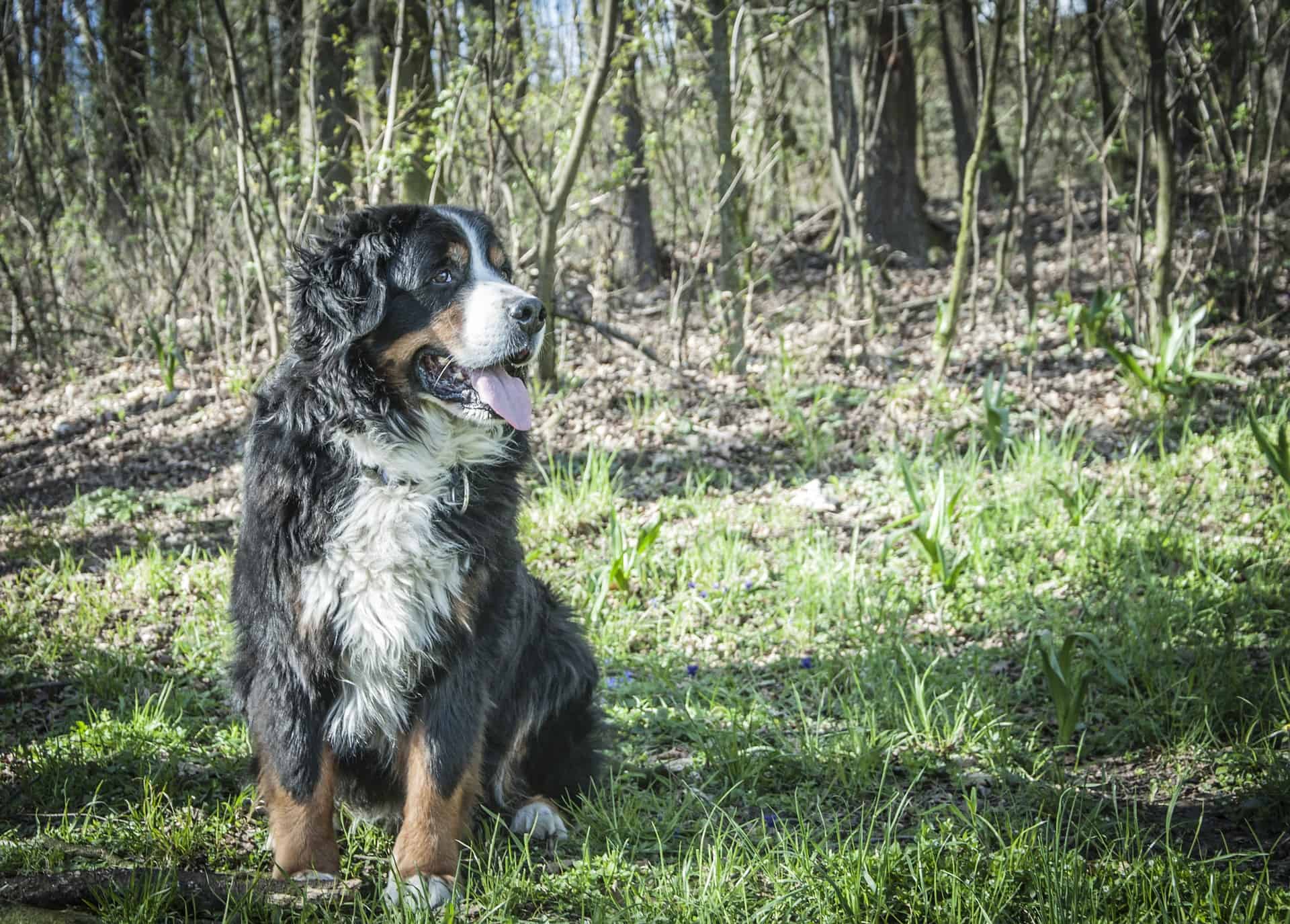
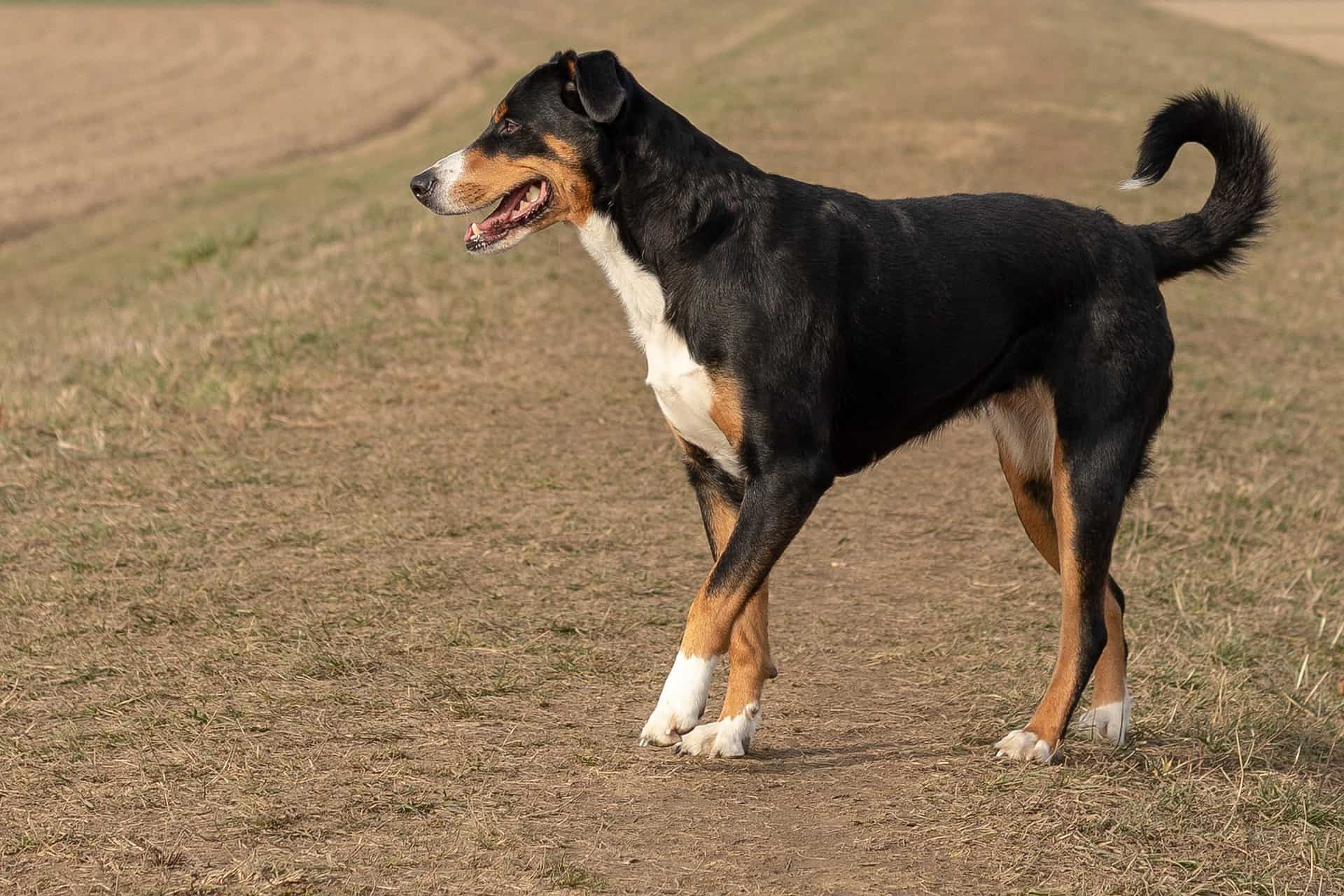
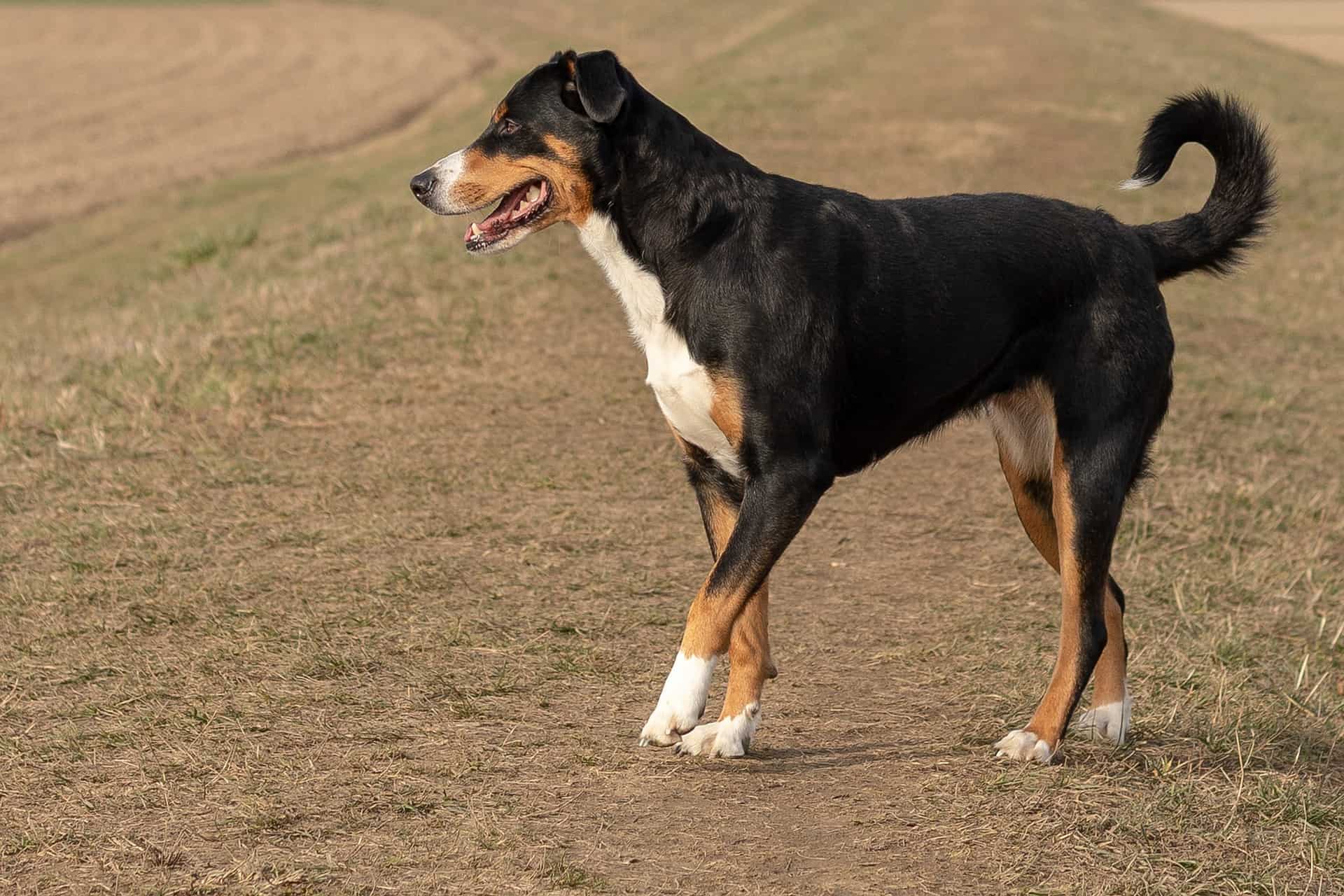
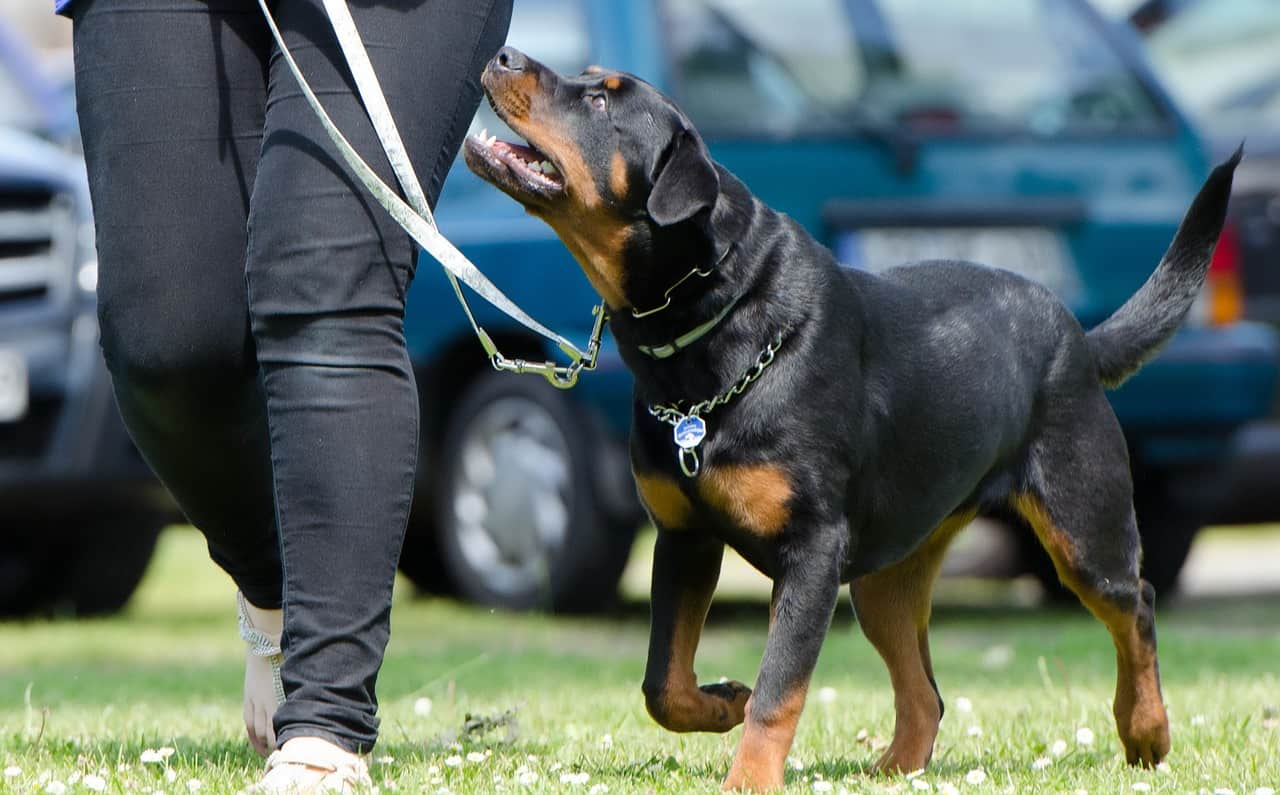
The **Bernese Mountain Dog** is the closest relation, another of the four Sennenhunde sharing the same tri-colour coat pattern, Swiss working heritage, and large, calm, family-oriented character. The **Appenzeller Sennenhund** and **Entlebucher Mountain Dog** complete the Swiss quartet, both descended from the same Roman Mastiff ancestors and bred for the same mix of herding, guarding, and draft work in the Alps, though both are considerably smaller and more energetic. The **Rottweiler** is the outlier in terms of nationality, but it shares the Greater Swiss's Mastiff foundation, its role as a working draft and droving dog, and its blend of loyalty to family with wariness toward strangers.
Trait ratings
- Energy level
- 2/5
- Exercise requirements
- 3/5
- Playfulness
- 2/5
- Affection level
- 3/5
- Friendliness toward dogs
- 3/5
- Friendliness toward other pets
- 4/5
- Friendliness toward strangers
- 2/5
- Ease of training
- 4/5
- Watchdog ability
- 4/5
- Protection ability
- 3/5
- Grooming requirements
- 1/5
- Cold tolerance
- 4/5
- Heat tolerance
- 2/5