Swedish Vallhund
From Sweden
Purpose & Origin
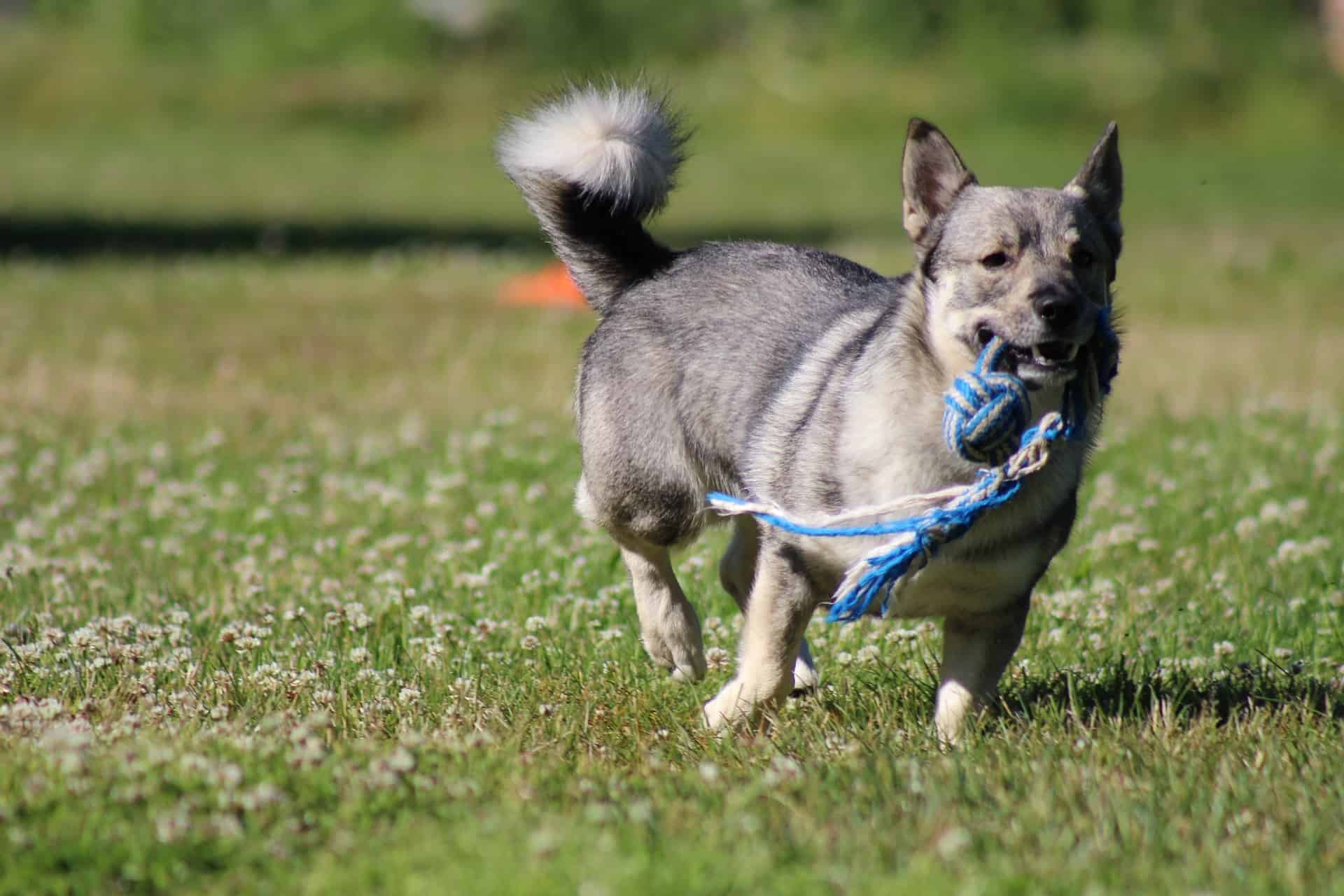
The Swedish Vallhund is a dwarf spitz with deep roots in Scandinavian farm life, known in Viking times as the Vikingarnas Dog. For centuries it herded cattle, hunted vermin, and kept watch over farmsteads across Sweden. A reported crossbreeding with Welsh Corgis in the eighth or ninth century explains the structural similarities that still confuse newcomers today.
By 1942 the breed had nearly vanished. Two Swedish enthusiasts, Count Bjorn Von Rosen and Karl Gustav Zettersten, tracked down just four surviving dogs and rebuilt the breed from that narrow foundation. The Swedish Kennel Club recognised it within a year of its first public showing.
The name was later changed to Västgötaspets, after the Swedish province where the revival took root, though it is widely known internationally as the Swedish Vallhund. Despite descending from so few individuals, the breed has proved hardy and healthy, retaining several primitive traits including unusually long gaps between estrous cycles.
Temperament & Behaviour
The Vallhund carries itself with the confidence of a much larger dog. It is energetic and playful when the situation calls for it, yet settles readily indoors. It is deeply affectionate and bonds closely with its family, though it stops well short of being clingy. It learns quickly, wants to please, and scores high on trainability, but there is an independent streak underneath that keeps it from being fully biddable. It tends to be curious to a fault and can get itself into mischief if left under-stimulated.
With strangers it is watchful rather than welcoming; its watchdog instinct is sharp, and it will bark freely and enthusiastically at anything worth announcing. It is not aggressive, but it is not a pushover either. It generally gets along with other dogs and household pets. It is fine with children who treat it respectfully, though it may nip heels during excited play, a remnant of its herding days.
Activity & Training
This breed needs a meaningful daily outlet. A long walk or a short jog, combined with something that taxes its brain, will usually keep it content. Herding trials are a natural fit, and it also takes well to agility. Training goes smoothly because it is alert and eager, but the independent streak means it responds best to consistent, varied sessions rather than repetitive drilling. It is not a breed that will simply comply out of habit.
Grooming
Coat care is relatively low-maintenance. Weekly brushing keeps the double coat in order and manages shedding. It tolerates cold weather well and handles moderate heat adequately.
Health
The Vallhund is a healthy breed overall, partly because the revival programme prioritised hardiness. Hip dysplasia is the main concern worth screening for. Retinopathy and patellar luxation appear occasionally; DNA testing for retinopathy is available and recommended. Life expectancy is 13 to 15 years.
Why these breeds are similar
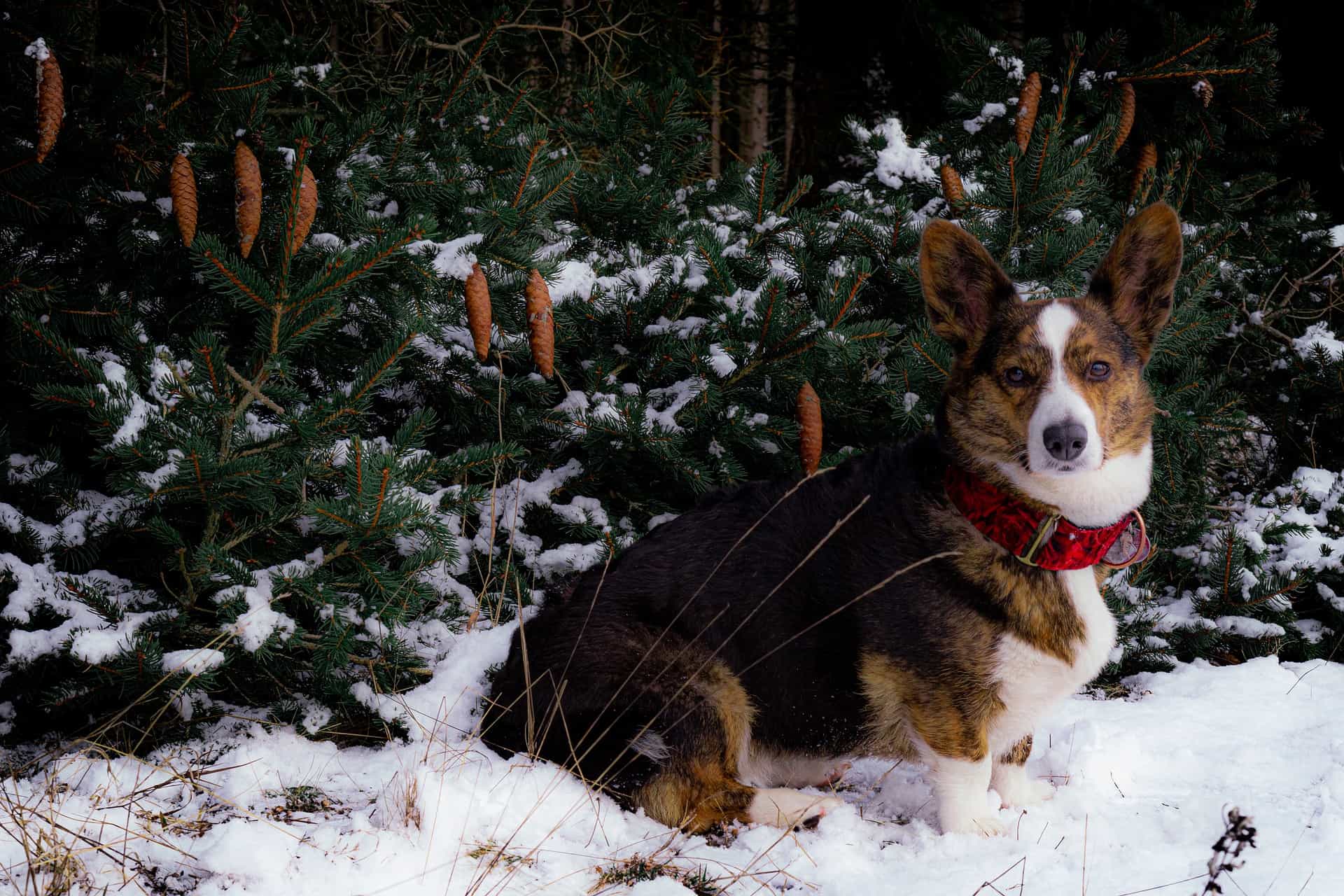
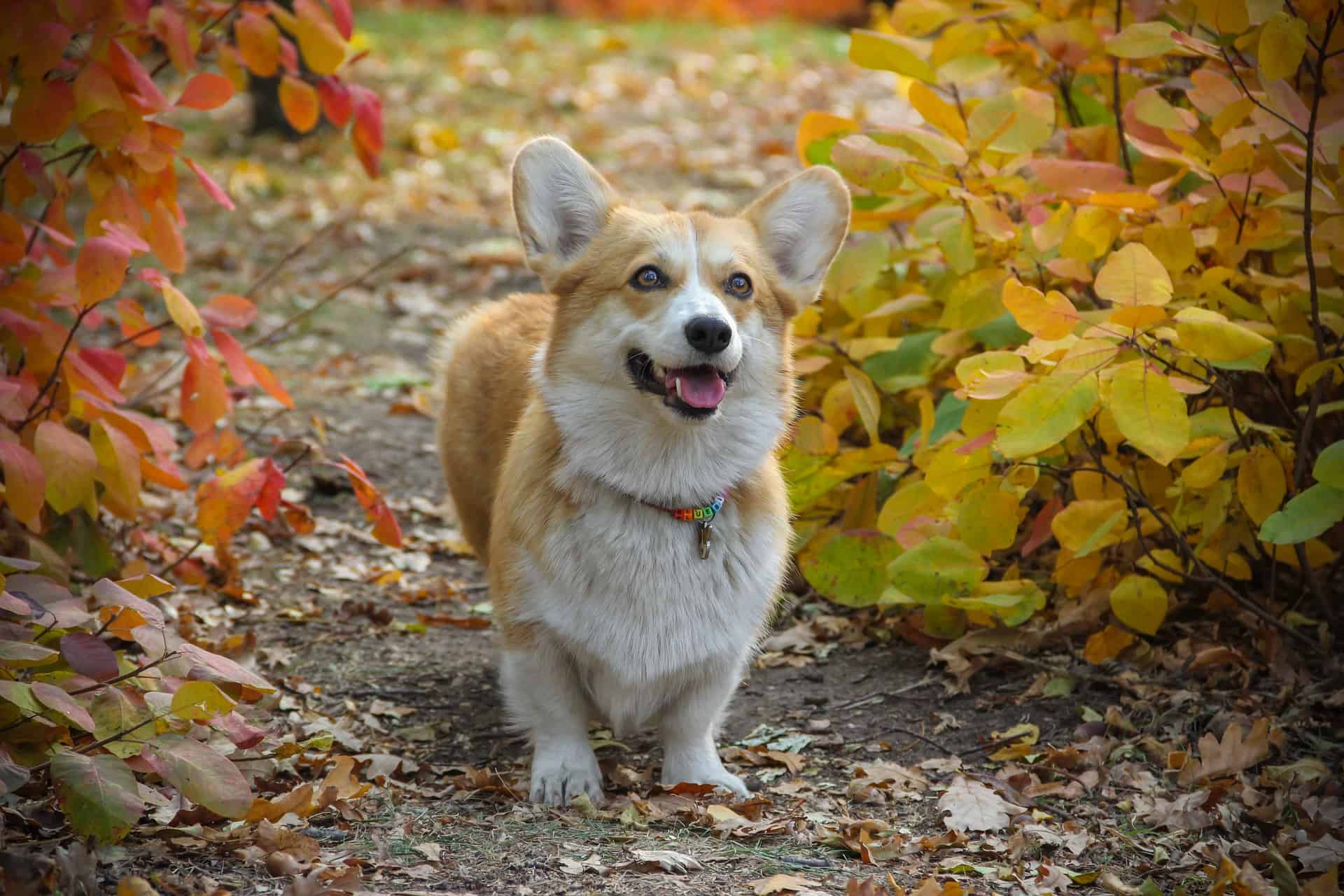
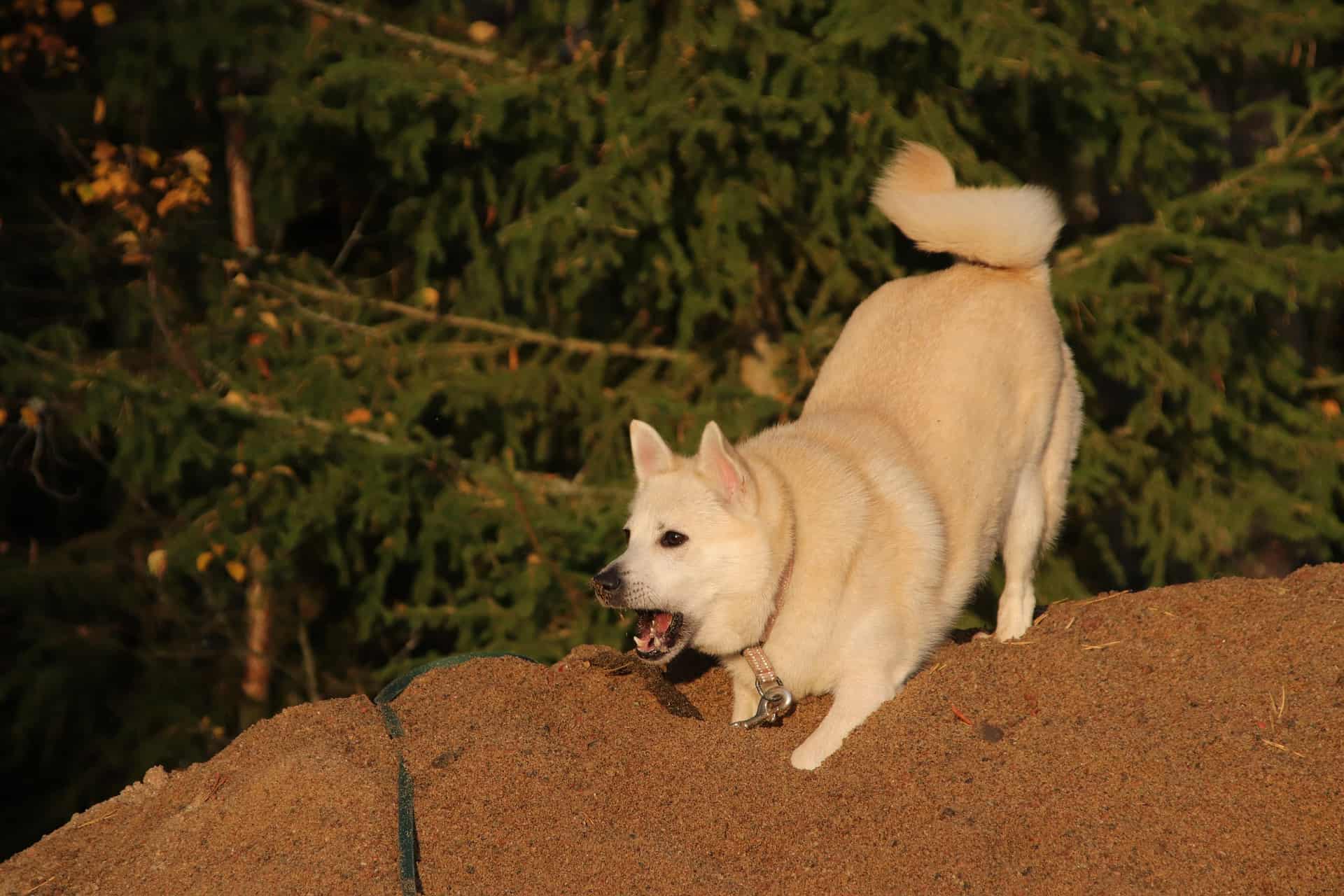
The Cardigan Welsh Corgi and Pembroke Welsh Corgi share both the low-slung herding body plan and the probable historical connection: those eighth-century crossbreedings left clear marks on all three breeds in structure, coat, and working style. The Norwegian Buhund is the Vallhund's closest Nordic cousin, a spitz-type farm dog from the same cultural and geographic sphere, similarly compact, alert, and vocal.
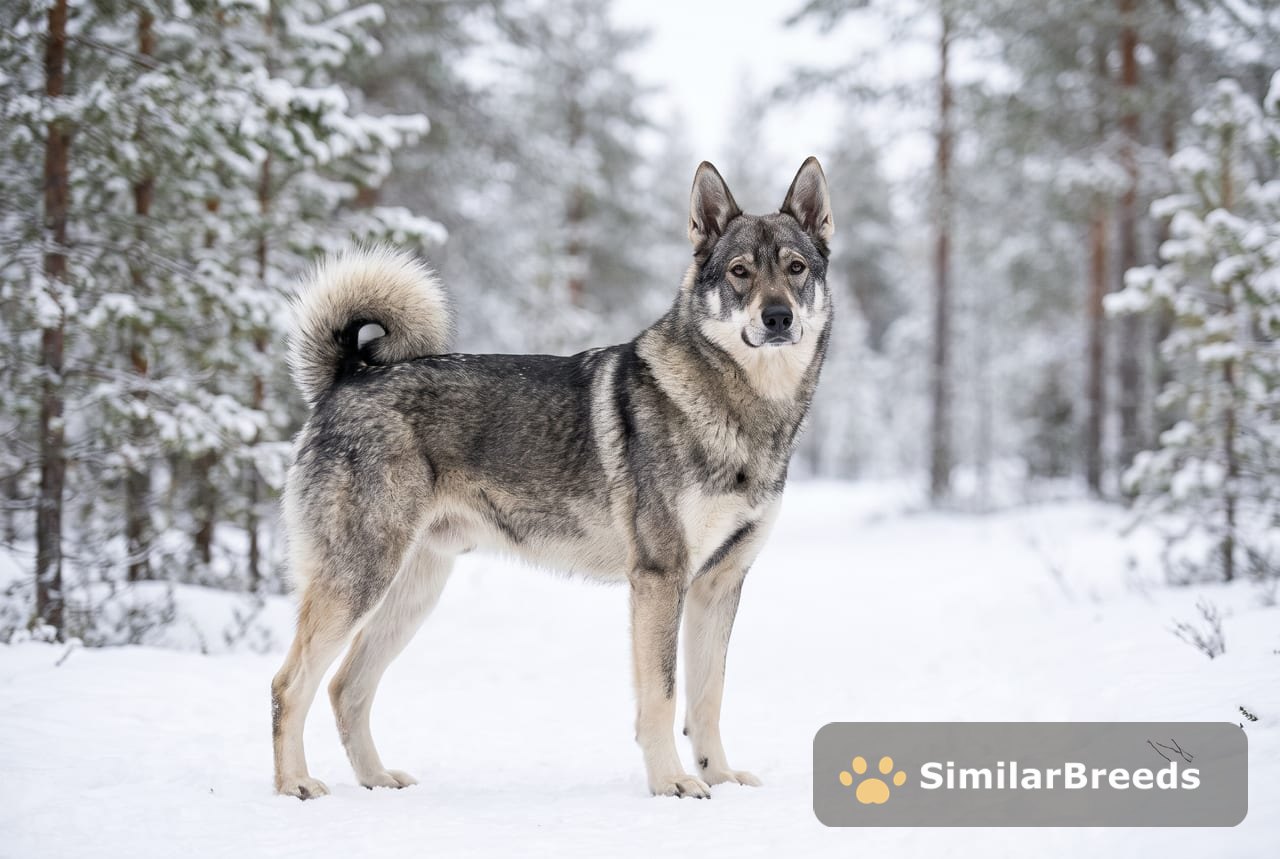
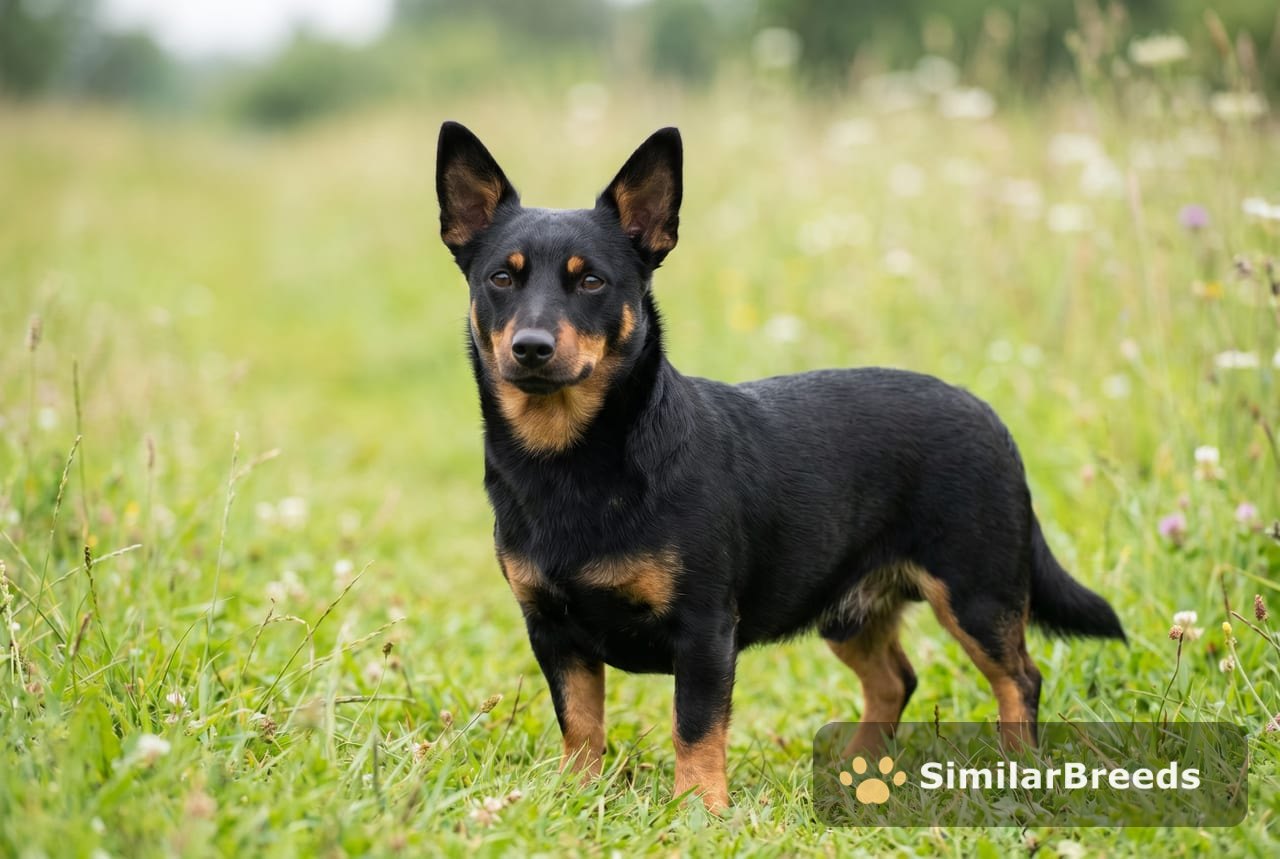
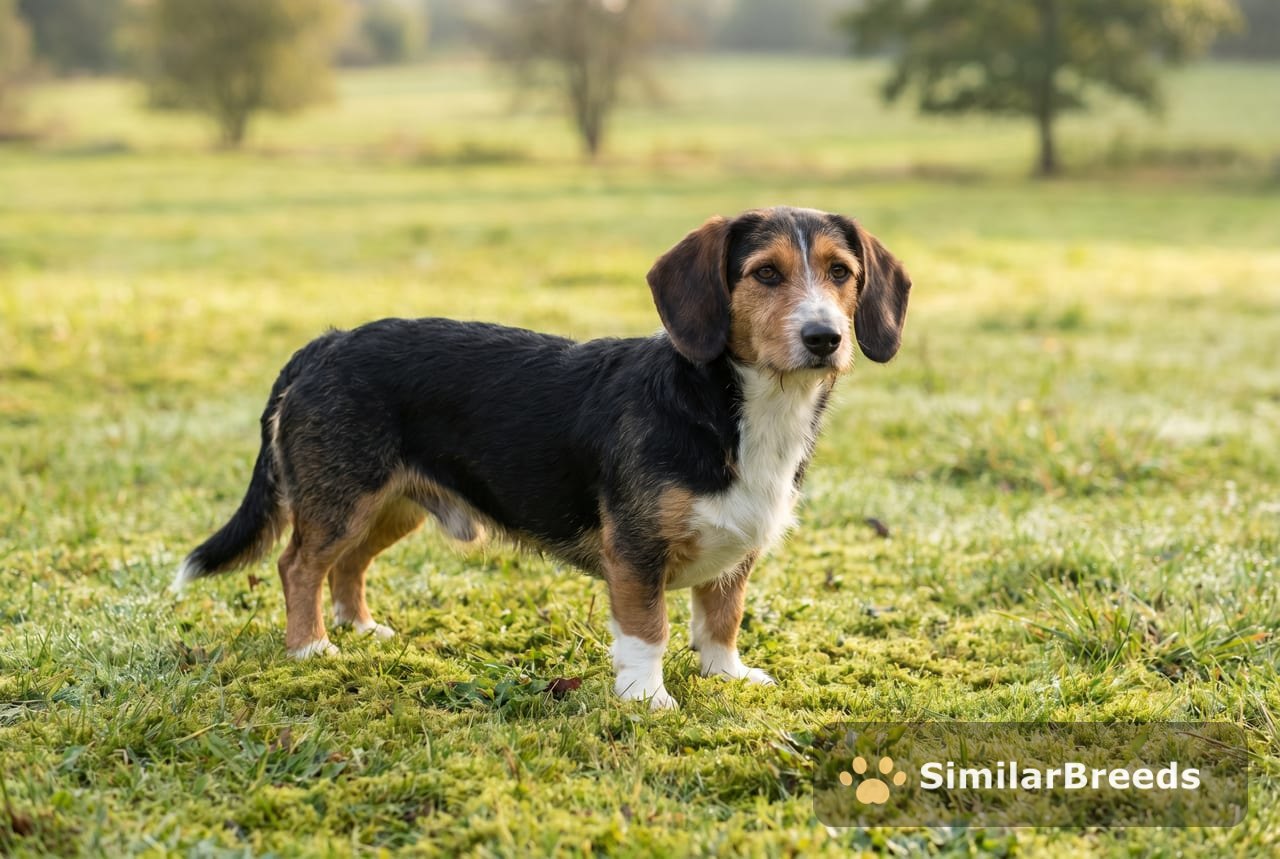
The Lancashire Heeler is another short-legged cattle herder from northwestern Europe with an almost identical job description and a comparable watchdog temperament. The Drever, a Swedish scenthound, shares the long-bodied, short-legged build and Swedish origin, though its work is hunting rather than herding. The Jämthund (Swedish Elkhound) is the geographical and cultural link, a Nordic spitz from the same country, though considerably larger and bred for big-game hunting rather than farm work.
Trait ratings
- Energy level
- 4/5
- Exercise requirements
- 4/5
- Playfulness
- 4/5
- Affection level
- 5/5
- Friendliness toward dogs
- 3/5
- Friendliness toward other pets
- 3/5
- Friendliness toward strangers
- 3/5
- Ease of training
- 4/5
- Watchdog ability
- 5/5
- Protection ability
- 2/5
- Grooming requirements
- 2/5
- Cold tolerance
- 4/5
- Heat tolerance
- 3/5