Lancashire Heeler
From Great Britain
Purpose & Origin
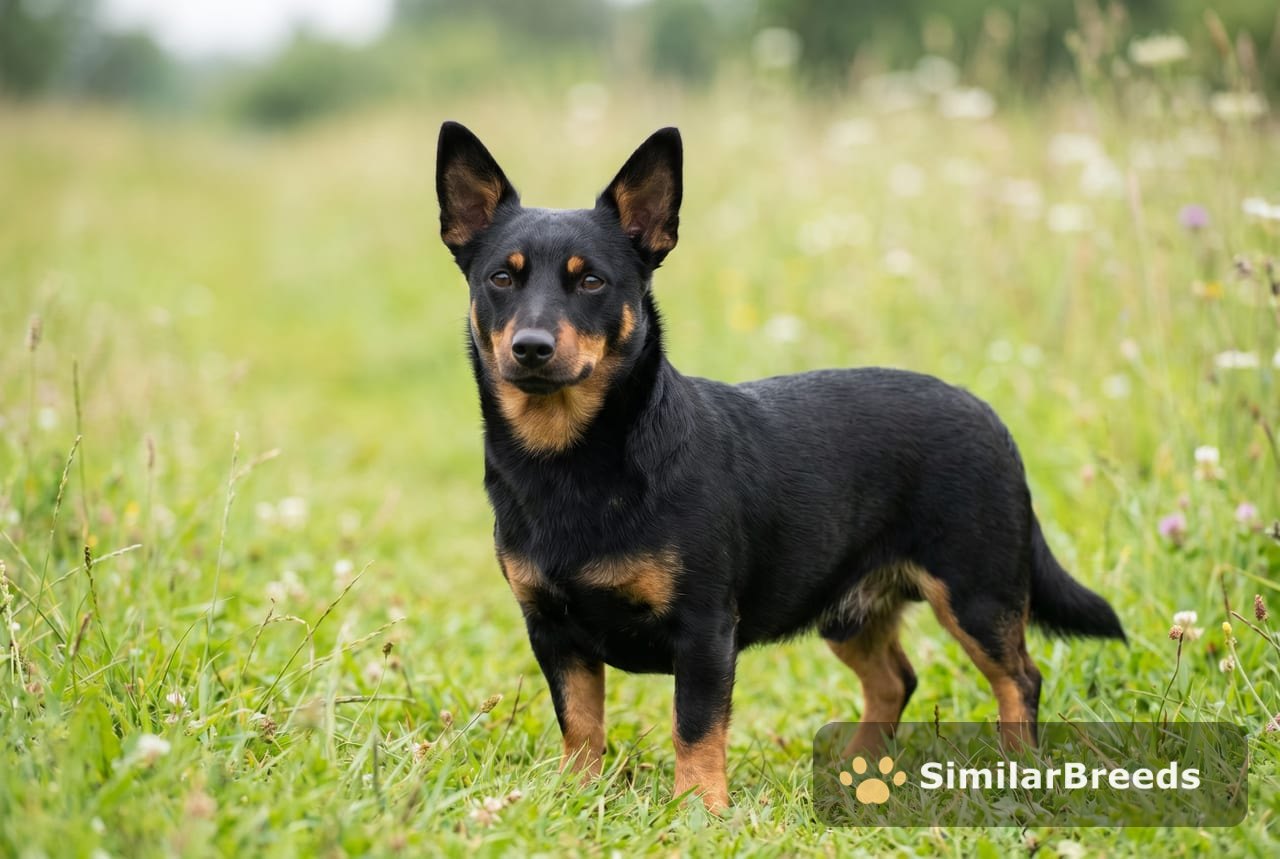
The Lancashire Heeler is a small cattle-driving dog from northwest England, centred on the market town of Ormskirk. Its origin is unusually tidy for a working breed: when Welsh drovers walked cattle to Ormskirk market, their Corgis mated with local Manchester Terriers. The result was a compact black-and-tan dog, slightly taller and leaner than a Corgi, more stolid than a Manchester Terrier, purpose-built for heeling cattle by nipping their hocks.
Victorian-era gypsies used the same dogs to move goats with travelling caravans, and farmers valued a second trait: the terrier blood made it a capable ratter. That dual role kept the breed viable after motorised transport killed the droving trade. Whether it survived the interwar period unbroken or was reconstituted in the 1960s from its two founding breeds remains contested; the Lancashire Heeler Club maintains records going back over seventy years. The Kennel Club awarded Championship Certificate status in 1999, and the AKC formally recognised the breed in 2024.
Temperament & Behaviour
Lancashire Heelers are alert, spirited, and genuinely affectionate with their owners, though they reserve that warmth. Strangers are assessed before being accepted, and the breed barks readily. The breed standard describes them as courageous and happy. A well-known quirk is the "Heeler smile," a lip-parting grin when the dog is pleased. The herding instinct remains present. Early socialisation is worthwhile, but the watchful, independent streak is characteristic of the breed.
Activity & Training
For a dog standing 10 to 12 inches at the shoulder and weighing 13 to 18 pounds, the Lancashire Heeler carries a disproportionate amount of energy. Daily exercise is not optional. Fetch, agility, and off-lead running in a secure area suit it well. Training goes smoothly with short, positive sessions. The dog is quick to learn but independent enough that drilling produces diminishing returns. Consistency matters more than repetition.
Grooming
The coat is short, dense, and weather-resistant. Maintenance is minimal: a weekly brush to remove loose hair and an occasional bath. No trimming required. Ears, nails, and teeth follow standard small-dog maintenance.
Health
The Lancashire Heeler is hardy. A 2024 UK study recorded a life expectancy of 15.4 years, among the highest measured for any breed. The main hereditary concerns are ocular: collie eye anomaly (CEA), primary lens luxation (PLL), and persistent pupillary membranes (PPM). Primary lens luxation is the most acute risk, as the shifting lens causes pain and can progress to blindness if untreated. Responsible breeders test breeding stock for all three; ask for documented eye-test results from both parents.
Why these breeds are similar
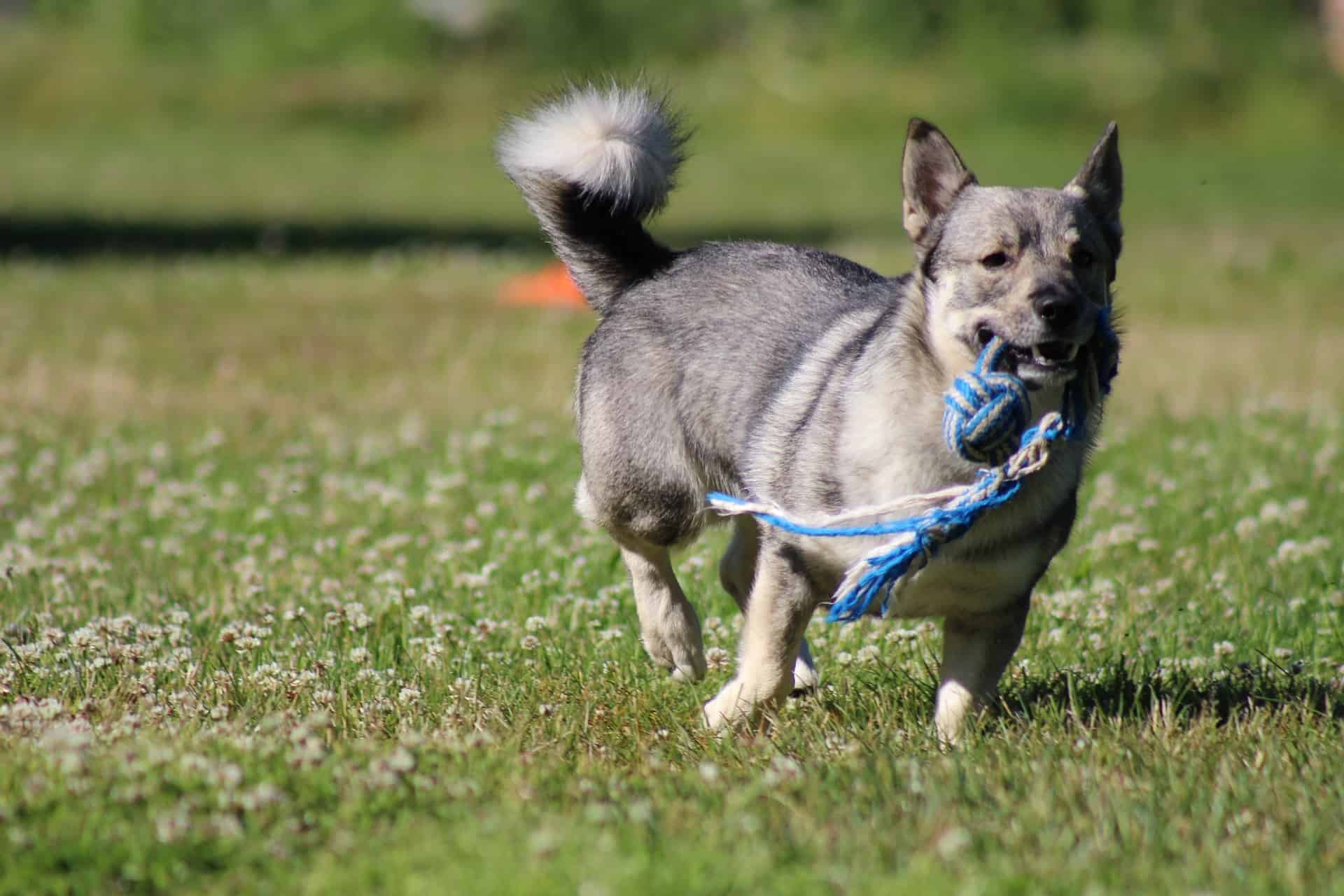
**Swedish Vallhund** shares the Lancashire Heeler's compact, low-slung frame and heeling heritage. Both were bred to drive cattle by nipping hocks, both are alert and energetic far beyond their size, and both carry a bold independence that belies the small package.
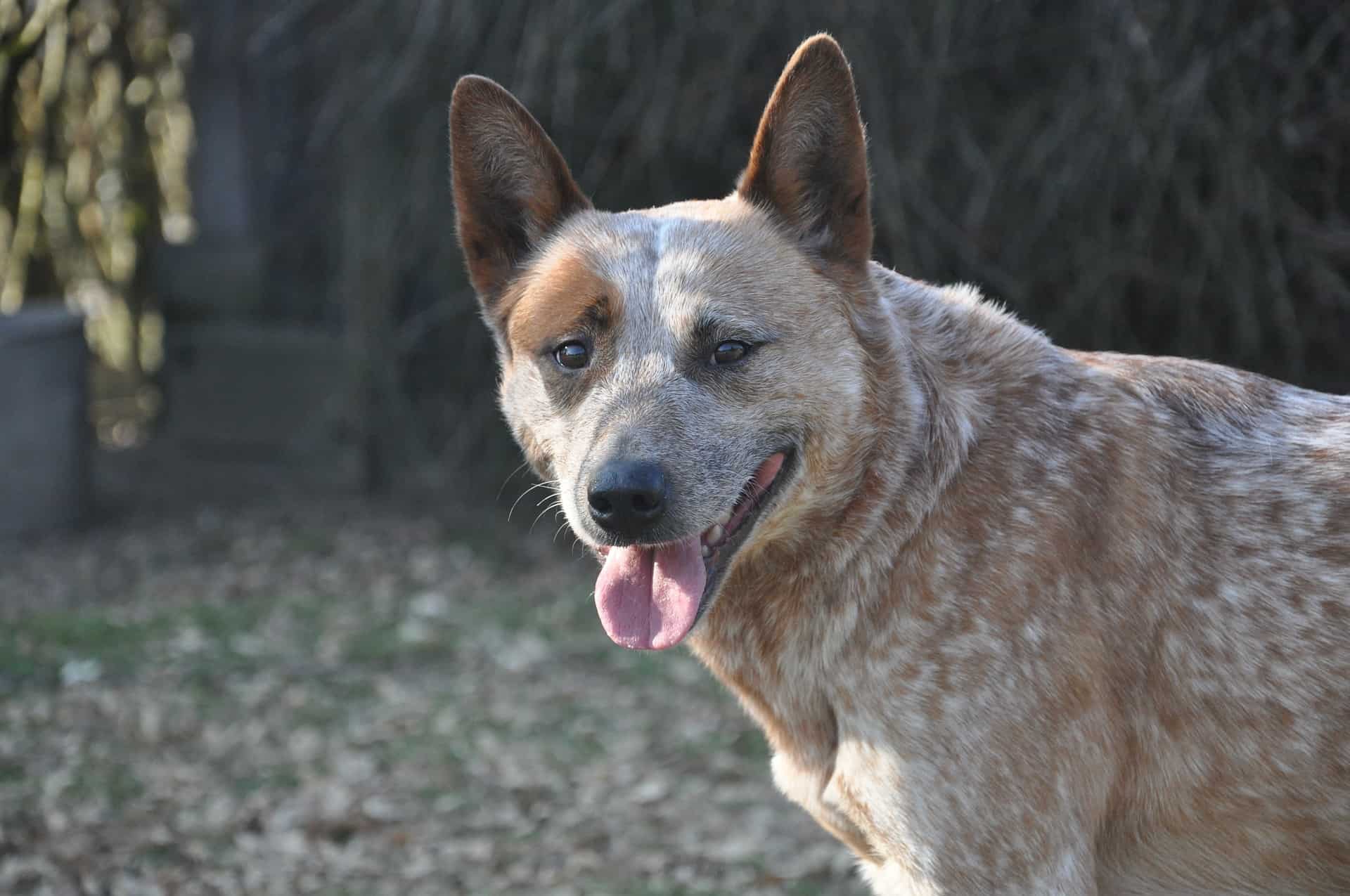
**Australian Cattle Dog** is the functional parallel from the southern hemisphere: a heeler built for stamina and strong working drive, requiring structured daily exercise. The ACD is considerably larger, but the job description, instinct set, and owner commitment required are closely matched.
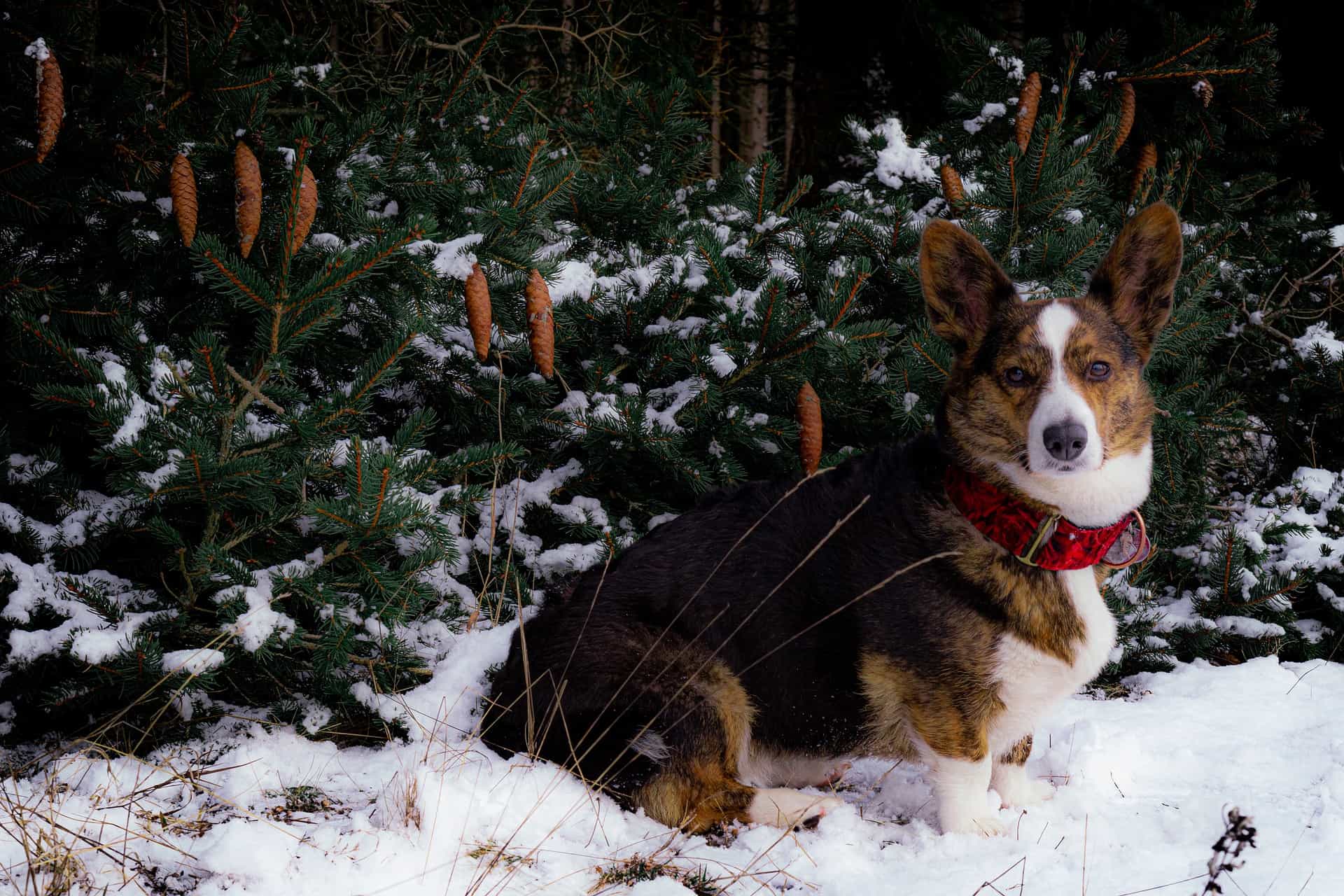
**Cardigan Welsh Corgi** is a likely ancestor and shares the black-and-tan colouring, low-slung build, and cattle-driving instinct directly. The Cardigan is longer-bodied and heavier, but the physical type and herding purpose are the clear common thread.
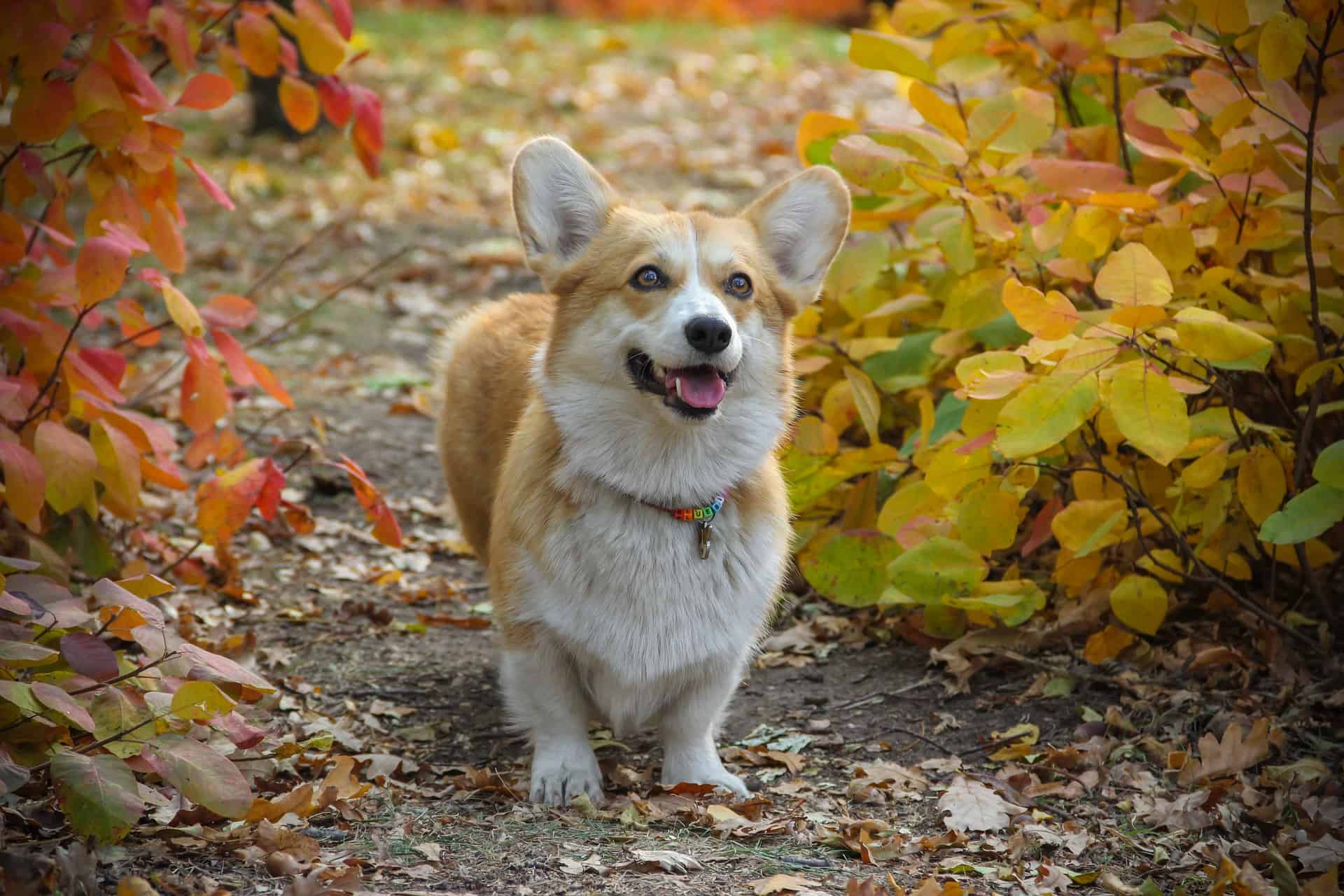
**Pembroke Welsh Corgi** sits in the same ancestral pool. Smaller and lighter than the Cardigan, the Pembroke matches the Lancashire Heeler closely in size and energy level. Both are quick, vocal, and alert, with the same working-dog core underlying the companion-dog surface.