Pembroke Welsh Corgi
From Great Britain
Purpose & Origin
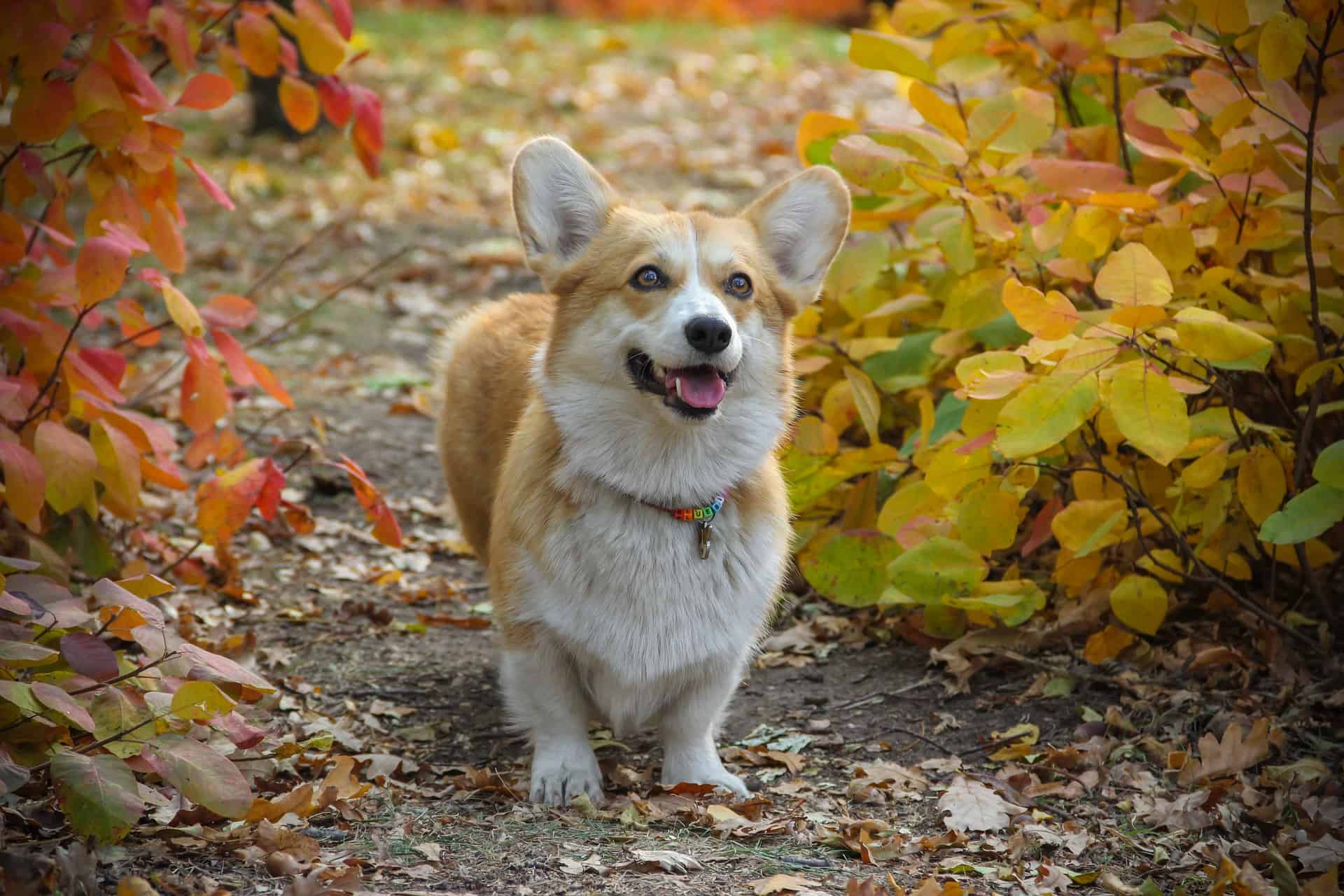
The Pembroke Welsh Corgi is a cattle dog from South Wales, bred to drive livestock by nipping at heels and ducking the return kick. Welsh farmers used them on cattle primarily, but almost certainly on sheep and ponies as well. A Welsh cattle dog appears in an eleventh-century text, placing the type's roots in the 1100s, though the Pembroke's specific development happened in Pembrokeshire. For centuries the breed worked the fields rather than the show ring, and it only entered formal competition in 1926.
At that point the Pembroke and the Cardigan Welsh Corgi were shown together, which frustrated judges because the two differ noticeably: the Pembroke is smaller, sharper-featured, fox-faced, and almost always tailless. They were officially separated into distinct breeds in 1934. Royal patronage from King George VI and later Queen Elizabeth II lifted the Pembroke to extraordinary popularity by the 1960s, making it one of the best-known breeds in Britain and beyond.
Temperament & Behaviour
The Pembroke is an alert, engaged dog that was bred to make split-second decisions in a field, and that mental sharpness is still present in the house. It is affectionate and devoted to its family, genuinely fun-loving, and good with children, though it may nip at heels during play, a direct echo of its herding instinct. Toward strangers it tends to be reserved rather than openly welcoming, and many Pembrokes are vocal, alert barkers. Its watchdog instinct is strong. It bonds closely with people and is willing to please, which makes daily life with one generally smooth.
Activity & Training
A moderate exercise level suits the Pembroke: a good walk on leash or an off-leash play and training session covers the daily requirement. A herding outlet is ideal if available, but most Pembrokes manage perfectly well without one. The breed scores well on trainability. It picks up commands readily and responds well to consistent, positive handling. Mental engagement matters as much as physical: a Pembroke left without stimulation will find its own entertainment, which is rarely what the owner had in mind.
Grooming
The Pembroke's coat is low-maintenance. Weekly brushing to pull out dead hair is all the routine upkeep required. The breed does shed, so the brushing is worth doing consistently to keep it manageable, but there is no trimming, stripping, or professional grooming to arrange.
Health
The Pembroke lives 11 to 13 years. The main health concerns are intervertebral disc disease, a consequence of the long back on short legs, and canine hip dysplasia. Epilepsy and degenerative myelopathy appear less frequently. Hip and eye tests are the standard recommended screenings. The long-backed build is worth keeping in mind when managing stairs, jumping, and weight.
Why these breeds are similar
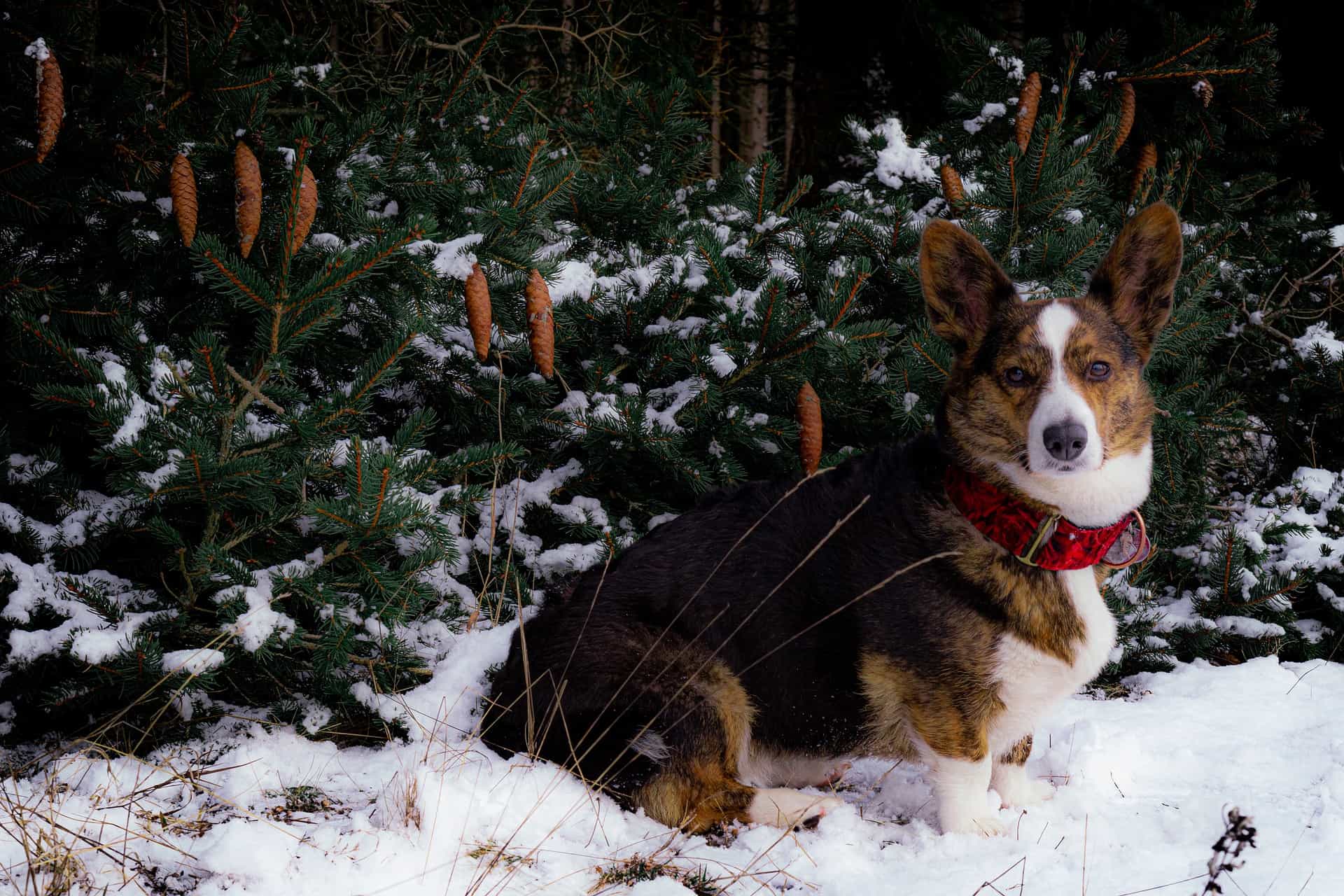
The **Cardigan Welsh Corgi** is the Pembroke's closest relative, sharing the same Welsh cattle-driving ancestry and the same low-slung, long-bodied build. The two were shown as one breed until 1934. The Cardigan is heavier, longer, and keeps its tail, but the job, the instincts, and the general character are closely matched.
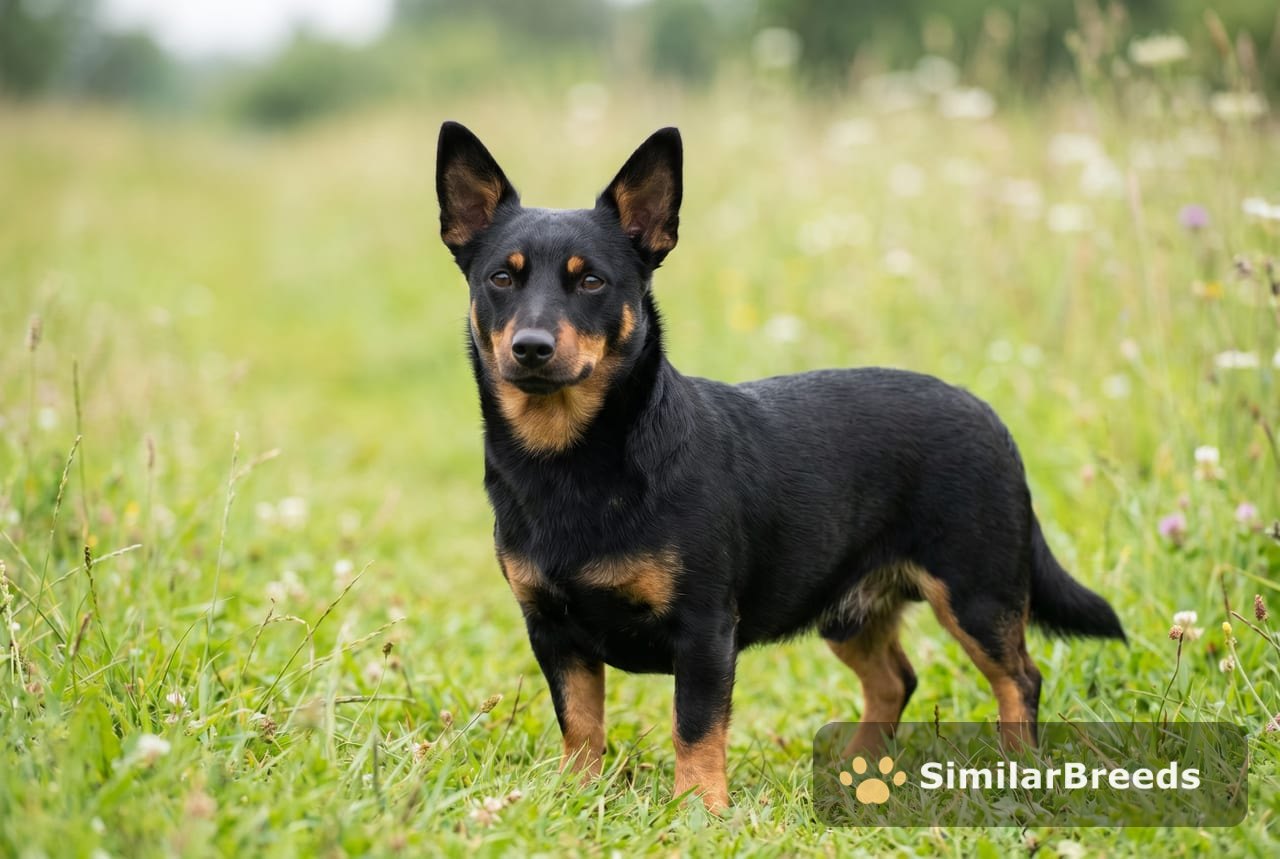
The **Lancashire Heeler** is another small British heeler, bred in northern England to work cattle in the same way, nipping at heels from a low profile. It is compact, spirited, and alert in a manner that mirrors the Pembroke closely.
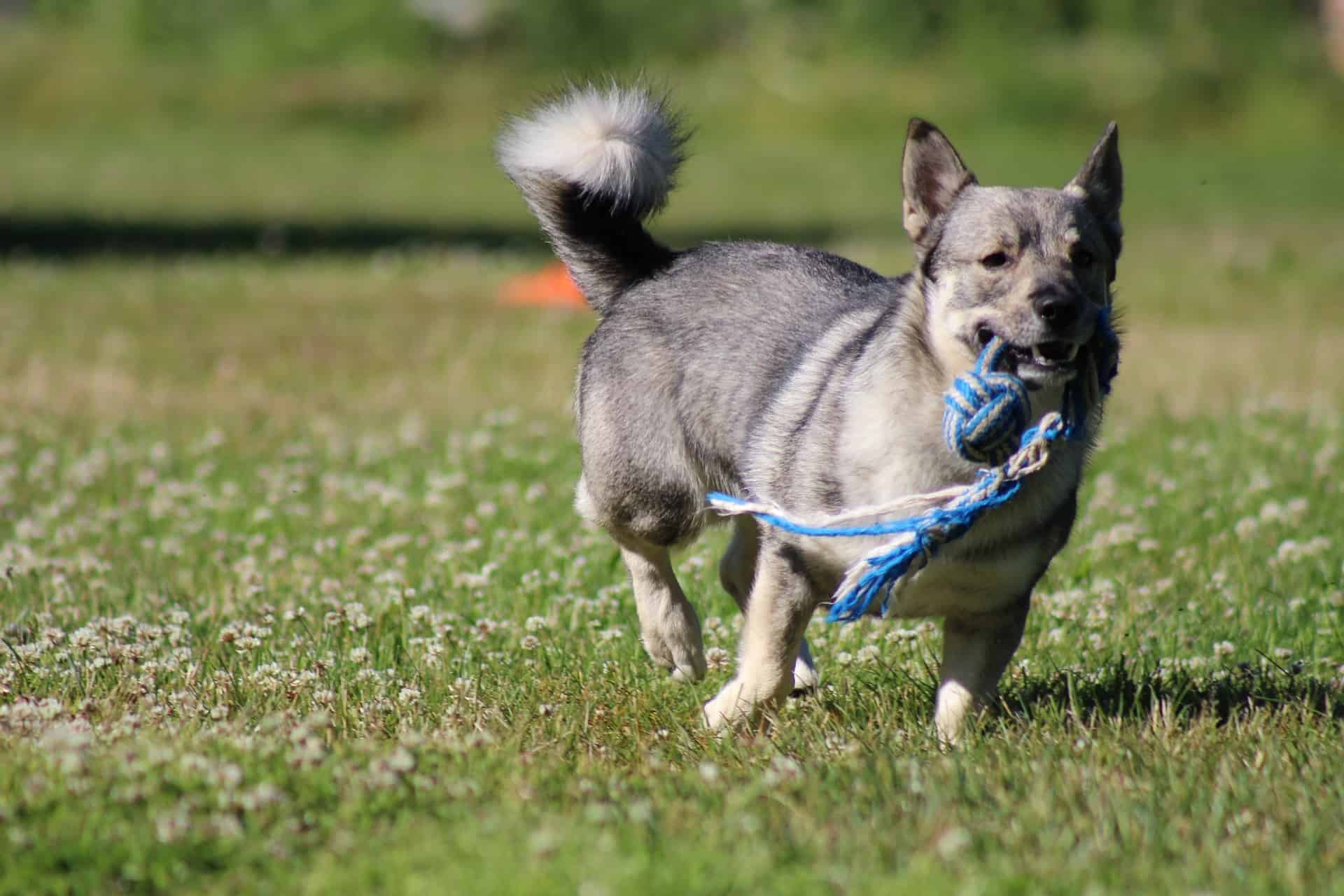
The **Swedish Vallhund** rounds out the group: a Scandinavian herding spitz of similar height and build, historically used on cattle and other livestock. Whether the Vallhund and Corgi share ancient lineage or arrived at the same form independently is debated, but the physical and functional resemblance is striking, and their temperaments, active, alert, and people-oriented, align well.
Trait ratings
- Energy level
- 3/5
- Exercise requirements
- 3/5
- Playfulness
- 3/5
- Affection level
- 4/5
- Friendliness toward dogs
- 3/5
- Friendliness toward other pets
- 4/5
- Friendliness toward strangers
- 4/5
- Ease of training
- 4/5
- Watchdog ability
- 5/5
- Protection ability
- 4/5
- Grooming requirements
- 1/5
- Cold tolerance
- 3/5
- Heat tolerance
- 3/5