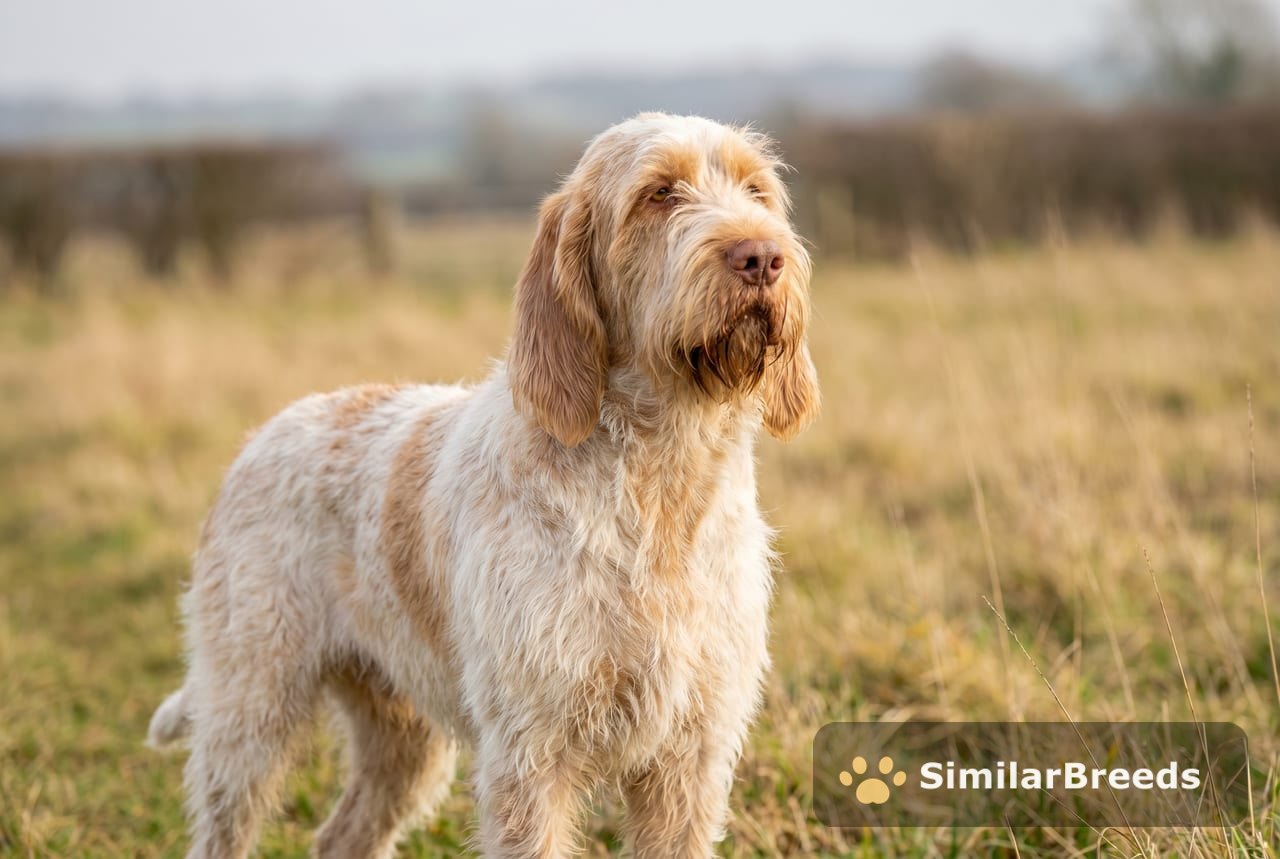
Purpose & Origin
The Spinone Italiano is one of the oldest pointing breeds in existence, with wirehaired pointing dogs appearing in Italian art as far back as the fifteenth and sixteenth centuries and evidence of similar dogs stretching to 500 BC. Its precise origins are disputed: some trace it to Celtic wirehaired stock, others to dogs brought by Greek traders during the Roman era.
What is clear is that the modern Spinone developed primarily in Piedmont, in northern Italy, where it earned a reputation as a capable, all-round gun dog. The name itself comes from pino, an Italian thorn bush, a nod to the breed's thick, wiry skin and coat that let it push through dense cover that would stop softer dogs.
The Spinone can point, flush, and retrieve, working at a ground-covering diagonal trot that keeps it within practical range of the hunter. After near-extinction following World War II, when its numbers were decimated and crossbreeding further diluted the type, Italian breeders mounted a serious reconstruction effort in the 1950s. The breed gained AKC recognition in 2000.
Temperament & Behaviour
The Spinone is notably calmer and more easy-going than most pointing breeds, a trait that owners consistently mention as the defining characteristic. It is affectionate and strongly bonded to its family, good with children, tolerant of other dogs and household pets, and open enough with strangers to score high on friendliness across the board. Courageous in the field but gentle at home, it sits closer in personality to a retriever than to a high-strung continental pointer. That said, it is not a pushover, and its mild independence means it trains on its own schedule.
Activity & Training
Daily exercise is non-negotiable for a sporting dog, but the Spinone's moderate energy level means a long walk or a solid off-leash run satisfies it without the frenetic edge some gun-dog owners manage. It is not a breed that needs hours of work to stay sane; consistent daily activity is enough. Training requires patience rather than force. The Spinone is willing to please but has an independent streak, so short, positive sessions work far better than drilling. Ease of training scores at the middle of the scale, which for most owners means it is trainable but not a pushover. First-time owners who expect fast, automatic compliance will find it frustrating.
Grooming
The harsh, dense, wiry coat is lower maintenance than it looks. Weekly brushing handles most of the coat, with occasional hand-stripping around the face and feet to keep it tidy. It does not require elaborate salon work, and the grooming demand sits well below average for a sporting breed of this size.
Health
Hip dysplasia is the major concern. Minor issues include ectropion, gastric torsion, ear infections, and cerebellar ataxia; elbow dysplasia and allergies appear occasionally. Hip and elbow evaluations are recommended before breeding. Life expectancy is 12 to 14 years.
Why these breeds are similar
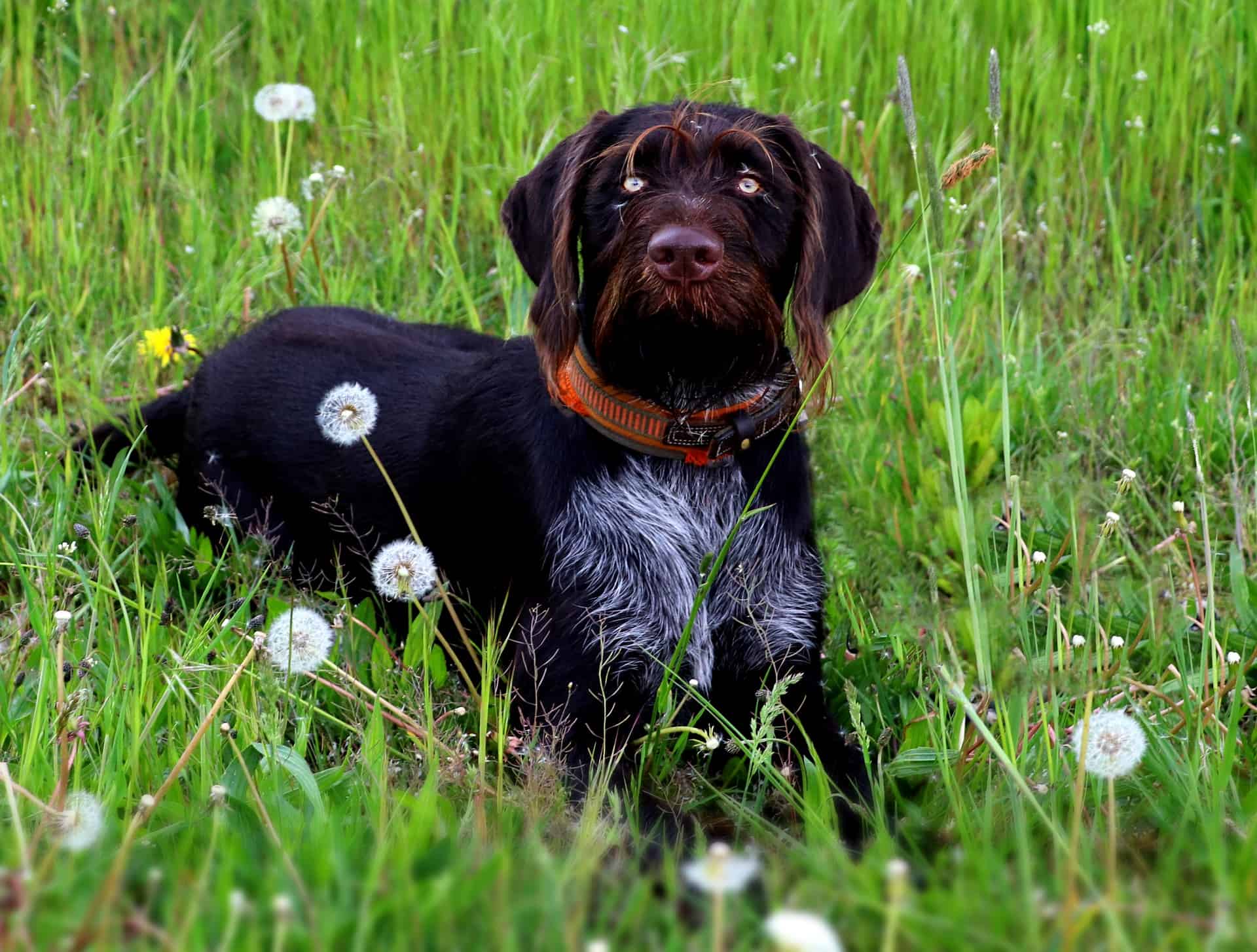
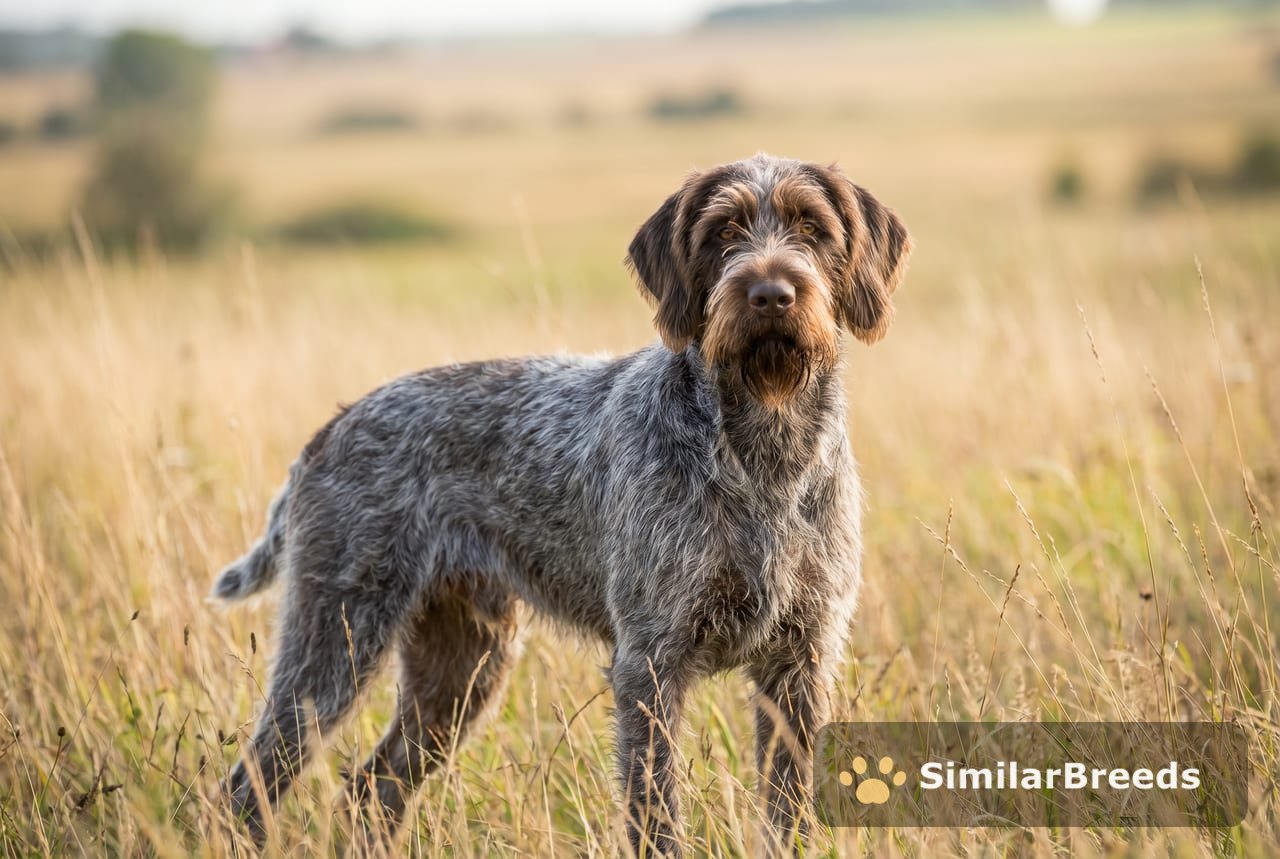
The German Wirehaired Pointer shares the Spinone's core job description: a versatile continental gun dog that points, retrieves, and handles rough cover, also wearing a protective wiry coat built for dense terrain. The Wirehaired Pointing Griffon is perhaps the closest functional parallel, another wire-coated continental hunter developed for the same all-round pointing and retrieving role, with a similarly tractable temperament.
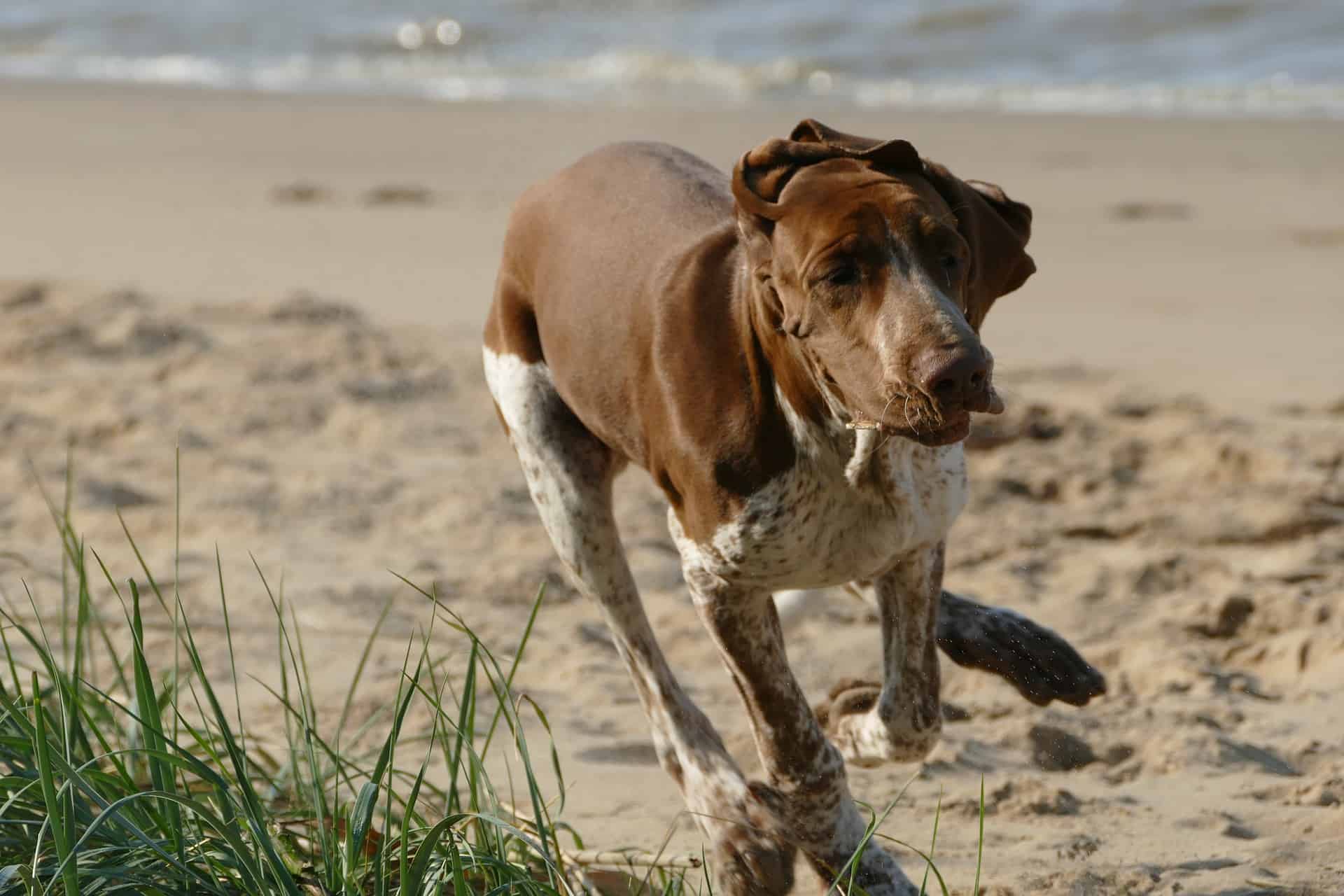
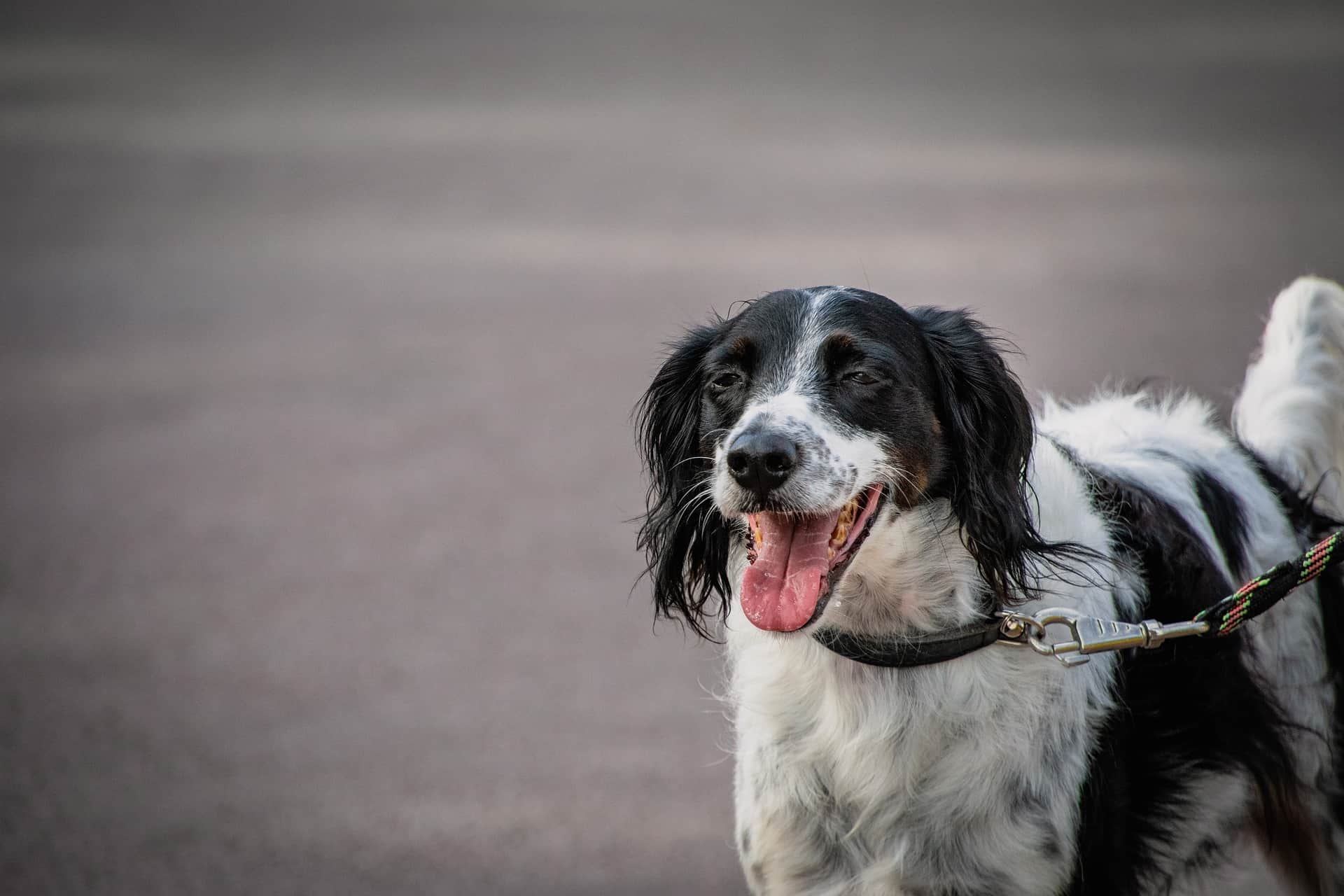
The Bracco Italiano is the Spinone's Italian cousin, an ancient pointing breed from the same Piedmont region with a shared heritage and similar build, though the Bracco runs with more drive and elegance. The Large Munsterlander rounds out the group as another European versatile hunting dog with a strong nose, cooperative temperament, and the same expectation of daily fieldwork, though it carries a longer, silkier coat rather than wire.
Trait ratings
- Energy level
- 3/5
- Exercise requirements
- 3/5
- Playfulness
- 3/5
- Affection level
- 4/5
- Friendliness toward dogs
- 3/5
- Friendliness toward other pets
- 4/5
- Friendliness toward strangers
- 4/5
- Ease of training
- 3/5
- Watchdog ability
- 4/5
- Protection ability
- 1/5
- Grooming requirements
- 2/5
- Cold tolerance
- 3/5
- Heat tolerance
- 3/5