Purpose & Origin
The German Wirehaired Pointer emerged in Germany during the 1800s as the hunting world's answer to a specific demand: one dog that could do everything. When shooting became affordable for ordinary hunters rather than just the landed gentry, the appetite for a versatile all-terrain companion surged. German breeders wanted a dog that would point upland birds, track and retrieve waterfowl from cold water, pursue wounded game, confront vermin, and come home to serve as a watchdog.
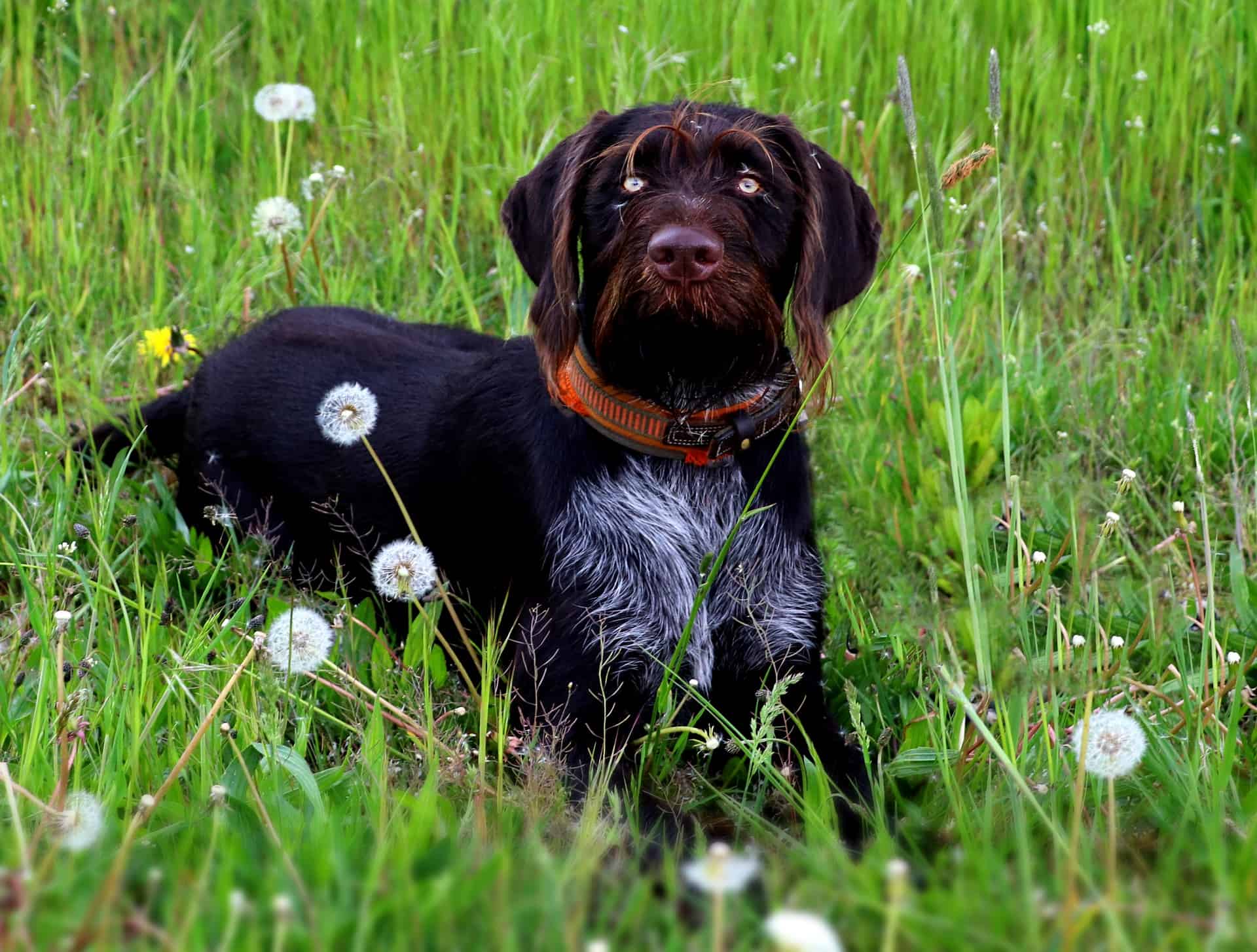
Working closely with the hunter in heavy cover required a coat tough enough to push through dense brambles, so the rough, wiry outer jacket became a defining feature. The primary foundation was the Pudelpointer, itself a cross of the old German Pudel and the Pointer, blended further with the early German Shorthaired Pointer, the Griffon, the Stichelhaar, and the Polish Water Dog.
Known in Germany as the Drahthaar, it became that country's most popular hunting breed, though official recognition there did not arrive until the 1920s. The first dogs reached America around the same period, and the AKC recognized the breed in 1959, though it has never matched the following it commands at home.
Temperament & Behaviour
This is a rugged, capable dog with genuine guarding instincts, and it does not hand out its trust easily. Strangers and unfamiliar dogs tend to be met with reserve, sometimes active wariness, which is a direct expression of the watchdog role it was bred to fill. With its own family the GWP is a willing and affectionate companion, energetic and playful, though it can be boisterous around small children.
The GWP is responsive to direction but carries a stubborn streak: the dog that spent centuries making independent decisions in the field does not simply switch that off at the door. Owners who mistake that streak for disobedience often have a frustrated dog on their hands.
Activity & Training
Max energy, max exercise requirement. An hour of real exertion per day is the floor, not the ceiling, and simply walking the neighbourhood is unlikely to satisfy a dog built to hunt for hours across rough terrain. Running, swimming, field work, or dog sports burn the energy that would otherwise go into destructive behaviour. Training needs consistency and patience; the GWP learns well but will test the owner's resolve. This is not a breed for first-time dog owners or for households that cannot commit to daily, vigorous exercise.
Grooming
The wiry double coat is lower maintenance than it looks. Weekly brushing keeps it tidy, and the breed sheds relatively little. Occasional hand-stripping may be needed to maintain the coat's proper hard texture and clean outline, but it does not require the intensive clipping routines of many terriers or spaniels. The beard and leg furnishings should be checked after fieldwork for burrs and debris.
Health
The GWP is generally a sound, hardy breed with a life span of 12 to 14 years. Hip dysplasia is the main structural concern worth screening for. Hypothyroidism appears occasionally, as do less common issues including seizures, elbow dysplasia, and cardiac conditions. Hip and elbow evaluations along with thyroid and cardiac screening are the recommended baseline before breeding.
Why these breeds are similar
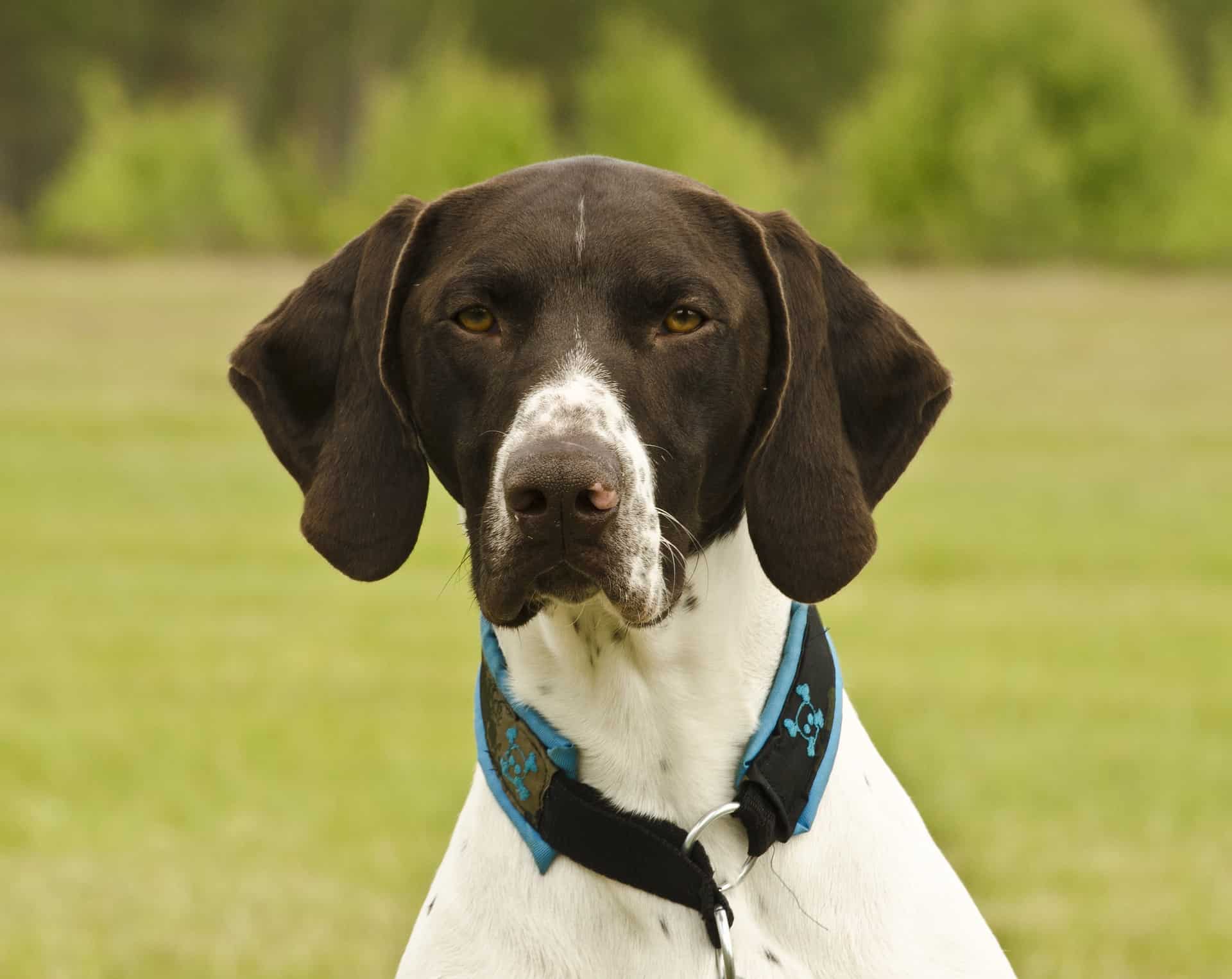
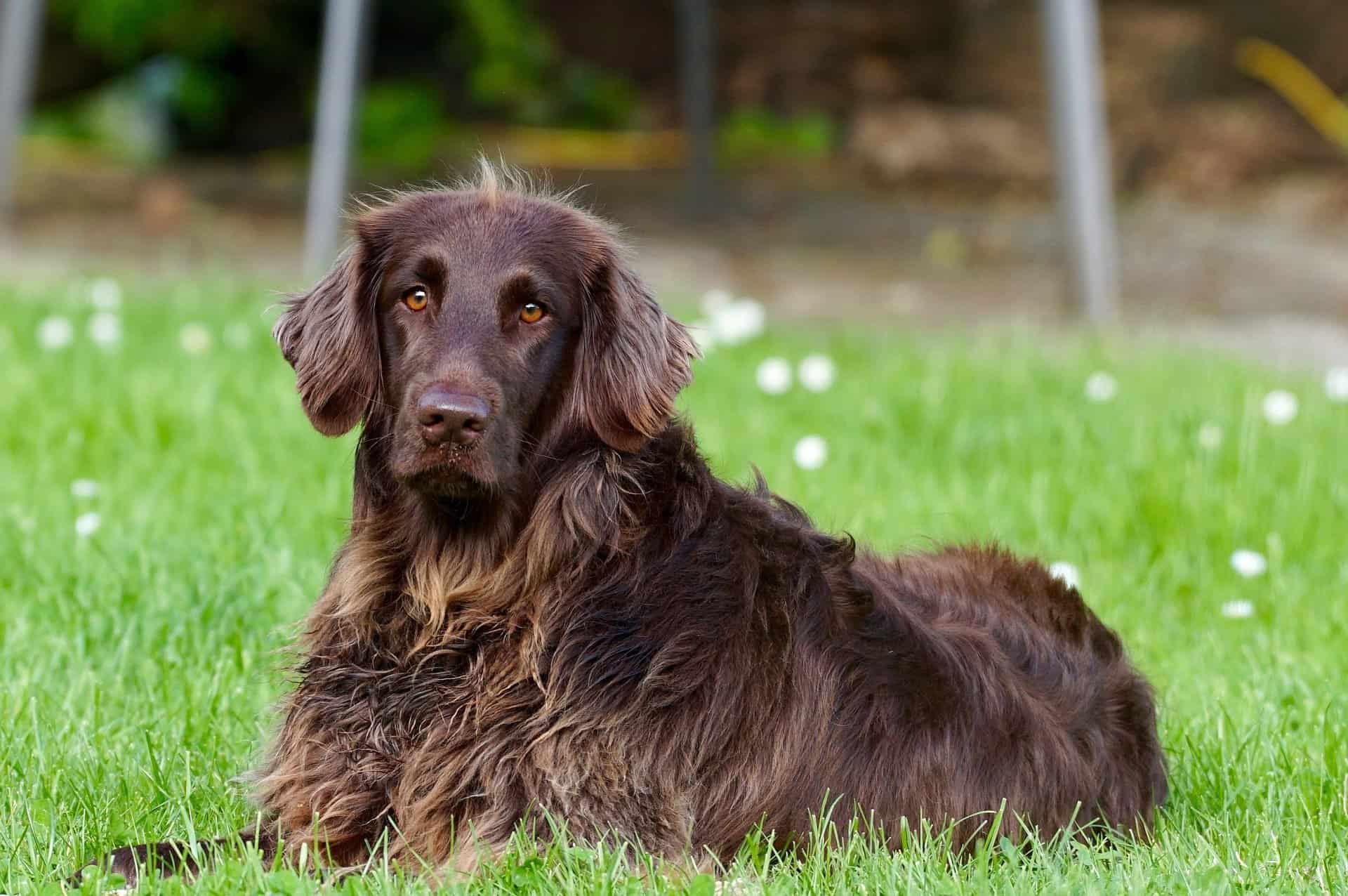
The German Shorthaired Pointer is the GWP's closest relative, sharing the same German versatile-hunting tradition, AKC Sporting Group placement, and high-drive temperament. The coat is the clearest difference: smooth versus wire. The German Longhaired Pointer is a third sibling from the same development programme, all three breeds shaped by the same national demand for an all-purpose gun dog, differing mainly in coat type and working style.
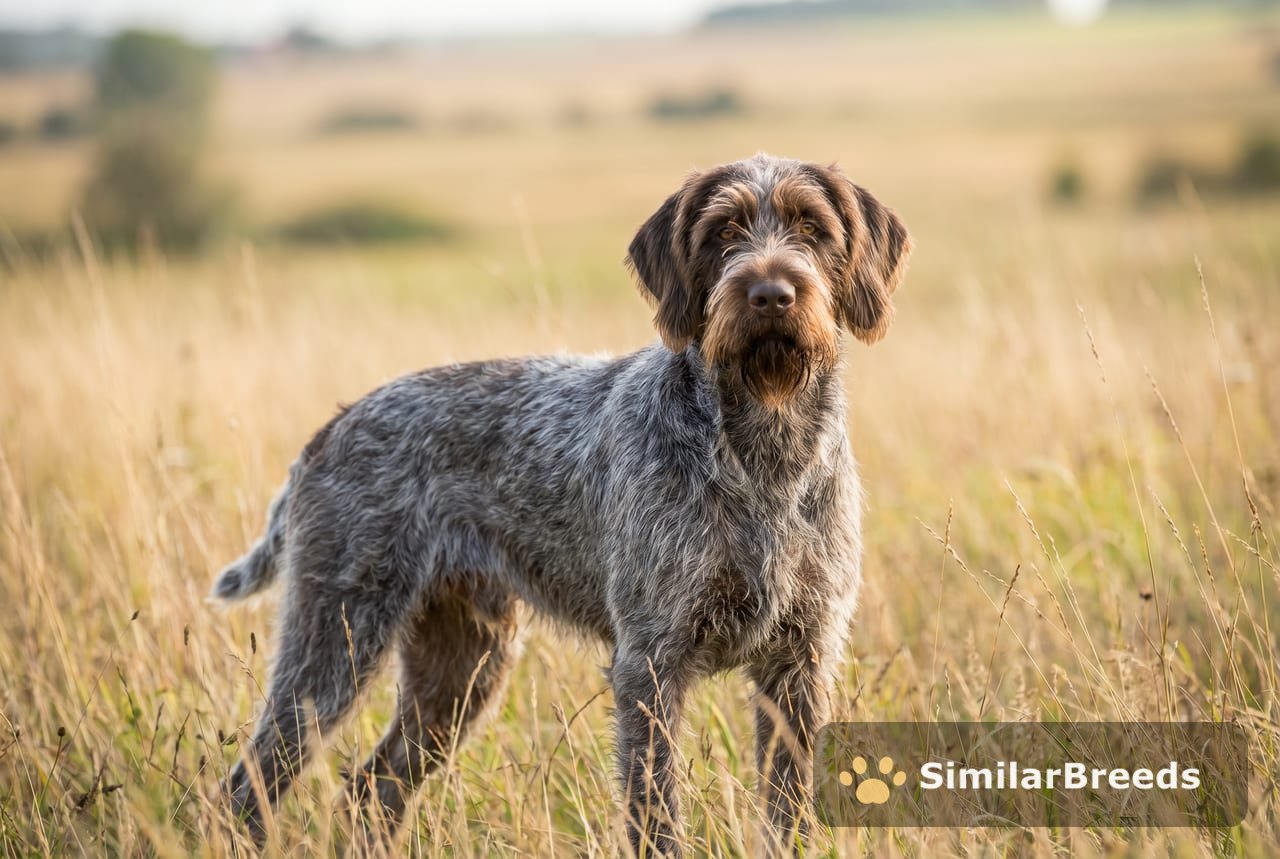
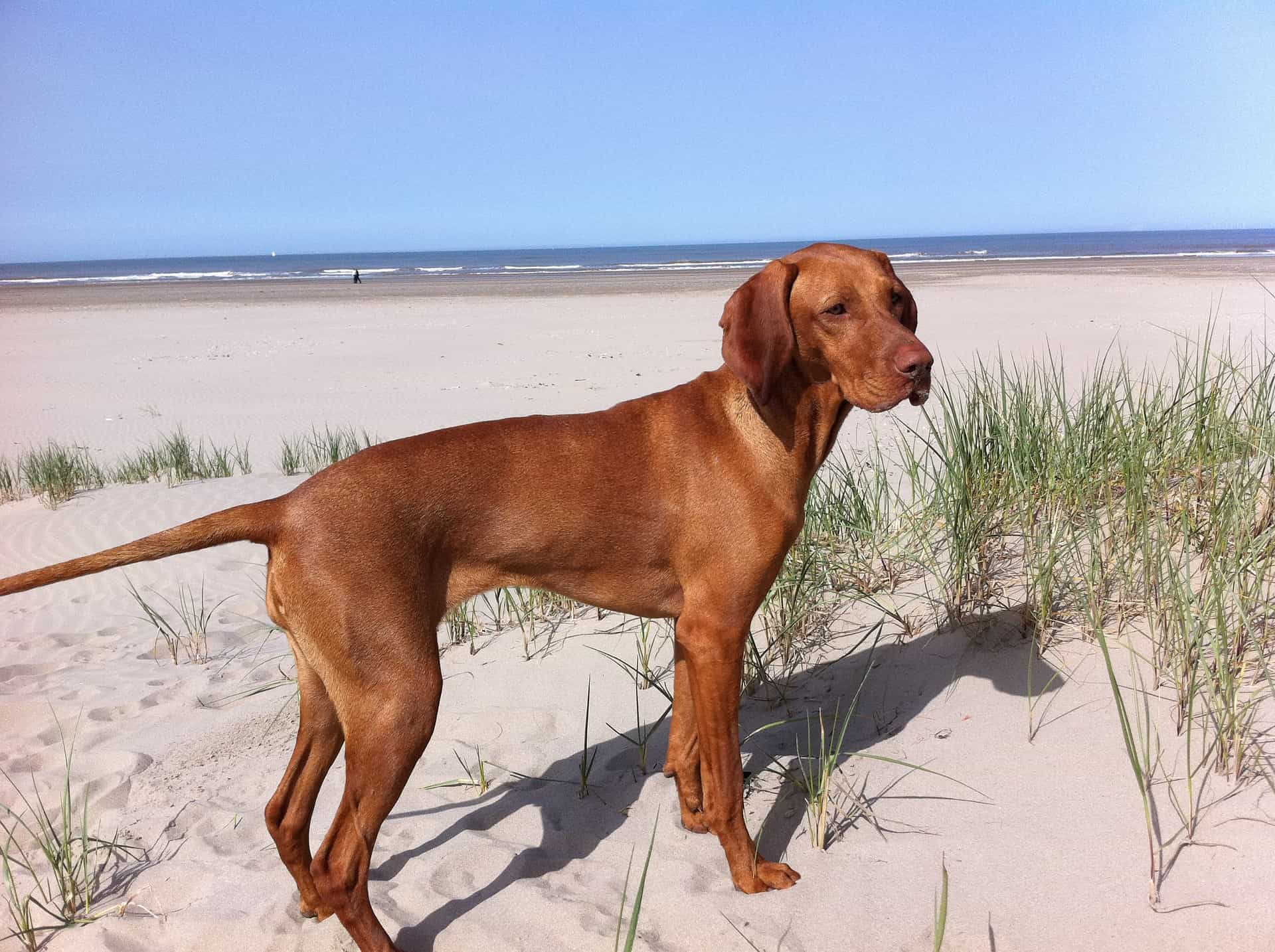
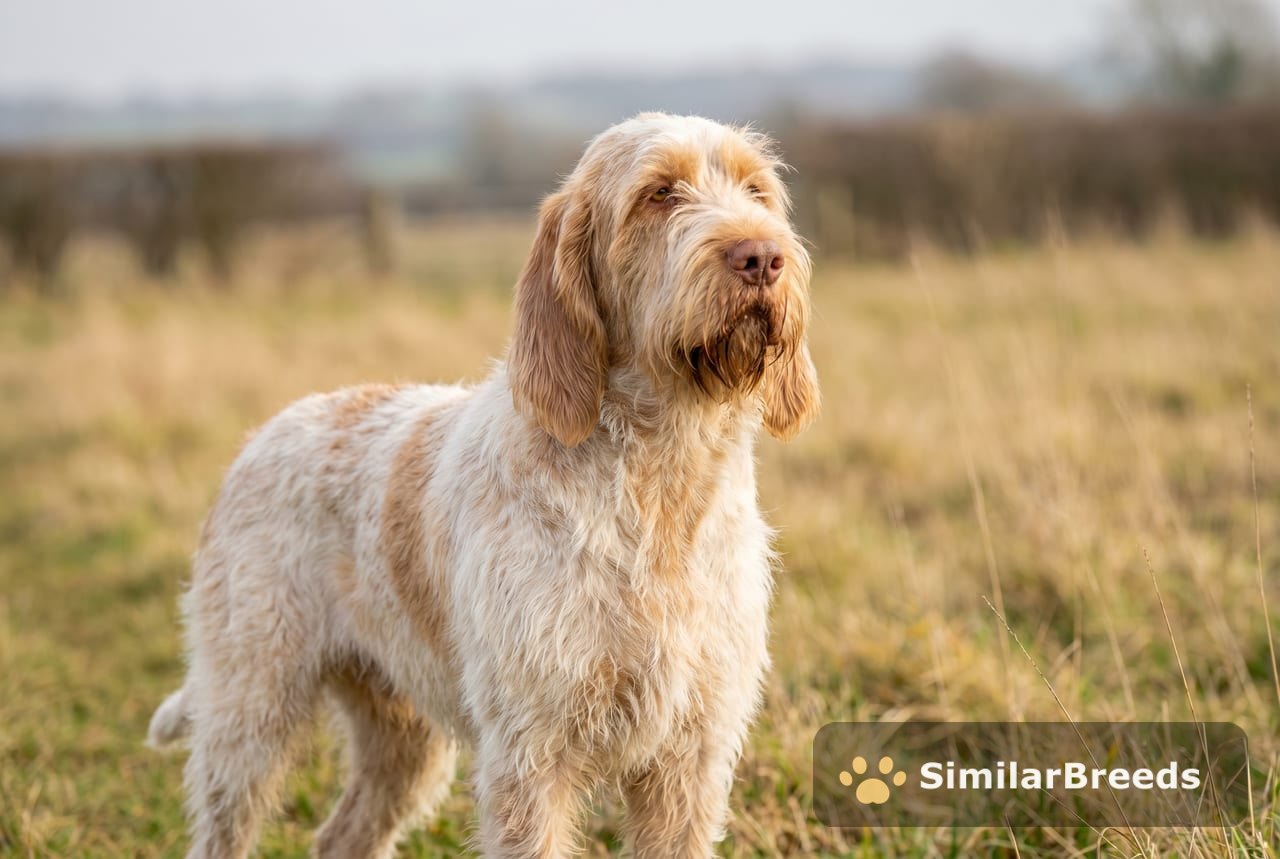
The Wirehaired Pointing Griffon is nearly a parallel creation, a wire-coated continental versatile hunter developed through overlapping bloodlines at roughly the same time, with a similarly tough coat and the same point-track-retrieve skill set. The Vizsla is a Hungarian counterpart, another high-energy, affectionate pointer that doubles as a close-working hunting partner, lighter in build and coat but sharing the athletic, owner-bonded personality. The Spinone Italiano is the softest match, an Italian wire-coated versatile hunter built for a slower, more methodical pace, but it shares the rough coat, field versatility, and continental gundog heritage that place it alongside the GWP as one of Europe's all-purpose hunting breeds.
Trait ratings
- Energy level
- 5/5
- Exercise requirements
- 5/5
- Playfulness
- 4/5
- Affection level
- 3/5
- Friendliness toward dogs
- 2/5
- Friendliness toward other pets
- 3/5
- Friendliness toward strangers
- 2/5
- Ease of training
- 3/5
- Watchdog ability
- 5/5
- Protection ability
- 4/5
- Grooming requirements
- 3/5
- Cold tolerance
- 3/5
- Heat tolerance
- 3/5