Sealyham Terrier
From Great Britain
Purpose & Origin
The Sealyham Terrier is a Welsh breed with a single creator: Captain John Edwardes of Sealyham House in Pembrokeshire, who spent four decades from 1850 to 1891 developing a dog capable of going to ground on badger, otter, and fox. The breeds he used are unrecorded, though the Dandie Dinmont, Wire Fox Terrier, and possibly the Pembroke Welsh Corgi have been suggested.
The result was a compact, low-slung terrier just large enough to be capable and just small enough to work underground. It entered the show ring in 1903, earned AKC recognition in 1911, and quickly became fashionable both as a working dog and a status symbol. Today it is genuinely rare, but it retains the working instincts its originator selected for.
Temperament & Behaviour
Among terriers the Sealyham sits toward the calmer end of the scale, though that is a relative measure. It is friendly with its family and moderately outgoing, but it stays reserved around strangers and has a strong independent streak. It will investigate, dig, and give chase given any opportunity, not out of hyperactivity but out of persistent terrier curiosity.
The stubbornness is real: this is a dog that decides for itself whether your request is worth acting on. It makes a capable watchdog and will alert reliably, though it has no guarding instinct worth mentioning. It is not a pushover, and it is not especially suited to households that want an easygoing, compliant dog.
Activity & Training
Exercise needs are modest. A daily walk of moderate length or a focused play session satisfies the Sealyham physically. Off-leash time requires a secure area because the nose will win eventually and the dog will be gone. Apartment life suits it well enough, especially with yard access. Training is the harder part. The ease-of-training score is as low as it gets, which means patience, consistency, and realistic expectations are necessary from the start. Harsh methods achieve nothing. Short, reward-based sessions with clear repetition work better than anything resembling a power struggle.
Grooming
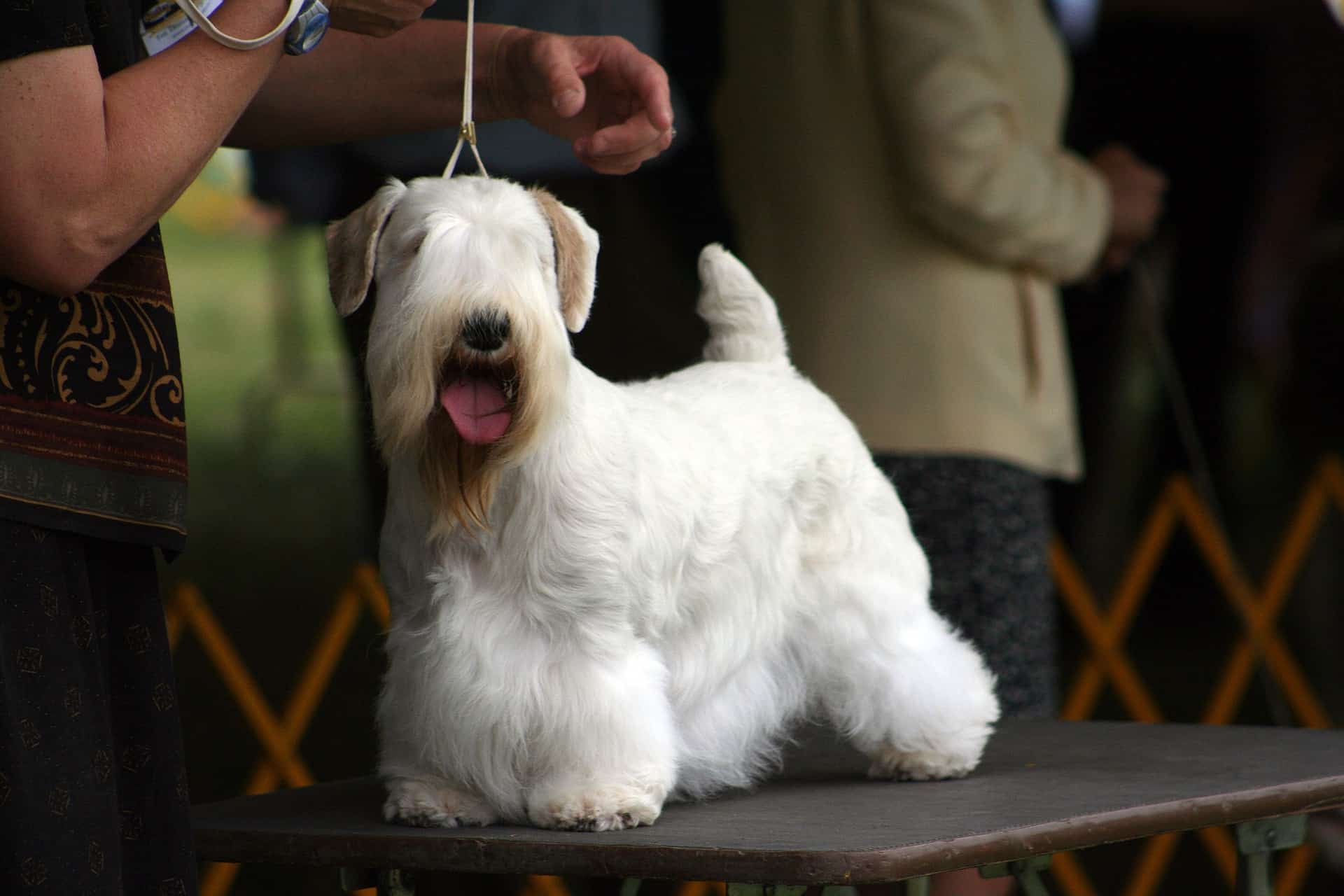
The white wire coat is high maintenance. It needs combing two to three times a week to stay free of tangles, and it requires shaping every three months. Pet dogs are clipped; show dogs are hand-stripped. White coats are unforgiving and pick up dirt visibly, so frequent spot-cleaning is part of ownership. Prospective owners who do not want a grooming commitment should consider a different breed.
Health
The Sealyham is a long-lived terrier with a typical lifespan of eleven to thirteen years. The main concerns on record are eye-related: retinal dysplasia and lens luxation. Deafness occurs occasionally. Eye testing is the primary recommended health screen.
Why these breeds are similar
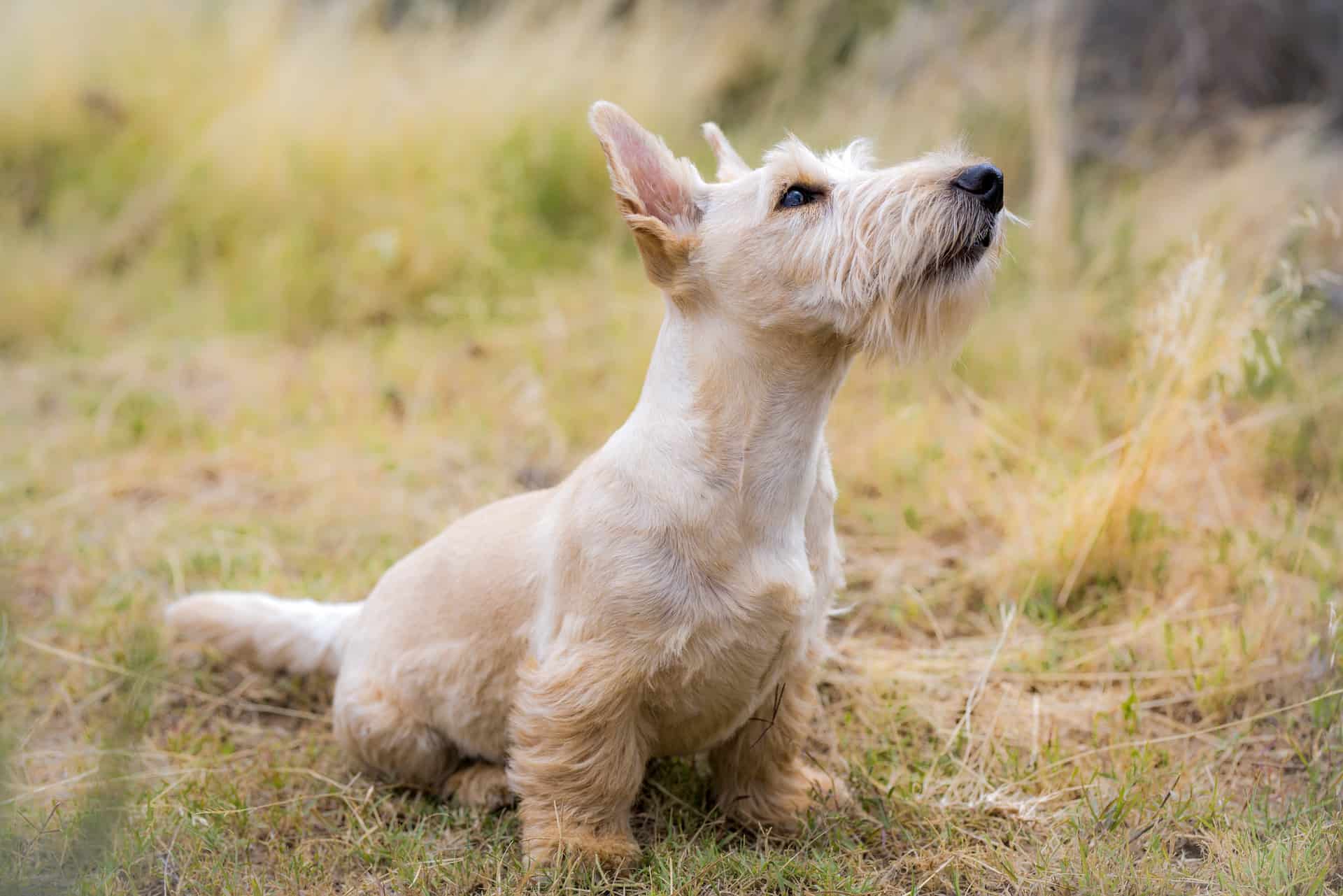
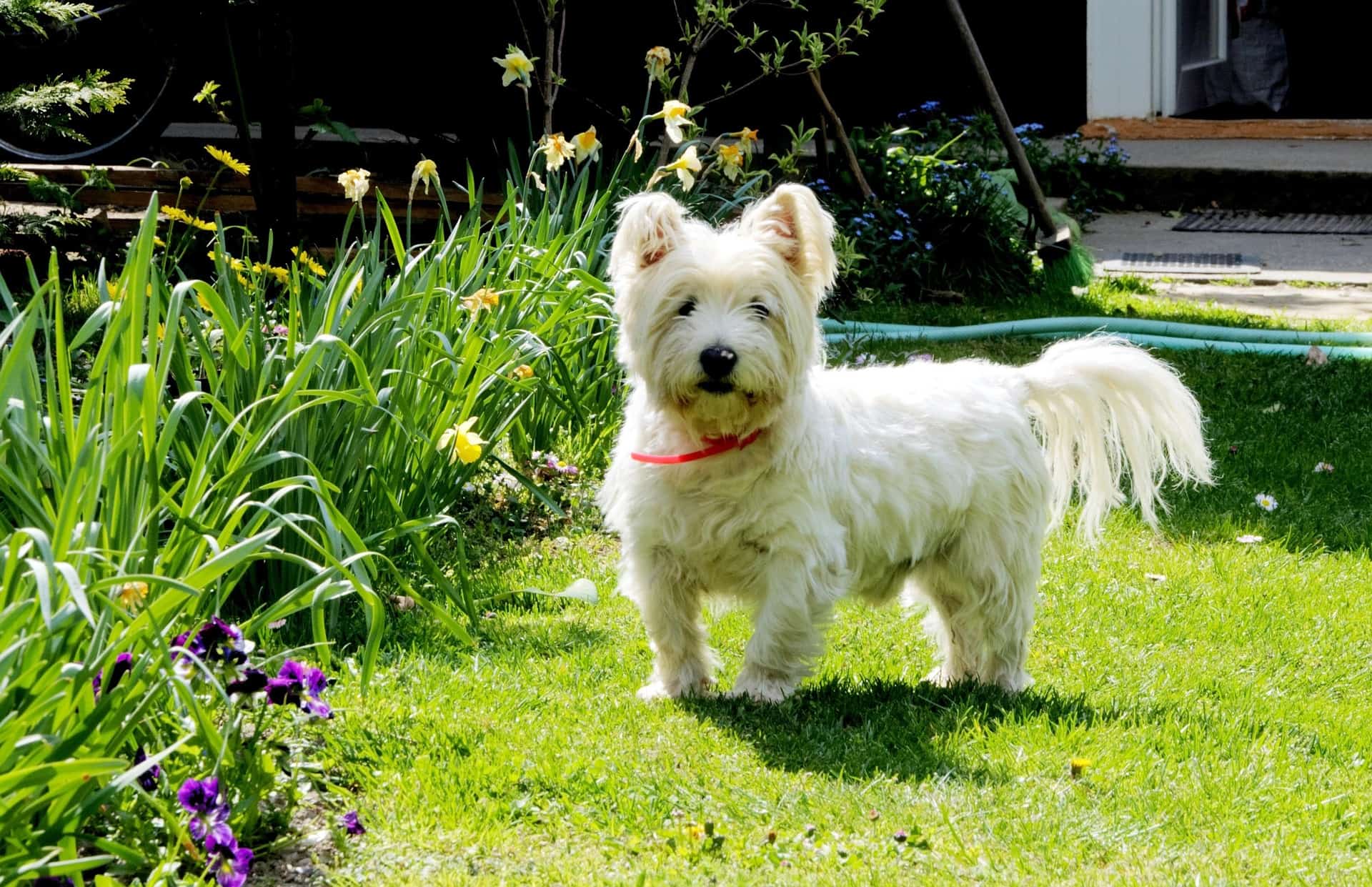
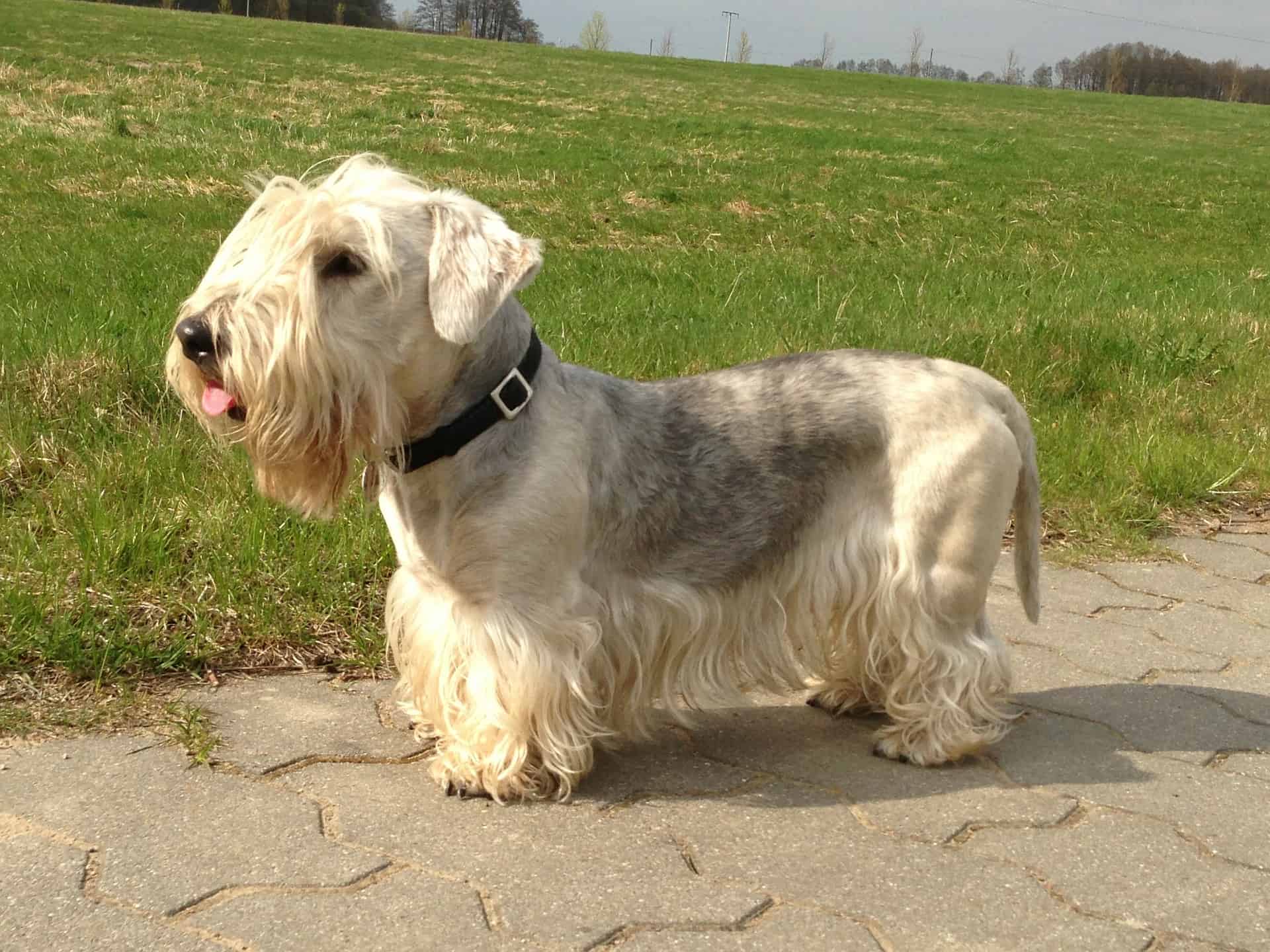
The **Scottish Terrier** shares the Sealyham's profile almost exactly: short-legged, heavy-boned, white-coat optional but stubborn and independent as a point of breed character, originally built for underground vermin and fox work in Britain. The **West Highland White Terrier** is the closest in coat colour and general type, another Scottish earth-dog of similar size and terrier disposition, though a touch more animated than the Sealyham. The **Cesky Terrier** is a direct working cousin bred from the Sealyham itself, longer and lower to the ground, selected for the same underground quarry in Central European terrain.
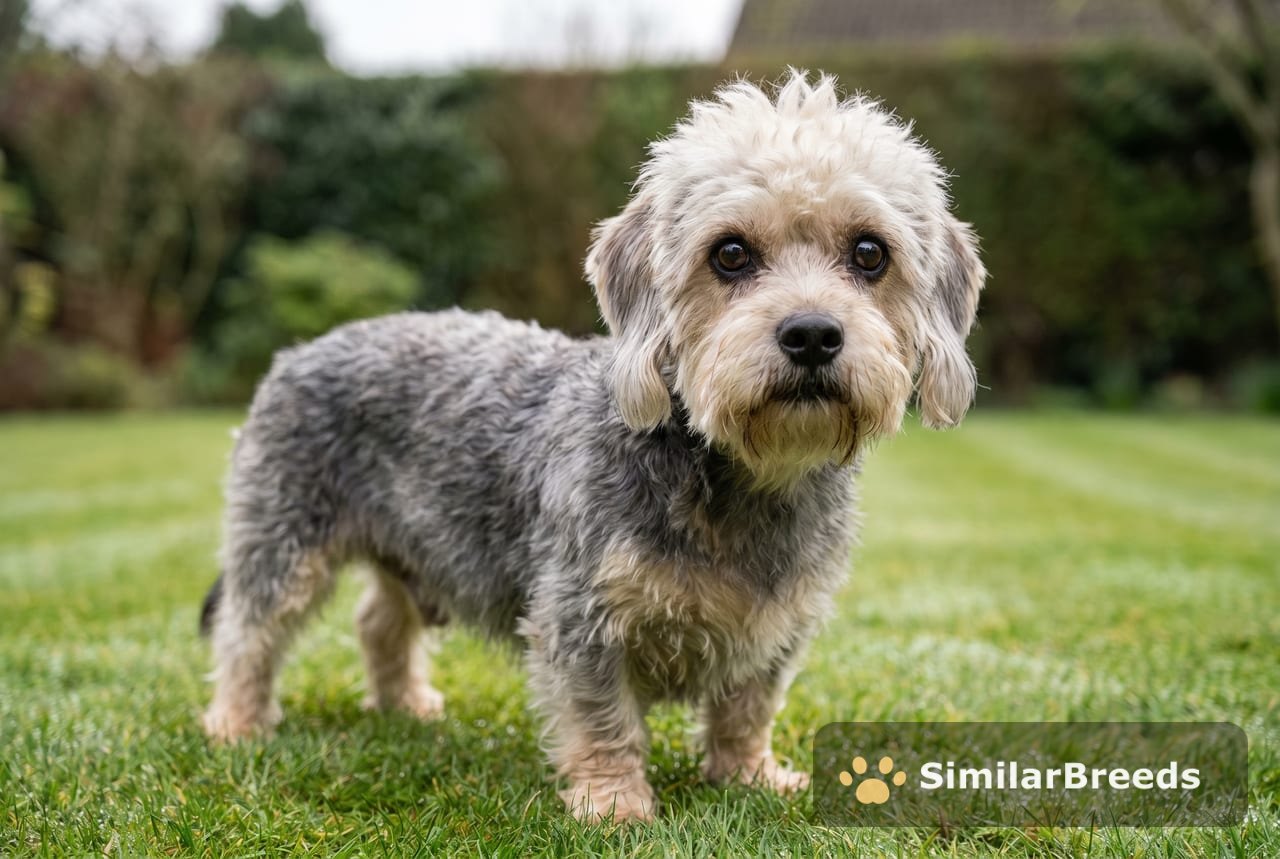
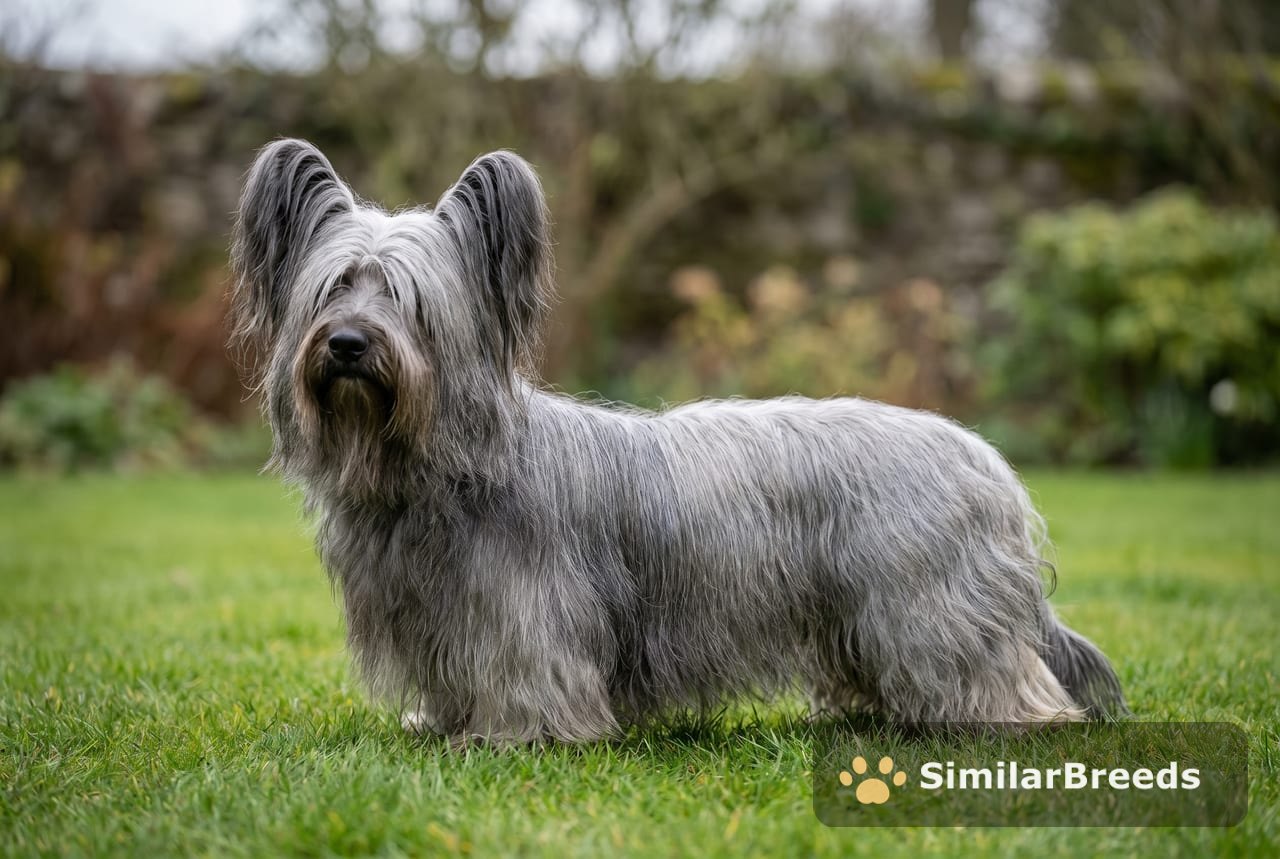
The **Dandie Dinmont Terrier** appears in most theories about the Sealyham's origins and shares the long body, short legs, and distinctive head shape that set these dogs apart from the leggier terrier breeds. The **Skye Terrier** rounds out the group as another long, low, Scottish terrier built for rough ground and independent work, similar in frame and in the kind of owner it demands.
Trait ratings
- Energy level
- 2/5
- Exercise requirements
- 2/5
- Playfulness
- 2/5
- Affection level
- 3/5
- Friendliness toward dogs
- 3/5
- Friendliness toward other pets
- 3/5
- Friendliness toward strangers
- 3/5
- Ease of training
- 1/5
- Watchdog ability
- 4/5
- Protection ability
- 1/5
- Grooming requirements
- 4/5
- Cold tolerance
- 3/5
- Heat tolerance
- 3/5