Skye Terrier
From Great Britain
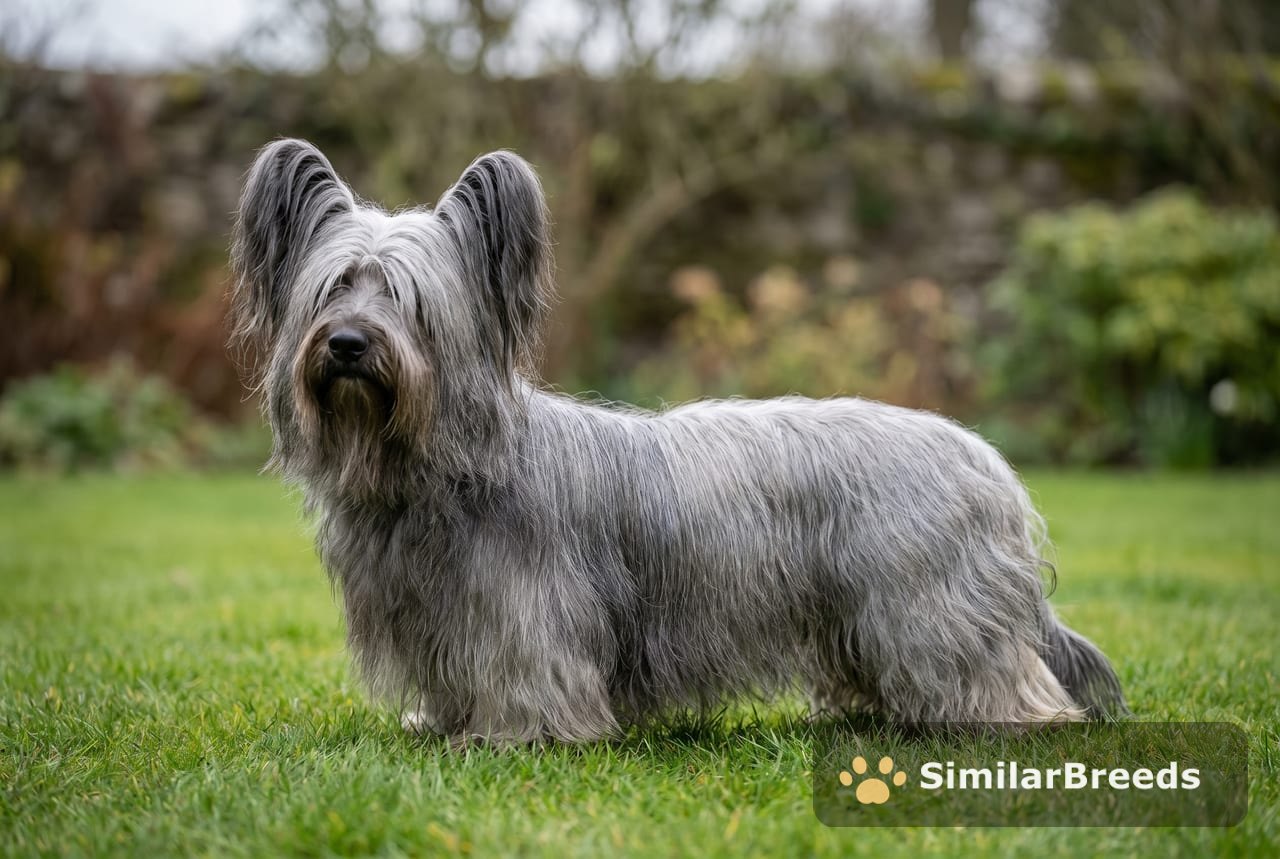
Purpose & Origin
The Skye Terrier is one of Scotland's oldest terriers, developed along the rugged west coast to hunt fox and otter from among rocky cairns and crevices. The purest specimens came from the Isle of Skye itself, giving the breed its name, and written records place it as far back as the sixteenth century, already notable for its extraordinary long coat.
Its profile jumped sharply in 1840 when Queen Victoria took a liking to the breed, keeping both drop- and prick-eared dogs, which pushed it firmly into fashionable society and eventually to America. The AKC recognised it in 1887, and for a time the Skye was a show-ring fixture. Today it is among the rarest of all terriers. The breed's most famous representative was Greyfriars Bobby, a Skye who kept vigil at his master's Edinburgh grave for fourteen years; he is buried there still, with a statue marking the spot.
Temperament & Behaviour
The long silky coat and low-slung profile give the Skye a deceptively gentle appearance. Underneath is a resolute terrier with the courage and drive of a working earth-dog. At home it settles well, calm enough for city life, deeply affectionate with its own people, and notably loyal. Strangers, however, receive a cool reception, and the breed's watchdog instinct is sharp, one of the highest marks in its profile. It tolerates dogs it has grown up with, but encounters with unknown dogs can go badly. This is a sensitive dog that can form intense bonds, which makes it unsuitable for households that treat dogs casually.
Activity & Training
Exercise needs are moderate. A daily outing in a safe enclosed area plus a brisk walk covers what the Skye requires physically. Its low build is deceptive: this is not a lap dog content to idle, but neither does it demand hours of running. Training sits in the middle of the difficulty range. The Skye is intelligent but also stubborn, and it responds best to consistent, patient handling rather than repetitive drilling. Harsh methods produce sulking, not compliance. Early socialisation is important given its natural wariness of strangers and other dogs.
Grooming
The Skye's long, flat, hard-textured coat is its most distinctive feature and requires regular attention, roughly twice-weekly combing to prevent tangles and keep the fall over the eyes lying properly. Unlike many terriers whose coats tighten and change texture after bathing, the Skye tolerates an occasional bath without significant coat damage. The hair around the eyes and muzzle picks up debris and needs extra cleaning between sessions. Grooming demands are real but not extreme for a long-coated breed.
Health
The Skye is a generally hardy breed with a life span of twelve to fourteen years. The main concerns to monitor are premature closure of the distal radius, a growth-plate issue that can affect developing puppies, and intervertebral disk disease, which is relevant given the breed's long back relative to leg length. Copper toxicosis has been seen occasionally. No specific genetic tests are currently recommended, but sourcing from health-conscious breeders matters.
Why these breeds are similar
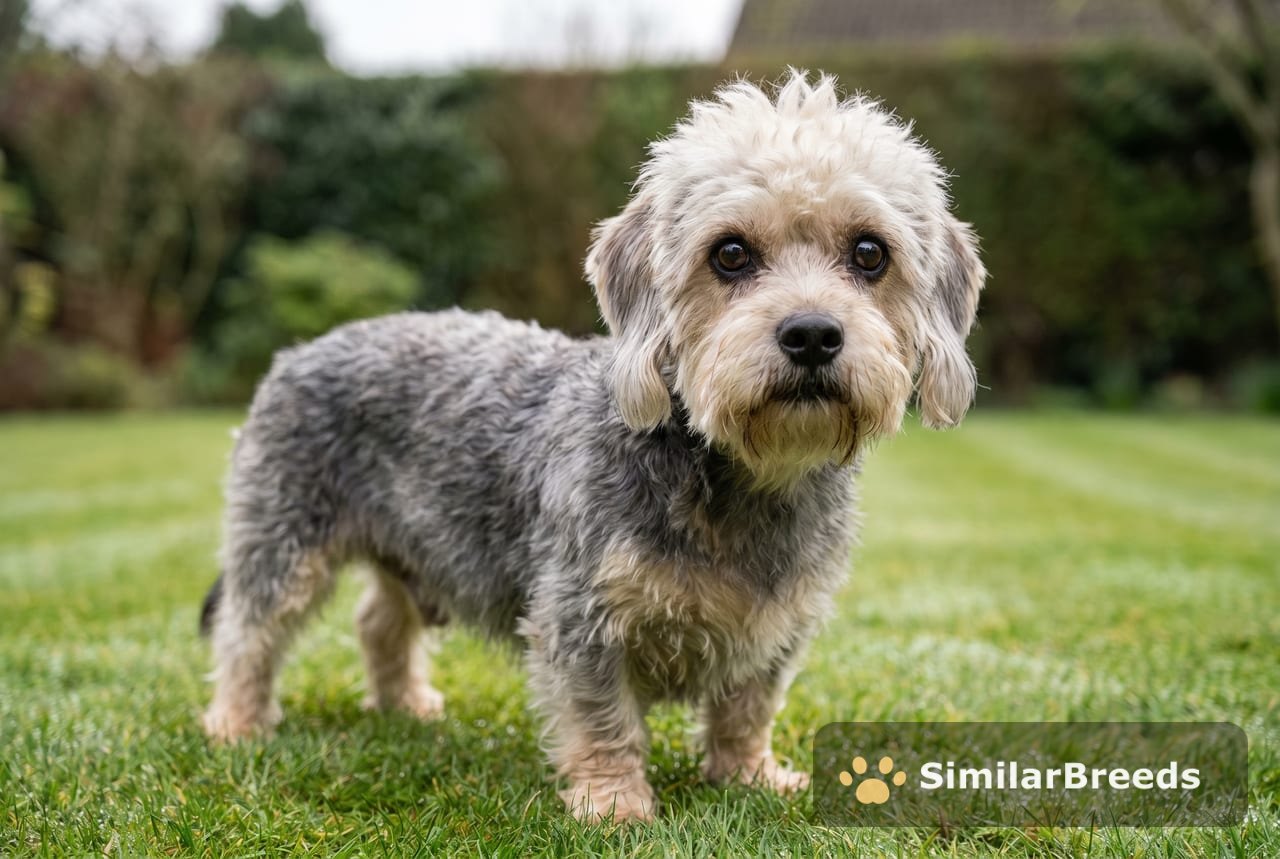
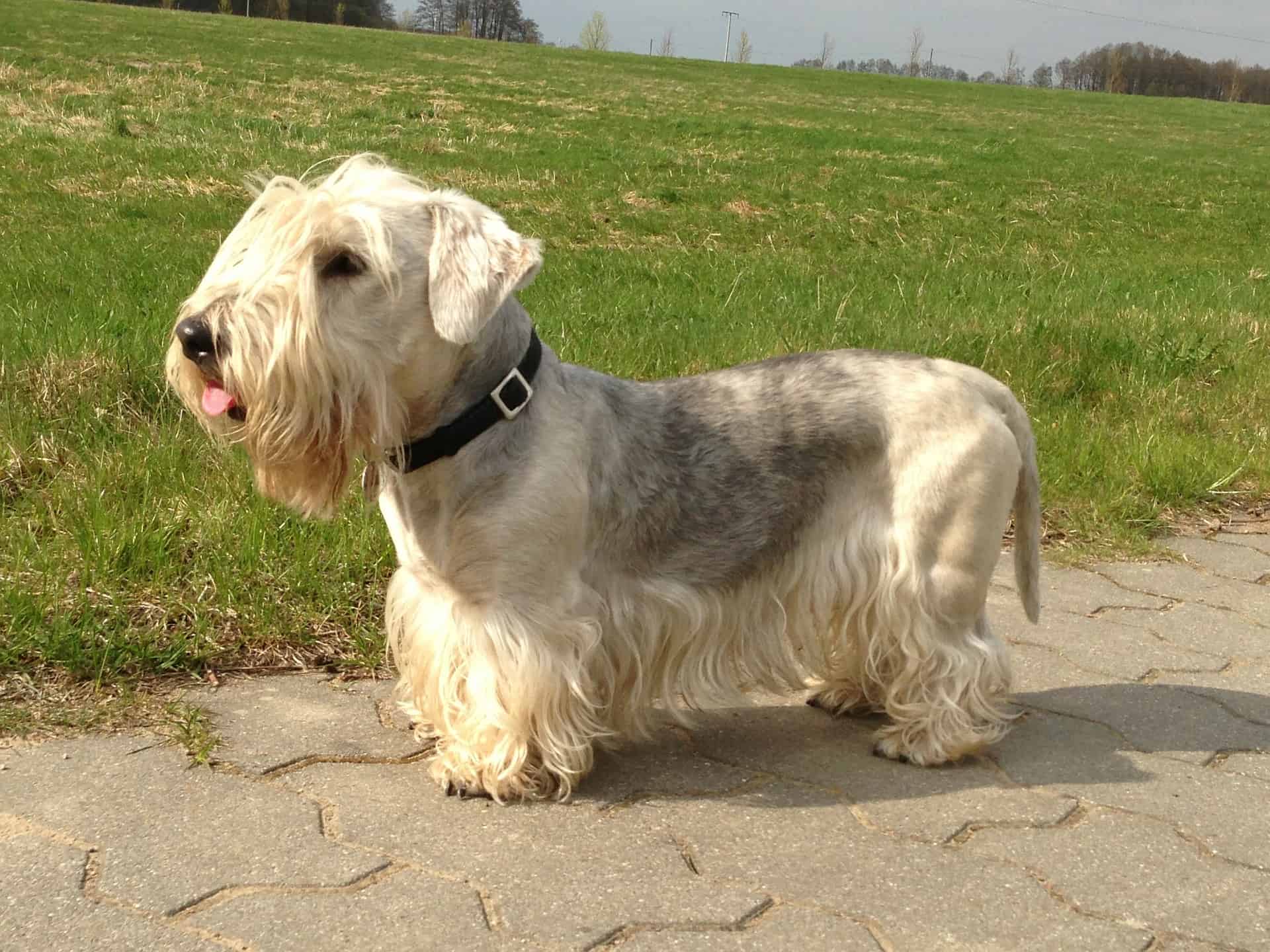
The **Dandie Dinmont Terrier** is the closest match: another old Scottish working terrier, long-bodied and low to the ground, with a similarly distinctive coat and the same combination of tenacity and surprising gentleness at home. The **Cesky Terrier** shares the long, low silhouette and a calmer temperament than most terriers, bred specifically to work in packs in Bohemian forests rather than as a solo earth-dog.
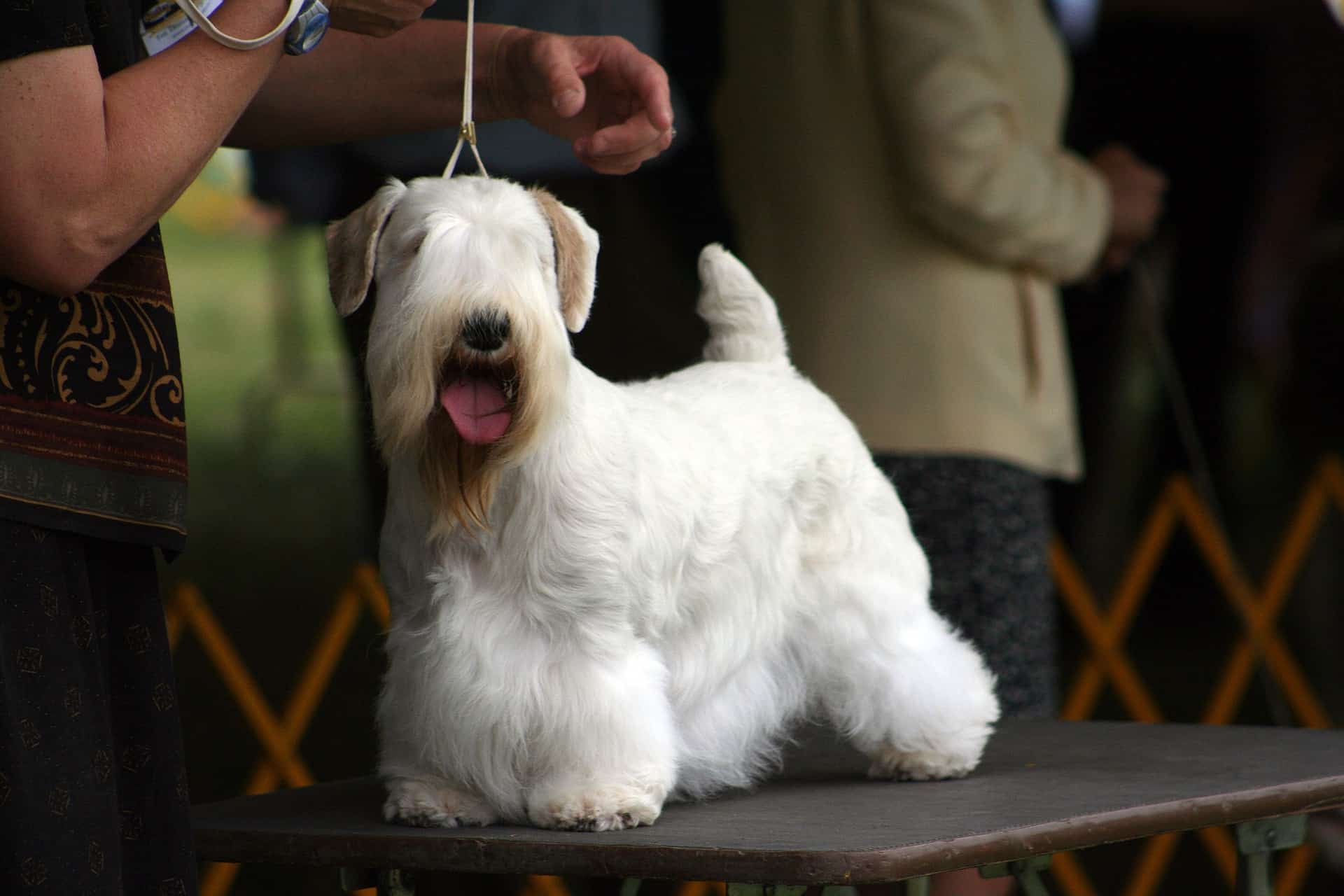
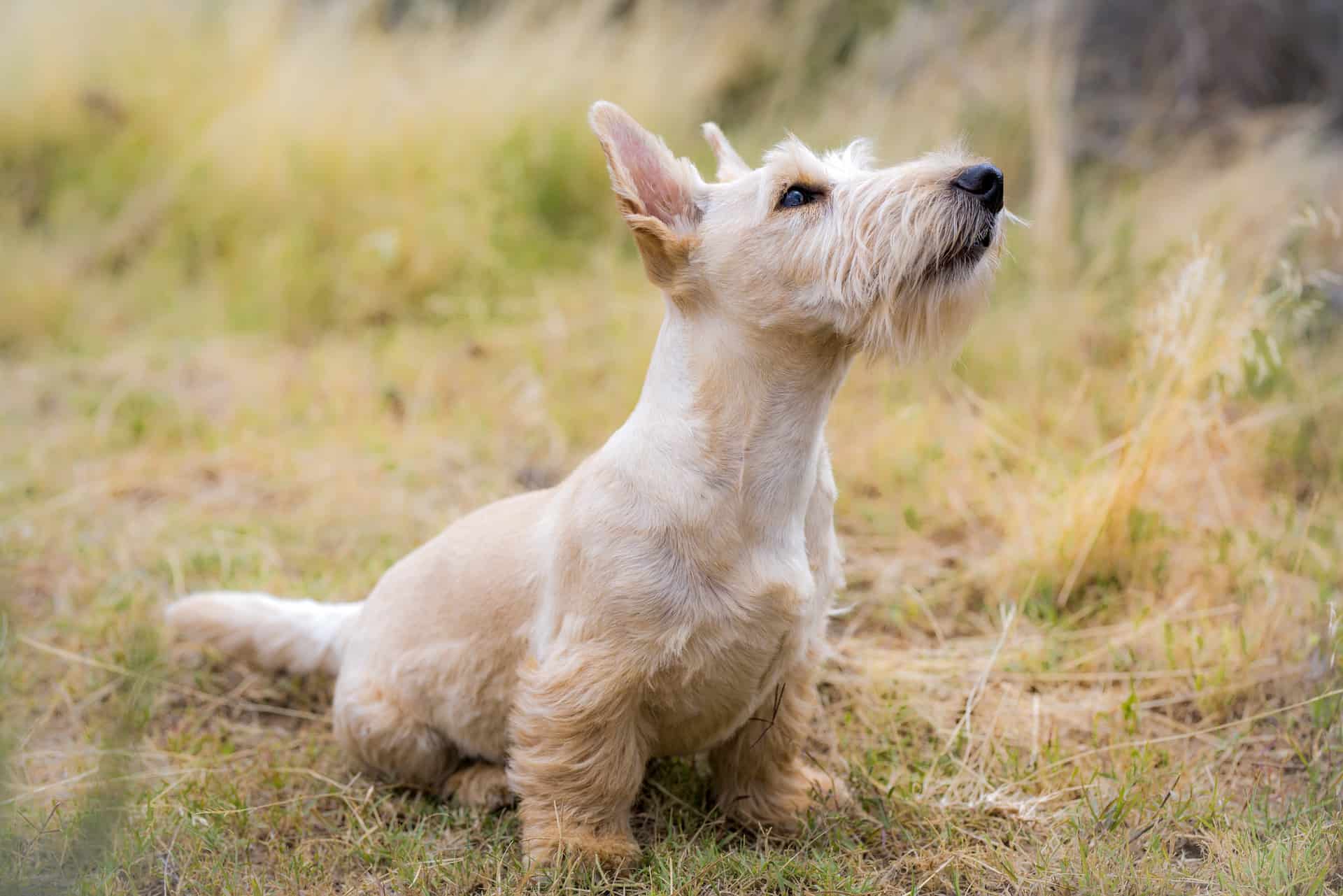
The **Sealyham Terrier** is a Welsh cousin built on the same principle, a heavy-boned short-legged hunter with a long hard coat and an independent streak, now similarly rare. The **Scottish Terrier** completes the group, another compact Scottish earth-dog with strong prey drive, a reserved manner with strangers, and an assertive character that takes patient handling.
Trait ratings
- Energy level
- 2/5
- Exercise requirements
- 2/5
- Playfulness
- 3/5
- Affection level
- 4/5
- Friendliness toward dogs
- 1/5
- Friendliness toward other pets
- 1/5
- Friendliness toward strangers
- 1/5
- Ease of training
- 3/5
- Watchdog ability
- 5/5
- Protection ability
- 1/5
- Grooming requirements
- 3/5
- Cold tolerance
- 4/5
- Heat tolerance
- 2/5