Cesky Terrier
From Czech Republic
Purpose & Origin
The Cesky Terrier is a rare breed with an unusually precise origin story. Frantisek Horak, a Czechoslovakian hunter and accountant, spent decades deliberately engineering it. He started with Scottish Terriers in 1932 for hunting hare, fox, and red deer, but found them prone to getting wedged in burrows and difficult to work in packs.
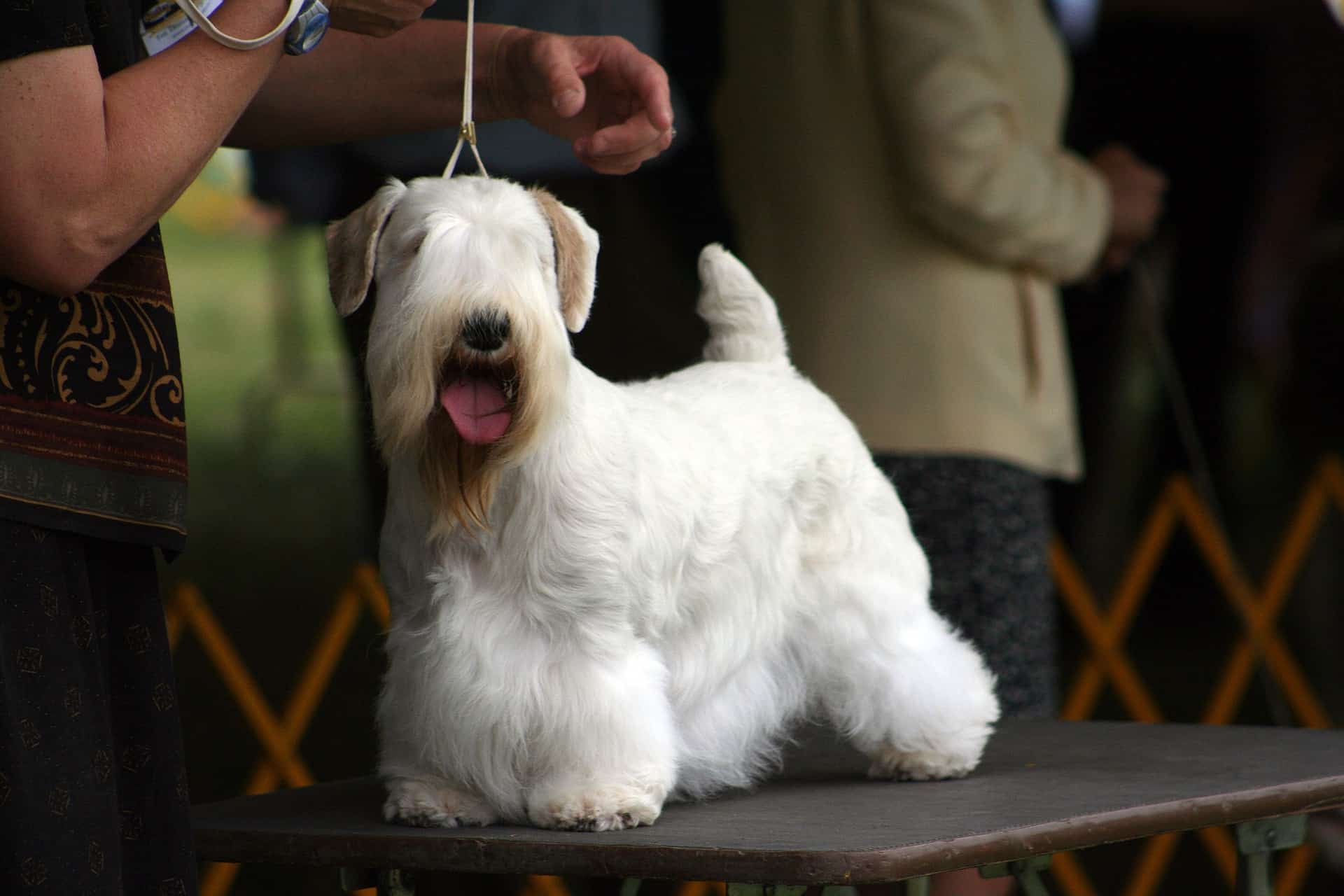
In 1940 he introduced Sealyham Terrier blood, which brought better pack manners and a more manageable temperament. He kept meticulous records across generations, aiming for a compact earth dog that could also function as a calm household companion. The FCI recognised the breed in 1963, and it reached the United States in the 1980s, joining the AKC Terrier Group in 2011. It remains genuinely rare.
Temperament & Behaviour
Among terriers the Cesky sits at the calmer end. It is loyal and affectionate toward its family, scoring high on affection while staying noticeably reserved around strangers, which makes it a sharp watchdog despite having no real guarding instinct. Horak specifically selected away from aggression, wanting a dog that ran in packs without squabbling, and the result shows: the Cesky generally tolerates other dogs and other pets reasonably well and tends to be quiet around the house. The hunting drive is still there, though. Given a scent trail or a tunnel, it shifts into a different gear entirely.
Activity & Training
Moderate exercise covers this breed's needs. A brisk daily walk or a vigorous play session (tug, chase) is enough to keep it settled indoors. Mental work matters too, and the Cesky does well in dog sports like agility. Ease of training sits at the midpoint of the scale, meaning it is trainable but not a pushover. Consistent, patient handling beats repetitive drilling. It is not an ideal first-terrier for someone expecting instant compliance, but it is far less combative than many of its relatives.
Grooming
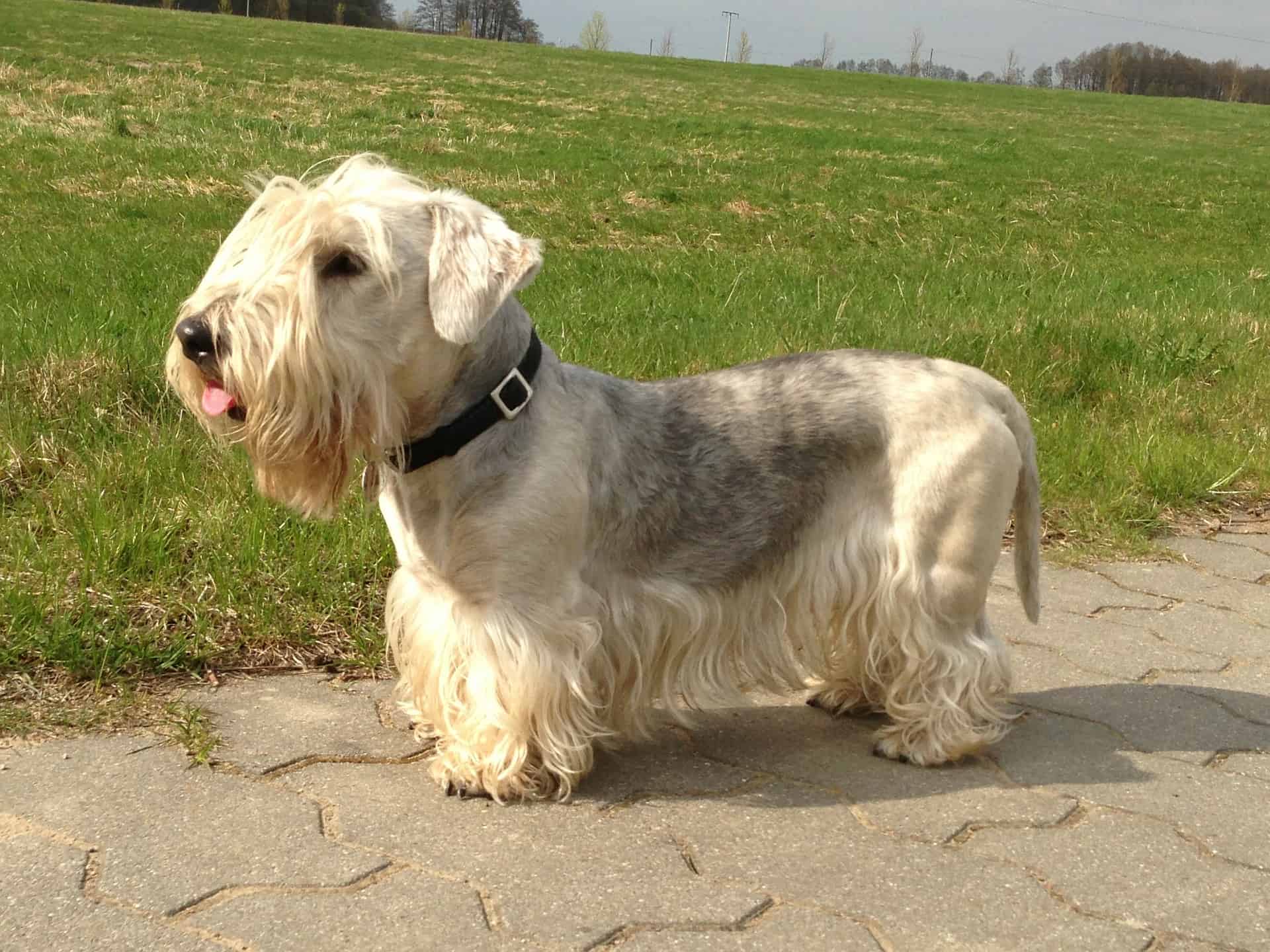
The Cesky has one practical advantage over most terriers: its coat is clipped, not hand-stripped. The body and tail need a clip every six to eight weeks. The longer furnishings on the legs, lower body, and face require combing every few days to stay tangle-free. Grooming demand sits at a moderate level overall, and for owners put off by the labour-intensive stripping of Scotties or Lakelands, this is a genuine selling point.
Health
The Cesky has a life span of roughly ten to fourteen years. There are no major concerns on record. Minor issues documented in the breed include hip dysplasia, patellar luxation, lens luxation, and heart murmurs. Routine health screening for hips, knees, eyes, and cardiac function is the standard recommendation.
Why these breeds are similar
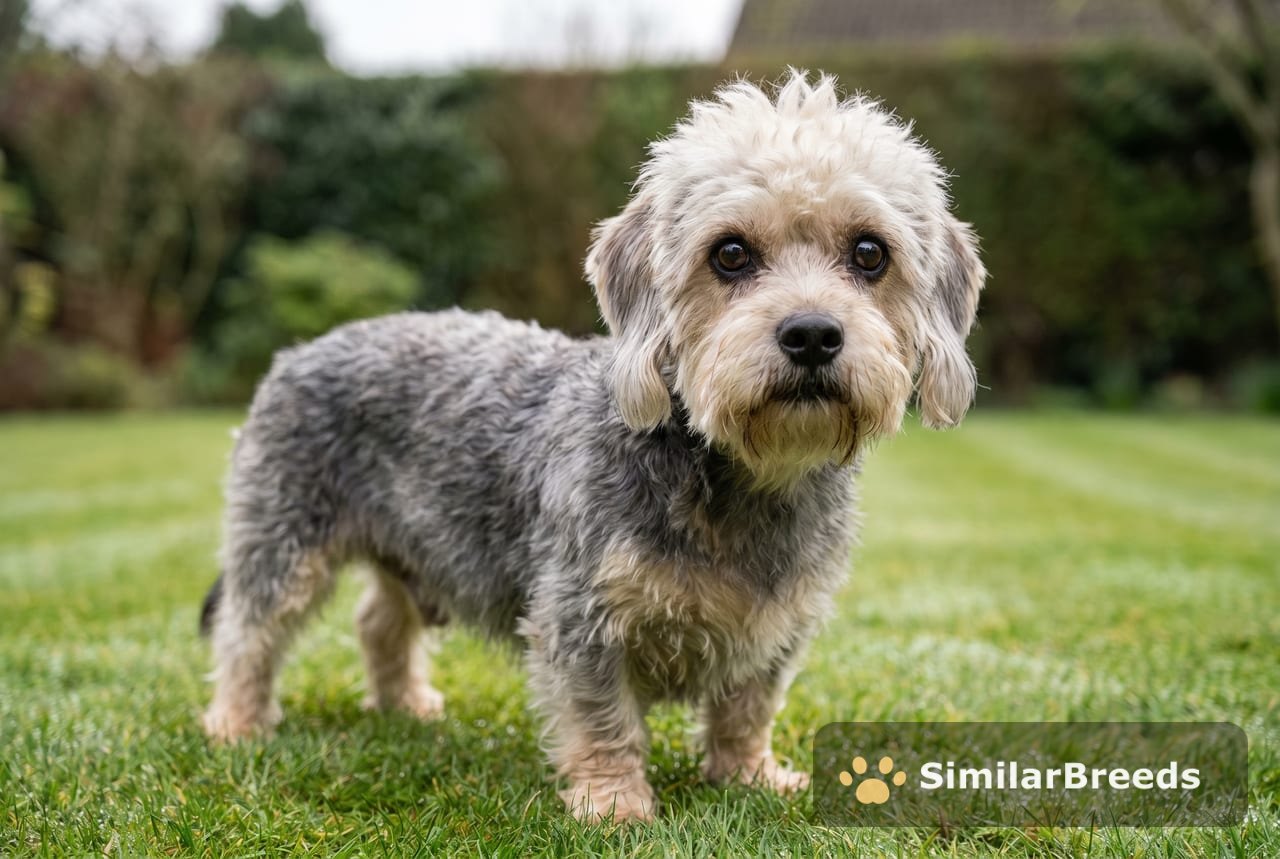
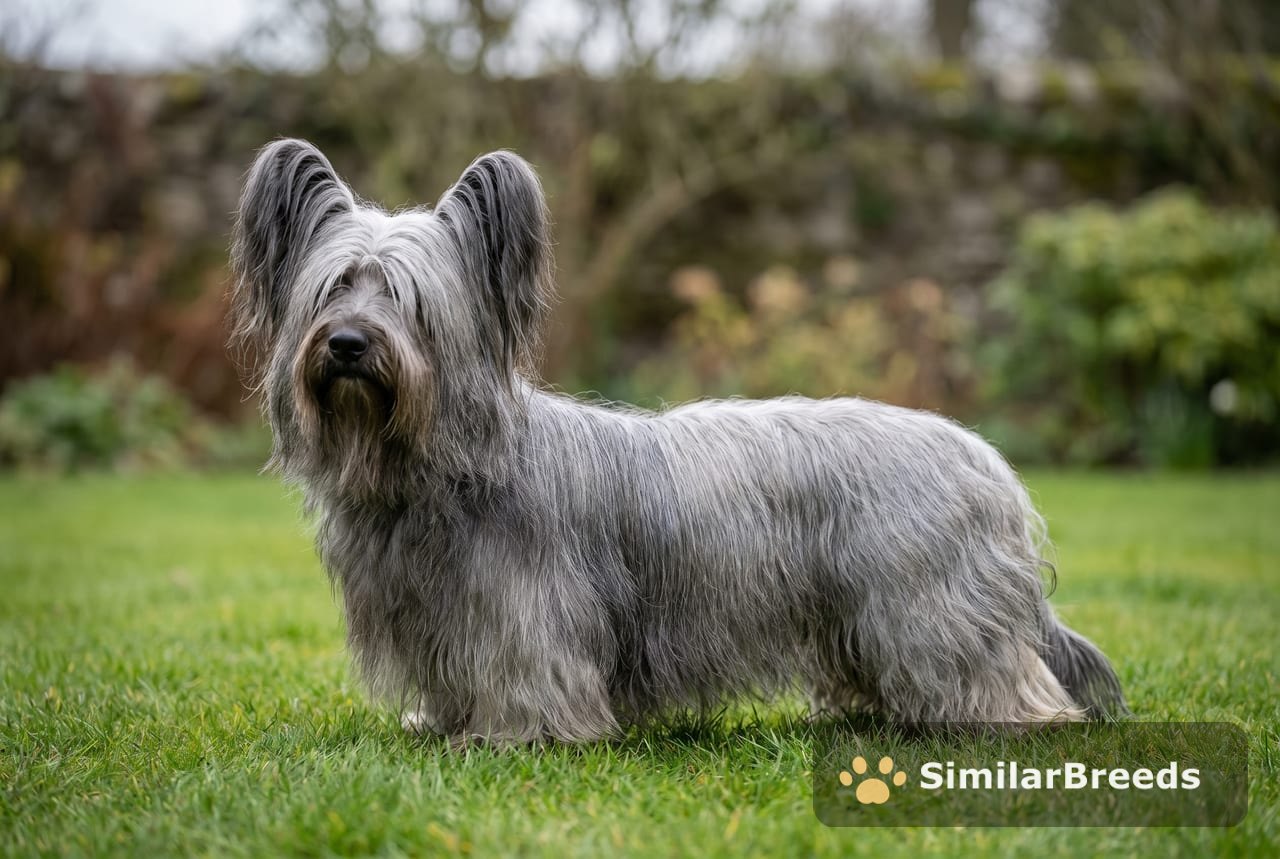
The Sealyham Terrier is the Cesky's direct ancestor and closest parallel. It contributed the pack-friendly temperament and the go-to-ground build that Horak was after, and the two breeds share a low-slung, long-bodied silhouette and a relatively calm disposition for terriers. The Dandie Dinmont Terrier overlaps in size, in its fondness for burrow work, and in being one of the less combative British earth dogs, with a similarly loyal family temperament. The Skye Terrier rounds out the group through shared build (long, low, dense-coated) and the same reserved-with-strangers quality that marks all three as alert watchdogs rather than gregarious greeters.
Trait ratings
- Energy level
- 3/5
- Exercise requirements
- 3/5
- Playfulness
- 3/5
- Affection level
- 4/5
- Friendliness toward dogs
- 3/5
- Friendliness toward other pets
- 3/5
- Friendliness toward strangers
- 2/5
- Ease of training
- 3/5
- Watchdog ability
- 5/5
- Protection ability
- 2/5
- Grooming requirements
- 3/5
- Cold tolerance
- 4/5
- Heat tolerance
- 4/5