Purpose & Origin
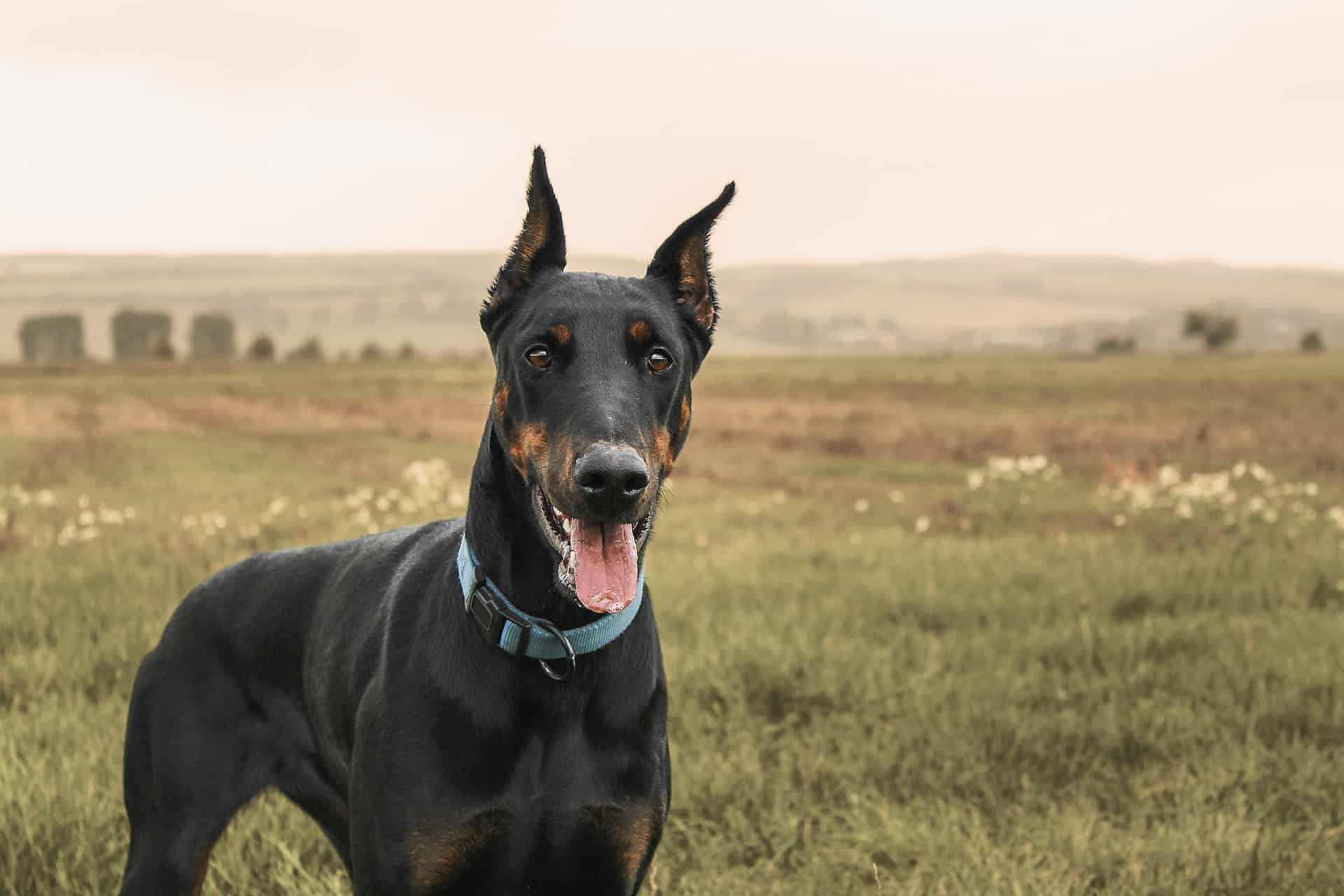
The Doberman Pinscher was purpose-built by one man with a specific job in mind. Louis Dobermann was a tax collector in Thuringen, Germany, who needed a capable guard dog to accompany him on his rounds in the late 1800s. He crossed the old German Shepherd and German Pinscher, later adding Manchester Terrier, Greyhound, and Weimaraner blood to arrive at a sleek, alert, and formidable working dog.
The breed moved fast: a club formed in 1899, and the first Doberman reached America in 1908. Early dogs were heavier and rounder in the head; subsequent breeders refined the silhouette into the chiseled, racy outline recognised today. The breed served as a police dog, war dog, and eventually a household guardian, climbing to second most popular breed in America in 1977 before an unfair reputation for viciousness took hold in the media.
Temperament & Behaviour
This is a thinking dog, not merely a reactive one. The Doberman is intelligent, highly alert, and genuinely loyal to its family, but it is not warm toward strangers and can be aggressive with unfamiliar dogs. Some individuals carry a dominant streak and will test an owner who lacks confidence. Sensitivity is the counterbalance: the Doberman reads its owner closely and responds to clear, consistent handling far better than harsh correction. It is an adventurous companion that wants to be involved, not left outside.
Activity & Training
Energy level is high and the breed needs daily exercise with purpose, not just a brief walk around the block. A long jog, an off-leash run in a safe area, or structured work in obedience or agility all satisfy it. Mental stimulation matters as much as physical output; a bored Doberman can become destructive. Training is where this breed genuinely excels. Ease of training scores at the top of the scale, and the Doberman has historically dominated obedience competition and Schutzhund trials. First-time owners should be aware that the combination of high intelligence and a dominant temperament demands consistent leadership from day one.
Grooming
Coat care is about as straightforward as it gets. The short, flat coat needs only occasional brushing and the odd bath. Shedding is minimal. The breed does carry some sensitivity to cold given that thin coat and low body fat, so harsh winter conditions need consideration.
Health
The Doberman carries a few serious breed-specific conditions worth knowing. Cardiomyopathy and cervical vertebral instability (wobbler's syndrome) are the major concerns. Von Willebrand's disease, osteosarcoma, and gastric torsion appear at lower rates. Life expectancy runs ten to twelve years. A distinct note: "white" Dobermans are true albinos, with light sensitivity; the Doberman Pinscher Club of America worked with the AKC to tag registration numbers of dogs likely carrying the albino gene, and a DNA test is now available.
Why these breeds are similar
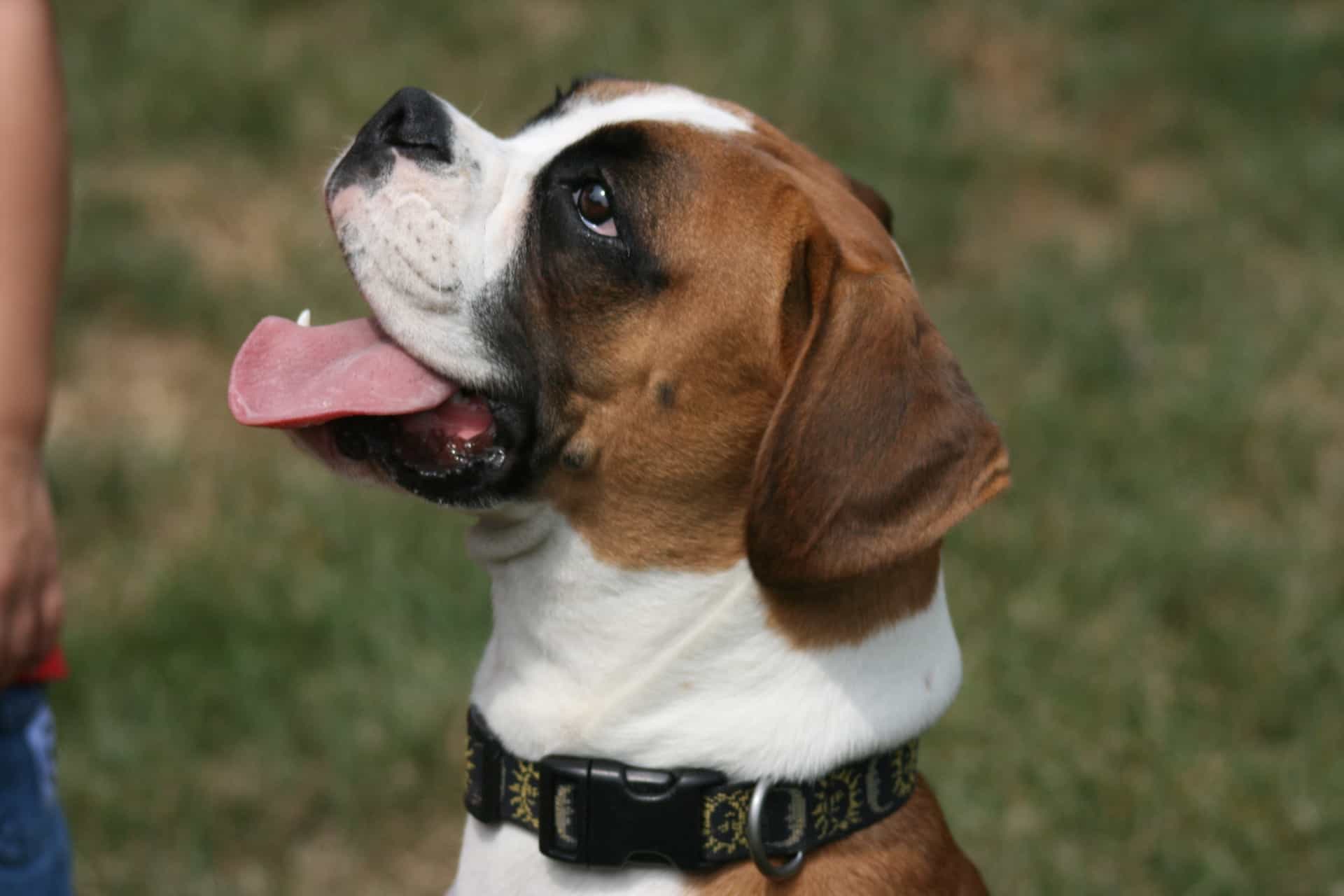
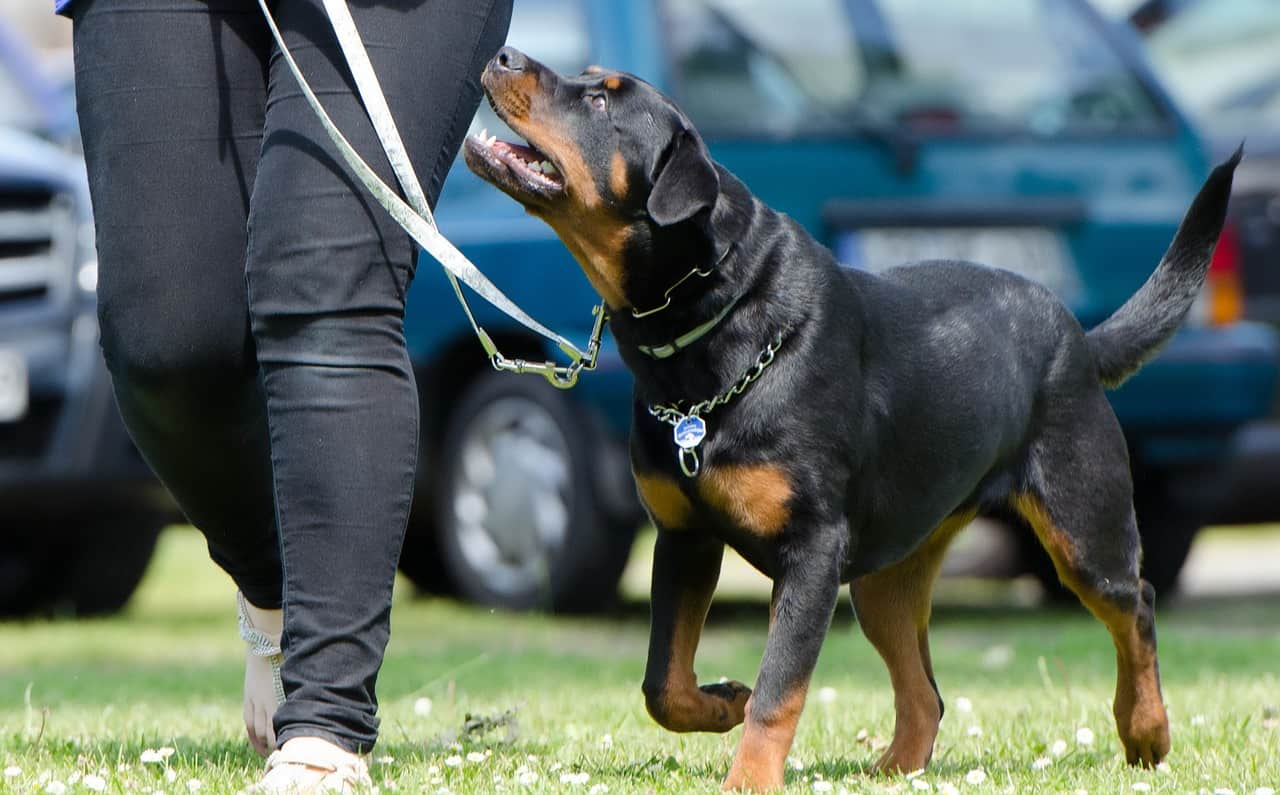
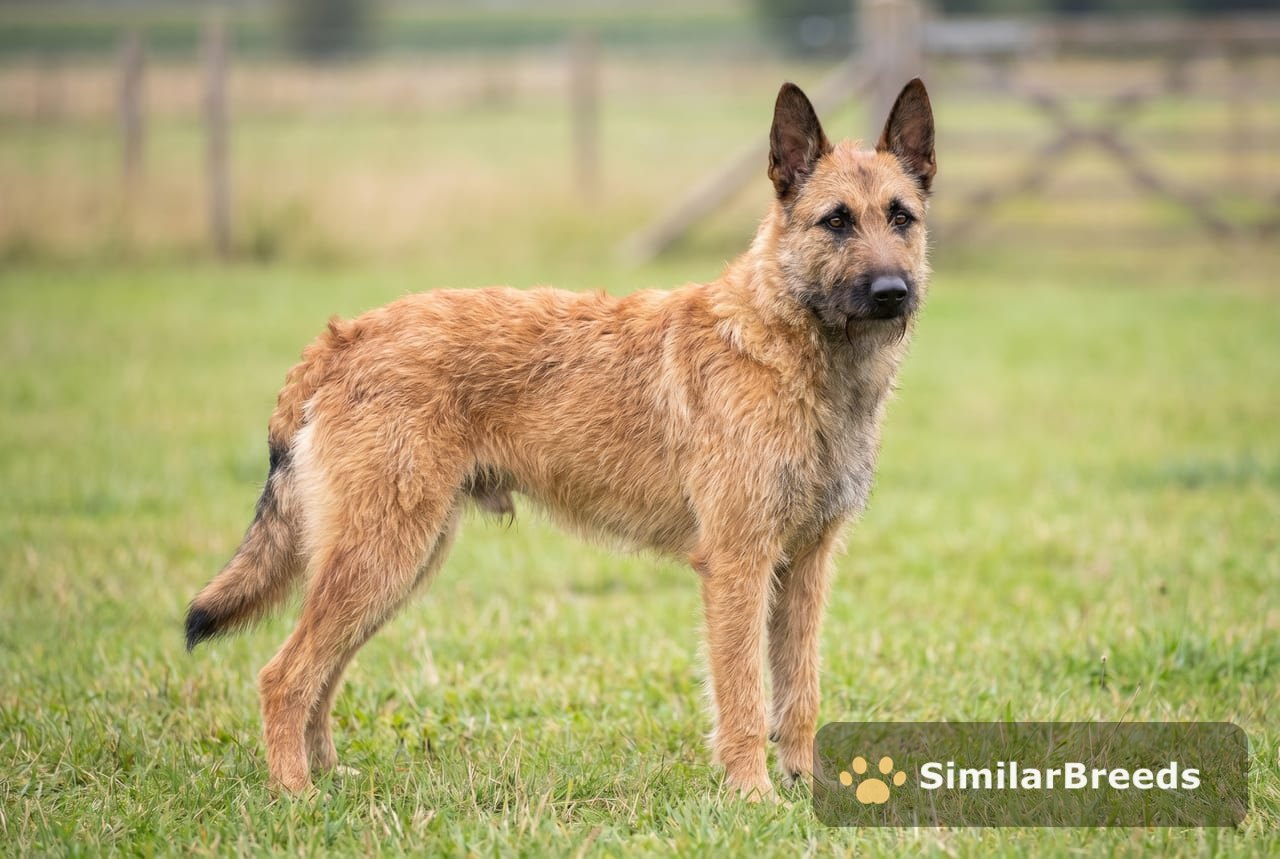
The **Boxer** shares the guardian lineage and the Working Group home, a medium-large, short-coated dog bred to protect and built for power with athleticism. The **Rottweiler** is the Doberman's closest cousin in purpose, another German guardian of similar size and temperament that is loyal to its family and reserved with strangers. The **Belgian Laekenois** is a herding guardian from Belgium, equally sharp-minded, highly trainable, and demanding of an experienced owner.
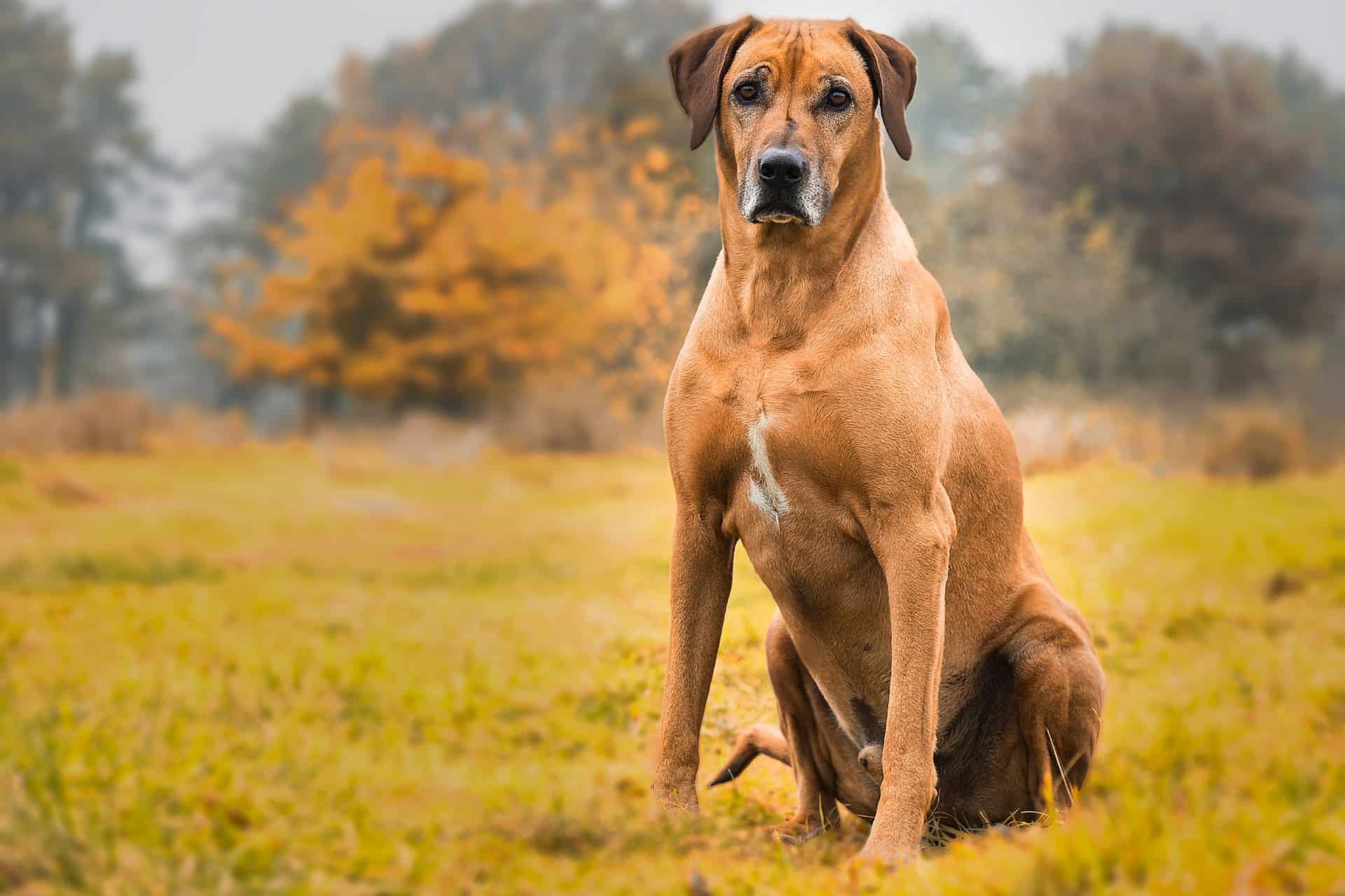
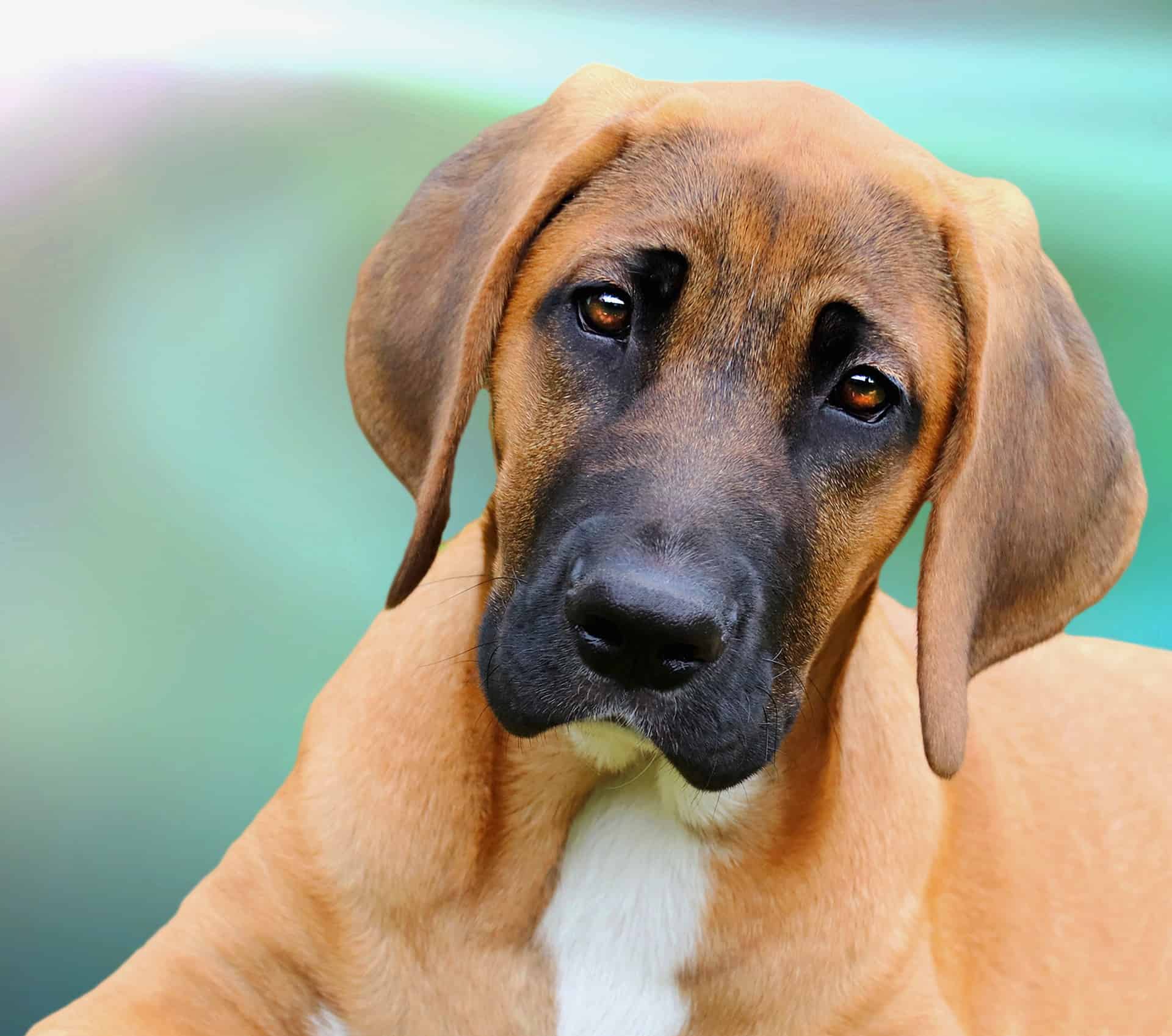
The **Rhodesian Ridgeback** connects through function and build: a large, short-coated working dog originally used to hunt and guard, with a similar independence streak and loyalty to its household. The **Broholmer** is a Danish mastiff-type guardian, less common but sharing the protective instinct, the calm reserve toward strangers, and the large, muscular frame that makes these breeds unmistakably in the same working-dog camp.
Trait ratings
- Energy level
- 4/5
- Exercise requirements
- 3/5
- Playfulness
- 3/5
- Affection level
- 3/5
- Friendliness toward dogs
- 2/5
- Friendliness toward other pets
- 3/5
- Friendliness toward strangers
- 1/5
- Ease of training
- 5/5
- Watchdog ability
- 5/5
- Protection ability
- 5/5
- Grooming requirements
- 1/5
- Cold tolerance
- 3/5
- Heat tolerance
- 3/5