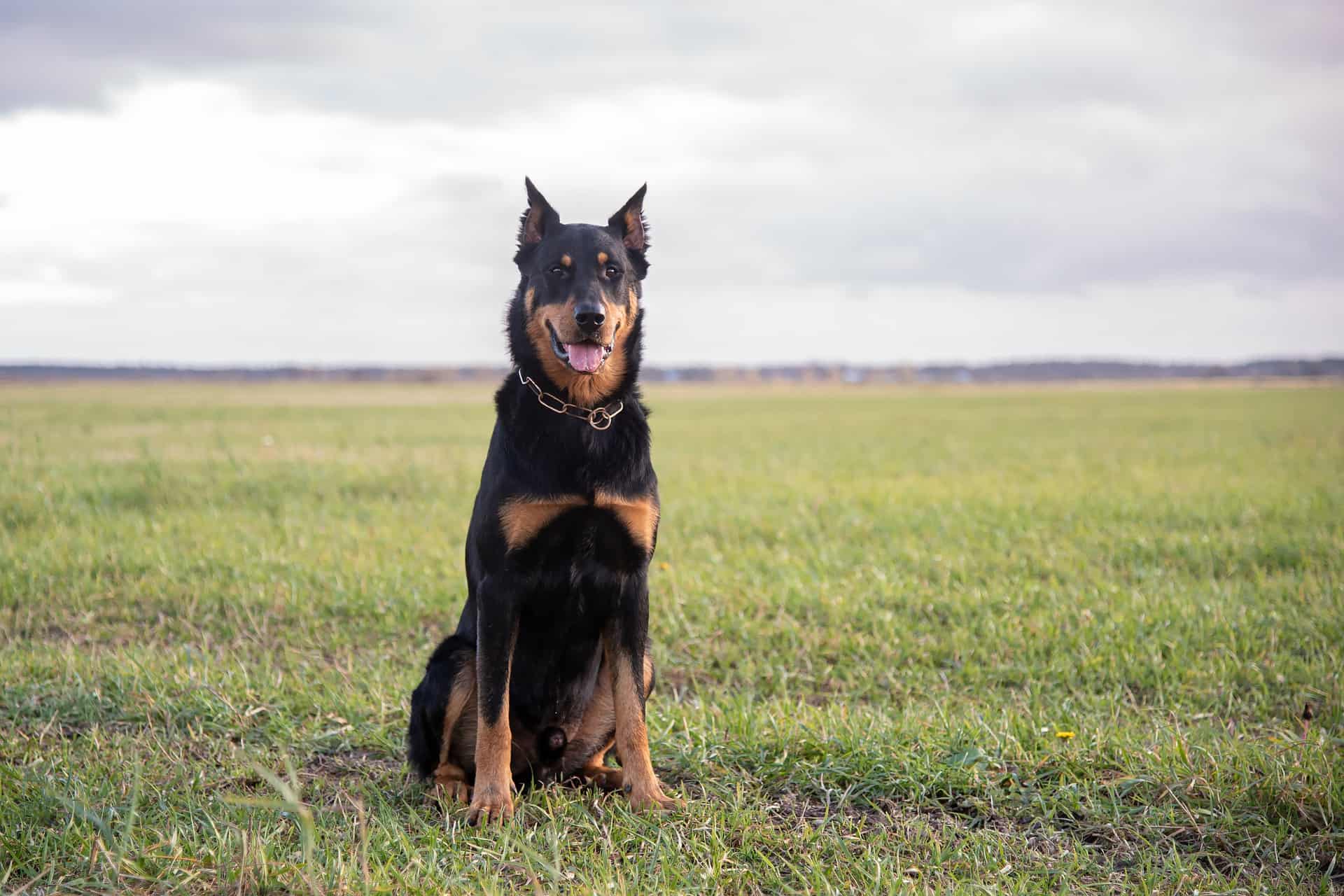
Purpose & Origin
The Beauceron is France's largest sheepdog, a breed with roots stretching back to at least the late 1500s in the flat agricultural plains surrounding Paris known as La Beauce. It worked as a general-purpose farm dog, driving and protecting sheep and cattle while also guarding the family.
In 1863 French cynologists formally separated two types of plains herding dogs: the long-coated Briard and the short-coated Beauceron. The Société Centrale Canine registered the first Berger de Beauce in 1893.
For centuries the breed was virtually unknown outside France, but the French army's use of Beaucerons as messenger dogs and mine-detection dogs through both world wars demonstrated its reliability under pressure. Military and police work remain part of its resume today.
Temperament & Behaviour
This is a dog that thinks, remembers, and reasons. Beaucerons are calm and courageous, loyal to their family, and will take the guardian role seriously without needing to be taught to do so. The watch and protection scores are as high as they go, and that is reflected in the real dog: strangers are regarded with suspicion, strange dogs are not welcomed, and without proper authority from the owner, the Beauceron will simply assume it is in charge. It is patient with children but can be overwhelming, and a herding instinct means it may try to manage them. This is not a dog for a passive owner.
Activity & Training
Energy level and exercise requirements are both high. The Beauceron needs genuine daily work, physical and mental. A long run or structured training session is not a luxury; without it, boredom sets in fast and the breed becomes destructive. The good news is that ease of training scores at the top of the scale. Beaucerons excel at obedience, tracking, agility, Schutzhund, and herding trials. They absorb direction readily and retain it, but that intelligence cuts both ways: a bored, under-trained Beauceron will find its own occupation, and you probably will not like it.
Grooming
Coat care is one of the Beauceron's few easy demands. The short, dense coat needs only a weekly brush. Grooming requirements score at the low end, and that holds in practice. This is not a breed that requires professional trimming or elaborate maintenance.
Health
The primary concern is canine hip dysplasia, and hip testing before breeding is the standard recommendation. Gastric torsion (bloat) is a minor but serious risk given the breed's deep chest, and cardiomyopathy appears occasionally. Cardiac and eye checks round out the suggested health tests. Life expectancy runs 10 to 12 years.
Why these breeds are similar
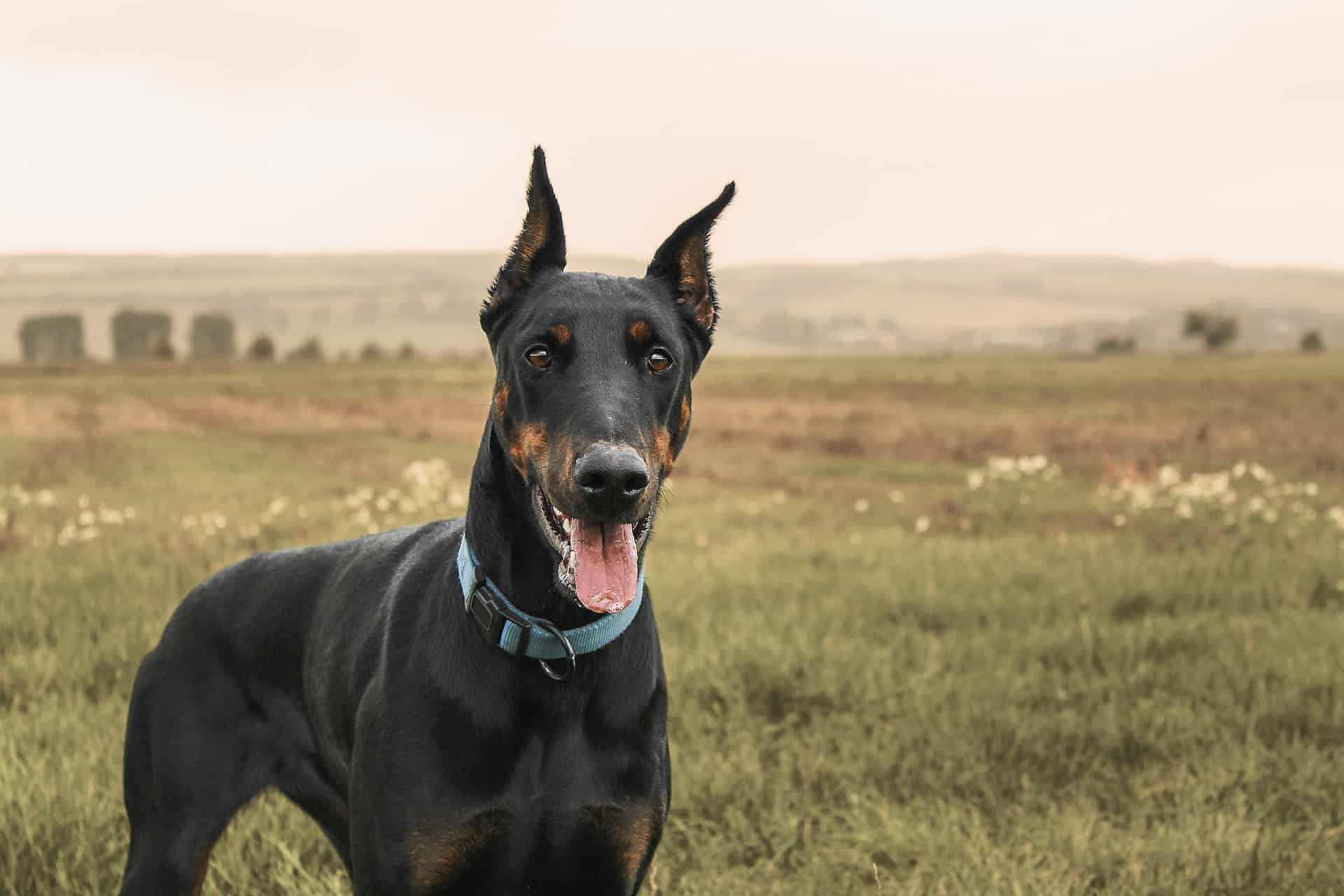
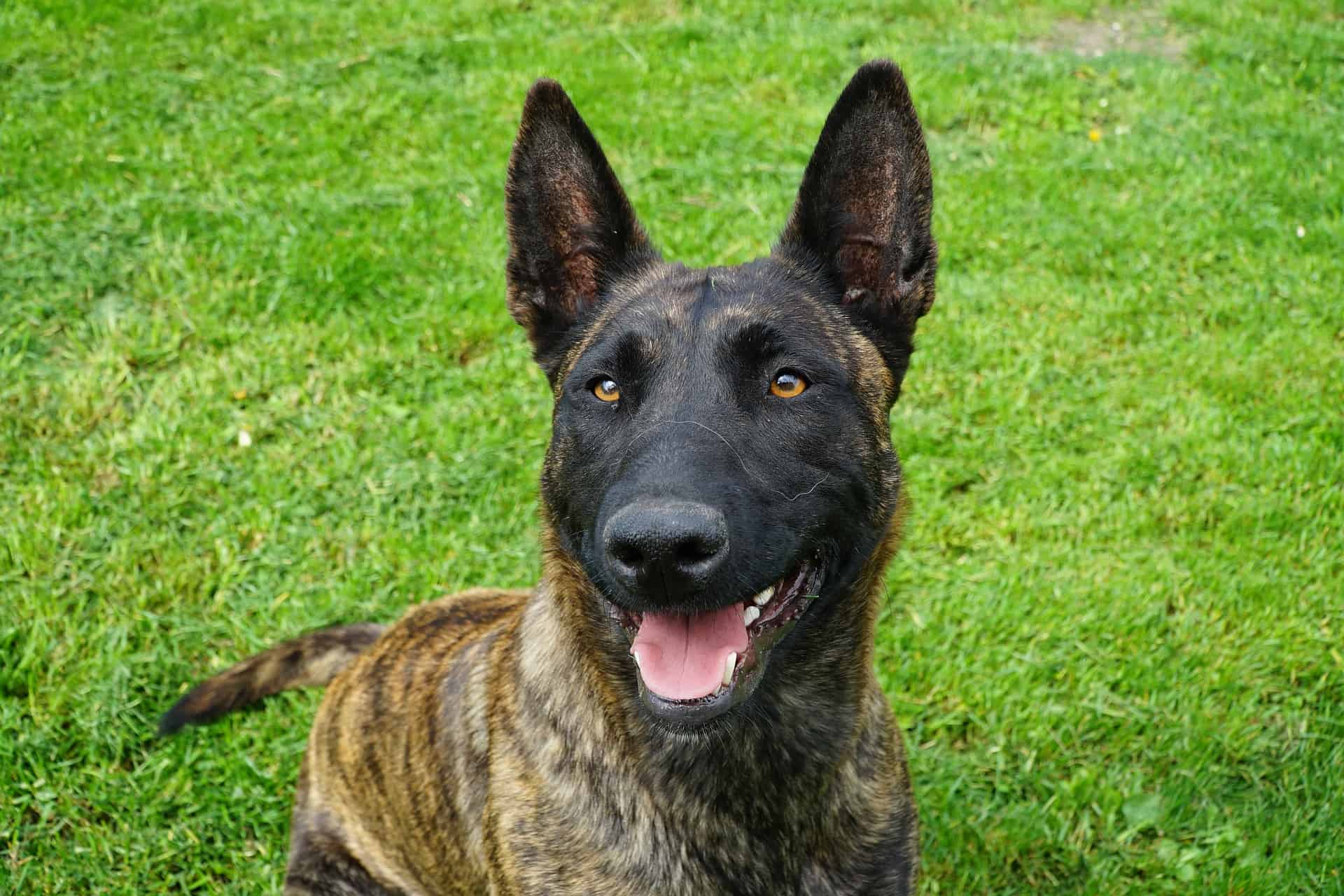
The **Doberman Pinscher** shares the Beauceron's black-and-tan coloring, athletic build, and role as both working guardian and loyal family protector. Both are confident, trainable, and reserved with strangers. The **Dutch Shepherd** is a comparable all-purpose herding and working dog, bred for the same combination of intelligence, endurance, and natural guarding instinct. It belongs in the same category of serious working dogs that thrive on demanding daily structure.
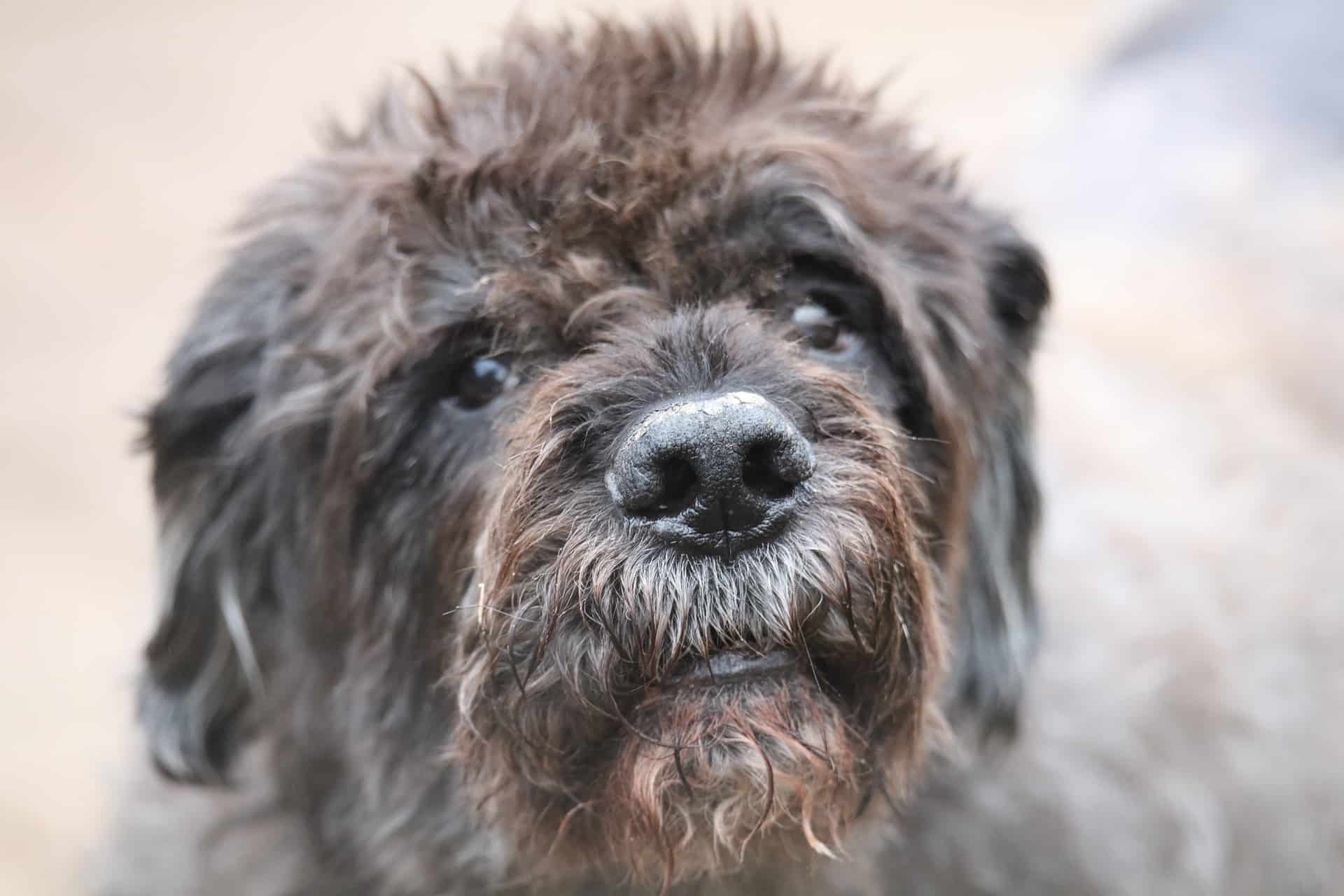
The **Bouvier des Flandres** comes from a different country but fills an almost identical niche: a large, powerful herding and draft dog repurposed into police and military work, equally demanding in terms of exercise and equally devoted to its household.
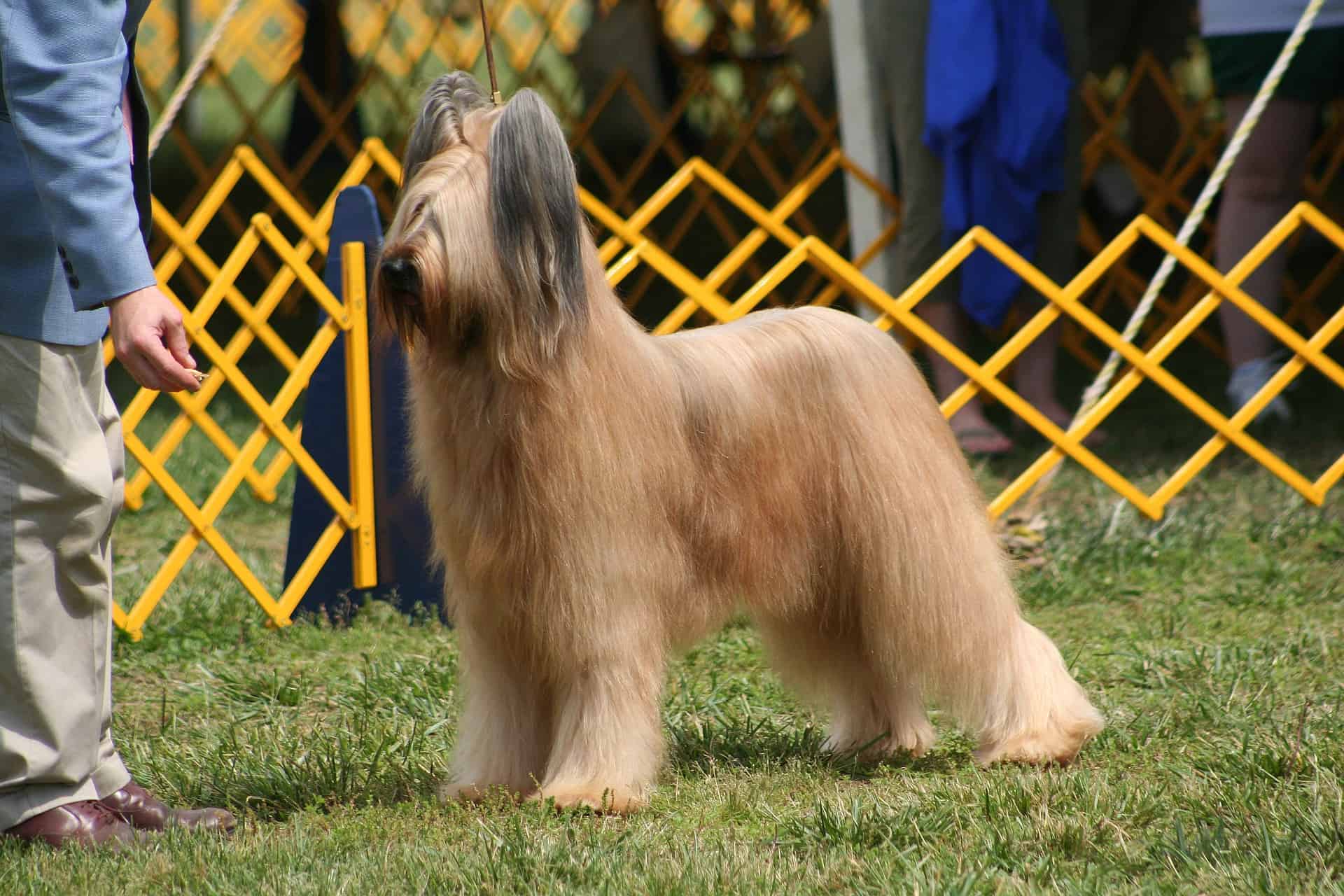
The **Briard** is the Beauceron's direct French cousin, formally separated from it in 1863 as the long-coated counterpart. They share the same ancestral herding and guarding function from the same region, and the same expectation of an active owner who will put them to work.
Trait ratings
- Energy level
- 4/5
- Exercise requirements
- 4/5
- Playfulness
- 3/5
- Affection level
- 3/5
- Friendliness toward dogs
- 1/5
- Friendliness toward other pets
- 2/5
- Friendliness toward strangers
- 1/5
- Ease of training
- 5/5
- Watchdog ability
- 5/5
- Protection ability
- 5/5
- Grooming requirements
- 1/5
- Cold tolerance
- 3/5
- Heat tolerance
- 3/5