Australian Cattle Dog
Also known as ACD, Cattle Dog, Blue Heeler, Red Heeler, Queensland Heeler
From Australia
Purpose & Origin
The Australian Cattle Dog was purpose-built for a specific and brutal job: moving feral, unmanageable cattle across vast stretches of rough Australian terrain in punishing heat. When European herding breeds proved useless against the wild cattle of early 1800s Australia, breeders went to work. In 1840, a breeder named Hall crossed smooth blue merle Highland Collies with Dingos, producing a line called Hall's Heelers.
Later breeders folded in Bull Terrier, Dalmatian, and Black and Tan Kelpie blood. The Dalmatian contributed horse sense and a protective streak; the Kelpie sharpened the herding instinct; the Dingo brought silence, endurance, and toughness. A white blaze still visible on many ACDs today traces back to a single influential dog, Bentley's Dog. The breed worked cattle in Queensland for decades before a formal standard was written in 1897, and the AKC did not recognize it until 1980.
Temperament & Behaviour
The ACD is smart, tenacious, and deeply independent. These are not incidental traits but functional ones, bred into a dog that had to make decisions at a distance from its handler while controlling stubborn cattle. That same hardwired drive makes it a challenging companion: it is loyal and affectionate with its family but wary of strangers and only modestly tolerant of other pets. It will nip at the heels of running children, because that is what it was built to do. Older children who understand dogs fare better than toddlers. Its watchdog instinct scores at the top of the scale, and it takes its role as a property guardian seriously.
Activity & Training
Maximum scores on both energy level and exercise requirement mean this dog demands structured, daily physical work. A walk around the block is an insult. It needs long runs, rigorous play sessions, and, above all, something to think about. Obedience training, agility, and herding trials all satisfy the mental component. A bored ACD becomes destructive, and apartment life is not appropriate. The training score is high, which means the dog is capable of exceptional obedience, but that capability only shows up when the owner is consistent and the sessions are genuinely challenging. It does not respond well to repetitive drills. Give it a real job and it excels.
Grooming
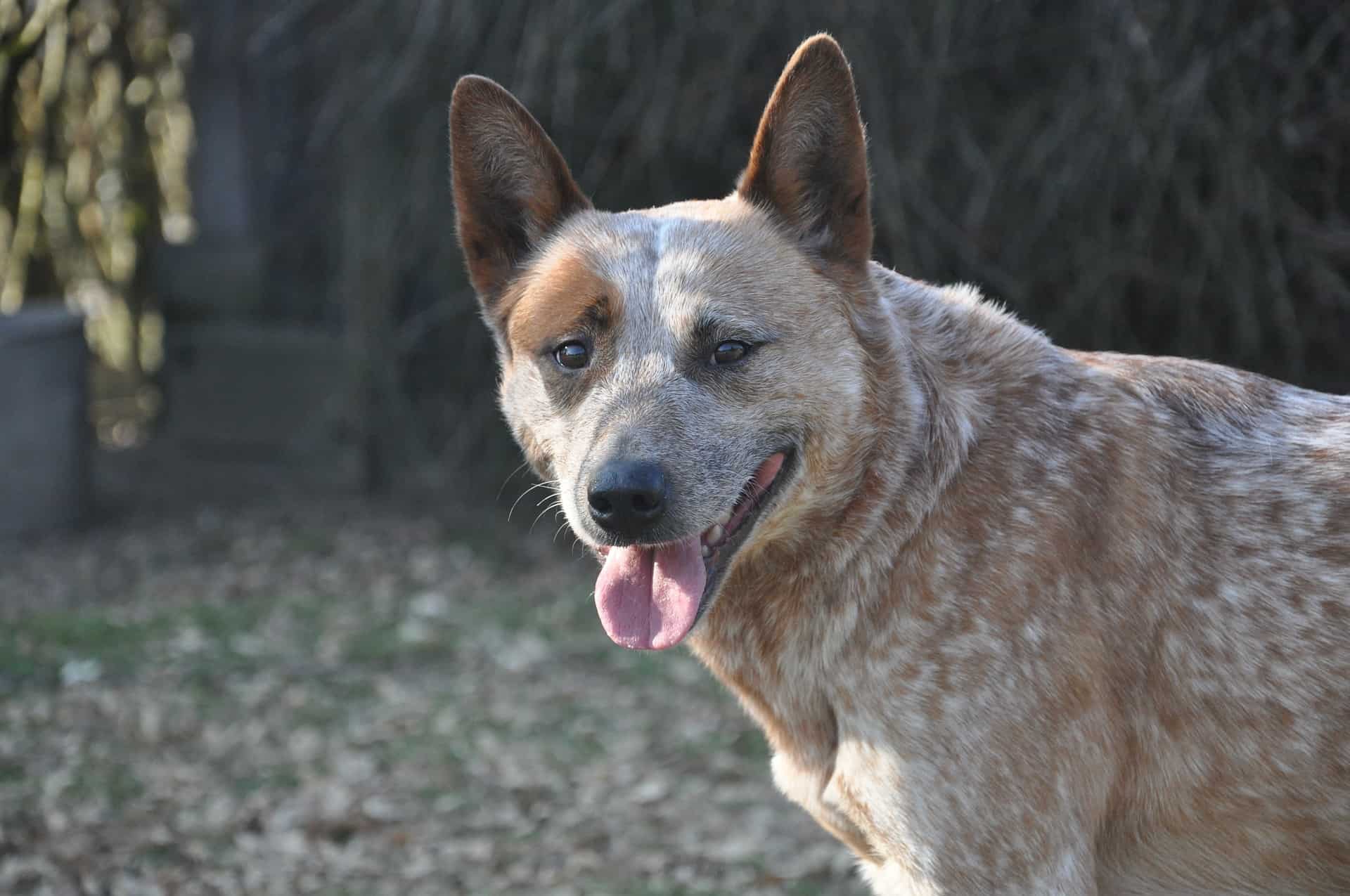
The ACD's coat is a short, dense double coat that sheds seasonally. Grooming needs are low by any working-dog standard: a weekly brushing or comb-through to clear dead hair is sufficient. No professional trimming is required, and the coat is naturally weather-resistant. The main coat task is managing the shed, not maintaining the coat itself.
Health
The ACD lives 10 to 13 years. The major hereditary concerns are hip dysplasia, osteochondrosis (OCD), deafness, progressive retinal atrophy, and elbow dysplasia. Lens luxation and cataracts appear occasionally. Responsible breeders test hips, elbows, hearing, eyes, and use DNA tests for PRA and lens luxation. Deafness, linked historically to the Dalmatian cross, is worth checking in any puppy.
Why these breeds are similar
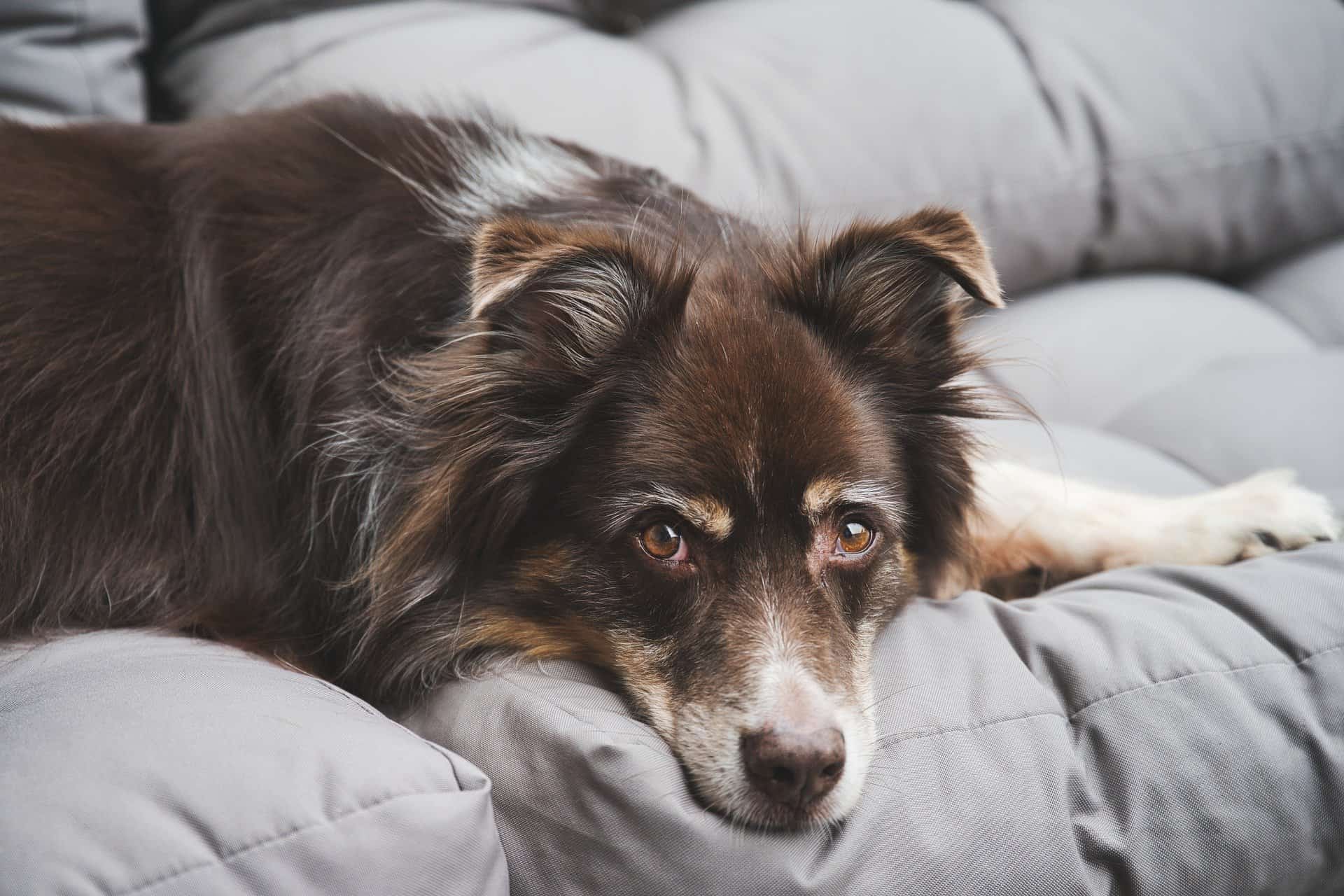
The **Australian Shepherd** is the closest relative in purpose and temperament: another high-drive herding dog developed to manage livestock in demanding conditions, equally intelligent and equally unsuited for low-activity households. The main differences are build (the Aussie is slightly larger and more heavily coated) and origin, but the daily demands on an owner are nearly identical.
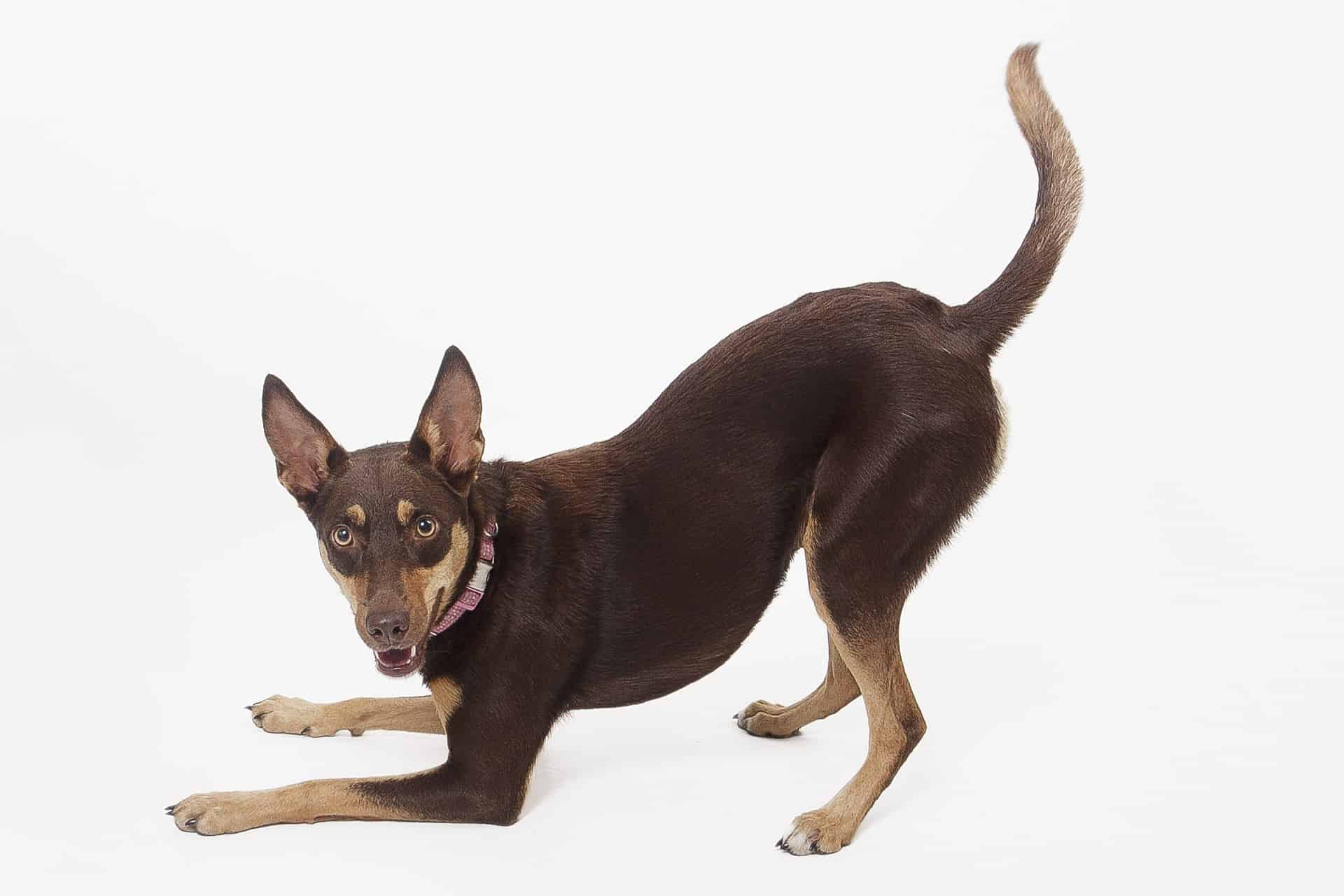
The **Australian Kelpie** shares the ACD's working-dog lineage directly, with Kelpie blood actually present in the ACD's ancestry. Both were shaped by Australian conditions, both work with a silent, low-crouching style, and both require serious exercise and a job to stay sane. The Kelpie is leaner and more independent still, but the overlap in character is strong.
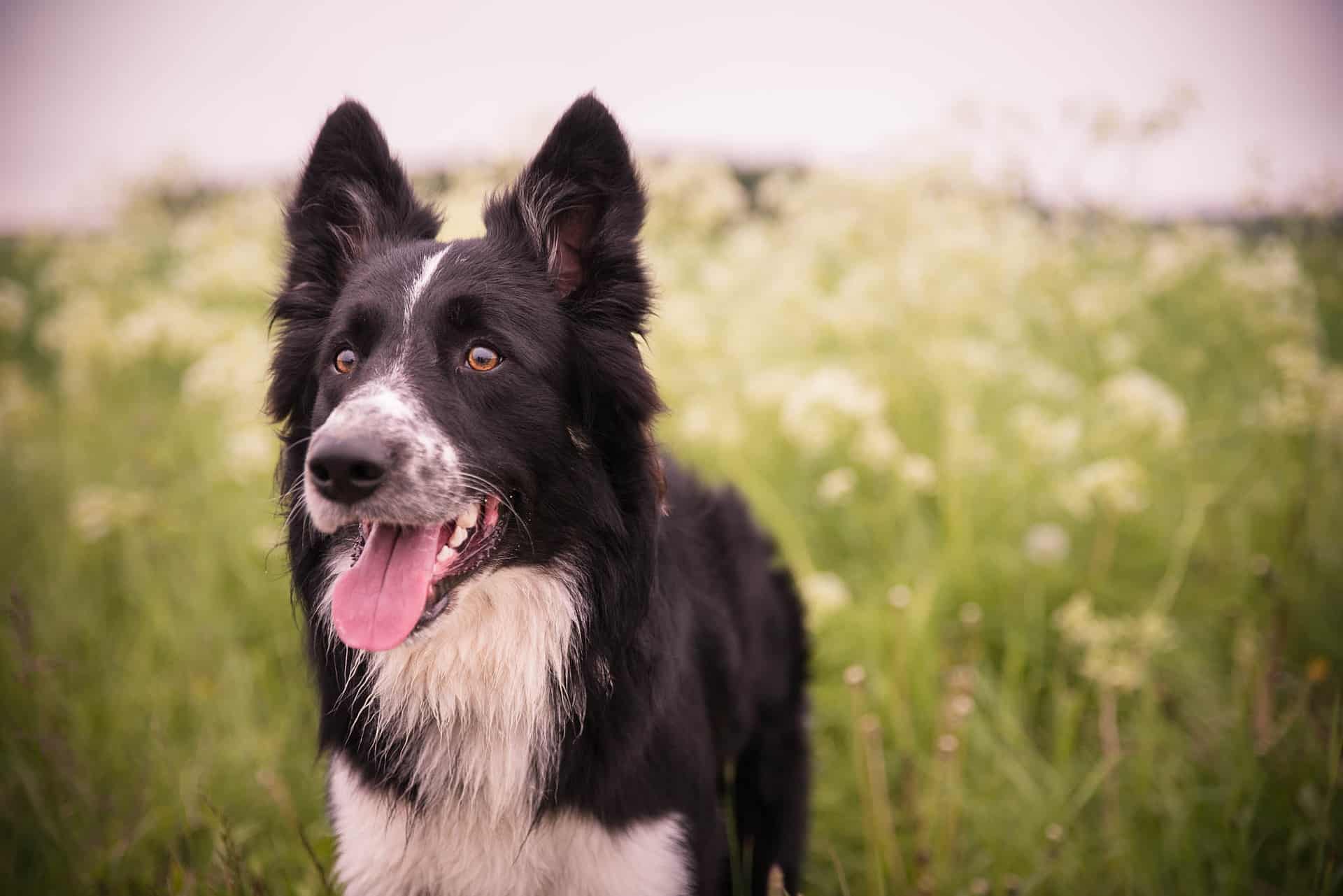
The **Border Collie** is the benchmark high-intensity herding breed, and the ACD sits in the same tier. Both are among the most intelligent and driven dogs in existence, both use eye and body pressure to control stock, and both become difficult when under-stimulated. The Border Collie is more biddable and slightly softer in temperament; the ACD is harder, tougher, and more stubborn. Either dog is a serious commitment.
Trait ratings
- Energy level
- 5/5
- Exercise requirements
- 5/5
- Playfulness
- 4/5
- Affection level
- 4/5
- Friendliness toward dogs
- 3/5
- Friendliness toward other pets
- 2/5
- Friendliness toward strangers
- 2/5
- Ease of training
- 5/5
- Watchdog ability
- 5/5
- Protection ability
- 4/5
- Grooming requirements
- 2/5
- Cold tolerance
- 3/5
- Heat tolerance
- 3/5