Purpose & Origin
The Jagdterrier is a German creation from the 1920s, born out of deliberate dissatisfaction. After World War I, four German hunters broke from the mainstream Fox Terrier Club to build something more single-mindedly functional. Rudolf Friess, Carl-Erich Grunewald, Herbert Lackner, and Walter Zangenberg, with the assistance of zoo director Lutz Heck, ran a structured breeding programme crossing Fox Terriers and Black and Tan Terriers, with Welsh Terriers and German Pinschers likely contributing to a lesser degree. By 1926 they had stabilised the breed and founded the German Hunt Terrier Club. The FCI recognised it as a distinct breed; in the United States a Jagdterrier Club followed in 1956.
The explicit goal was a versatile hunting terrier that could do everything: go to earth after fox and badger, track game, flush birds, retrieve, and tackle wild boar. That mandate shaped every trait the breed carries today.
Temperament & Behaviour
The Jagdterrier is intense. Morris notes that some authorities consider it exclusively a working dog, too belligerent for domestic life, while others report it to be affectionate with its owners and good with children in the household. Both accounts are accurate in context. The dog is bred to be fearless, persistent, and assertive, which translates directly into an animal that can be combative with other dogs and difficult to manage without firm structure. It is not aggressive toward its family, but it brings the same tenacity indoors that it applies underground.
Expect high drive, a strong prey instinct, and very little off-switch. This is not a breed that settles happily into apartment life or tolerates long stretches of inactivity.
Activity & Training
The Jagdterrier needs substantial daily exercise, and mental engagement matters as much as physical output. Boredom produces destructive behaviour fast. Field work, tracking, earth dog trials, or dog sports such as agility and nosework suit it well.
Training is possible but the breed is not biddable in the way a retriever is. It is intelligent and reads its handler, but it was selectively bred for independent decision-making in the field, and that independence asserts itself. Consistency, early socialisation, and a handler who is calm but firm get results. Soft or inconsistent handling does not. This is a breed for experienced owners.
Grooming
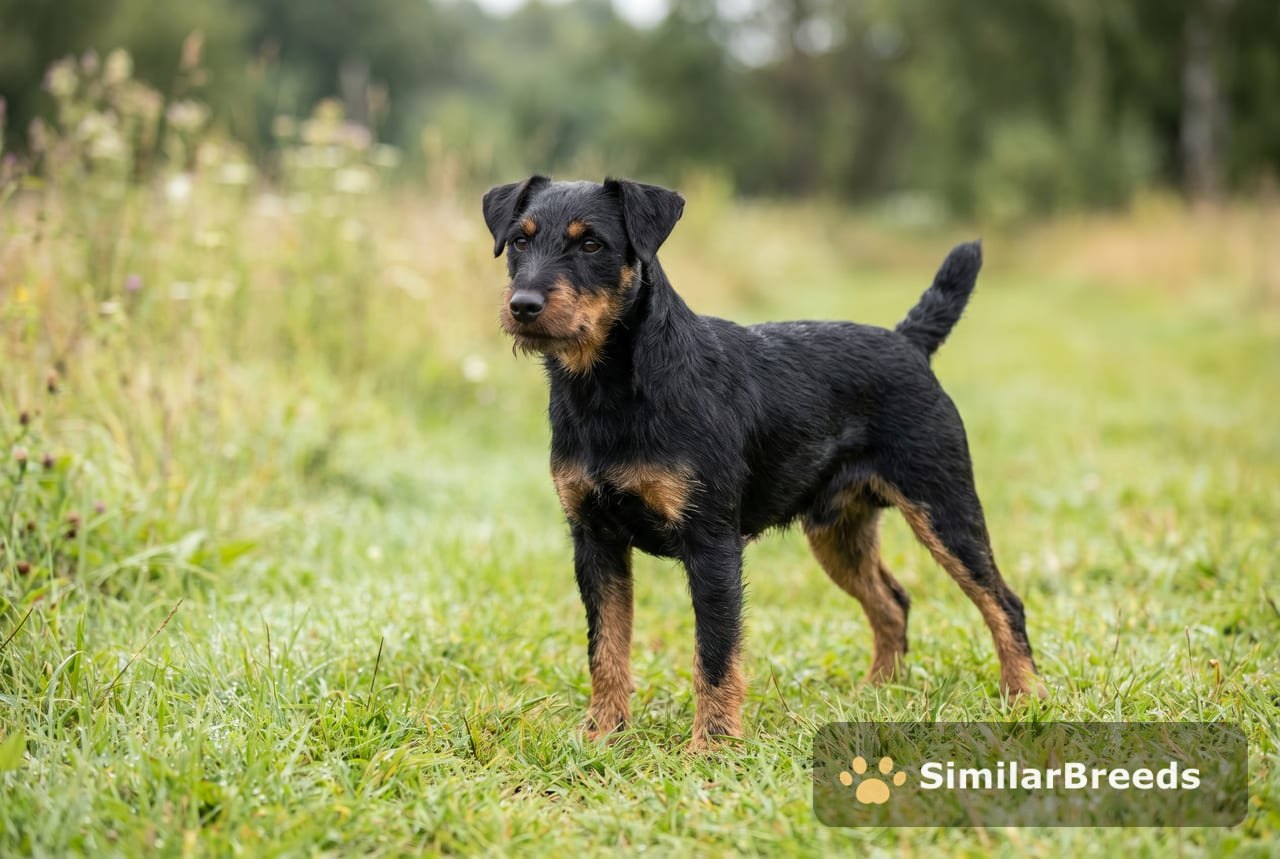
The Jagdterrier comes in two coat types: a short smooth coat and a rough wiry coat. The smooth variety needs only weekly brushing and is straightforward to maintain. The wire coat requires hand stripping, particularly during the heavier shedding periods in spring and autumn, to keep texture and condition. Neither coat is high-maintenance by terrier standards, but the wire coat demands more time than its modest length suggests.
Health
Generally a hardy breed, the Jagdterrier has a lifespan of 10 to 12 years. The main hereditary concern is Primary Lens Luxation (PLL), an inherited eye condition that can cause pain and, if untreated, blindness. Buyers should confirm that breeding stock has been tested for PLL. Some individuals are susceptible to cardiac arrhythmias and heart murmurs, though these are not widespread in the breed. As a working dog built for endurance and athleticism, it carries few of the structural problems found in breeds shaped by the show ring.
Why these breeds are similar
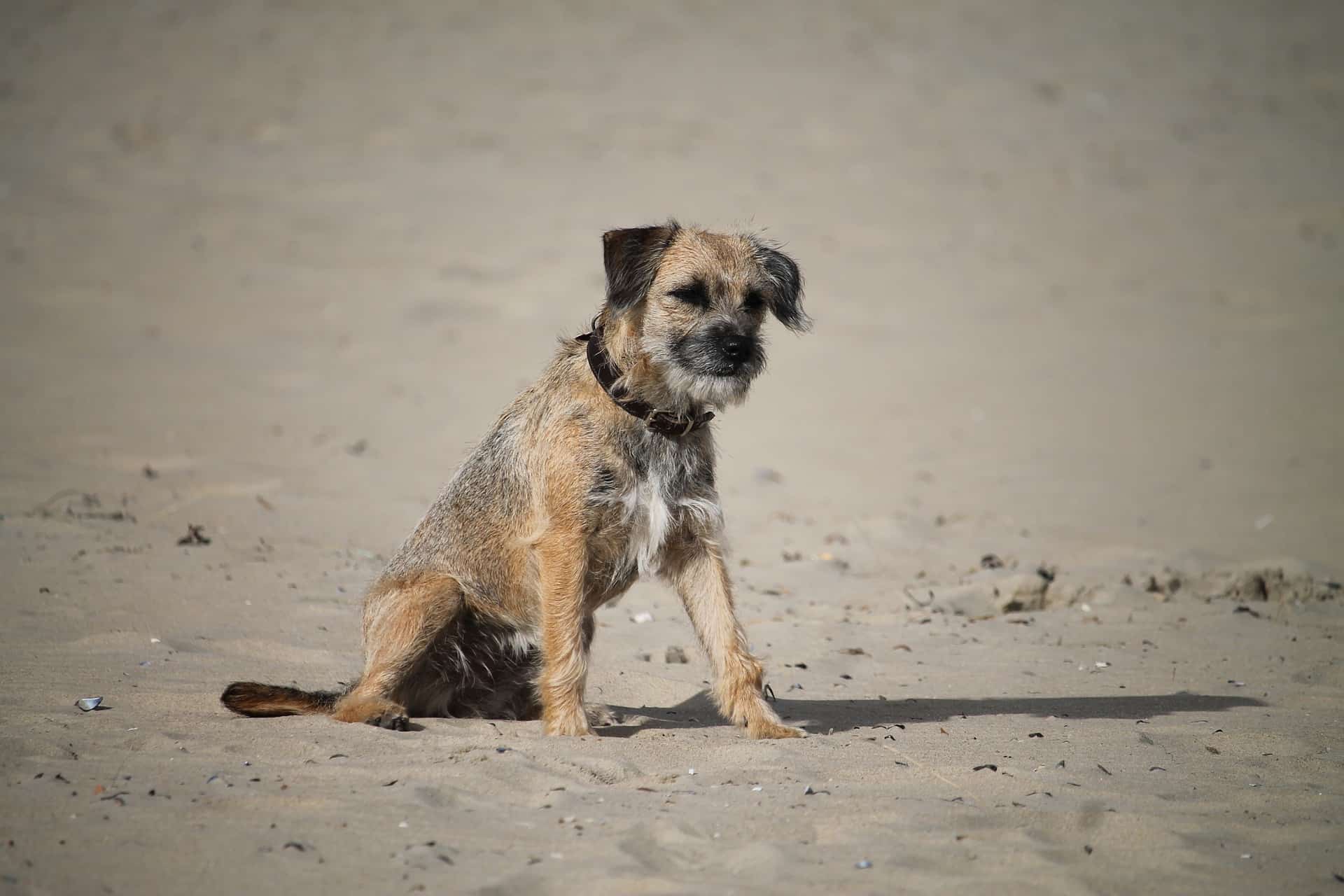
**Border Terrier:** Like the Jagdterrier, the Border Terrier is a small, genuinely working terrier bred to go to earth and keep up with horses in rough terrain. Both are physically tough, energetic, and built for function over appearance. The Border is more tractable and less combative with other dogs, but the core profile, a compact, driven, earth dog with real working instinct, is the same.
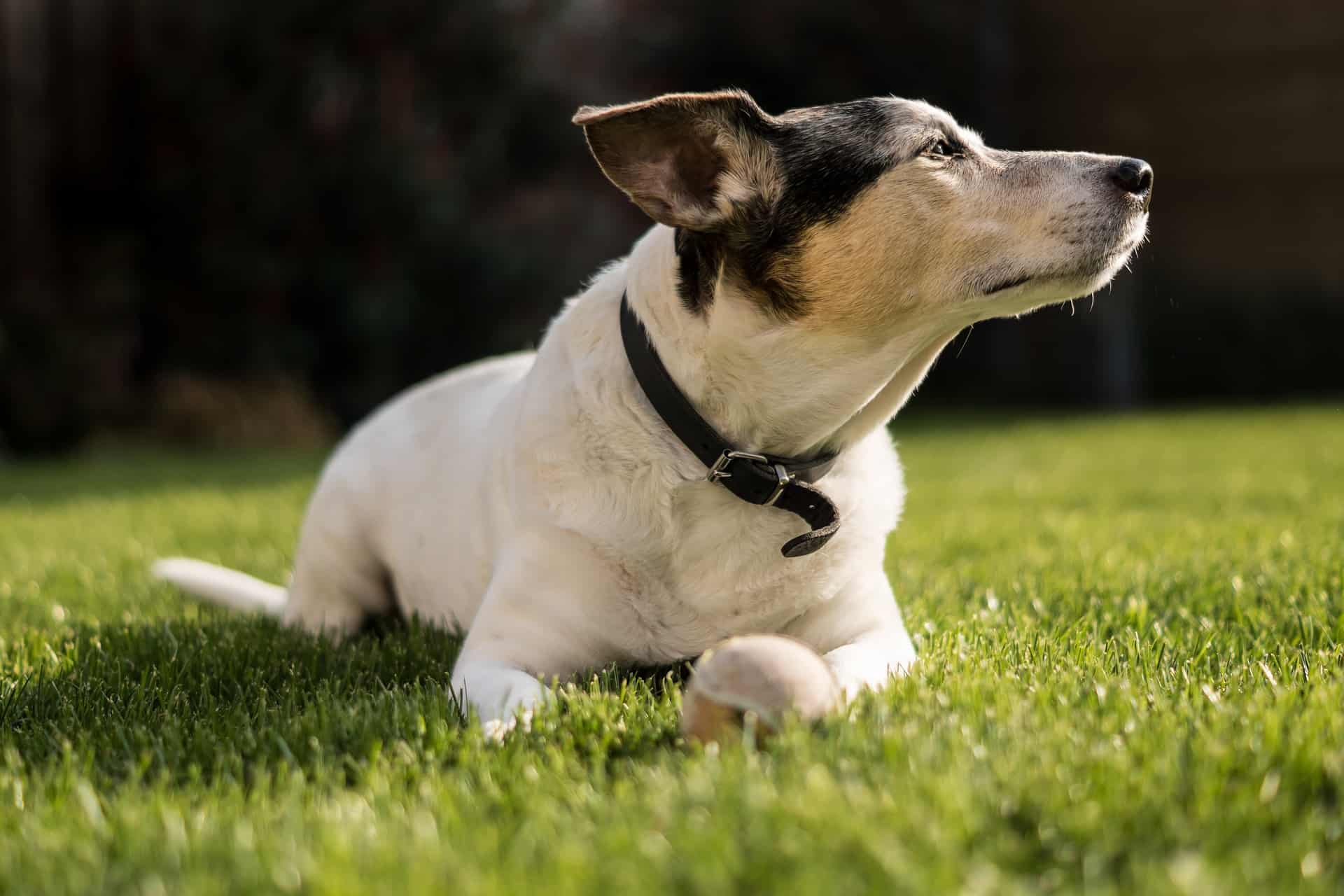
**Jack Russell Terrier:** The Jack Russell shares the Jagdterrier's size range, terrier tenacity, and high prey drive. Both were shaped entirely by working utility and carry strong independent streaks. The Jack Russell is somewhat more adaptable as a household companion, but the underlying temperament, bold, busy, and easily bored by sedentary life, maps closely.
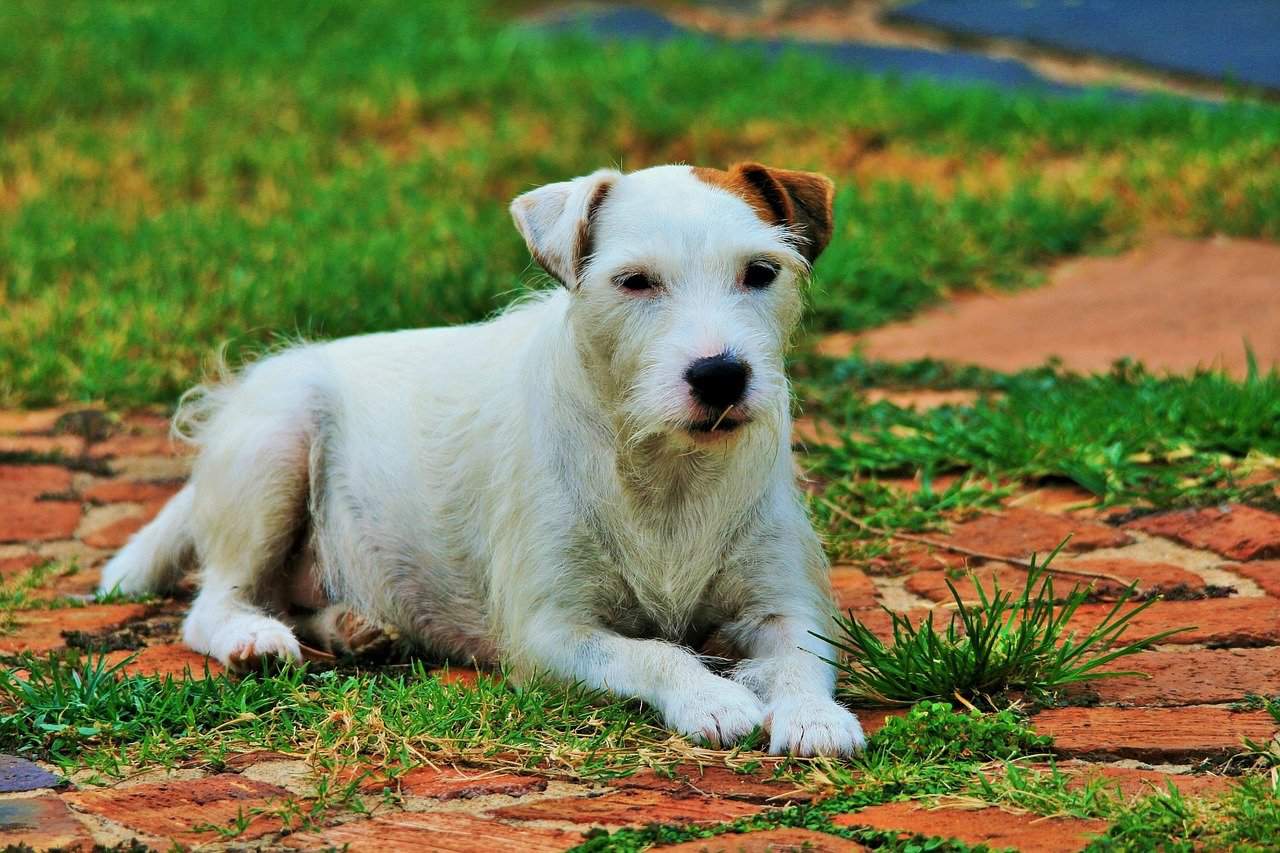
**Parson Russell Terrier:** The Parson Russell is essentially the taller, show-registered version of the Jack Russell type, bred to follow fox on horseback. It shares the same go-to-earth purpose and similar energy levels with the Jagdterrier. Both require active owners and consistent training. The Parson is generally considered more amenable to handling than the Jagdterrier, but the working terrier character is the common thread.