Purpose & Origin
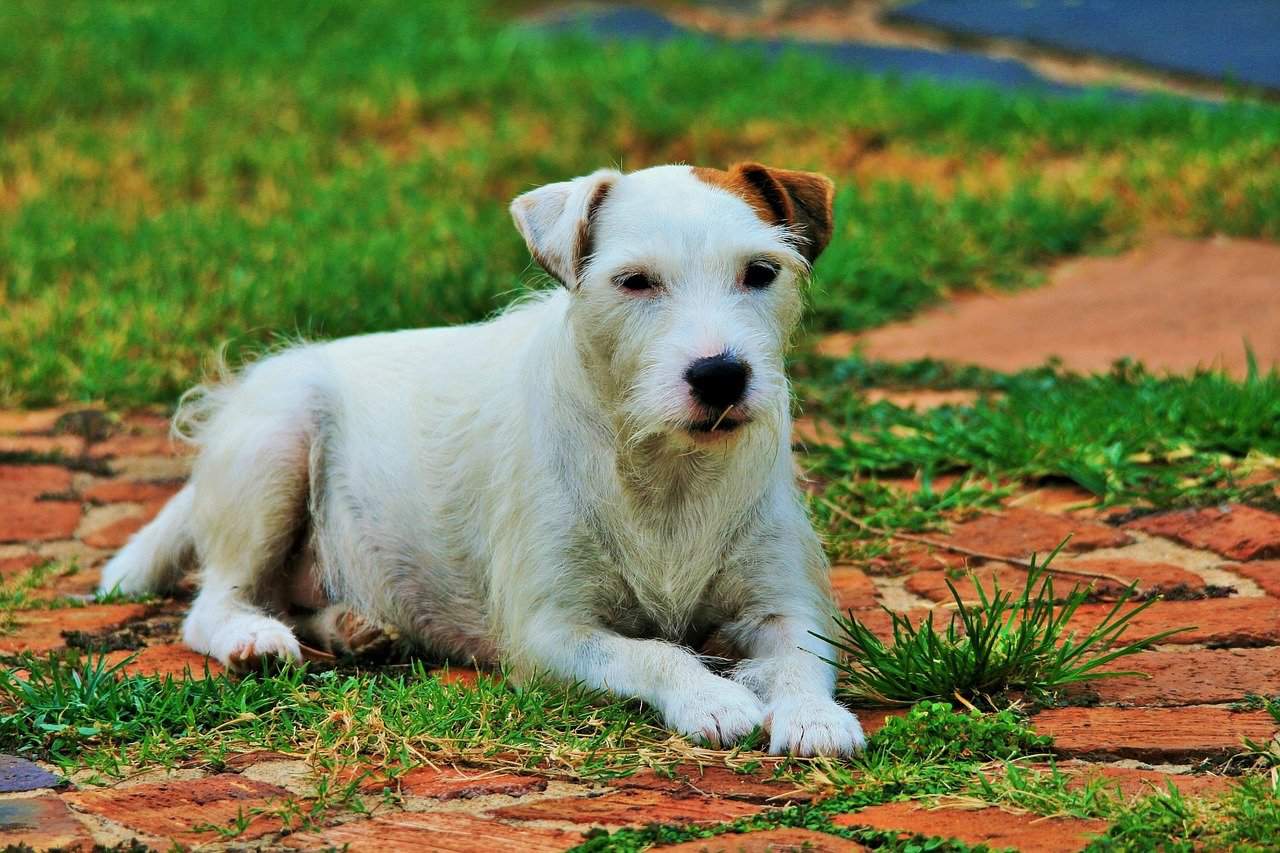
The Jack Russell Terrier (officially the Russell Terrier) traces back to Parson John Russell of England in the mid-1800s, who bred compact working terriers for fox bolting. Over time, two strains emerged from the same stock: a taller, longer-legged dog that could keep pace with a mounted hunt, and a shorter version that travelled easily in terrier bags on horseback and could squeeze into tighter underground dens.
The shorter type was developed further in Australia, recognised there as the Jack Russell Terrier in 1972. After a long naming dispute with the taller version in America and England, the AKC gave the two separate identities: the taller dog became the Parson Russell Terrier; the shorter one was renamed the Russell Terrier, with AKC recognition following in 2012. It stands 10 to 12 inches and weighs 14 to 18 pounds, small enough to go to ground where larger terriers cannot follow.
Temperament & Behaviour
This is a dog of high energy and genuine boldness, and neither quality is diluted by its small size. The Russell is affectionate and devoted to its people, reasonably outgoing with strangers, and not looking for trouble with other dogs, though a few individuals can be feisty. Other pets are generally fine if the dog grows up alongside them. The hunter is always present: given the chance, a Russell will chase, dig, and investigate anything that smells like prey. It is curious and adventurous by default, and a yard without secure fencing is an invitation to disappear. Some individuals bark more than others, though typically less than many other terriers.
Activity & Training
A Russell that does not get enough physical and mental work will find its own entertainment, and that usually involves destruction or escape. Daily walks, yard time, and indoor games all contribute, but the exercise requirement is real and consistent. The breed learns quickly, which sounds like a training asset until you realise it also means it gets bored fast and will start making its own decisions. Ease of training scores reasonably well for a terrier, but the independent streak is still present. Short, varied sessions work better than repetitive drills. Recall off-leash in unfenced areas is genuinely risky given the breed's drive to investigate underground animals.
Grooming
Coat care is one area where the Russell makes life easy. Grooming requirements are minimal. Smooth coats need only occasional brushing. Wire or broken coats benefit from occasional hand-stripping to keep the texture correct, but this is a low-maintenance breed by any measure.
Health
The Russell is a long-lived breed, with a typical lifespan of 13 to 15 years. Lens luxation and patellar luxation are the most commonly noted concerns; eye and knee checks are recommended. Ataxia and deafness appear occasionally. No major systemic health problems are recorded for the breed.
Why these breeds are similar
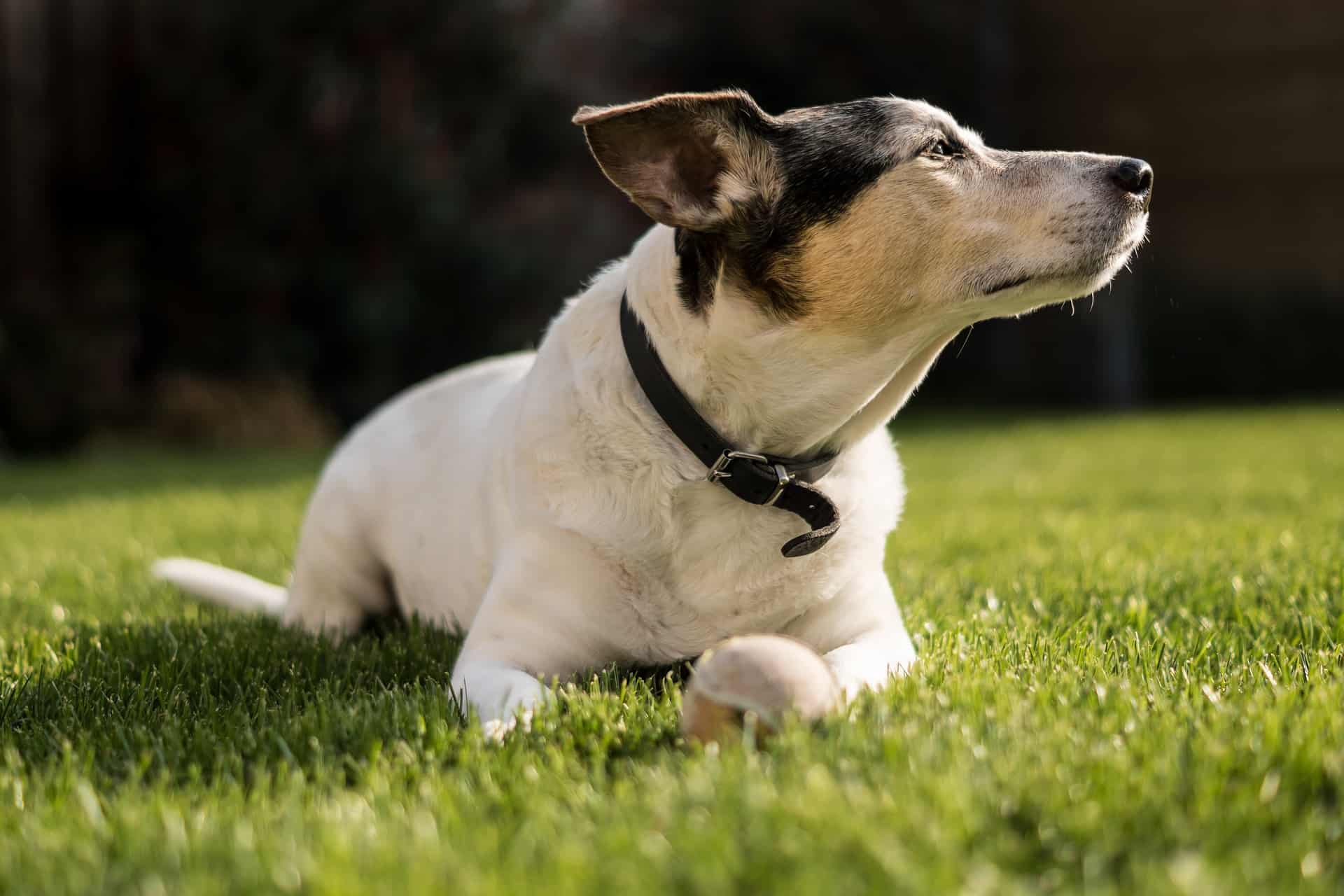
The Parson Russell Terrier is the Russell's closest relative, literally bred from the same founding dogs. The two breeds diverged on leg length and working role, not on temperament or drive. Both are bold, energetic fox-bolting terriers descended from Parson Jack Russell's original strain, and the character of the two is nearly identical.
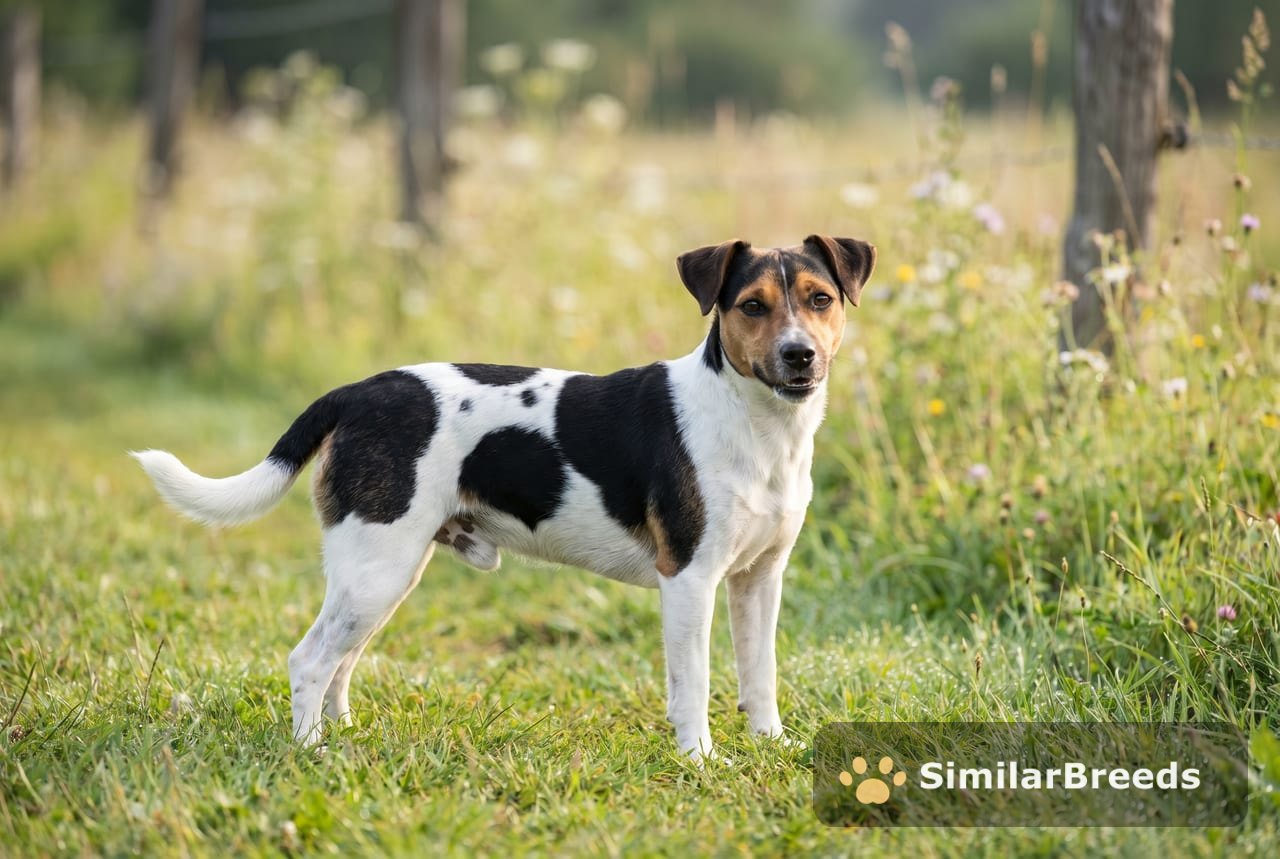
The Danish-Swedish Farmdog is a Scandinavian working dog of similar compact size, bred for ratting, hunting, and general farm utility. It shares the Russell's alertness, moderate sociability, and tireless activity level, and the two are often grouped together for owners wanting a small, active working-type dog.
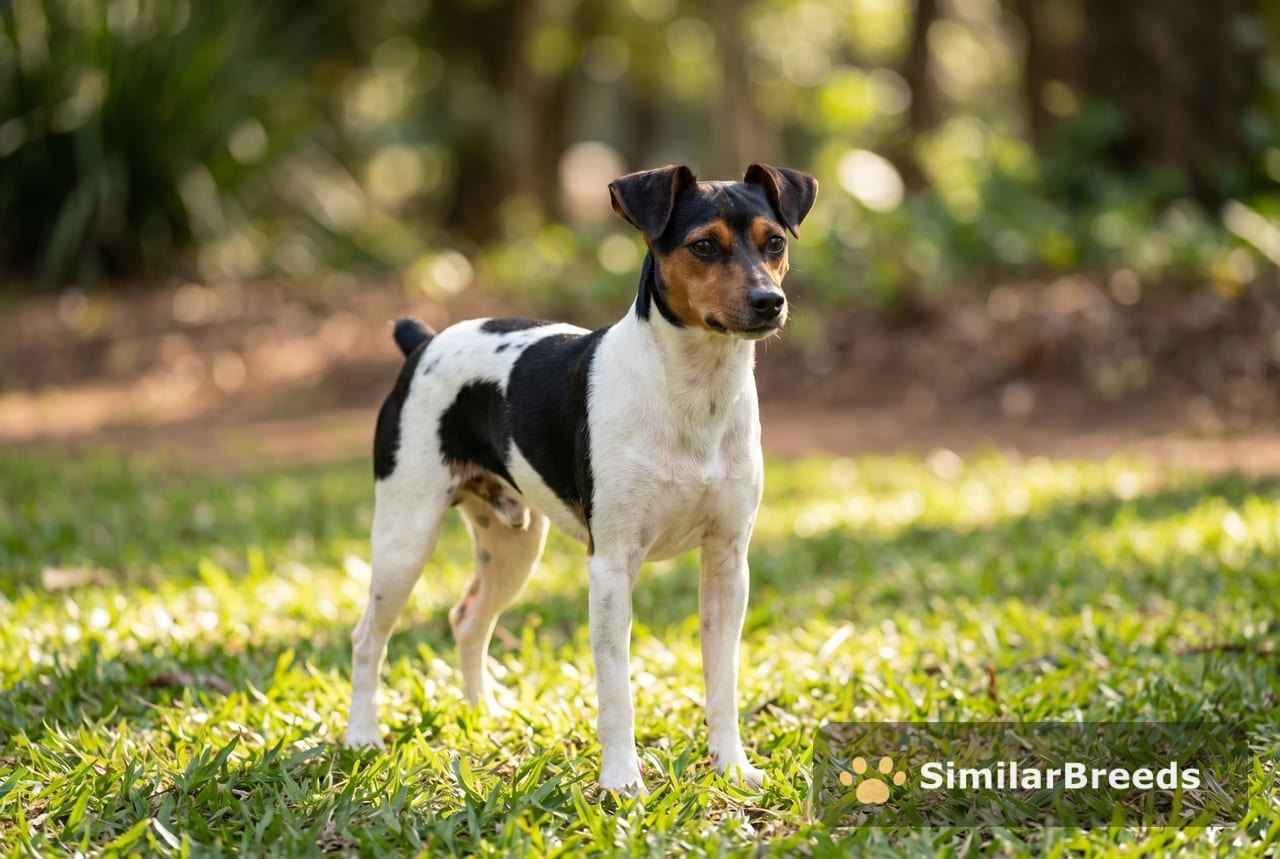
The Brazilian Terrier is South America's version of the same basic formula: a small, game, short-coated terrier developed for hunting and vermin control, with high energy and a similarly alert, inquisitive nature. Build and working purpose align closely with the Russell, even though the two breeds developed on opposite sides of the world.
Trait ratings
- Energy level
- 5/5
- Exercise requirements
- 4/5
- Playfulness
- 5/5
- Affection level
- 4/5
- Friendliness toward dogs
- 3/5
- Friendliness toward other pets
- 3/5
- Friendliness toward strangers
- 3/5
- Ease of training
- 4/5
- Watchdog ability
- 5/5
- Protection ability
- 2/5
- Grooming requirements
- 1/5
- Cold tolerance
- 2/5
- Heat tolerance
- 4/5