Parson Russell Terrier
From Great Britain
Purpose & Origin
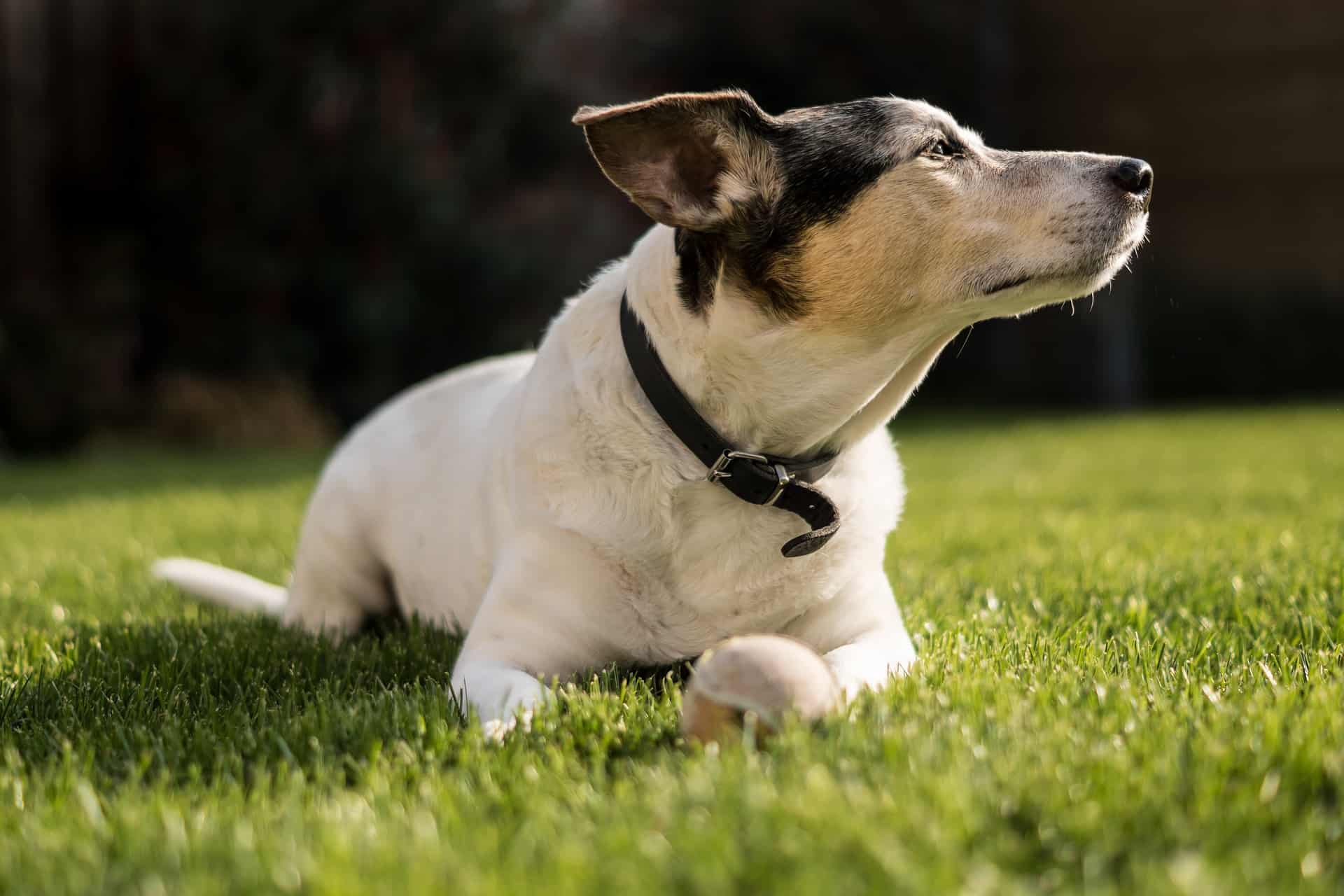
The Parson Russell Terrier traces directly to a single dog called Trump, acquired by Parson John Russell of Devonshire in the mid-1800s. Russell was a devoted fox-hunting man, and he bred his terriers with one goal in mind: a dog compact enough to bolt fox from its earth yet long-legged enough to follow a mounted hunt across open country. The type he developed proved so durable and distinctive that it carried his name for generations.
Russell himself never entered his dogs in conformation shows, and that field-first philosophy stuck. Even after the breed gained AKC recognition in 1998 under the name Jack Russell Terrier, and was renamed Parson Russell Terrier in 2003, the dog's core following remains people who care more about what it does than how it looks at a show.
Temperament & Behaviour
There is nothing subtle about this terrier. It is a hunter in every cell, always ready to explore, chase, dig, or disappear down a hole. It plays hard, barks readily, and keeps its own counsel on the question of when enough is enough. It is playful and reasonably friendly with children and strangers, and gets along better with other dogs than many terriers do, though it remains scrappy with unfamiliar ones.
Cats and small pets are a different matter: the prey drive is strong and reliable. It does well around horses, which fits its origins, but any rodent in the household is at risk. The breed's appeal to media producers is not accidental; it is clever, clownish, and perpetually animated. The flip side is that charm and mischief come as a package.
Activity & Training
A Parson Russell left without adequate exercise will redecorate your house, usually starting with the garden. It needs a long walk or a genuinely taxing game every single day, plus mental work. Short, consistent training sessions help, though the breed scores a middling three on trainability: it is smart enough to learn quickly and independent enough to decide whether it feels like cooperating. Recall in particular requires serious work, because the instinct to go after something interesting is not a switch you can fully turn off. Any off-leash time must be in a securely fenced area. Dogs that go down holes after quarry may need to be dug out.
Grooming
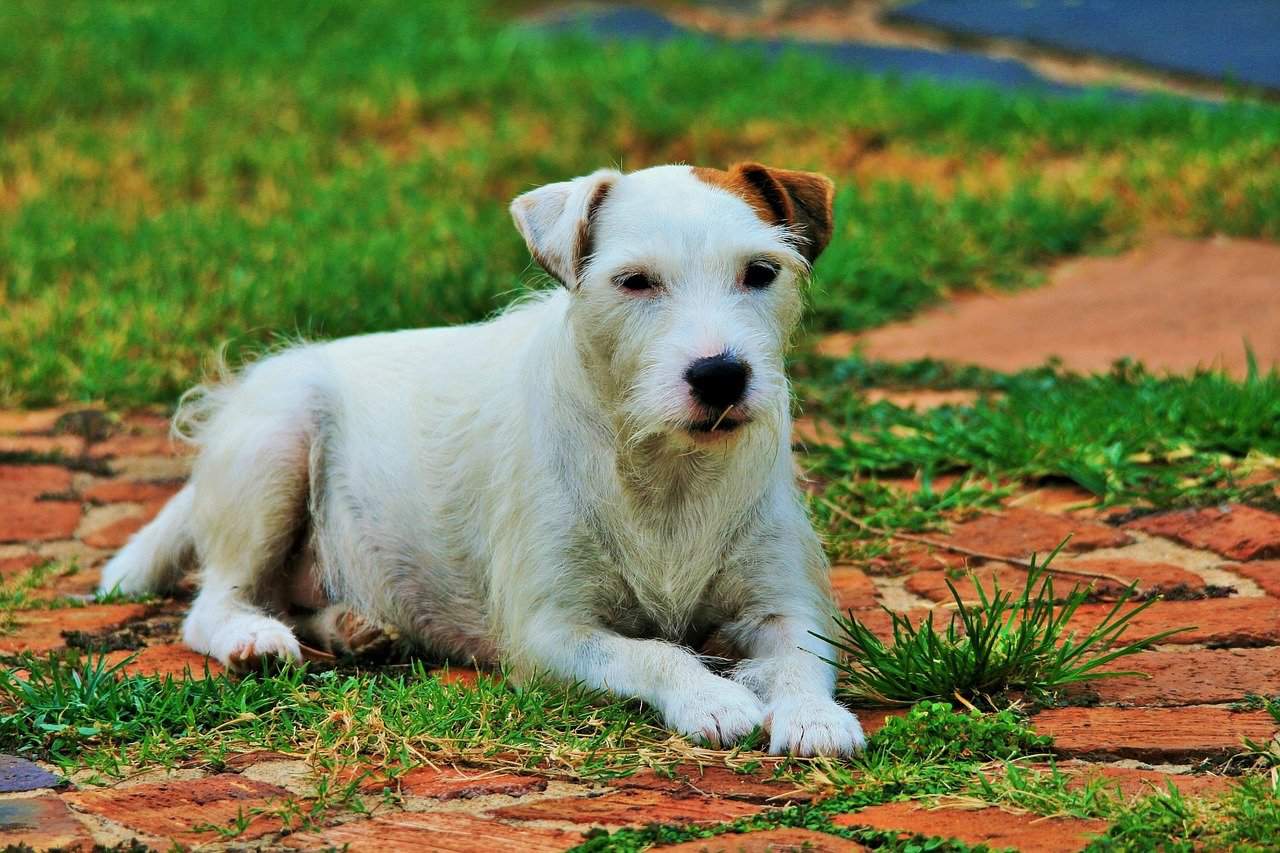
The breed comes in two coat types. The smooth coat needs only a weekly brush to clear dead hair. The broken (rough) coat adds occasional hand stripping to the routine, which keeps texture correct and removes loose undercoat. Neither type is high-maintenance by terrier standards, and both are straightforward for owners willing to stay consistent.
Health
The Parson Russell is a generally hardy breed with a life span of 13 to 15 years. The main issues to watch for are lens luxation and patellar luxation. Glaucoma, ataxia, Legg-Perthes, and deafness appear occasionally. Reputable breeders test eyes, knees, and hearing before breeding.
Why these breeds are similar
The **Jack Russell Terrier** is the closest relative by far, sharing the same founding stock and the same fox-bolting purpose. The primary difference is physical: the Jack Russell standard allows shorter legs and a longer body, while the Parson Russell holds to the longer-legged, more square type that Russell himself developed. Temperament, energy, and drive are essentially identical.
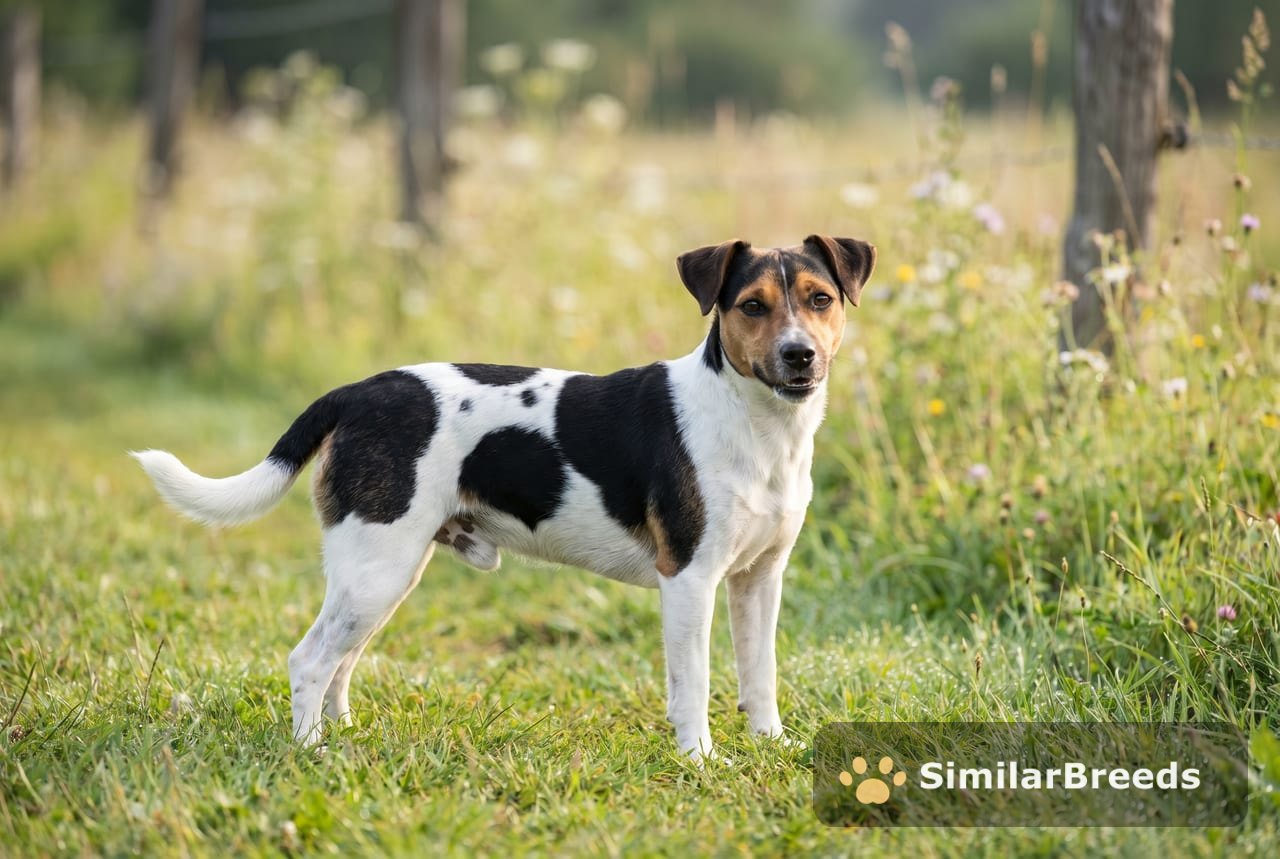
The **Danish-Swedish Farmdog** brings a similar compact build, working background, and high-energy character. Bred to hunt vermin and work farms across Scandinavia, it shares the terrier's alertness, playfulness, and need for an active owner, though it tends to be somewhat more biddable.
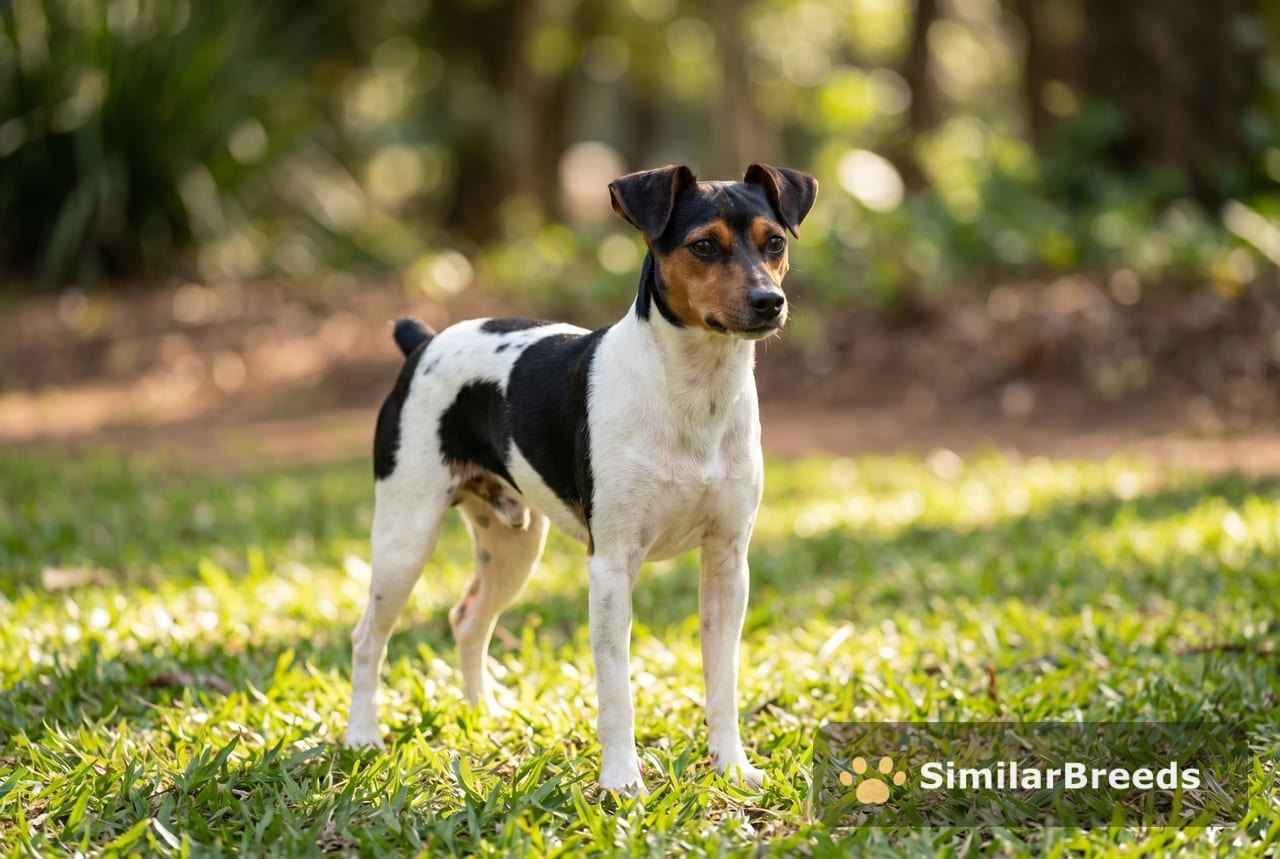
The **Brazilian Terrier** is another small, high-drive working terrier developed independently in South America, built for hunting and vermin control. It matches the Parson Russell in energy level, bold temperament, and prey drive, and like the Parson it is not a dog for owners who want a relaxed companion.
Trait ratings
- Energy level
- 5/5
- Exercise requirements
- 4/5
- Playfulness
- 5/5
- Affection level
- 3/5
- Friendliness toward dogs
- 2/5
- Friendliness toward other pets
- 1/5
- Friendliness toward strangers
- 3/5
- Ease of training
- 3/5
- Watchdog ability
- 5/5
- Protection ability
- 2/5
- Grooming requirements
- 3/5
- Cold tolerance
- 3/5
- Heat tolerance
- 3/5