Broholmer
From Denmark
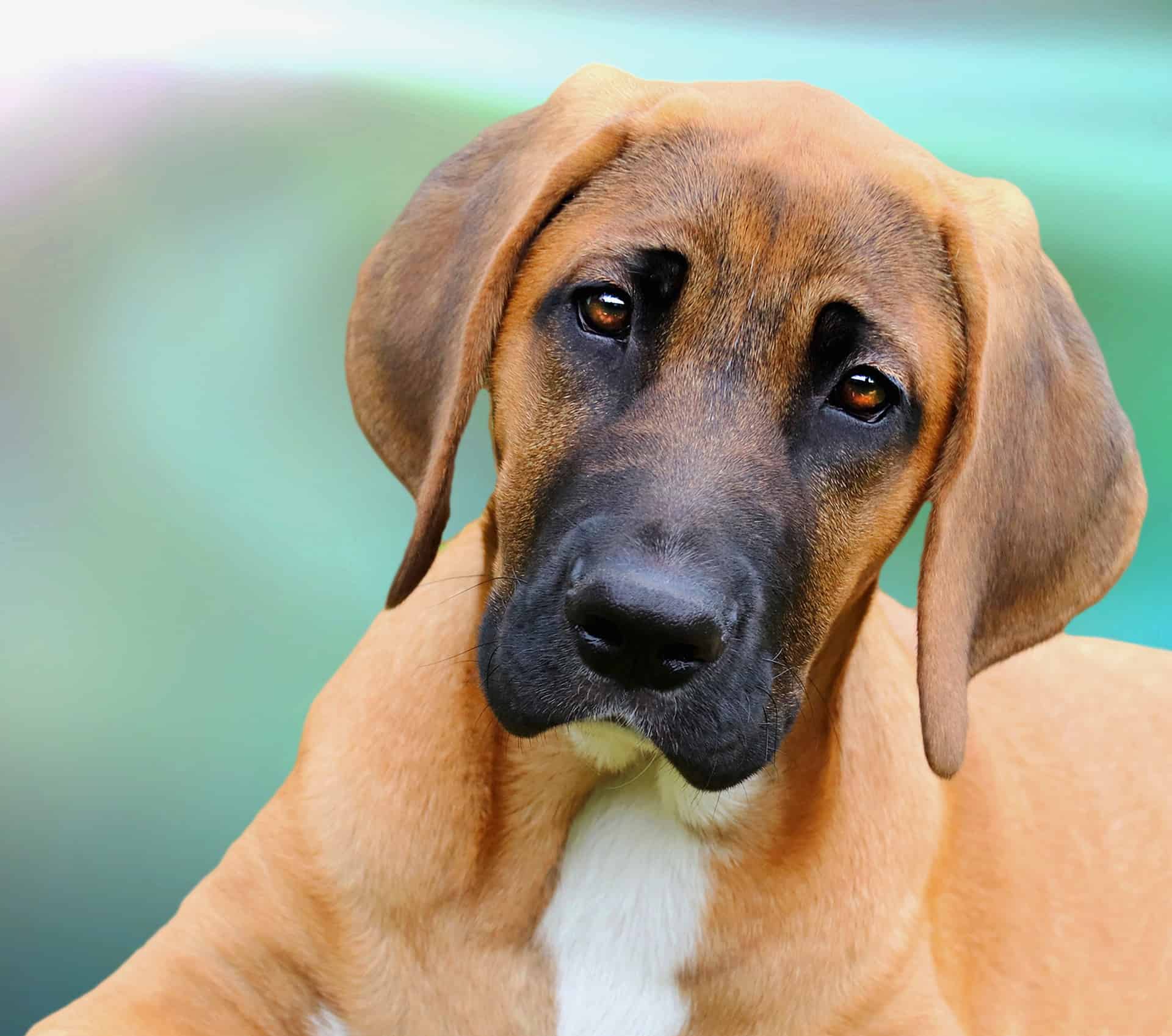
Purpose & Origin
The Broholmer is Denmark's native mastiff, bred from English Mastiffs gifted by the English court to the Danish kings Frederik II and Christian IV in the 16th century. Those dogs were crossed with local Danish breeds to produce something leaner and more capable of working. The resulting dog served two overlapping roles: driving cattle to market, where it earned the nickname slagterhund ("butcher's dog"), and guarding property.
By the 19th century it had also become a prestige animal in Danish royal circles, depicted lying at the feet of King Frederik VII in an 1859 portrait. Count Niels Frederik Sehested of Broholm, Funen, standardised the breed in that era and gave it its modern name. A formal breed standard was recorded in 1886.
Both World Wars devastated the breed. Large dogs are expensive to feed, and numbers collapsed. By the time the Danish Kennel Club's Committee for National and Forgotten Breeds launched a recovery effort in 1974, only a handful of dogs conforming to the original type could be found in Denmark. Careful breeding from those survivors rebuilt the population, and the FCI formally recognised the breed in 1982. The Broholmer remains rare outside Scandinavia.
Temperament & Behaviour
The Broholmer is calm, confident, and steady rather than excitable. Around its family it is affectionate and loyal; with strangers it is watchful and initially reserved, which is exactly what you want from a guarding breed. It is not aggressive by default, but it takes its role seriously and will assess unfamiliar people deliberately before warming to them.
This is a people-oriented dog that does not do well isolated in a yard. It bonds closely with its household and is generally good with children, though its sheer size demands supervision around small kids. The breed is intelligent enough, but not biddable in the way a herding dog is. It thinks for itself.
Activity & Training
Despite its bulk, the Broholmer needs moderate daily exercise, two solid walks covering real ground. It is not a jogging partner or a high-drive sport dog, but it should not be under-exercised either, as boredom in a 50-plus-kg dog creates problems. Puppies need controlled, low-impact exercise during growth to protect developing joints.
Training should start early and stay consistent. The breed responds well to calm, confident handling and positive reinforcement, but it will not respond to harshness or rushing. Socialisation from puppyhood is essential: a large dog that is uncertain around people or other animals is a genuine management problem. Basic obedience and reliable recall are non-negotiable given the size.
Grooming
The Broholmer has a short, dense, coarse coat that sheds seasonally and requires minimal day-to-day effort. Weekly brushing handles loose hair outside shedding periods. During the two or three annual shedding cycles, daily brushing keeps the house manageable. Bathing once a month is sufficient. Check and clean the ears regularly, and keep nails trimmed, as overgrown nails on a heavy dog add strain to joints already under load.
Health
Lifespan is typically 8 to 10 years. As a large molosser, the Broholmer is prone to hip and elbow dysplasia; buyers should ask breeders for hip scores on both parents. Dilated cardiomyopathy is a reported concern in the breed, as it is in several large molossers. Weight management across the dog's life directly affects joint health. Growth rate in puppies should be kept moderate, avoiding high-calorie diets that push rapid size gain.
Why these breeds are similar
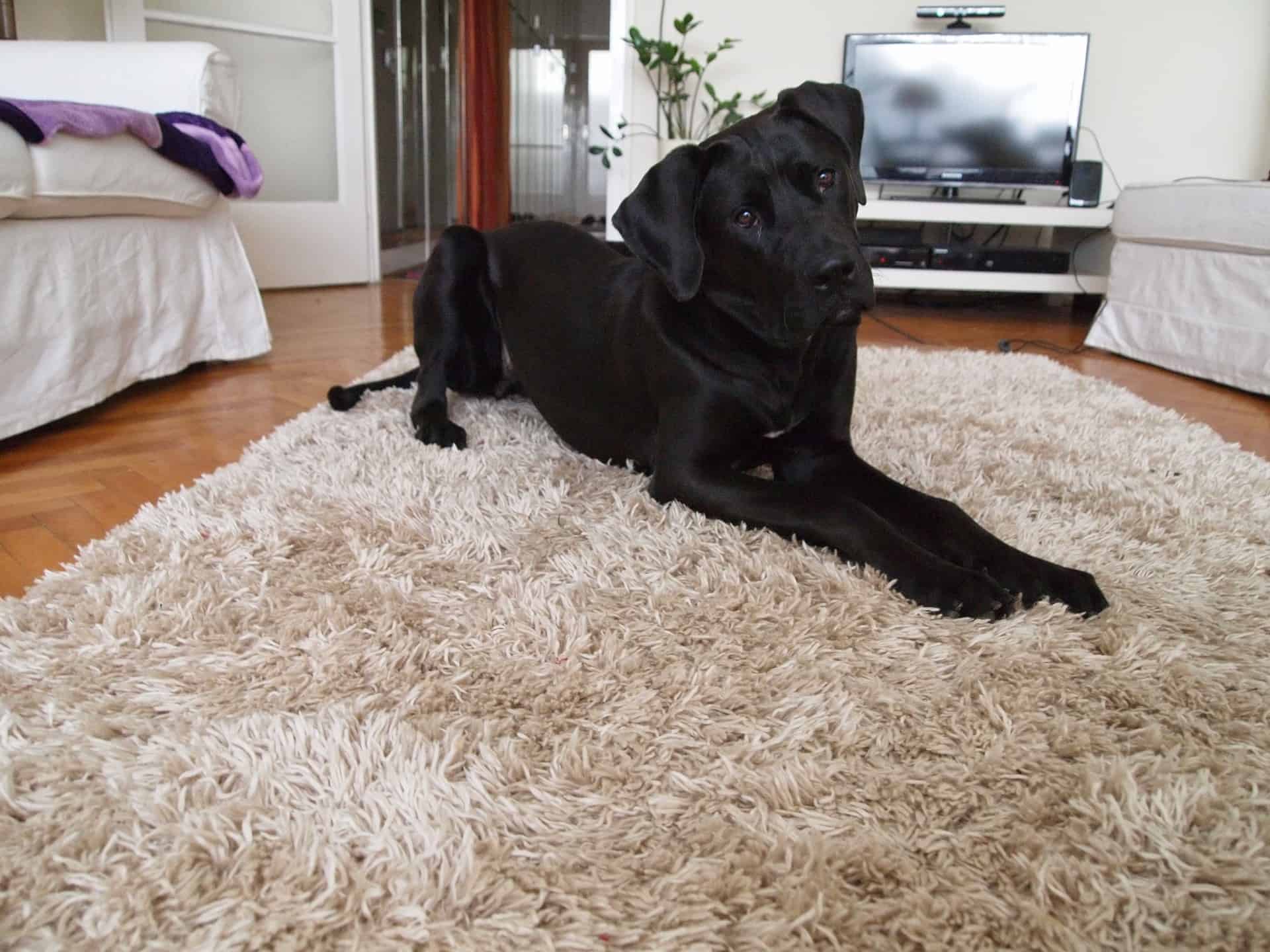
**Tosa** shares the molosser build and the calm, watchful temperament of a serious guarding breed. Both are heavy, deliberate dogs that were developed for a specific working purpose and carry genuine physical power.
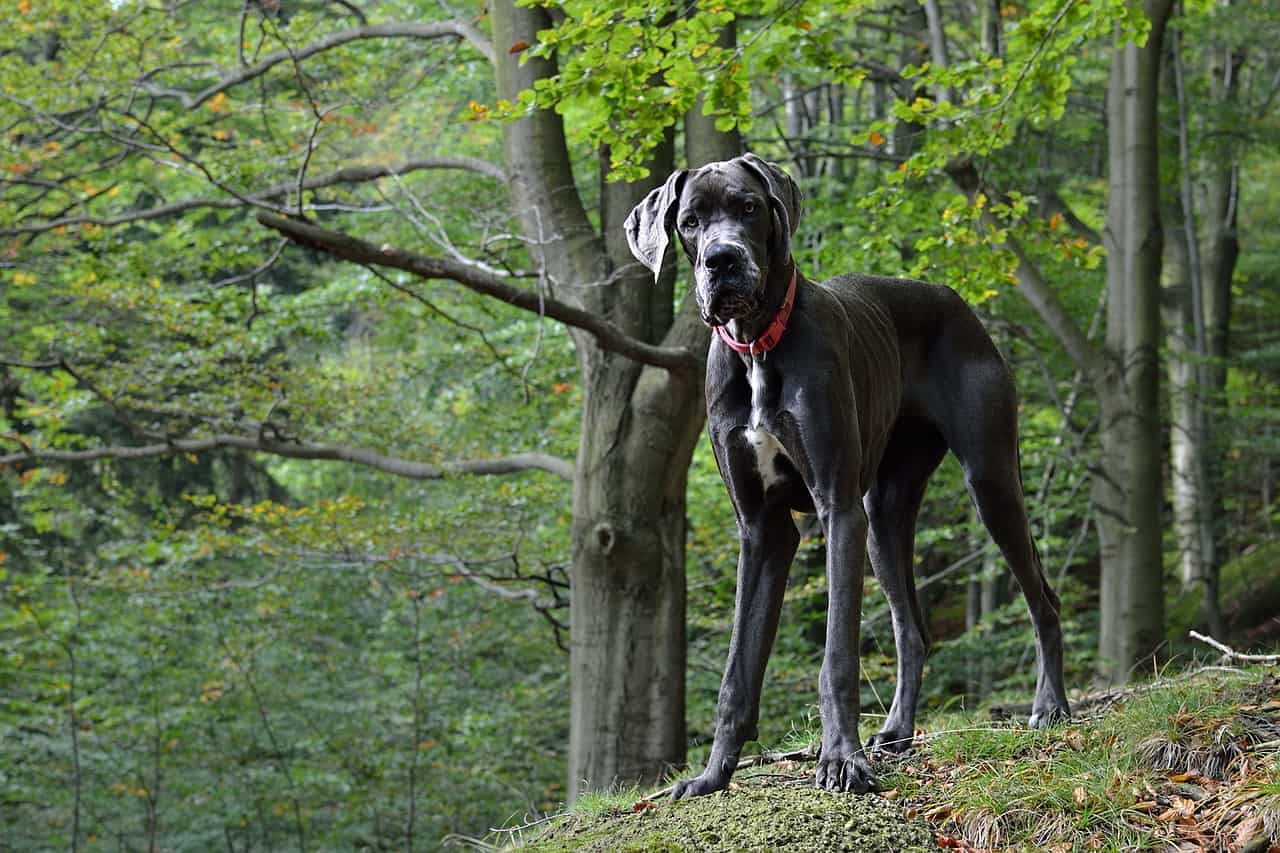
**Great Dane** is the Broholmer's closest regional neighbour in type. Both are large northern European mastiff-types with a calm demeanour, a lean frame compared to the English Mastiff, and a strong attachment to their household. The Dane is taller; the Broholmer is stockier.
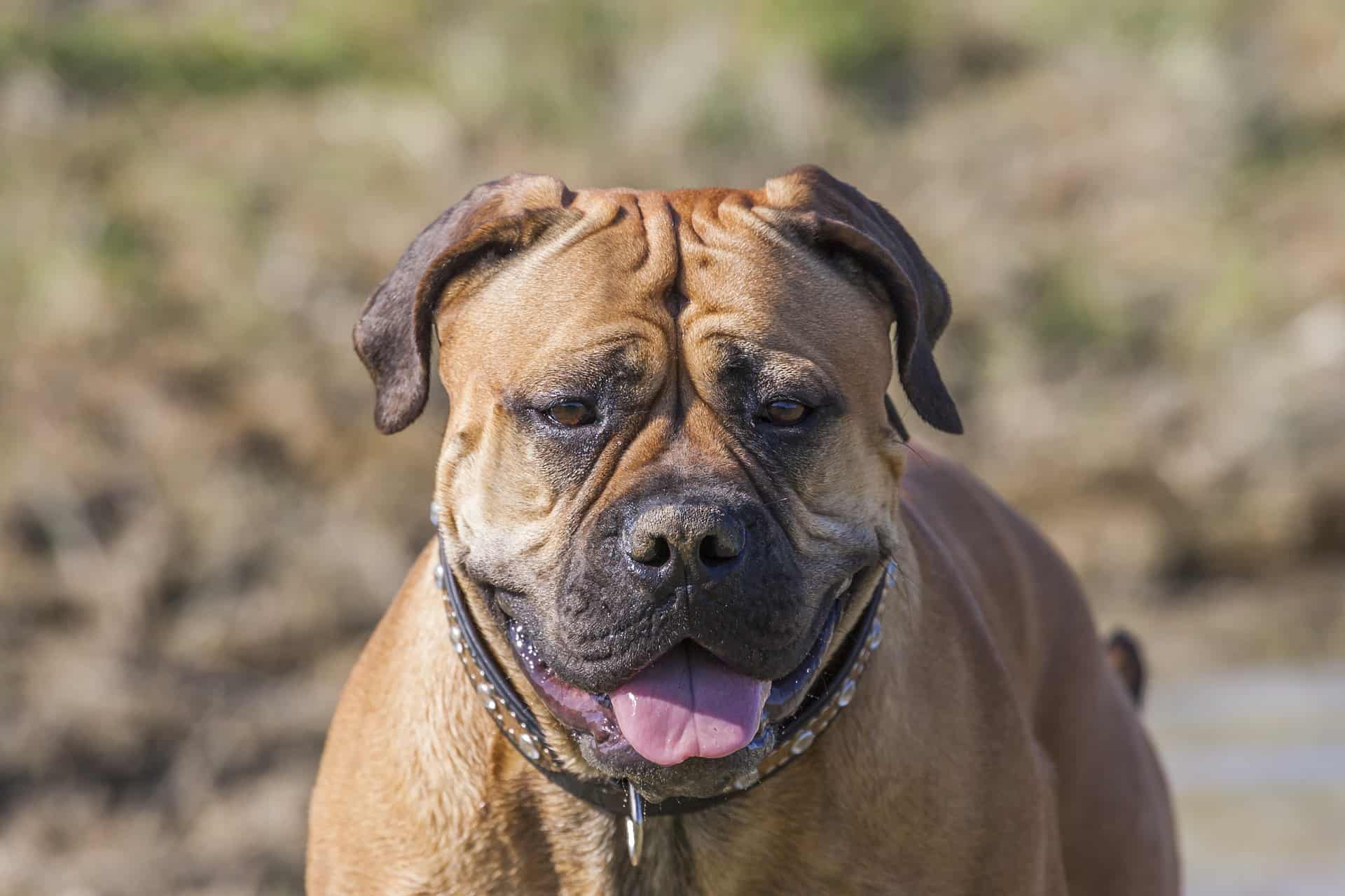
**Bullmastiff** shares the guardian instinct and the English Mastiff lineage that lies at the root of the Broholmer's ancestry. Both breeds are confident and steady, inclined to observe before acting, and built for deterrence rather than aggression.
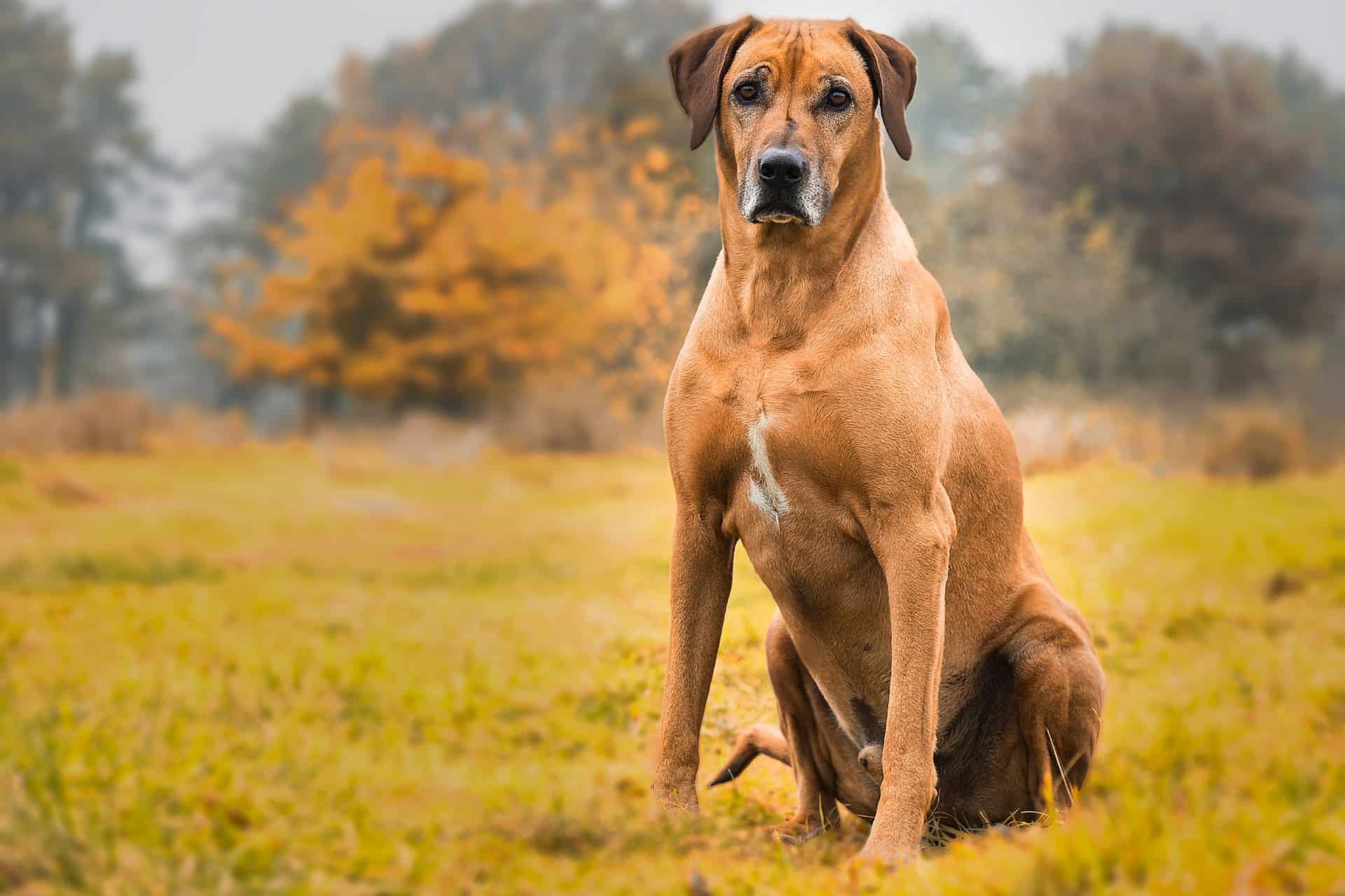
**Rhodesian Ridgeback** is the outlier here in terms of build, but it overlaps on the combination of loyalty, independence of mind, moderate grooming needs, and a strong protective instinct. Both breeds require an owner who sets clear boundaries rather than expecting automatic compliance.