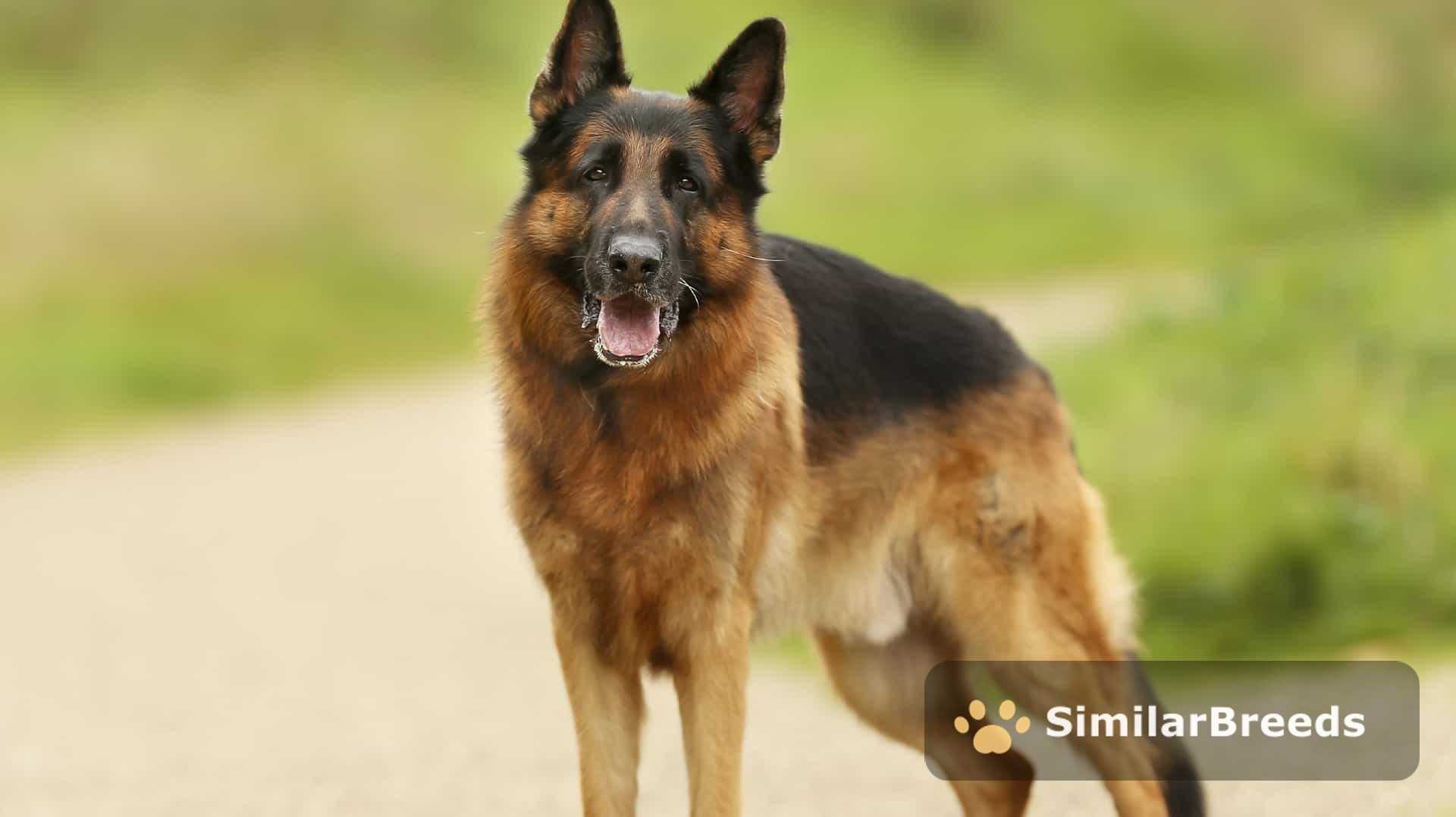
German Shepherd Dog
From Germany
As the name indicates, this breed (previously known as the Alsatian) was historically used as a shepherd dog and sheep guardian. The German Shepherd Dog, which is extremely flexible and trainable, has worked successfully as a guard dog, guide dog, and tracker, and is frequently utilized by law enforcement and military forces around the globe. Aside from the odd unfavorable headlines for aggressive behavior, German Shepherd Dogs bred by reliable breeders normally have a stable temperament. Once trained and socialized by a sensible owner, a GSD will grow up into a beloved and affectionate part of the family. Coat lengths range from short to long.
Purpose & Origin
The German Shepherd Dog is not an ancient breed but a deliberately engineered one. In 1899, German breeders formed the Verein fur Deutsche Schaferhunde SV specifically to produce the ideal shepherd: a dog capable of herding and guarding flocks while also possessing the courage, athleticism, and intelligence to excel at more demanding work. That ambition was realised faster than anyone expected. Within a generation, the breed had proved itself as a police dog, a war sentry in World War I, and a guide dog for the blind.
Two movie dogs, Strongheart and Rin Tin Tin, made it a household name in America, and for years it held the top spot in AKC registrations. The breed has been known by other names along the way: Britain called it the Alsatian Wolfdog during the war to strip away the German association, and the AKC briefly called it simply the Shepherd Dog before restoring the full name in 1931.
Temperament & Behaviour
This is one of the most intelligent breeds in existence, and its focus is its defining quality. A German Shepherd on a task is single-minded to a degree most other breeds cannot match. It bonds closely with its family and is deeply loyal, but strangers get a cool, watchful reception by default. Both its watchdog and protection scores are at the ceiling, and that is not marketing: this dog genuinely monitors its territory and will act on a perceived threat.
It can be dominant and will test a handler who lacks confidence. Dog-to-dog tension is a real trait, scored at the low end of friendliness, though it generally tolerates other household pets. This is not a beginner's dog.
Activity & Training
Daily mental and physical exercise is not optional. The breed scores four out of five on exercise requirement, and skipping a day shows up quickly in destructive or anxious behaviour. A long run, a structured training session, or a working task satisfies it; a walk around the block does not. The good news is that the ease-of-training score is a perfect five. This dog learns fast, retains commands reliably, and genuinely wants a job to do. Obedience, tracking, scent work, search and rescue, and protection sports are all natural fits. Early socialisation matters enormously given the breed's natural wariness of strangers.
Grooming
The coat is manageable but present. Weekly brushing, one or two sessions, keeps shedding under control during normal periods. During seasonal coat blows it increases significantly. No trimming or professional grooming is required, but owners who dislike finding dog hair on furniture should know what they are getting into.
Health
Hip and elbow dysplasia are the primary structural concerns, and any reputable breeder screens for both. Degenerative myelopathy is a serious progressive condition in the breed, and DNA testing is available. Gastric torsion (bloat) is a risk given the deep chest. Perianal fistulas, skin allergies, and a susceptibility to a potentially fatal fungal infection from Aspergillus are also documented breed-specific concerns. Life expectancy is 10 to 12 years. Sourcing from health-tested lines is not optional with this breed.
Why these breeds are similar
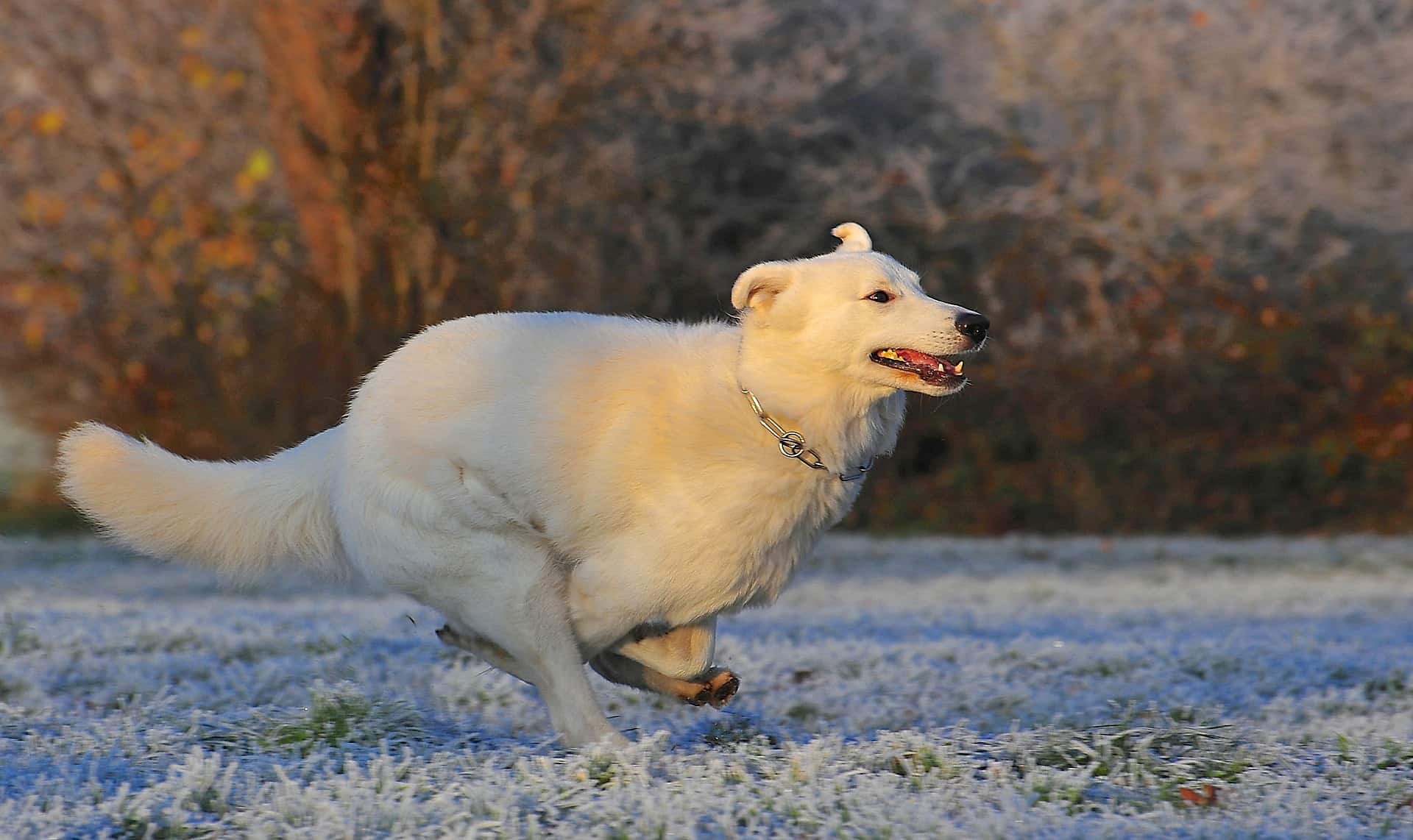
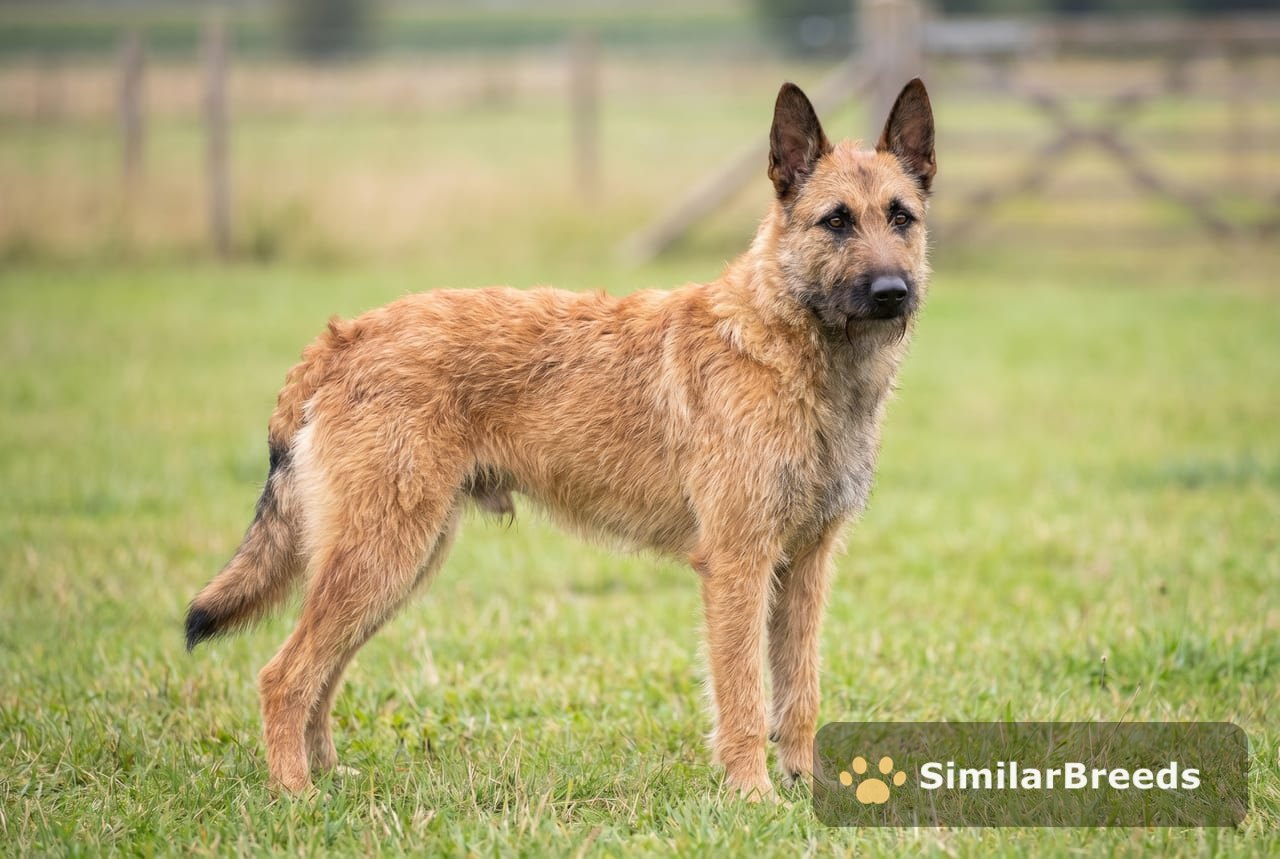
The White Swiss Shepherd Dog is the most direct parallel: it is essentially the German Shepherd in a white coat, sharing the same build, working drive, and herding-guardian heritage, diverging only as a separate registry entry. The Belgian Laekenois is another continental herding dog from the same working tradition, with comparable intelligence and trainability, though rougher in coat and somewhat lighter in frame.
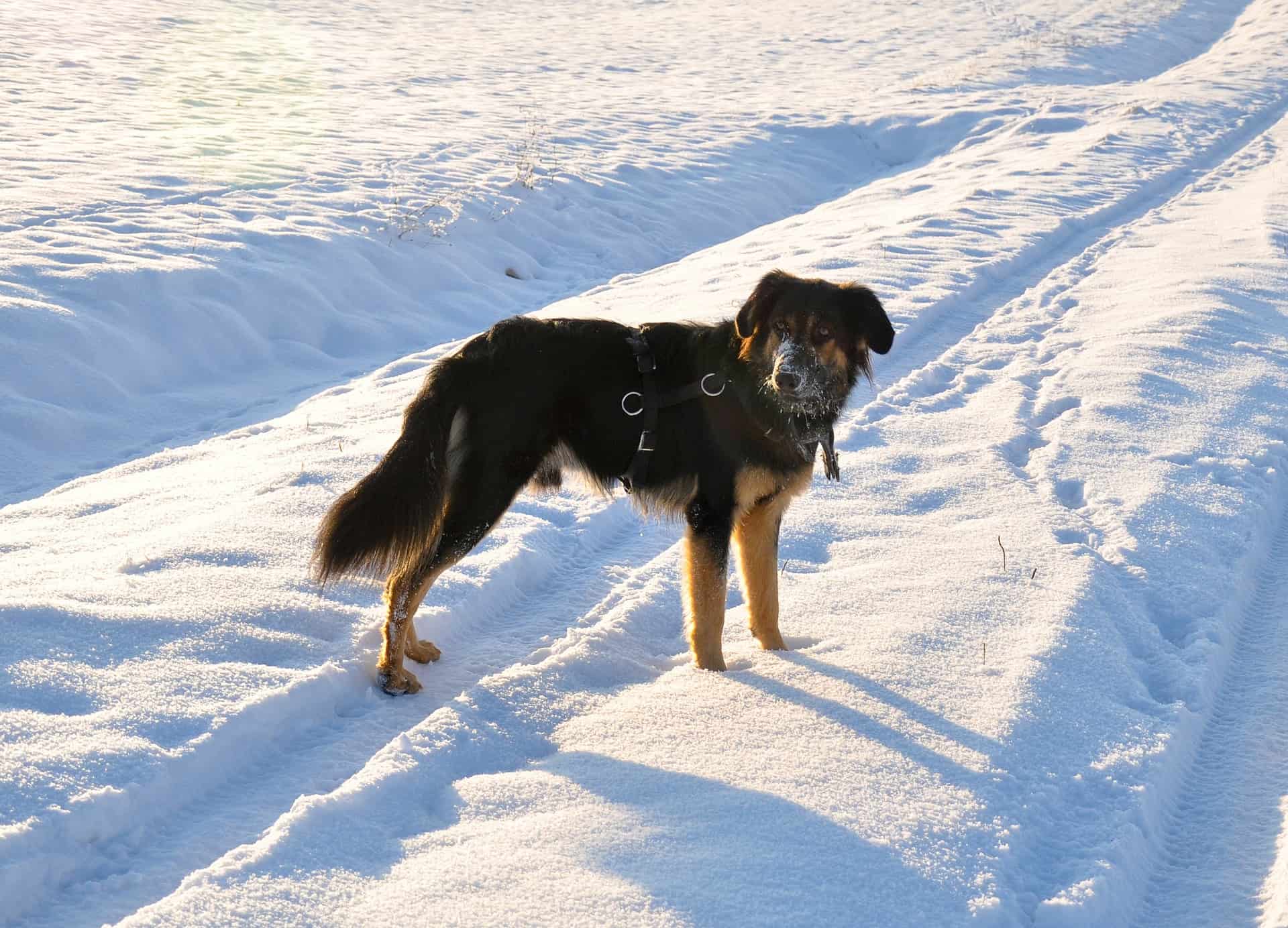
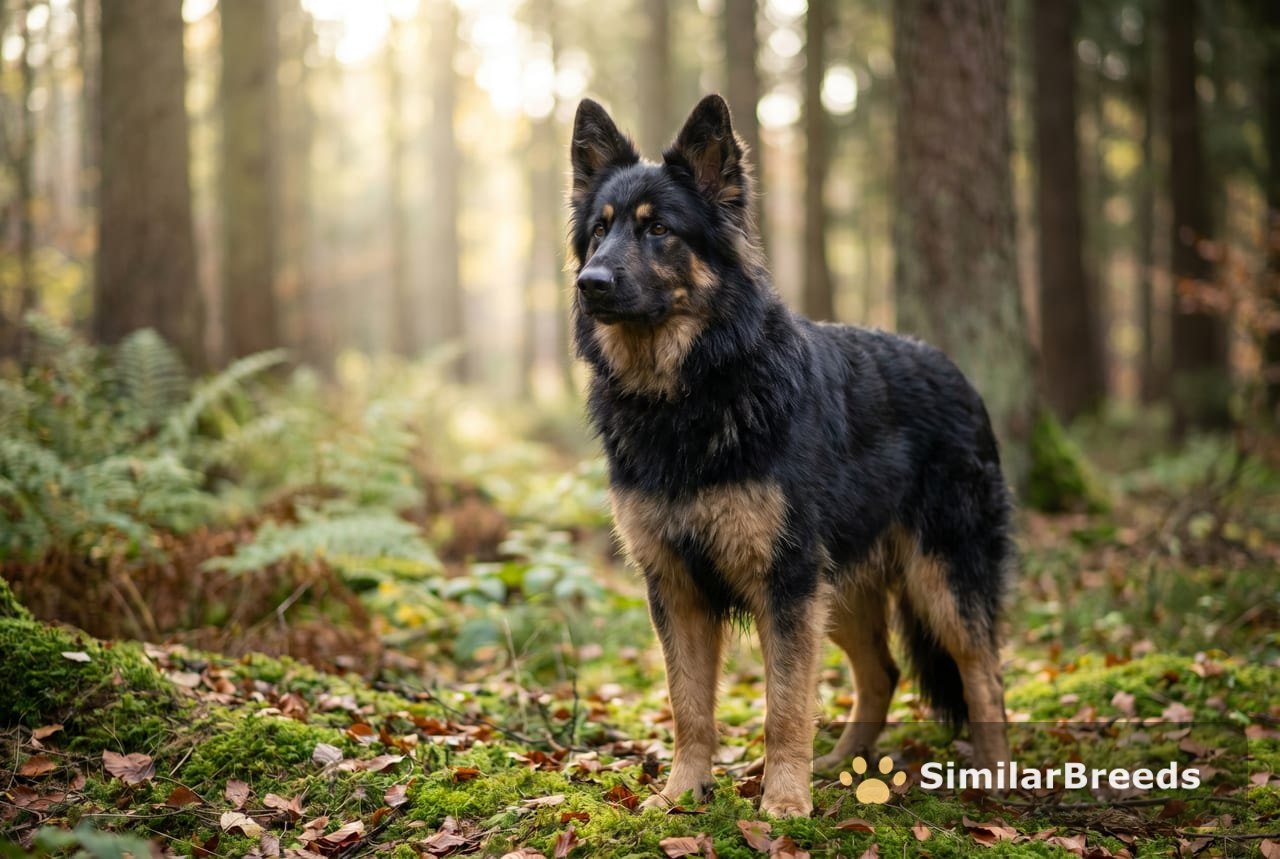
The Bohemian Shepherd is a Czech herding breed of similar size and purpose, historically used for flock guarding in the same Central European tradition as the GSD, and sharing much of its temperament and structure. The Hovawart is the outlier in terms of original job: it is a German estate and farm guardian rather than a herder, but it shares the GSD's size, double coat, loyalty, protective instinct, and the same serious, owner-focused temperament that makes all four breeds demanding but rewarding partners.
Trait ratings
- Energy level
- 3/5
- Exercise requirements
- 4/5
- Playfulness
- 2/5
- Affection level
- 3/5
- Friendliness toward dogs
- 1/5
- Friendliness toward other pets
- 3/5
- Friendliness toward strangers
- 2/5
- Ease of training
- 5/5
- Watchdog ability
- 5/5
- Protection ability
- 5/5
- Grooming requirements
- 2/5
- Cold tolerance
- 3/5
- Heat tolerance
- 3/5