German Longhaired Pointer
From Germany
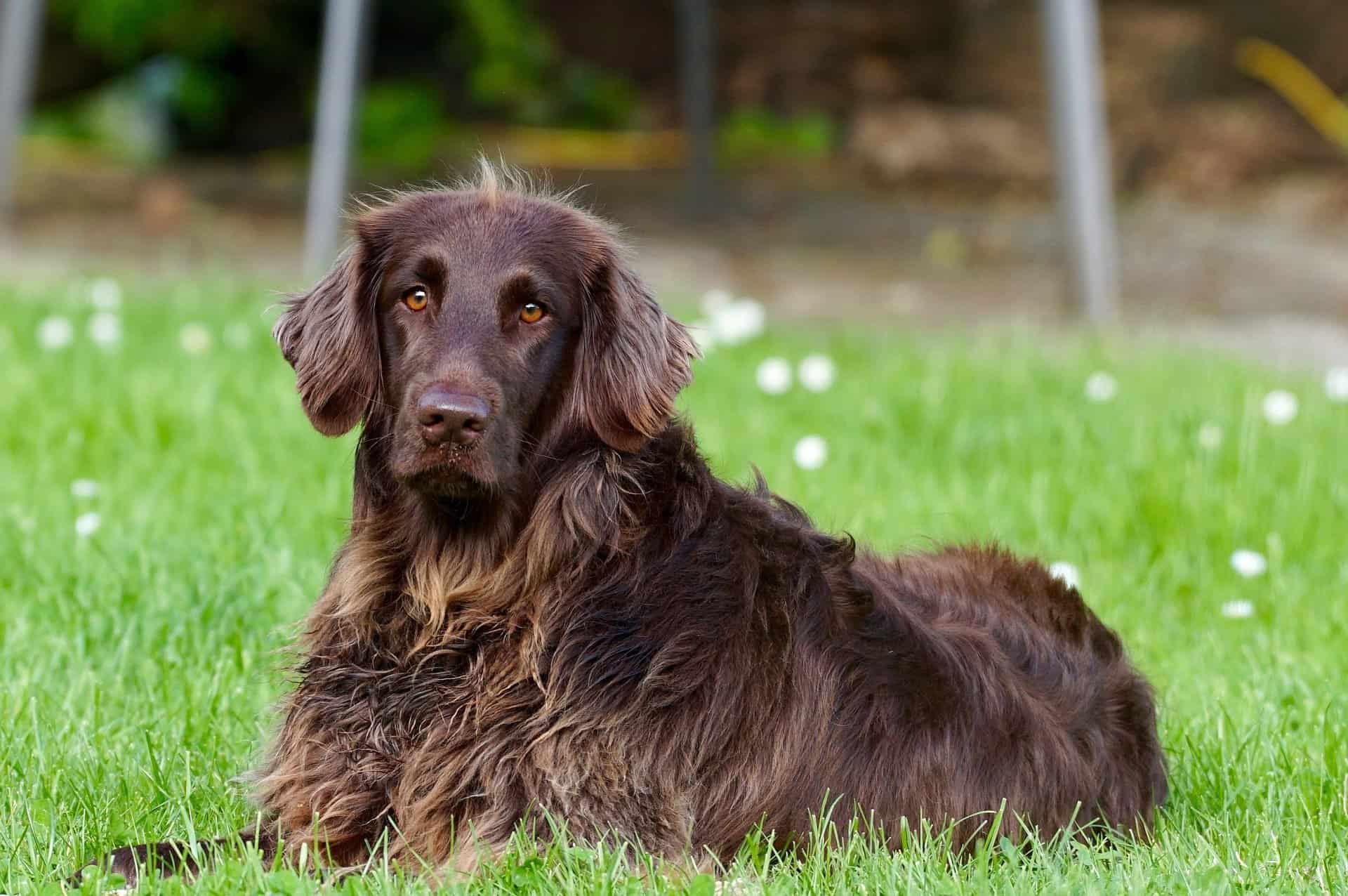
Purpose & Origin
The German Longhaired Pointer, known in Germany as the Langhaar or Deutscher Langhaariger Vorstehhund, was originally developed to assist with hawking and falconry before evolving into a versatile gun dog. Its roots lie in the old German bird dogs, later crossed with a range of other breeds including the Gordon Setter, Irish Setter, Newfoundland, and French spaniels. This layered ancestry gave the breed its distinctive silky, wavy coat and its broad working repertoire.
Unlike the English Pointer, which is a specialist, the GLP points, flushes, tracks, and retrieves from both land and water. It is the rarest of the three German pointer varieties and remains little known outside Germany, though it holds recognition with the Canadian Kennel Club and AKC Foundation Stock Service.
Temperament & Behaviour
The GLP is a calm, steady, people-oriented dog. It is affectionate with its family and adapts well to home life, but this gentleness should not be mistaken for low intensity. The breed carries the focus and drive of a serious working dog and needs a household that matches that energy. It bonds closely with its people and does not do well left alone for long stretches. Around children and other dogs it is generally easygoing, but its strong hunting instinct means small pets require careful introduction.
Activity & Training
This is a high-exercise breed. A GLP needs at least one to two hours of vigorous daily activity: running, swimming, retrieving, or field work. A garden walk will not cut it. Mental stimulation matters equally; scent work and structured training sessions prevent the restlessness that leads to destructive behaviour. The breed is intelligent and responds well to training, though it works best with positive, consistent methods rather than harsh correction. Early socialisation and obedience foundation are straightforward with a handler who invests the time.
Grooming
The long, dense, wavy coat is the breed's most demanding maintenance requirement. Brushing two to three times per week is the minimum to prevent matting, particularly in the feathering on the ears, legs, and tail. After field work, check thoroughly for burrs and debris caught in the coat. The pendulous ears trap moisture and should be inspected and dried regularly to prevent infections. Shedding is moderate and year-round.
Health
The GLP is a generally healthy breed with a lifespan of 12 to 14 years. Hip dysplasia is the main hereditary concern, and buyers should ask for OFA or equivalent hip evaluations from both parents. Progressive retinal atrophy has been reported and eye screening is advisable. As an active field breed, it is also prone to the typical working-dog injuries: cuts, sprains, and thorns. Weight management and regular joint monitoring matter as the dog ages.
Why these breeds are similar
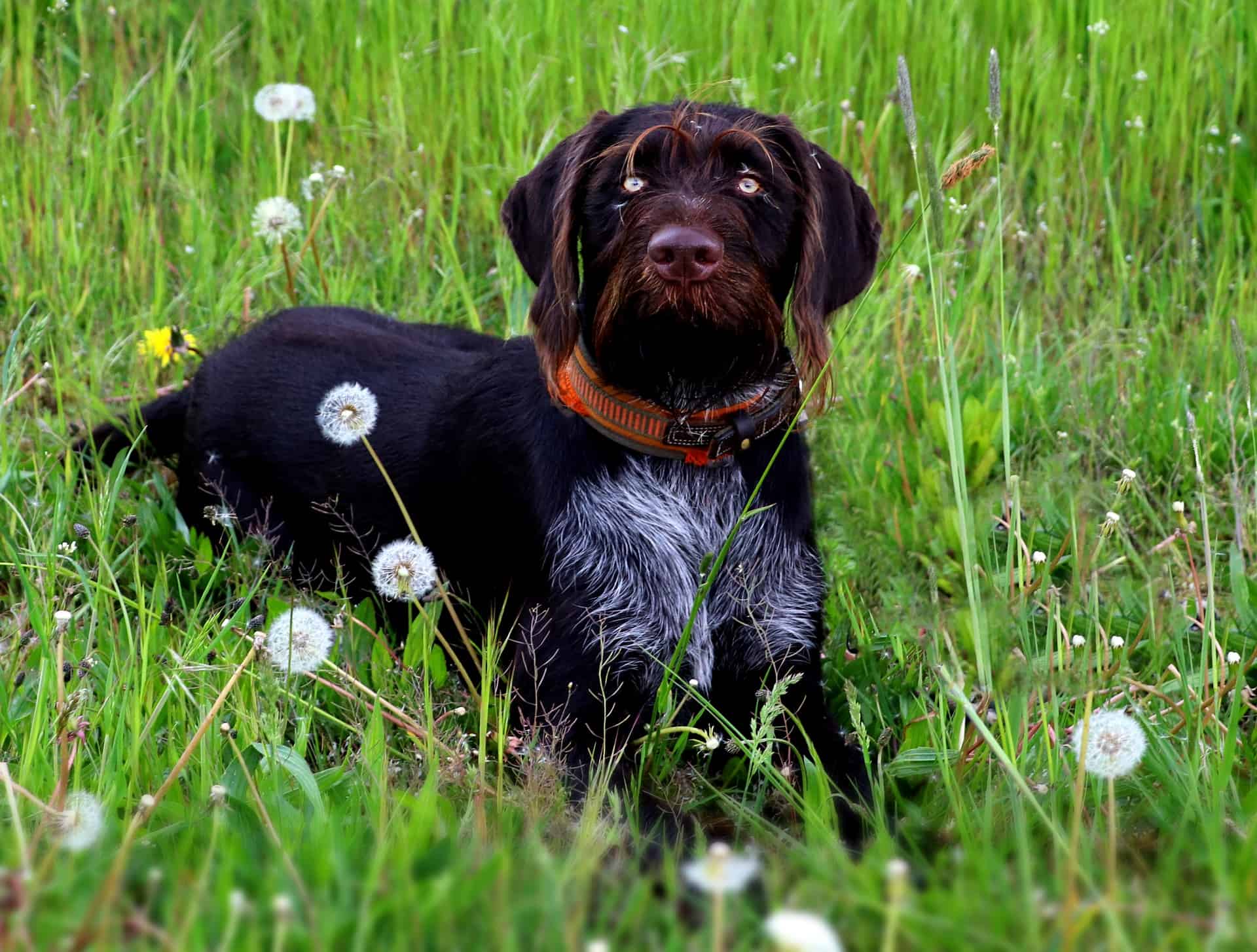
**German Wirehaired Pointer** shares the same country of origin and all-purpose gun dog role, pointing, flushing, and retrieving across varied terrain. The key difference is coat texture: the GWP's harsh, wiry coat versus the GLP's silky wave. Temperamentally both are driven working dogs with strong family bonds, though the GWP tends to be slightly more assertive.
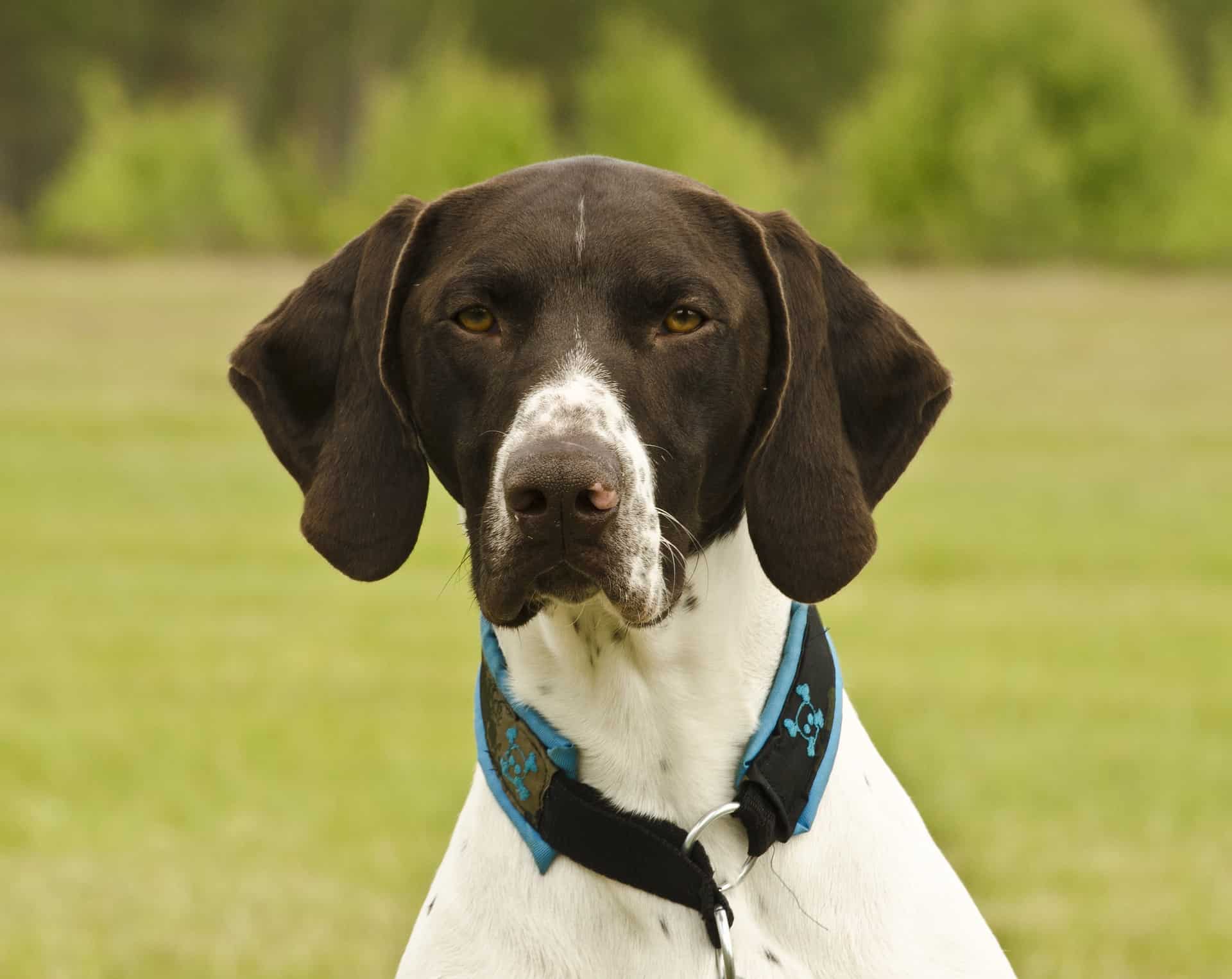
**German Shorthaired Pointer** is the most popular of the three German pointer varieties and the closest in function. The GSP is faster and more widely used in field trials, but its working style, versatility, and family temperament closely mirror the GLP. The main contrast is coat length and, consequently, grooming demand.
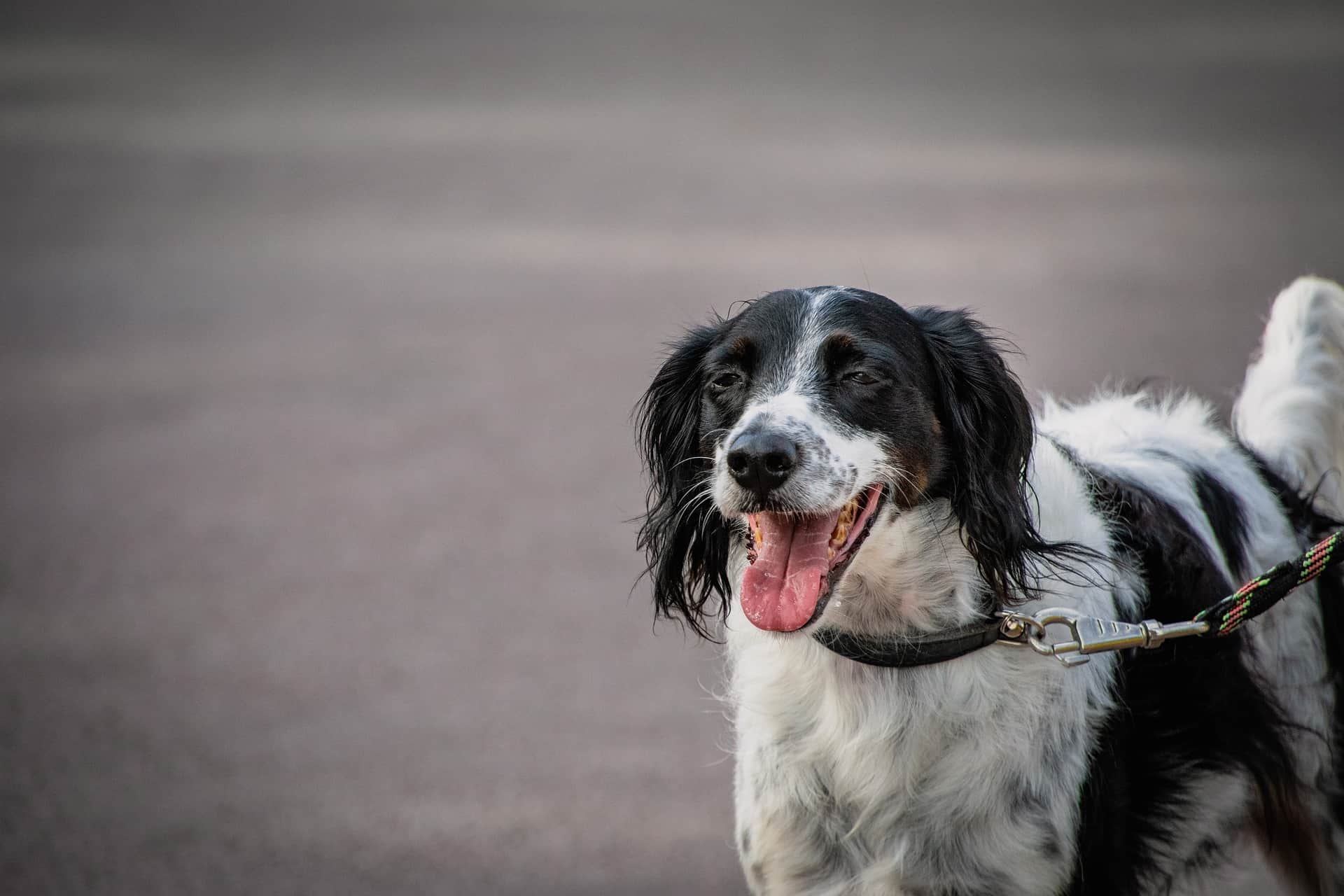
**Large Munsterländer** is directly related: when standardised breed clubs formed in Germany in the late 19th century, the Munsterlander separated from the GLP breeding pool after a dispute over coat colour. The two breeds share ancestry, build, and working style, with the Munsterlander distinguished by its black-and-white colouring versus the GLP's liver tones.
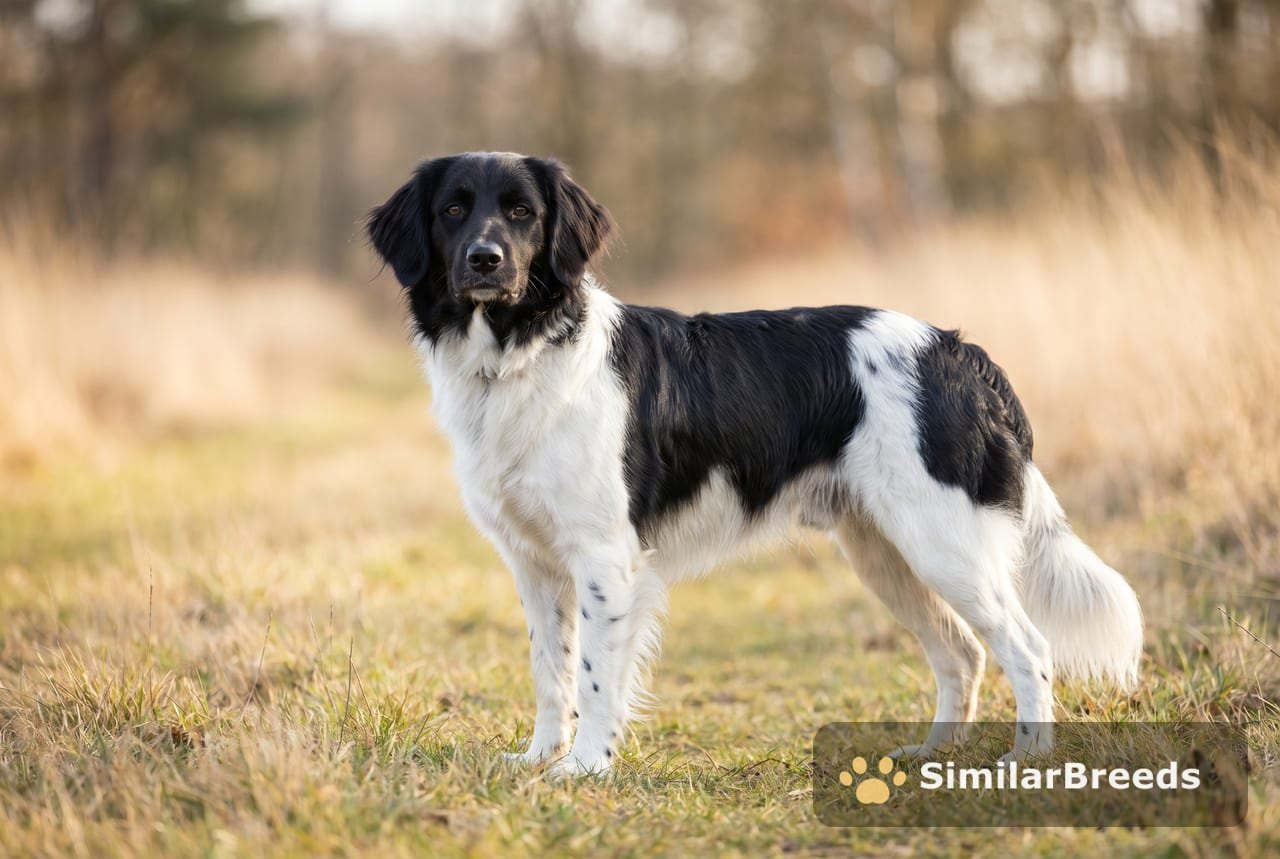
**Stabyhoun** is a Dutch pointing and retrieving breed of similar build and silky coat. It is quieter and rarer than the German varieties, but its dual role as versatile gun dog and calm family companion, combined with a feathered medium-length coat, makes it a natural functional and visual parallel to the GLP.