Finnish Hound
From Finland
Purpose & Origin
The Finnish Hound, known in Finland as the Suomenajokoira or Ajokoira, was developed to hunt fox and hare across heavily forested terrain and deep winter snow. A 19th-century programme crossed native dogs with imported French, German, and Swiss hounds to produce a dog capable of cold-trail work in conditions that would stop lighter breeds. By the 1930s the type was fixed. Throughout the 20th century it remained Finland's most registered hunting hound, roughly 3,000 puppies recorded annually, yet it stayed almost unknown outside Scandinavia. It is classified in FCI Group 6 among scent hounds.
Temperament & Behaviour
The Finnish Hound is two dogs depending on context. In the field it is determined, independent, and vocal, following cold trails with persistence and announcing the quarry loudly so the hunter can close in. It does not kill or retrieve; that is the human's job.
At home the same dog is calm, gentle, patient, and genuinely friendly. Morris describes the annual rhythm: intense summer hunting, then quiet winters indoors with the family. That settled domestic manner makes it a reasonable household companion, but the breed offers little as a watchdog. Its independence, bred for solo work far ahead of the hunter, means it will follow its nose over a recall command when scent is up.
Activity & Training
This is an athletic working hound that needs substantial daily exercise, ideally off-lead in a safely enclosed area. A bored Finnish Hound becomes noisy and restless. Training requires patience; the breed is willing but not biddable in the way a retriever is. Basic obedience is achievable with consistent, reward-based methods started early. Reliable recall remains the persistent weak point, normal for any scenthound bred to range independently. A securely fenced garden is non-negotiable.
Grooming
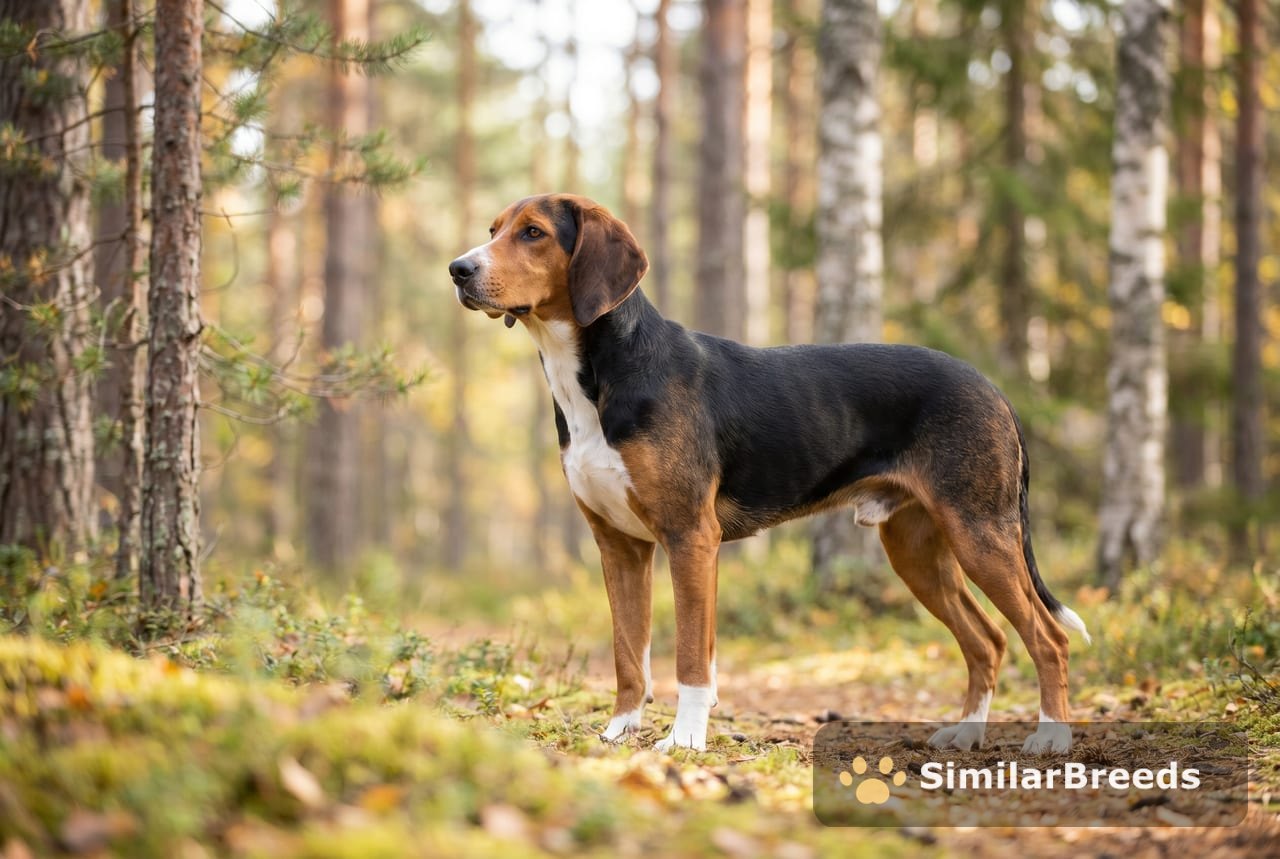
The coat is short, dense, and close-lying in the classic tricolour pattern with a black saddle over tan. Upkeep is minimal: a weekly pass with a rubber curry brush removes loose hair and keeps the coat tidy. The long pendulous ears trap moisture and should be checked and cleaned weekly to prevent infection. This is not a breed that demands significant grooming time.
Health
The Finnish Hound is a working breed with a sound constitution and a lifespan of 10 to 12 years. Known health concerns include hip dysplasia, cerebellar ataxia, demodicosis, and the blood-clotting disorder factor VII deficiency. None are rampant, but prospective owners should ask breeders about hip screening. Ear infections are the most common day-to-day issue given the drop-ear conformation.
Why these breeds are similar
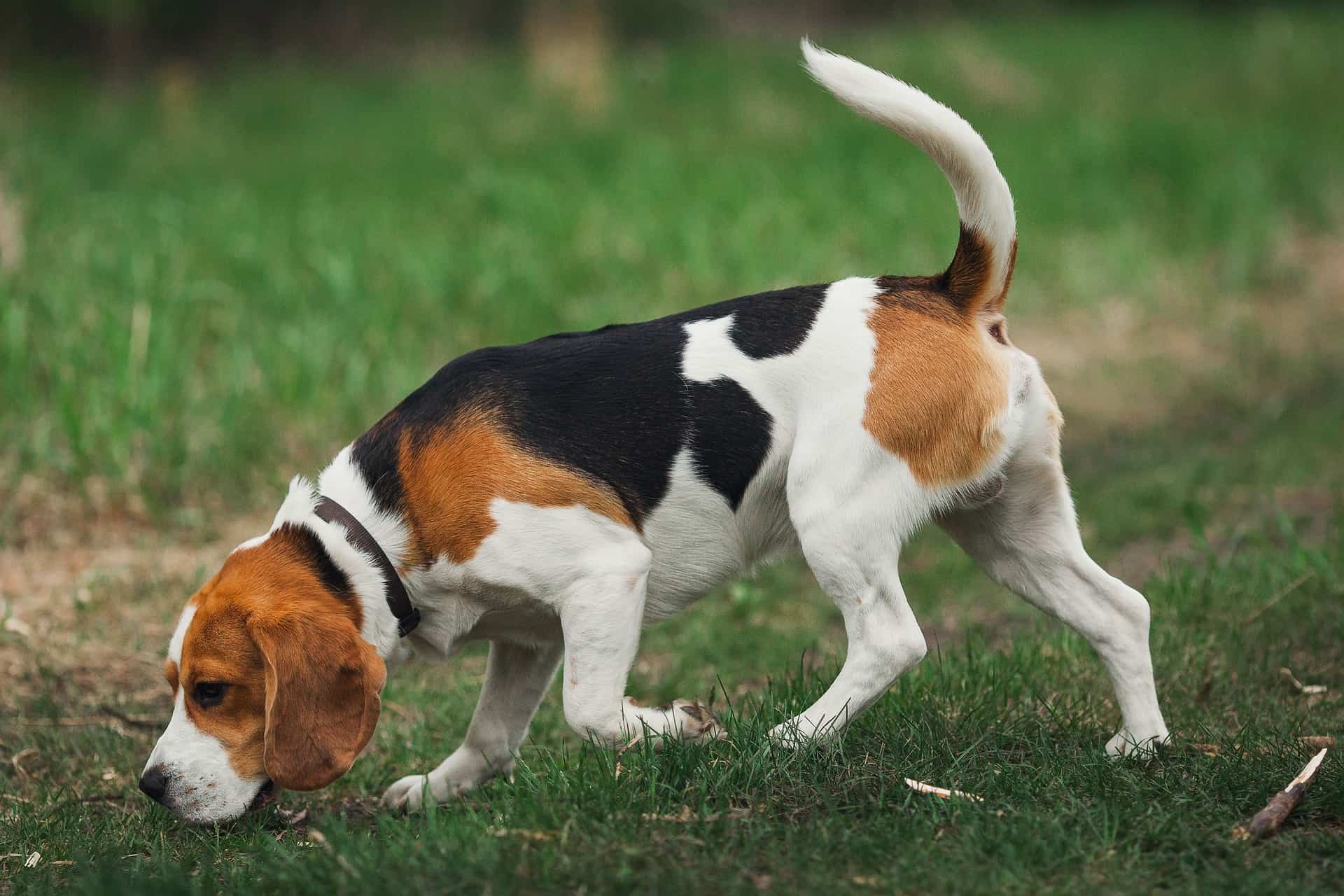
**Beagle** shares the tricolour scenthound build, fox-and-hare hunting purpose, and the same vocal, nose-led independence. Smaller and far more widely distributed, but working behaviour and household temperament overlap closely.
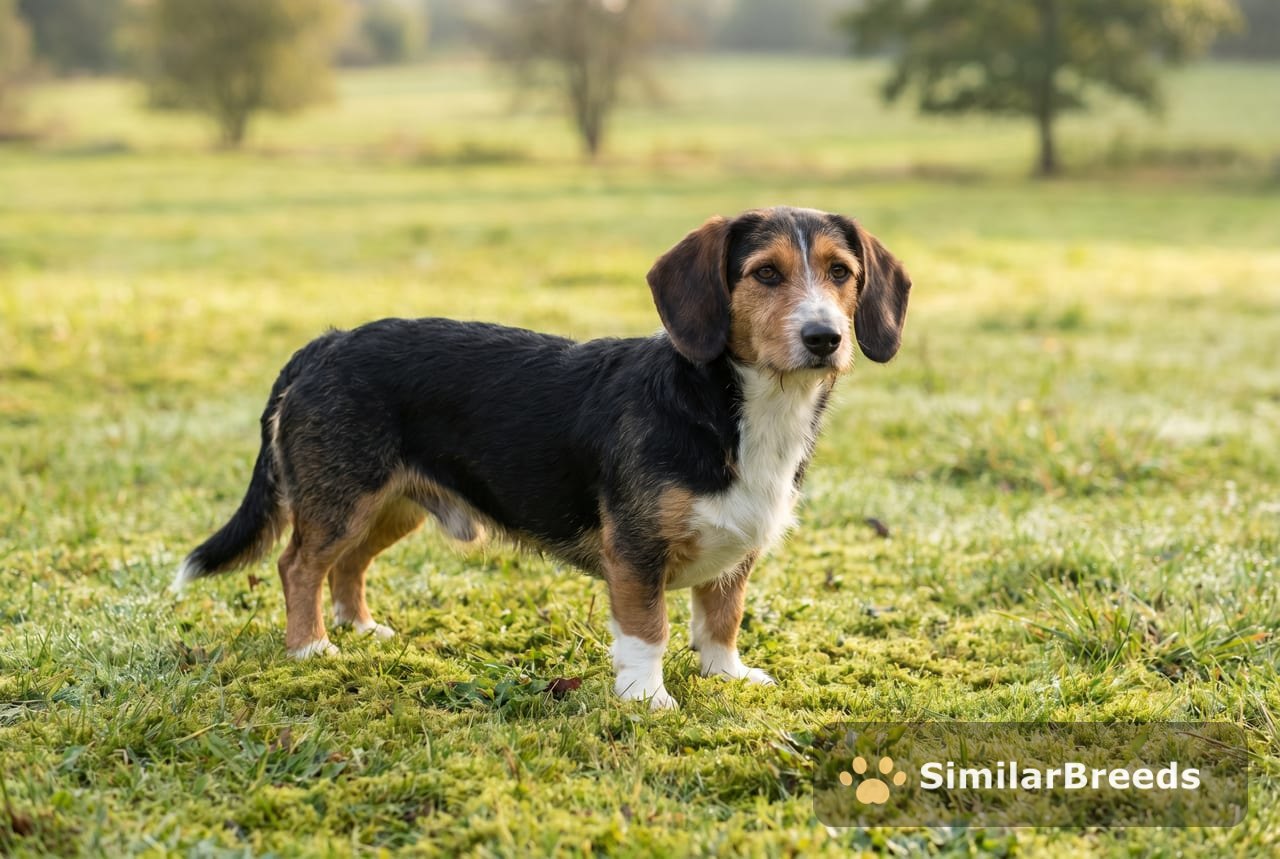
**Drever** is a Swedish short-legged scent hound bred for hare in Scandinavian forest conditions. Shared northern hunting culture and identical quarry make the comparison direct despite the size difference.
**American Foxhound** is a long-legged pack hound from English and French stock. The rangy, leggy build Morris notes in the Finnish Hound echoes the Foxhound type, and both combine field drive with easy-going domestic temperament.
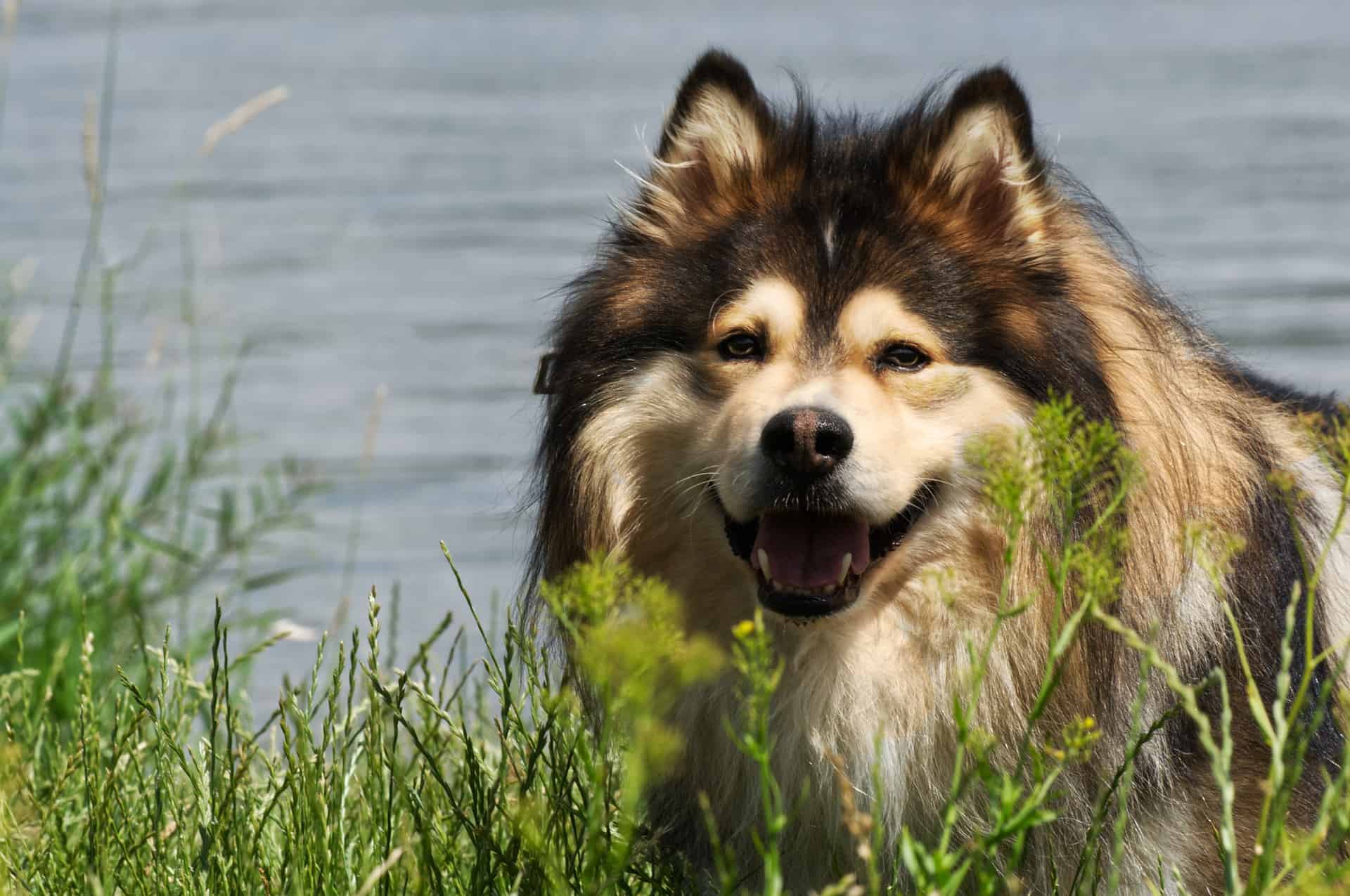
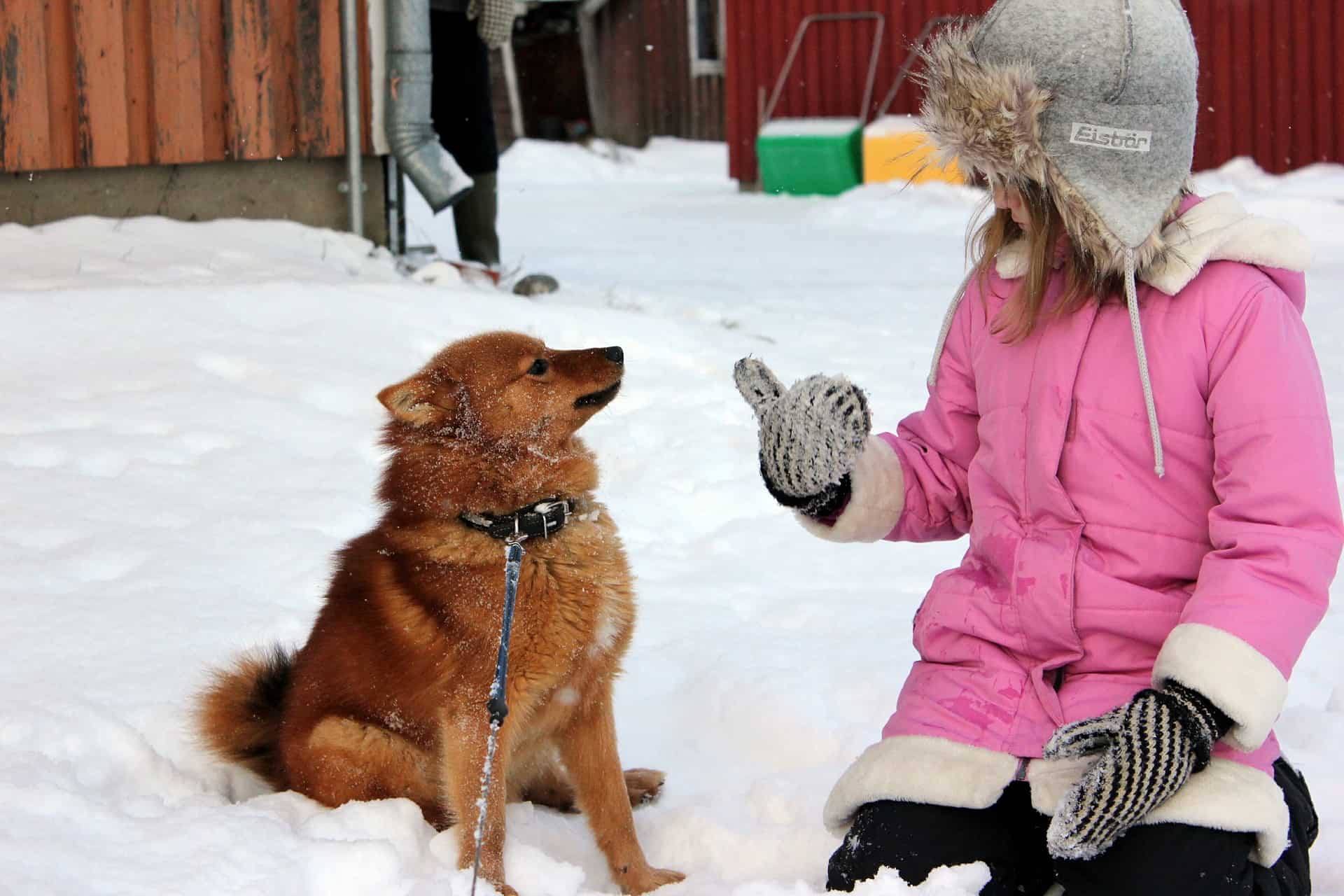
**Finnish Lapphund** and **Finnish Spitz** are national comparisons rather than functional cousins. Both are Finnish and adapted to northern winters, but they come from the spitz family, bred for herding and bird-dog work rather than scent trailing.
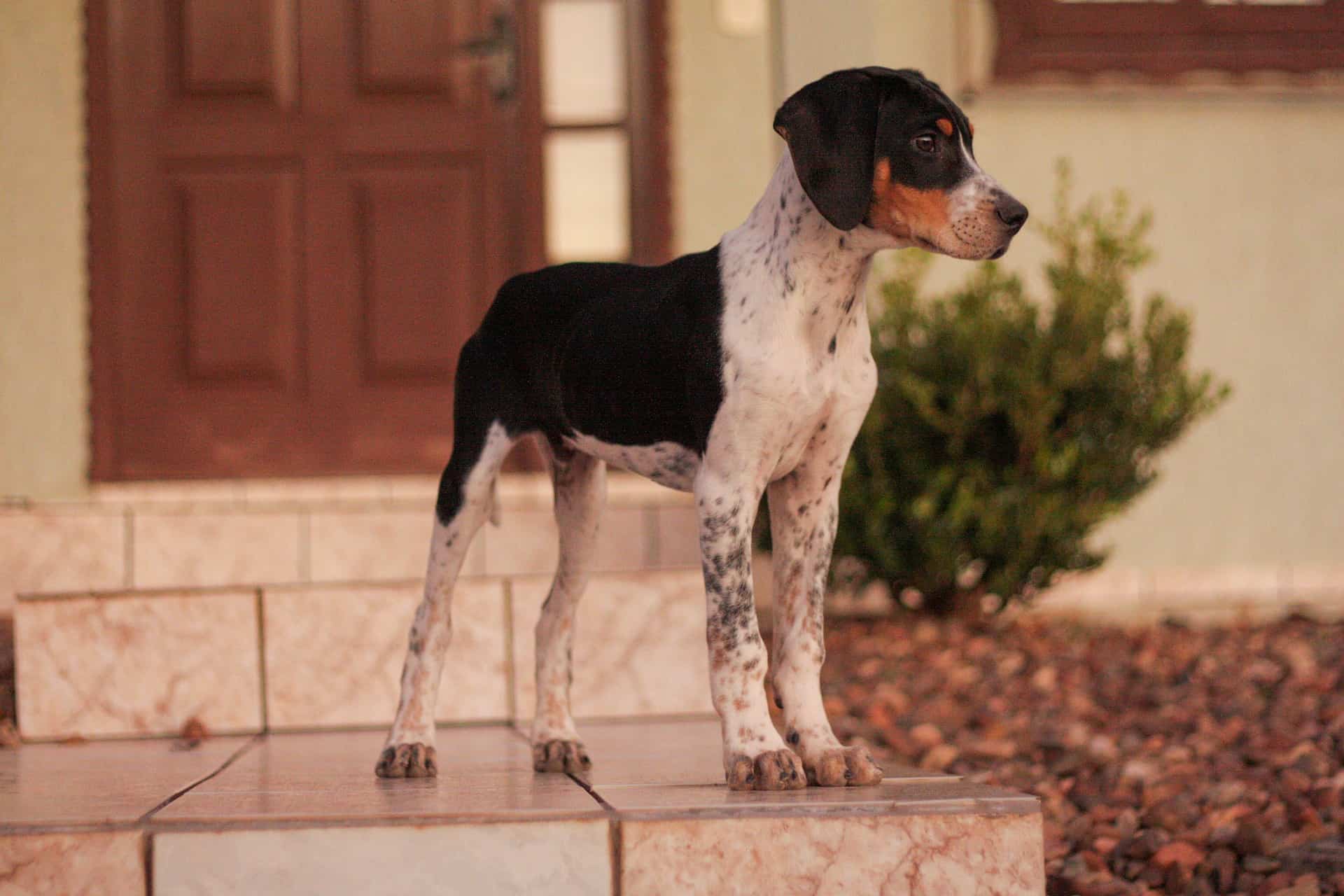
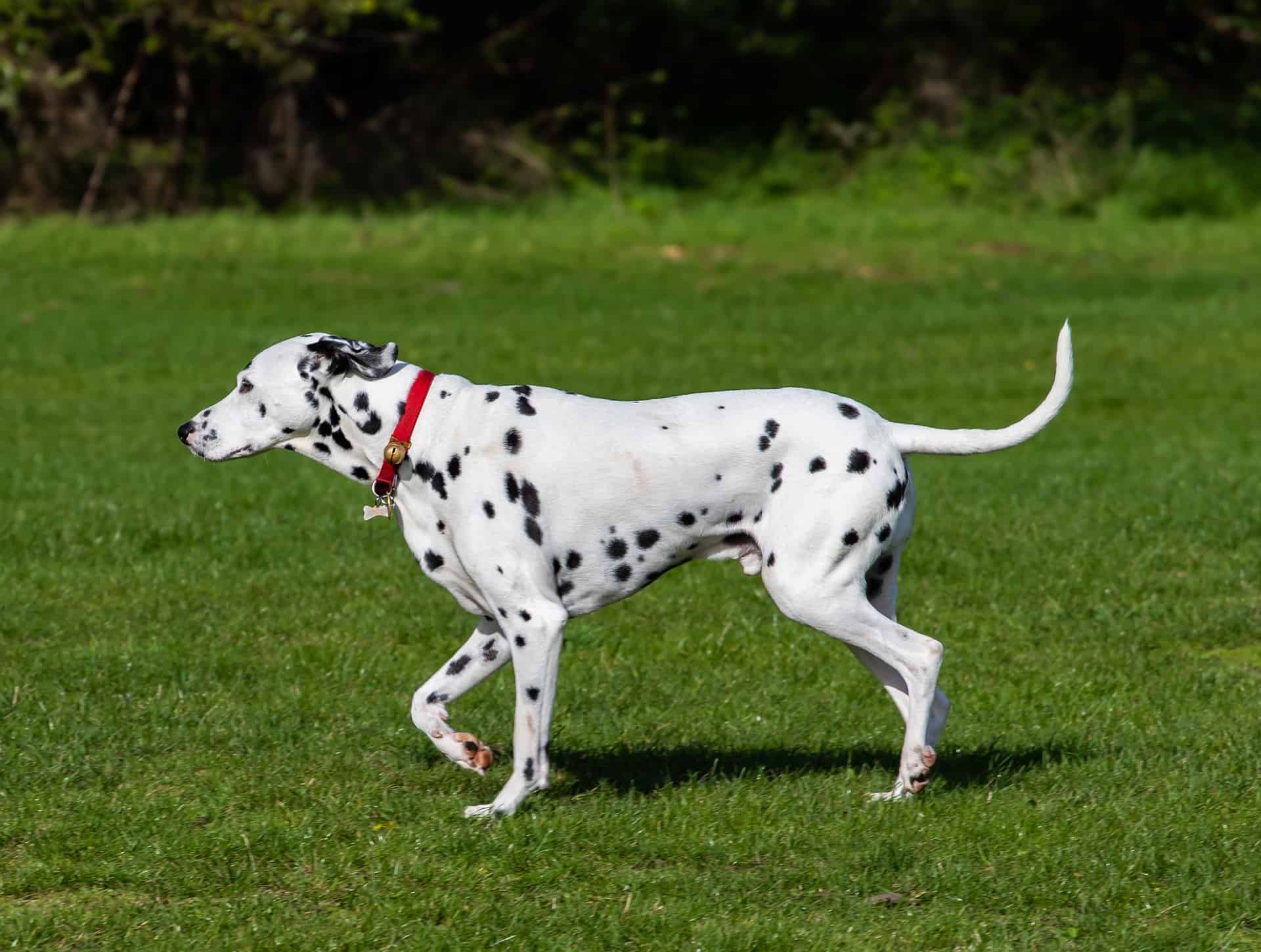
**Dalmatian** is a stretch functionally, but both are high-energy dogs with short easy-care coats and an independent character that can challenge inexperienced owners.
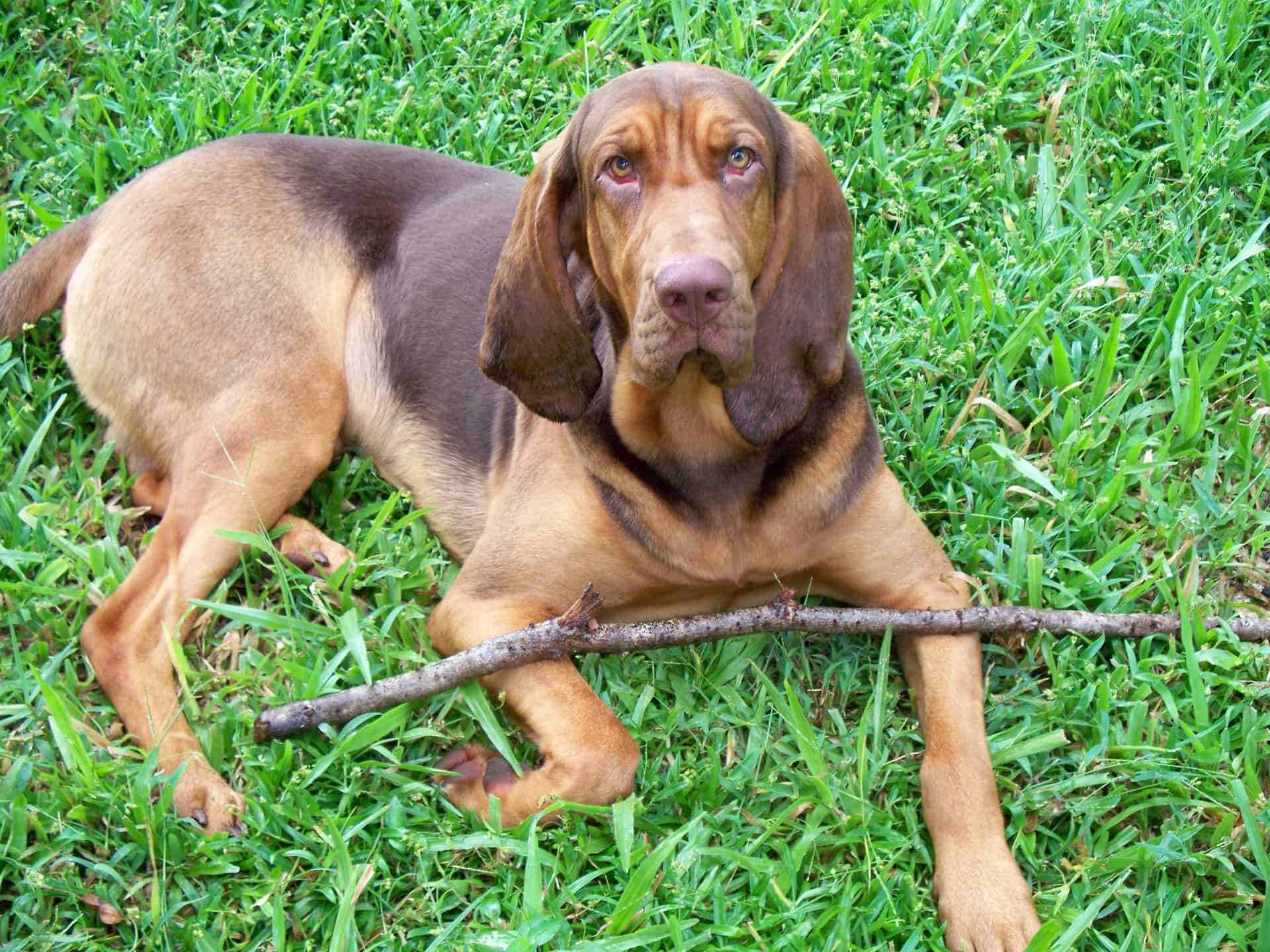
**Bloodhound** sits at the deep-scenthound end: enormous nose, relentless trailing drive, and the same contrast between gentle home behaviour and focused field work.