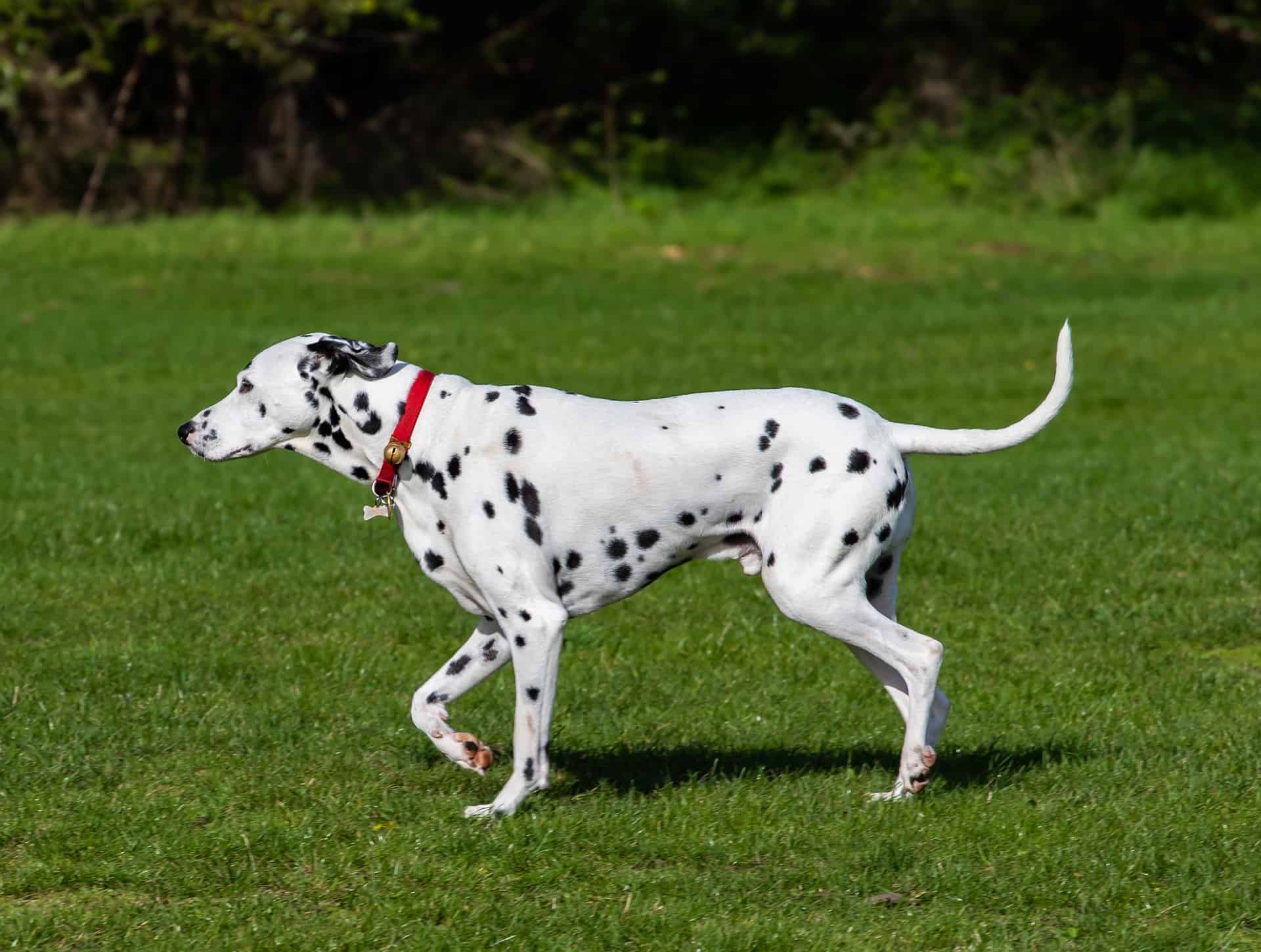
Dalmatian
From Croatia
Purpose & Origin
The Dalmatian's origin is genuinely uncertain. Art evidence points to ancient roots, and though the breed takes its name from Dalmatia, a coastal region of western Yugoslavia, it almost certainly did not originate there. Proposed ancestors include a small spotted Great Dane or pointer-type dogs, but both theories remain conjecture. What is less debatable is the range of roles the breed has filled: war dog, shepherd, ratter, retriever, bird dog, and circus performer are all documented.
The role that defined its modern identity, though, was that of coach dog in Victorian England. Dalmatians ran alongside horse-drawn carriages, protecting the horses from stray dogs and adding flair to the procession. The most prized position was beneath the axle. When the automobile ended the coaching era, the breed transferred to fire engines, which is how it became the fire-house dog. The AKC recognized the breed in 1888.
Temperament & Behaviour
The Dalmatian is a high-affection dog with a streak of independence. It is playful and eager, and it bonds closely with its family, but it tends toward reserve with strangers and can be standoffish rather than immediately friendly. It generally gets along with other pets and is notably good with horses, a legacy of its coaching past, though it may be aggressive toward unfamiliar dogs.
Its energy level is high enough that it can overwhelm small children. Stubbornness appears when training relies on repetition without sufficient engagement. One serious note: deafness is a documented condition in the breed, and a deaf Dalmatian presents real behavioral and training challenges that owners need to understand before acquiring one.
Activity & Training
A short daily walk will not satisfy this breed. The Dalmatian was bred to run for miles alongside coaches, and that endurance has not diminished. It makes an excellent jogging companion and needs vigorous off-leash exercise in a safely enclosed area. Without an adequate outlet it will find its own entertainment indoors. Training requires patience; the breed is trainable but not biddable in the way a retriever is. Clear, consistent work with varied sessions produces better results than drilling. The tendency to roam means a secure yard is non-negotiable.
Grooming
Grooming demands are low. The short, dense coat needs only occasional brushing to stay presentable, though the breed is a consistent shedder and white hairs on dark clothing become noticeable quickly. No trimming or professional grooming is required. Basic maintenance, baths when needed, and routine nail and ear care cover it.
Health
The Dalmatian carries two significant health concerns. Deafness, which can be unilateral or bilateral, is common enough that hearing tests are recommended before purchase. The breed also has a unique metabolic quirk: it cannot convert uric acid into allantoin the way other dogs do, which leads to a heightened tendency to form urinary stones. Diet and hydration management matter for affected dogs. Minor issues include allergies, seizures, and hypothyroidism. Life expectancy runs 12 to 14 years.
Why these breeds are similar
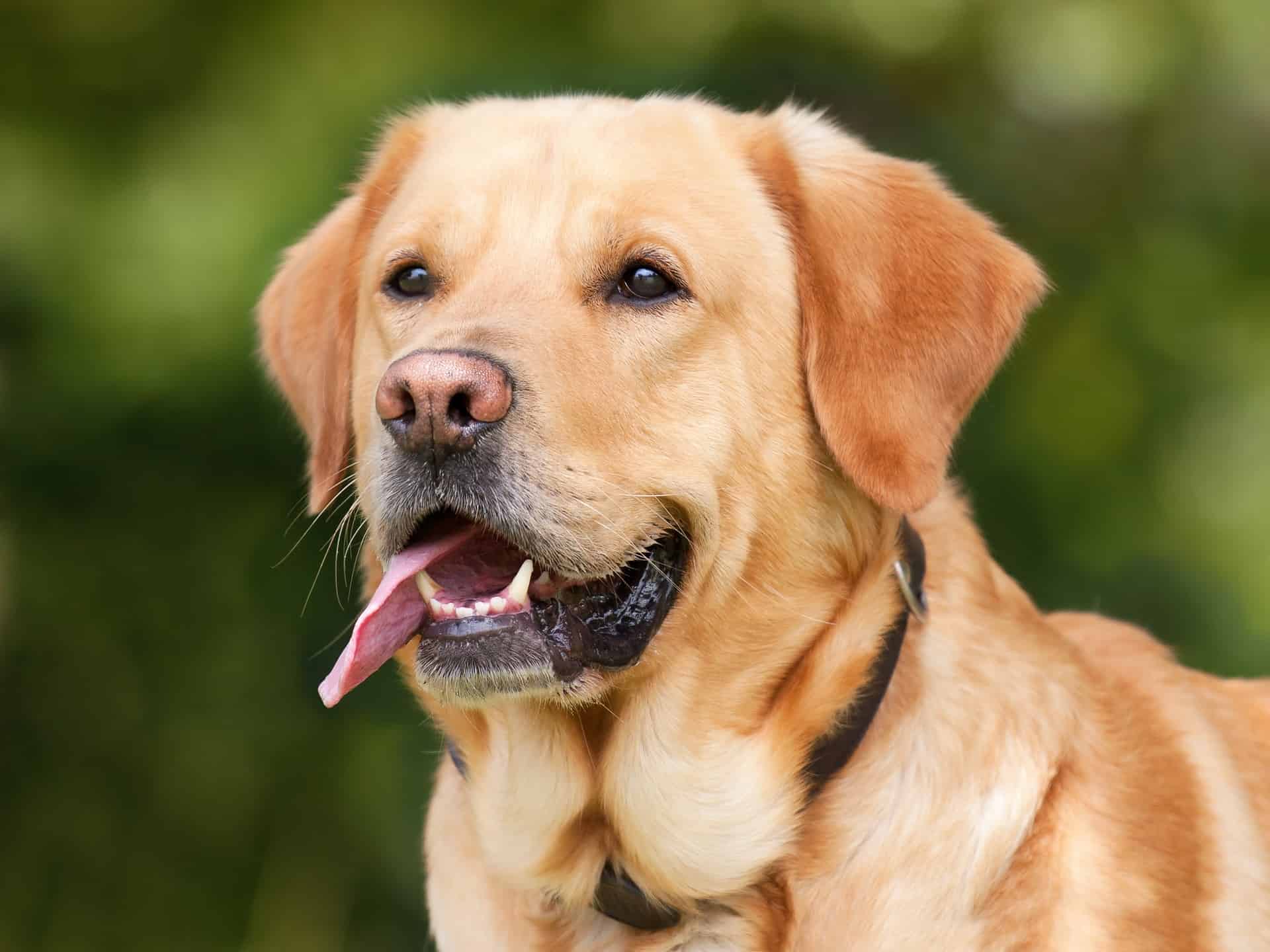
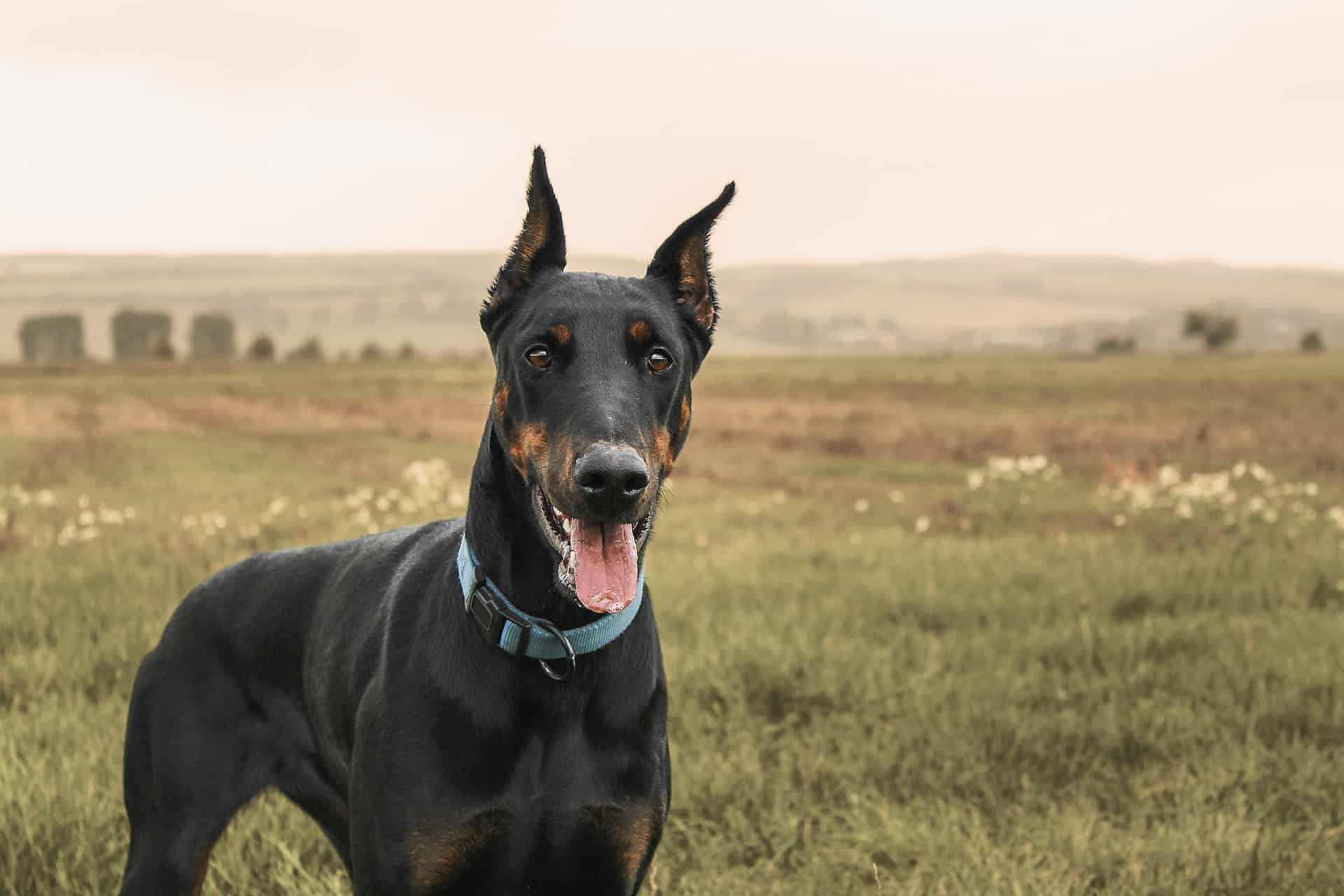
The Labrador Retriever shares the Dalmatian's high affection level and need for substantial daily exercise. Both are athletic, people-oriented dogs that become difficult in the house when under-stimulated. The Doberman Pinscher connects through build and energy: both are lean, fast, and alert, with a watchdog instinct and a tendency to bond deeply with one household.
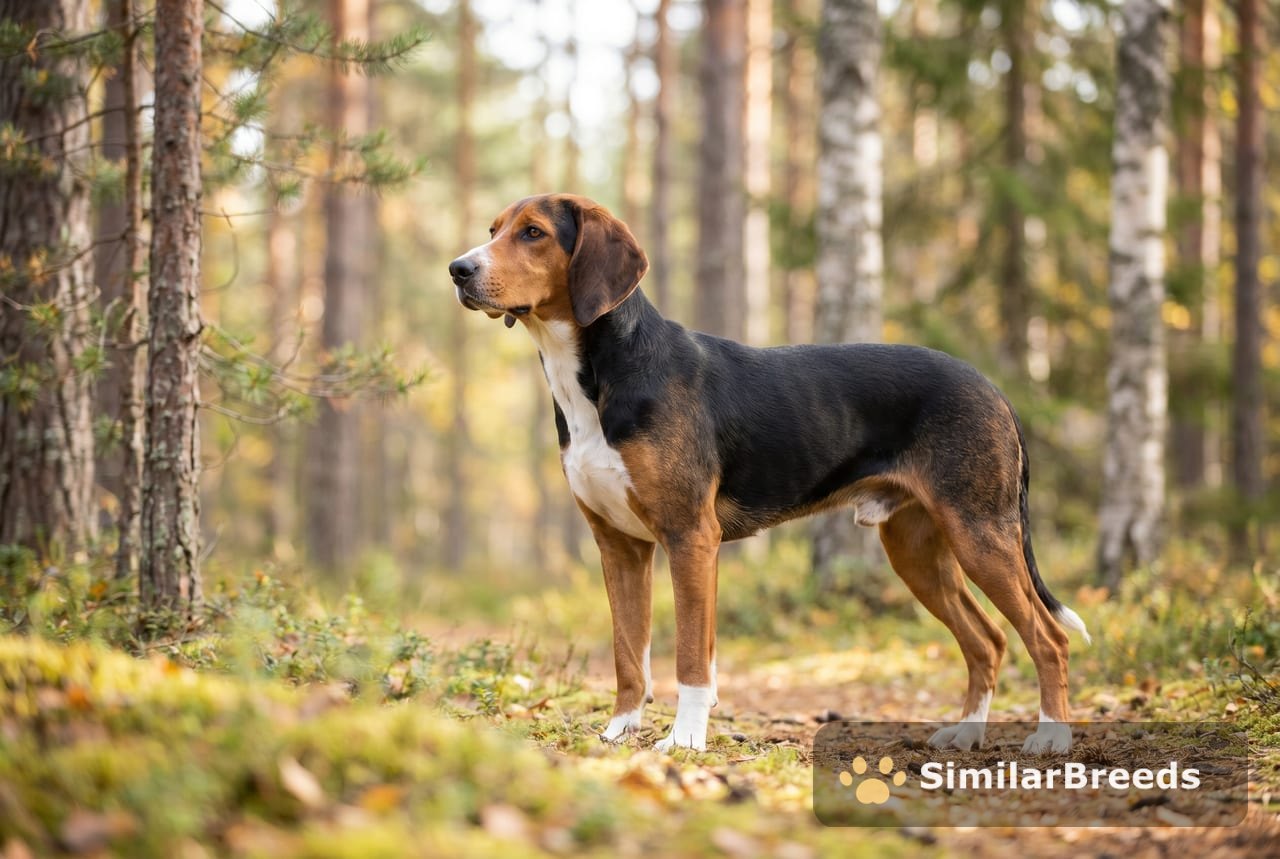
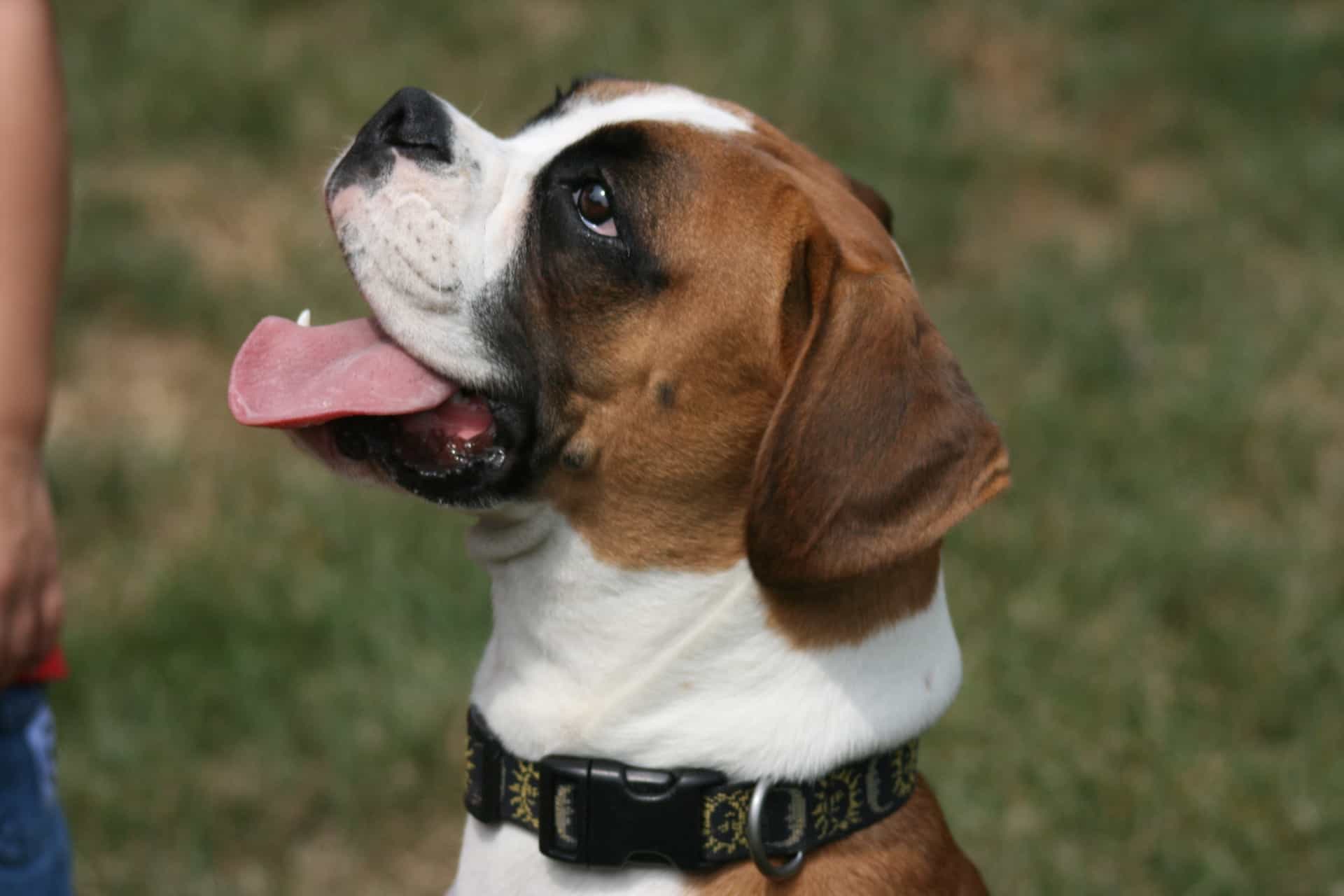
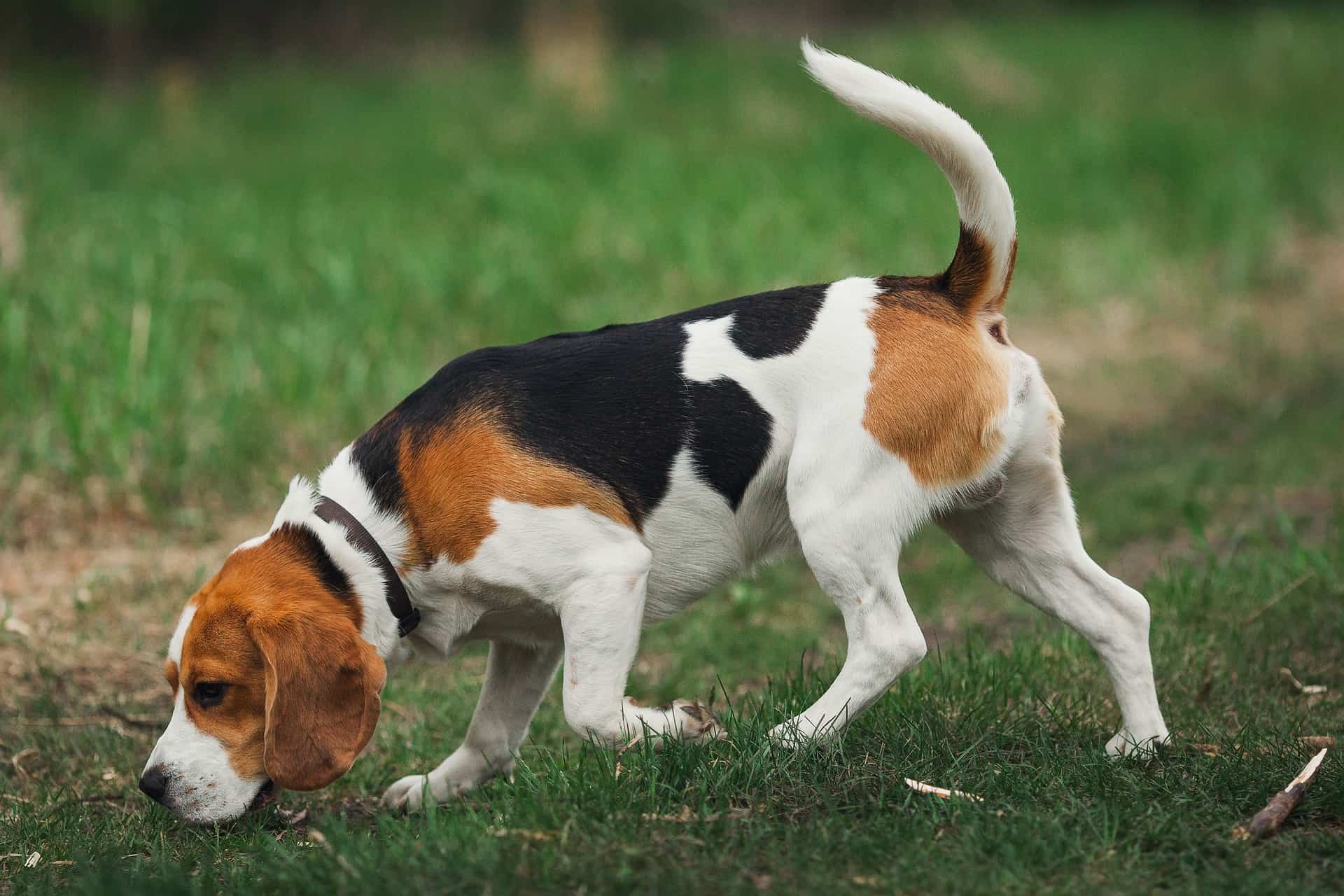
The Finnish Hound is the scent-hound parallel, a tireless working dog with comparable stamina and a similar streak of independence that asks for an experienced handler. The Boxer shares the Dalmatian's playful, high-energy temperament and its slightly reserved attitude toward strangers, as well as a similar short-coated, athletic frame. The Beagle rounds out the group as another breed with deep historical roots in working alongside people, moderate stubbornness in training, and a strong exercise requirement that its compact size tends to disguise.
Trait ratings
- Energy level
- 4/5
- Exercise requirements
- 3/5
- Playfulness
- 3/5
- Affection level
- 5/5
- Friendliness toward dogs
- 3/5
- Friendliness toward other pets
- 3/5
- Friendliness toward strangers
- 3/5
- Ease of training
- 3/5
- Watchdog ability
- 4/5
- Protection ability
- 3/5
- Grooming requirements
- 2/5
- Cold tolerance
- 2/5
- Heat tolerance
- 3/5