Purpose & Origin
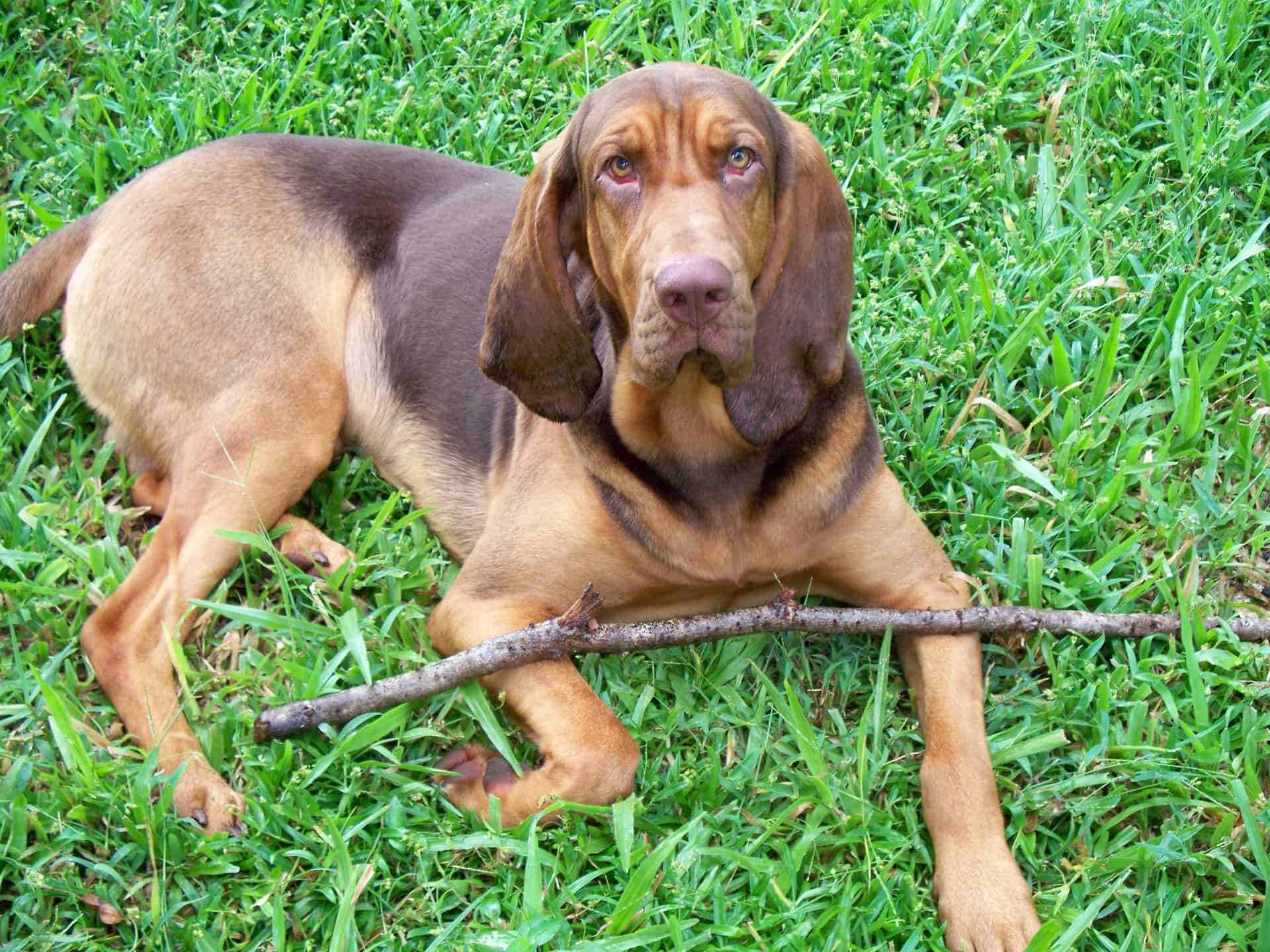
The Bloodhound is the scenthound taken to its logical extreme: a dog bred for centuries around a single purpose, trailing. Its ancestor is the black St. Hubert's Hound, documented in Belgium as far back as the eighth century. William the Conqueror brought these dogs to England in 1066, and by the twelfth century the breed was so carefully maintained by monasteries and Church dignitaries that it earned the name "blooded hound," a reference to its pure and noble lineage, not any violent inclination.
The breed reached America in the mid-1800s, where it gained an unfair reputation as a slave-trailer. In reality, the Bloodhound is the trailing specialist, the only dog whose track identifications were once admissible in court, and it holds records for both the length and age of trails it has successfully followed.
Temperament & Behaviour
At home the Bloodhound is placid, gentle, and deeply affectionate. It is trustworthy around children and gets along well with other pets. Reserved with strangers, but its protection instinct is essentially zero: once it finds what it was trailing, its job is done, and attacking is simply not in its nature. The folklore image of a lazy porch dog is misleading; this is an active, good-natured animal. What it is not is playful in the boisterous sense, and training for conventional obedience is a real challenge. Independence and stubbornness are baked into the breed's working character.
Activity & Training
The Bloodhound needs a solid daily outing but is not a high-octane dog. The critical management issue is containment: once it picks up a scent, it will follow that trail through any obstacle and cannot be called off. Exercise must happen in a securely fenced area or on a lead. Training for nose work or trailing comes naturally; training for anything else requires patience and consistency, and new owners frequently underestimate how little the Bloodhound cares about pleasing for its own sake.
Grooming
Coat maintenance is low-effort, a quick brush or wipe-down occasionally. The drool, however, is constant and substantial, and the facial wrinkles need daily cleaning to prevent skin-fold dermatitis. The long ears drag through food and debris and need wiping after meals; the ear canals also require regular attention to avoid infection. Anyone with a strong preference for a clean house should pick a different breed.
Health
The Bloodhound carries several structural health concerns. Eye problems including ectropion and entropion are major concerns, as is gastric torsion (bloat), a life-threatening risk for large deep-chested dogs. Hip and elbow dysplasia, otitis externa, skin-fold dermatitis, and hypothyroidism are also documented. Lifespan runs roughly 7 to 10 years, short even by large-breed standards.
Why these breeds are similar
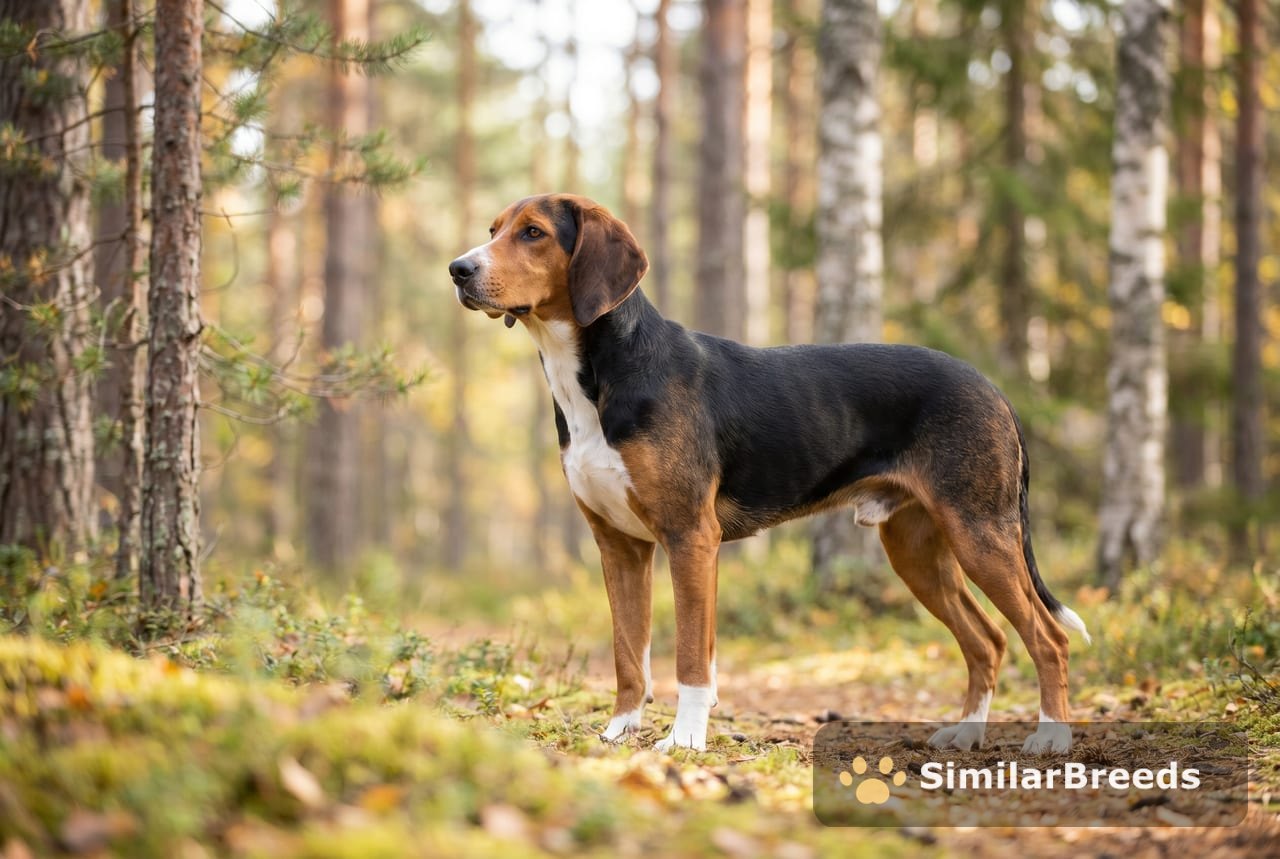
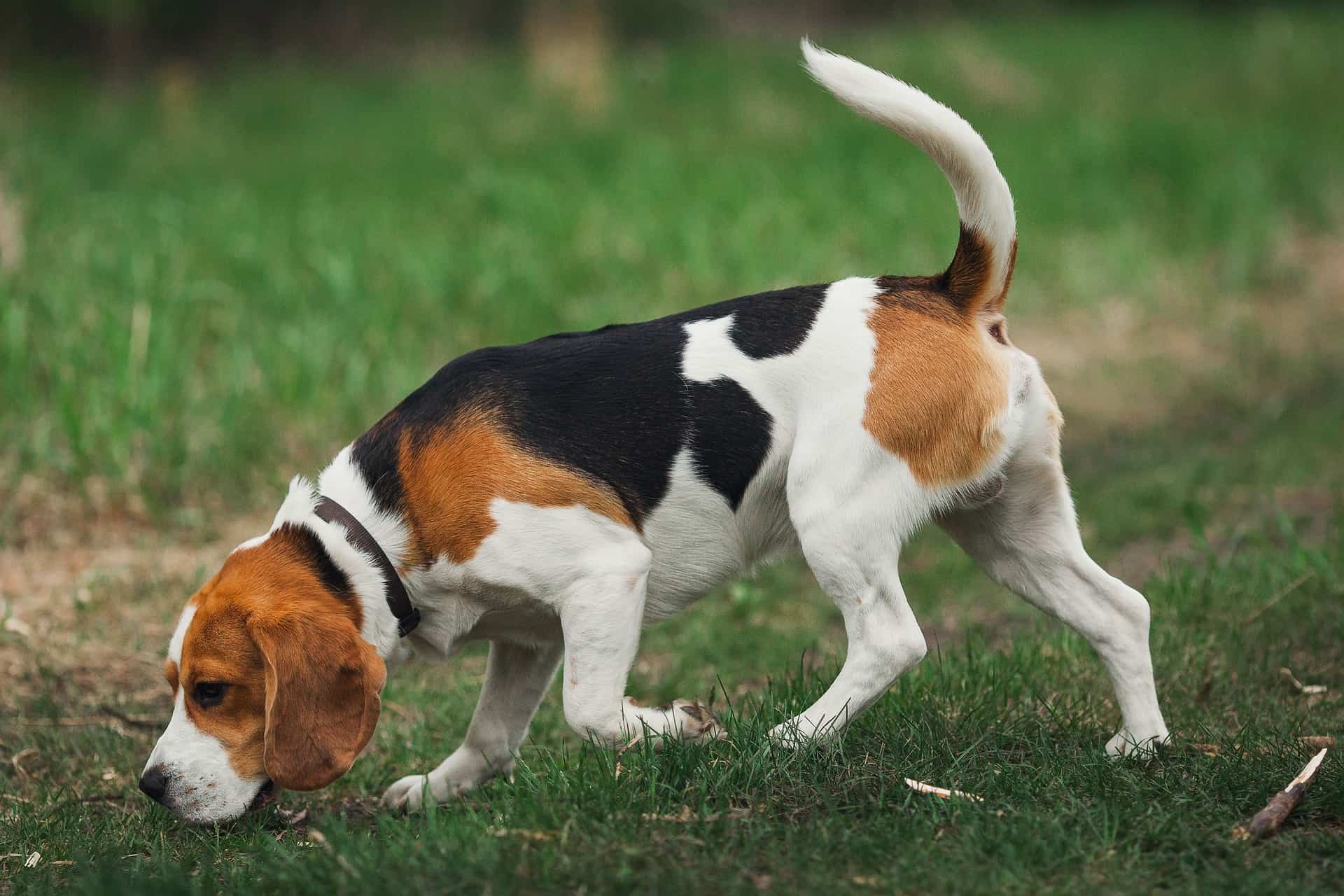
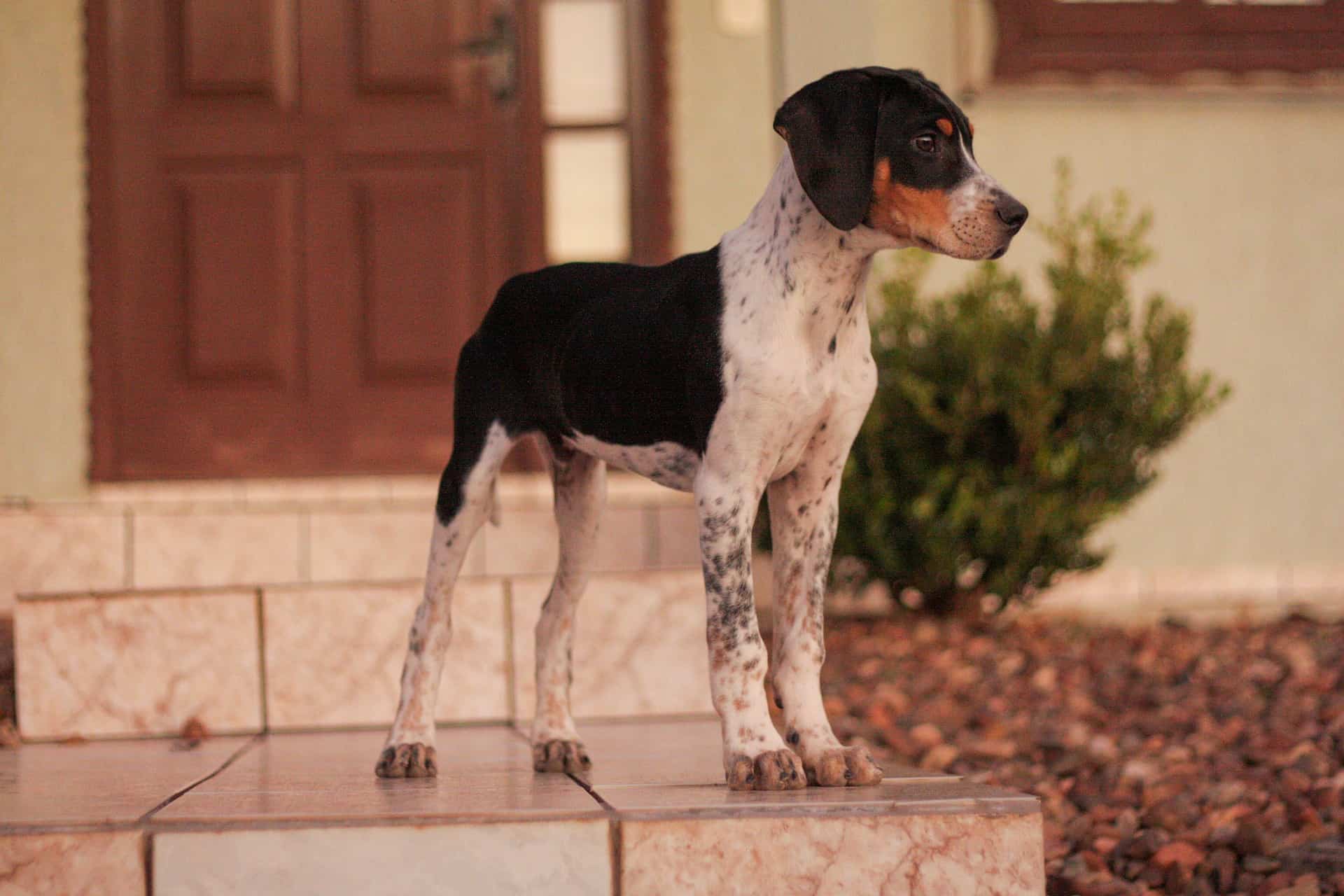
The Beagle and the Finnish Hound share the Bloodhound's scent-hound lineage and pack-hunting heritage, both bred to follow a nose-to-ground trail with the same stubborn persistence, differing mainly in scale. The American Foxhound is a close American cousin in the trailing tradition, longer-legged and built for speed over endurance, but functionally similar.
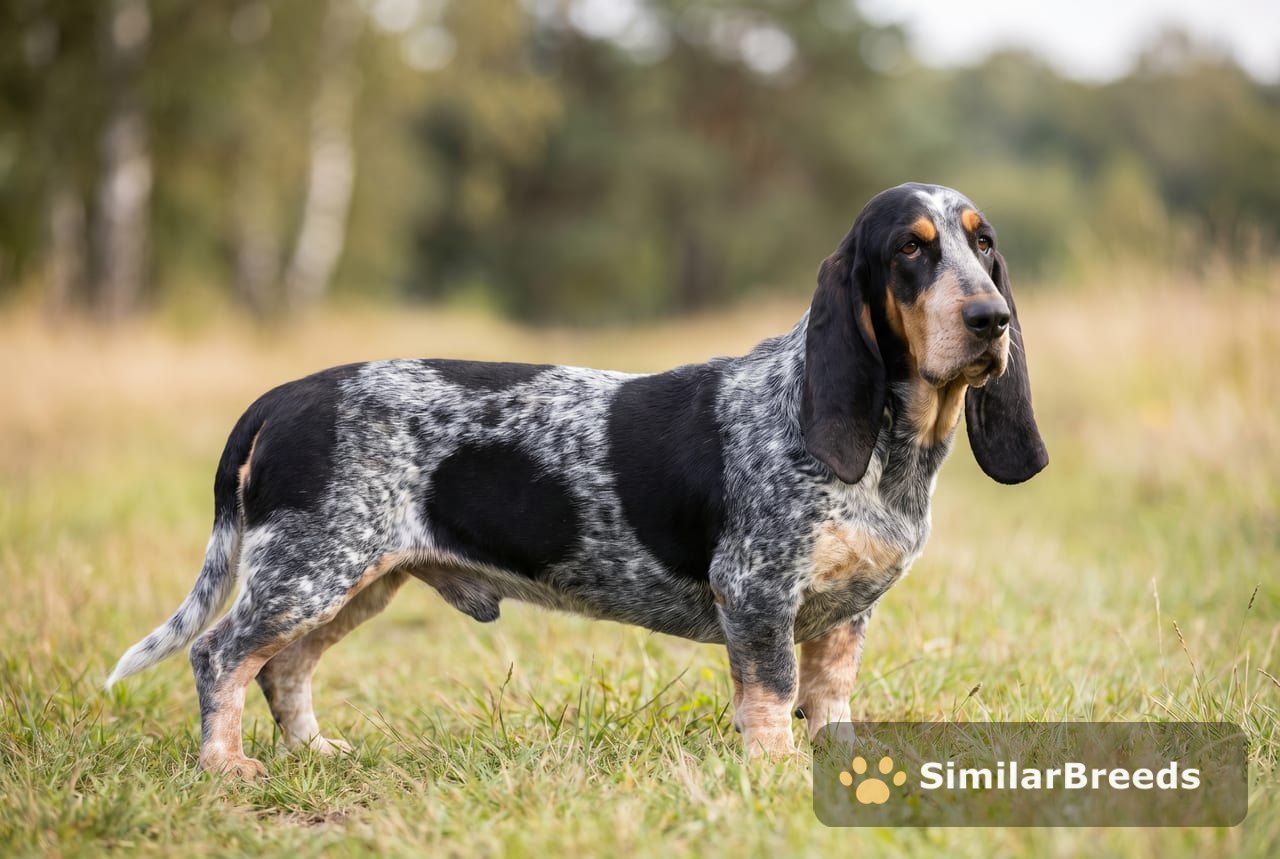
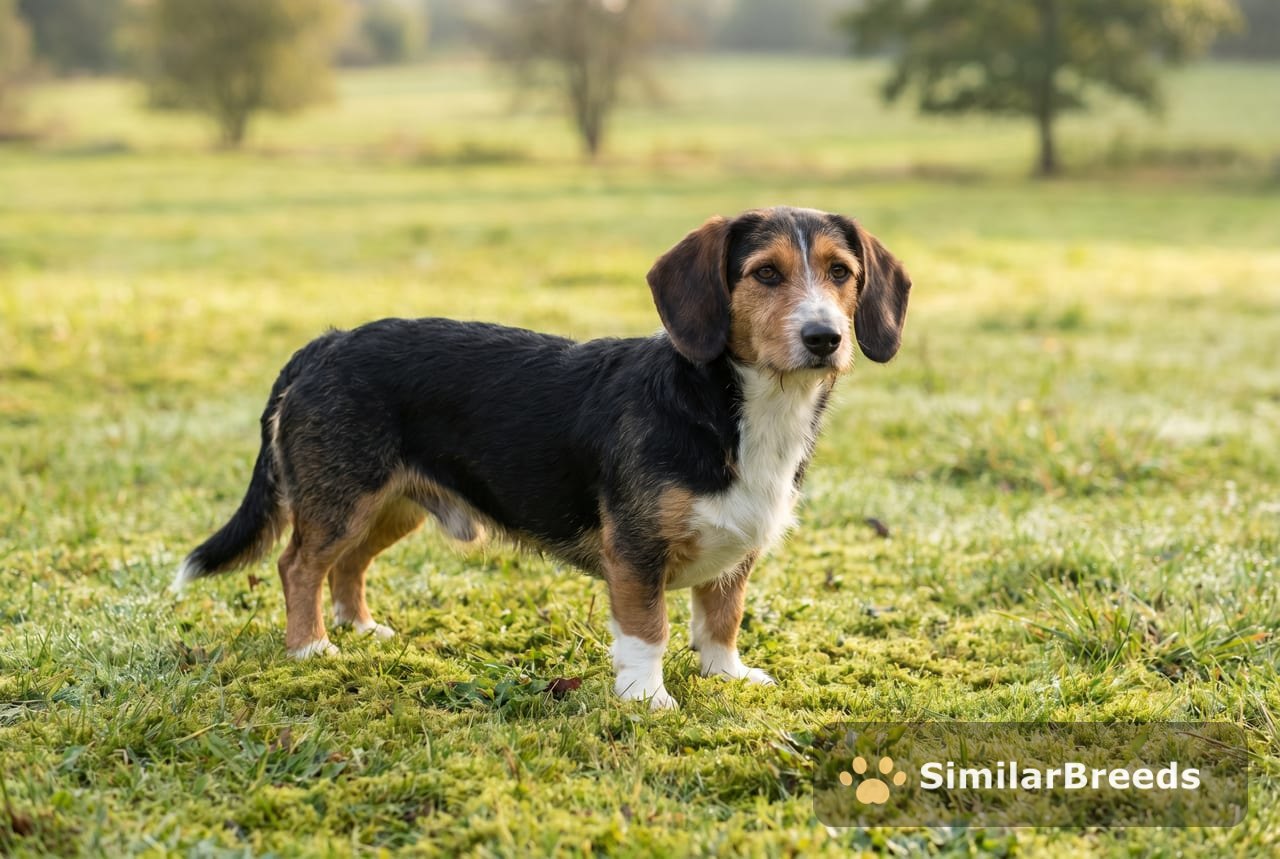
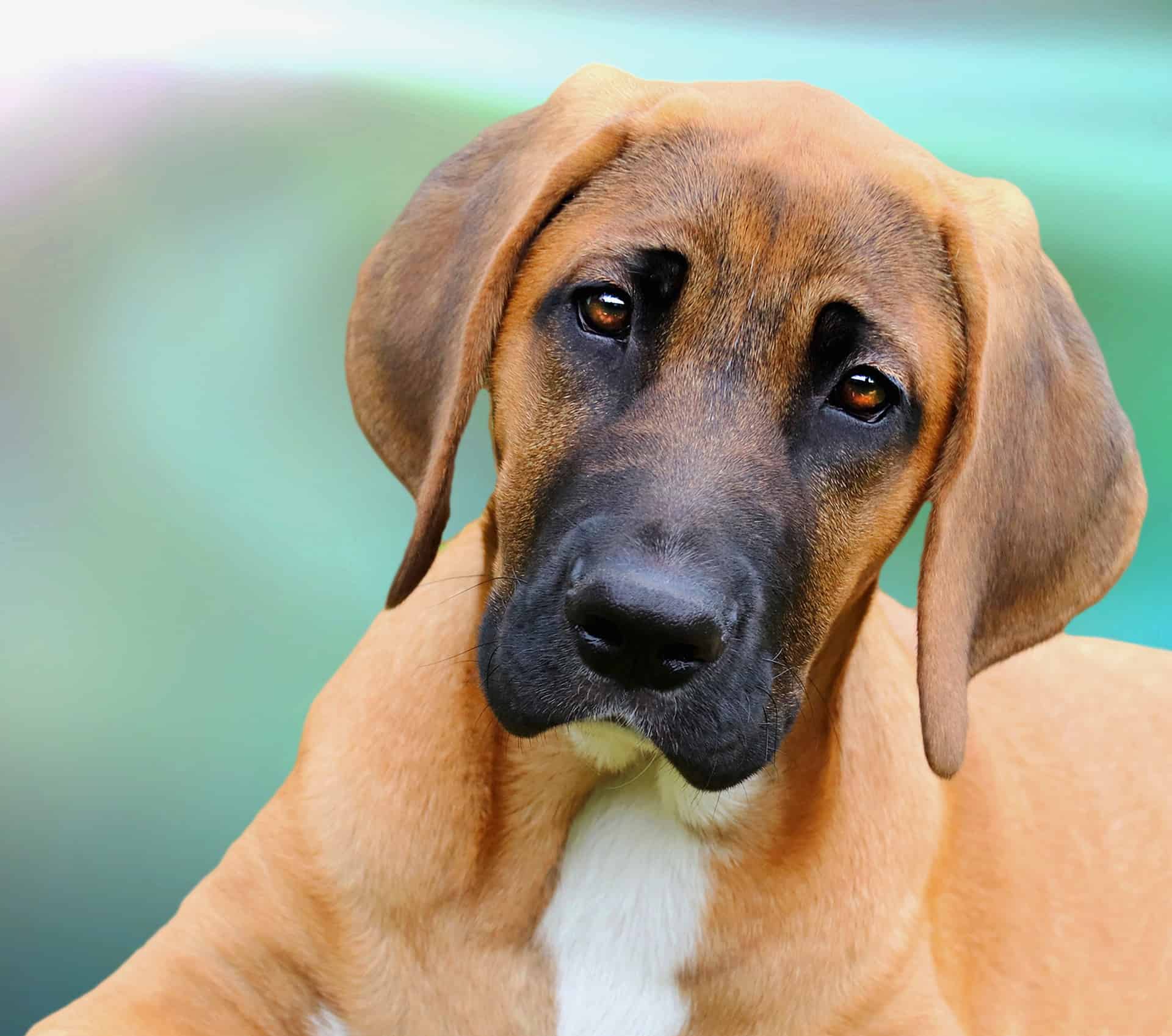
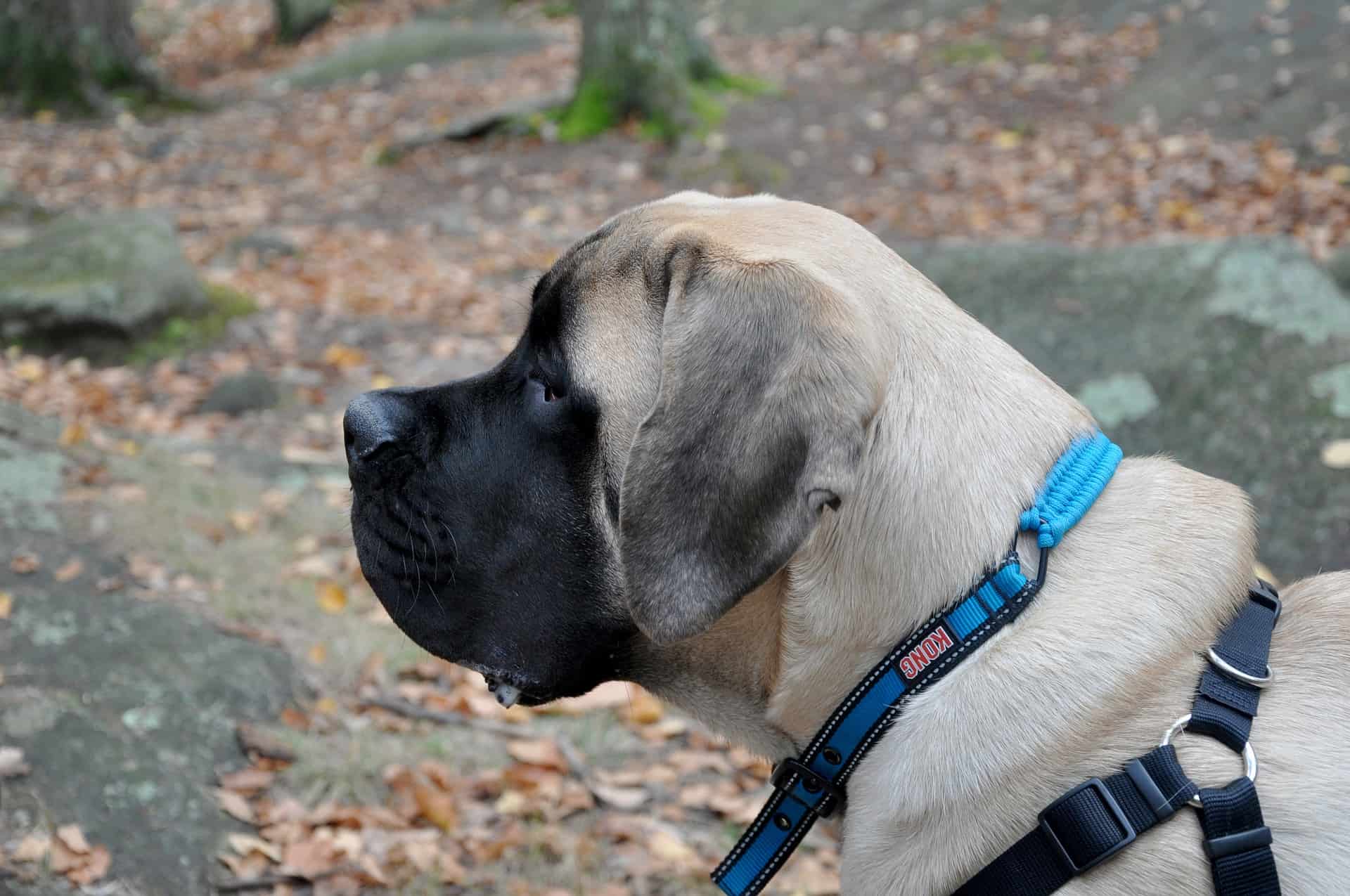
The Blue Gascony Basset and the Drever are European scent hounds that share the long ears, drooping lips, and methodical trailing style that define the group. The Broholmer and the Mastiff are the outliers: they share bulk and a calm, affectionate temperament with the Bloodhound rather than its nose work, both being large, gentle dogs with low protection drive despite an imposing appearance.
Trait ratings
- Energy level
- 3/5
- Exercise requirements
- 3/5
- Playfulness
- 1/5
- Affection level
- 5/5
- Friendliness toward dogs
- 3/5
- Friendliness toward other pets
- 5/5
- Friendliness toward strangers
- 3/5
- Ease of training
- 1/5
- Watchdog ability
- 4/5
- Protection ability
- 1/5
- Grooming requirements
- 1/5
- Cold tolerance
- 3/5
- Heat tolerance
- 2/5