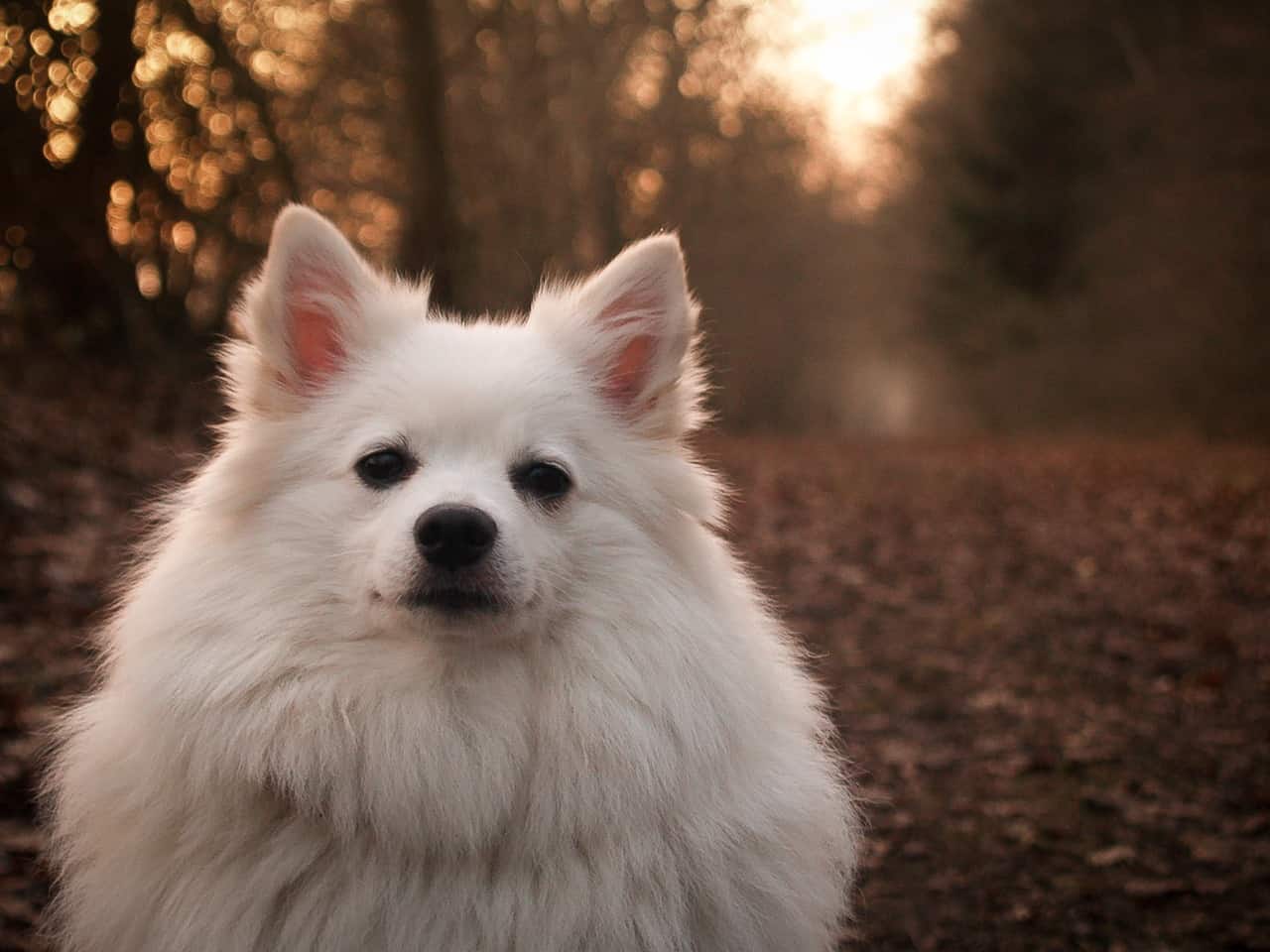
Eurasier
Also known as Eurasian
From Germany
The Eurasier was developed in Germany in the 1960s by mixing the Samoyed, Chow Chow, and Keeshond. It's still a relatively rare breed. Eurasier is a great companion dog since it is even-tempered and peaceful, yet alert. It forms close bonds with its family easily.
Purpose & Origin
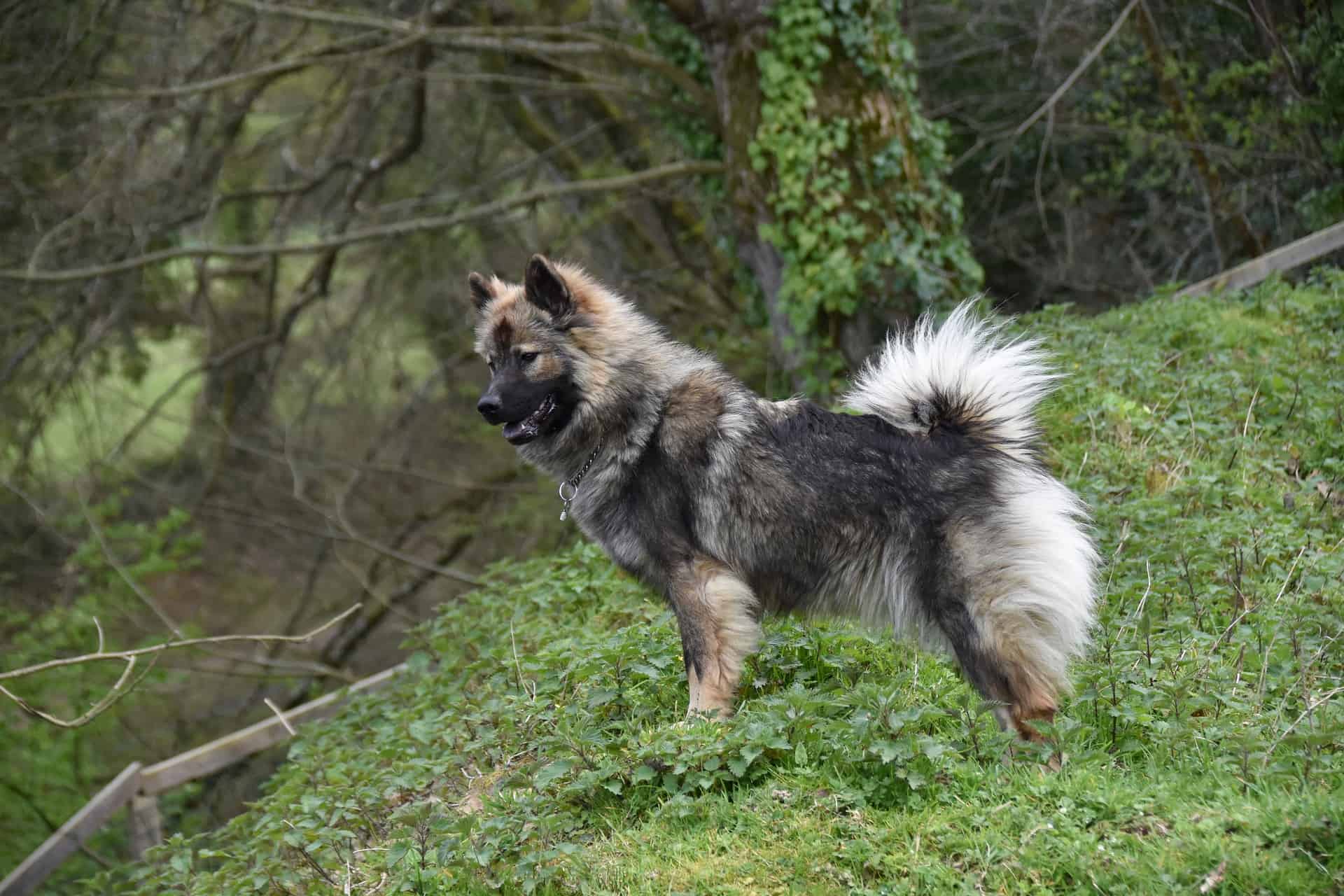
The Eurasier is a deliberate modern creation, not an ancient breed. In the 1940s, German professor Julius Wipfel crossed Chow Chow males with large German Wolfspitz bitches, selecting offspring that sat intermediate between the two parent breeds and calling them Wolf-chows. He then introduced Samoyed blood through a single cross, after which no further outcrossing was permitted. His aim, inspired by the work of Austrian naturalist Konrad Lorenz, was to combine the best of European and Asian spitz stock into one balanced companion. Twenty years of careful selective breeding fixed the type, and the FCI granted official recognition in 1973. The breed remains relatively rare outside Germany and Central Europe.
Temperament & Behaviour
The Eurasier is calm, even-tempered, and deeply attached to its family. It bonds strongly with the people who raise it, which is both its greatest strength and its main limitation: the breed does not transfer ownership or adapt to kennel boarding well at all. With strangers it is reserved rather than aggressive, observing first and warming slowly. This is not a dog that distributes affection indiscriminately.
It is self-assured without being dominant, and it is genuinely content to be involved in everyday household life. It does well with children and is not prone to anxiety, provided it has consistent human company. Dogs left alone for long hours frequently develop problem behaviour.
Activity & Training
The Eurasier needs moderate daily exercise, a couple of solid walks or free runs in a secure area. It is not a high-drive working dog and does not require an athletic owner, but it is not a couch dog either. Mentally, it is alert and quick to learn, and it responds well to positive, low-pressure training. It is sensitive to harsh handling and will disengage rather than comply when pushed too hard. Early socialisation matters, since the natural reserve toward strangers can shade into excessive wariness without enough varied exposure during puppyhood.
Grooming
The Eurasier carries a thick, medium-length double coat that comes in fawn, red, grey, black, and wolf-grey patterns. During most of the year, two to three brushing sessions per week are enough to keep the coat free of mats and manage loose hair. Twice a year, in spring and autumn, the undercoat blows out heavily and daily brushing becomes necessary to stay on top of the shed. Spayed or neutered dogs often develop a denser, longer coat that requires more consistent upkeep. The breed is otherwise low-maintenance: bathing is only needed occasionally, and the coat does not tend to pick up strong odour.
Health
The Eurasier is a generally healthy breed with a lifespan of 12 to 16 years. The most significant known issue is autoimmune thyroiditis, which affects a meaningful proportion of the breed and can lead to hypothyroidism if untreated. Responsible breeders screen for this. Hip dysplasia and patellar luxation are also recorded. The blue-black or spotted tongue inherited from Chow parentage is a normal anatomical trait, not a health concern.
Why these breeds are similar
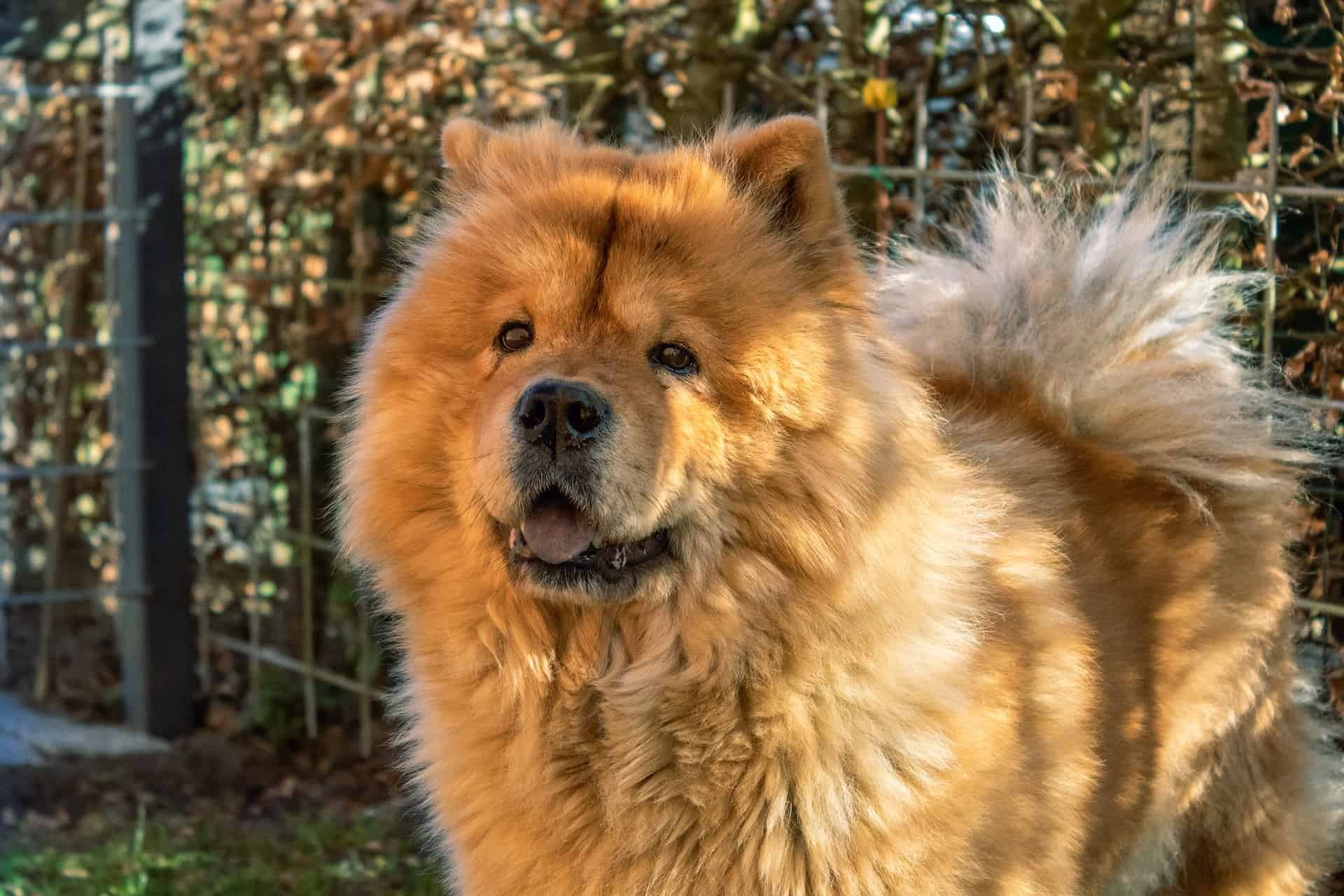
**Chow Chow** is one of the Eurasier's direct founding breeds. Both share the spitz body type, dense double coat, reserved temperament with strangers, and the characteristic blue-black tongue pigmentation.
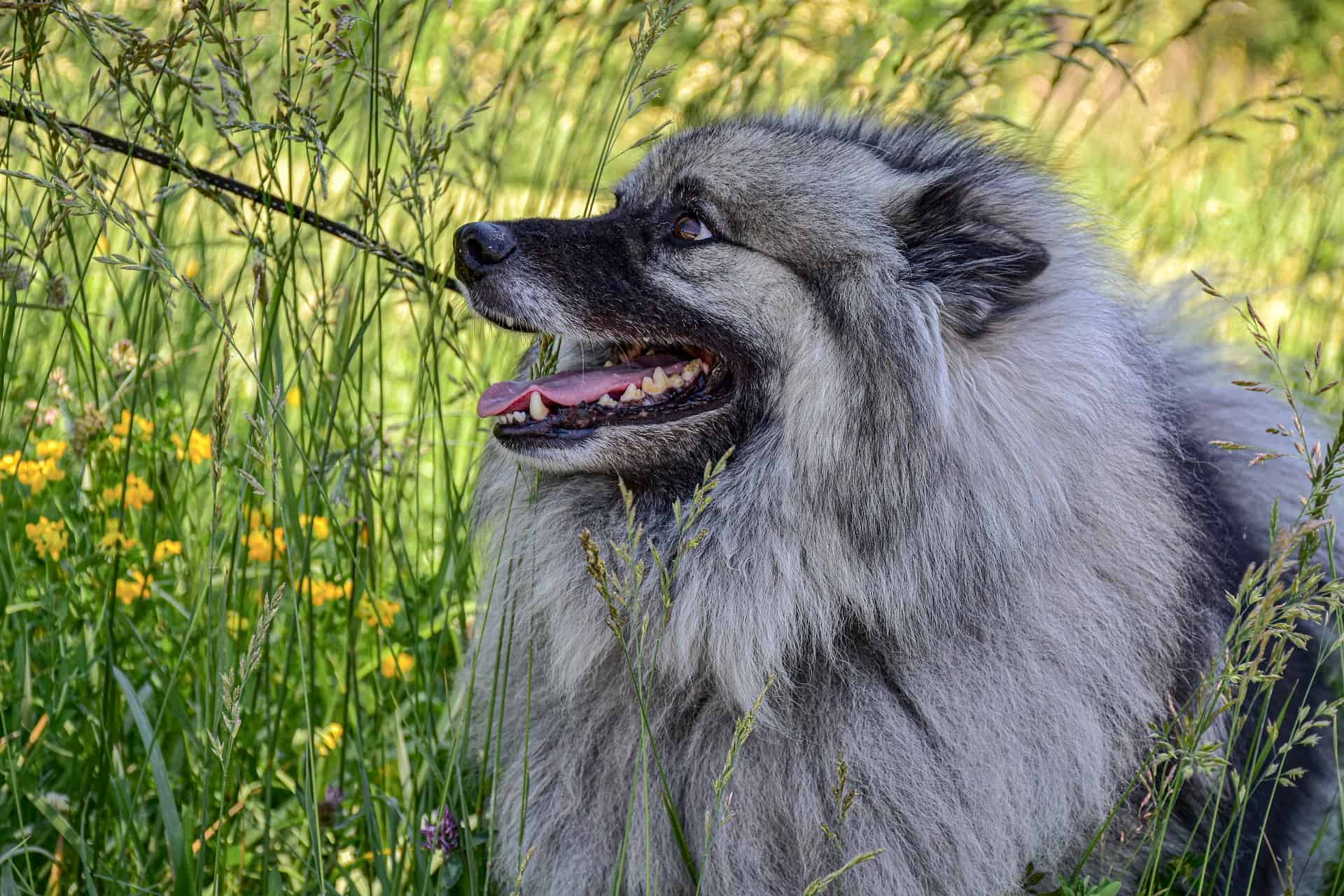
**Keeshond (Wolfsspitz)** is the other founding European parent. The Eurasier inherits its medium size, alert expression, and thick stand-off coat from this line, and the two breeds look noticeably similar.
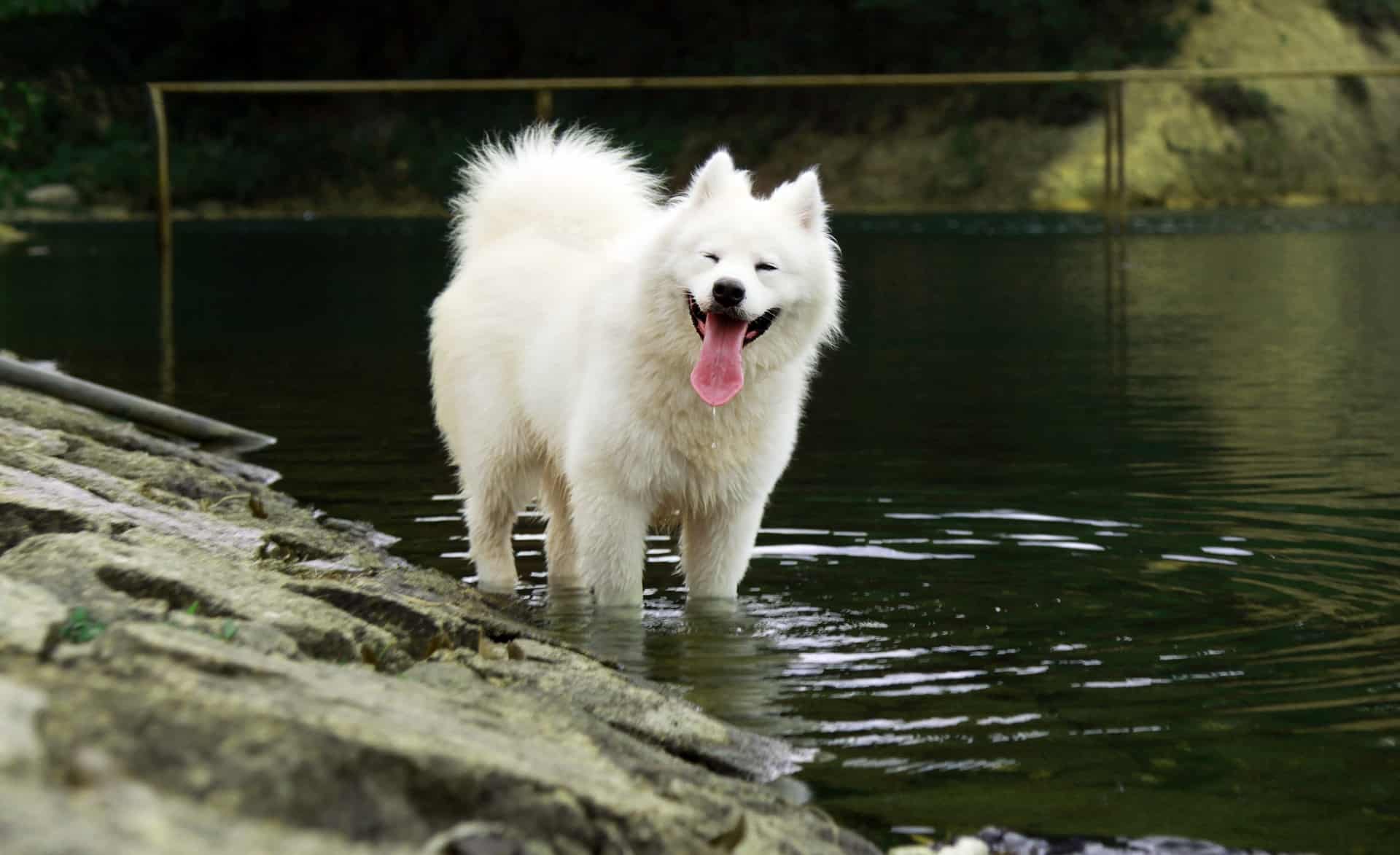
**Samoyed** contributed the third strand of the Eurasier's foundation cross. Both breeds are double-coated spitz types, calm in temperament, and strongly people-oriented rather than independent working dogs.
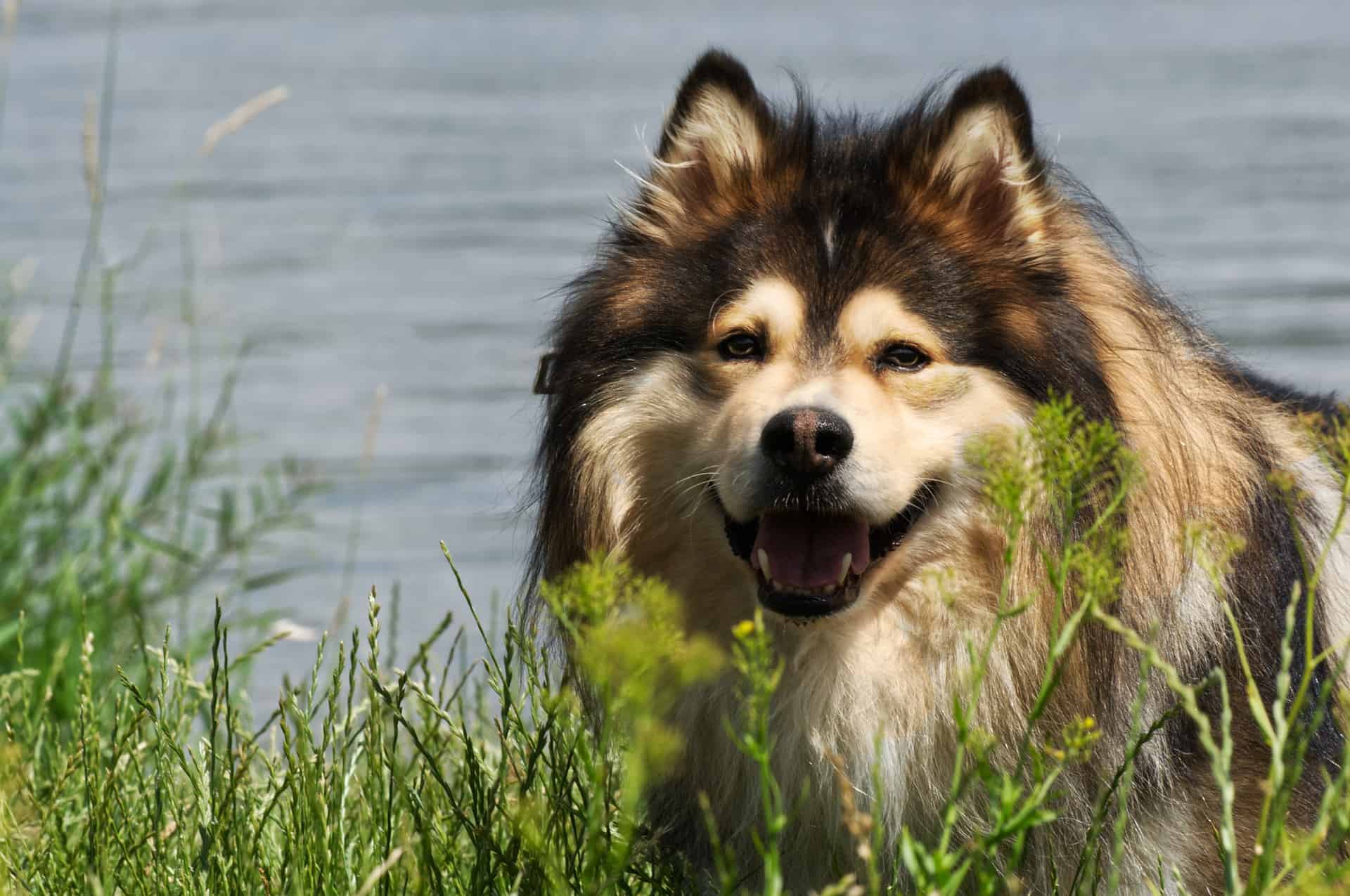
**Finnish Lapphund** shares the spitz structure, thick double coat, and calm family temperament. Both were shaped for life alongside humans rather than as solitary working dogs, and both are reserved with strangers while warm with their own people.
**German Spitz (Mittelspitz)** is a close relative through the Wolfsspitz line in the Eurasier's ancestry. Both sit in the same FCI group, share the classic spitz silhouette, and carry a similar alert but non-aggressive disposition.