Samoyed
From Russia
Purpose & Origin
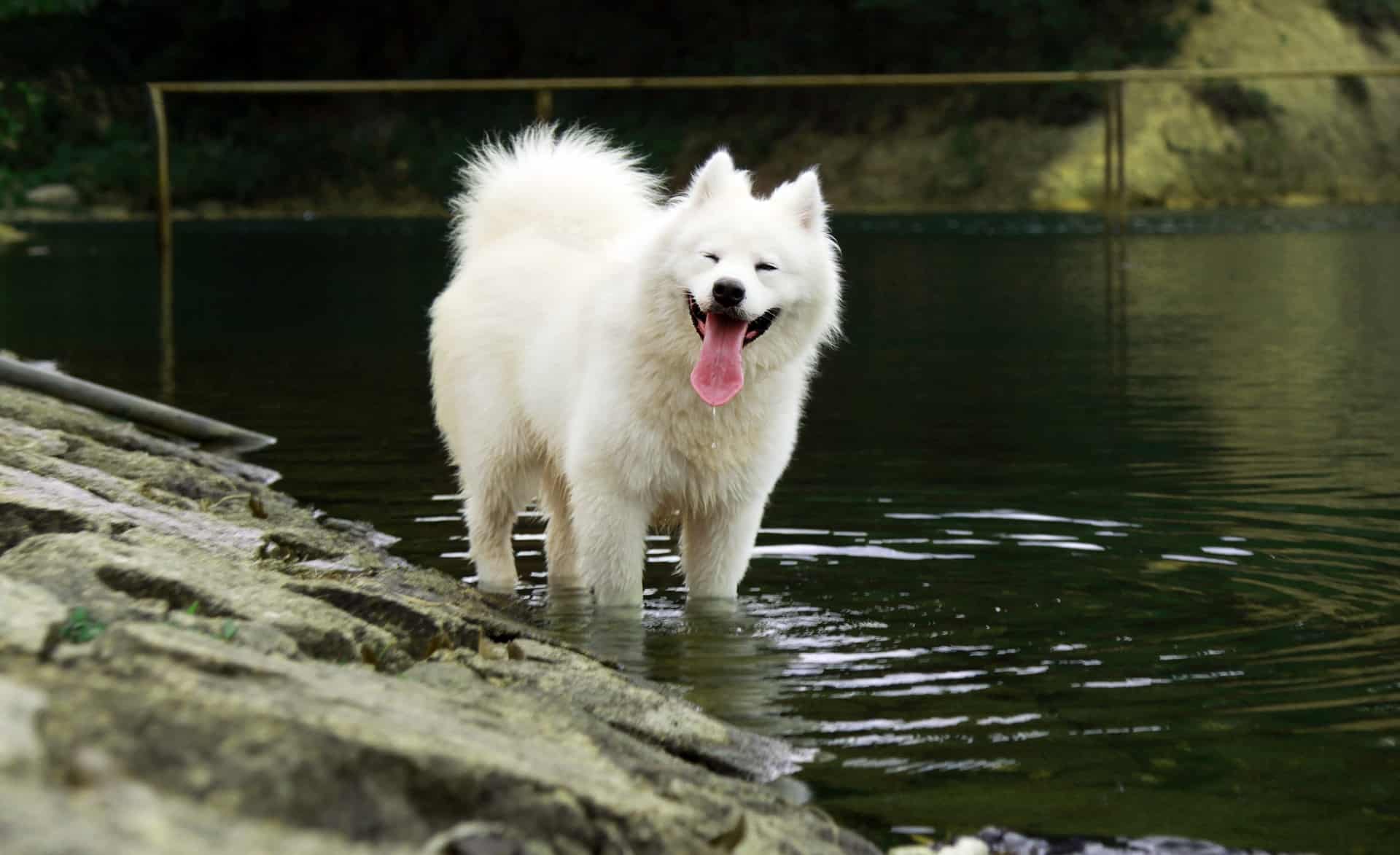
The Samoyed takes its name from the nomadic Samoyed people of northwestern Siberia, who migrated there from central Asia and built their lives around reindeer herds. Their dogs had to keep those herds moving and guard them from Arctic predators, while doubling as sled dogs, occasional hunting helpers, and family companions who slept in the hide tents and kept the children warm. It is that last role that explains much of the breed's temperament today.
The first Samoyeds arrived in England in the late 1800s, and Queen Alexandra's patronage helped establish the breed's reputation. A 1906 import to America, originally a gift from Russia's Grand Duke Nicholas, started the breed's following there. By the early twentieth century, Samoyeds were pulling sleds on Antarctic expeditions and reaching the South Pole, feats that sealed their image as a breed of serious working substance beneath the spectacular white coat.
Temperament & Behaviour
The Samoyed is a closely bonded family dog, gentle and genuinely playful with people of all ages, including children (though it may try to herd them). It is friendly toward strangers and tolerant of other pets and dogs, which reflects centuries of communal life in tight-knit camps. That sociability has a flip side: this is not a breed that does well ignored or left to its own devices. Boredom produces digging and persistent barking. The Samoyed is also independent and can be stubborn, so while it is willing to please its owner, it will not automatically defer. Its watchdog instinct is sharp, but it has essentially no guarding drive.
Activity & Training
Daily exercise is non-negotiable, whether a long walk, a jog, or a vigorous play session. The Samoyed was built to move and loves to pull, and it thrives in cold weather while struggling badly in heat. Mentally, it needs variety; repetitive drills bore it quickly. Training requires patience and consistency rather than force. The combination of intelligence, independence, and moderate stubbornness means a Samoyed will take advantage of an inconsistent handler, so setting clear expectations early matters.
Grooming
The thick double coat needs brushing and combing two to three times a week under normal conditions, and daily attention during the seasonal shed. That shed is significant, and prospective owners should expect white hair on everything. The coat's texture means it does not mat as badly as some double-coated breeds, but the volume of work is still substantial.
Health
The Samoyed's primary orthopaedic concern is hip dysplasia. Gastric torsion, cataracts, and hypothyroidism are secondary concerns, with progressive retinal atrophy and a heritable retinal/optic nerve condition (RD/OSD) seen occasionally. Breeding stock should be screened for hips, eyes, and relevant DNA markers. Life expectancy runs from ten to twelve years.
Why these breeds are similar
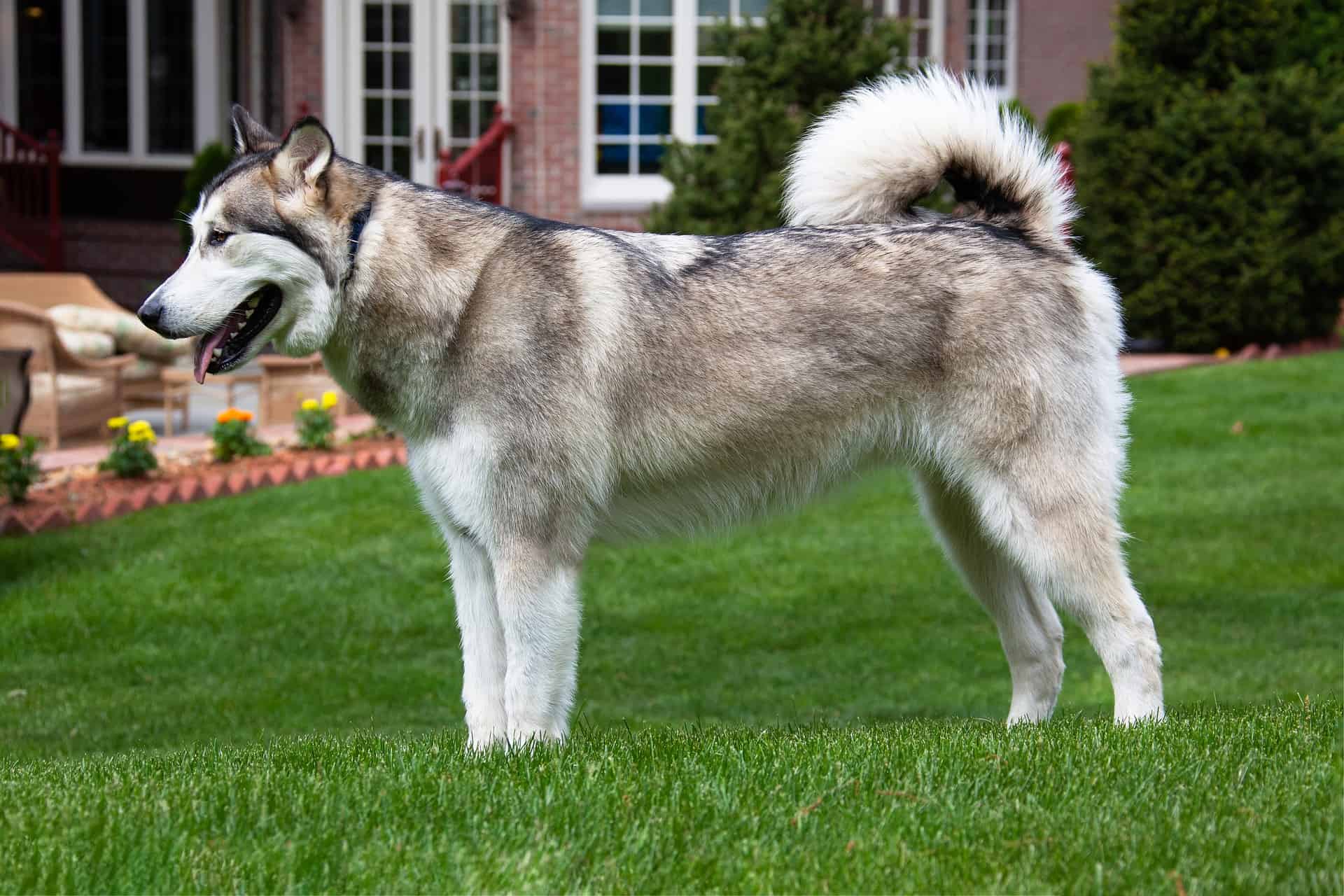
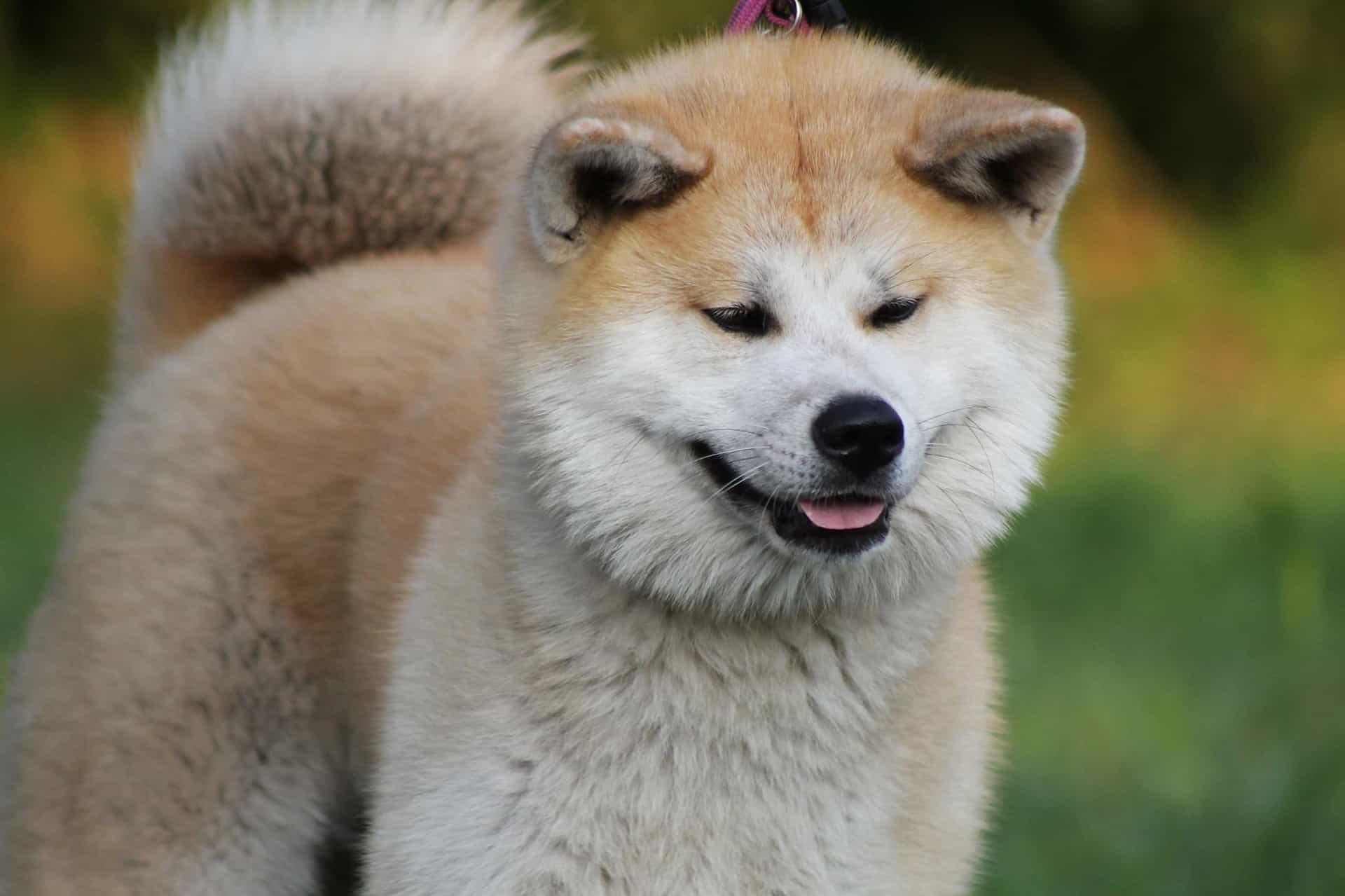
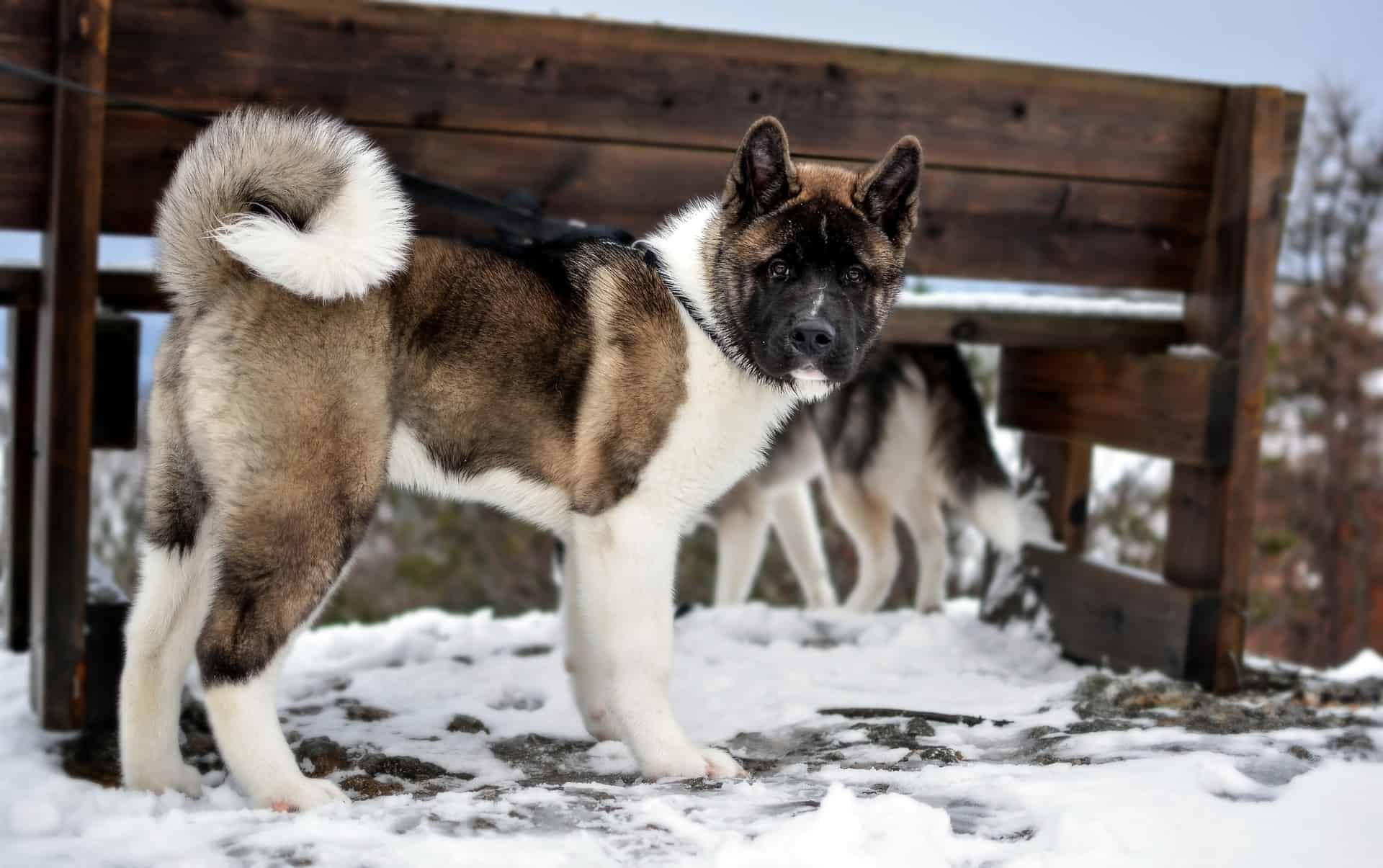
The **Alaskan Malamute** is the most direct counterpart, a large Arctic working spitz developed for sled hauling in conditions as severe as those the Samoyed endured. Both share the heavy double coat, cold tolerance, and the same strong-willed working-dog independence. The **Japanese Akita Inu** and **American Akita** are spitz-type dogs from a different geographic tradition but share the same northern build, plush coat, and watchful self-possession.
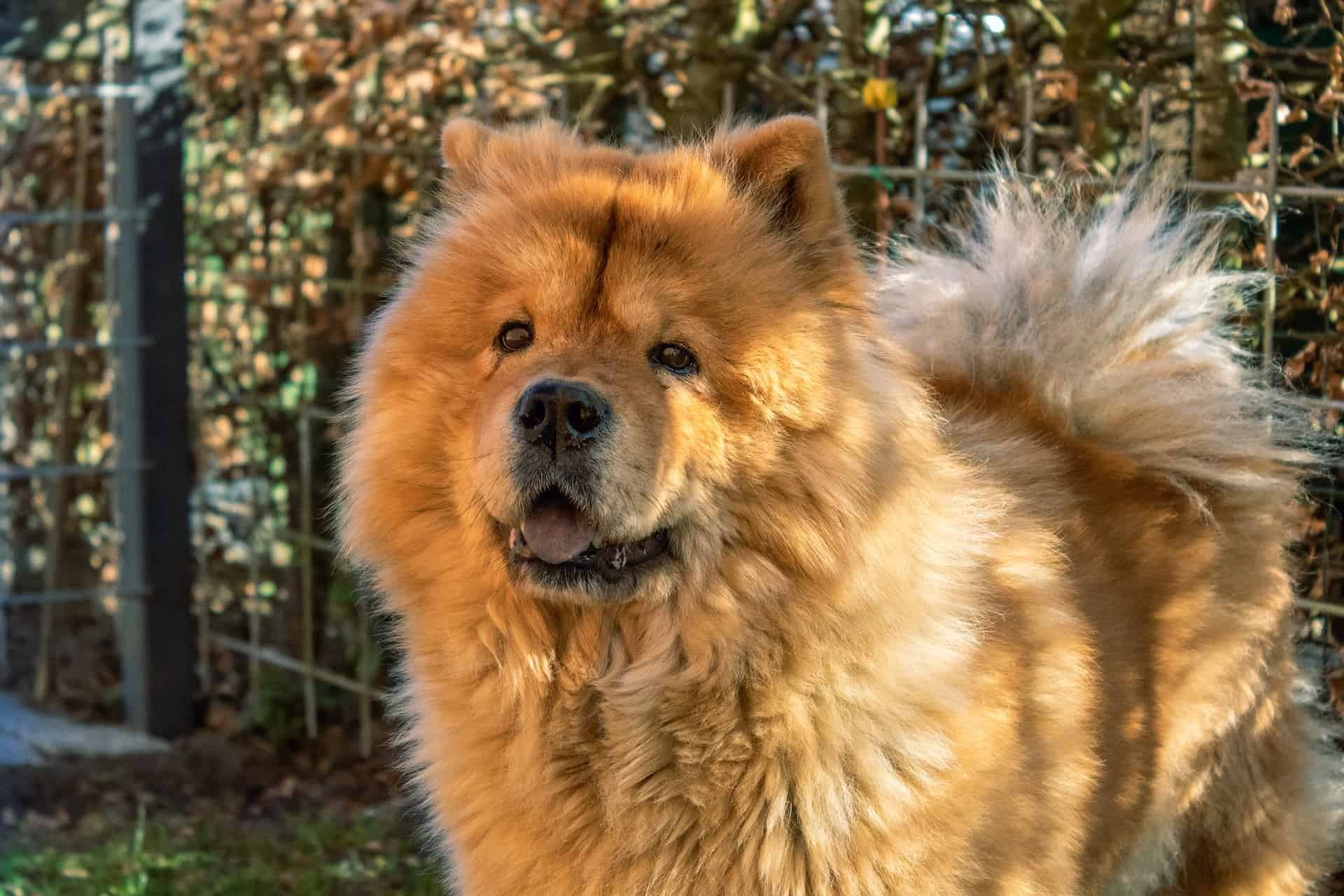
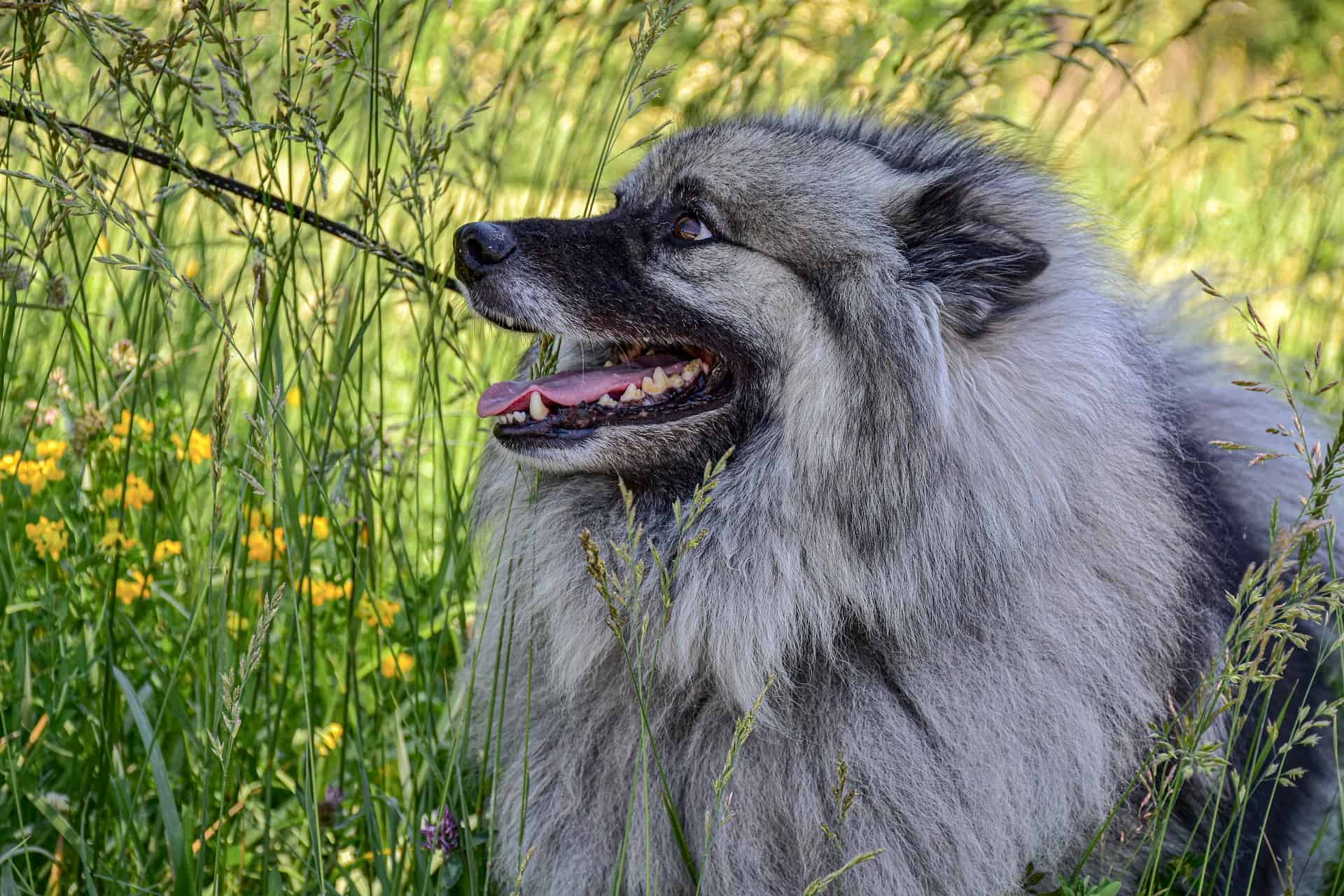
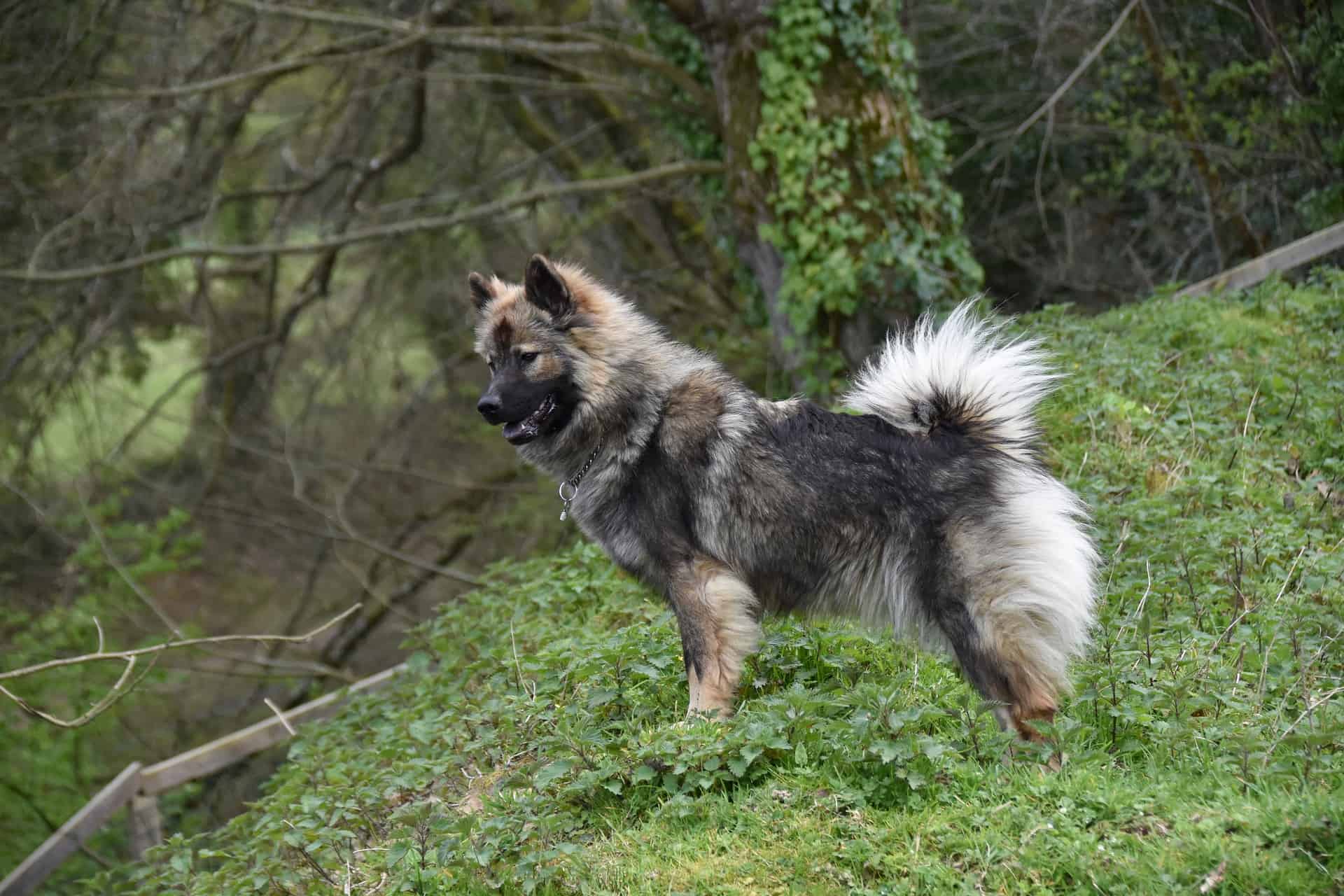
The **Chow Chow** connects through the ancient northern spitz lineage and the same characteristic aloofness with strangers paired with loyalty to its own family. The **Keeshond (Wolfsspitz)** is a smaller European spitz that mirrors the Samoyed in coat volume, friendly disposition, and vocal watchdog tendency. The **Eurasier** was deliberately bred from spitz stock including northern breeds to produce a calm, family-oriented companion, and it lands in the same temperament range: affectionate within the family, measured with outsiders, and carrying the double coat that defines the type.
Trait ratings
- Energy level
- 3/5
- Exercise requirements
- 3/5
- Playfulness
- 4/5
- Affection level
- 4/5
- Friendliness toward dogs
- 3/5
- Friendliness toward other pets
- 5/5
- Friendliness toward strangers
- 4/5
- Ease of training
- 2/5
- Watchdog ability
- 5/5
- Protection ability
- 1/5
- Grooming requirements
- 3/5
- Cold tolerance
- 5/5
- Heat tolerance
- 1/5