Dachshund
From Germany
Purpose & Origin
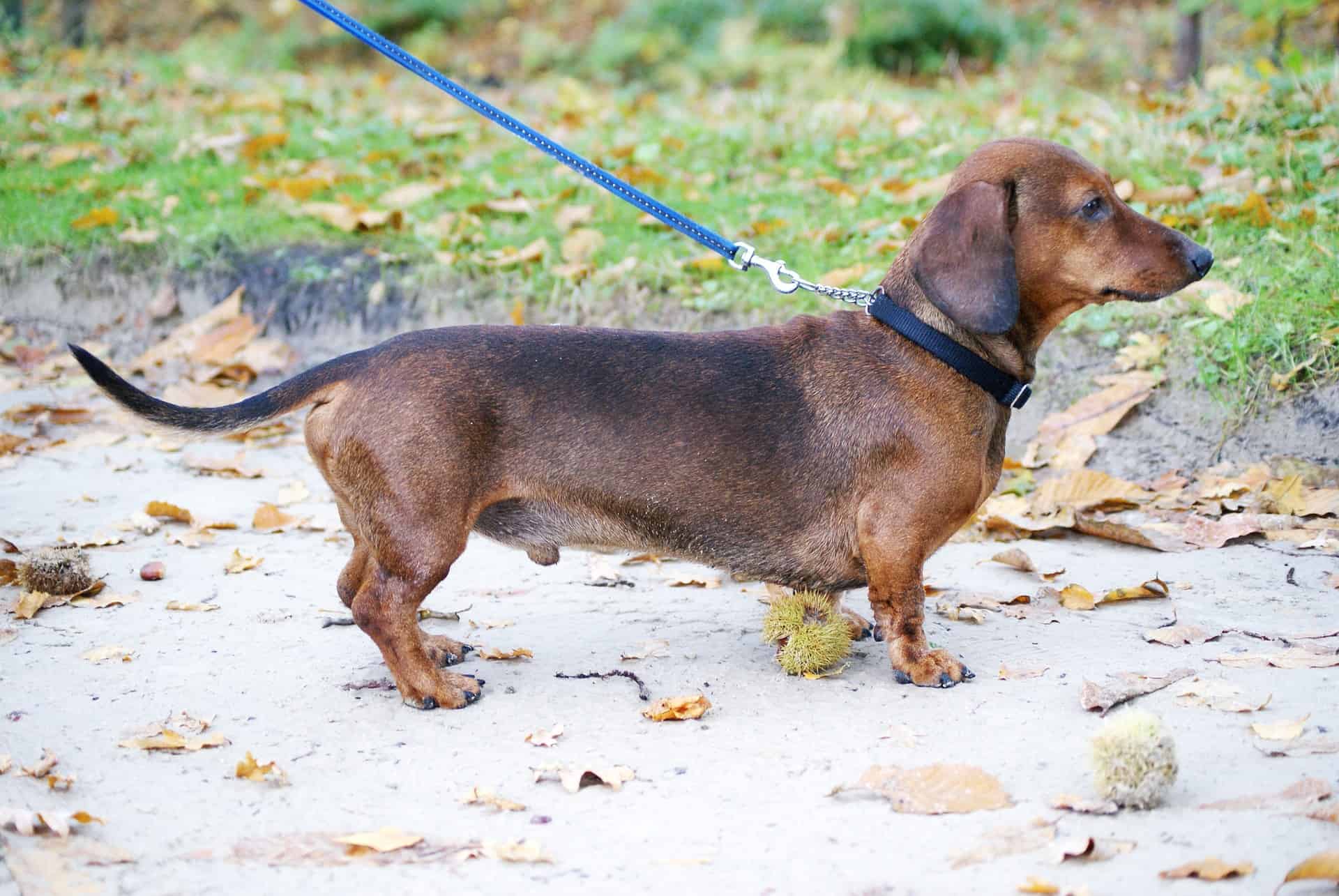
The Dachshund is a German hunting dog dating back to the 1500s, when records describe a low-bodied, short-legged animal called the Little Burrow Dog or Badger Dog. The name says it plainly: "dachs" is badger, "hund" is dog. These compact hunters tracked quarry by scent, entered burrows, dragged the animal out, and killed it. The original smooth-coated dogs came from crosses of a miniature French pointer with a Pinscher-type vermin killer.
The long-haired variety followed, probably through spaniel and German gundog crosses; the wire-haired arrived later, shaped in the late 1800s from smooth Dachshunds crossed with wire-haired Pinschers and the Dandie Dinmont Terrier. Miniature sizes were developed by the early twentieth century to pursue rabbits in tight earth, using crosses with toy terriers and small pinschers. Three coat types, two sizes, one purpose: put the dog underground after badger, fox, and small mammals.
Temperament & Behaviour
Bold, curious, and somewhat opinionated are the words that fit this breed. The Dachshund will investigate anything that moves and has a tenacious streak inherited from generations of going solo into a burrow. It is independent-minded and not naturally deferential, which makes it entertaining company but not a pushover.
Within its own family it is affectionate and eager to join whatever is happening; with strangers it tends to be reserved, and its watchdog alarm is loud and persistent. Some individuals snap at unfamiliar children. Coat type influences personality to a degree: the long-haired variety generally runs quieter and softer, the wire tends toward outgoing, and some miniatures lean timid. Barking is common across all types.
Activity & Training
Despite a high energy level, the Dachshund's short legs mean its exercise needs are modest. Regular leashed walks and yard play cover the daily requirement, though the breed still appreciates sniffing expeditions that engage its nose. City and apartment life suit it well, provided the back is protected: jumping on and off furniture, stairs, and rough play are genuine injury risks given the breed's long spine.
Training is a real challenge. The ease-of-training score is low, and that reflects reality. This is a scenthound that historically worked independently, and it applies that same independence to obedience. Patience, food motivation, and short sessions outperform repetition and corrections. Obesity compounds spinal problems and must be managed actively.
Grooming
The smooth coat is the easiest coat in dogkeeping: a quick wipe-down and occasional bath is all it needs. The long coat asks for one or two brushing sessions per week and light trimming of feathering. The wire coat needs weekly brushing, twice-yearly hand-stripping to remove dead harsh hair, and occasional tidying. None of the three coat types is a heavy grooming burden.
Health
Intervertebral disk disease (IVDD) is the primary health concern, a direct consequence of the long spine and short ribcage structure. Symptoms range from pain and wobbling to sudden paralysis, and the condition can recur. Weight management and limiting high-impact movement reduce risk but do not eliminate it. Double-dapple (homozygous merle) breeding produces dogs with elevated rates of blindness and deafness and should be avoided. Minor conditions on record include dry eye (KCS), diabetes, seizures, patellar luxation, and Cushing's disease. Life expectancy runs 12 to 14 years.
Why these breeds are similar
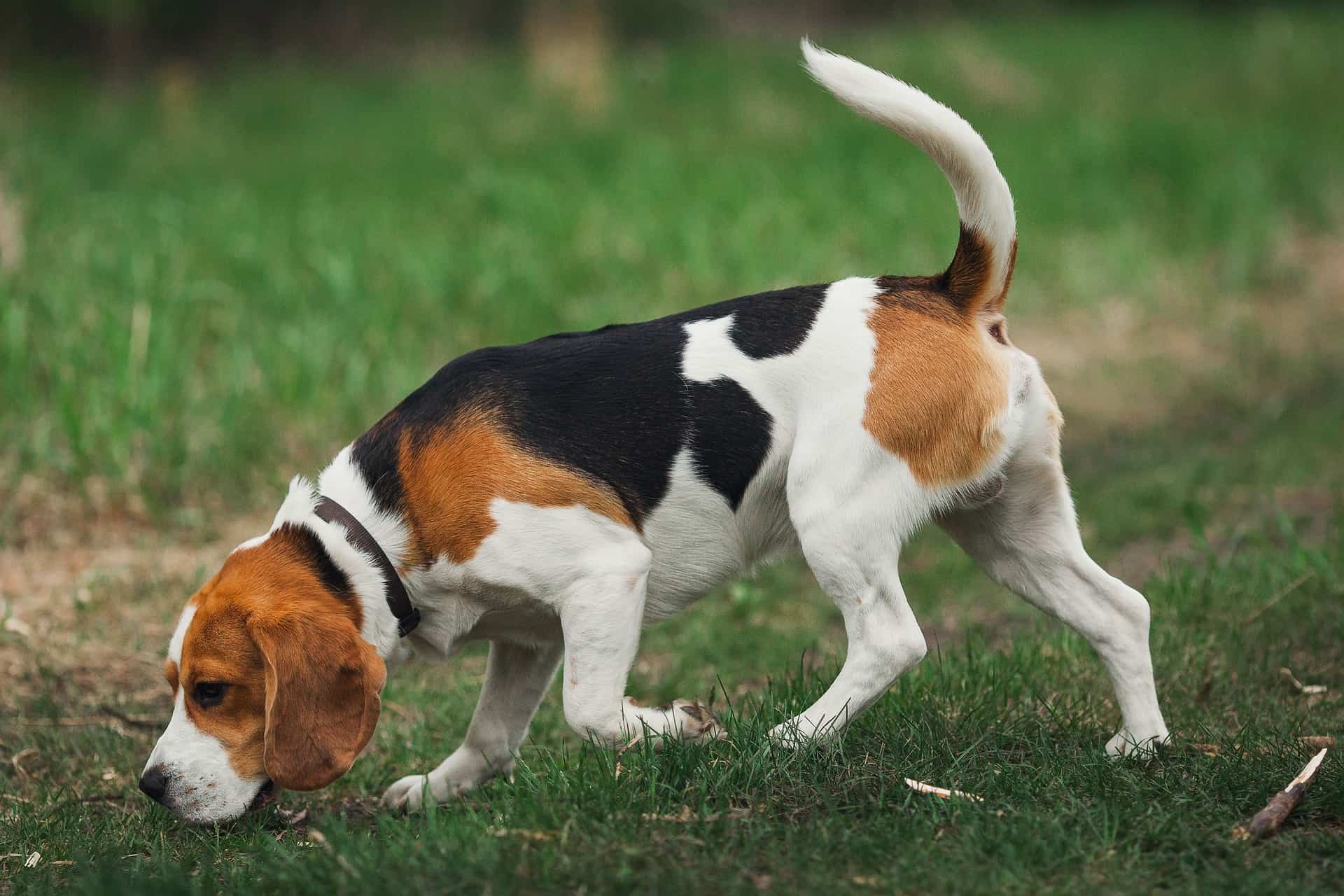
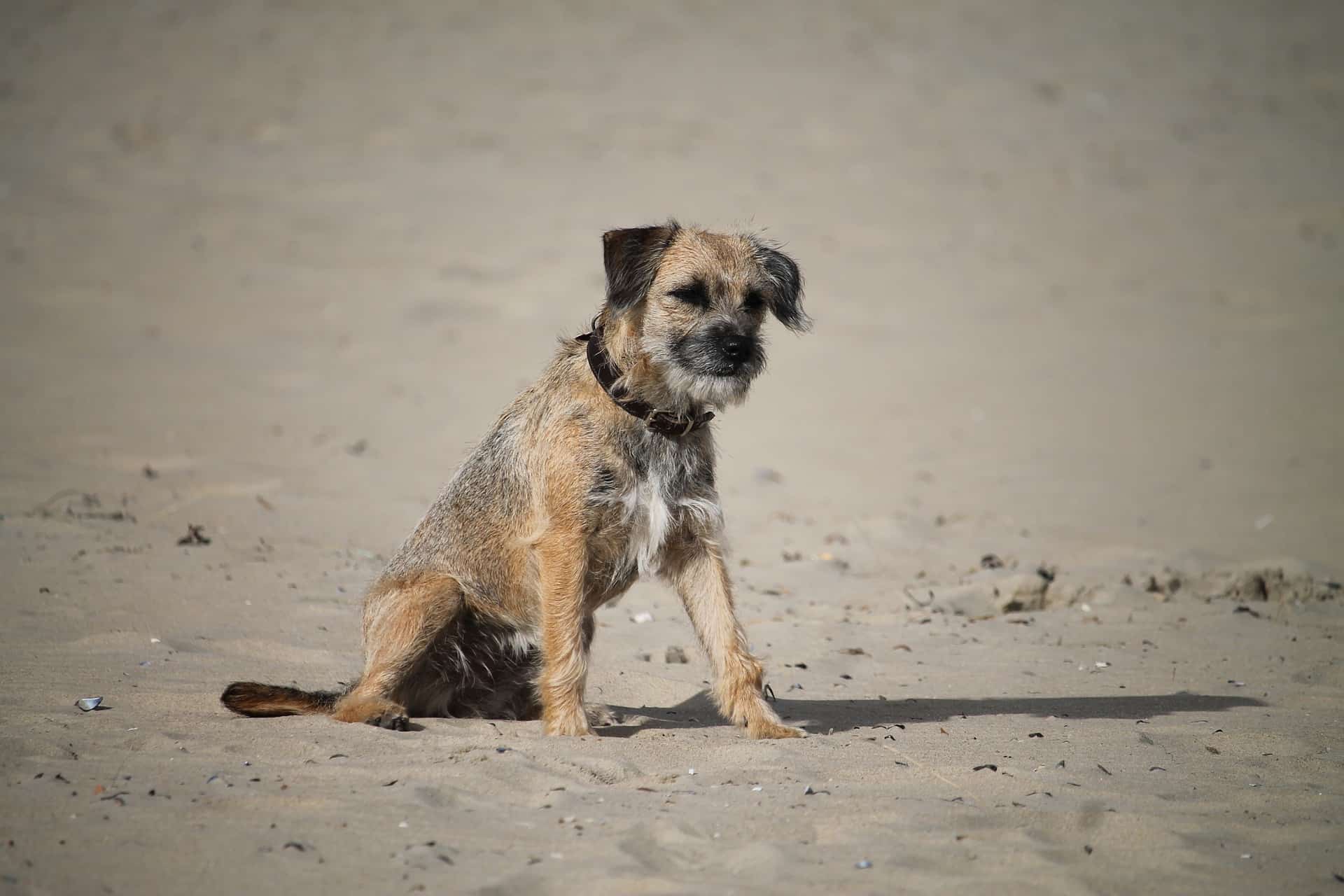
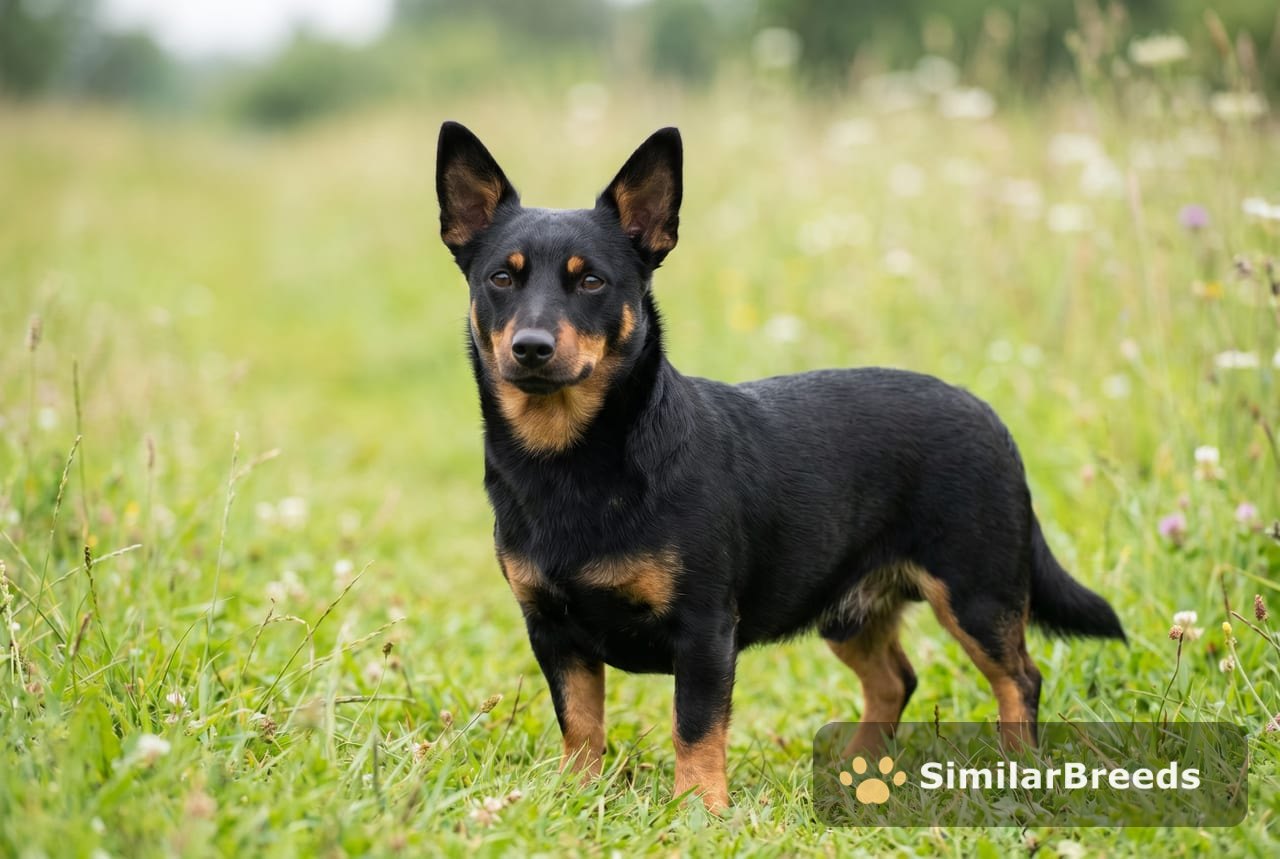
The Beagle shares the Dachshund's scenthound ancestry, pack-hunting background, and stubborn nose-first personality. Both are compact, alert, and vocal, bred to work independently on ground-level quarry. The Border Terrier and Lancashire Heeler overlap in a different direction: small, tenacious dogs built to pursue vermin and small game in tight country, with the same low-to-the-ground profile and willingness to work independently.
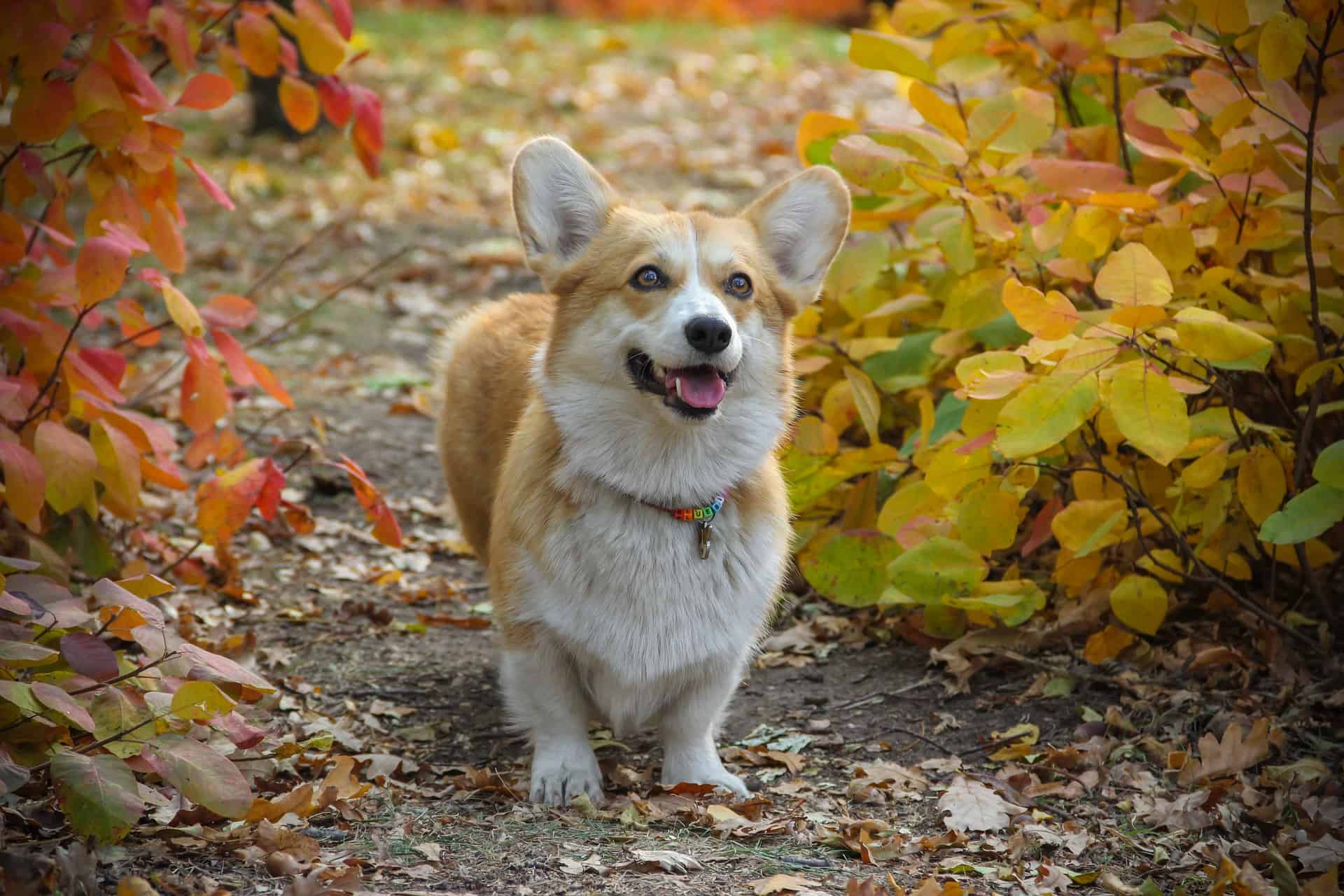
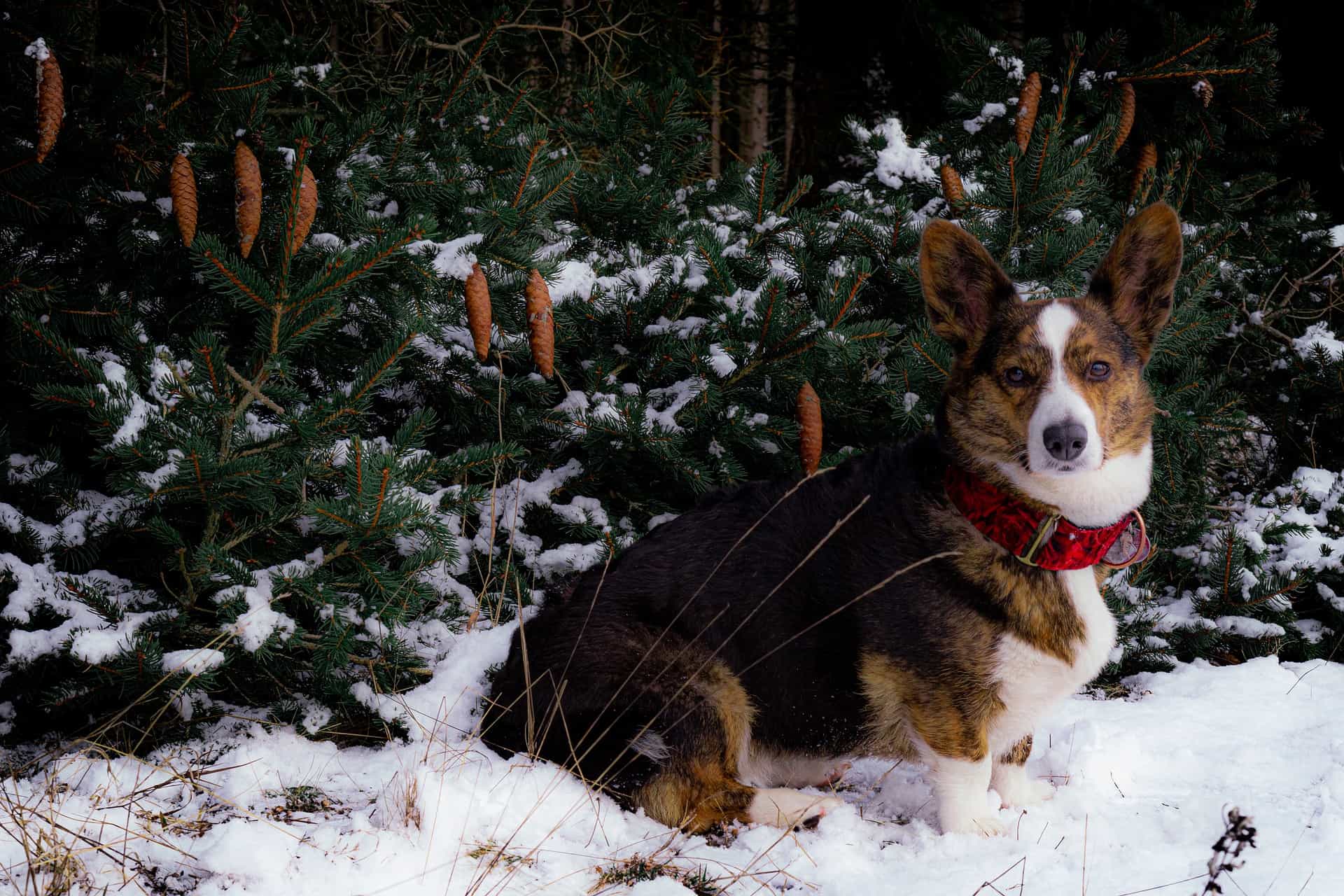
The Pembroke Welsh Corgi and Cardigan Welsh Corgi look like a parallel solution to the same structural brief, long-backed and short-legged, herding cattle by nipping at heels in the same posture a Dachshund would use underground. The Drever is the closest working cousin: a Swedish scent-trailing dog derived from the Dachshund's own bloodlines, used on deer and fox, with the same elongated body, short legs, and relentless nose.
Trait ratings
- Energy level
- 4/5
- Exercise requirements
- 2/5
- Playfulness
- 3/5
- Affection level
- 3/5
- Friendliness toward dogs
- 3/5
- Friendliness toward other pets
- 2/5
- Friendliness toward strangers
- 1/5
- Ease of training
- 2/5
- Watchdog ability
- 5/5
- Protection ability
- 2/5
- Grooming requirements
- 2/5
- Cold tolerance
- 3/5
- Heat tolerance
- 3/5