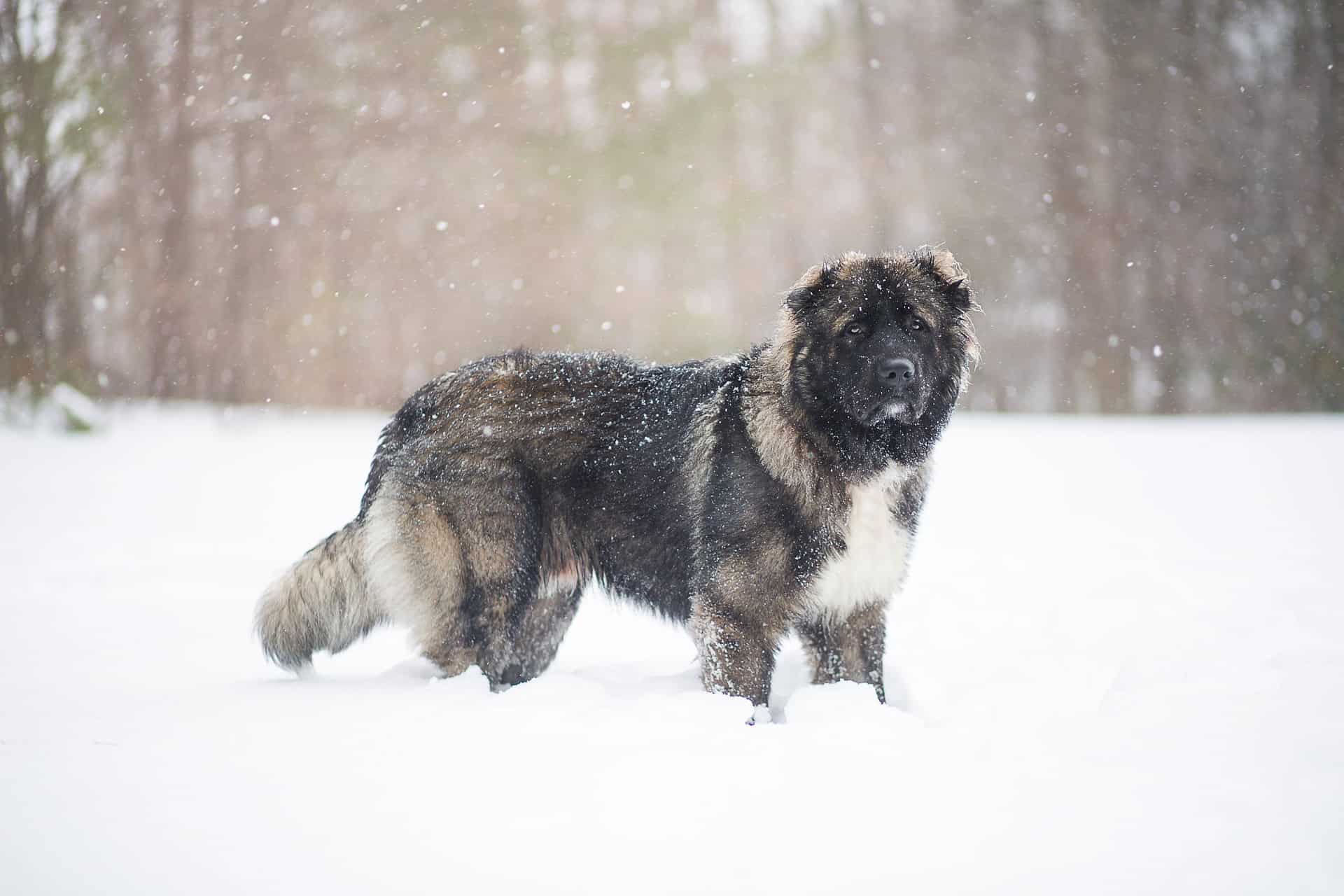
Purpose & Origin
The Caucasian Shepherd Dog, also called the Caucasian Ovcharka or Kavkazskaya Ovcharka, has guarded livestock across the Caucasian mountain range for at least six centuries. Its job was specific: defend sheep from wolves and human thieves in the high passes of what is now southern Russia, Georgia, Armenia, and Azerbaijan. The name "ovcharka" means guardian, not herding dog. These dogs worked largely unsupervised, making life-or-death decisions without human direction.
Origin theories range from Tibetan Mastiff descent to mastiff-sheepdog crosses to Mesopotamian roots; none is settled. The Caucasus formed an effective geographic barrier keeping regional populations isolated. The breed was shaped by function rather than the show ring, producing variability in coat and structure but consistency in temperament.
Temperament & Behaviour
The guardian instinct is primary and always present. Caucasian Shepherds bond deeply to their family and are calm and steady within that circle, but they are inherently suspicious of strangers and will not warm to unfamiliar people on anyone else's schedule. They are territorial, vocal at night, and capable of acting on a threat assessment without waiting for instruction. Morris notes the breed was deliberately bred to be aggressive toward intruders, a design feature rather than a training failure.
The dog's default state is watchful patience, which should not be mistaken for passivity in an animal built to fight wolves at 170 pounds.
Activity & Training
Exercise needs are moderate for the size: around an hour of daily walking and yard time is sufficient. The breed does not need high-intensity work but requires space and a properly fenced property.
Training is the most serious commitment this breed demands. Caucasian Shepherds are intelligent but strongly independent and not food-motivated in the way retrievers or herding breeds are. They evaluate commands rather than execute them reflexively. Experienced owners who understand large livestock guardian breeds can achieve solid reliability. First-time dog owners, or those expecting conventional obedience, will struggle. Thorough socialization started in puppyhood is essential and must continue through adulthood. Harsh methods are counterproductive.
Grooming
The breed comes in short, medium, and long coat varieties. Long-coated dogs need daily brushing, particularly behind the ears and hindquarters where mats form. Short-coated individuals need weekly brushing. There is one heavy annual shed, not constant year-round loss. The routine is manageable if started young.
Health
Hip and elbow dysplasia are the main structural concerns, predictable for a breed in this weight range. Entropion and cataracts appear with some frequency. Bloat is a risk shared with other deep-chested breeds. Lifespan estimates split sharply: most sources cite 10 to 12 years, but a 2024 study recorded a median of 5.4 years, likely reflecting working-dog populations with limited veterinary care. Dogs from health-tested programs should reach the longer end. Keeping weight controlled throughout life matters for the joints.
Why these breeds are similar
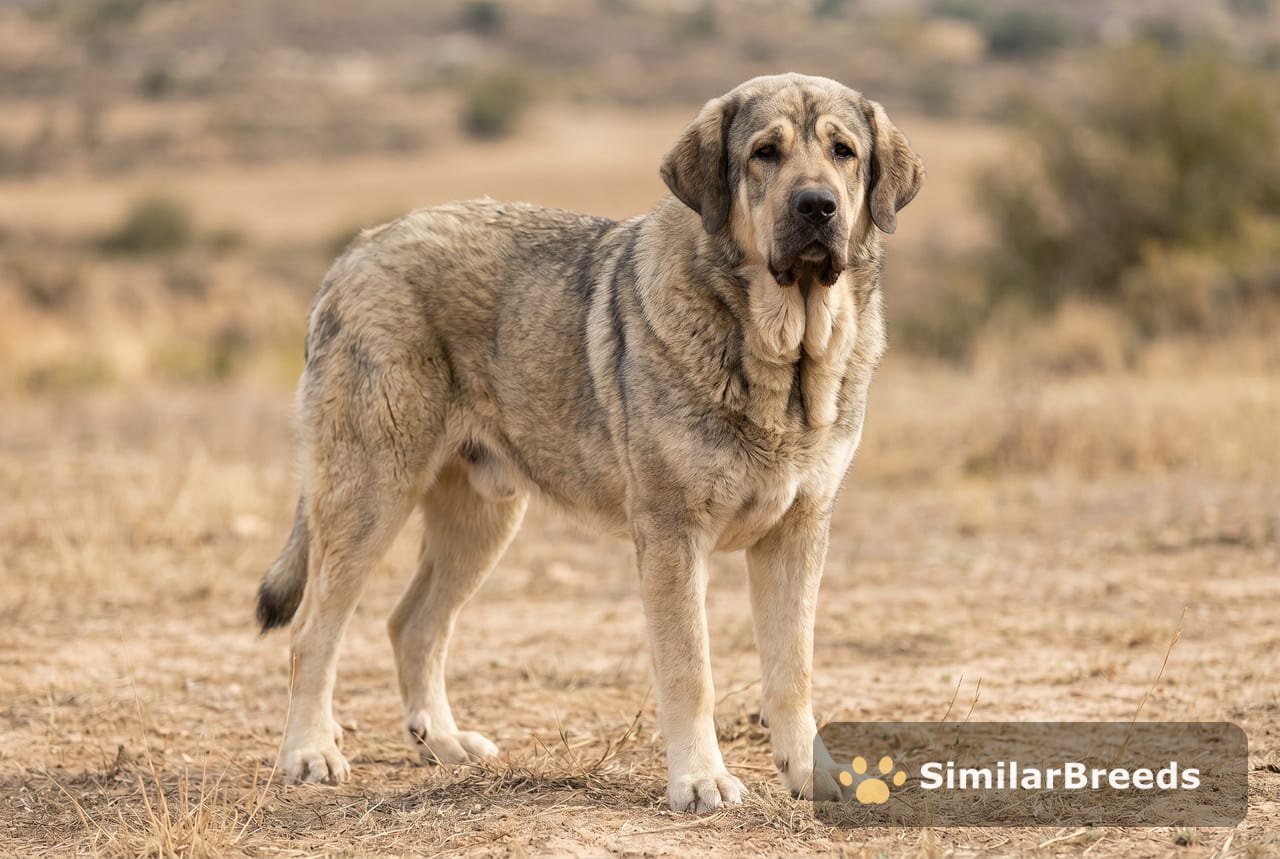
**Spanish Mastiff:** An Iberian livestock guardian of comparable size and coat weight, bred for the same wolf-defense role. Both share the deeply independent temperament and wariness of strangers that unsupervised flock work selects for.
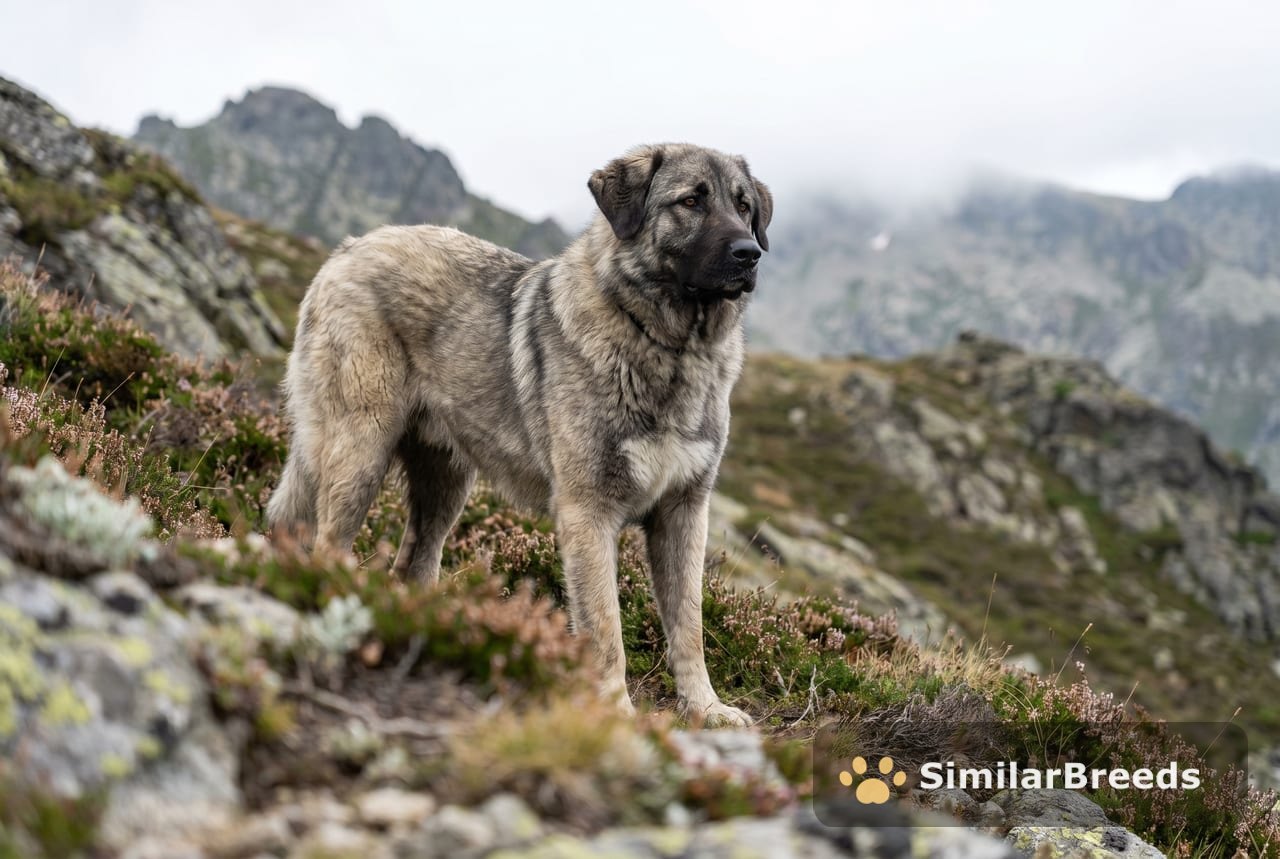
**Estrela Mountain Dog:** A Portuguese mountain guardian with a similar heavy build, dense double coat, and the pairing of family loyalty with territorial instinct. Shaped by comparable terrain and predator pressure.
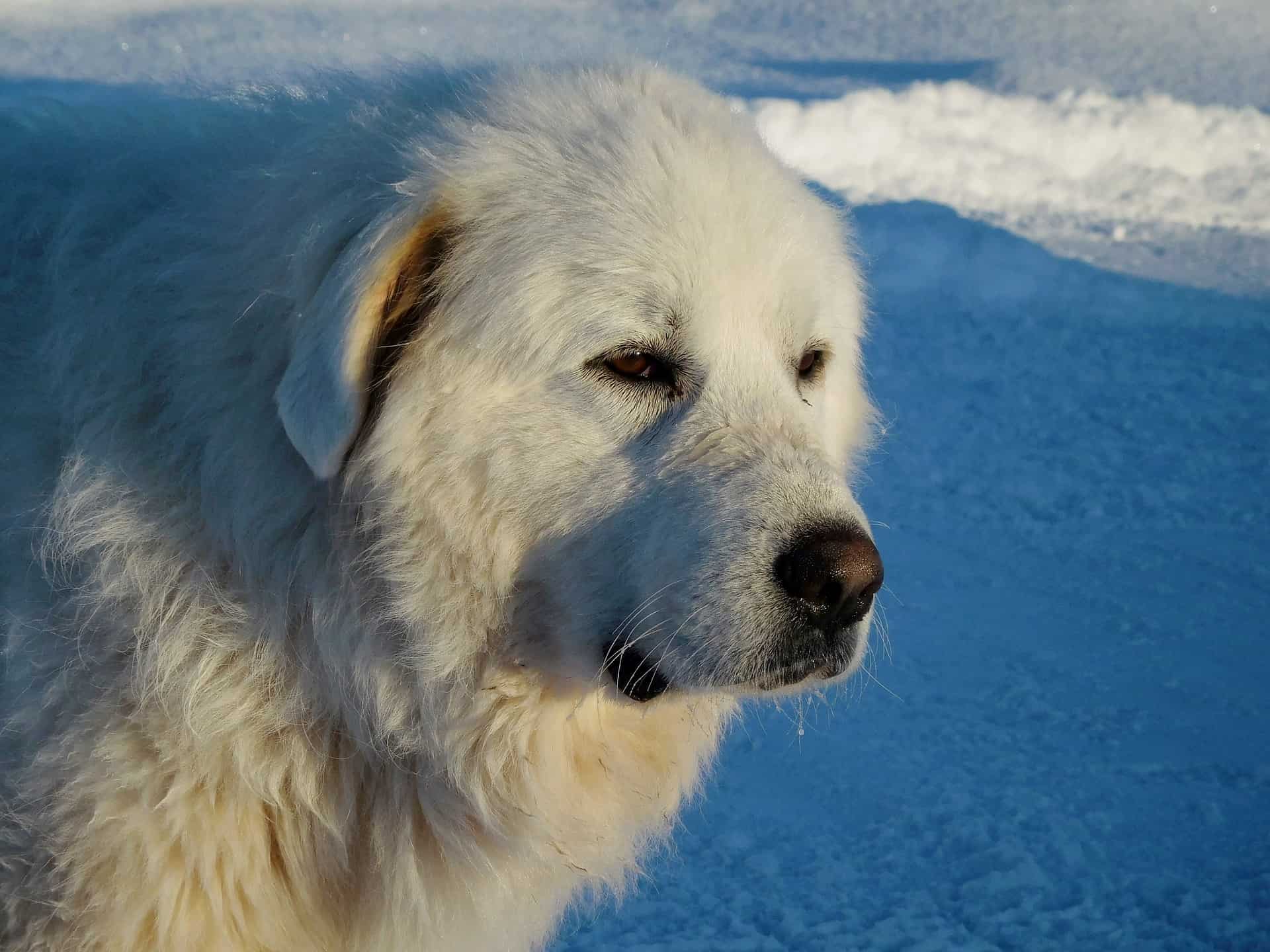
**Great Pyrenees:** Lighter-boned but sharing the heavy pale coat, the nocturnal barking habit, and the same split: calm with family, territorial with threats. Both suit owners who understand the guardian mindset rather than expecting herding-breed responsiveness.
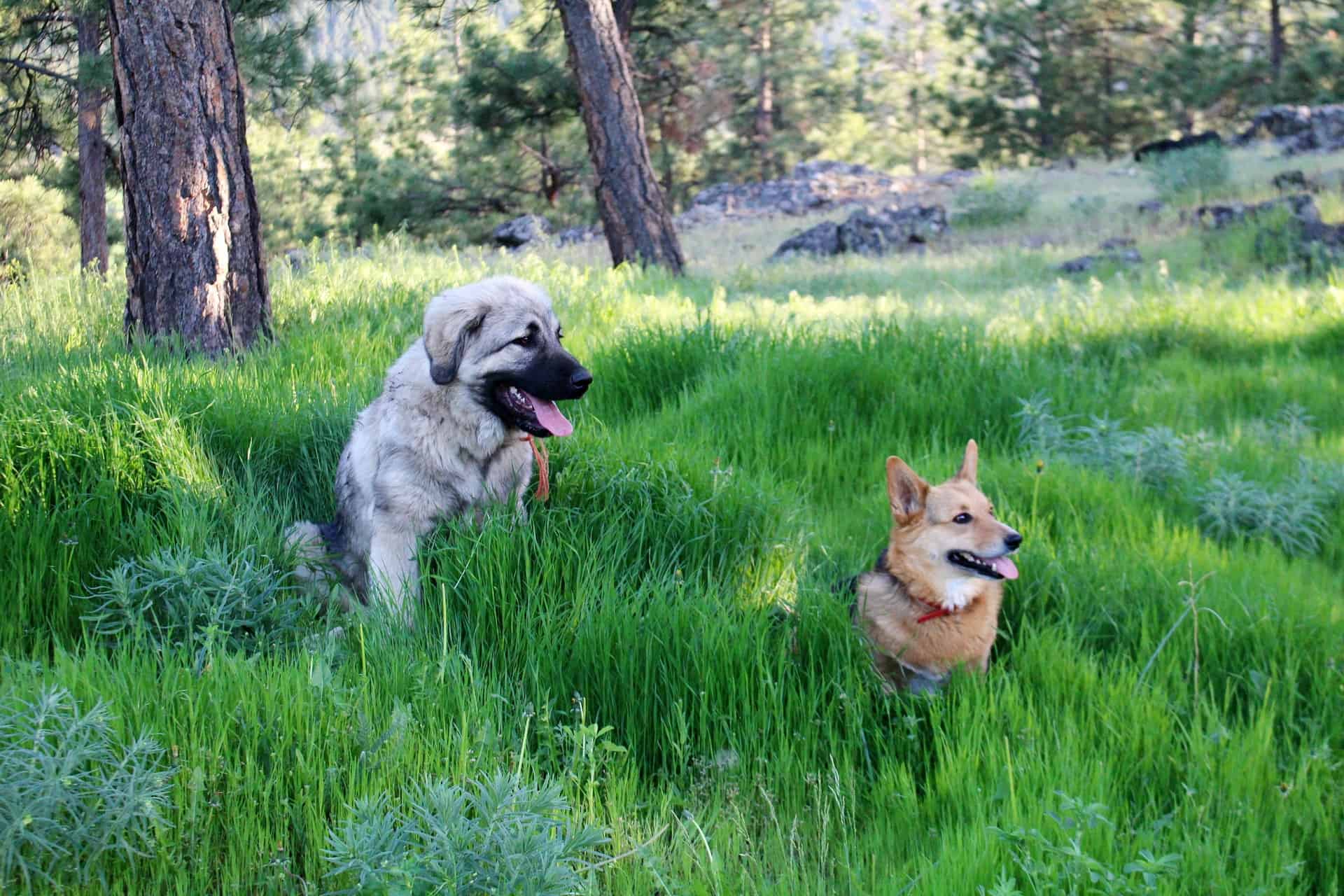
**Yugoslavian Shepherd Dog (Sharplanina):** A Balkan flock guardian geographically and functionally close to the Caucasian Shepherd. Same profile: massive, heavily coated, fiercely territorial, unsuitable for owners expecting conventional obedience.