Estrela Mountain Dog
From Portugal
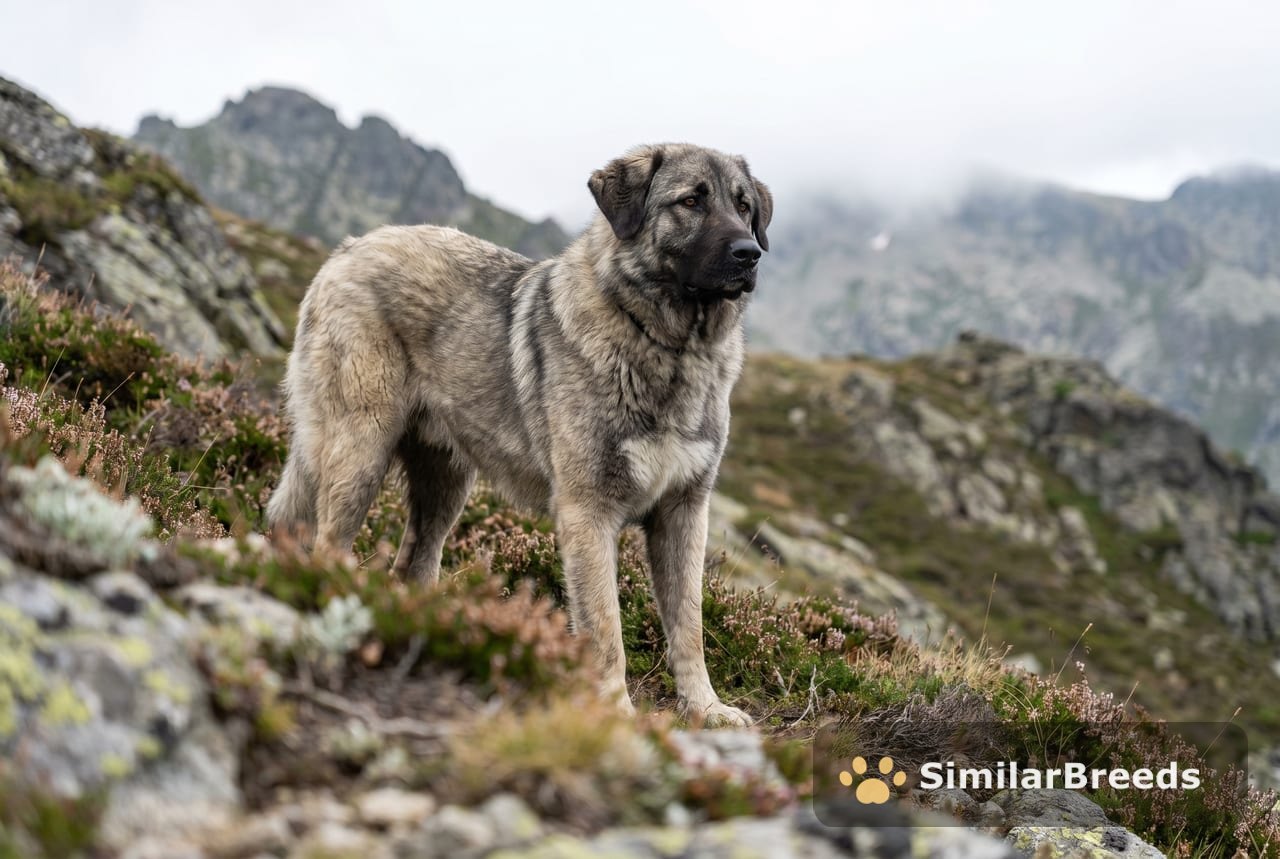
Purpose & Origin
The Estrela Mountain Dog comes from the Serra da Estrela, the highest mountain range in mainland Portugal, where it has guarded sheep flocks for centuries. Known in Portuguese as the Cão da Serra da Estrela, it made the seasonal migrations with the flocks, moving to highland pastures each spring and returning to the lowlands each autumn, and was capable of driving off wolves. By the 19th century, as sheep numbers declined, Portuguese aristocrats adopted the breed as an estate guardian.
Better-fed on the estates, those dogs grew larger than the original shepherds' dogs, and that bigger size became the breed standard. The first show appearance was in Lisbon in 1908, a formal standard was written in 1933, and exports to Britain and elsewhere followed. The breed is in ACI Group 2 (Molosser/Livestock Guardian) and holds Foundation Stock Service status with the AKC.
Temperament & Behaviour
The Estrela is a classic livestock guardian in character: deeply loyal and affectionate with its own household, including children, while remaining reserved and watchful toward strangers. It is an independent thinker, as any dog that worked unsupervised in mountain terrain had to be, and it does not defer readily to unfamiliar people. It carries an instinctive territorial drive, a loud alarm bark, and the ability to clear substantial fences when motivated.
None of these traits are flaws in a working context; in a suburban one they require management. Early, consistent socialisation shapes whether the natural wariness stays at a functional level or tips into reactive behaviour. The breed accepts a clear family hierarchy but will push back on inconsistent handling.
Activity & Training
This is a large, active breed that needs daily exercise, though it does not have the relentless energy drive of a herding dog. Long walks and access to open space suit it well. Mental engagement matters as much as physical output. Training requires patience and consistency rather than force: the Estrela responds to a calm, confident handler but has little interest in repetitive drills. Obedience training from puppyhood is necessary to keep the independent nature manageable as the dog grows to full size. It is not a breed for first-time owners who underestimate the stubbornness that comes with the livestock-guardian temperament.
Grooming
The breed comes in two coat varieties: long-haired and short-haired. Both carry a dense double coat. The long-haired variety has a coarse, slightly wavy outer coat that sheds heavily, particularly seasonally, and benefits from thorough brushing at least weekly, increasing to daily during peak shedding. The short-haired coat is lower-maintenance but still sheds. Bathing is only needed a few times per year. A notable practical point: Estrelas have double dewclaws on the rear legs. These do not wear down naturally and must be trimmed regularly to avoid snagging or growing inward.
Health
Estrelas are a generally robust breed with a lifespan of around 10 to 14 years. The main conditions to screen for are hip dysplasia and elbow dysplasia, both common in large mountain breeds. Eye problems are also reported. The breed gains weight easily, particularly in a pet environment with less exercise than its working ancestors had, so portion control and regular weight checks matter. Breeding stock should be health-tested for hips and elbows before use.
Why these breeds are similar
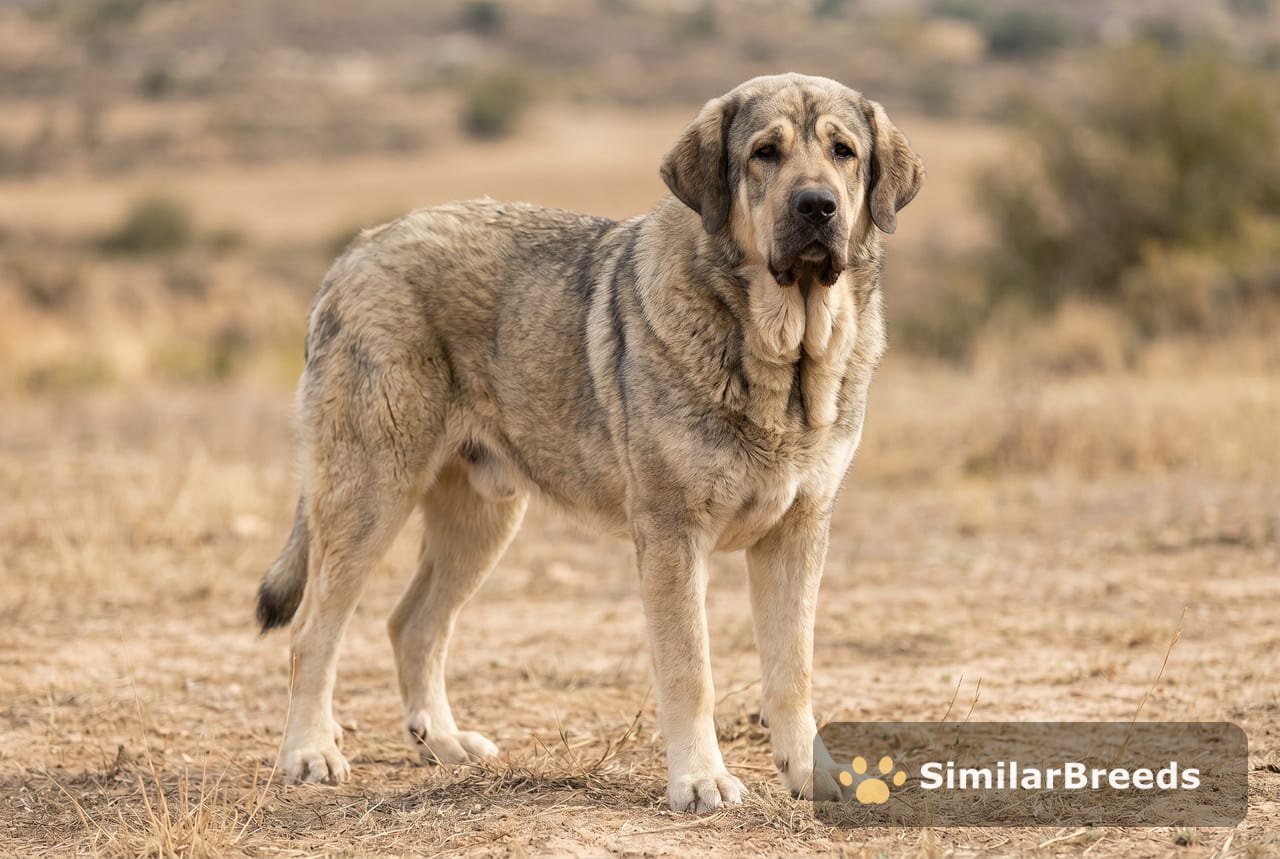
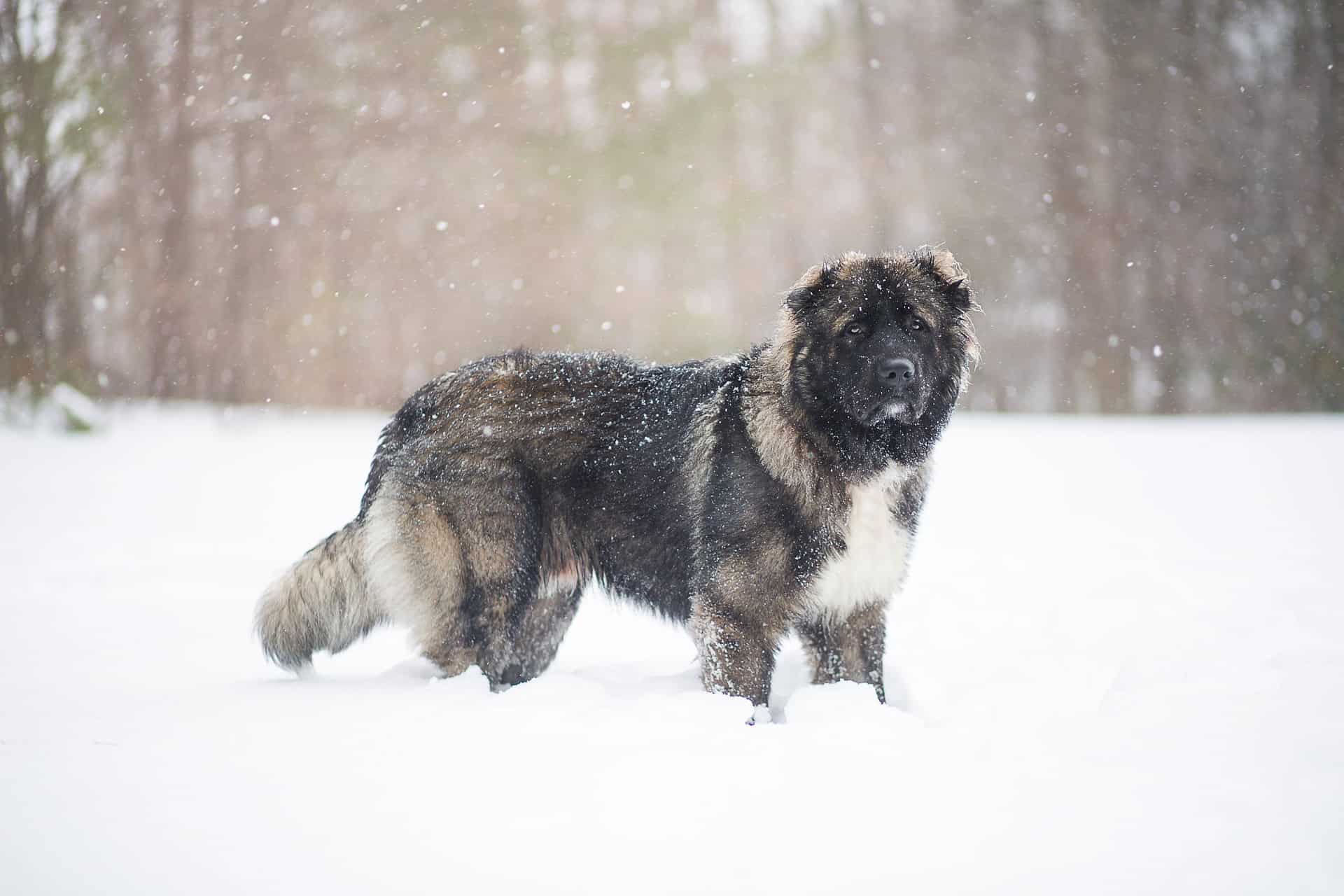
The **Spanish Mastiff** shares the same Iberian Peninsula working heritage as the Estrela and was used for identical purposes: guarding livestock against large predators across long seasonal migrations. Both are large, heavy-boned flock guardians with similar temperament profiles. The **Caucasian Shepherd Dog** is another ancient mountain livestock guardian, developed across the Caucasus under comparable conditions, resulting in the same independent, territorial, stranger-wary character and imposing size.
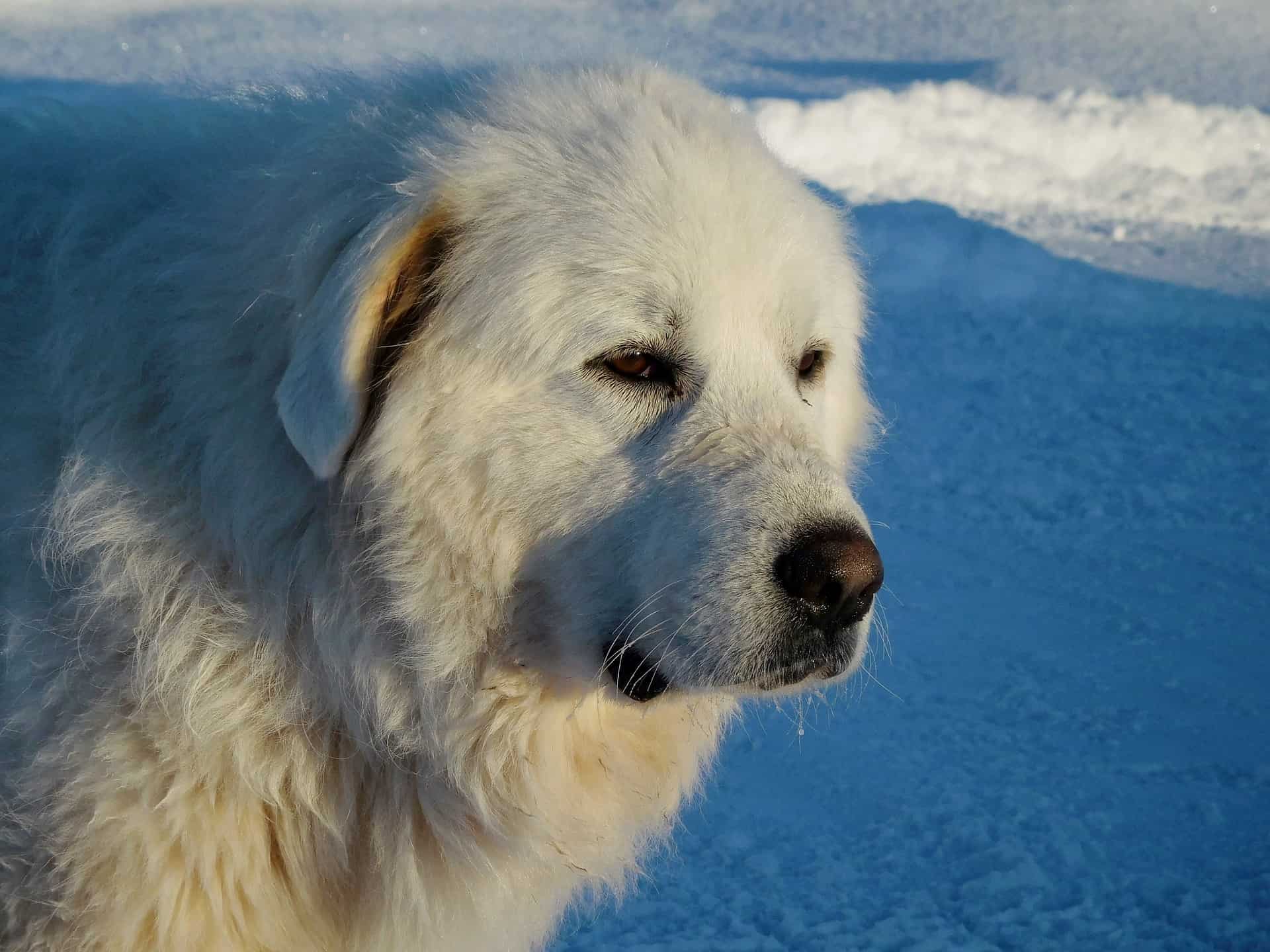
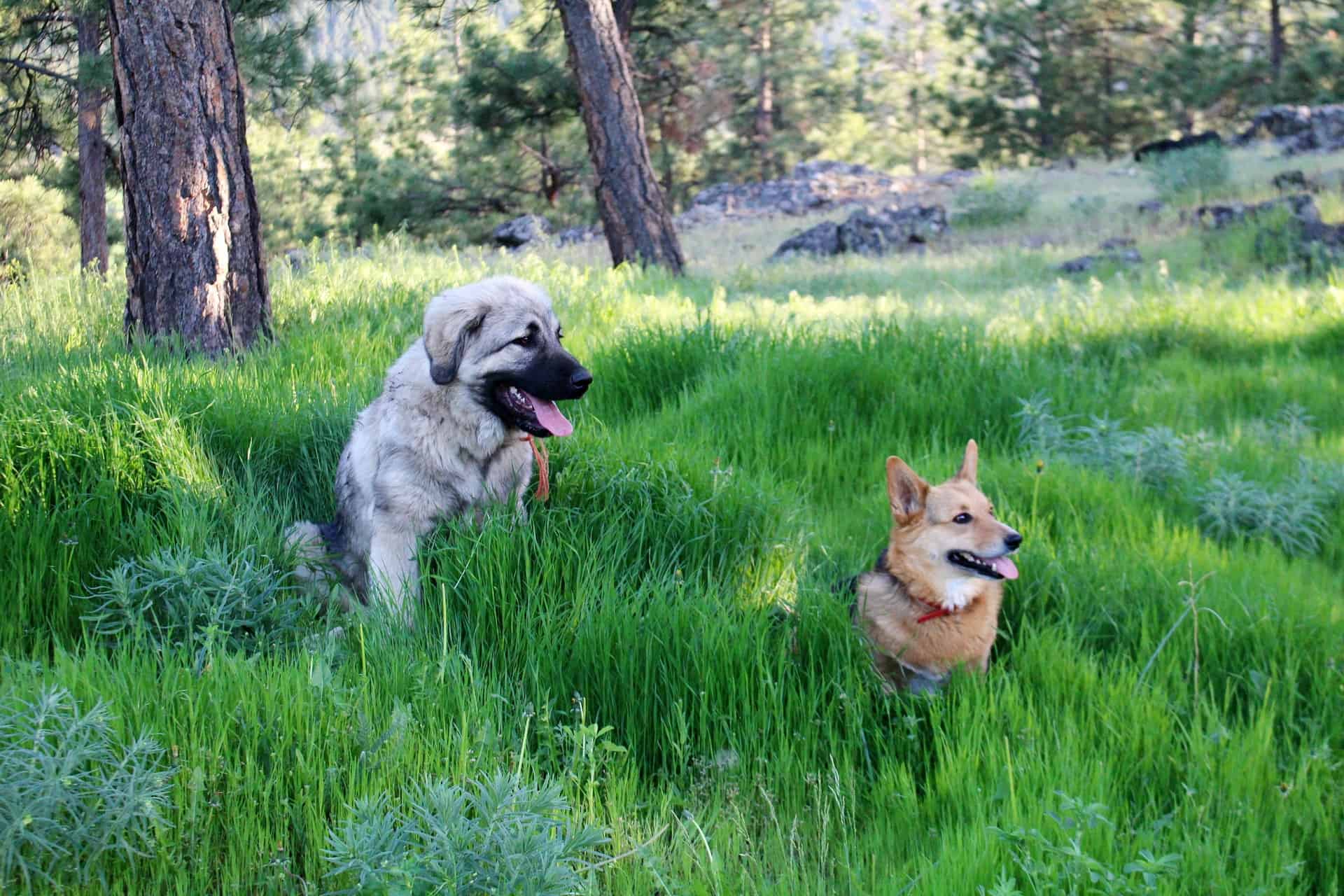
The **Great Pyrenees** is the classic Western European livestock guardian, historically working the French and Spanish Pyrenees in a role directly parallel to the Estrela's. All three share the double dewclaw, the dense insulating coat, and the combination of gentleness toward charges and aggression toward threats. The **Yugoslavian Shepherd Dog (Sharplanina)** rounds out the group as a Balkan livestock guardian of similar antiquity, same working function, and matching temperament: loyal to its people, deeply suspicious of strangers, and physically imposing enough to back up that suspicion.