Brazilian Terrier
From Brazil
Purpose & Origin
The Brazilian Terrier, known in Brazil as the Terrier Brasileiro or Fox Paulistinha, is one of only two native Brazilian dog breeds. Its roots trace to the late 19th century, when wealthy Brazilians returning from European education brought small terriers home. The dominant import was the Jack Russell type, close in form to today's Parson Russell Terrier. On Brazilian ranches these dogs interbred with locally available small dogs, most likely Miniature Pinschers and Chihuahuas, and over decades a consistent type emerged. A specialist club, the Clube do Fox Paulistinha, was formed in 1981, and the FCI granted recognition in 1995. The breed remains rare outside Brazil.
Working roles were broad: ratting, hunting small game in packs (armadillos, guinea pigs, quail), and watchdog duty. On large estates the Brazilian Terrier was paired with the Fila Brasileiro. The terrier's sharp bark would rouse the heavy-sleeping Filas when intruders approached.
Temperament & Behaviour
This is an alert, spirited, fearless terrier. Brazilian Terriers are devoted to their household, playful and affectionate with family members, while remaining suspicious of strangers. They bark readily, which made them valued watchdogs on working estates and can become a management issue in urban settings.
The prey drive is strong and small pets require careful management. The breed is intelligent, historically praised as a quick learner, with circus-trick performances cited in older accounts. That intelligence is paired with terrier independence: a bored Brazilian Terrier will find its own entertainment, which rarely aligns with household preferences.
Activity & Training
This is an energetic breed that needs meaningful daily exercise. Long walks and active play in a securely fenced yard are the baseline. An under-exercised Brazilian Terrier tends toward restlessness, excessive barking, and destructive behaviour. Apartment living is workable only with a very committed exercise routine.
Training goes well when sessions are short, varied, and reward-based. Repetitive drills produce diminishing returns. Early socialisation is important given the wariness toward strangers and the strong prey instinct. A reliable recall is essential before any off-lead time.
Grooming
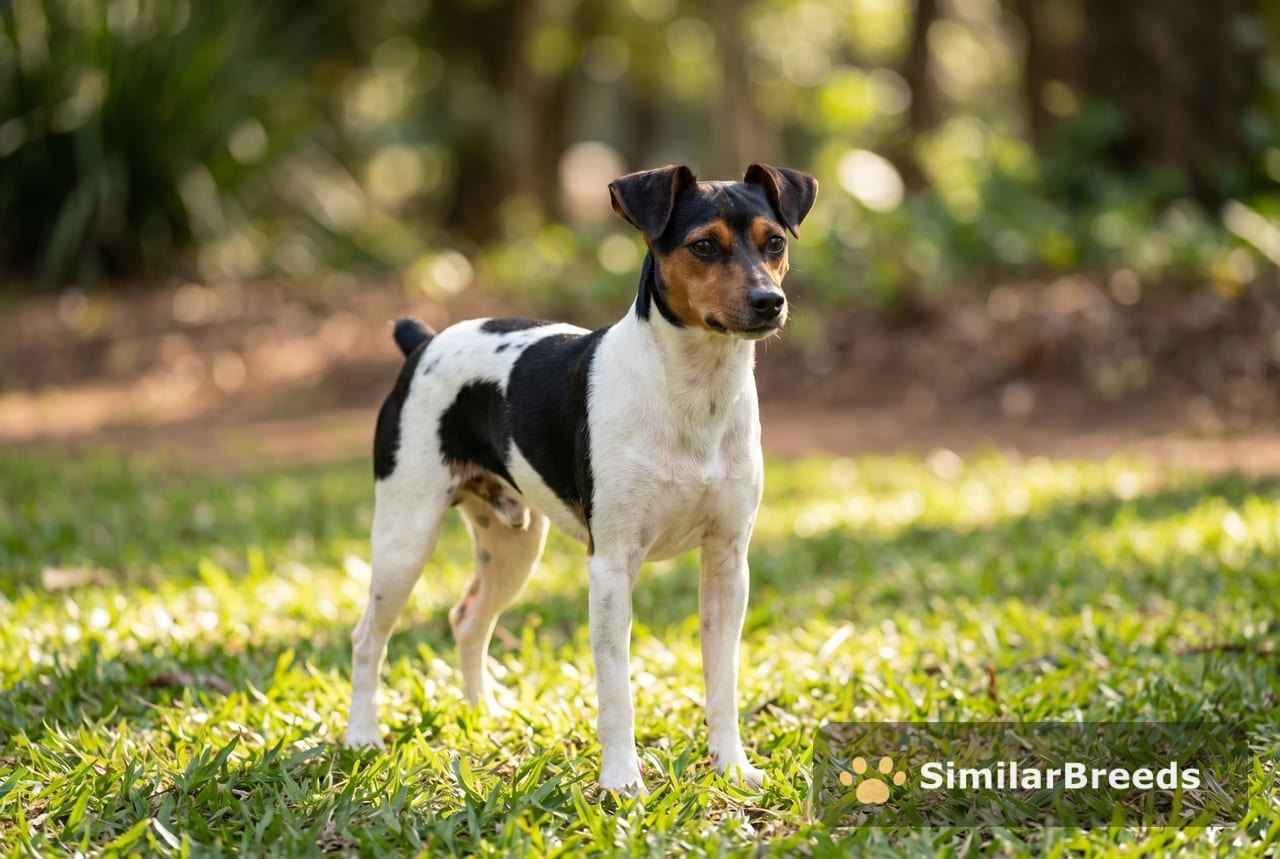
The coat is short, flat, and tricolour: white base with black and tan markings. Maintenance is minimal. A brush once or twice a week controls loose hair, and baths are needed only occasionally. Ears should be checked regularly given the breed's history of ear infections. Routine nail trimming and dental care complete the upkeep.
Health
The Brazilian Terrier is generally hardy with a lifespan of 12 to 14 years. Reported concerns include patellar luxation, hip dysplasia, and a tendency toward ear and skin issues. Dental disease is worth monitoring, as it is common in small terrier types. The gene pool is relatively narrow given the breed's limited international spread, so breeders who test for orthopedic and eye conditions are preferable.
Why these breeds are similar
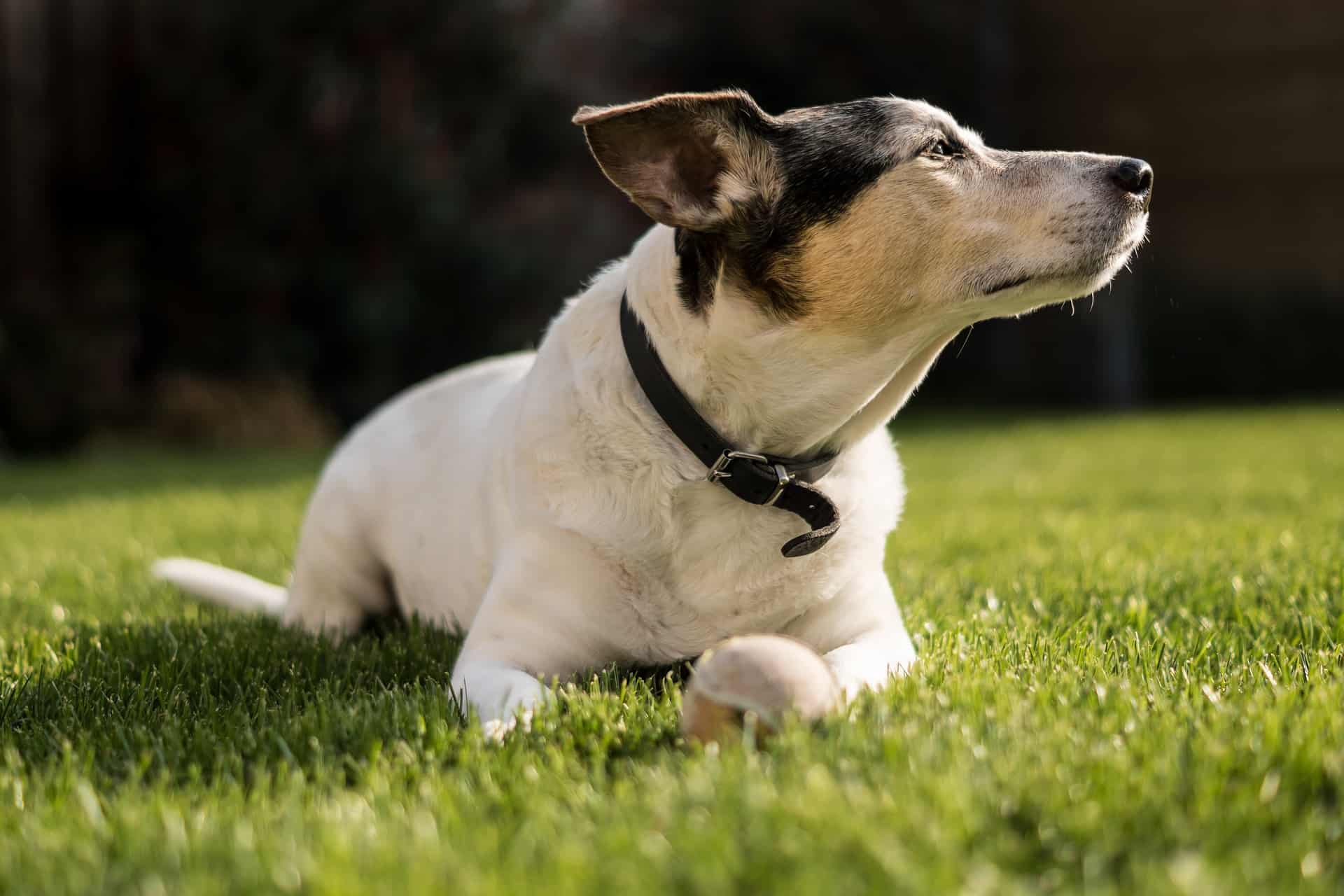
**Jack Russell Terrier** is one of the Brazilian Terrier's primary ancestors. The two share size, white-based tricolour colouring, high energy, and terrier assertiveness. The resemblance is not coincidental.
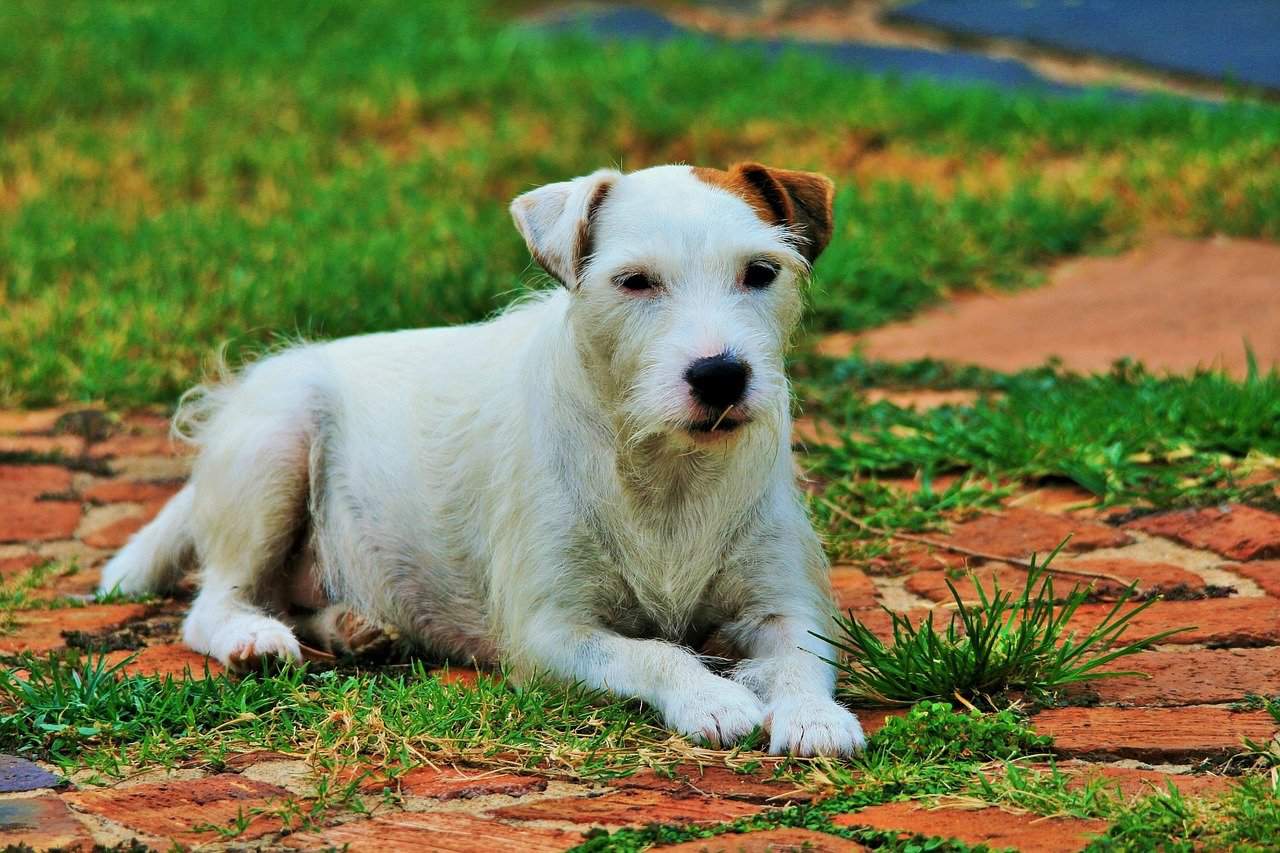
**Parson Russell Terrier** is effectively the standardised form of the dog that arrived in Brazil in the 19th century. Conformation, energy level, and working temperament are closely matched.
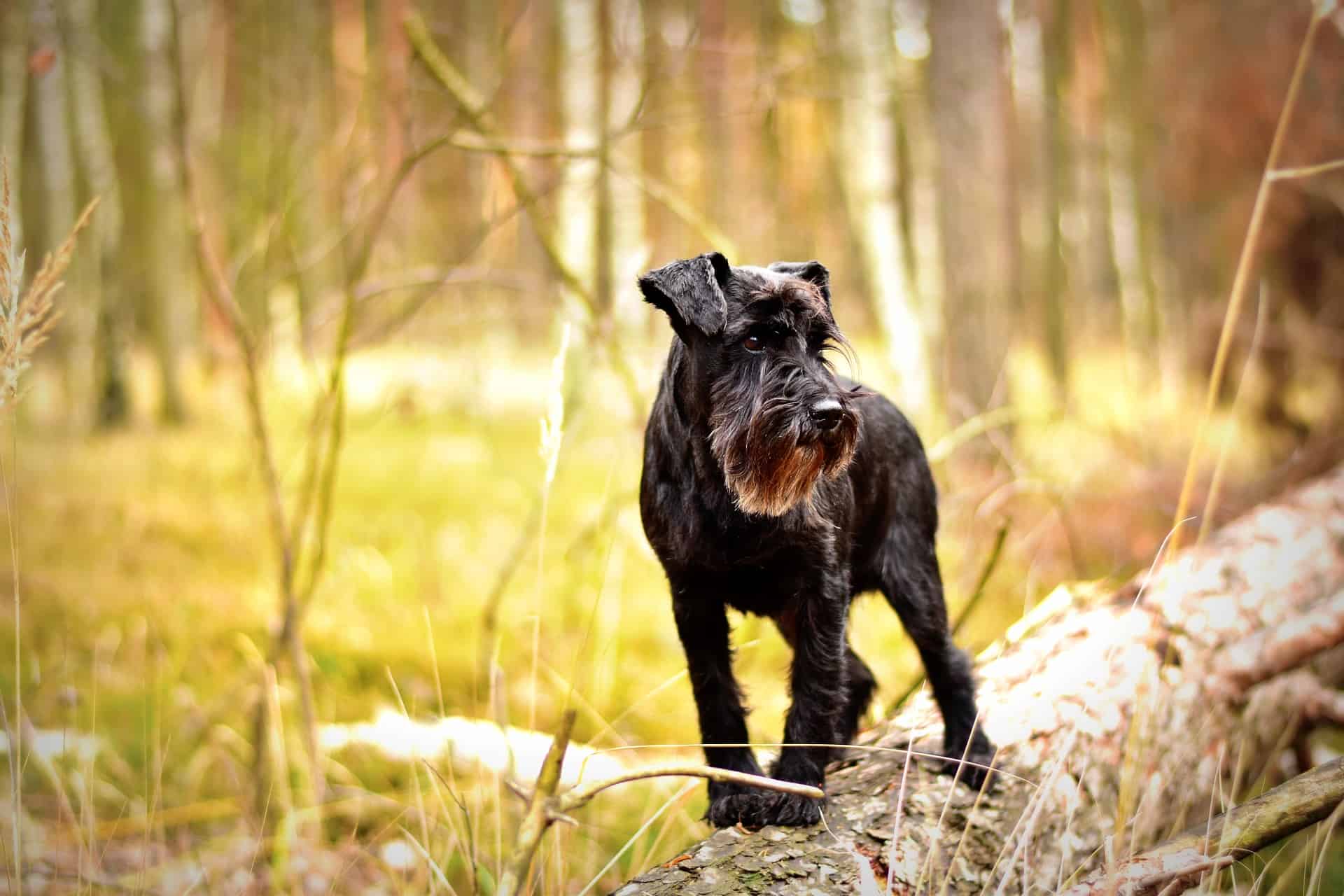
**Miniature Schnauzer** is likely in the Brazilian Terrier's ancestry, and the two overlap in size, watchdog instinct, and vocal alertness. The Schnauzer's wiry double coat demands more grooming, but the personality profile is recognisably similar.
**Danish-Swedish Farmdog** is a lightly built tricolour farmdog bred for ratting and watchdog work on Scandinavian estates, the same functional niche the Brazilian Terrier filled in South America. Both are compact, energetic, and people-oriented with a working edge.
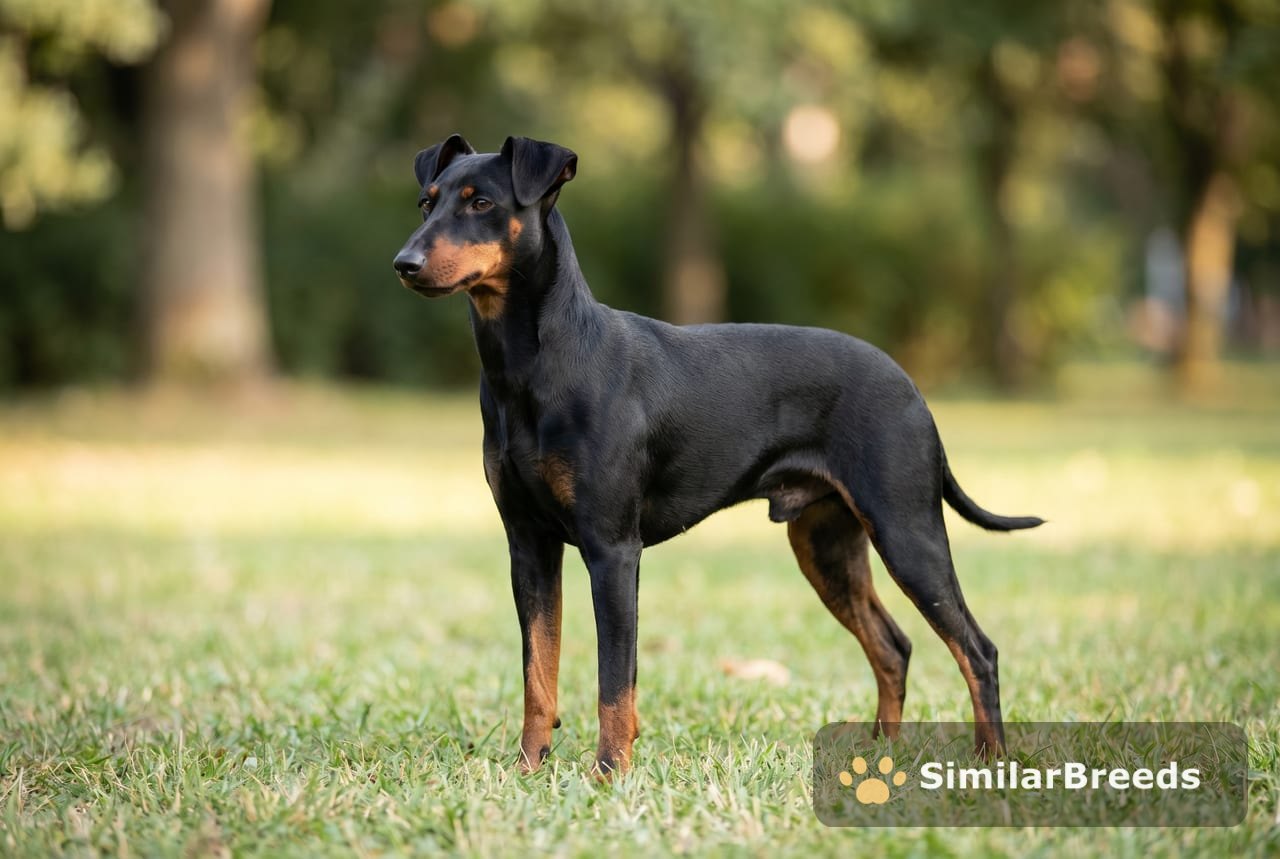
**Manchester Terrier (Standard)** shares the smooth coat, tan-and-black markings, and rat-hunting background. Both are lean, quick, and sharp-sensed, with minimal grooming needs.