Purpose & Origin
The Manchester Terrier descends from the Black and Tan Terrier, a type recorded in England as far back as the 1500s. This was a working dog bred specifically to kill rats, whether along waterways or in the organized rat-pit contests popular among England's urban working class. When the Industrial Revolution packed workers into towns, those pits became a major spectator sport, and someone made the obvious move: cross the best rat-killer with the best racing dog.
John Hulme of Manchester crossed Black and Tans with Whippets, producing a sleeker, slightly arched-backed terrier that could compete in both arenas. The breed was formally named the Manchester Terrier in 1860, though the name fell out of use before being revived in 1923. A wide size range had always existed within the type, and until 1959 Standard and Toy Manchesters were shown as separate breeds; they were then reclassified as one breed with two varieties, with interbreeding permitted between them.
Temperament & Behaviour
The Manchester is often described as catlike, and that is not a throwaway comparison. It is fastidiously clean, independent-minded, and reserved with strangers to a degree that borders on aloofness. With its own family it is a different animal entirely: affectionate, devoted, and happy to spend an afternoon pressed against its favourite person. That independence streak means it is not reliably biddable, and the watchdog instinct is about as strong as it gets in a dog this size. Small pets, including cats, are at risk; the ratting drive has not softened appreciably over the centuries.
Activity & Training
Energy level is moderately high, but exercise needs are not extreme. A brisk walk on leash, a good session in a securely fenced yard, or an off-lead run in a safe area will satisfy the breed. The emphasis on "securely fenced" and "safe area" is not incidental: this is a dog that will follow its nose into trouble without hesitation. Training takes patience. The Manchester is more responsive than many terriers, but ease of training is low, and it will test inconsistent handlers. Clear, calm repetition works; harsh corrections do not.
Grooming
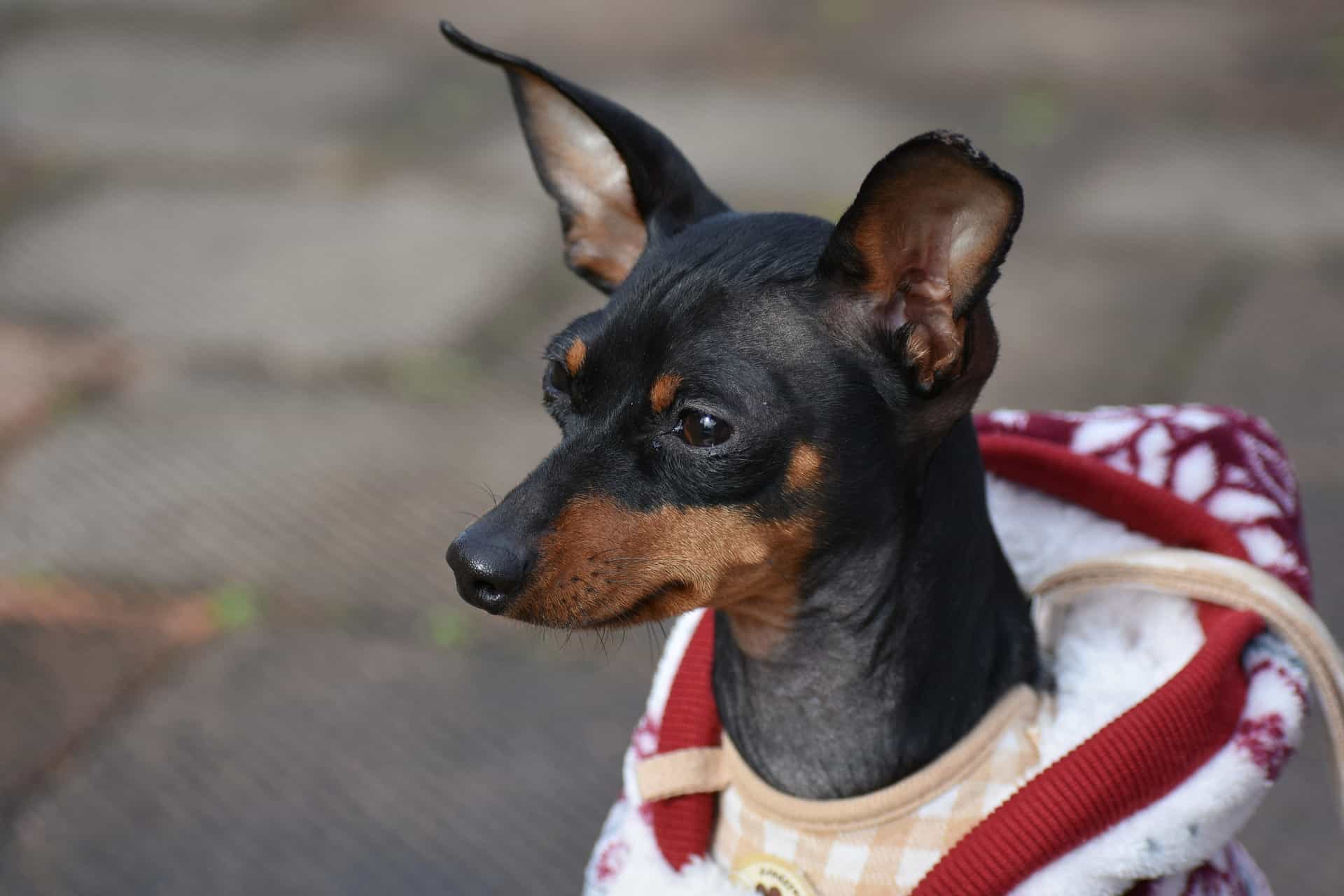
Grooming requirements are minimal. The short, close coat needs almost no maintenance beyond an occasional wipe-down. This is not a breed that sheds heavily or requires professional trimming. It does not tolerate cold well and appreciates a warm, soft bed; a coat or jumper in winter is practical rather than cosmetic.
Health
The Manchester is a long-lived breed, typically reaching 15 to 16 years. Minor concerns include cardiomyopathy, von Willebrand disease, and hypothyroidism. Legg-Perthes, patellar luxation, deafness, and progressive retinal atrophy are seen occasionally. Recommended health screening covers eyes, thyroid, and a DNA test for vWD.
Why these breeds are similar
The Manchester Terrier (Toy) is the most obvious match: it is the same breed in a smaller package, sharing identical type, markings, and temperament, differentiated only by weight and the ear-cropping rule. The English Toy Terrier is its British counterpart at the toy end, a refined black-and-tan dog with the same ratting ancestry and the same sharp, alert expression.
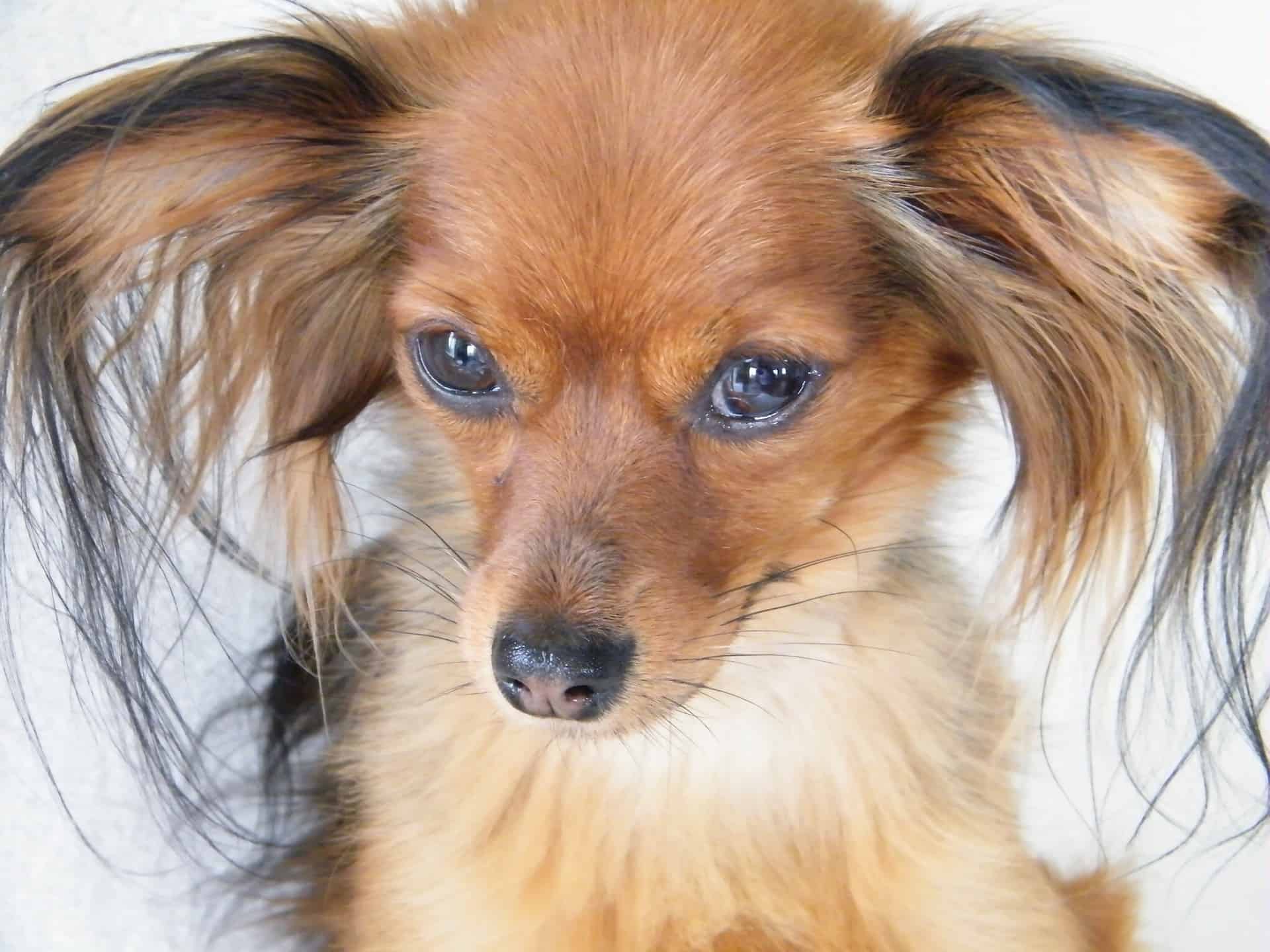
The Miniature Pinscher is the German parallel: a sleek, high-energy, black-and-tan small dog with a similar wedge-shaped head and assertive character, though it developed independently from German Pinscher stock rather than terrier lines. The Russian Toy shares the fine-boned build, alert watchdog temperament, and toy-sized frame, and while its background is more companion-focused, the outward type is close enough that casual observers regularly confuse the four.
Trait ratings
- Energy level
- 4/5
- Exercise requirements
- 3/5
- Playfulness
- 4/5
- Affection level
- 4/5
- Friendliness toward dogs
- 3/5
- Friendliness toward other pets
- 1/5
- Friendliness toward strangers
- 1/5
- Ease of training
- 2/5
- Watchdog ability
- 5/5
- Protection ability
- 1/5
- Grooming requirements
- 1/5
- Cold tolerance
- 1/5
- Heat tolerance
- 4/5