Basset Artésien Normand
From France
Purpose & Origin
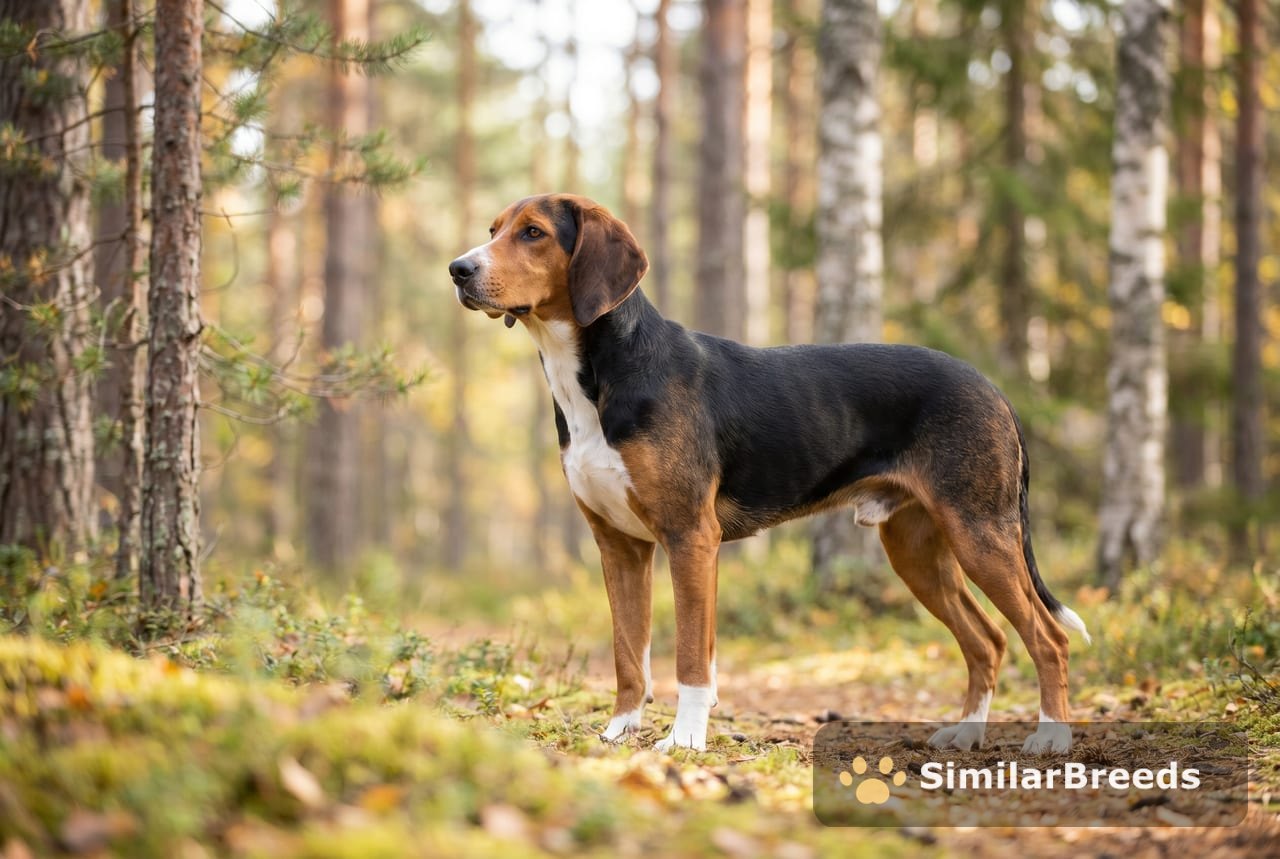
The Basset Artésien Normand is a French short-legged scent hound created in 1911 by merging two closely related breeds, the Basset d'Artois and the Basset Normand. Both parent types were the dwarf forms of larger northern French hounds that had themselves gone extinct; the two basset varieties survived and were combined to produce a single, more uniform breed.
Early specimens were considered unwieldy and sluggish, so breeders refined the type toward a more streamlined, energetic dog. The result sacrificed some raw stamina but gained popularity quickly, and the breed was soon being exported to England, Belgium, the Netherlands, and Scandinavia. Its original purpose was rabbit hunting on foot, and it remains a capable working hound in France today, though it is kept primarily as a companion elsewhere.
Temperament & Behaviour
On the hunt the Basset Artésien Normand is brave, determined, and single-minded, following a scent line through dense cover with persistence. At home the character changes markedly: the breed is calm, friendly, and patient with children and other dogs. It is not typically aloof or high-strung. The nose is dominant, however, and a dog left unsupervised outdoors will follow an interesting scent without a second thought about coming back. A secure garden is not optional. The breed vocalises readily, as befits a pack hound, so close neighbours should factor that in.
Activity & Training
Daily exercise is necessary. An hour of walking or free-running in a safe, enclosed area keeps the dog physically satisfied and prevents the boredom that leads to destructive behaviour. The Basset Artésien Normand is not a couch dog, though it will happily settle indoors once exercised. Training requires patience. The breed is intelligent and not fundamentally stubborn, but nose-driven dogs disengage quickly when a scent competes with the trainer's attention. Short, consistent sessions with food motivation work better than long formal ones. Early socialisation matters, both to reinforce the breed's naturally sociable temperament and to establish reliable recall before the dog learns that ignoring you is an option.
Grooming
The short, dense tricolour or bicolour coat needs only weekly brushing to remove loose hair. Shedding is moderate and manageable. The long, pendulous ears are the main maintenance point: they trap moisture and limit airflow, creating conditions for infection. Weekly ear checks and cleaning whenever wax or debris accumulates are essential, not occasional. Nails should be trimmed regularly; like many heavier-boned, low-slung breeds the Basset Artésien Normand does not wear them down sufficiently through normal activity.
Health
Lifespan is typically 12 to 15 years, which is solid for a scent hound of this build. Known health concerns include ear infections (a structural inevitability given the ear shape), hip dysplasia, hypothyroidism, and arthritis in older dogs. The breed can also be affected by degenerative myelopathy and progressive rod-cone degeneration. Intervertebral disc problems are a risk worth monitoring, as the long back and short legs create spinal load similar to other chondrodystrophic breeds. Keeping weight in check is one of the most practical things an owner can do for long-term joint and spinal health.
Why these breeds are similar
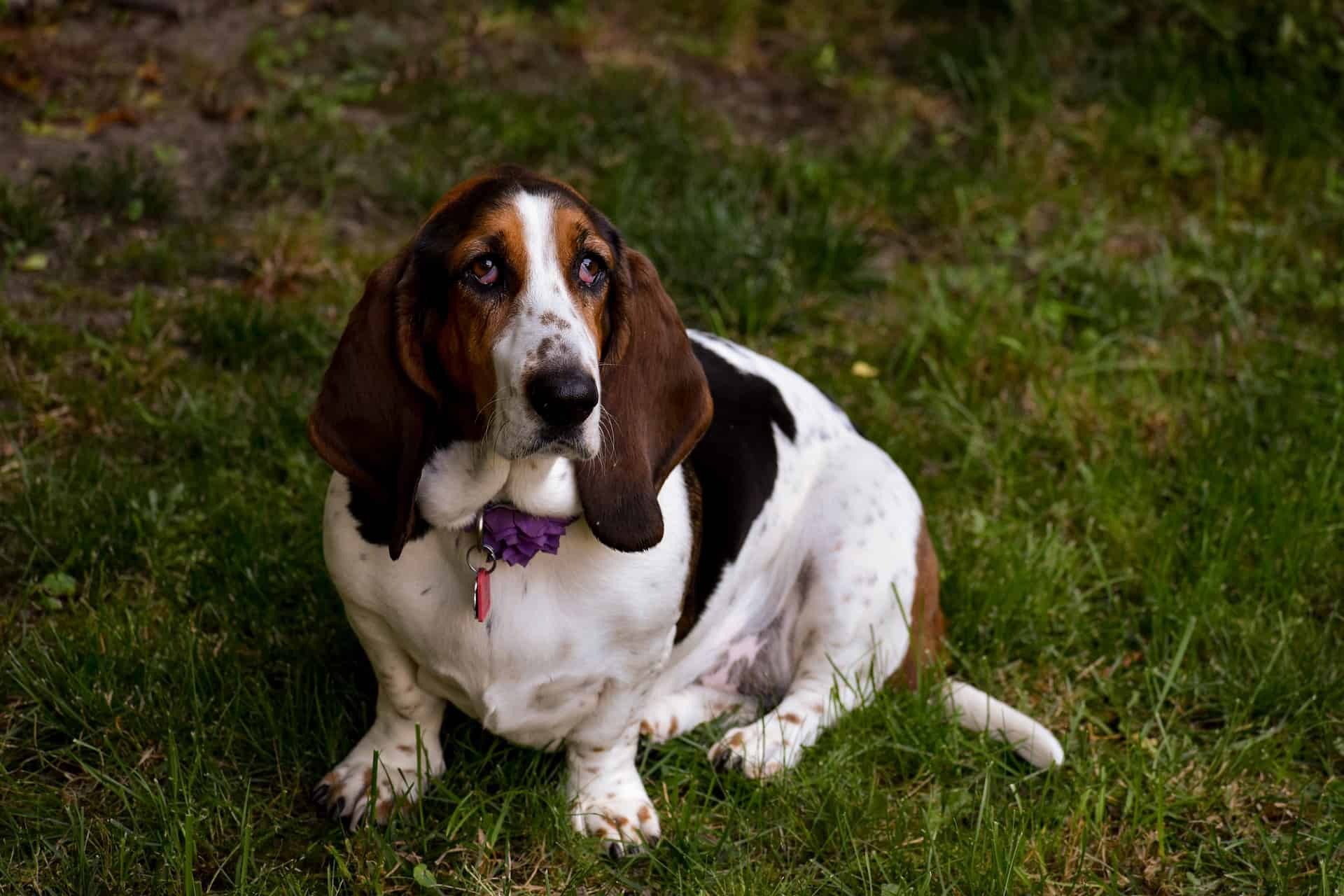
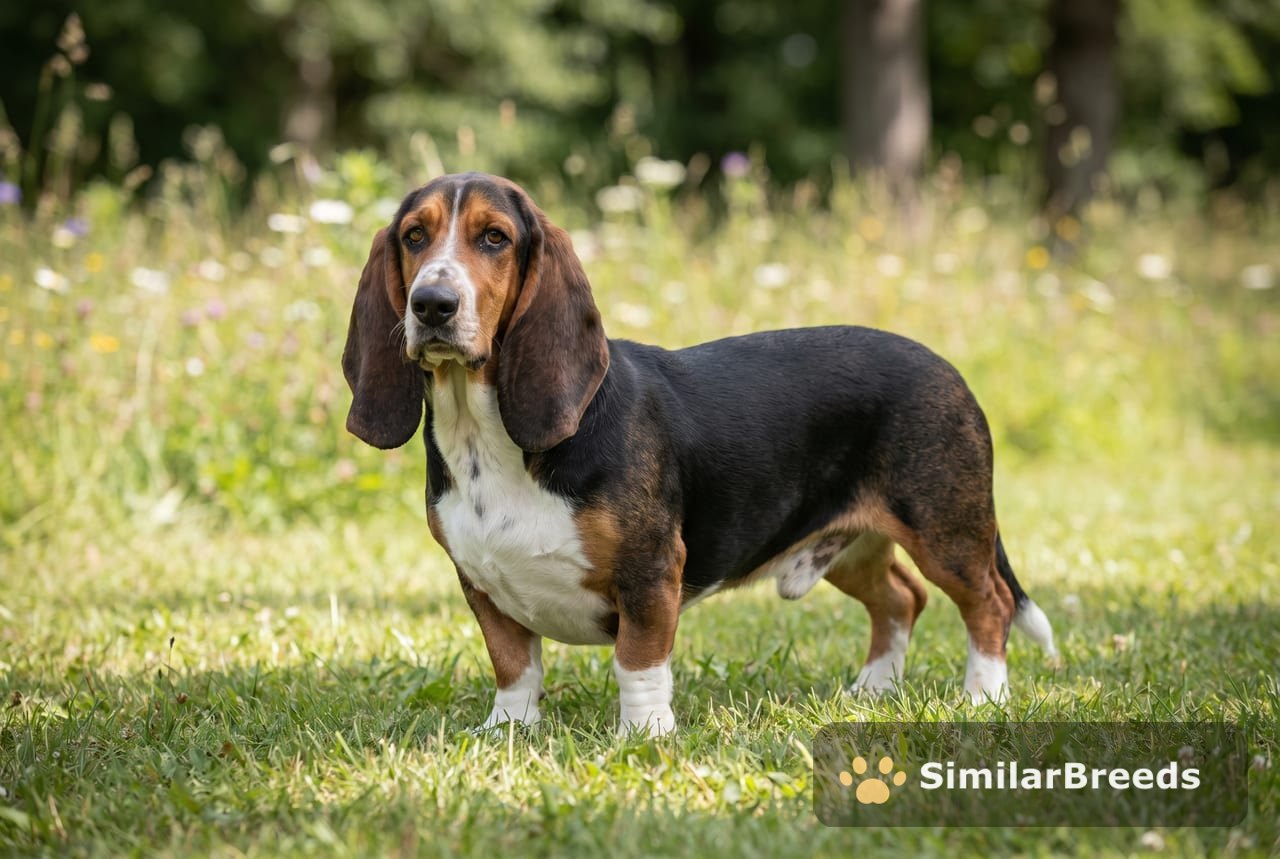
**Basset Hound** is the closest visual and functional relative: same French origin, same chondrodystrophic build, and the same role trailing game on foot. The Basset Hound is heavier and more exaggerated in conformation; the Basset Artésien Normand is the leaner, more athletic predecessor type.
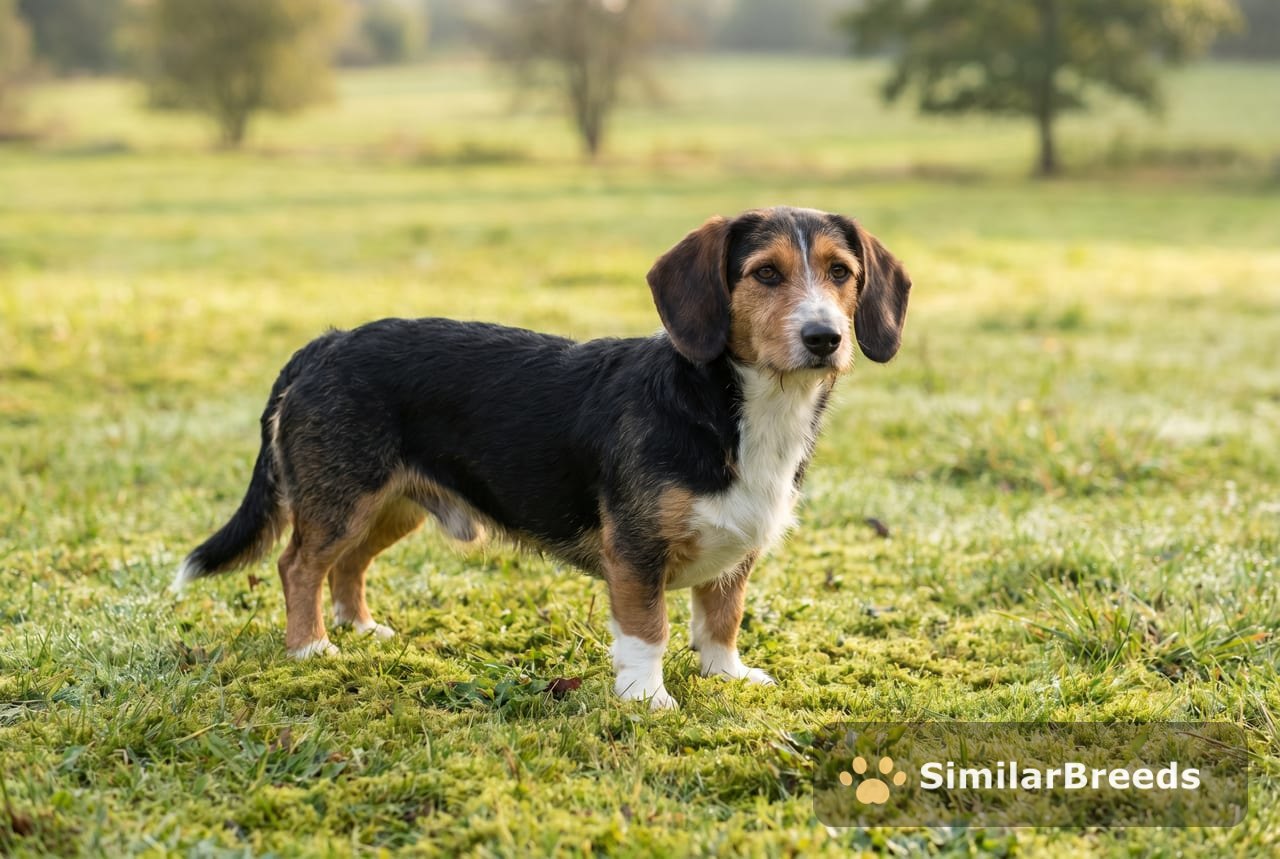
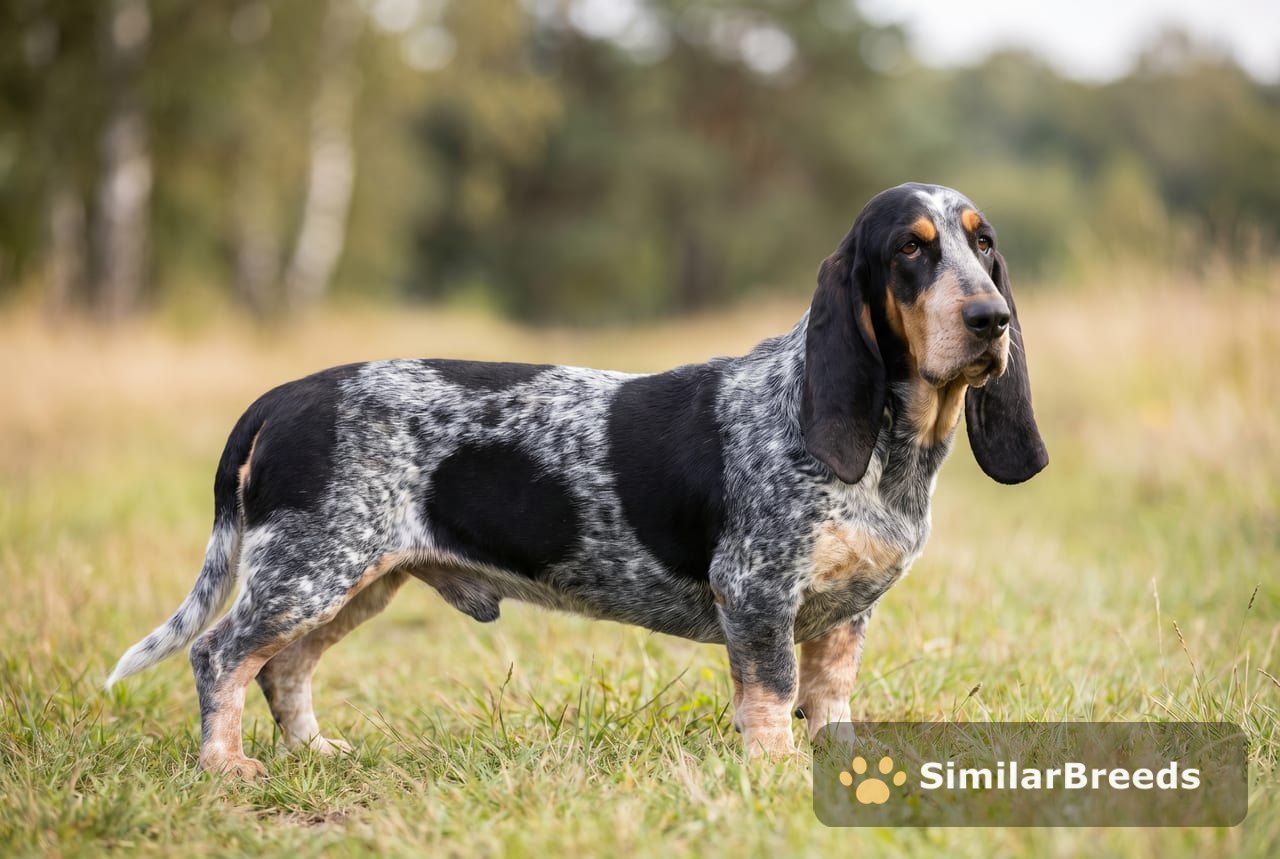
**Blue Gascony Basset** (Basset Bleu de Gascogne) is another French short-legged scent hound from the same FCI group, rebuilt from near-extinction in the same era; it shares the low-slung frame, scent-hound temperament, and pack-hunting heritage. **Drever** is a Swedish short-legged hound developed partly from German and French basset blood; it fills the same role of driving deer and hare at a pace hunters can follow on foot, and shares the determined nose and even temperament.
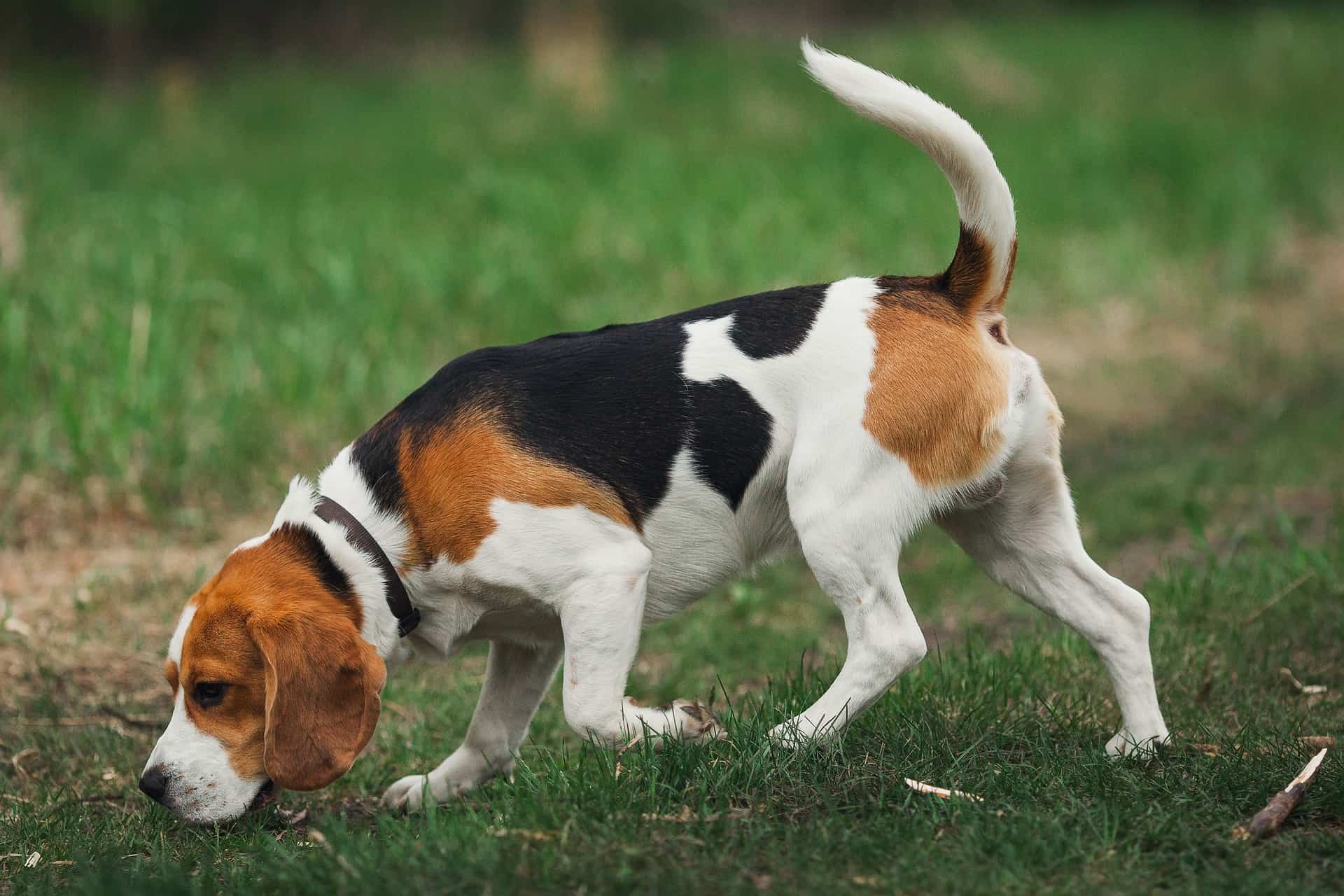
**Beagle** overlaps in purpose (rabbit and hare hunting on foot), pack-friendly nature, and moderate size, though it has a standard-length leg and a more compact frame. **Finnish Hound** is a larger scent hound from Scandinavia bred for solo or small-pack hunting of hare and fox; it shares the driven, independent nose-work character and the calm, friendly home temperament, though it is taller and faster than the Basset Artésien Normand.