Basset Hound
From Great Britain
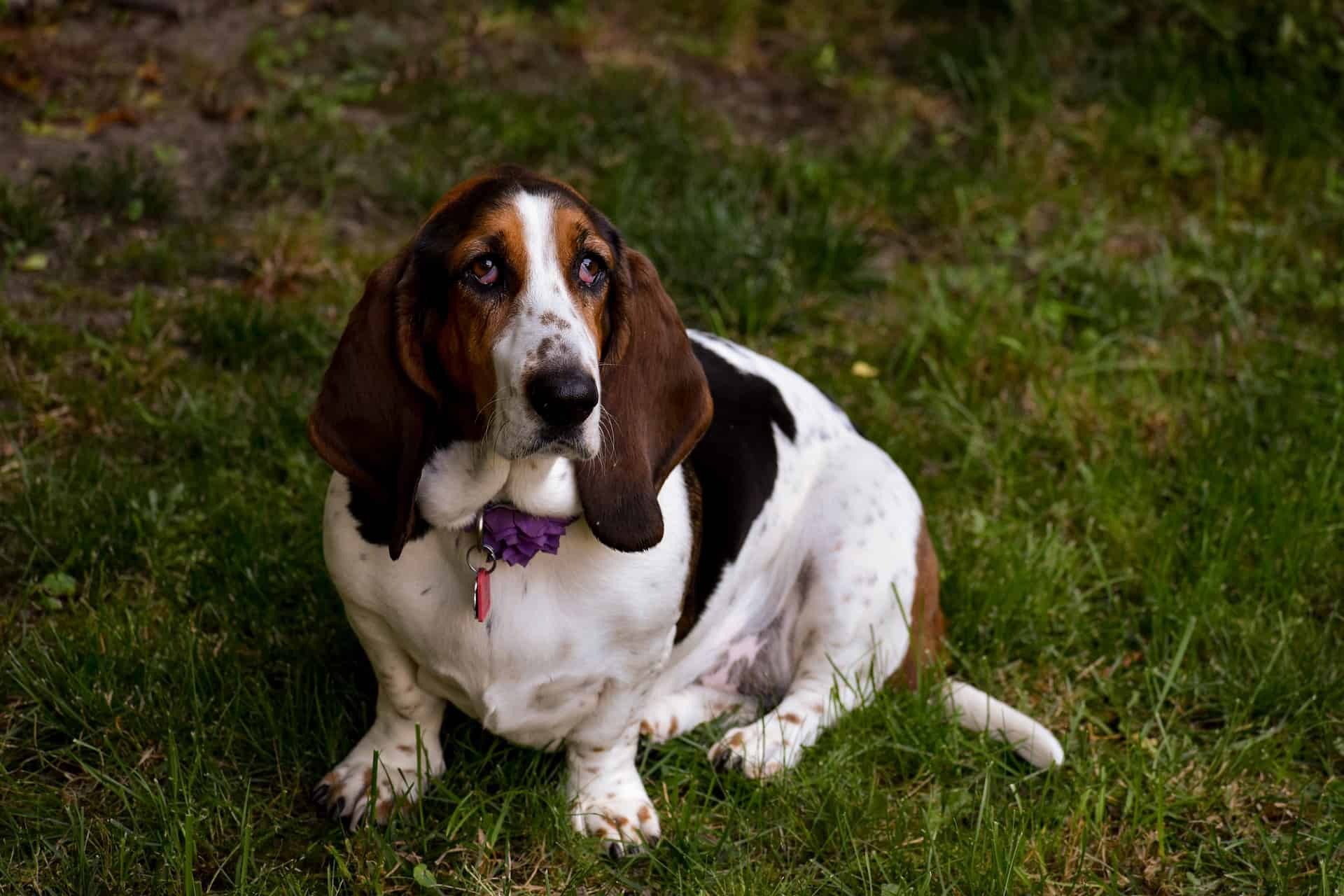
Purpose & Origin
The Basset Hound is a French breed with roots stretching back to the sixteenth century, when short-legged hounds were used for hunting at a pace a person on foot could match. The word "basset" comes from the French for low or dwarf, and dwarfed hounds had existed in France since at least the fifth century. The breed as we know it crystallised after the French Revolution, when hunting shifted from aristocratic pack hunts to individuals following dogs on foot, often with a gun. What was needed was a dog with tremendous nose, heavy bone, and a slow enough pace that the quarry stayed still long enough for a shot.
The Basset Artesien Normand most directly shaped the modern Basset Hound, with crosses to the Bloodhound in the late 1800s and again in 1930 adding more size and substance. The breed arrived in Britain and America in the late 1800s and was among the first breeds the AKC recognised, in 1885.
Temperament & Behaviour
Few hounds are as reliably good-natured as the Basset. It is amiable with other dogs, other pets, and children, calm in the house, and almost impossible to rattle. That said, it is still a scenthound to its core: once it picks up a trail it becomes single-minded and difficult to redirect, and it is quite capable of following a scent until it loses itself entirely. The stubborn streak is real and runs deep. The Basset is not aloof, but it operates on its own timetable. It has a resonant, carrying bay it deploys freely when on the trail or when it wants attention.
Activity & Training
The Basset's exercise needs are modest, a daily walk on leash or a safe yard to move around in is enough to keep it fit. Offleash freedom requires a securely fenced area; the nose overrides recall entirely. Training is possible but demands patience and consistency. The Basset is not motivated by approval the way a retriever is, so sessions should be short, reward-based, and free of frustration. Expecting quick, crisp obedience is a mismatch with the breed's character.
Grooming
The short, dense coat is low maintenance and needs only occasional brushing to stay tidy. The wrinkles around the face and the folds around the mouth need regular cleaning to prevent odour and skin irritation. The long ears trap moisture and debris, making them prone to infections if not checked and cleaned routinely. Bassets drool, which is worth knowing before committing to pale upholstery.
Health
The Basset carries significant health responsibilities. Major concerns include hip and elbow dysplasia, eye conditions such as entropion, ectropion, and glaucoma, ear infections, bloat, and a blood platelet disorder that affects clotting. The long, heavy body on short legs puts constant load on the spine, and obesity compounds this sharply. Keeping a Basset lean is one of the most important things an owner can do for its long-term soundness. Life expectancy is roughly ten to twelve years.
Why these breeds are similar
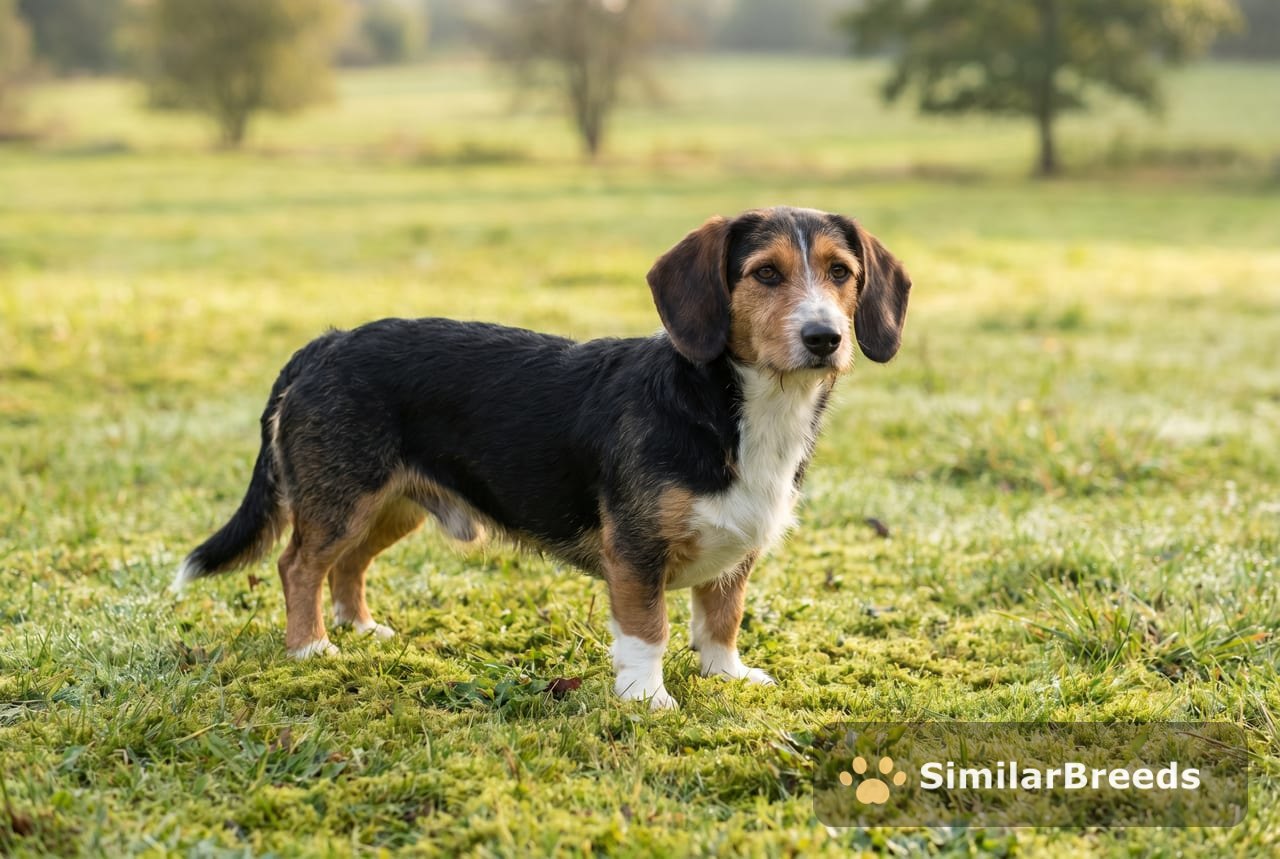
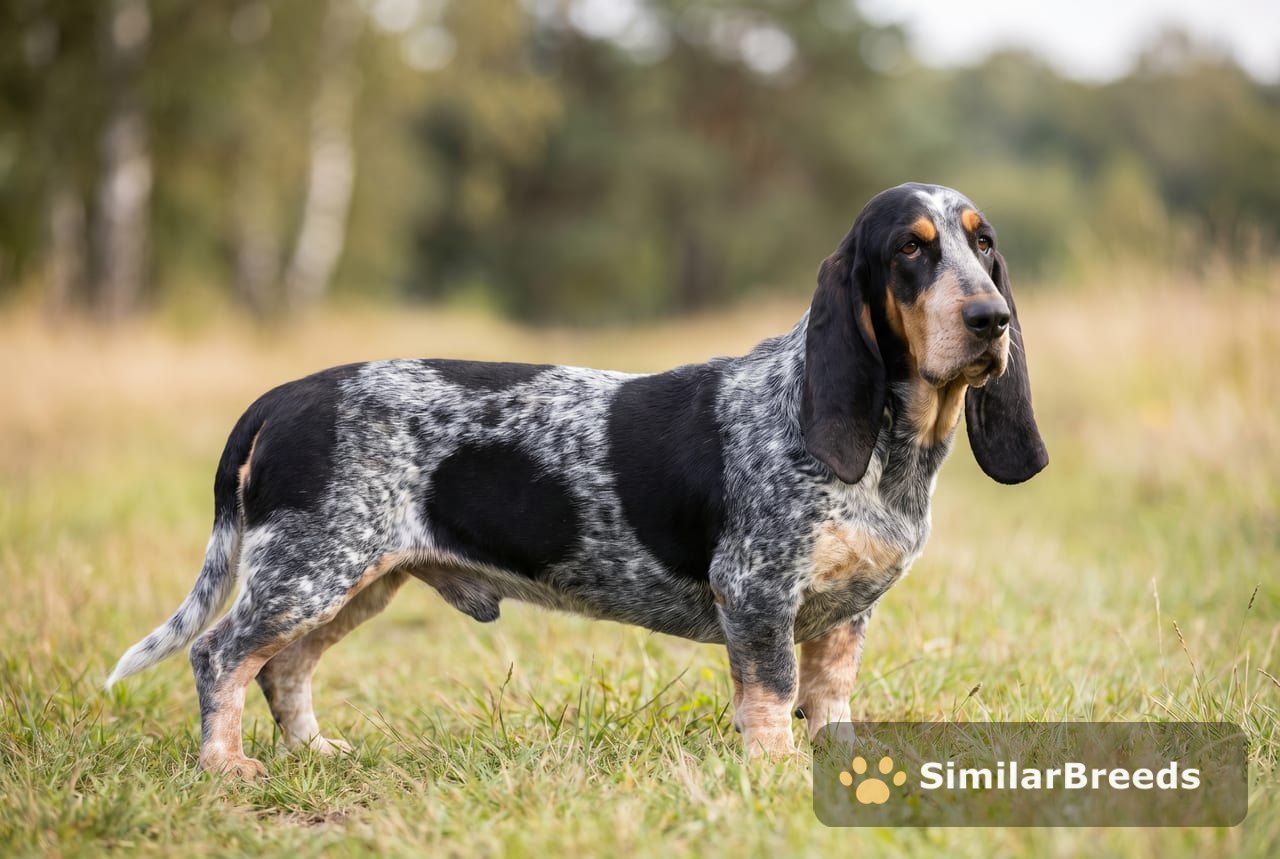
The **Drever** is the Basset's Swedish working cousin, a short-legged scenthound built for tracking deer and hare through forest terrain at a pace hunters could follow on foot. It shares the same low-slung build, heavy bone, and methodical scenting approach. The **Blue Gascony Basset** is a direct French relative from the same tradition of dwarfed pack hounds, bred to work scent at slow pace; the two breeds share ancestry, function, and body type almost exactly.
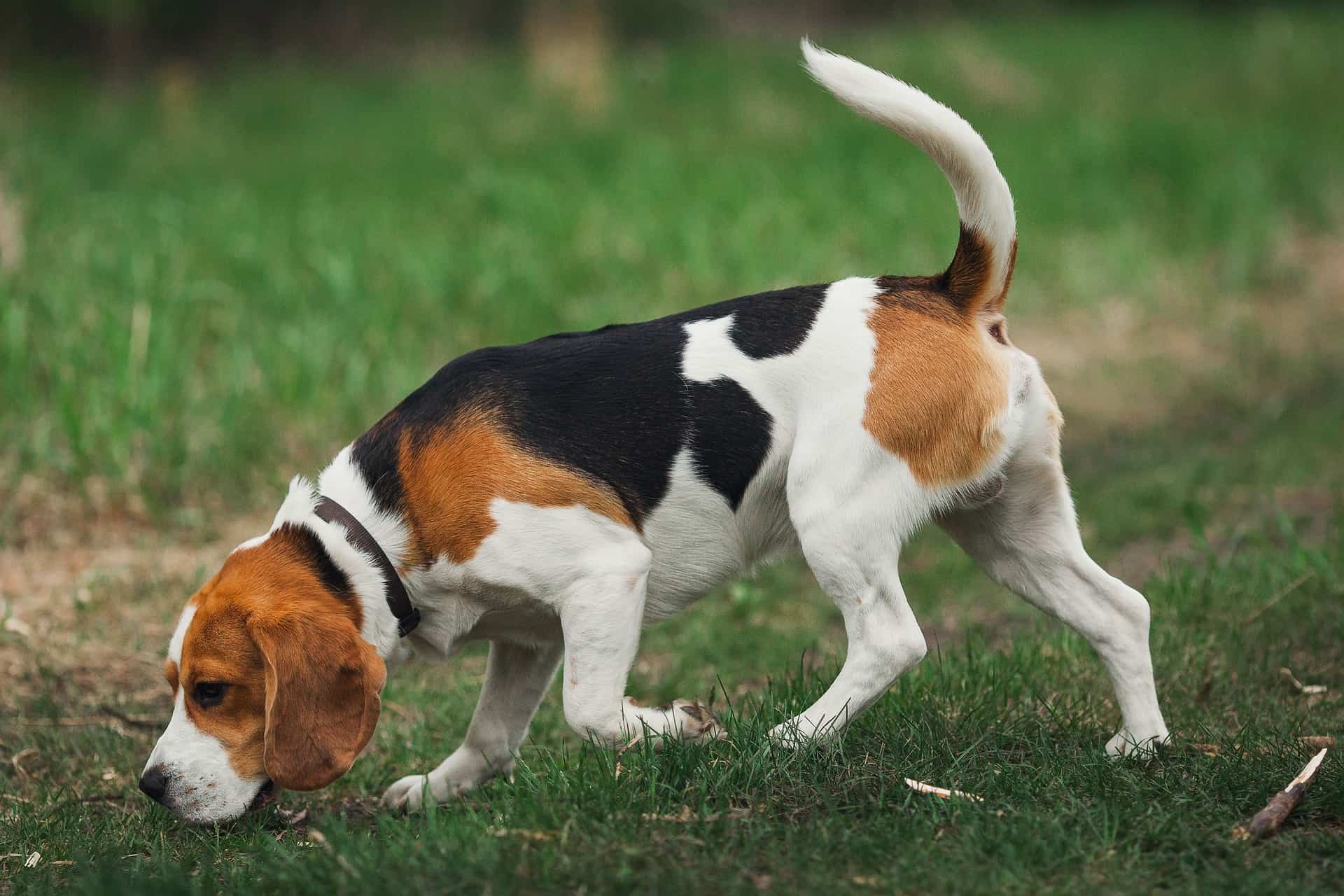
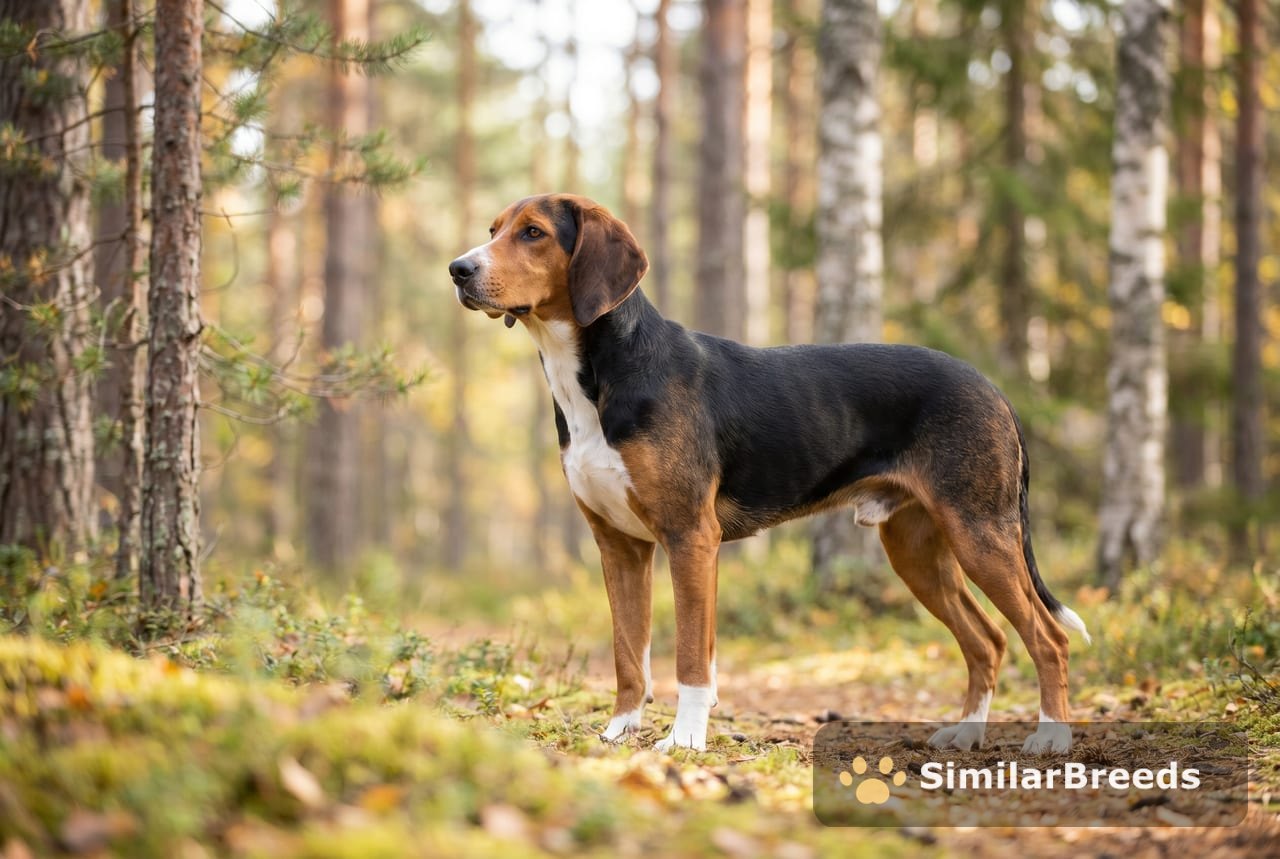
The **Beagle** is the natural companion comparison: another compact, pack-oriented scenthound developed for trailing hare and rabbit, with a similar good-natured temperament and the same vocal enthusiasm on the trail, though on a considerably lighter frame. The **Finnish Hound** is the largest of the group, a full-sized Nordic scenthound, but it shares the same working purpose of trailing game for hunters on foot and the same driven, independent nose-to-ground character that defines all four.
Trait ratings
- Energy level
- 2/5
- Exercise requirements
- 2/5
- Playfulness
- 2/5
- Affection level
- 4/5
- Friendliness toward dogs
- 3/5
- Friendliness toward other pets
- 3/5
- Friendliness toward strangers
- 3/5
- Ease of training
- 2/5
- Watchdog ability
- 3/5
- Protection ability
- 1/5
- Grooming requirements
- 2/5
- Cold tolerance
- 3/5
- Heat tolerance
- 3/5