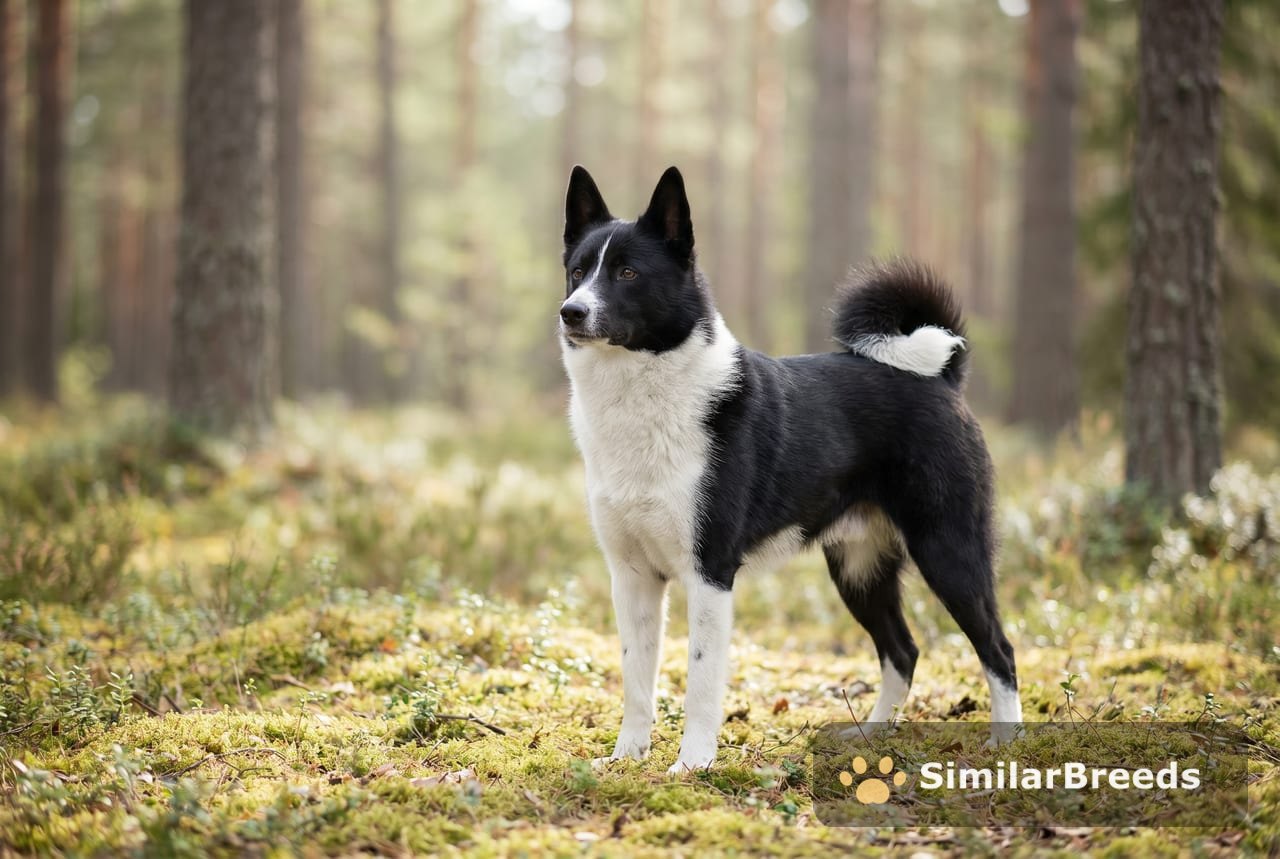
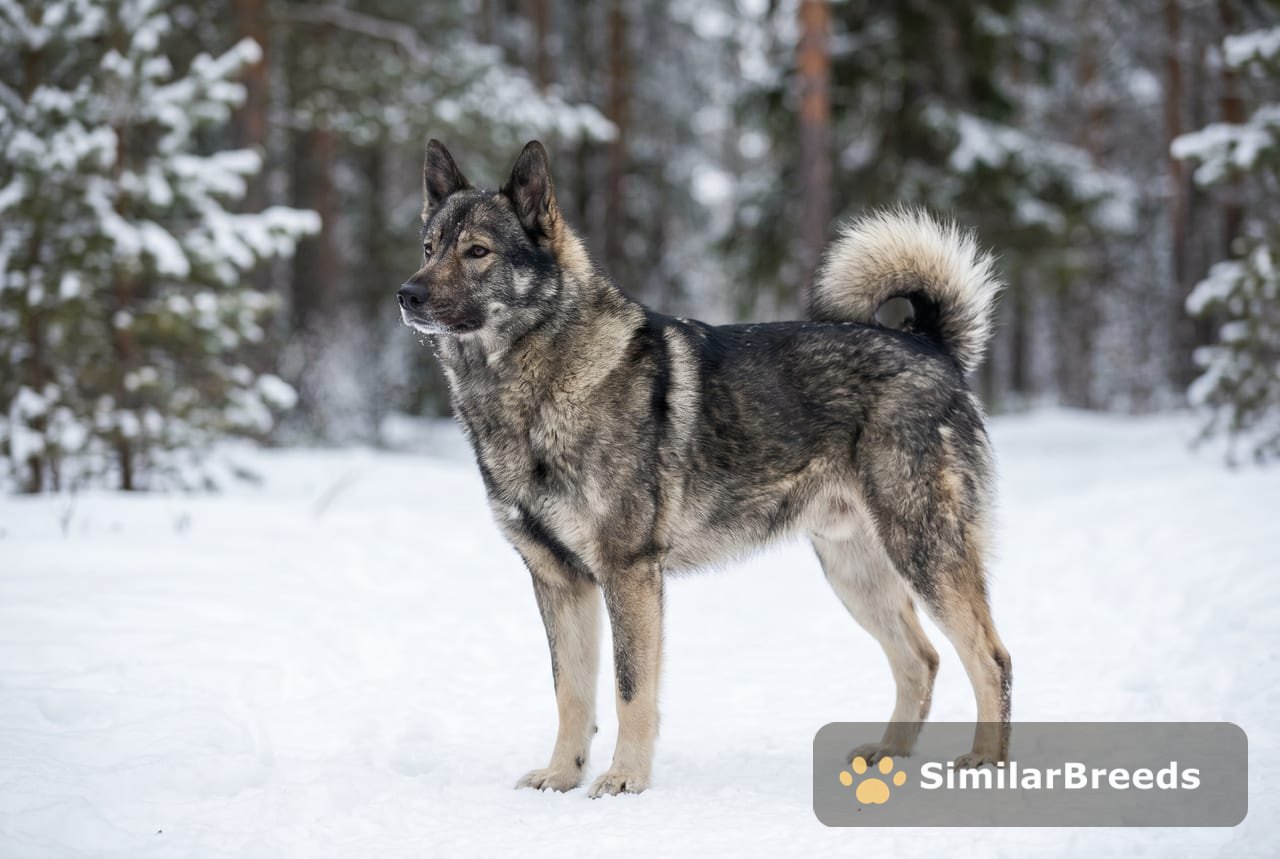
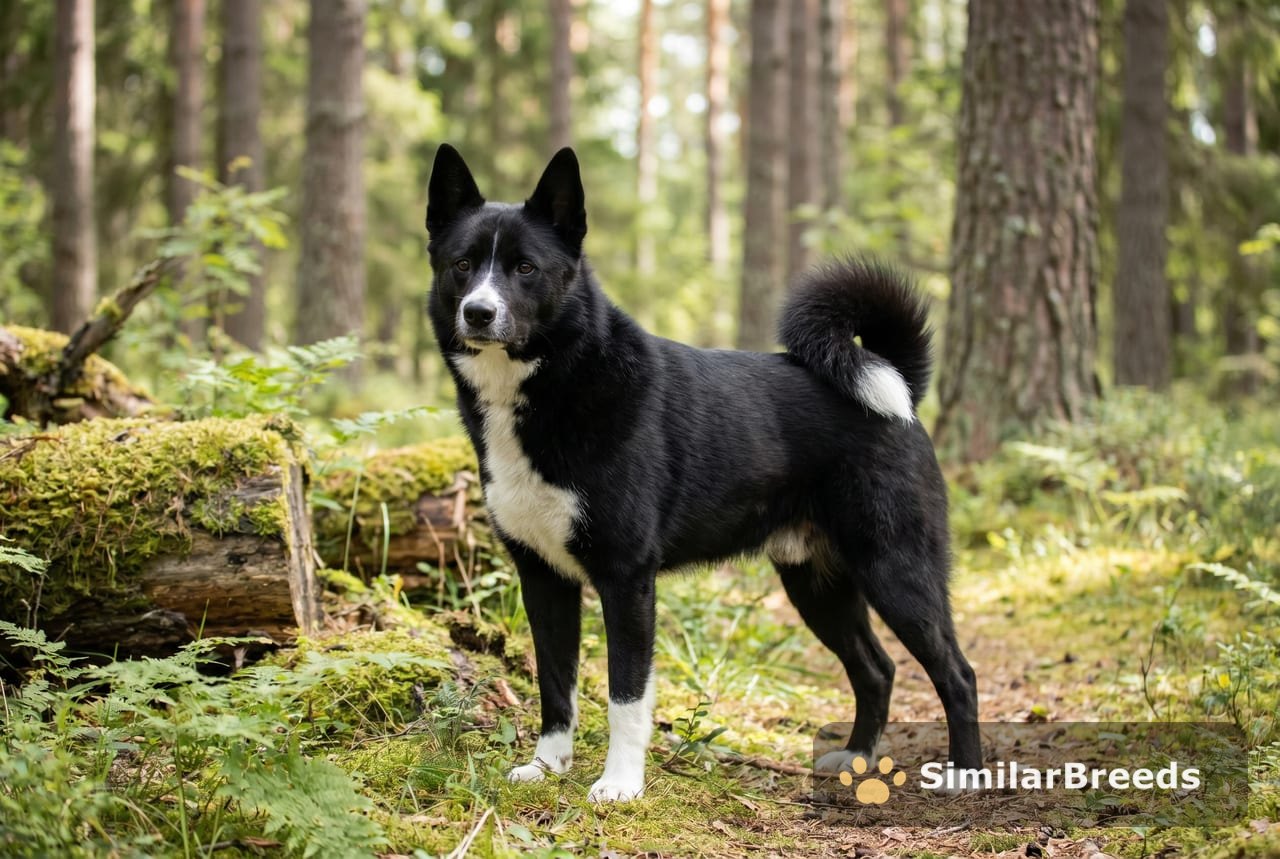
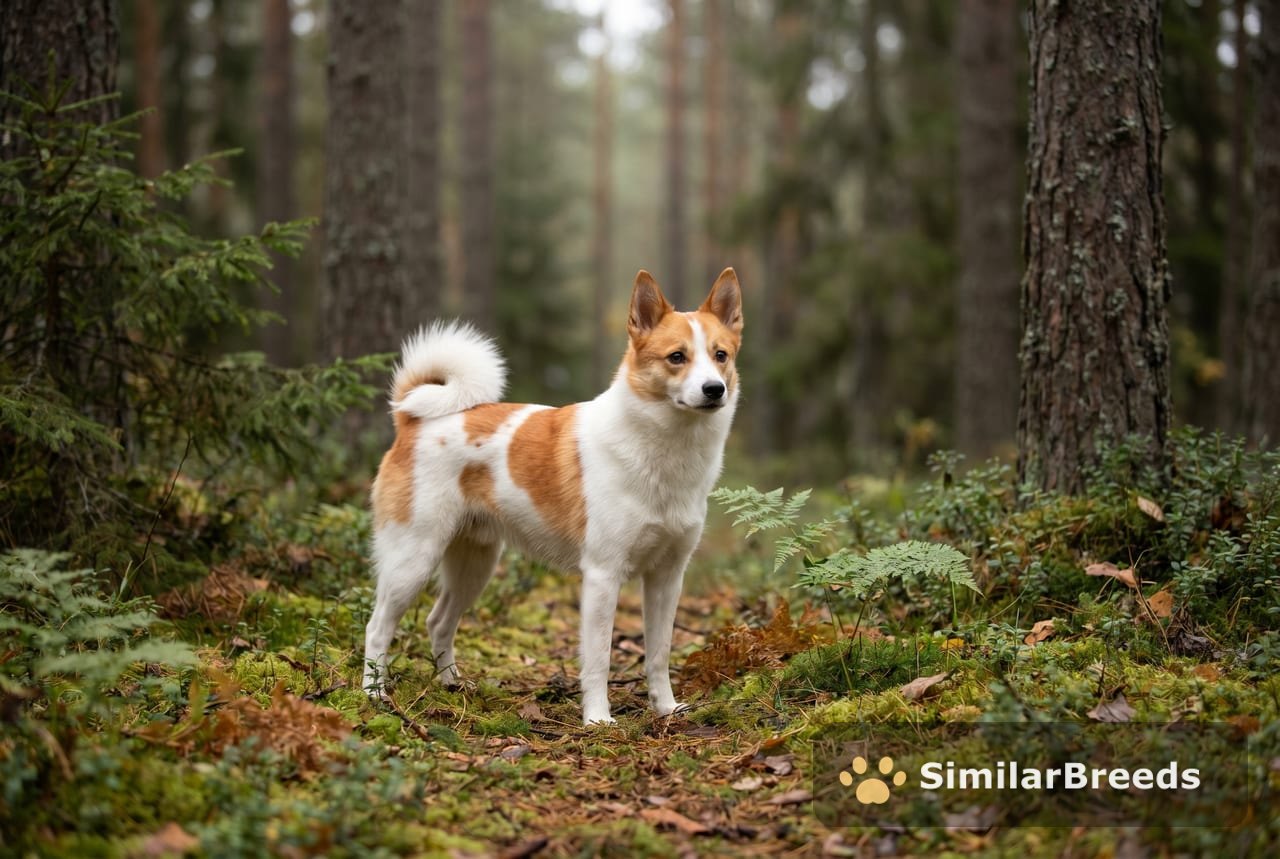
West Siberian Laika
From Russia
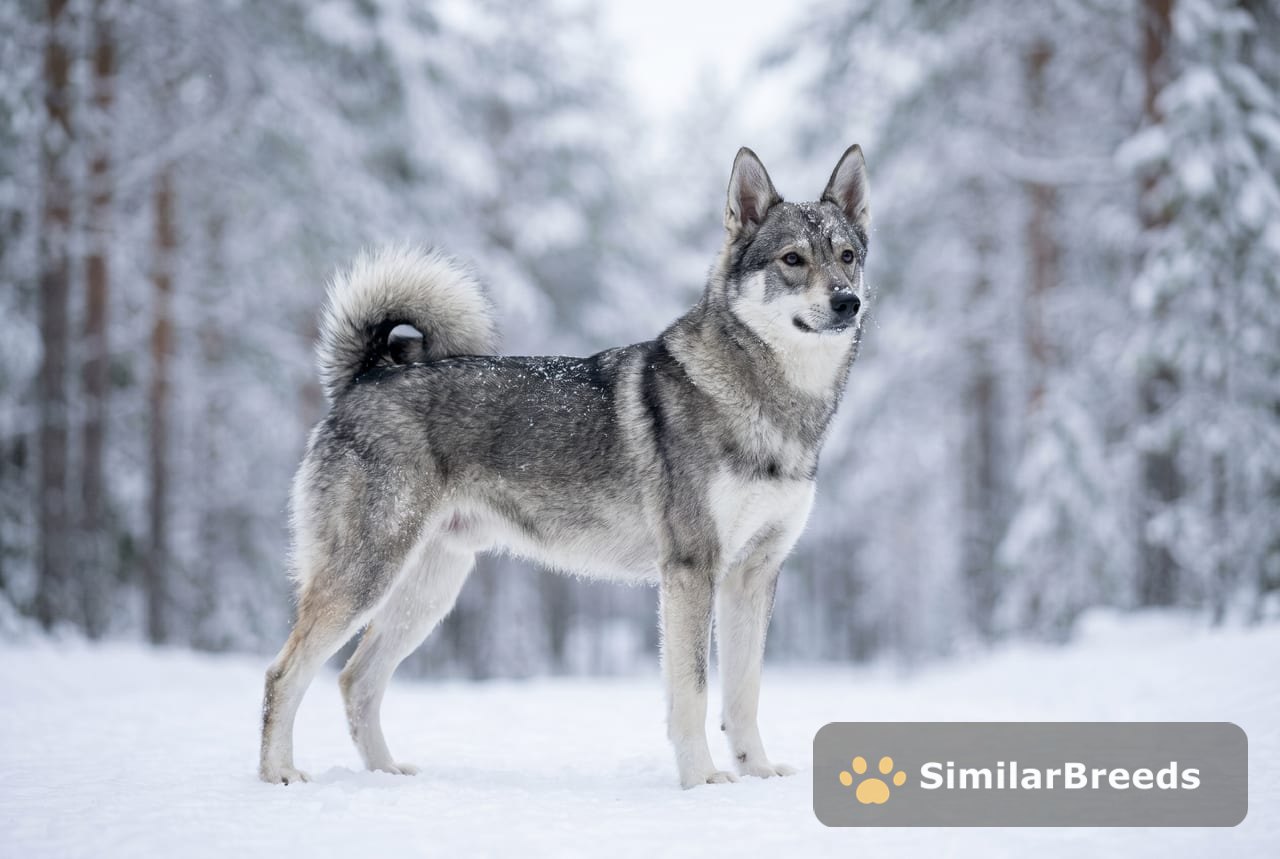
Purpose & Origin
The West Siberian Laika, known in Russia as the Zapadno Sibirskaia Laika, developed across the vast taiga and forest zones of western Siberia over centuries of selective breeding by indigenous peoples, particularly the Mansi and Khanty (Ostiak) tribes. Older references called it the West Siberian Husky, the Ostiak, or the Ostiak Laika.
The breed's core job was hunting large game, deer and bear above all, but it is adaptable enough to pursue small fur and feather game as well. Occasionally it was pressed into sledge-pulling duties.
The word "laika" is Russian for "barker," which points directly to the hunting technique: the dog locates and bays at stationary game, holding it in place until the hunter arrives. This vocal, self-directed style of work shaped the breed's character in ways that matter for anyone thinking of owning one today.
Temperament & Behaviour
The West Siberian Laika is an intelligent, high-energy dog with a strong independent streak and an equally strong prey drive. With its own family it is affectionate and social, genuinely attached to its people rather than aloof. That friendliness does not extend to small animals in the household: a dog bred to locate and hold quarry will chase cats, rabbits, and similar pets unless raised alongside them from puppyhood, and even then the instinct never fully switches off.
The breed is alert and vocal, which made it an effective hunter's partner but makes it a poor choice for close neighbours. It does not respond well to harsh or heavy-handed handling; force tends to produce stubbornness or anxiety rather than compliance.
Activity & Training
This is a high-exercise breed. A West Siberian Laika that does not get adequate daily physical and mental outlets will find its own outlets, none of them welcome. Long off-leash runs in a safely fenced area, or structured work such as tracking, canicross, or bikejoring, suit it far better than urban flat walks.
The breed learns quickly when training is positive and consistent, but its genetic programming is to think and act alone in the field, so it will question commands that seem pointless and ignore a handler it does not respect. Early socialisation and obedience work are non-negotiable, not optional extras. Recall is the hardest skill to establish reliably once prey drive kicks in; a long line in open country is prudent until the dog is genuinely solid.
Grooming
The West Siberian Laika carries a dense double coat, a coarse outer layer over a thick insulating undercoat, adapted to hard Siberian winters. For most of the year a thorough brush once or twice a week with a pin brush manages loose hair and prevents matting. The breed blows its undercoat seasonally, usually twice a year, and during those weeks daily brushing is necessary unless the owner wants a house carpeted in fur. Outside of shedding periods the coat is relatively self-maintaining: the Laika is a naturally clean dog that rarely needs bathing. Ears, nails, and teeth follow standard maintenance schedules with no breed-specific complications.
Health
The West Siberian Laika is a robust, working breed without the concentrated genetic bottlenecks common in heavily show-bred dogs. Lifespan is typically 12 to 14 years. The known health risks are hip dysplasia and skin allergies, neither unusually prevalent. No hereditary eye or cardiac conditions are consistently flagged in the literature. Buyers should still request hip scores from both parents, as hip dysplasia is a risk in any medium-to-large active breed.
Why these breeds are similar
The **Russian-European Laika** is the closest parallel: also a Russian spitz-type hunting dog bred to bay large game, similarly vocal and independent, differing mainly in derivation from Karelian-region stock rather than western Siberian tribes. The **East Siberian Laika** shares origin, purpose, and working style with the West Siberian but is a larger, somewhat more powerfully built dog developed further east.
The **Karelian Bear Dog** from Finland overlaps in function, the same bark-and-hold technique against large game, and in temperament, the same intense prey drive and need for an experienced handler, though it is a Finnish breed rather than a Russian one.
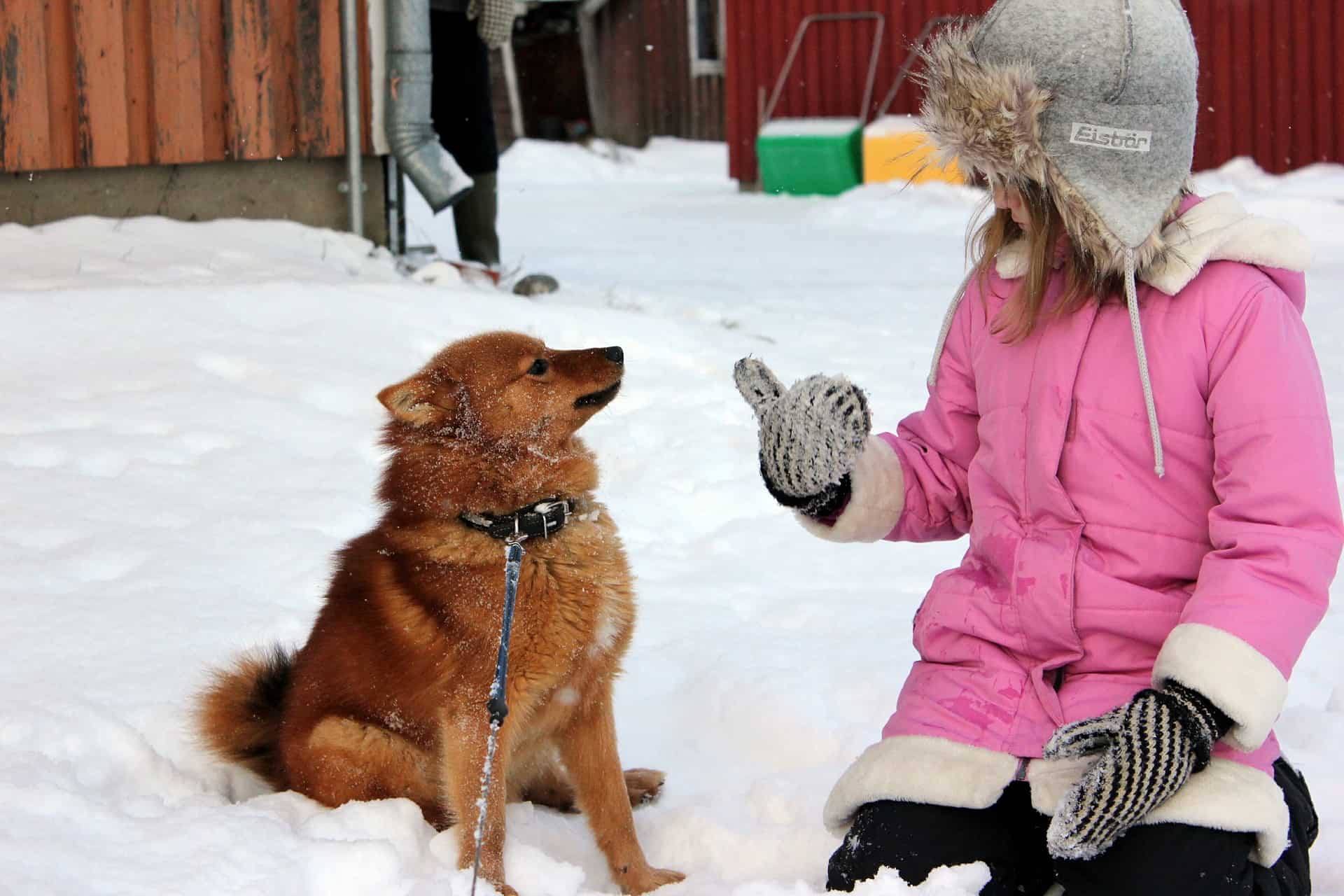
The **Finnish Spitz** is the lighter end of this functional group: also a barking pointing dog, also vocal and independent, but smaller-framed and more typically used on birds and small game than on bear and deer. The **Norrbottenspets** is a Swedish spitz hunting dog of similar size and working style, bred to locate and bay game in boreal forest, sharing the alert, energetic, and self-reliant character that defines the whole laika-type cluster.